Most of us expect our gadgets to keep working as long as the hardware doesn’t break. But some tech devices are tied so tightly to company servers that when the business shuts down, the gadget dies with it. We looked through different sources and reports to find the most striking examples for you. So here are 14 gadgets that completely stopped working the moment their companies pulled the plug.
Revolv Smart Home Hub

Google closed the servers for Revolv in 2016 and every hub in existence immediately turned into a brick. Many owners were extremely upset to find their $300+ hubs inoperable virtually overnight.
Lighthouse AI Cameras

These security cameras didn’t store any data locally and depended on cloud servers for facial and pet recognition. Cameras also synced settings to the cloud servers. When Lighthouse closed its doors in 2019, the devices stopped working.
Juicero Juicer

The $400 Wi-Fi–enabled juicer required proprietary Juicero juice packs in order to work. When the Juicero company went out of business in 2017, the special packs stopped being produced, making the juicers worthless.
Sonos CR100 Controllers
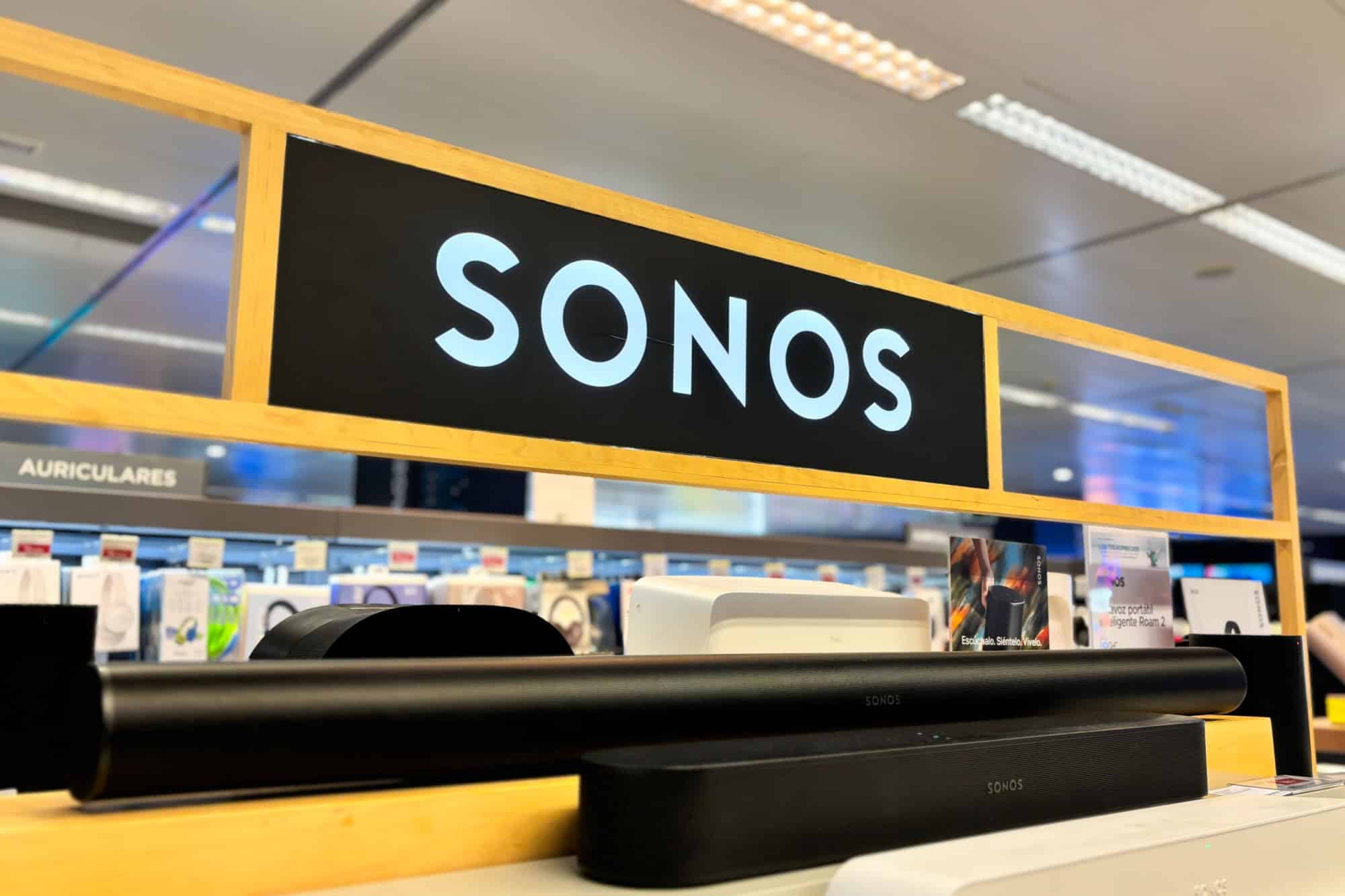
Sonos discontinued support for their original controllers and, in 2018, pushed an update that permanently disabled them. Owners were offered a discount on newer models, but the old ones were bricked. They backtracked after backlash and allowed speakers to continue working.
Sprint’s Overdrive 4G Hotspot
Sprint introduced the Overdrive hotspot during early 4G days. When Sprint later killed its WiMax network, the devices stopped working completely.
Quirky Wink Relay
This smart home wall panel depended on company servers to control devices. When Quirky went bankrupt, many units lost full functionality and essentially became bricks.
Jibo Robot

Jibo was a cute social robot that could talk and move its head. But when its servers were turned off in 2019, it waved goodbye and sent its “robotic soul” to the cloud, losing all functionality.
Hiku Grocery Scanner

This was a fridge magnet that scanned barcodes or recorded voice notes for your shopping list. In 2018, Hiku pulled the plug on its cloud service. Once that happened, the device simply couldn’t do its main job anymore.
Pebble Smartwatch
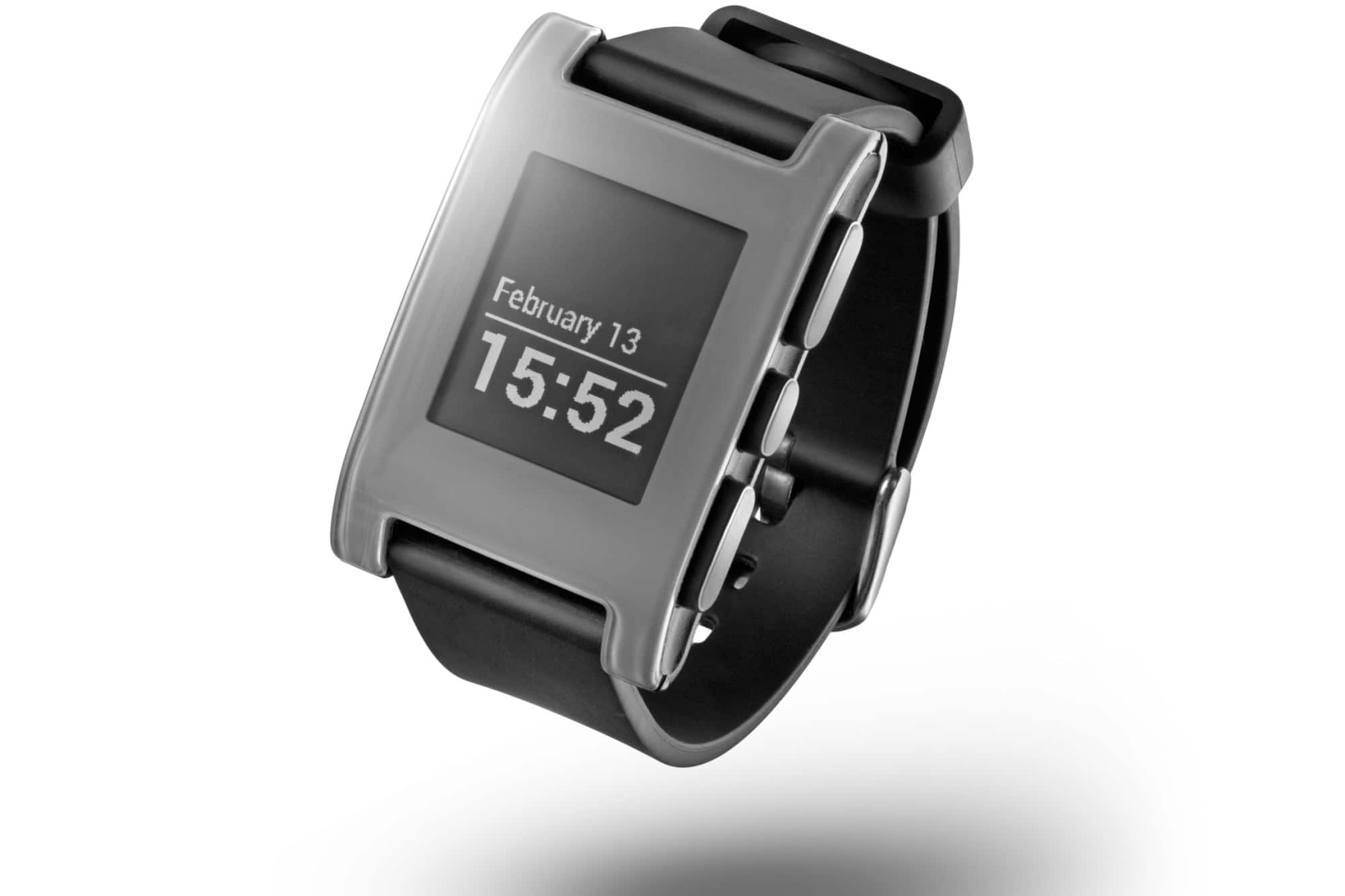
Pebble was one of the early adopters of the smartwatch. After Fitbit acquired the company, it eventually shut down the servers in 2018 which cut off the Pebble smartwatches from everything. Voice replies, downloading apps, and checking the weather were all capabilities that the smartwatch lost. It still had time-related functions, but most of it’s “smart” features were disabled. Not so smart after all!
T-Mobile Sidekick
Back in the 2000s, Sidekicks were famous for their flip-out screens and cloud-based contacts. But in 2011, Microsoft ended the Danger servers that powered them. Without that system, Sidekicks lost email, contacts, and web browsing, basically everything that made them cool.
Lowe’s Iris Smart Home
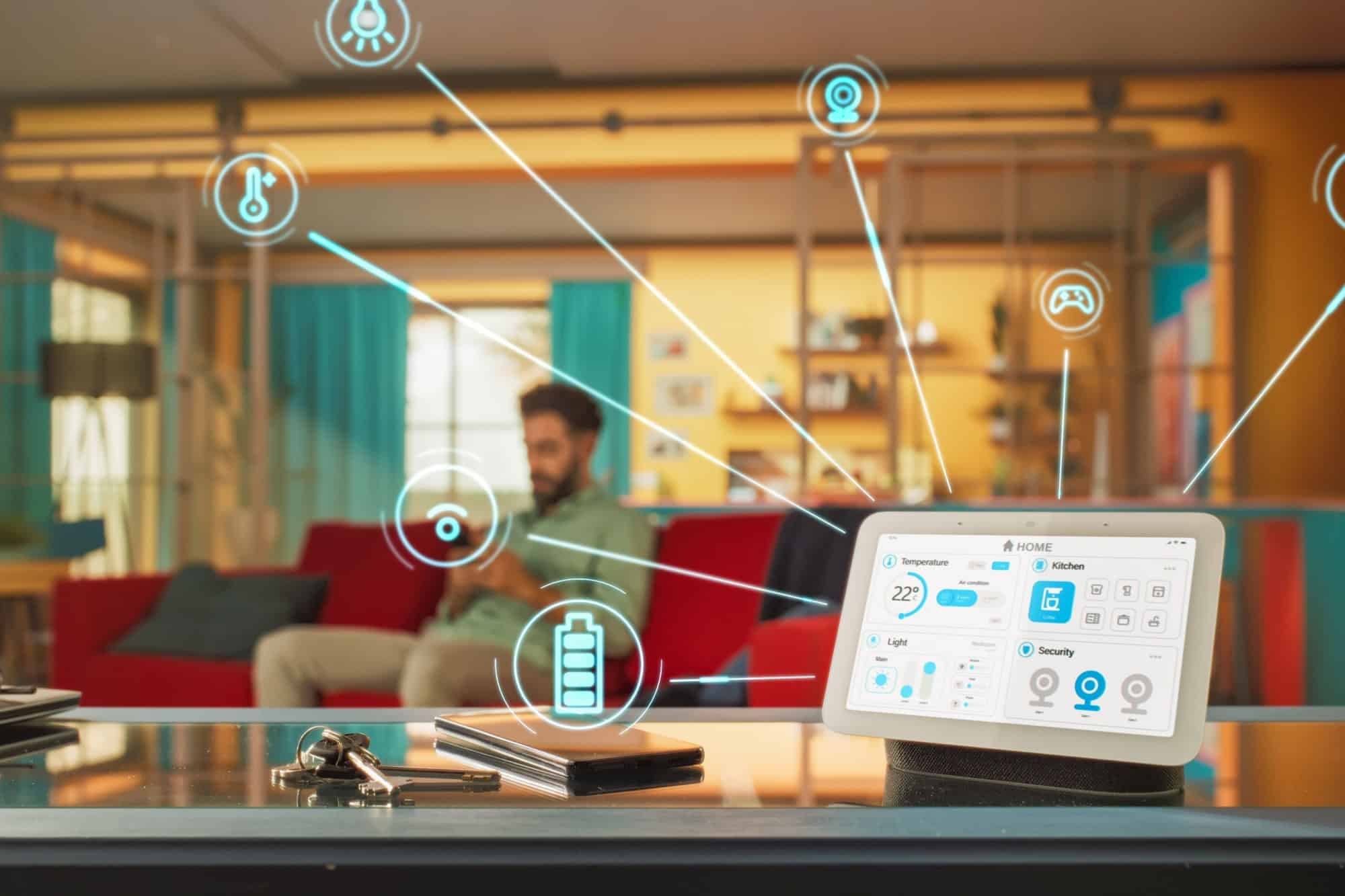
Lowe’s tried running its own smart home platform with sensors and alarms. But when they shut the service down in 2019, the gadgets stopped connecting entirely. Customers woke up to find their expensive smart setups useless.
Amazon Echo Look
Amazon launched the Echo Look in 2017 as a camera that gave fashion advice. But by 2020, Amazon announced it was pulling the plug. After July that year, Echo Look devices couldn’t do anything and owners were told to recycle them.
Netgear VueZone Cameras
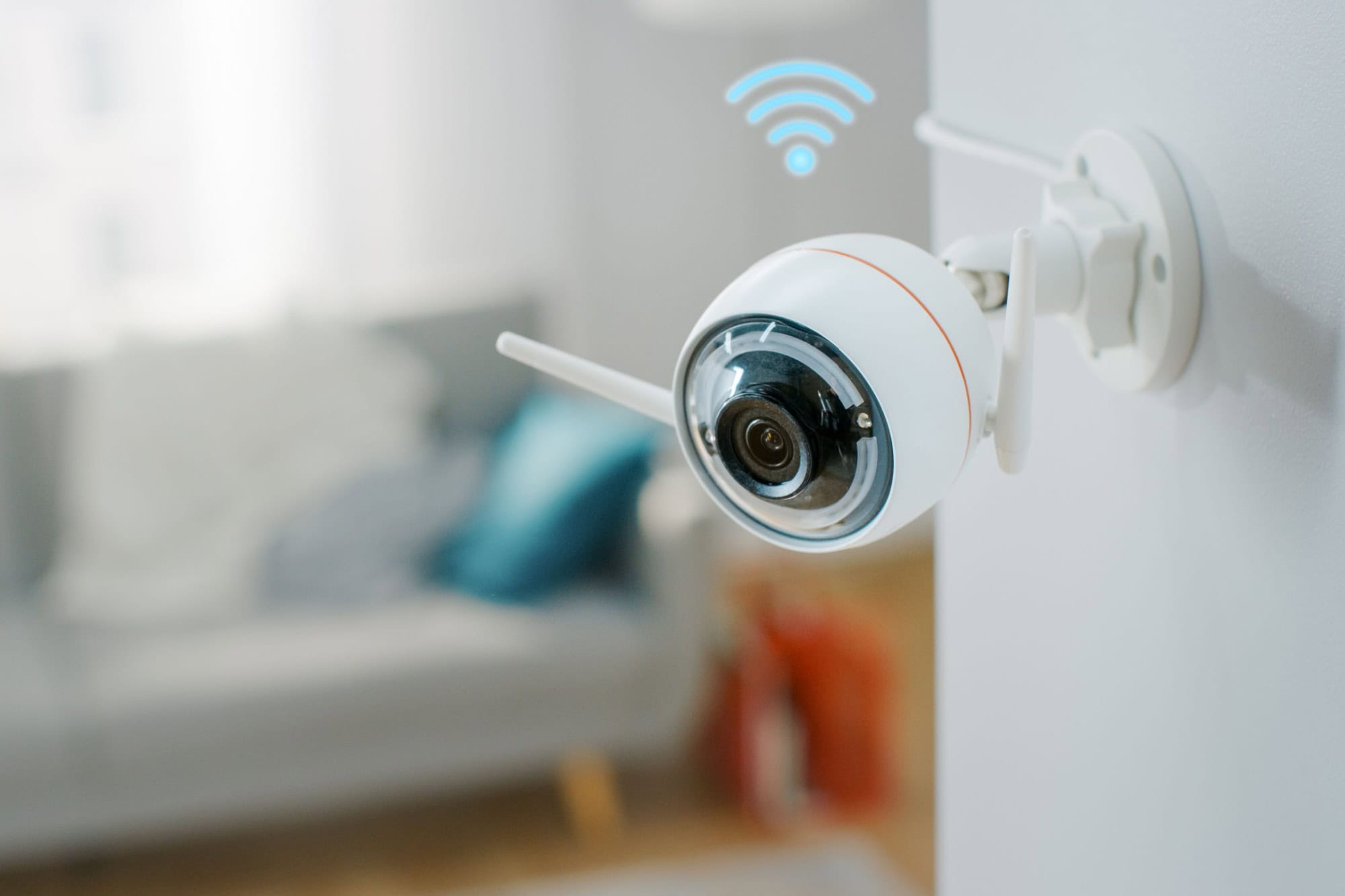
Netgear’s VueZone cameras were handy wireless security cams. The problem? They relied completely on cloud servers. When Netgear shut them down in 2019, the cameras instantly became junk.
Microsoft Band

Microsoft’s fitness tracker was discontinued in 2016, but it limped along until 2019. That year, Microsoft shut down its Health Dashboard and apps. After that, the Band couldn’t sync or reset, so anyone buying a new one was out of luck.
Sources: Please see here for a complete listing of all sources that were consulted in the preparation of this article.
Like our content? Be sure to follow us.