

Nursing homes have a lot of rules about what residents can and can’t keep in their rooms, and most of them make sense once you think about it. We talked to staff and families about it and they explained that safety is their biggest concern, safety from things like fire hazards, tripping risks, and even infection control. So while some items feel harmless, they’re usually not allowed for good reasons.
Featured Image Credit: Shutterstock.
Candles and incense

As cozy as they seem, candles and incense are a no-go in most nursing homes. One small spark can put everyone at risk, so facilities cut them out completely.
Space heaters
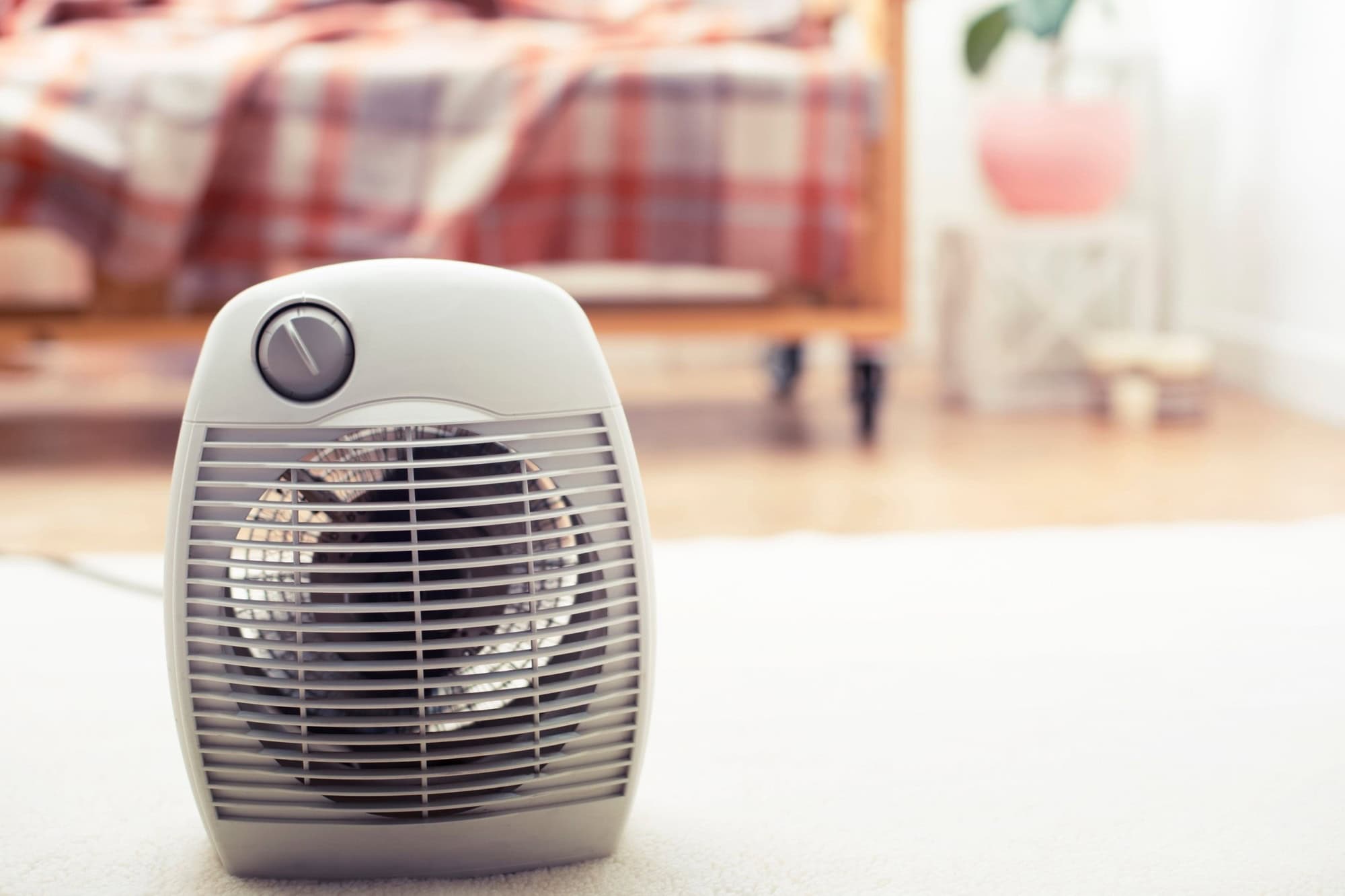
They can help warm up a room fast, but space heaters are a tripping or fire hazard. Fires are taken very seriously in nursing homes, so space heaters are not allowed in most cases.
Extension cords
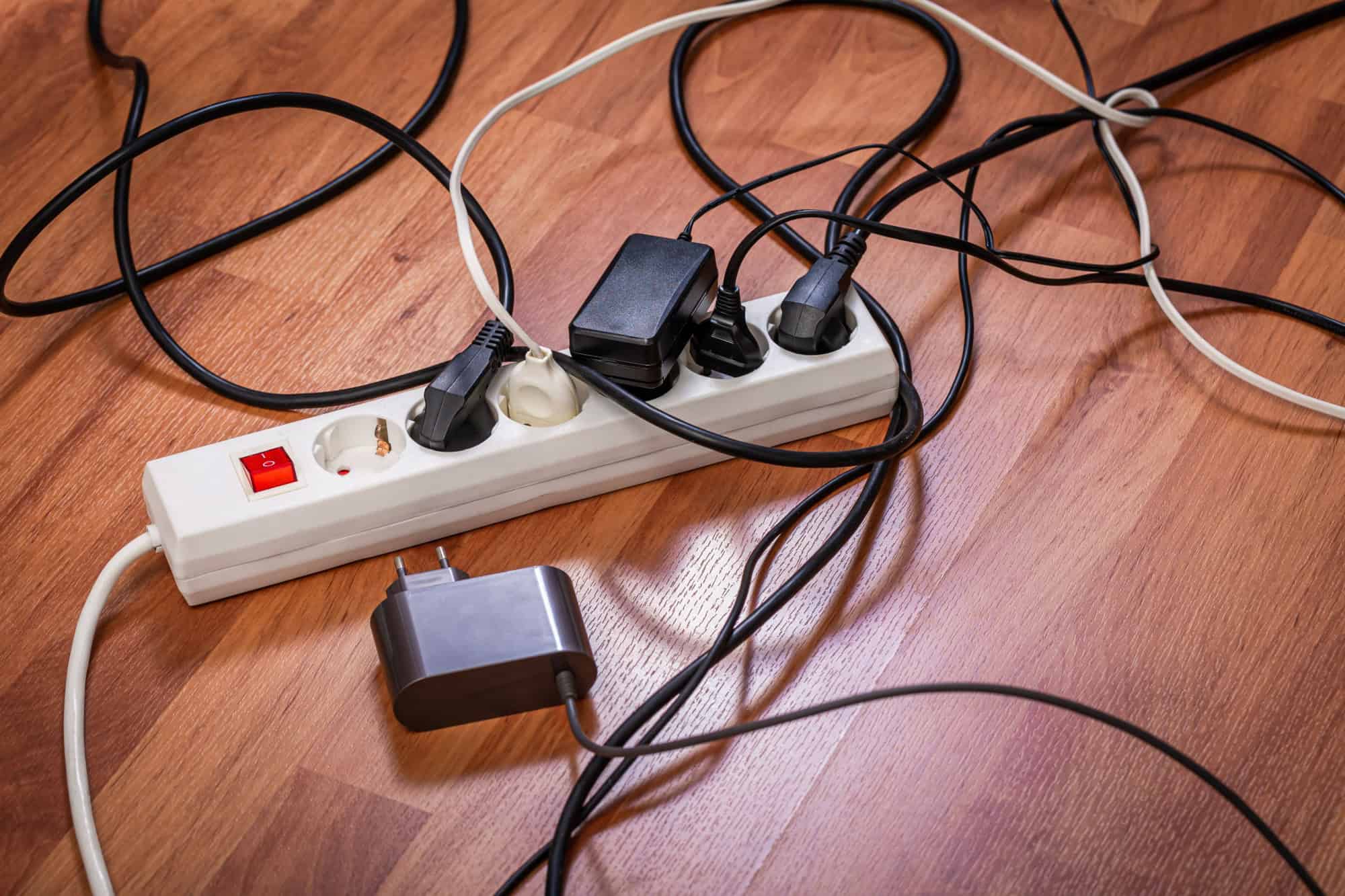
A long extension cord snaking its way across a room is a major tripping hazard. Plugging too many appliances into one outlet may also lead to overloading.
Large pieces of furniture

Nursing home rooms are designed to be simplistic and easy to maintain. Oversized furniture like a big sofa or a large dresser is just taking up valuable space and makes it difficult for residents and staff to get around.
Rugs and carpets

Tripping hazards are a huge issue for elderly nursing home residents. The smallest rug can slide out from under someone or get stuck on the wheels of a walker or wheelchair. For this reason, rugs and carpets are typically not allowed.
Certain cleaning products
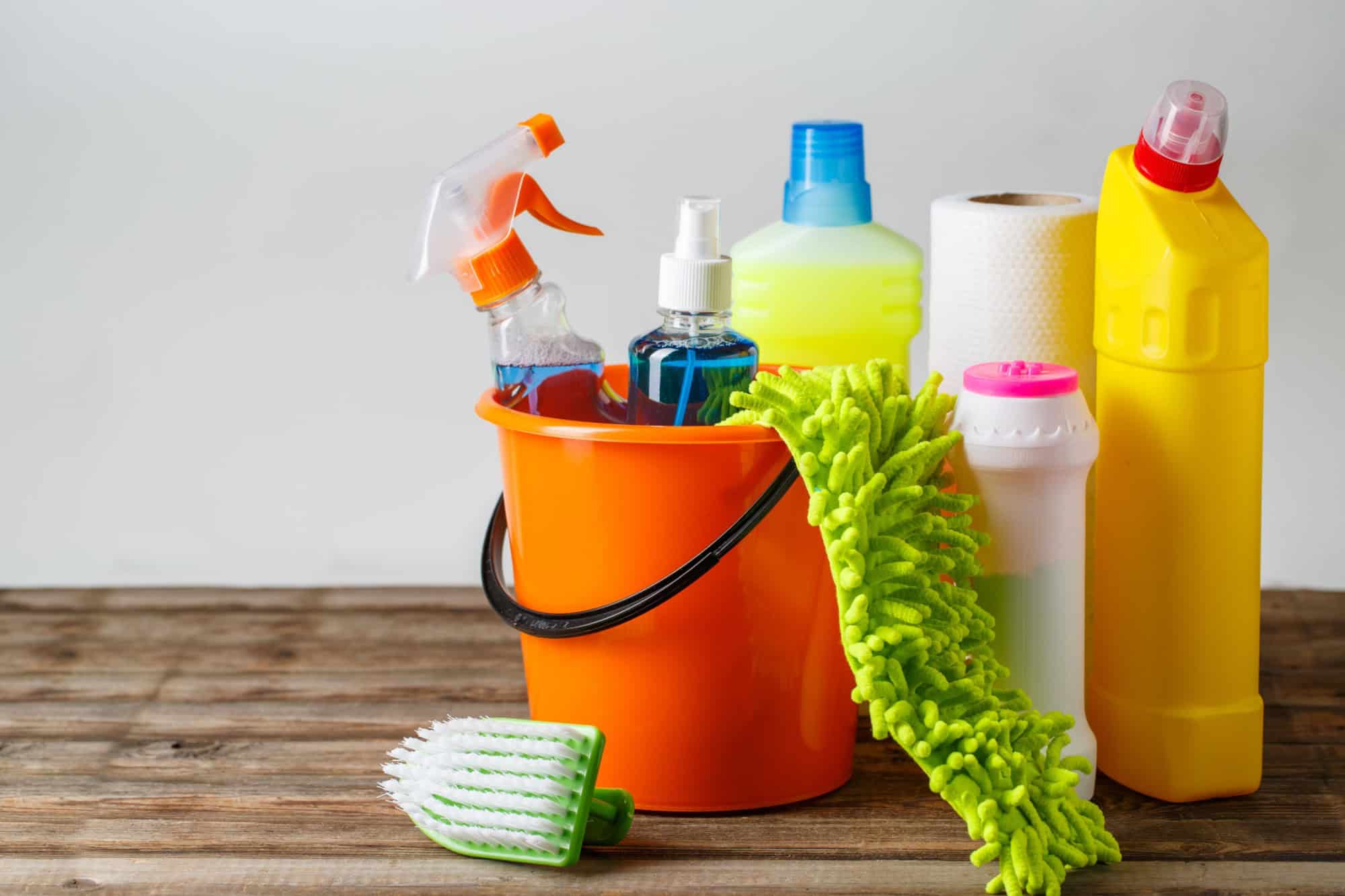
Cleaning supplies such as bleach or ammonia are not safe to keep around. If two chemicals are spilled or accidentally mixed together, they can quickly become hazardous. For this reason, cleaning products are usually only handled by staff members.
Knives and sharp tools

The staff at these facilities do not ban sharp objects because residents are untrustworthy or dangerous. There is a real concern about preventing accidents. After all, even a sharp kitchen knife or even a pair of scissors can be risky.
Alcohol

Rules about alcohol can vary, but a lot of nursing homes keep it off-limits. Many residents take a lot of medications, and even a sip of an alcoholic drink can lead to a major health emergency.
Firearms or weapons

This one’s pretty obvious. Even if someone owned them for years, nursing homes don’t allow guns or any type of weapon on the premises.
Pets (in most cases)

Some nursing homes allow small pets or therapy animals, but many don’t. Taking care of pets is a big responsibility, and staff can’t always step in to help with feeding or vet visits.
Electric blankets

Electric blankets seem harmless enough, but they can be dangerous in certain cases. They can overheat or even cause electrical sparks in some situations. To prevent burns or even fire risks, nursing homes use layered blankets instead.
Too many personal electronics
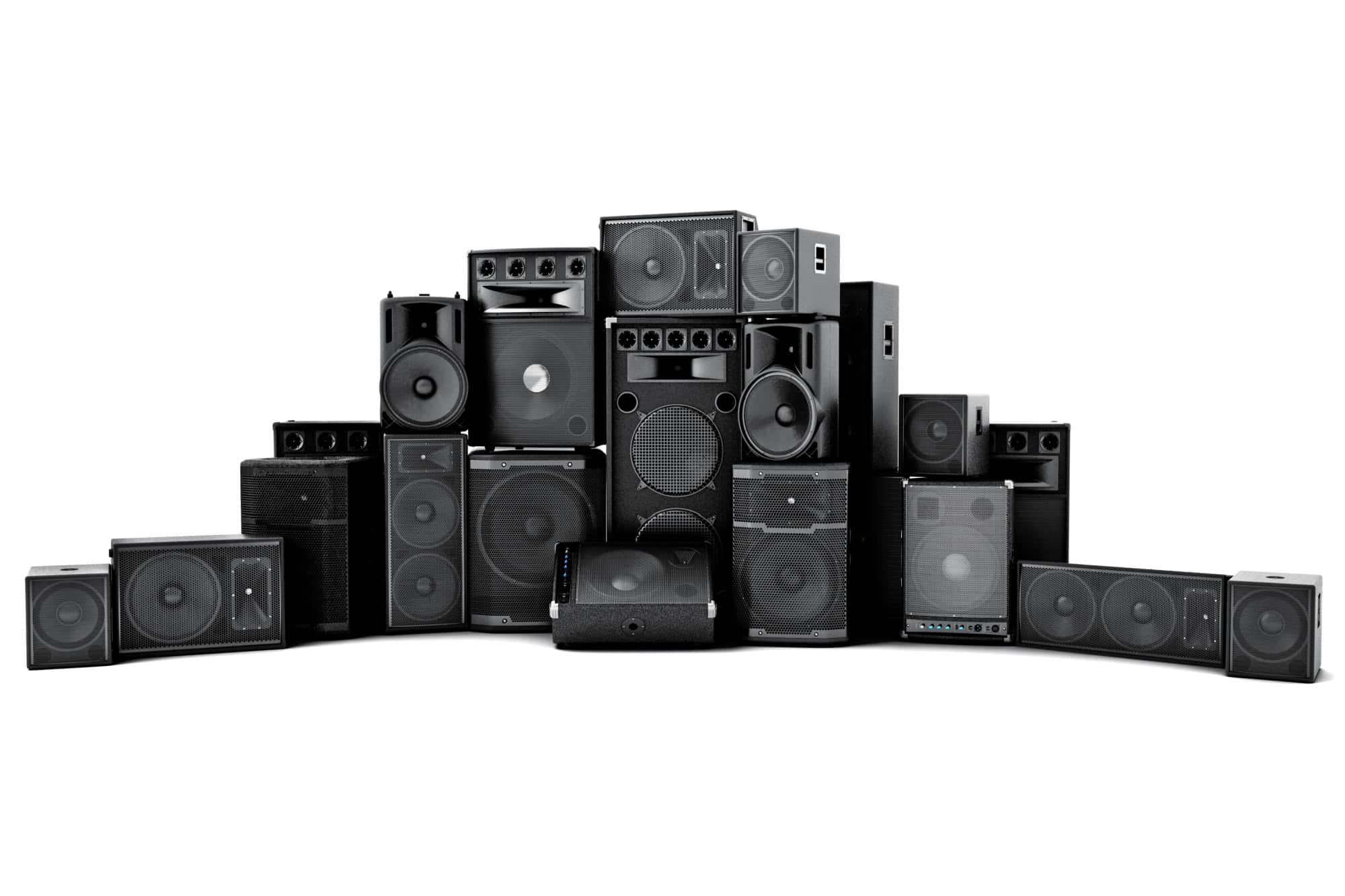
Having a TV or radio is no problem, but bringing in a large number of personal electronics is strongly discouraged. Large speakers, multiple game consoles, or other bulky items take up space and can overload outlets.
Large cash amounts

Keeping a lot of money in a drawer or nightstand isn’t safe in a shared environment. Most nursing homes encourage families to handle finances so residents don’t have to worry about it.
Breakable glass items

Glass tables, large mirrors, or breakable decorations can be both unsightly and dangerous if they get knocked over and break. Nursing homes usually prefer sturdier, safer alternatives.
Like our content? Be sure to follow us.