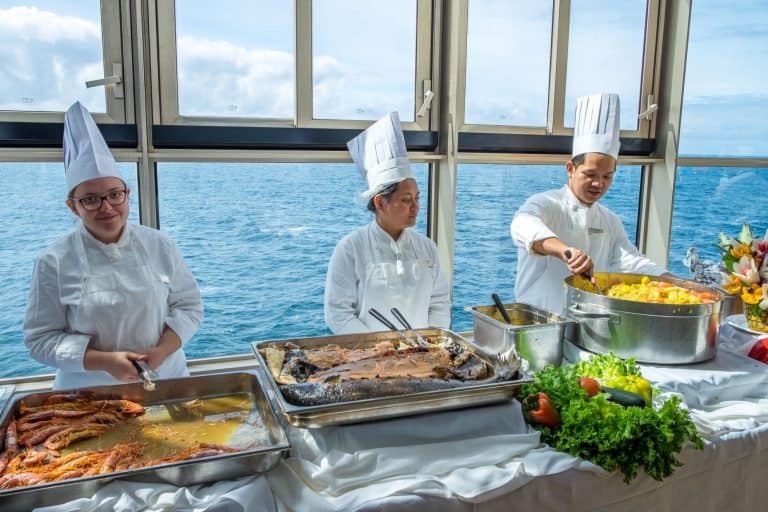

Cruise ships seem so relaxing. You get practically as much food & drink as you want. But behind the scenes, the kitchens have very strict rules to follow, and there are some things they’re just not allowed to serve. We checked out the CDC’s Vessel Sanitation Program & here are ten food items cruise ships can’t use. Which one would you miss on board?
Featured Image Credit: Shutterstock.
Reusing leftovers

Any food that sits on a self-service buffet line is completely done. Chefs can’t take leftover chicken from the carving station and chop it into tomorrow’s chicken salad, even when there’s a lot of it left. Anything touched by guests has to be thrown away under food regulations. And yeah, that means a lot of food waste.
Passenger-baked birthday cakes

The galley won’t serve any cakes that you have brought from home. The rules state that food from private kitchens can’t be plated or shared onboard, regardless of whether it’s safe for consumption. Only items from commercial, approved suppliers may be used for celebrations. Really, it doesn’t matter how delicious your home-baked cake might be.
Raw-egg Caesar dressing

Any creamy Caesar salads you’ve had at a restaurant likely use raw eggs. However, cruise ship kitchens can’t do it. Only pasteurized eggs are allowed for cold dressings. As such, anybody who’s hoping for the “real deal” Caesar will get a safer version instead. For better or for worse.
Hollandaise or béarnaise made with raw eggs
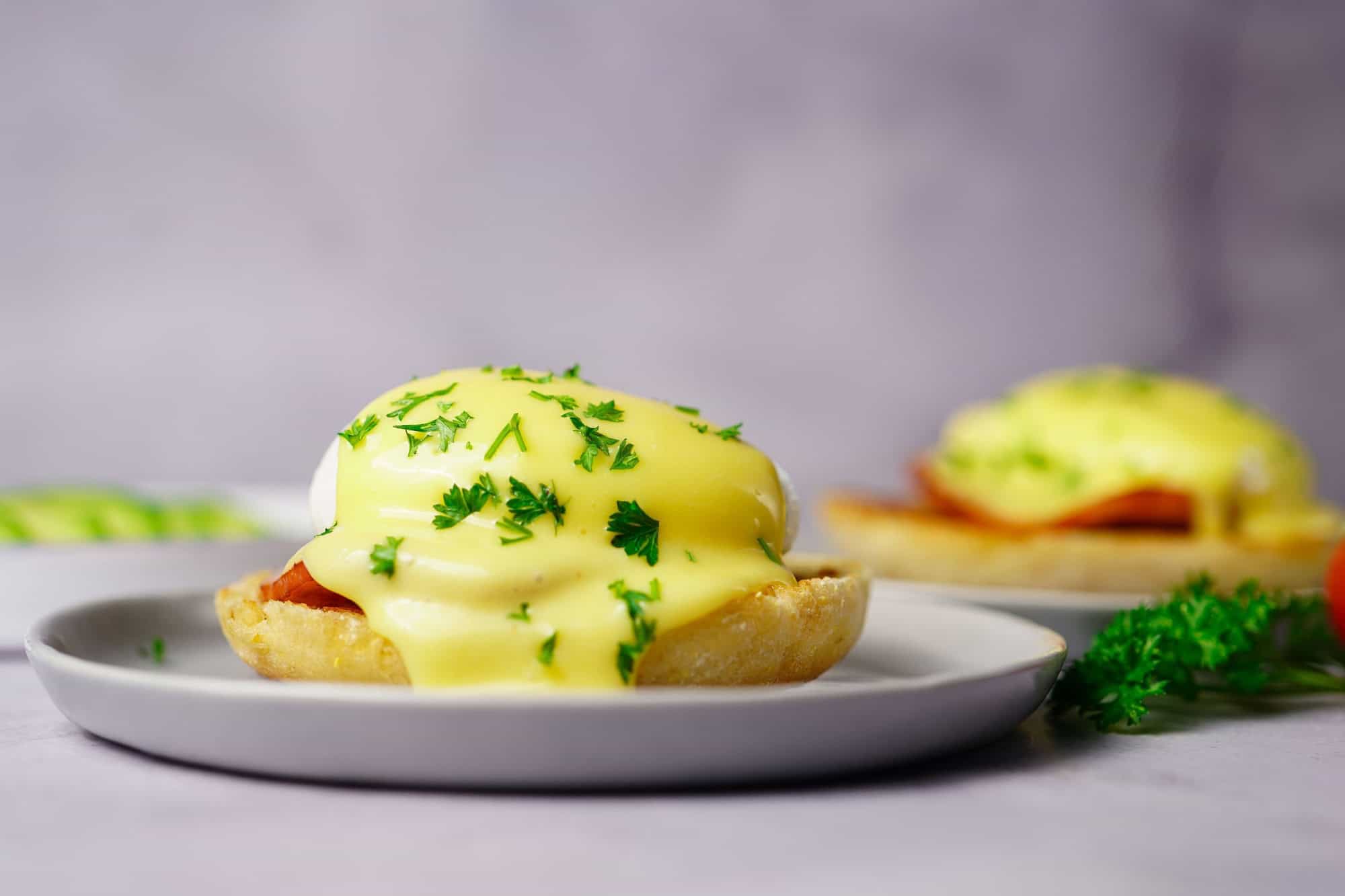
Classic French sauces often use raw eggs whisked with butter. You won’t get that on a ship. Why? Because health inspectors require pasteurized eggs to be used for sauces that aren’t cooked again. So yes, you’ll see eggs Benedict on the menu. But the sauce has to be made differently from the textbook recipe.
Shore-foraged wild mushroom specials
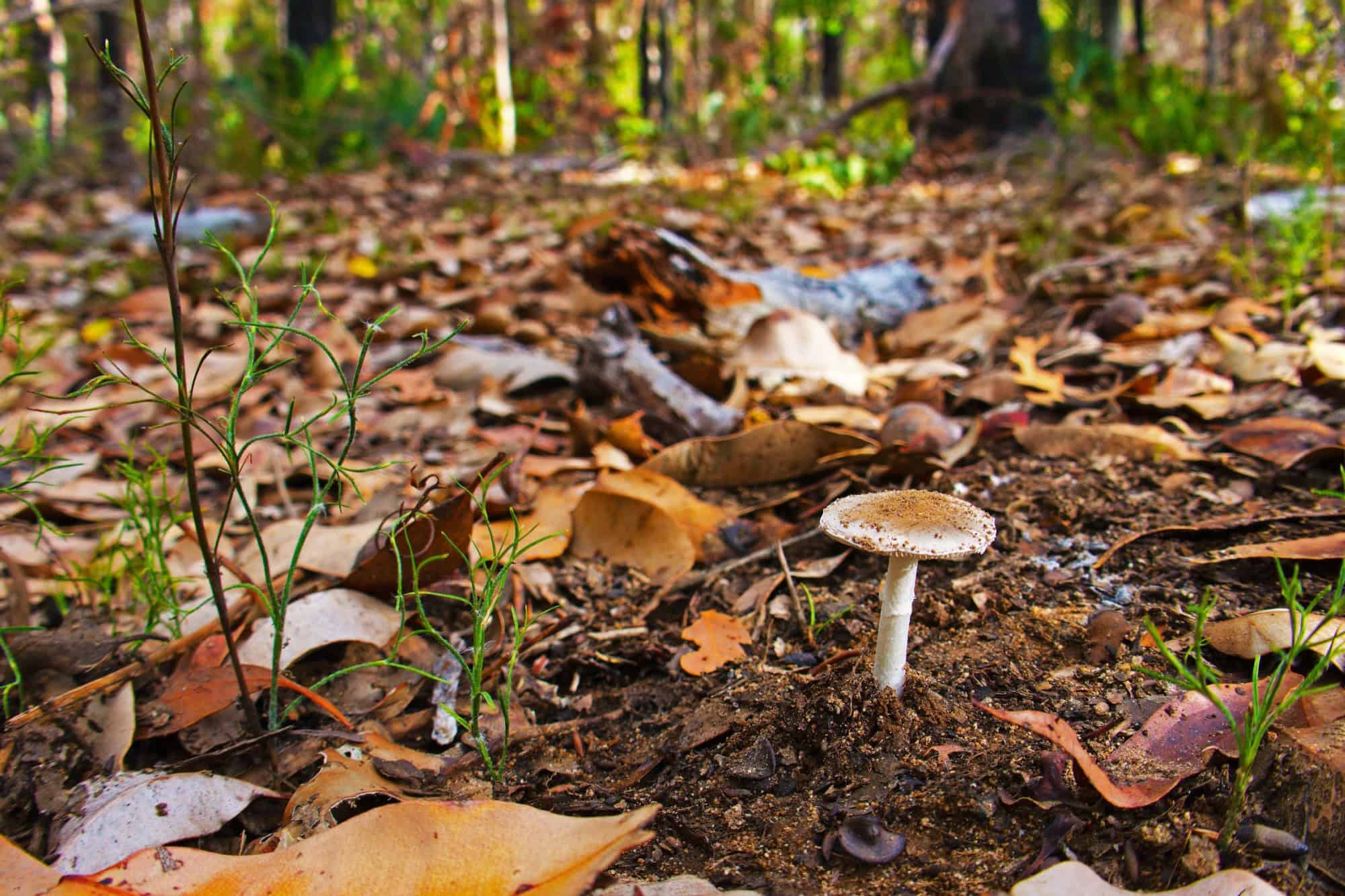
You won’t find any cruise chefs going ashore to pick mushrooms & toss them into the evening risotto. But not just because it’s a lot of work. Instead, it’s because the rules state that all mushrooms must be approved or come from a trusted supplier. Chefs need paperwork to prove that the mushrooms are safe. Without it, those wild-foraged fungi must stay off the menu.
Crew-caught reef fish

That’s not all for crew-collected things. You’d think that, being on a cruise ship, catching fish & cooking it would be easy. But it’s not allowed. Only commercially sourced fish is allowed on board a cruise ship, even if the crew catches a good batch. Passengers aren’t allowed to fish either.
Raw oysters from uncertified harvests
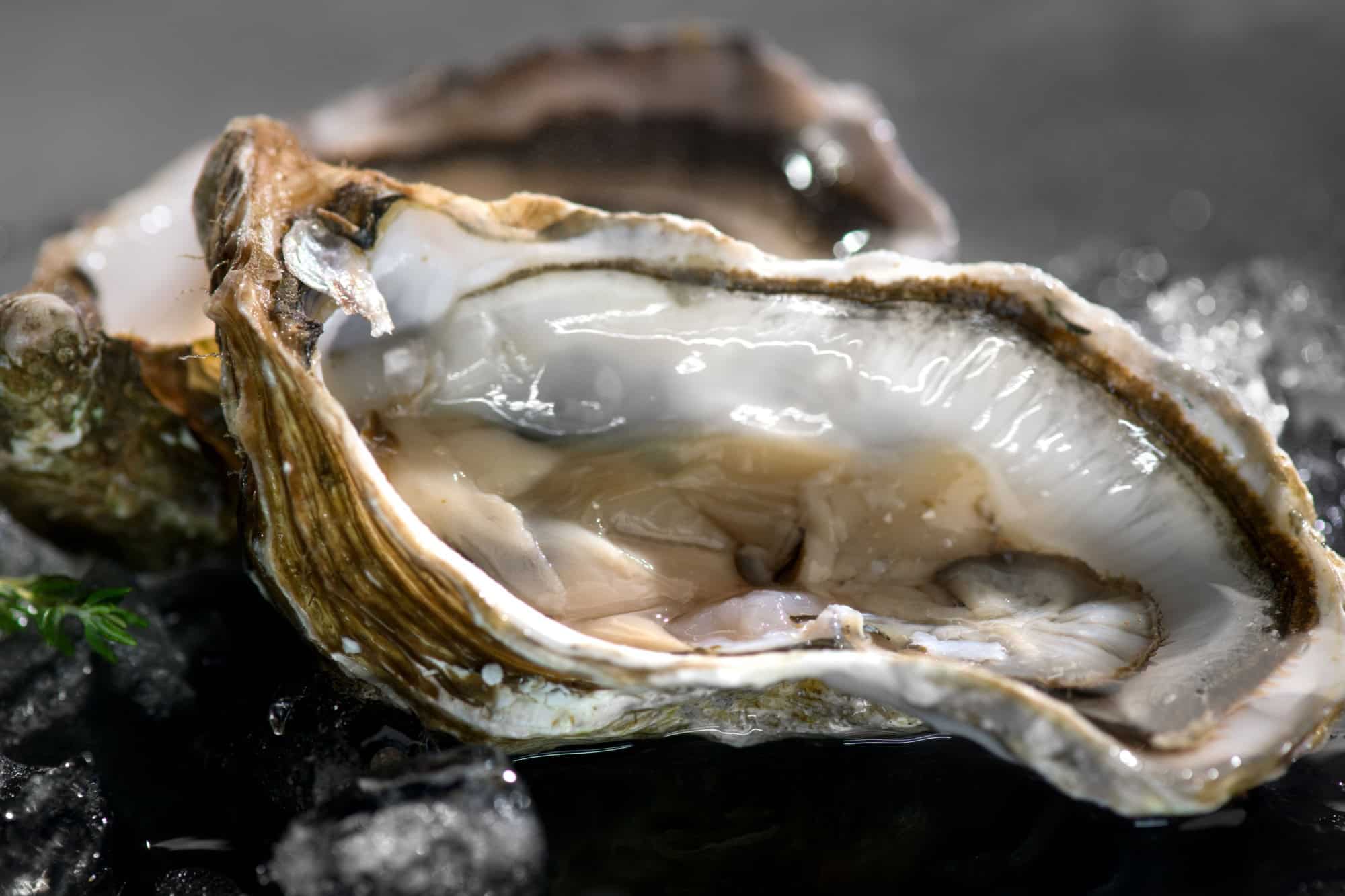
You can forget all about getting a pile of oysters straight off some random dockside stand. That won’t happen on a cruise. Every oyster has to come with a paper trail, which works to prove that the oysters were harvested from an approved source. No tag means no service. Cruise ship kitchens won’t even think about shucking them without the correct paperwork.
House-canned low-acid foods

Homemade cans of green beans or tuna are usually fine back home. Unfortunately, they’re not allowed at sea. Cruise galleys aren’t set up for that kind of canning & the CDC doesn’t allow it. Only cans made from a licensed commercial supplier make it through. What a shame.
Whale meat of any kind

Sure, whale meat isn’t something most people think of eating. It’s also not allowed on many cruise ships. The Marine Mammal Protection Act & Endangered Species Act prevented any whale meat from being served, including at US ports. That means no whale sashimi & no dried whale jerky. You won’t get whale steak dinners, either.
Wild game meat from personal hunting

A passenger can bag a deer on a shore excursion. But the cruise chef’s not going to cook it for dinner. Cruise kitchens can only use meat that comes through regulated channels to make sure it’s properly inspected & shipped in. Anything shot or carried onboard personally doesn’t qualify for this.
Sources
- Vessel Sanitation Program 2025 Environmental Public Health Standards
- Here’s What Happens To The Uneaten Food On Cruise Ship Buffets
Like our content? Be sure to follow us.


