
We humans are creatures of habit, but some routines are oddly universal among the elderly.
Loose thoughts
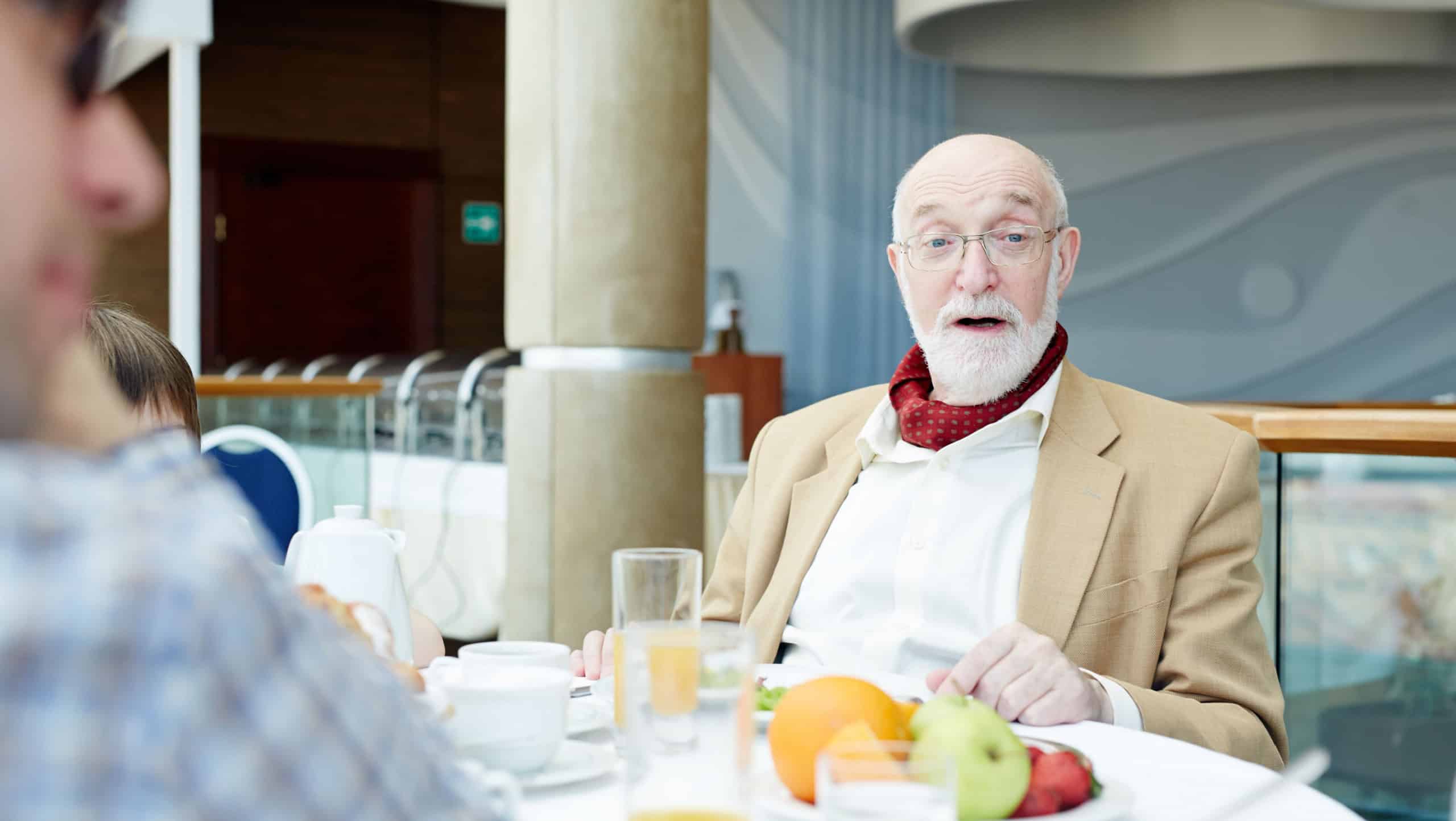
Your grandfather might just strike up a conversation with the waitress about her cool outfit of the day, or perhaps he’ll outright tell someone their clothes aren’t doing them any favors.
It’s not quite accurate to say that grumpy older folks simply wake up that way. Scientists say that as we age, our brain’s brakes start to fade away.
As the prefrontal cortex slowly deteriorates with age, seniors lose their ability to filter out-of-line thoughts and say whatever pops into their mind.
Watching skies

From obsessively reading the forecast on the news channels to staring at every blinking outdoor thermometer they drive by, seniors are weirdly obsessed with the weather.
Not only is weather prediction quite literally a matter of life and death for seniors with weaker arteries, but drops in barometric pressure can also make their joints expand and trigger arthritis-like pain days in advance.
Cold corners
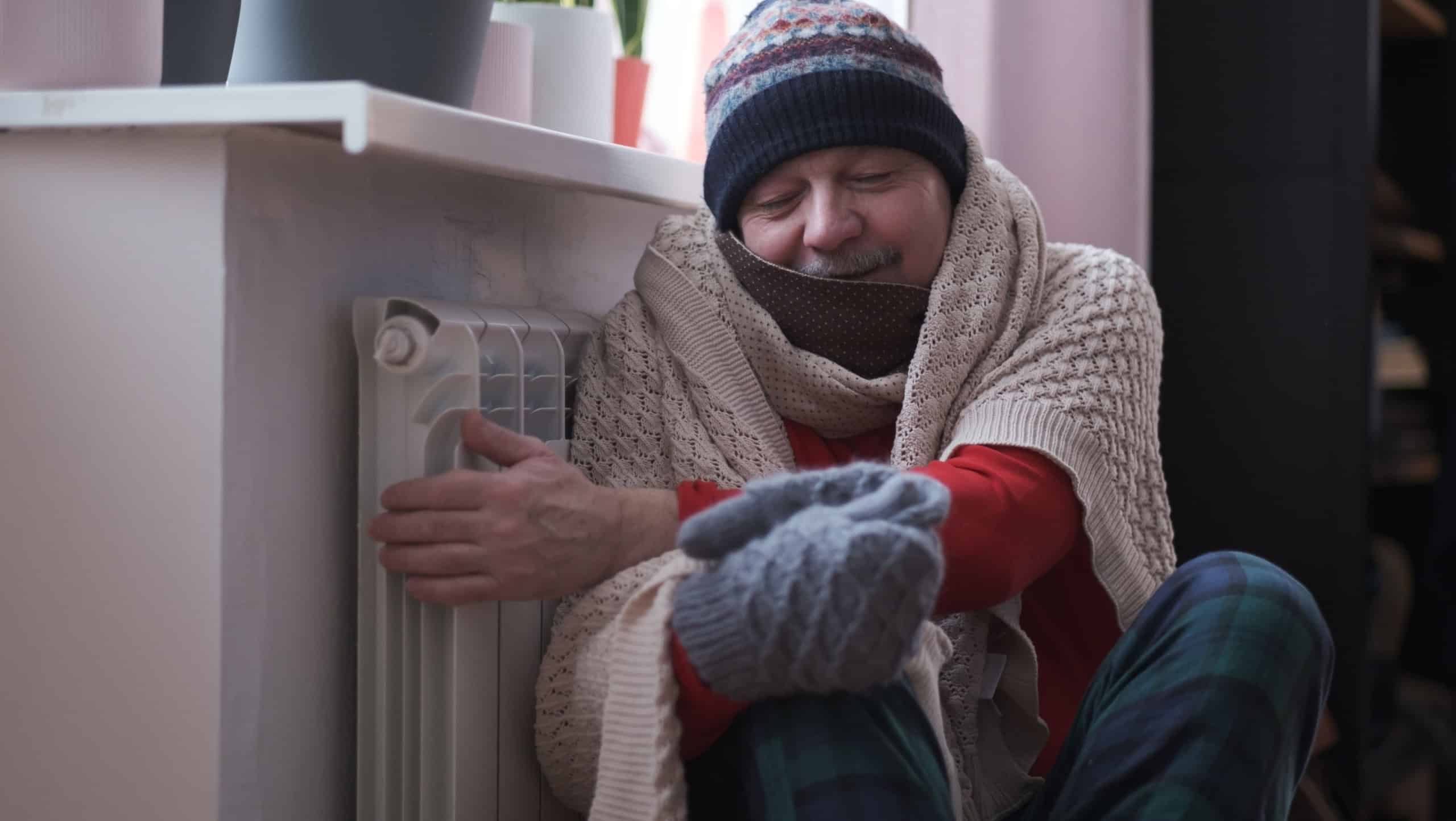
Have you ever entered a restaurant or Grandma’s house only to find her put on a sweater at a stifling 72 degrees? It’s more than just an attempt to cover their arms; they genuinely feel the chill.
Aging bodies suffer from reduced metabolic rates and loss of subcutaneous fat, which means blood flow to the extremities slows to a trickle while the body desperately tries to keep core heat up.
To cope, older folks frequently layer clothing, complain about the cold, and spend the entire summer bundled up.
Before sunrise
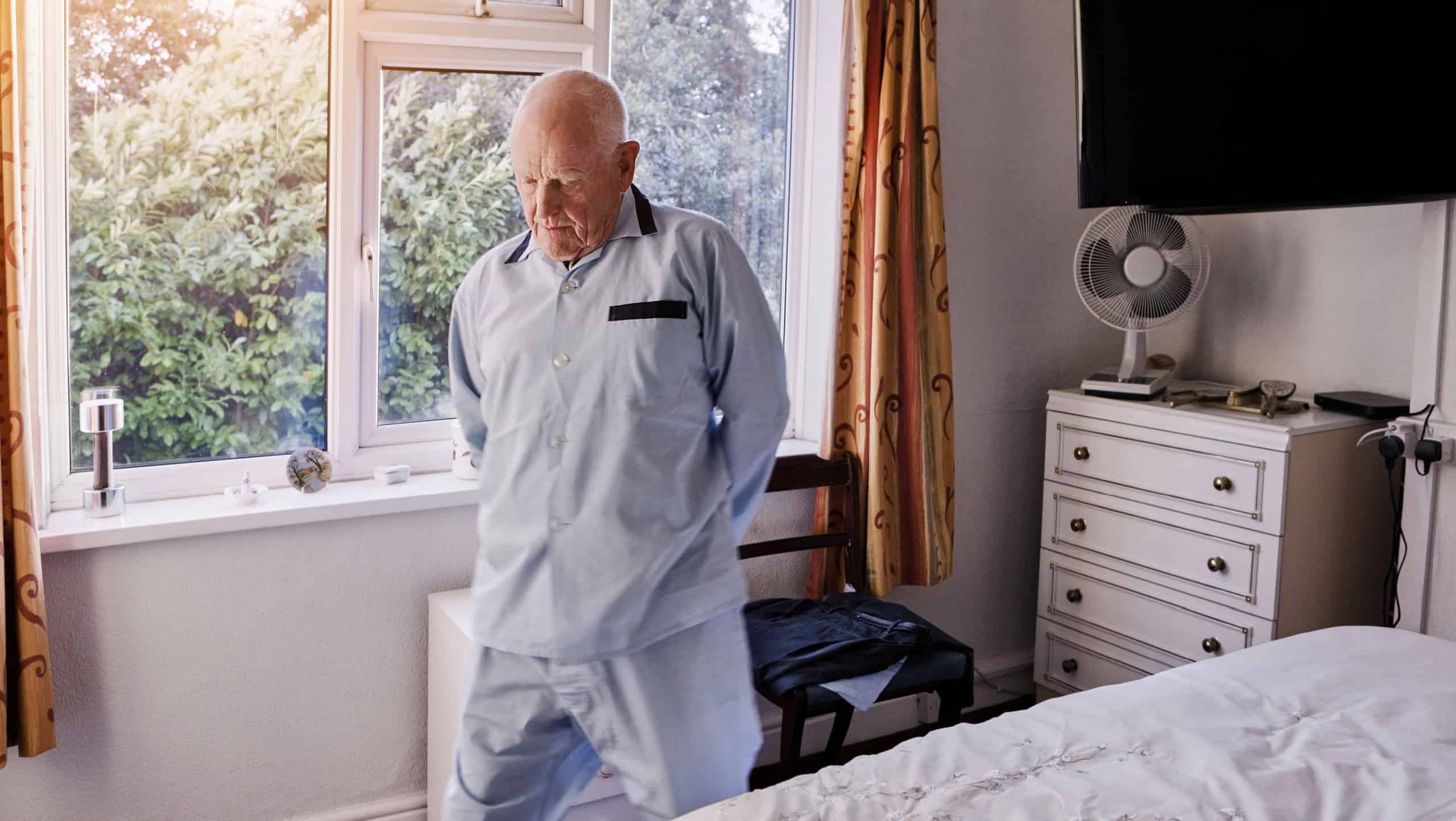
Older adults are usually not attempting to morph into morning people. As people get older, their internal body clocks tend to naturally drift toward earlier times.
It starts earlier and earlier each day, causing seniors to hit that tired feeling sooner each night and feel wide awake before the sun comes up.
Factor in the lighter sleep and falling melatonin levels, and suddenly Grandma’s heading to bed at 9 PM and wandering around the kitchen before dawn.
Forgotten water

“Come on dad, just drink another bottle of water!” Sound familiar?
As we grow older, our brain’s ability to detect dehydration becomes suppressed, leaving seniors incapable of feeling thirst.
Seniors can be parched as all hell but still feel absolutely fine since their body doesn’t feel the urge to notify them to grab a drink.
When you factor in how many seniors are on meds that can cause dry mouth, keeping properly hydrated can feel like a constant effort.
Sugar rush

You’re at dinner and your grandma only wants to eat plain meat with vegetables. Or maybe she’s drowned her meal in sugar, rendering her deaf to your words.
It’s the aging taste buds and a weaker sense of smell, you see.
As we get older, our taste buds stop working at full capacity, making bland foods like plain chicken taste like cardboard. To compensate for this loss of flavor, many older adults will go for super sugary foods.
Kitchen stash

Stroll into any senior’s kitchen, and you’ll likely find stacks of used containers and grocery bags near the sink.
It’s not because they’re packrats, but many seniors were raised during The Great Depression or lived through WWII.
Wasting food or a container was seen as a cardinal sin to older generations.
Careful turns
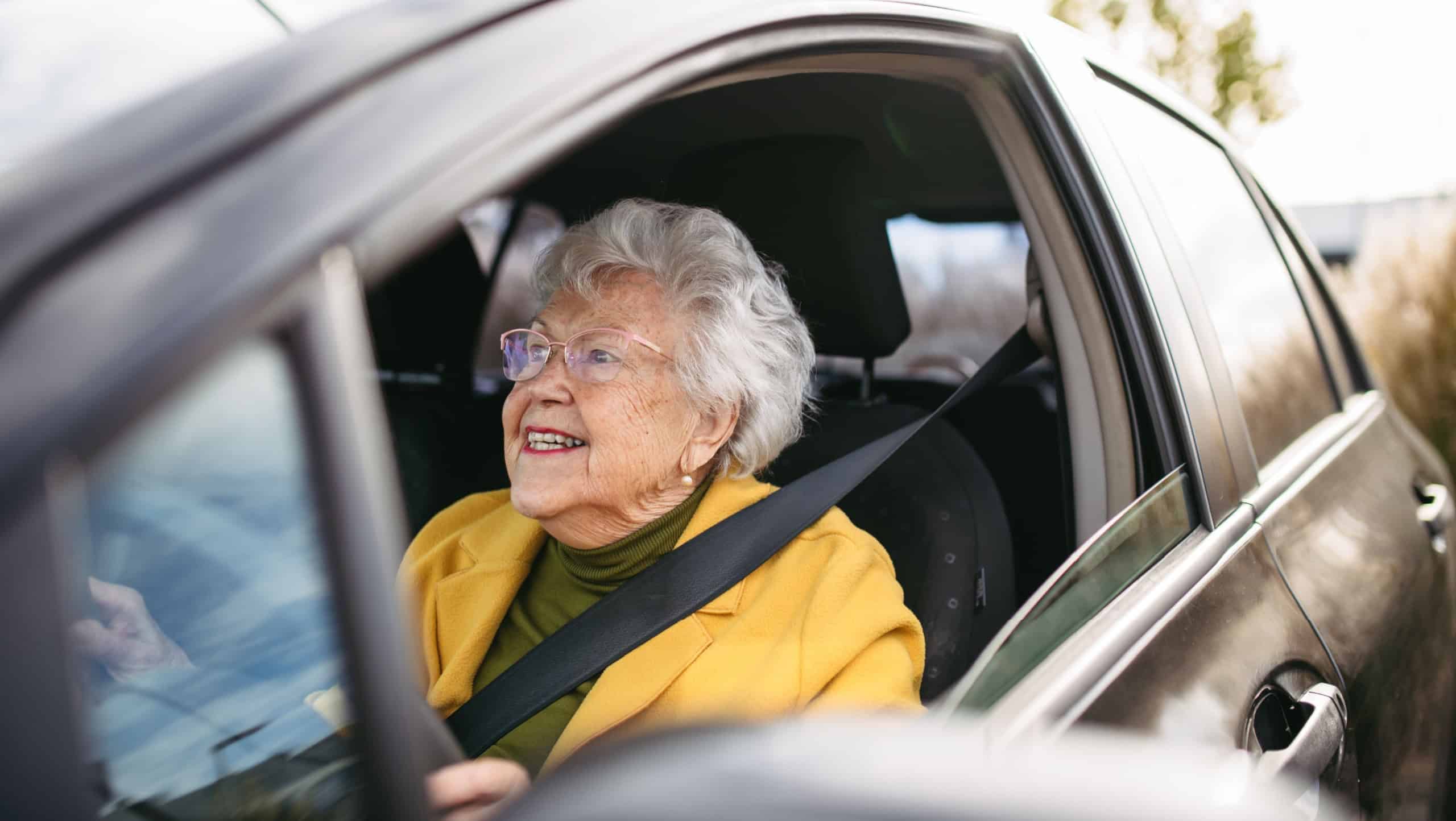
Wondering why traffic’s moving at a crawl? It’s probably Grandma up ahead.
As we age, our peripheral vision starts to disappear, making it harder to see things out of the corner of our eyes. On top of this, our brains also process visual information more slowly.
When seniors drive at a reduced pace, they can better handle situations they’d overlook otherwise.
Half a glass

Your elderly loved ones might complain that alcohol affects them quicker than it used to.
With advancing age, just one drink can be enough to cause feelings of dizziness or loss of balance.
Even if they loved a tipple in their youth, their bodies now handle alcohol differently.
That little grunt
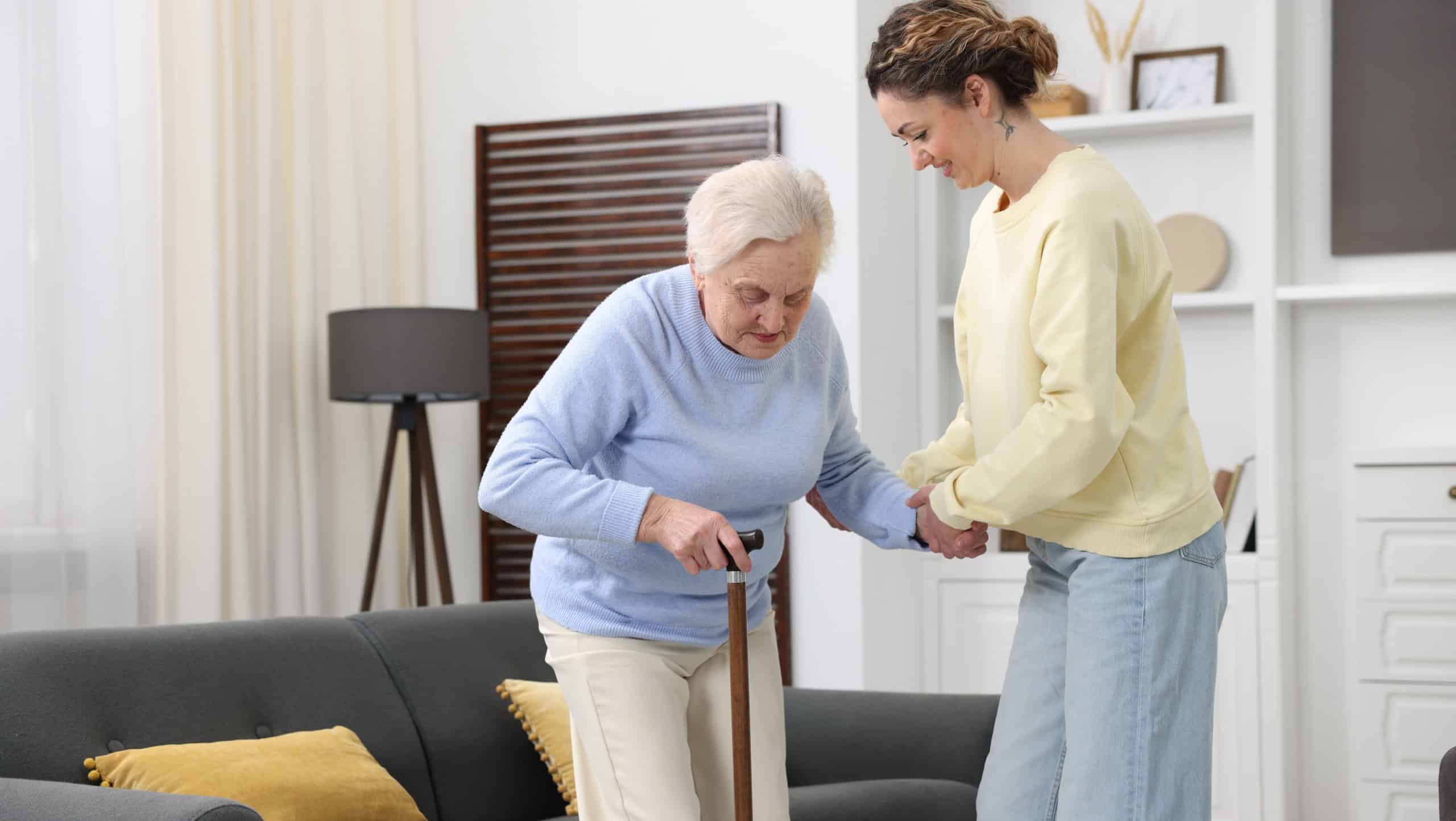
When your loved ones stand up and let out that cute little groaning noise? It’s actually a normal part of aging.
When your joints start to stiffen and muscles lose some of their strength, moving around naturally takes more work. Therefore when you move certain ways, those grunts are inevitable.
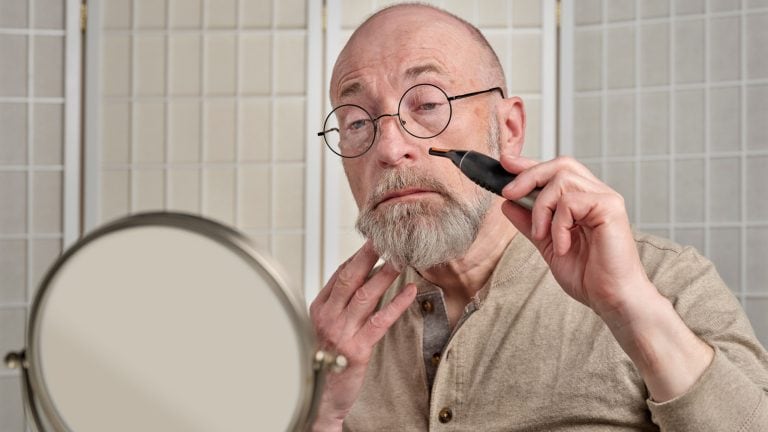
Strange hair
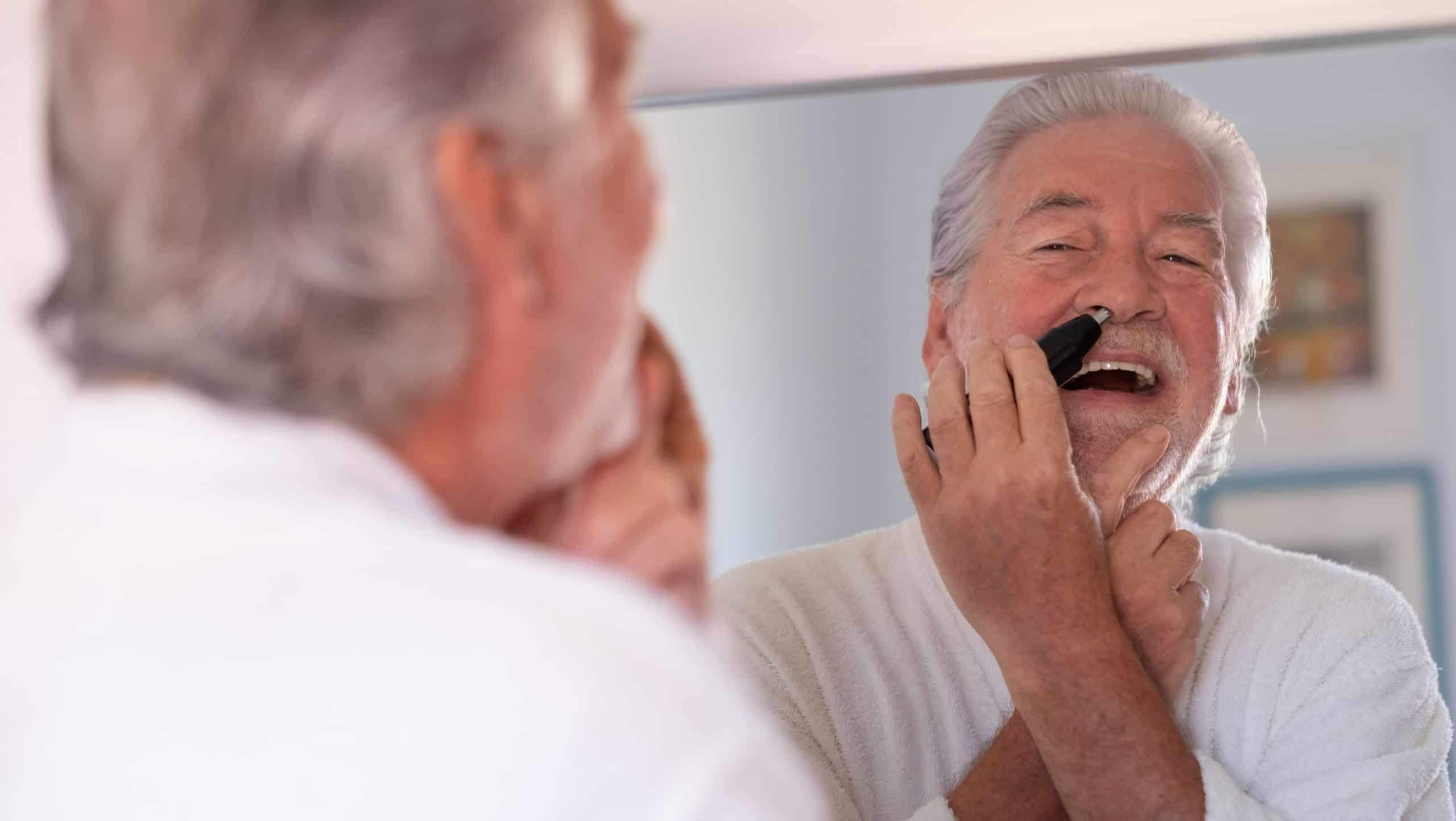
Grandpa’s mustache is dying but his nose hairs are getting out of control? There’s a reason for that.
As men age, their testosterone levels drop which causes the hair on their head to thin out. However, this also increases production of hairs on their face.
It’s a rather unwelcome consequence that leads to an odd redistribution of where facial hair appears on men over time.
Old wheels
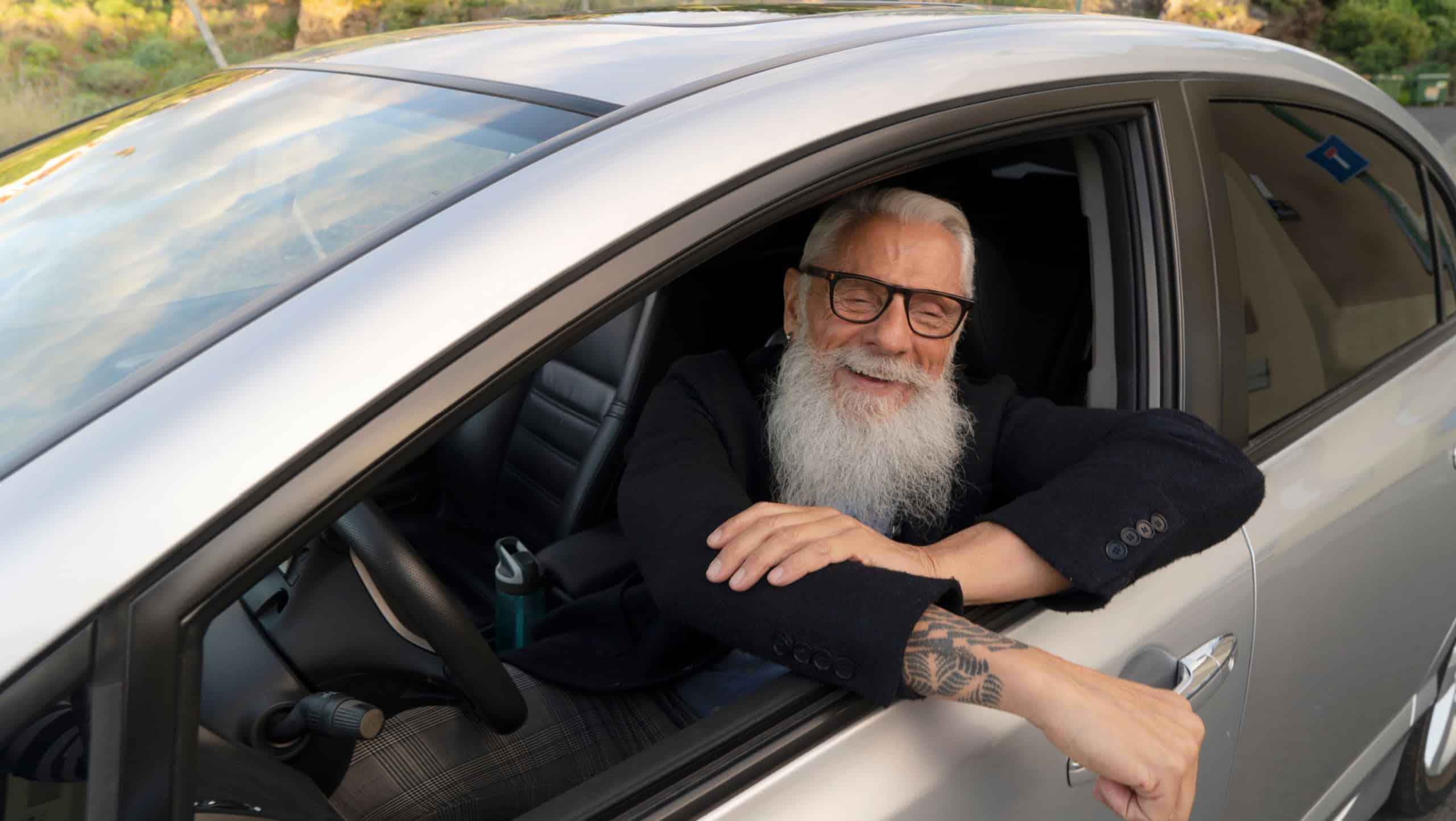
This “Land Yacht” is practically the official vehicle of seniors, isn’t it? Got any faster cars in mind than a Buick?
Seniors aren’t just always driving old cars because they’re cheap: these cars have seats that are actually more comfortable for them.
Modern sports cars have low seat hip points which dig into seniors’ backs. Big cars have cushy springs that absorb all the annoying road buzz making for a much smoother ride.
Choice overload

Pop open a tablet or try to place an order with a phone menu and boom: confusion.
As we get older, our fluid intelligence declines. What does that mean? This means older adults retain a wealth of knowledge but find it harder to recall it quickly or tackle novel challenges.
This often leaves them feeling swamped by a multitude of options.
Old reliable
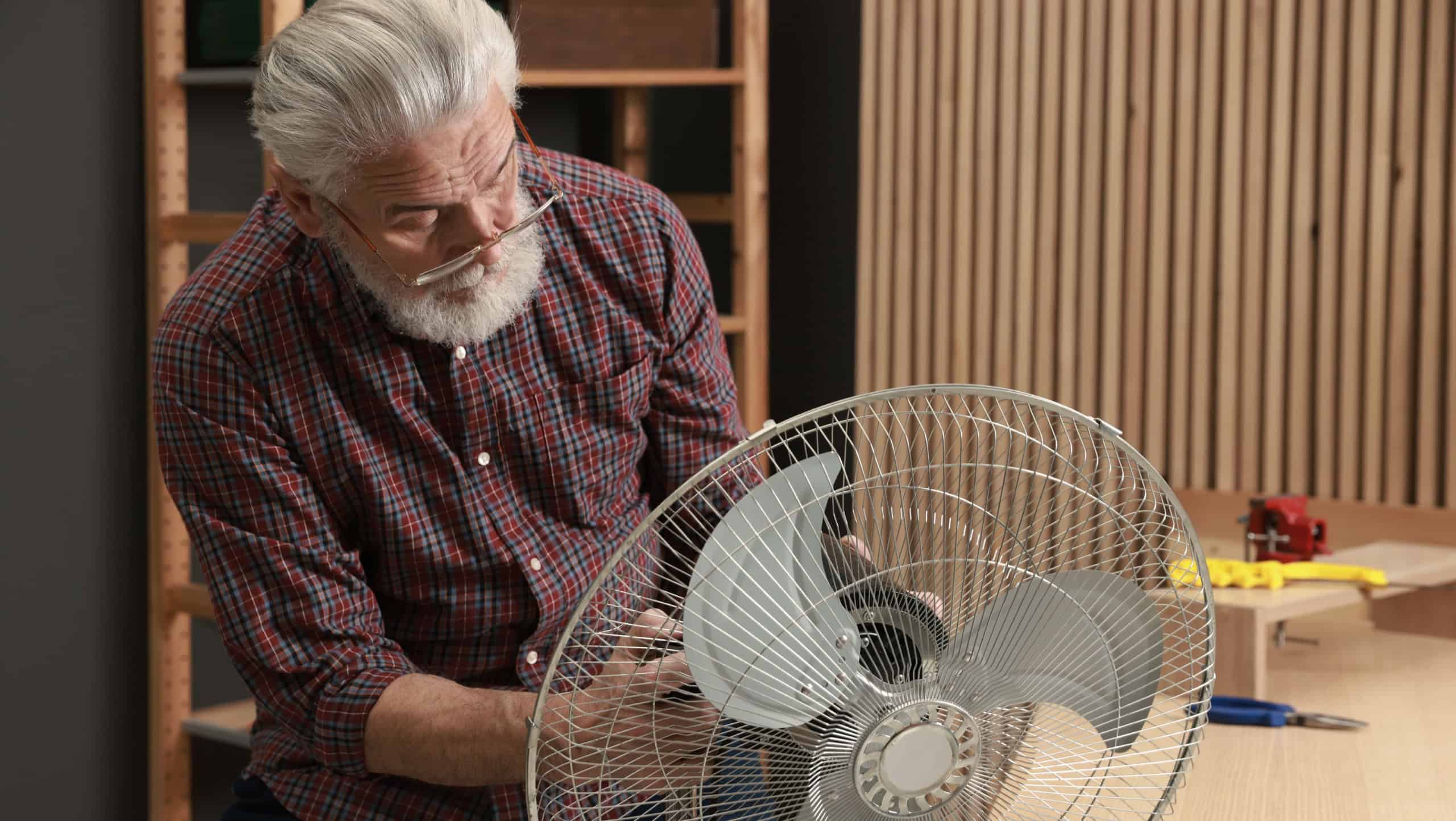
Why are seniors so into buying products that last a long time? If you lived through the 70s, you get it.
Back in the day, things were just made to endure. Honestly, my parents are still using the same toaster they got three decades back.
Many seniors can’t fathom how tech companies expect you to replace your TV every few years when they know how to build things that last.
Same story, again and again

Why do old people always tell the same stories over and over?
This is because a senior’s short term memories aren’t what they used to be. While their long term memories are extremely healthy, they struggle to form new memories and remember recent events.
Telling the same story to the same person over and over becomes easy for them because those memories are often stored deep in the brain for life.
Sources: Please see here for a complete listing of all sources that were consulted in the preparation of this article.
