

Some boomer habits are charmingly old-school, while others make younger generations quietly count to ten.
Public broadcasts

Somehow, a private phone call can become a public spectacle. In the middle of the supermarket aisle, doctor’s waiting room, restaurant or airport, some Boomers get on speakerphone so everyone nearby can hear both sides of the conversation.
The person on the other end of the line may not realize someone can hear every word they say from across the room.
Speakerphone has its place when multiple people need to communicate over the phone, but in public, it forces unsuspecting strangers to listen to your conversation.
The formal sign-off
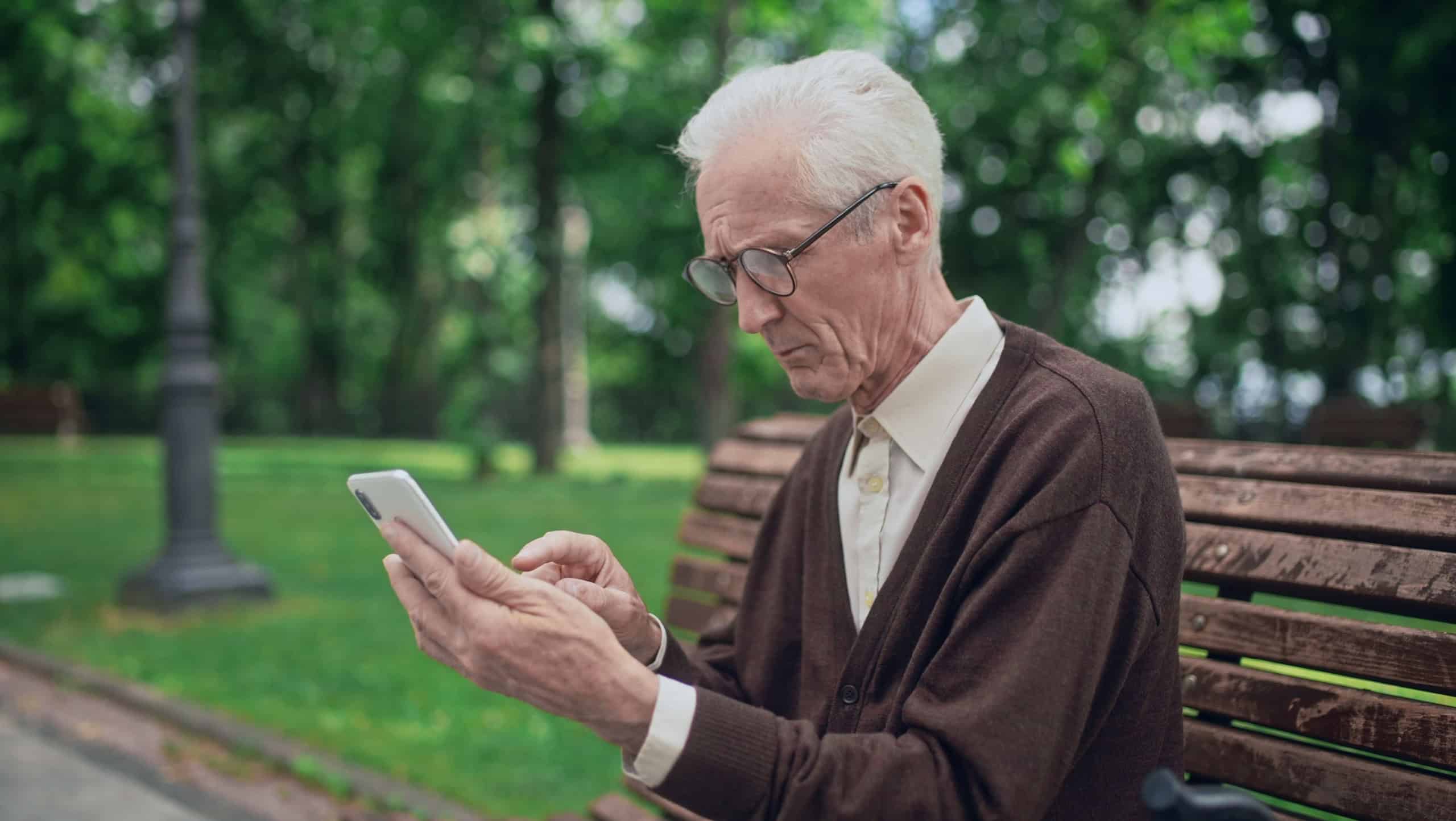
After they’ve typed out the entire message on a phone that already tells you who it is, many boomers will sign off with “Regards, Roger,” “Dad,” or even their full name.
Of course, it makes sense if you spent 30 years corresponding via letters, postcards, and Hallmark cards where your signature was part of the message.
To kids who grew up on instant messaging, it’s superfluous, since you already know who it is (the name and picture are right there on the screen) and it can be ever-so-slightly confusing.
Just pick up

A younger person types out a short text asking a single question, then their phone begins to ring two seconds later. What could have been a simple “yes” or “no” response is now turning into a potential 20 minute conversation.
Many boomers find speaking faster and far more natural than texting back and forth several messages, especially when you’re talking about something that needs explanation.
To the younger generations, an unexpected phone call can seem very intrusive, especially if you’re in the middle of work or doing something else.
Paper as backup

If information can be displayed onscreen, Boomers will find a reason to print it out anyway. This includes tickets, reservations, directions, receipts, boarding passes, and confirmation emails.
Kids these days wonder why their elders have meticulously labeled folders full of paper clutter when everything they need can fit in someone’s phone. Living decades without smartphones taught boomers that hard copies were reliable, and hard habits die hard.
Admittedly, their strategy looks genius when a phone battery gives out at the airport and that folder saves the day. Until then, you’ll find the youngsters questioning why a printer was necessary.
Full volume

You might walk into a house and realize the TV is set so loud you can catch the show from the kitchen, down the hall, or even next door.
Hearing changes due to aging can obviously contribute to this, so it isn’t always a conscious behavior or something within someone’s control. The issue is everyone in the house gets blasted with the same volume whether they need it or not.
Relatives will continually turn the television down only to find it has mysteriously crept back up five minutes later. Captions, hearing support or wireless headphones can solve this family battle nobody likes.
The mystery message

You see a missed call, and then notice that they left a voicemail, too. You listen expecting to learn why they called, but all you hear is “Hi, it’s me. Call me back.”
Those who grew up texting often joke about how the actual question could have easily been part of the initial message. But for boomers who grew up with landlines and answering machines, sometimes leaving a voicemail feels like a proper way to follow-up on a missed call.
Better early than late
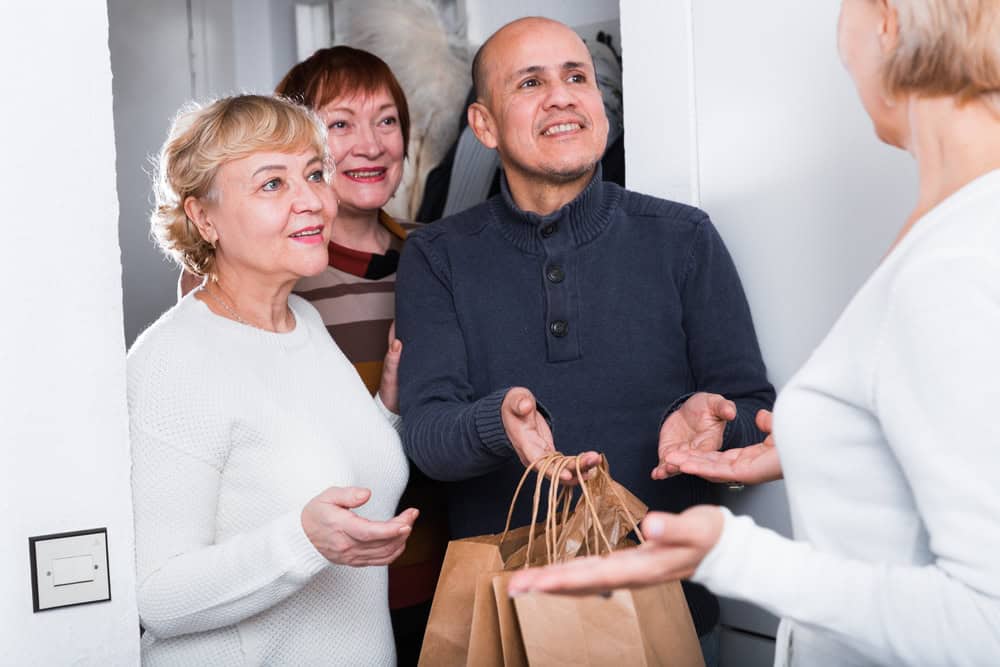
Tell some Boomers dinner is at 6:00 and you might find some of them arriving at 5:30, ready to wait in the car until they think it’s the right moment to knock.
Decades of being told that being late is rude can transform being on time into being excessively early. That mindset works perfectly for the airport, job interviews and doctor’s appointments but isn’t as useful when your dinner host still needs to shower or frantically shove junk in a drawer.
Some younger hosts even find themselves purposely providing guests with a padded arrival time just to adjust for it.
Too useful to toss
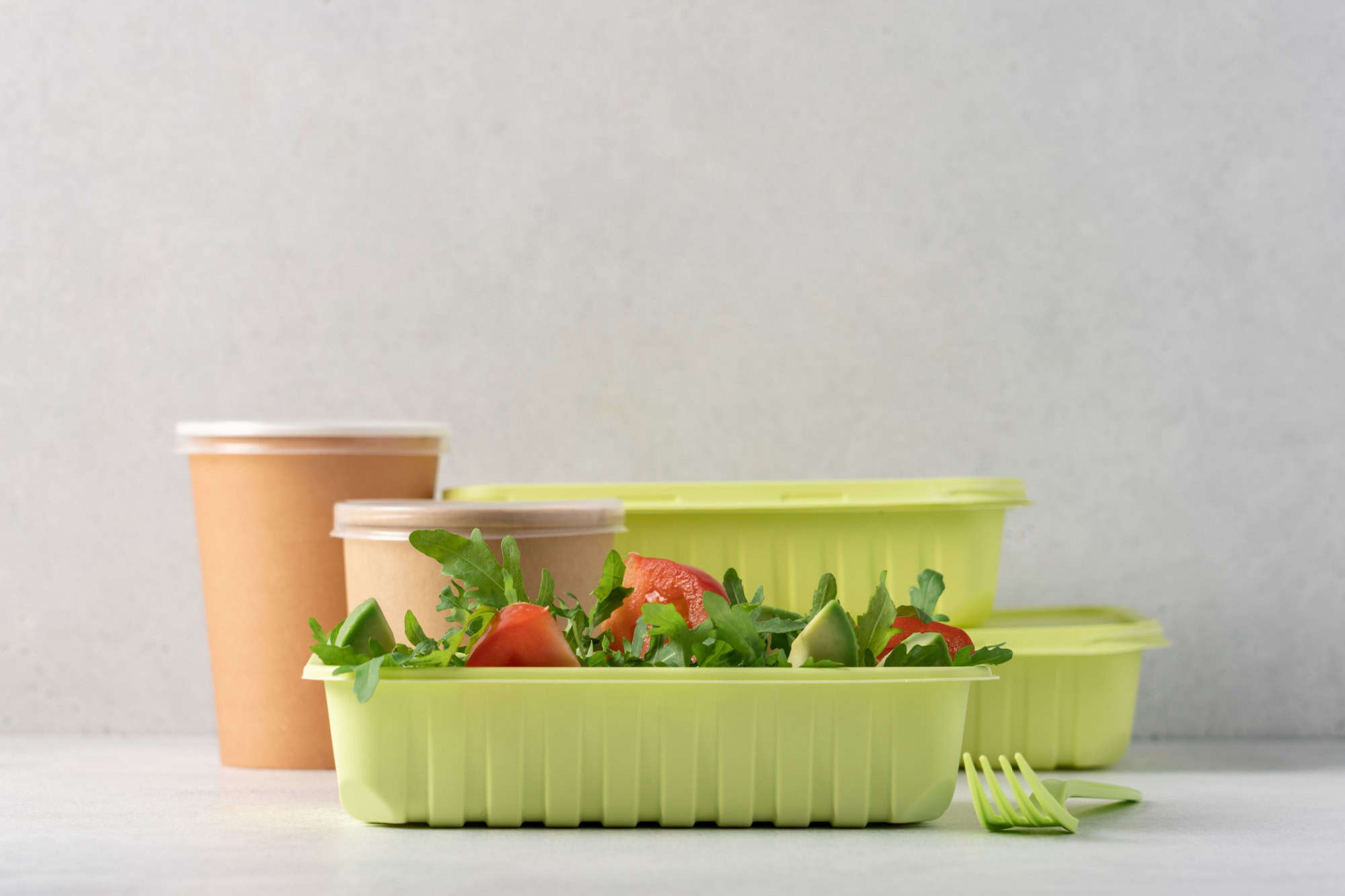
Boomers love to reuse things. Glass jars, Chinese takeout containers, cookie tins, grocery bags, and other sturdy boxes all have mystical future uses written all over them. They just can’t seem to make it to the garbage or recycling bin. Reusing is cheap and can cut down on waste, so there is method to that madness.
What gets annoying is when you have 37 containers in your cupboard with no lids to match or when someone opens the fridge for what looks like ice cream and pulls out frozen soup.
The invisible landmark
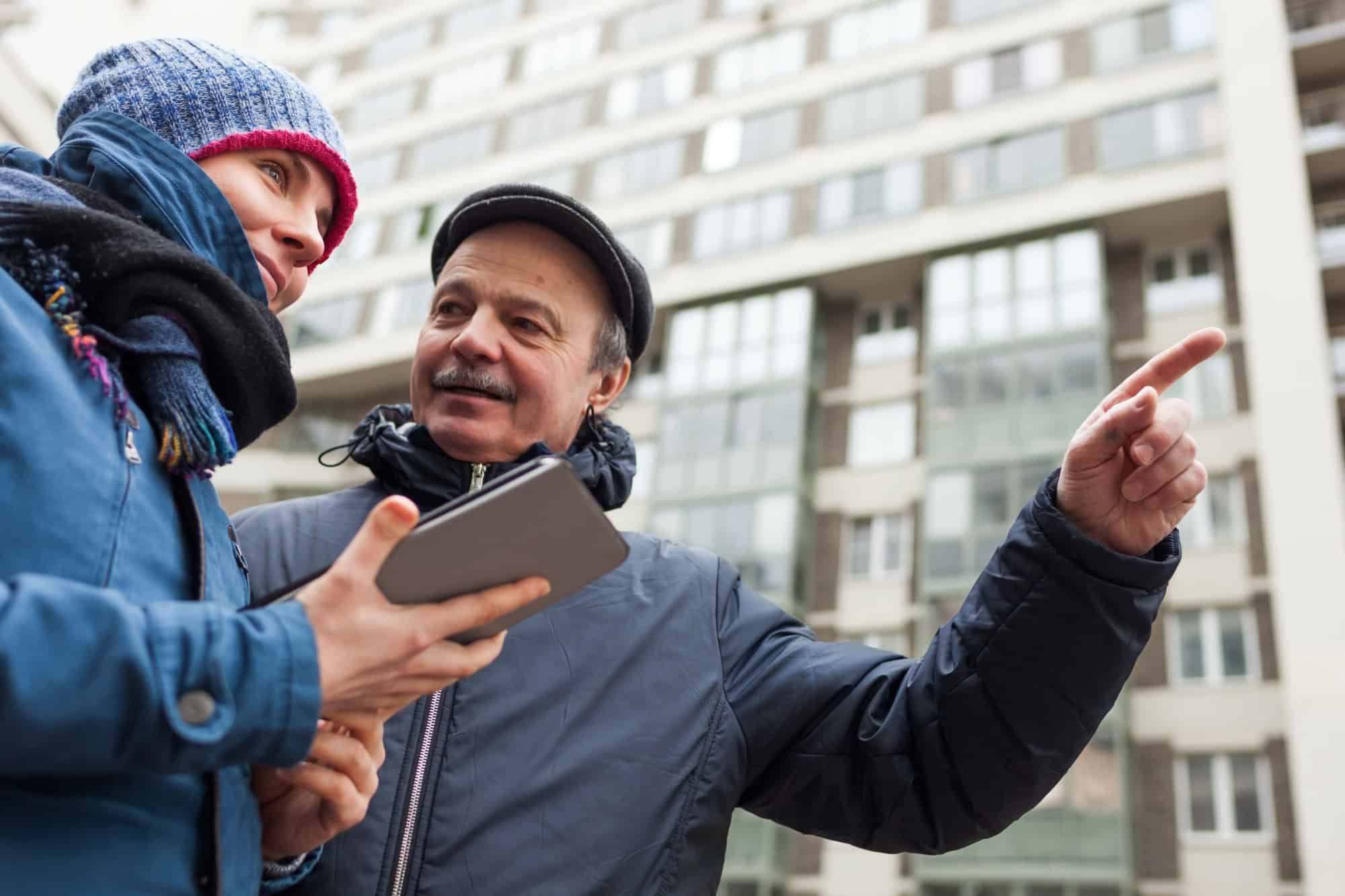
“Drive until you get to where the old Sears was, then turn right.” If you remember the Sears, that’s perfectly understandable directions.
Boomers who grew up in one place for years tend to have mental roadmaps of defunct stores, restaurants, gas stations and office buildings. When trying to follow GPS, younger passengers have no clue what these invisible places should look like.
Asking for an intersection may also not help because the street name might reference another business that went out of existence in 1987.
Keeping it new
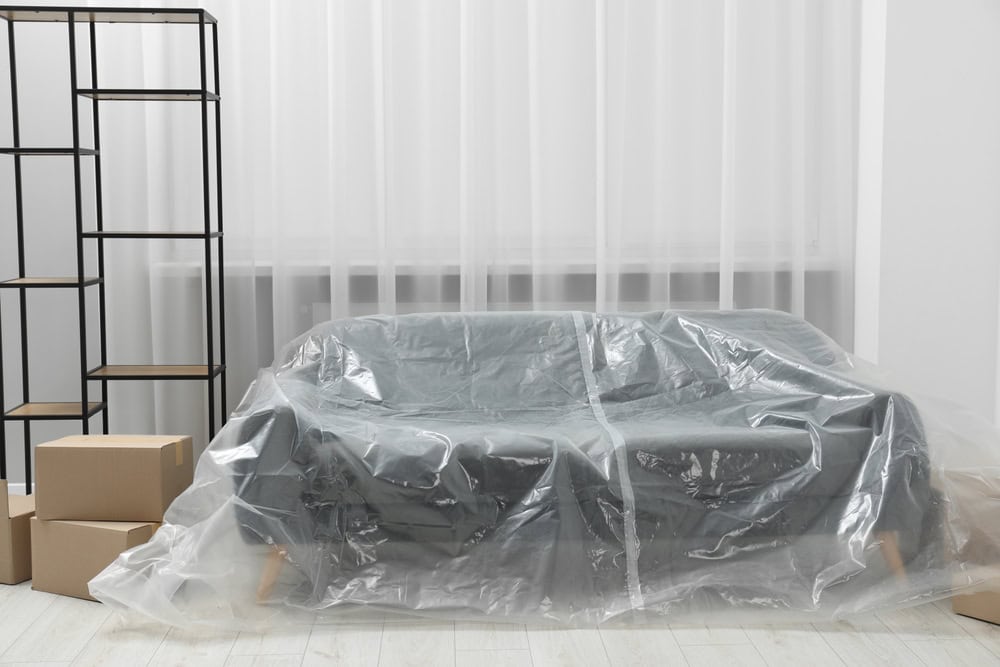
The flimsy plastic film over a new appliance is meant to be torn off, but sometimes it sticks around forever. Microwave screens, TV remotes, televisions, car monitors, and other electronics often spend their entire lives adorned with packaging meant only to protect them until sale. Removing it somehow feels like willingly defacing a pristine surface with scratches and fingerprints.
Kids and younger relatives may glare at the crinkling, translucent film each time they visit, trying not to give in to the twitch. There are few little wins more satisfying, or more likely to get a shouting match started, than peeling off the plastic.
Temperature wars

Few household arguments are as iconic as fighting over the thermostat. One person is cold, another is suddenly hot for no reason, and adjusting the temperature without consent is like breaking the terms of a cease-fire agreement.
Boomers who’ve spent years funding heating and cooling expenses may also have particularly strong opinions about wasting energy by moving the temperature up or down two degrees. Young visitors quickly learn that donning a sweater may be the easier route.
Back in my day
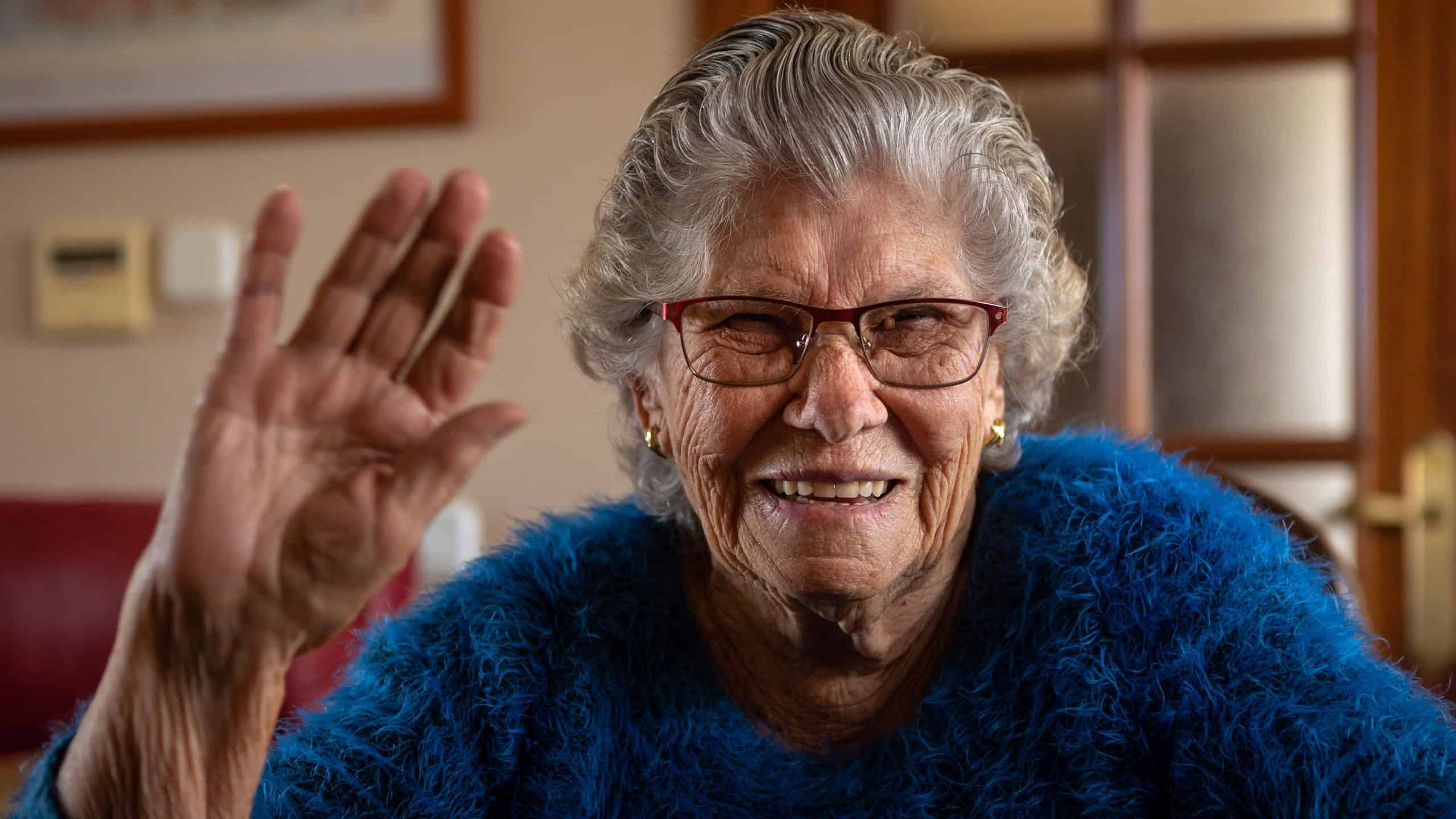
Say that a cup of coffee costs five dollars and there’s a decent chance a Boomer will then tell you what coffee used to cost back in 1975. Gas prices, movie tickets, houses, automobiles, candy bars, whatever you want to buy also seem to have ready-to-go historical price comparisons.
And the stories can be legitimately interesting because life was really different back then. However, knowing that a hamburger used to be less than a dollar doesn’t do you much good at checkout lines today.
Just in case
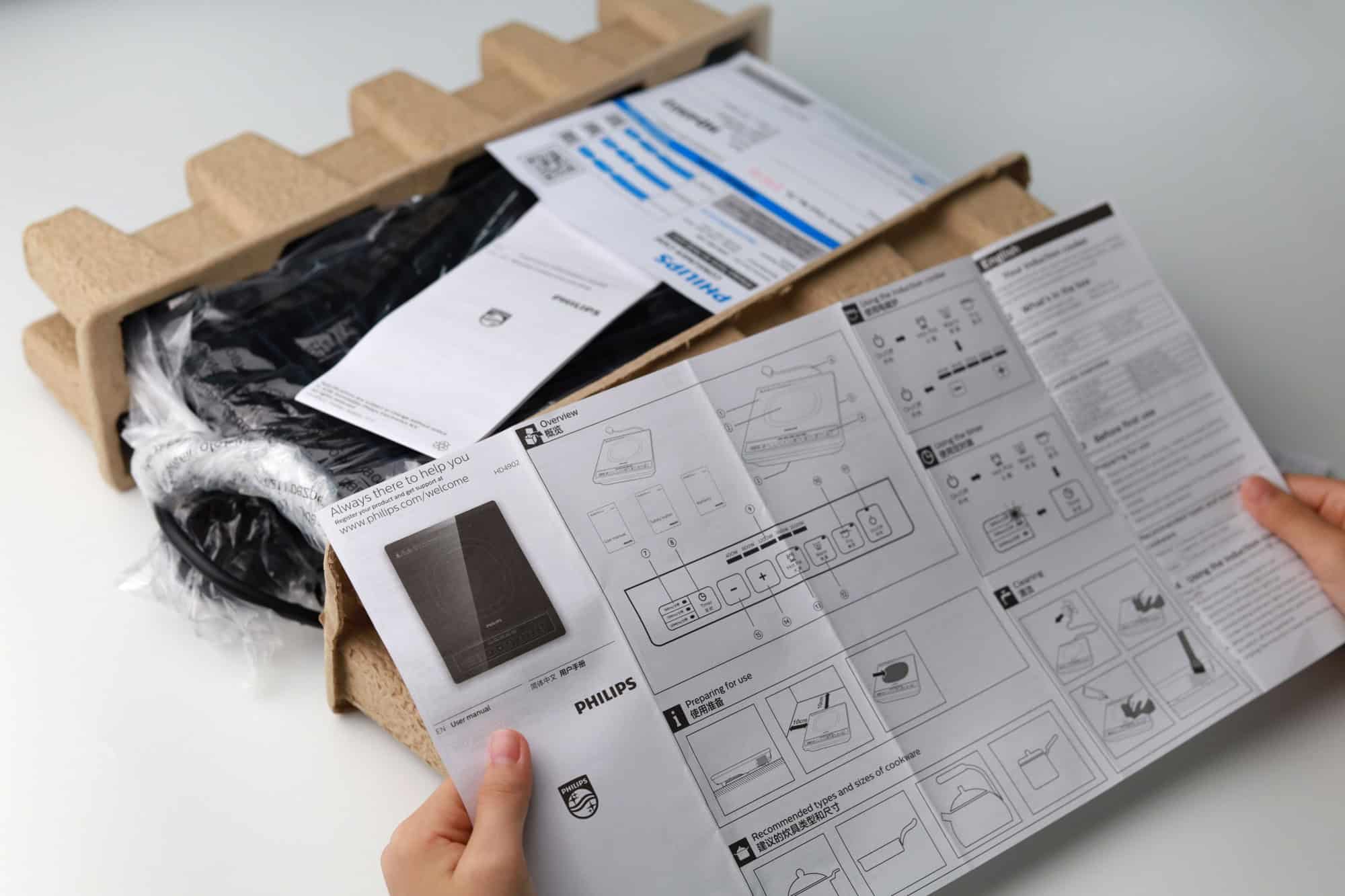
Boomers are likely to keep manuals, warranty cards, receipts, spare parts and those weird little bags of screws long after a Millennial or Gen-X owner would have tossed everything and Googled instructions when something went wrong.
The accumulation can take up prime drawer or cabinet real estate, particularly when half those appliances don’t even exist anymore. However, this is one trait that stops being incredibly irritating the second something malfunctions.
Like our content? Be sure to follow us.
15 outdated phrases boomers use that instantly make younger people cringe

There are some expressions that have been so overused or just old-fashioned that youngsters these days can’t help but cringe when they hear them.
15 outdated phrases boomers use that instantly make younger people cringe

