

A few famous names get remembered for their inventions or political careers, but it’s about time that the uglier sides of their lives get a mention.
John Charles Cutler
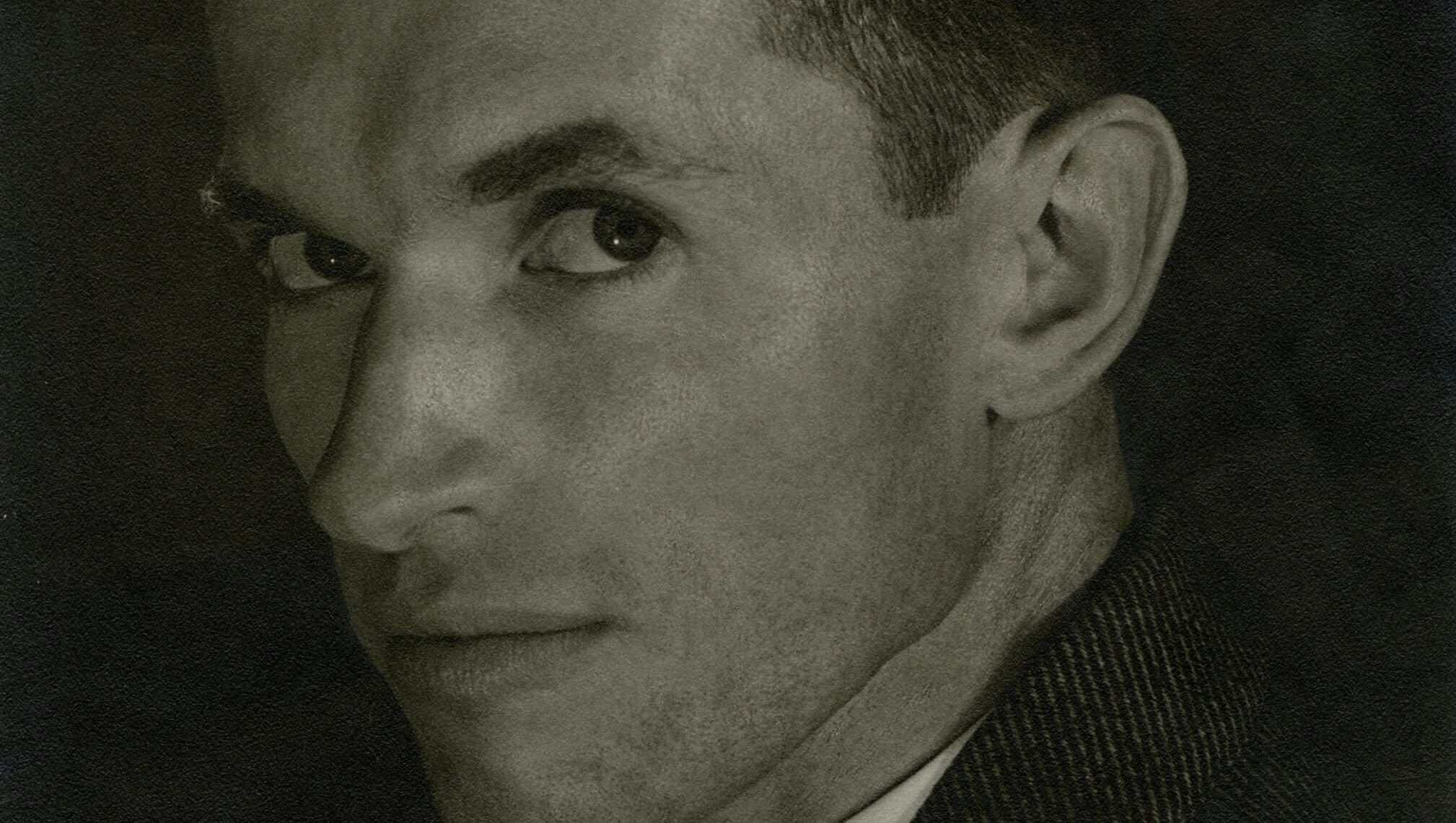
Everything seemed respectable on paper about John Charles Cutler. He was a doctor and government researcher, later on a university professor. But look at the Guatemala experiments, and you’ll see him in a very different way. He was part of U.S.-backed research that involved deliberately exposing people to sexually transmitted infections.
All sorts of people were victims, including prisoners, soldiers, psychiatric patients, and s** workers. They didn’t usually give their consent for these experiments. Cutler also later worked on the infamous Tuskegee syphilis study, yet people don’t always remember him for that.
William Lyon Mackenzie King
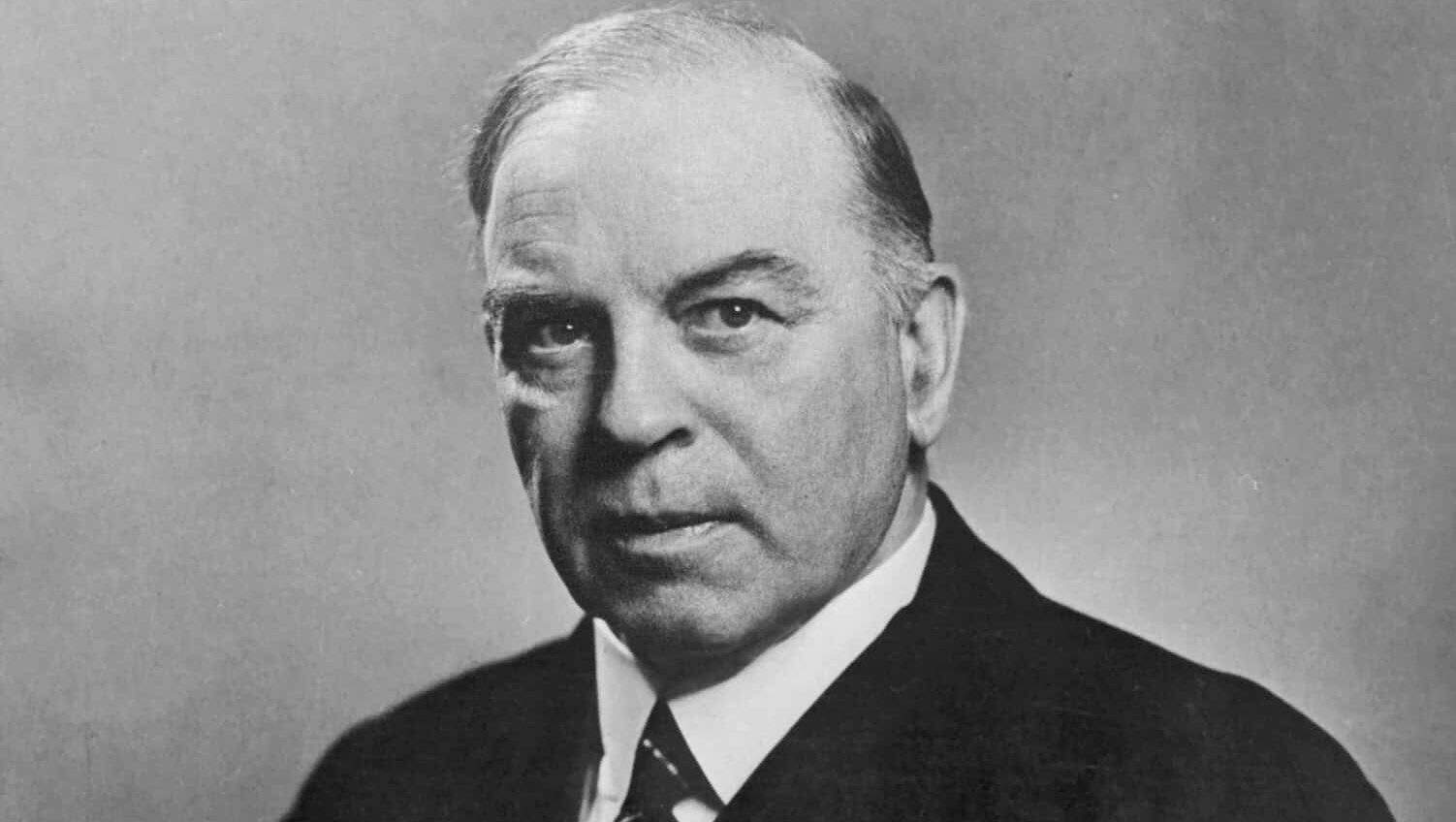
There’s no denying that Canada’s wartime prime minister, William Lyon Mackenzie King, was steady. He was also cautious. But there was a darker side to his time in power, as in 1942, his government removed about 22,000 Japanese Canadians from the West Coast.
Entire families lost their homes and businesses. Some of their property was sold without their permission. That’s not all, however, as Canada kept tight restrictions on Jewish refugees escaping Nazi-controlled Europe, too. King oversaw it all. He helped make it happen.
Madison Grant

It sounds weird. A guy who saved forests was also promoting racial hierarchy, it doesn’t seem possible. But it was. Madison Grant did exactly that, and while he was involved in American conservation programs to protect wildlife, he also supported racial division.
He published a book in 1916 titled The Passing of the Great Race, where he divided people into supposed racial groups. Northern Europeans were at the top. He treated those rankings as science and went as far as supporting eugenic policies based on those ideas. He wasn’t so progressive after all.
Woodrow Wilson
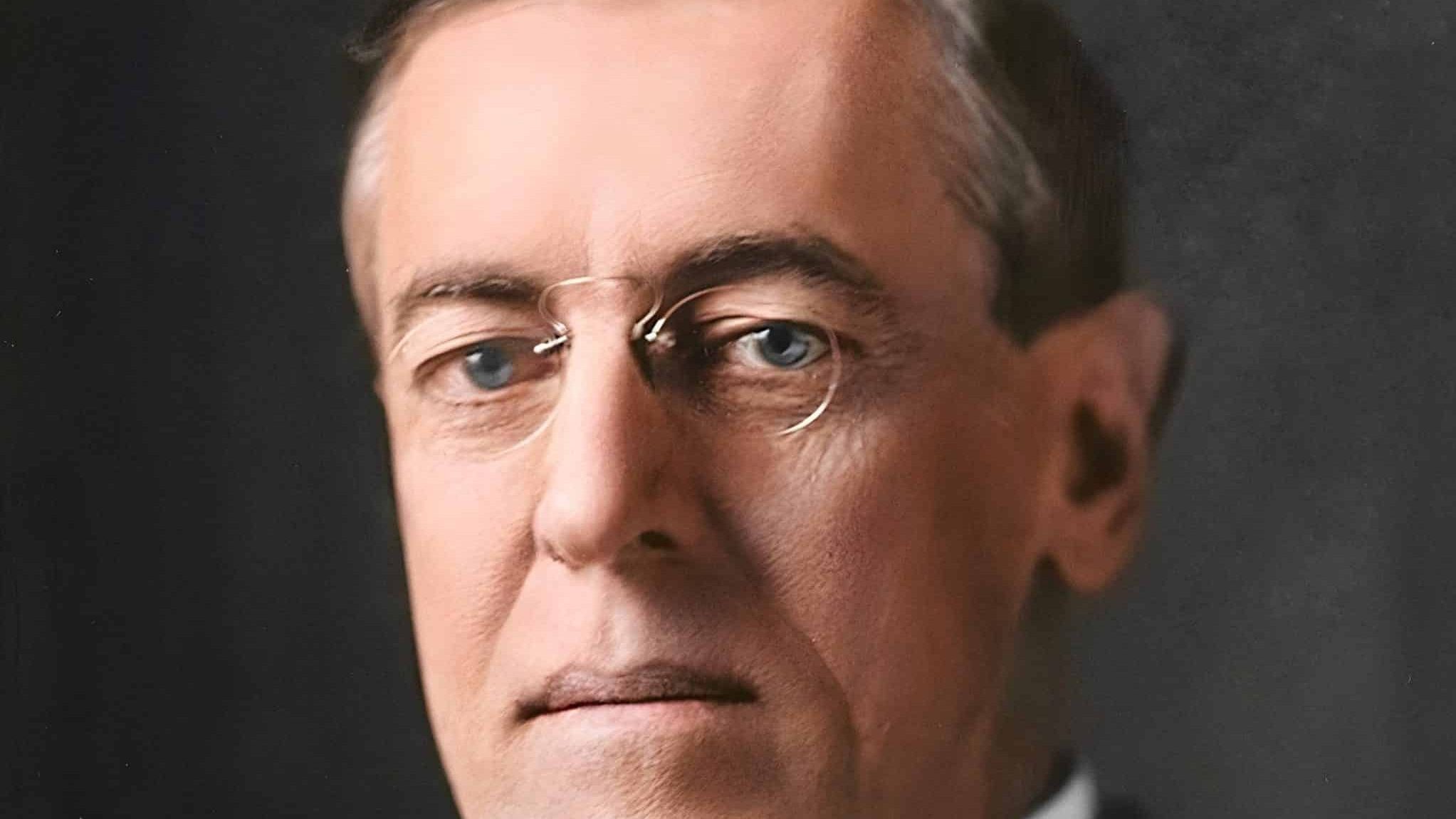
It’s true that Woodrow Wilson did a lot during World War I, and yes, he helped create the League of Nations. But we can’t ignore his record at home. His administration began separating Black and white workers in federal offices, something that hadn’t been the government standard before.
Segregating the offices meant that Black employees were moved or sometimes demoted. Some of them were even shut out of certain jobs, just because of their skin color. Wilson allowed, if not encouraged, that to happen.
J. Edgar Hoover
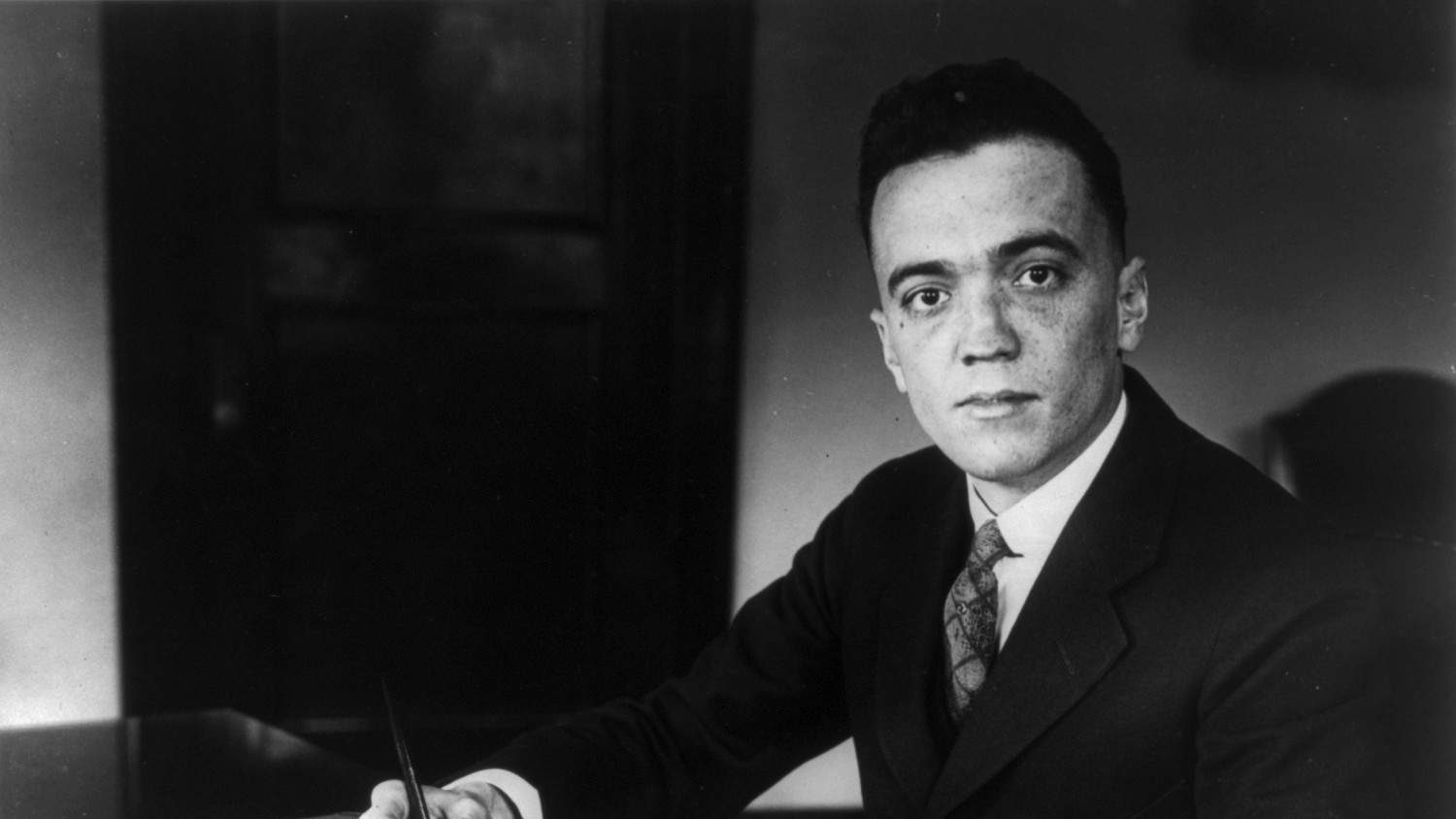
FBI leader J. Edgar Hoover did way more than simply dislike Martin Luther King Jr. from a distance, as he actually sent agents after King. Yes, he had agents tapping the civil rights leader’s phones and watching his movements. They tried to damage his reputation.
King was sent an anonymous letter in 1964 that included compromising material, with a message that strongly encouraged him to take his own life. Hoover might’ve helped fight organized crime and encouraged federal policing, yes. But we can’t ignore that he led a pretty personal campaign against King.
Earl Warren
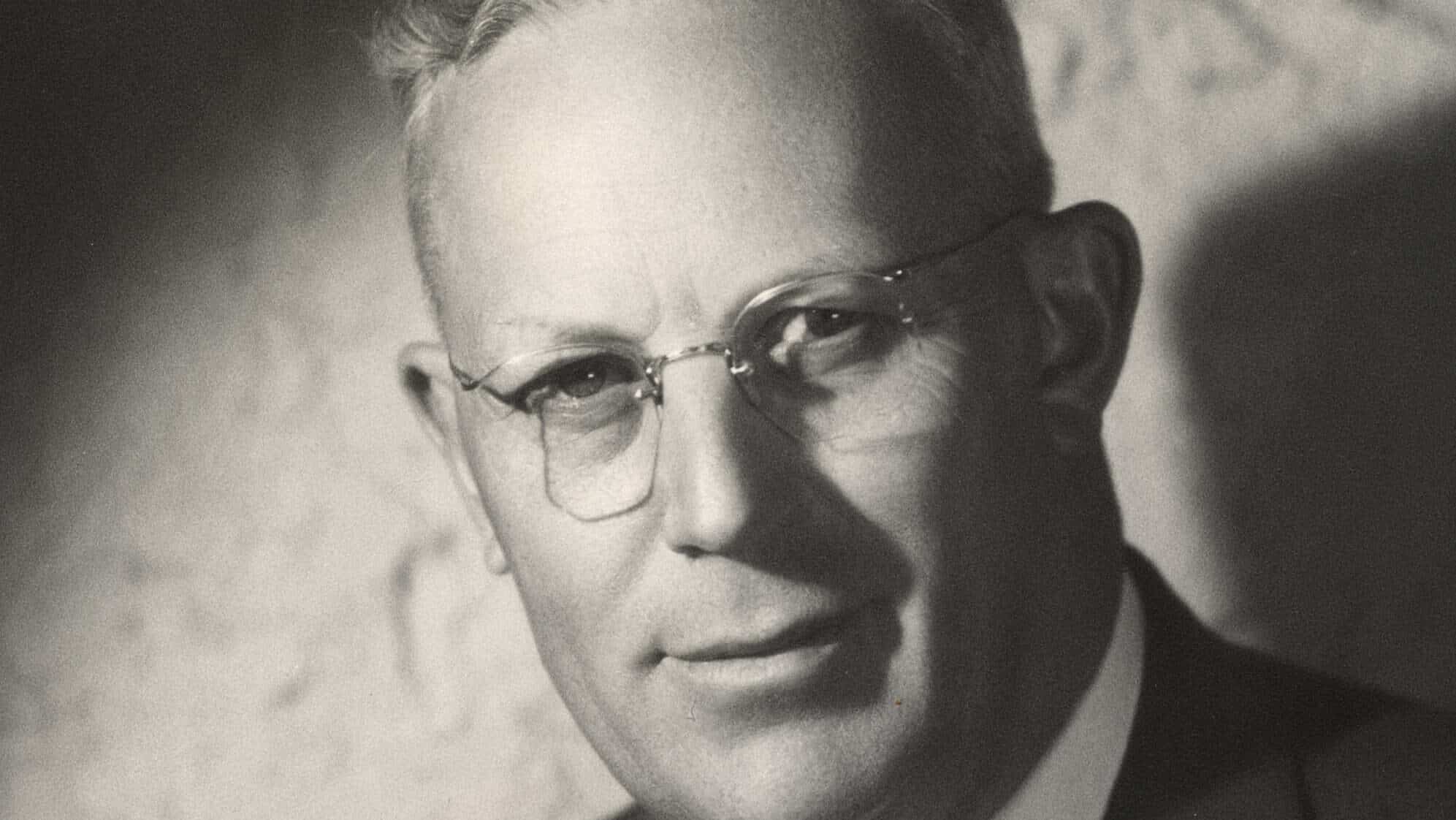
Most people know Earl Warren for being the chief justice tied to Brown v. Board of Education. You know, the court case that helped to ban segregation in American schools. But it turns out that Warren’s own history wasn’t what you might expect, as he used to be California attorney general. He supported Japanese Americans being forcibly removed during World War II.
Warren actually went as far as claiming that anyone of Japanese ancestry in America might help enemy forces. He had families removed and imprisoned as part of federal policy. Warren did later say he regretted his role, sure, but it still happened. A civil-rights icon who removed people because of their race. How ironic.
William Shockley

You wouldn’t think that a Nobel Prize winner could be so closed-minded. But that’s exactly what William Shockley was, closed-minded. He helped create semiconductors and also argued that racial differences in IQ were due to genes. Then he took these ideas further.
He suggested that people with a low IQ should be paid to be sterilized, and these payments should increase as the scores dropped below 100. He even created a payment system for it. Yes, one of the men connected with the birth of Silicon Valley also supported eugenics.
George Wallace

There’s a version of former Alabama governor George Wallace that paints him as this kind of cartoonish man who eventually said sorry. The real story was way worse than that. His campaigns leaned a lot into anger over integration and federal civil-rights laws.
He spoke a lot about states’ rights, but a lot of these arguments revolved around states’ rights to segregate. Wallace turned racial frustration into votes on a national scale. He supported ideas that most people today would completely disagree with.
Margaret Sanger
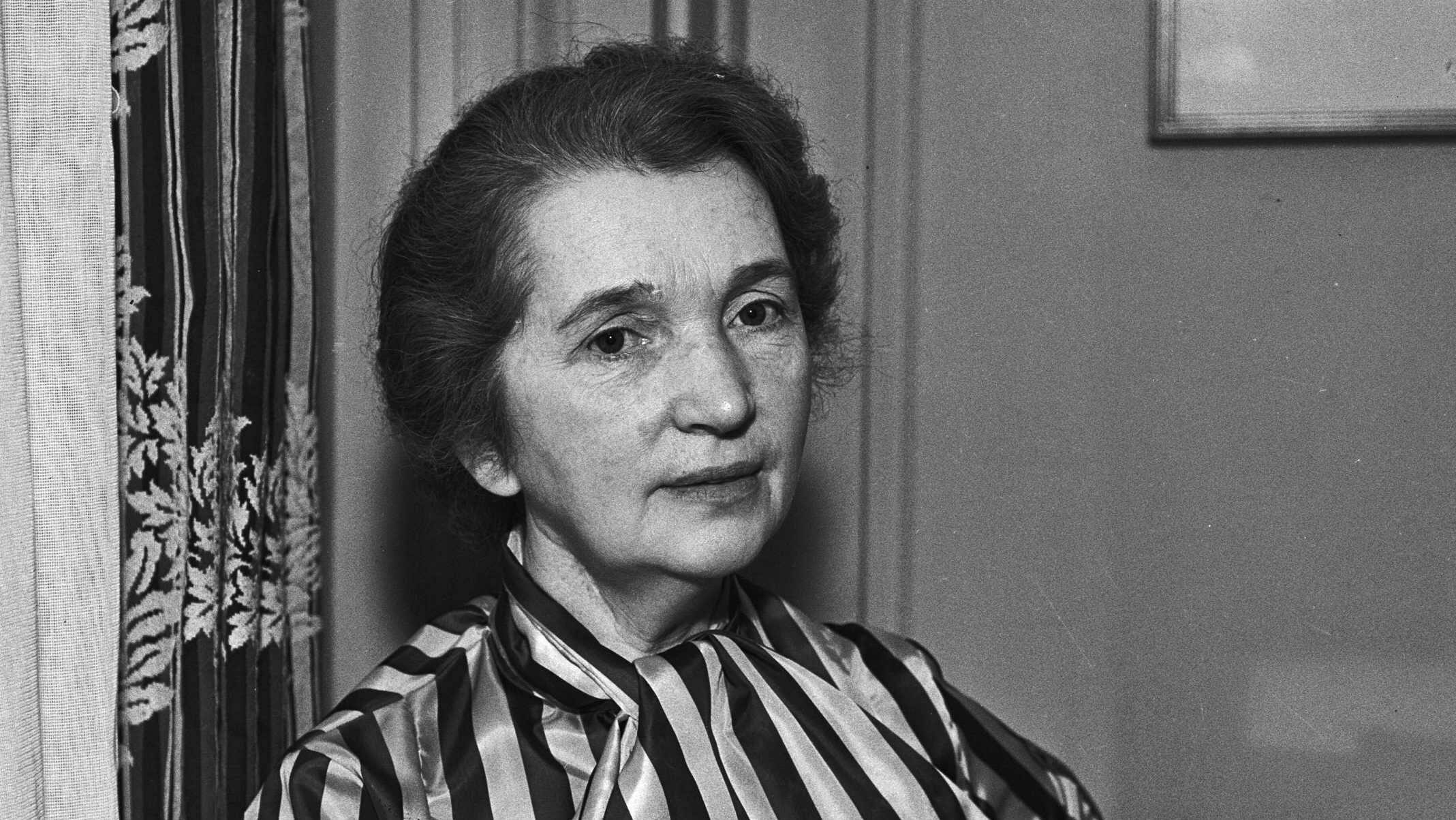
It’s kind of surprising that Margaret Sanger was actually a supporter of eugenics. She was a woman who fought for access to birth control, after all, but she also supported the idea of stopping certain people from having children.
She supported the 1927 Supreme Court ruling in Buck v. Bell that allowed states to forcibly sterilize ‘unfit’ people. Sanger didn’t support using race or religion as reasons for sterilization, true, but she still supported compulsory sterilization in some cases. Not voluntary, compulsory. It’s not exactly fair.
Harry J. Anslinger
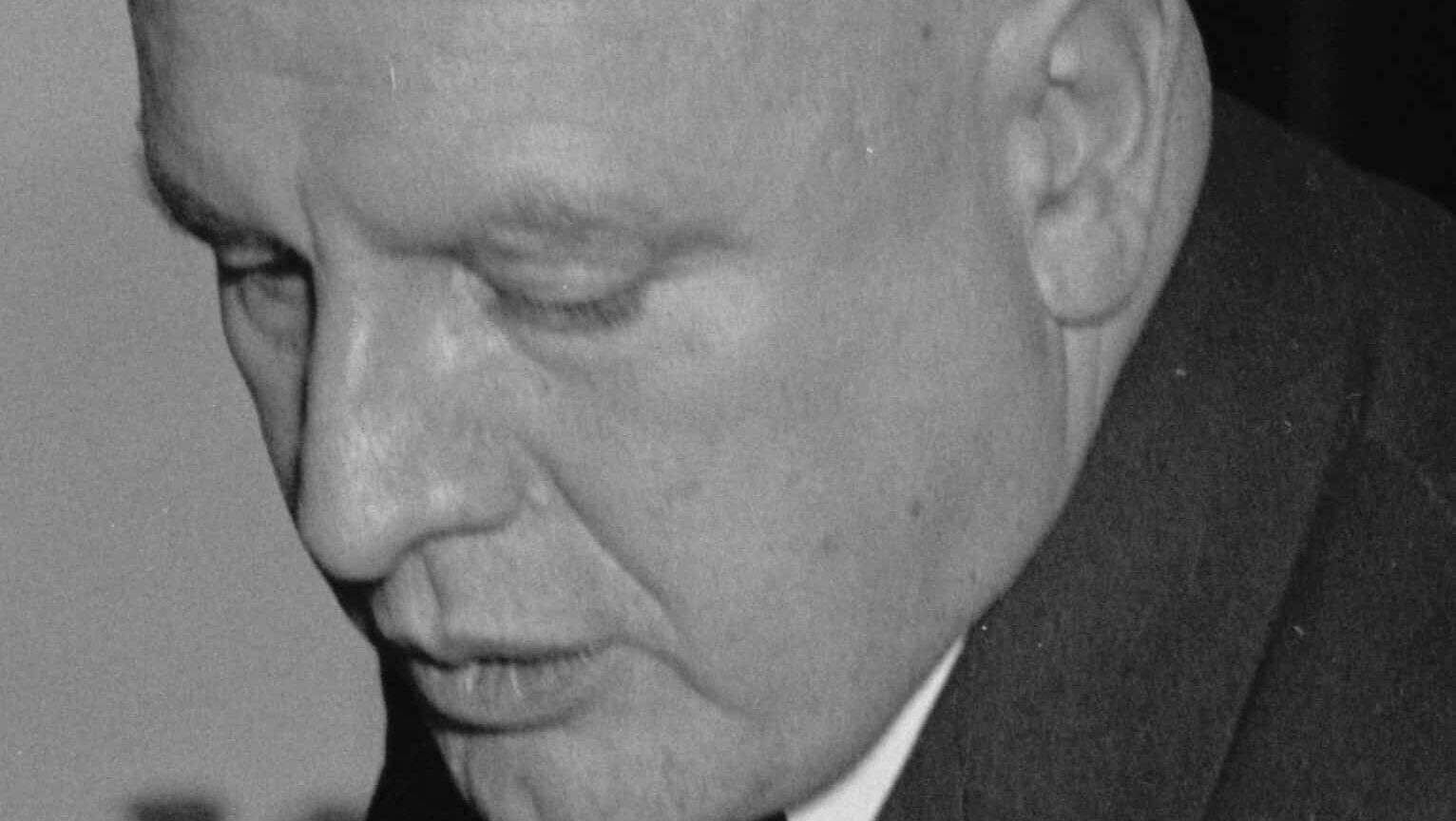
Harry J. Anslinger, the first commissioner of the Federal Bureau of Narcotics, fought the war on drugs before it was called that. But he didn’t exactly do it in the right way. No, he led an anti-marijuana campaign that connected cannabis with crime, specifically Black Americans and Mexican immigrants.
He tried pursuing jazz singer Billie Holiday over her drug use, even though she was seriously ill at the time. Anslinger helped push racist ideas against certain groups, all in the name of ‘fighting’ drugs.
Joseph P. Kennedy Sr.
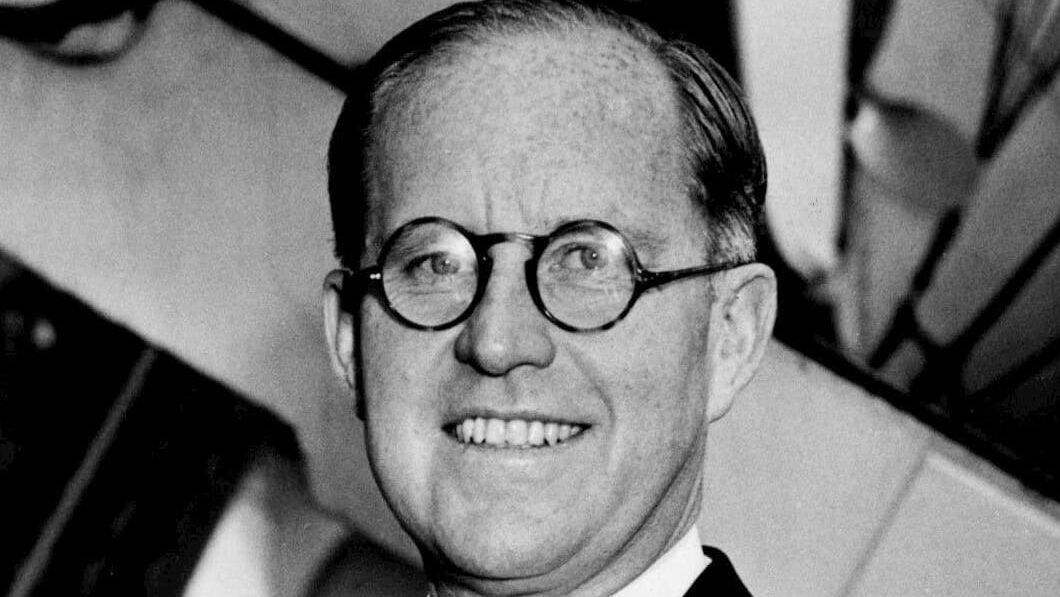
The Kennedy family is probably one of America’s most famous families. We all know JFK and RFK, maybe Ted Kennedy, too, but the father figure, Joseph P. Kennedy Sr., gets a lot less attention. Maybe that’s for a reason. He was U.S. ambassador to Britain, and he believed Britain might lose the war against Nazi Germany.
So, he supported America not getting involved. That’s not all, though, because he also made numerous antisemitic comments. It got to the point where it seems like he didn’t want the U.S. to get involved in the fight against the Nazis for a different reason.
William Randolph Hearst
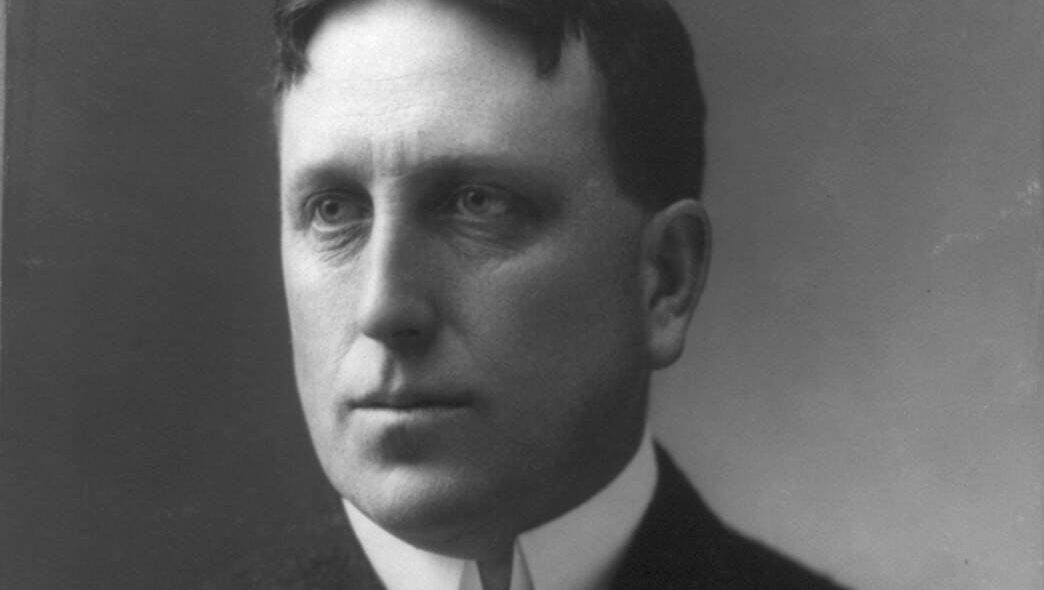
William Randolph Hearst sure knew how to sell newspapers, and it’s not like he was subtle about it. He made sure that the New York Journal ran stories about Spanish cruelty and gave attention to claims that weren’t always true. It got worse when the USS Maine exploded in Havana Harbor in 1898.
Hearst’s papers quickly made Spain seem like the guilty party. Investigators hadn’t established the cause, but still, Hearst was keen to make the Spanish seem responsible. Many historians believe that Hearst’s ‘reporting’ helped push the U.S. toward war against Spain. Just under 3,000 Americans and 60,000 Spaniards died in the war.
Sidney Gottlieb
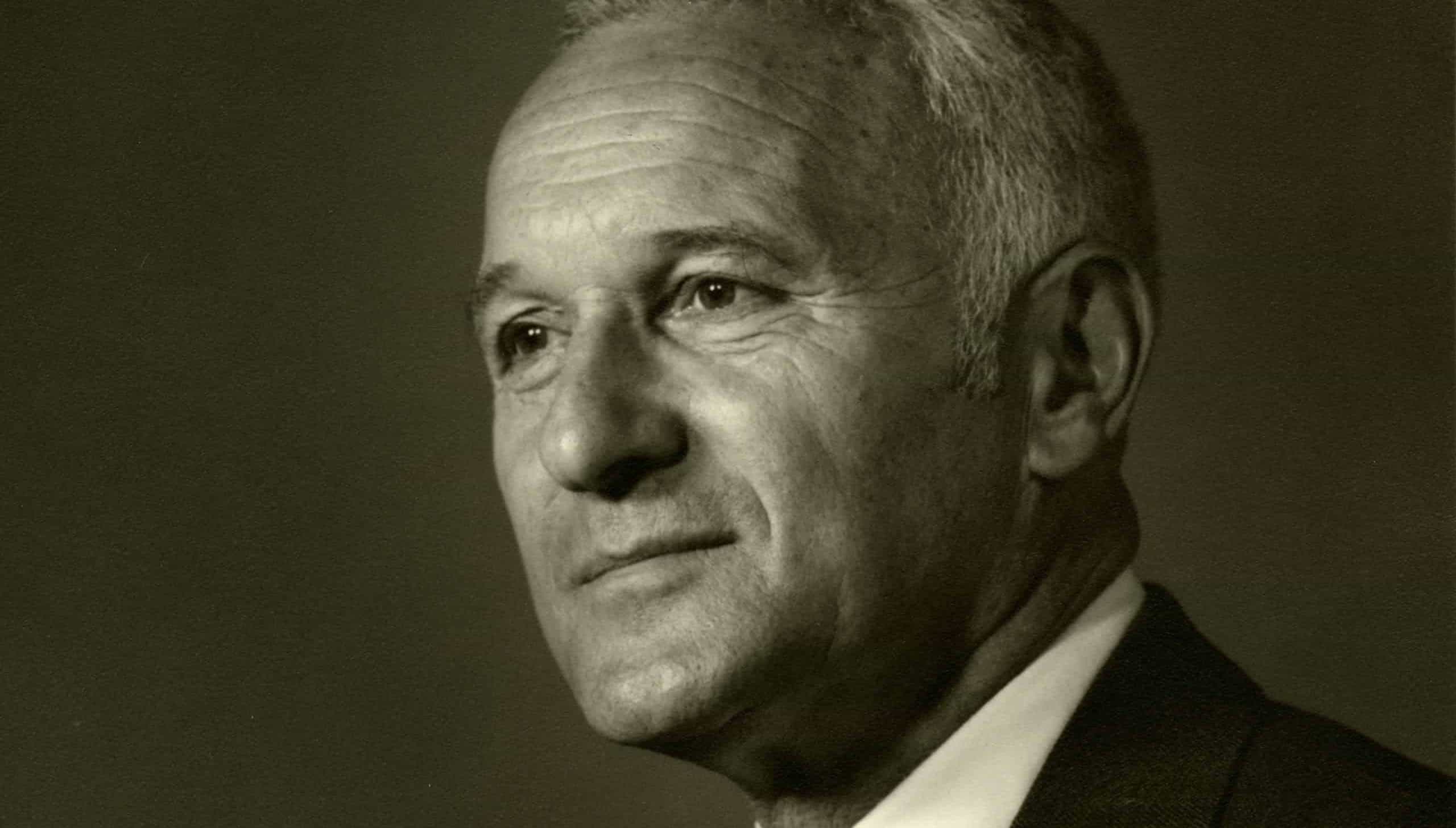
Sidney Gottlieb isn’t a household name. It should be, but not for good reasons. Gottlieb worked for the CIA, and he was closely connected to the agency’s mind-control experiments as part of MKULTRA. The agency tried to secretly study drugs, interrogation, and behavior control.
The experiments involved giving people LSD without them knowing it, like the army scientist Frank Olson. He was secretly dosed at a gathering that Gottlieb was at. Olson died days later after falling from a New York hotel window. It’s not hard to see why some people say Gottlieb has Olson’s death on his hands.
Sources: Please see here for a complete listing of all sources that were consulted in the preparation of this article.
10 historical deaths that were met with public celebration
Most deaths come with mourning, but there have been quite a few that have actually led to cheering and street parties because people had been waiting years for the news.


