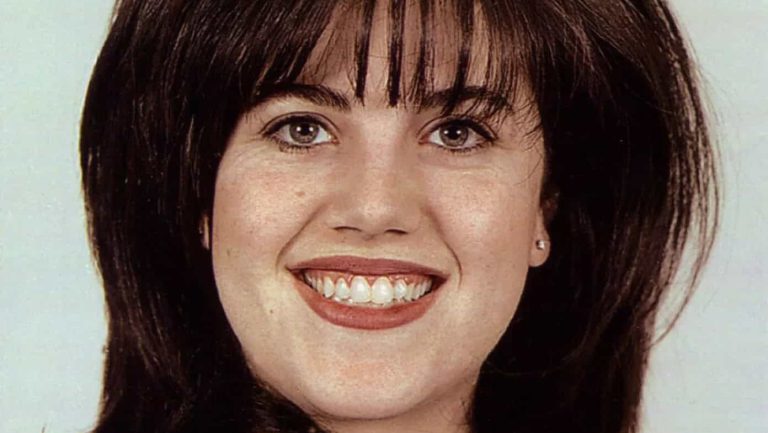

We might honor these people today with holidays and statues, but there was once a time when newspapers attacked them, and governments actually tried to stop these people from doing what was right.
Muhammad Ali
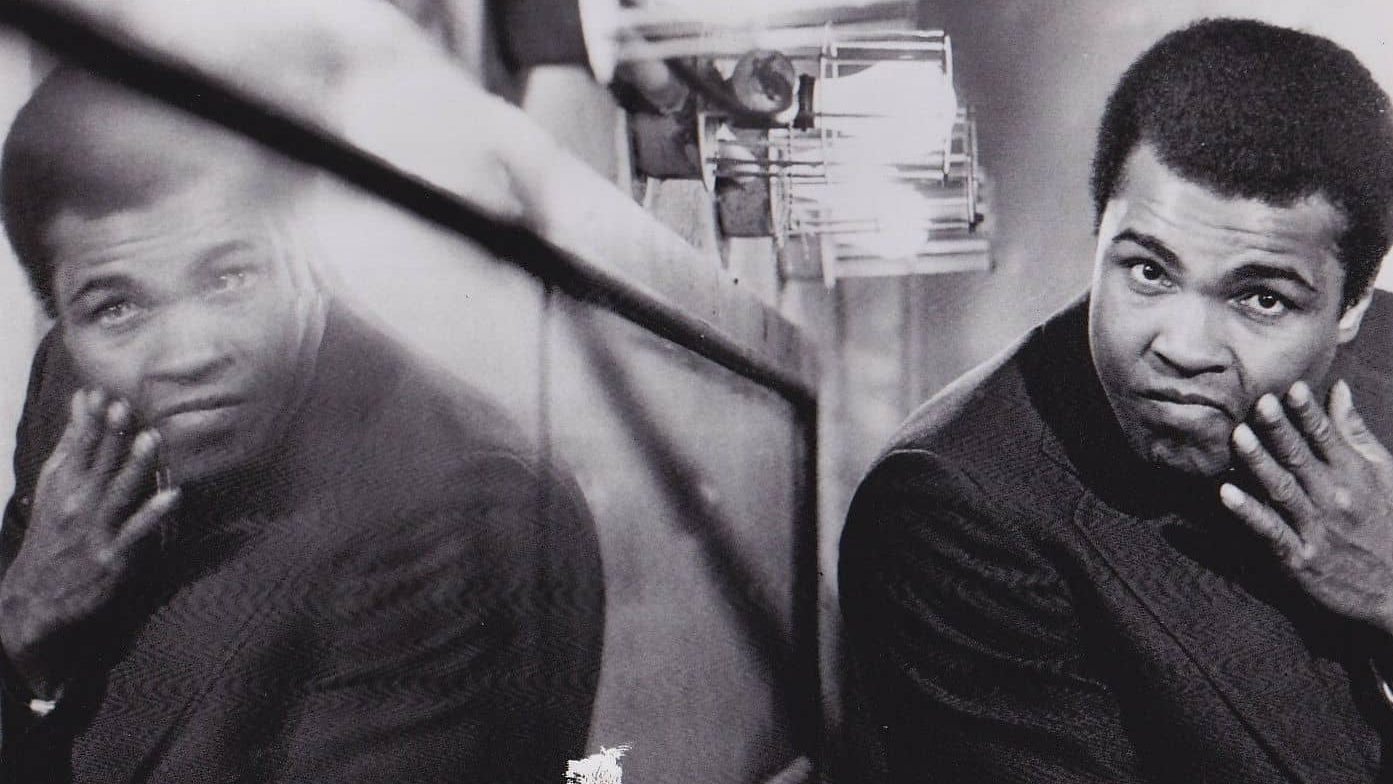
There’s no denying that Muhammad Ali sure could fill an arena. But plenty of Americans didn’t use to like him in the 1960s, and it all started with his conversion to Islam. That switch annoyed people, so did his name change, but what really got people mad was his refusal to be inducted into the Army.
Ali lost his boxing license and was stripped of his title after point-blank rejecting conscription. He was even convicted of draft evasion. It took years for that image to change and for people to see that he wasn’t a traitor to the country. No, he was a man exercising his rights, and in 2005, he received the Presidential Medal of Freedom. It was quite a turnaround.
Abraham Lincoln
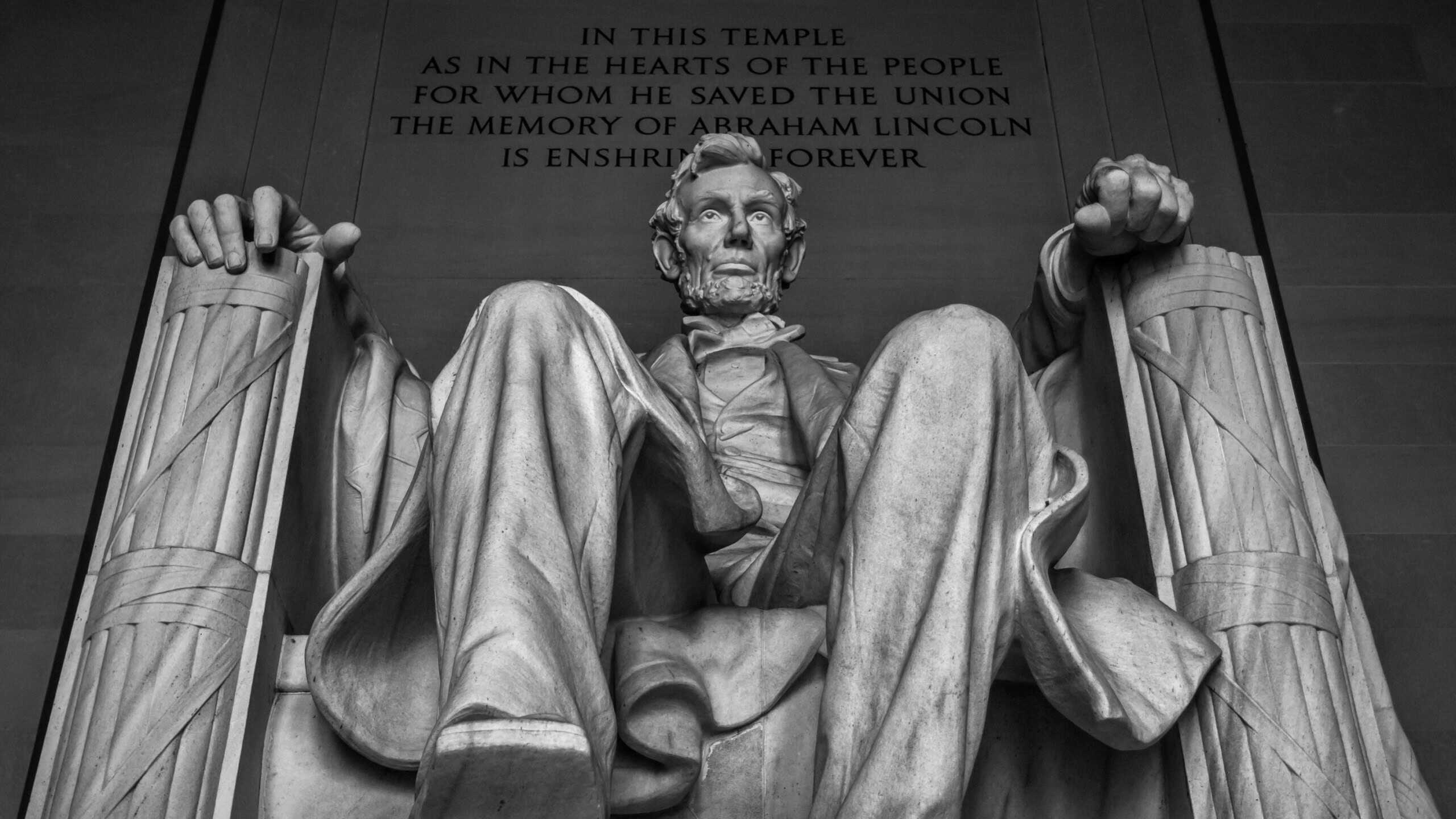
It’s easy to forget how hated Abraham Lincoln used to be. His face is on our money, and his memorial is one of Washington’s biggest tourist stops, after all. But not everyone saw him as such a great figure, especially not in 1860.
His election helped push Southern states toward secession, and many Confederates thought he was a tyrant. People up North weren’t all fans of him, either. They were annoyed with how the Civil War dragged on. It’s kind of ironic that he’s ranked first overall time and time again in recent presidential surveys.
Sinéad O’Connor
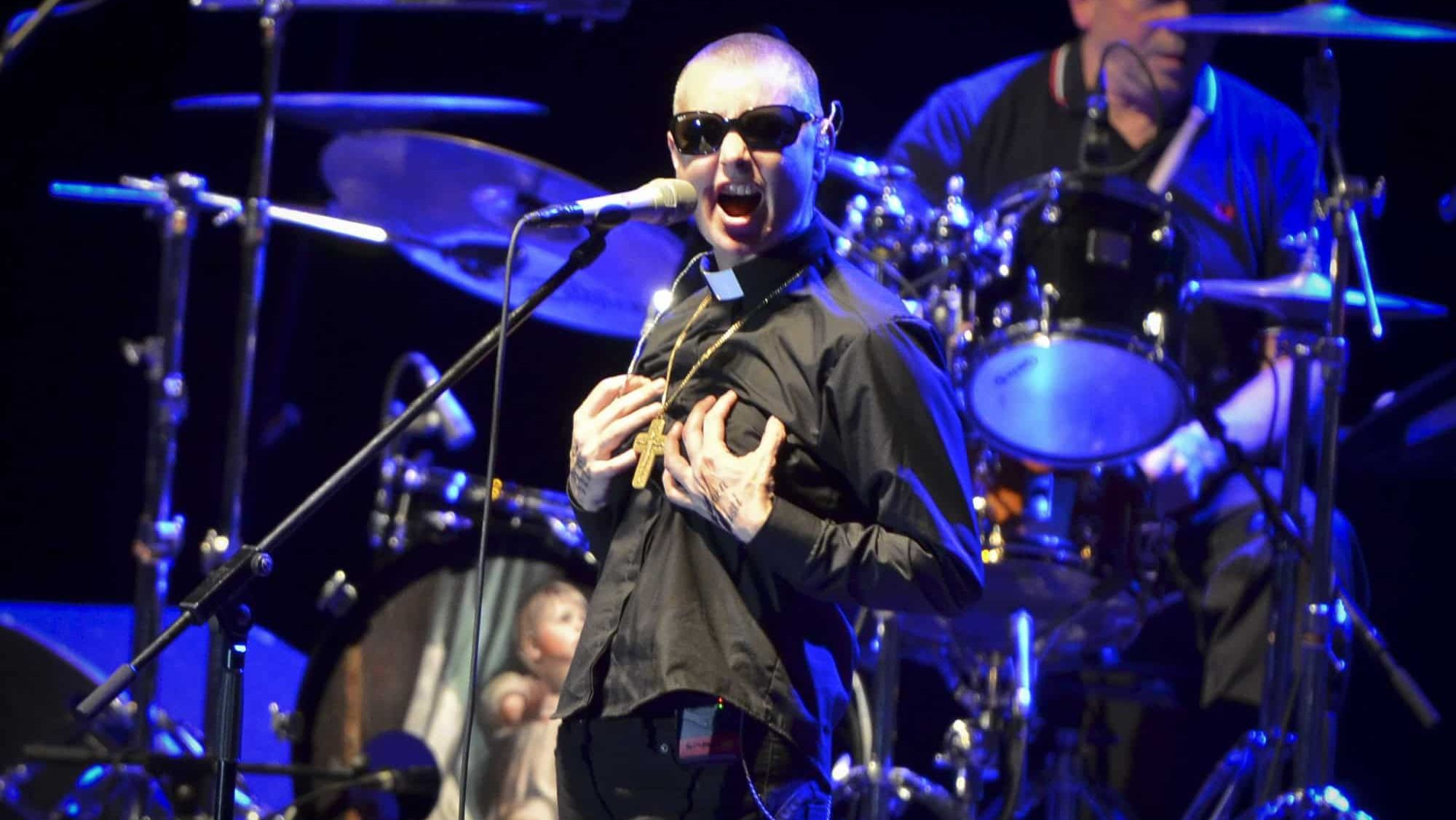
All it took were a few seconds for Sinéad O’Connor’s 1992 appearance on Saturday Night Live to go sour. She tore up a photo of Pope John Paul II and said, ‘fight the real enemy,’ as part of her protest against abuse in the Catholic Church. NBC received thousands of complaints shortly after.
It got to the point where she was loudly booed when walking on the stage at Madison Square Garden. The moment followed her around for years afterward. She was eventually proven right, however, once church abuse scandals became widely documented. She’s now more often remembered as being someone willing to speak up when nobody else would.
Monica Lewinsky
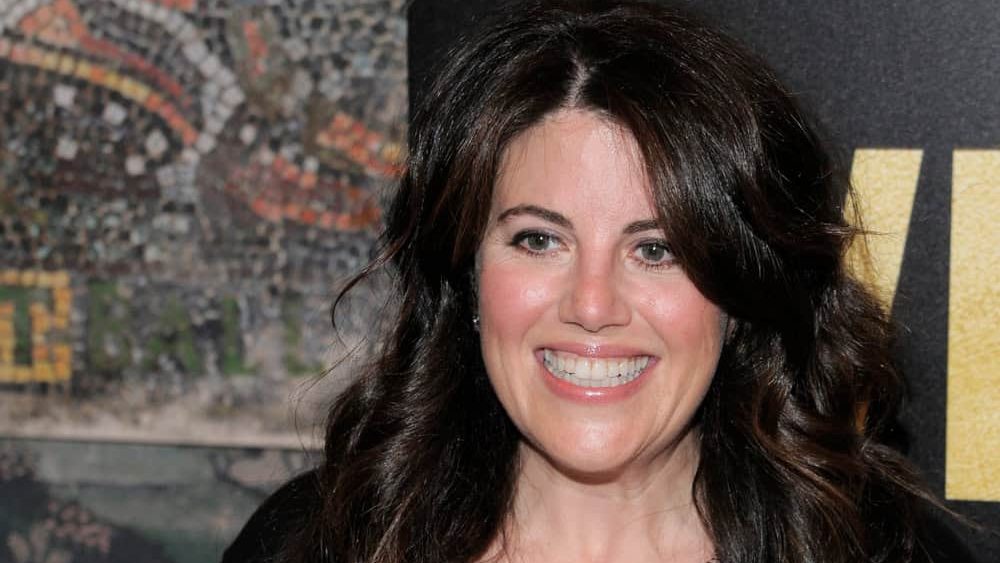
Monica Lewinsky was only 24 years old when her whole life changed. Not in a good way. Her affair with President Bill Clinton became public in 1998, and she was soon mocked everywhere. Television shows joked about her and newspapers made nasty comments.
They criticized everything about her, including her appearance and voice. Every aspect of her personal life was a free-for-all, apparently. The tone eventually changed around her, and people started questioning the bullying and shaming that had been directed at her. It’s ironic that she got a lot of the hate, while Clinton himself received very little.
Natalie Maines
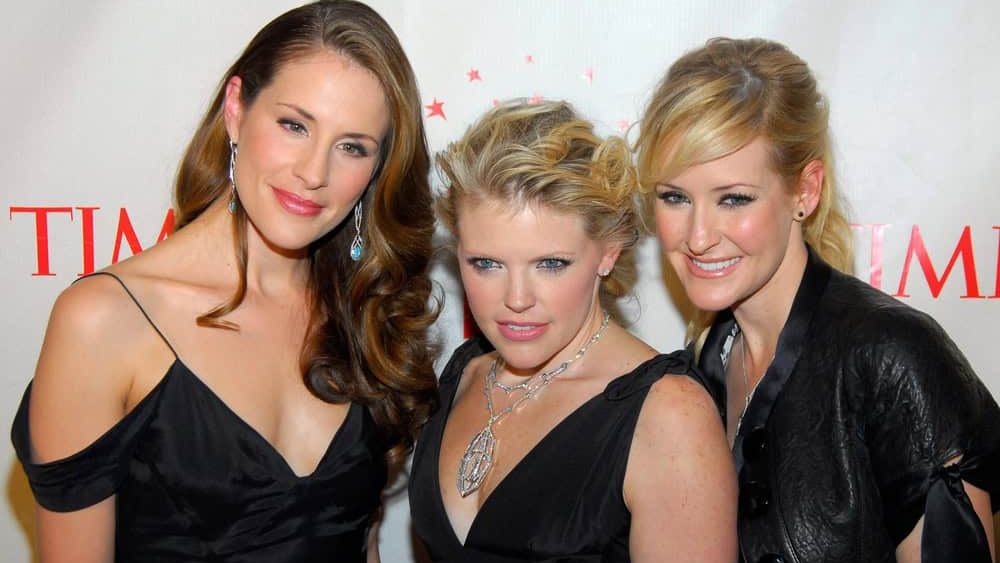
One comment. That’s all it took for Natalie Maines and the rest of the Dixie Chicks’ careers to essentially blow up. Maines told a concert crowd in London she was ashamed President George W. Bush was from Texas, shortly before the Iraq invasion. That was too much, apparently.
Country stations dropped the group’s music and protesters destroyed CDs. The band even received death threats, it got that serious. They were hated for many years, and it took a while for them to win back support. All because they dared voice an opinion.
Martin Luther King Jr.
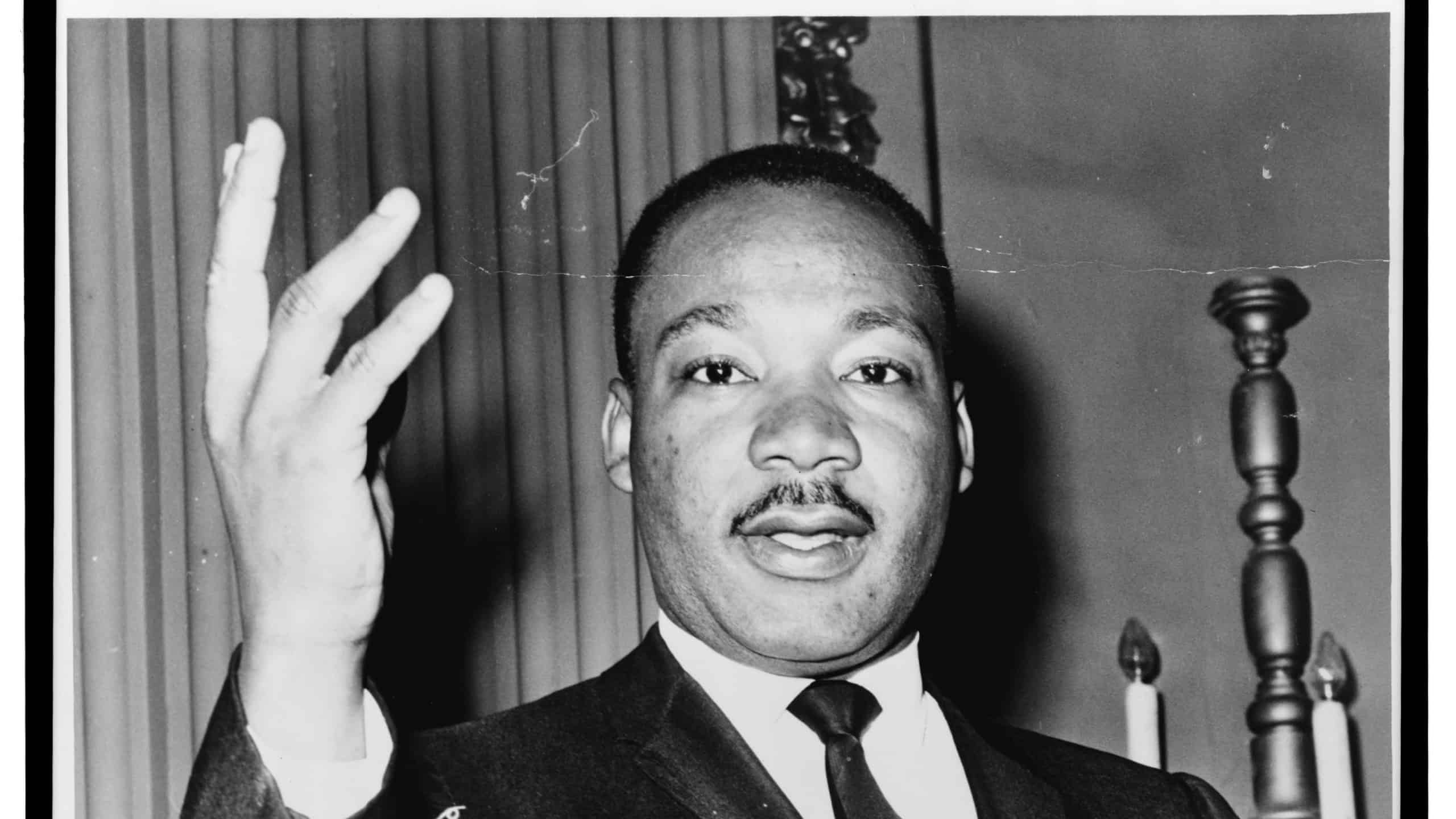
Yes, Martin Luther King Jr. He’s honored today with a federal holiday, but polling from shortly before his assassination shows that he was seen nowhere near as positively. 63% of Americans viewed him unfavorably in 1966, according to Gallup, and 44% rated him highly unfavorably.
It’s all because he spoke so openly about issues like segregation and poverty, as well as the Vietnam War. A lot of people disliked what they heard. It was only decades later, after his death, that the numbers changed. He even had a memorial built in his honor.
Emma Goldman
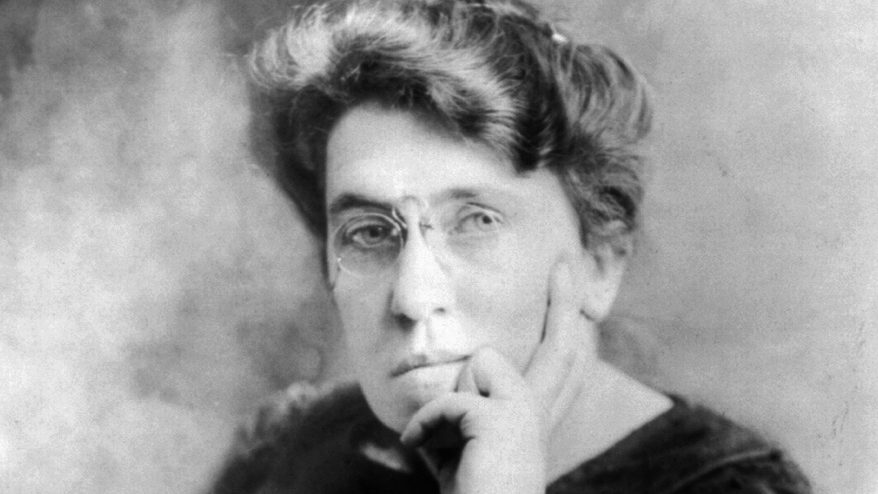
‘Unpopular’ is an understatement for Emma Goldman. She was an anarchist speaker who was arrested several times and jailed for opposing the World War I draft. She was deported from the United States in 1919, too. FBI director J. Edgar Hoover described her as one of the most dangerous women in America.
But most people see her differently today because they view her as a major figure in debates over free speech. She’s seen as someone who fought for workers’ rights and women’s equality. It’s quite different treatment from what she originally received from federal authorities.
Hugh Thompson Jr.
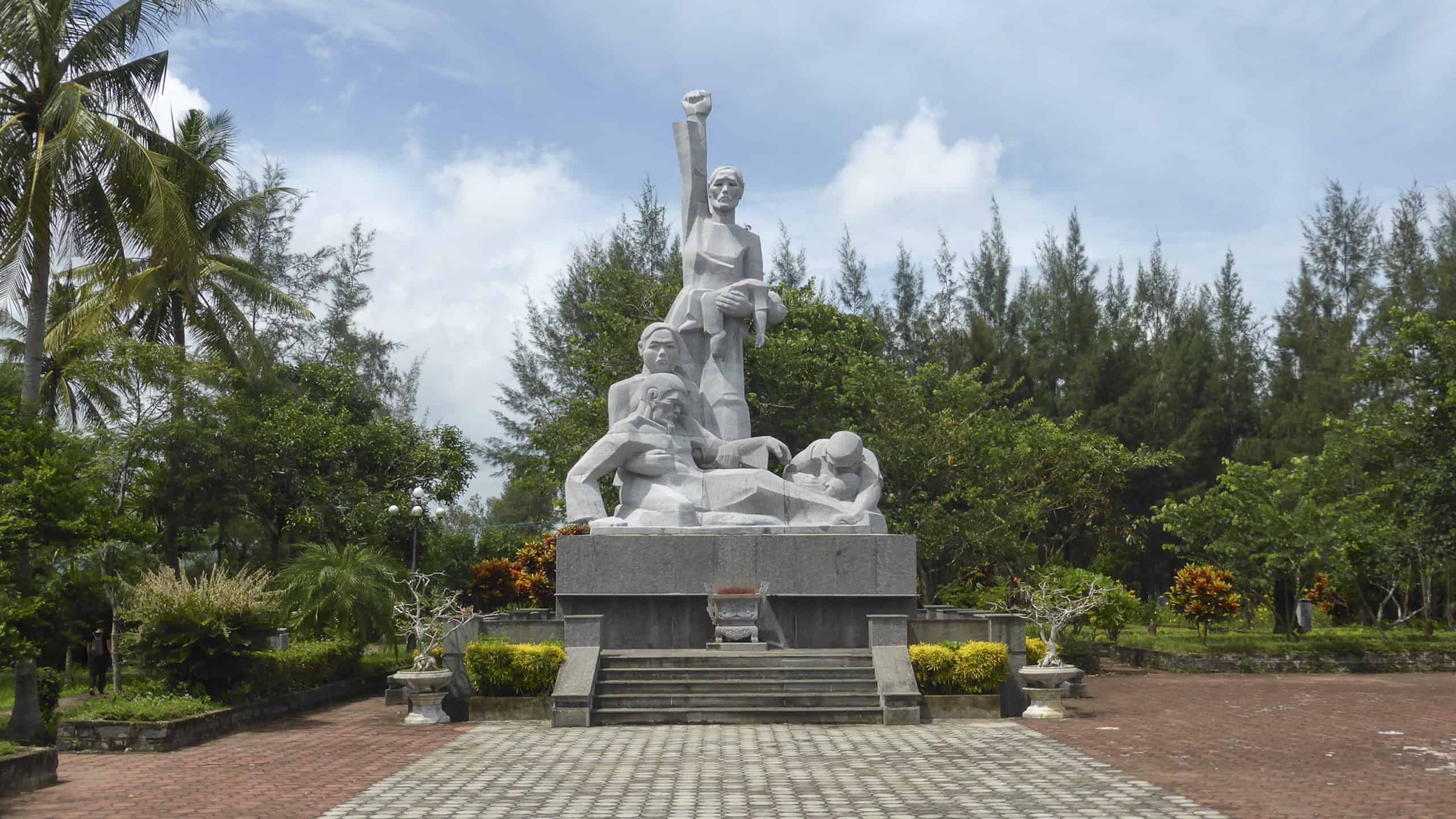
Hugh Thompson Jr. did the impossible during the My Lai massacre in Vietnam in 1968. He put his helicopter between American troops and Vietnamese civilians, telling his crew to protect the civilians. It didn’t go down well. He later testified about the massacre and was called a traitor by some people.
They were openly hostile towards him because they believed he’d betrayed America by helping ordinary Vietnamese people. But thirty years on, the Army awarded Thompson and two crewmen the Soldier’s Medal for their actions. The incident that had made him hated actually became the reason he was formally honored. What a change.
Madalyn Murray O’Hair
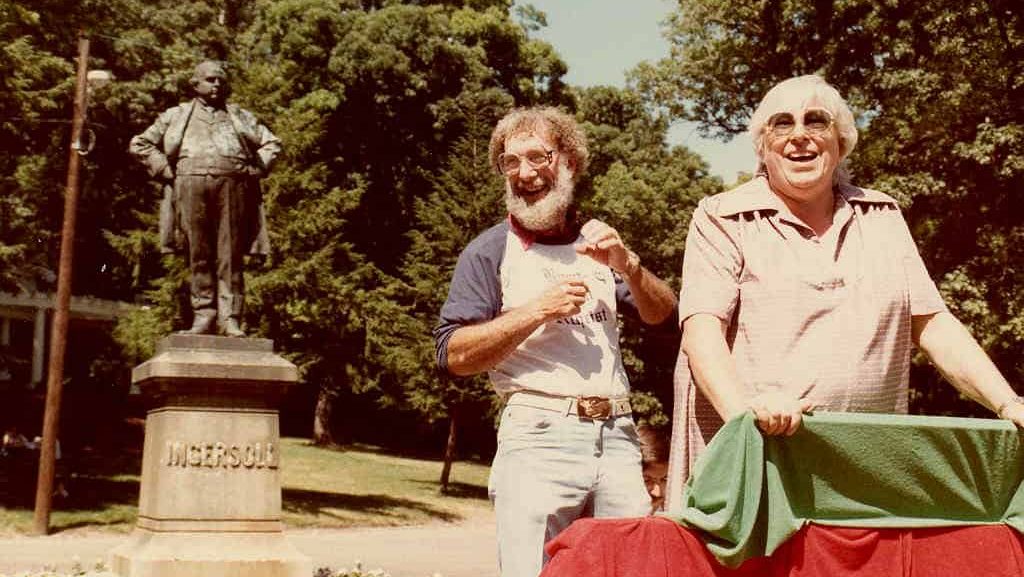
‘The most hated woman in America’ isn’t exactly a nice title. But that’s what Life magazine called Madalyn Murray O’Hair in 1964, and it was because of where she stood with a lot of people. She’d fought compulsory Bible reading in public schools, and talked openly about being an atheist.
It led to years of angry mail and threats from people who disagreed with her. It’s not like she’s universally loved today, as there are plenty of religious people who don’t like her. Still, many groups remember her very differently. They celebrate how she pushed for church-state separation and founded American Atheists.
James Meredith
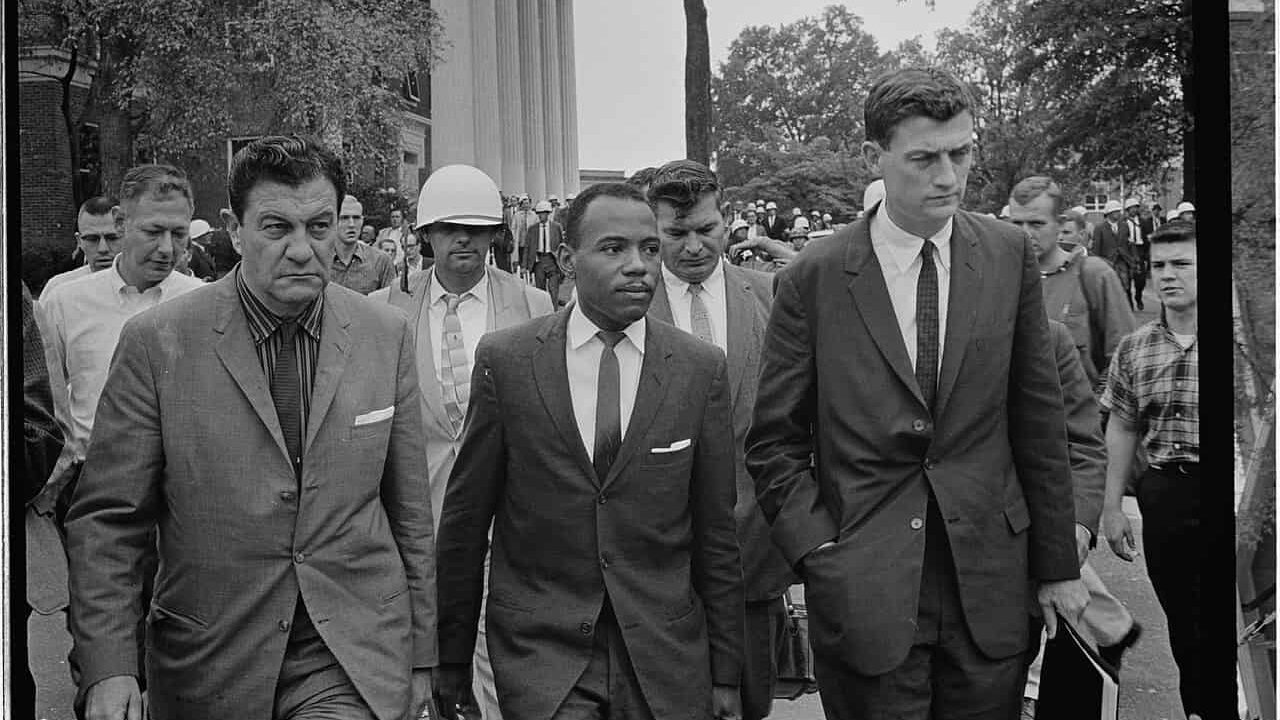
James Meredith wanted to attend college at the University of Mississippi in 1962. Two people died as a result. It happened because a white mob fought federal officers who were sent to help protect Meredith, a black man, who wanted to go to Ole Miss.
He went to class with protection while people shouted at him and threatened him. They sometimes threw things, too. It’s hard to remember that when you see that there’s a statue of him on the Ole Miss campus. His hometown of Kosciusko added a historical marker in 2024, too.
Gordon Hirabayashi
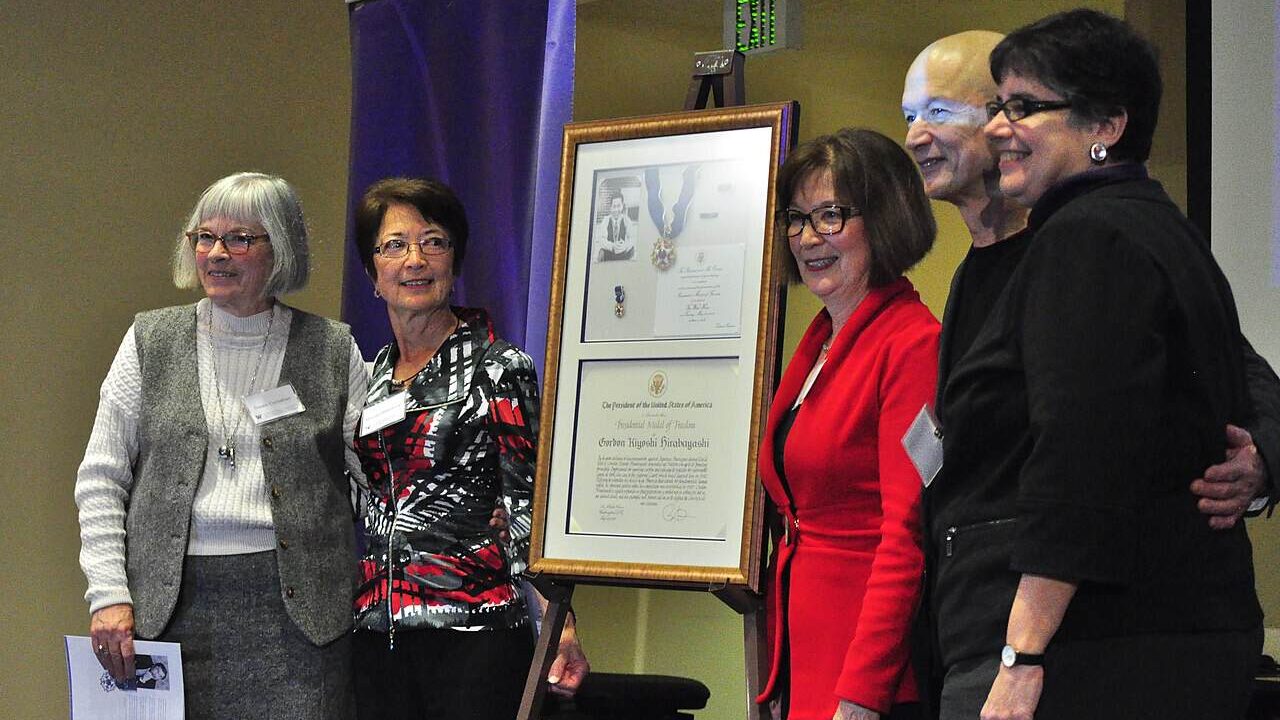
Gordon Hirabayashi wasn’t a household name in 1942. The U.S. government certainly knew about him, though, and it hated him. He was a University of Washington student who refused to follow a curfew that Japanese Americans were forced to follow.
He argued that it was a race-based rule, which, let’s be honest, it was. Hirabayashi was convicted and sentenced to 90 days in prison. It took a while, but his conviction was overturned, and President Barack Obama awarded him the Presidential Medal of Freedom posthumously in 2012.
Sources: Please see here for a complete listing of all sources that were consulted in the preparation of this article.
10 historical deaths that were met with public celebration
Most deaths come with mourning, but there have been quite a few that have actually led to cheering and street parties because people had been waiting years for the news.


