

There are a few versions of getting older that people don’t talk about, and here are thirteen harsh truths about aging that rarely get the spotlight.
The phone doesn’t have to ring

It might sound obvious, but the fact that nobody is assigned to check on you feels different when it becomes your reality. Nobody’s checking to make sure you’re okay.
In fact, studies on older adults living alone have sadly found that many of them weren’t found for days after something happened.
There’s often no regular contact in place. As a result, there’s quite a big gap between the idea that someone will notice and someone actually doing so. It’s a lot longer than most people expect.
Your voice starts staying in storage
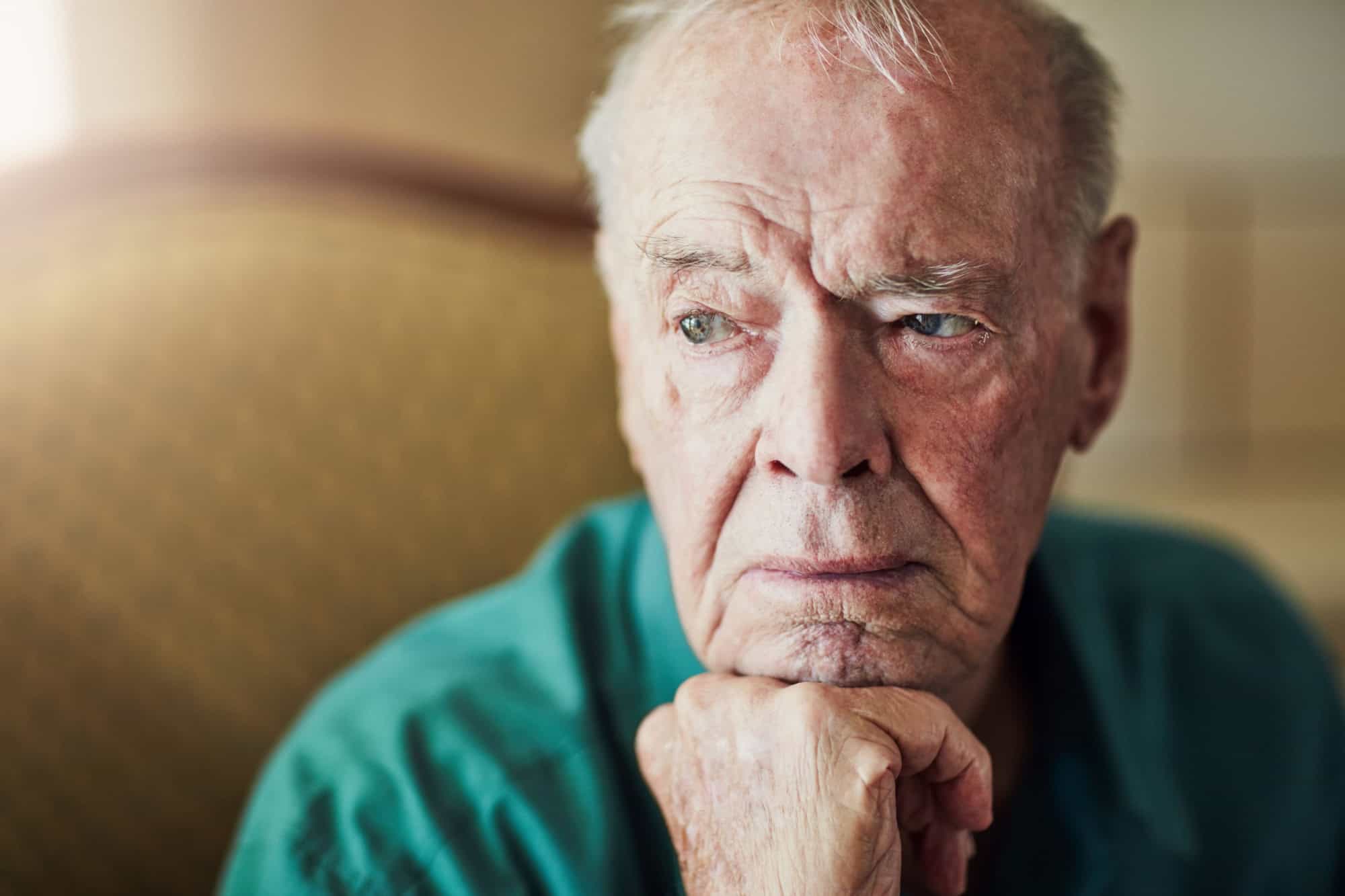
There’s not always a reason to speak on some days, and you might only say a few words to yourself, maybe to a cashier. That’s it.
Data shows that over a million older people can go a full week without actually speaking to a loved one, and some even go a whole month in silence.
It becomes so normal for some older people that using their voice no longer feels automatic. Instead, it feels more like something that you might have to switch back on. That’s never a good feeling.
The center moves somewhere else
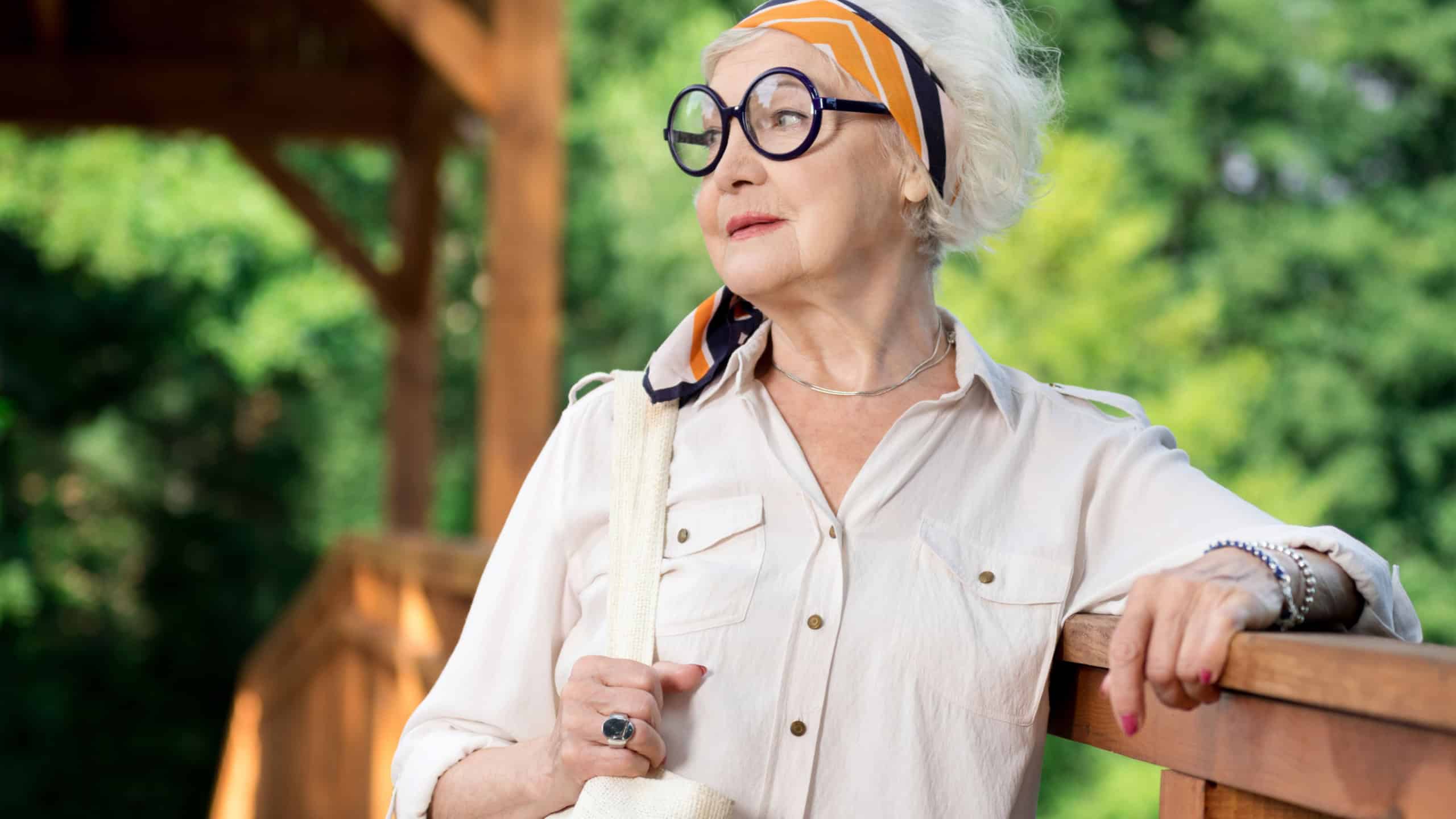
Eventually, you’ll come to notice that fewer things revolve around you when you’re older and alone. Daily roles like work and family are linked to a sense of being in the flow of life, so when these connections disappear, your position changes as well.
Aging often comes along with changes in a person’s sense of social connections, leading to them spending more time alone. That doesn’t necessarily mean that their life completely stops. No, instead, it’s more like the main storyline is happening slightly out of reach for them, and that’s a hard fact to come to terms with.
Moments stop becoming shared property
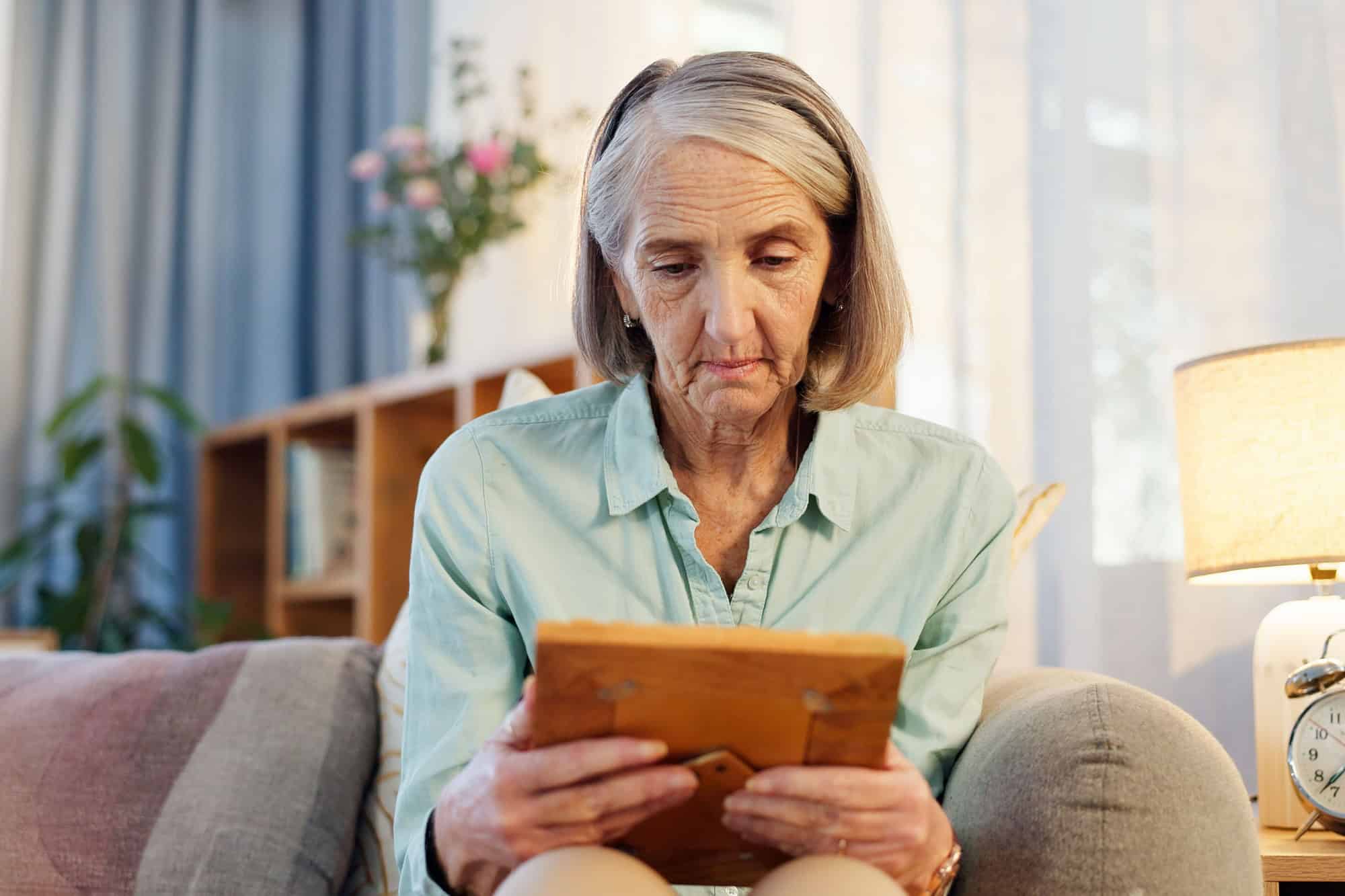
Whenever something small happens, there’s nobody for you to pass it to when you’re older and alone. It could be something as insignificant as fixing something or remembering a funny story.
Regardless, the moment stays with you because you’re alone for most of the time, and you have no real opportunities to share the funny side to your daily life.
Data from the Pew Research Center shows that many older adults spend over 10 waking hours a day by themselves, so they’re unable to talk about those small details.
All those moments when you want to say ‘Remember when’ become things that nobody else knows about. There’s nobody to hold onto those memories with you.
The background thought gets louder
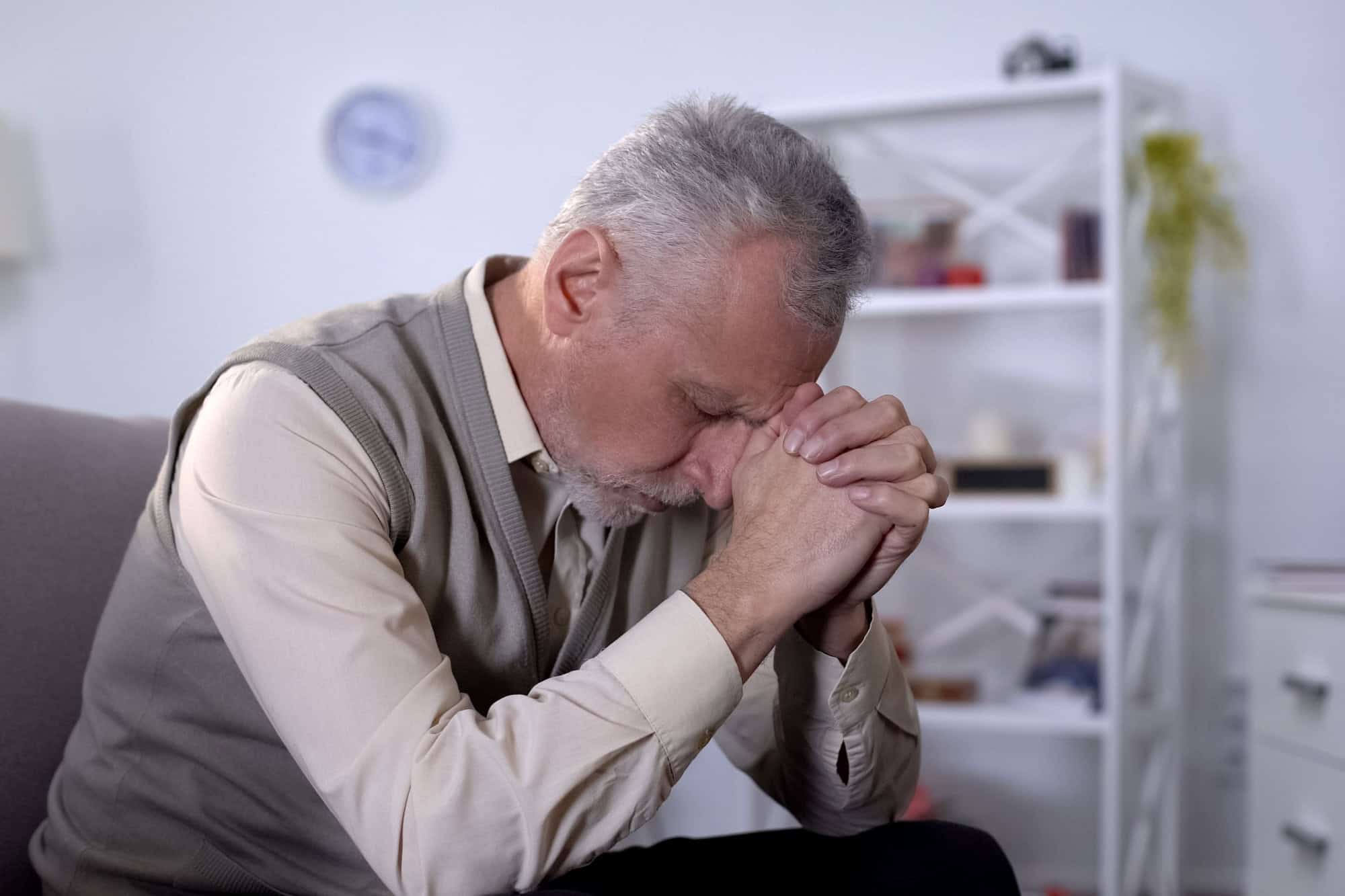
Most people imagine being alone as creating a sense of panic, but that’s not entirely accurate. It’s more like a constant awareness that sits in the background of every situation, especially health-related things.
You know that you’ll have to handle things alone when they go wrong.
It’s not exactly a fear of dealing with mobility issues or health changes by yourself. No, it feels like a practical thought that comes with being alone, and it’s not exactly something that you’re able to ignore. You already know how the setup works.
Small talk stops being small

Many older adults living alone come to realize that their conversations start feeling slightly off, as they hesitate for longer and replay things afterward. Yes, it’s a subtle change. But it sure is noticeable.
According to public health research, social isolation leads to reduced social contact and weaker interaction overall.
It’s all because the lack of regular interaction has become a part of everyday conversations. In theory, talking isn’t harder, but it isn’t something older adults do as often as they should. That’s what makes it so difficult to deal with.
Invitations stop happening on their own

Of course, nobody has actively decided to leave you out of events. The issue is that the invitations start coming less frequently. After all, you’re not part of other people’s daily lives as much as you once were, meaning that fewer plans will naturally include you.
People still like you, and they do still remember you. Unfortunately, they don’t automatically make you part of their plans in the way that they used to, and it’s because older adults spend more than half their waking time alone on average. It’s quite a sad fact.
Competence can hide you
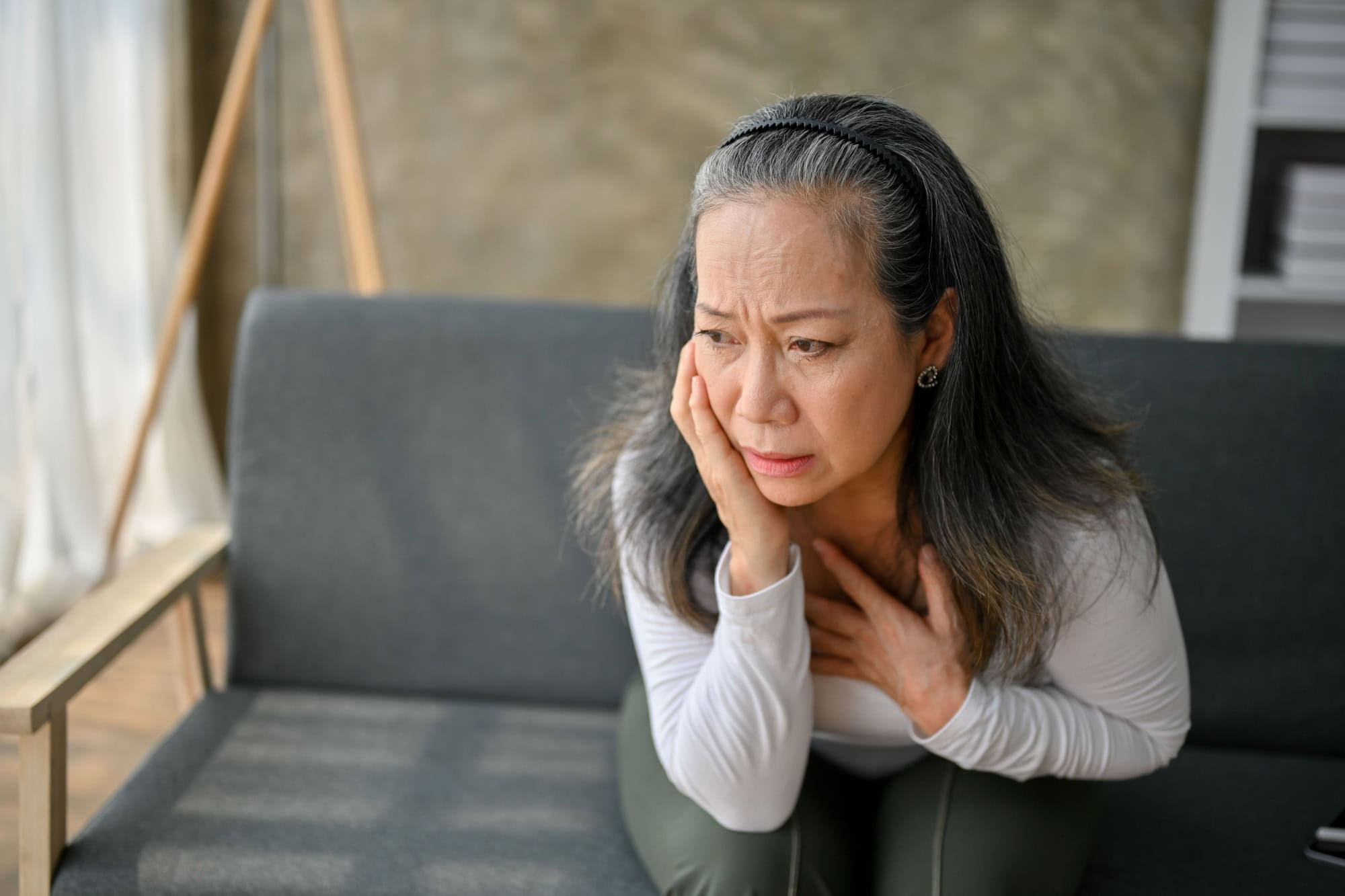
Ironically, other people will see you handling things by yourself, and they’ll likely assume that you’re completely fine, even when you’re not. The National Institute on Aging has found that many older adults living alone deal with their health and daily tasks independently.
Many of them avoid showing any signs of difficulty. They don’t want to lose their sense of independence, so they try to show that they’re capable, which makes them seem less urgent. Other people tend to only check on those who look like they need help.
As for those who seem competent on their own? They’re often ignored.
You fill the gap
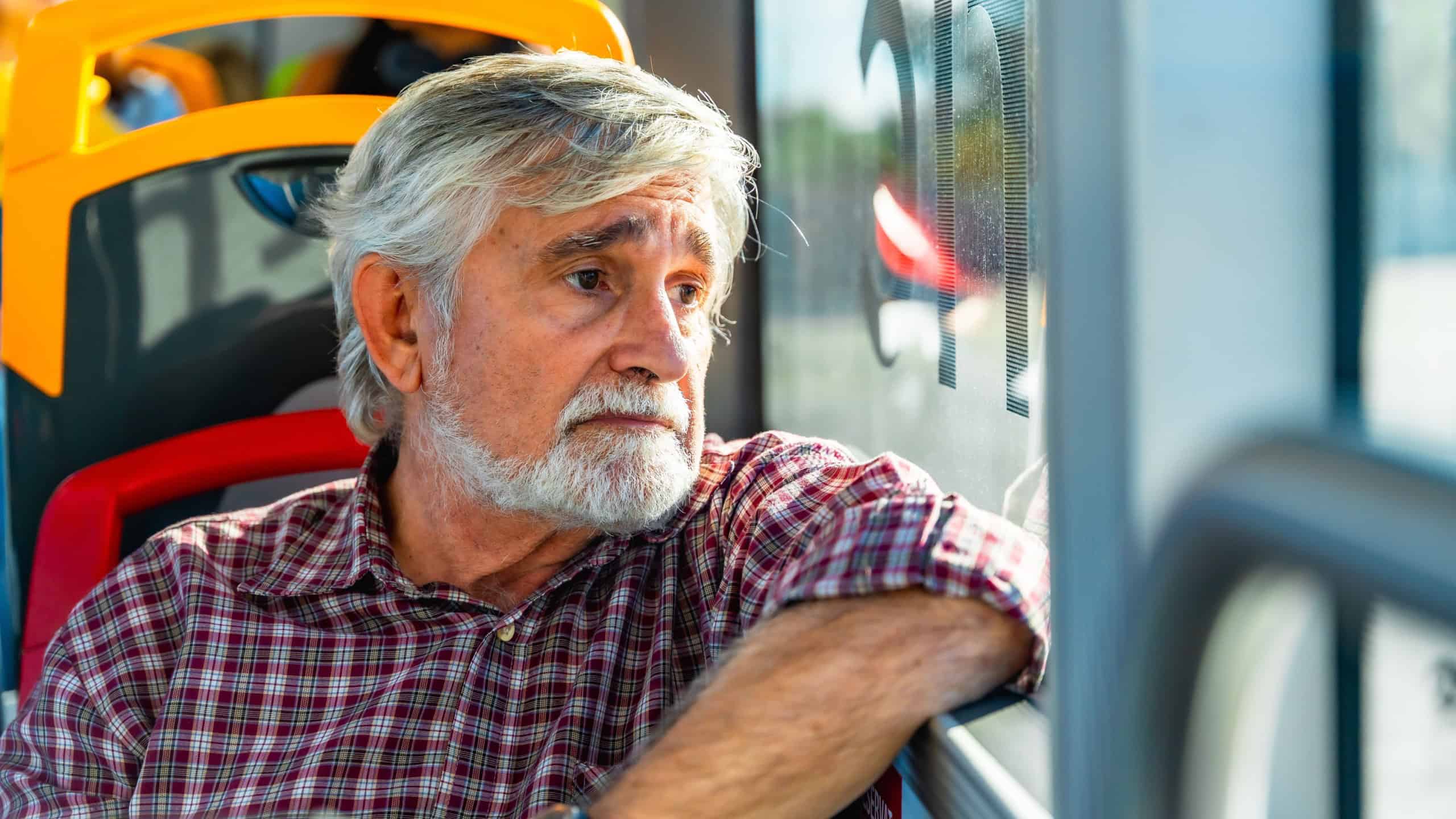
Quick interactions have a lot more meaning than they once did, whether that’s a short conversation at a store or a few polite exchanges during a bus ride. These short conversations start filling the conversation gap a lot more than they used to.
Those who go for a long time without speaking to close contacts are rather aware of the gap in conversations. They recognize that deeper conversations aren’t regularly available. As a result, they start adjusting and lowering their expectations of what counts as having ‘enough’ interaction.
The body notices what the day is missing

Most people recognize that conversations drop off when you’re older and alone, yet they don’t always talk about the change in physical contact. It’s quite a gradual change. Research on physical touch has found that frequent contact may be linked to better stress regulation on a biological level.
You don’t really get that sort of contact by default when you’re living alone. It becomes something occasional or rare instead, meaning that you’ll begin to notice it happening in ways that you may not have recognized before. You can’t exactly replace physical contact through a phone call.
The load has nowhere else to go
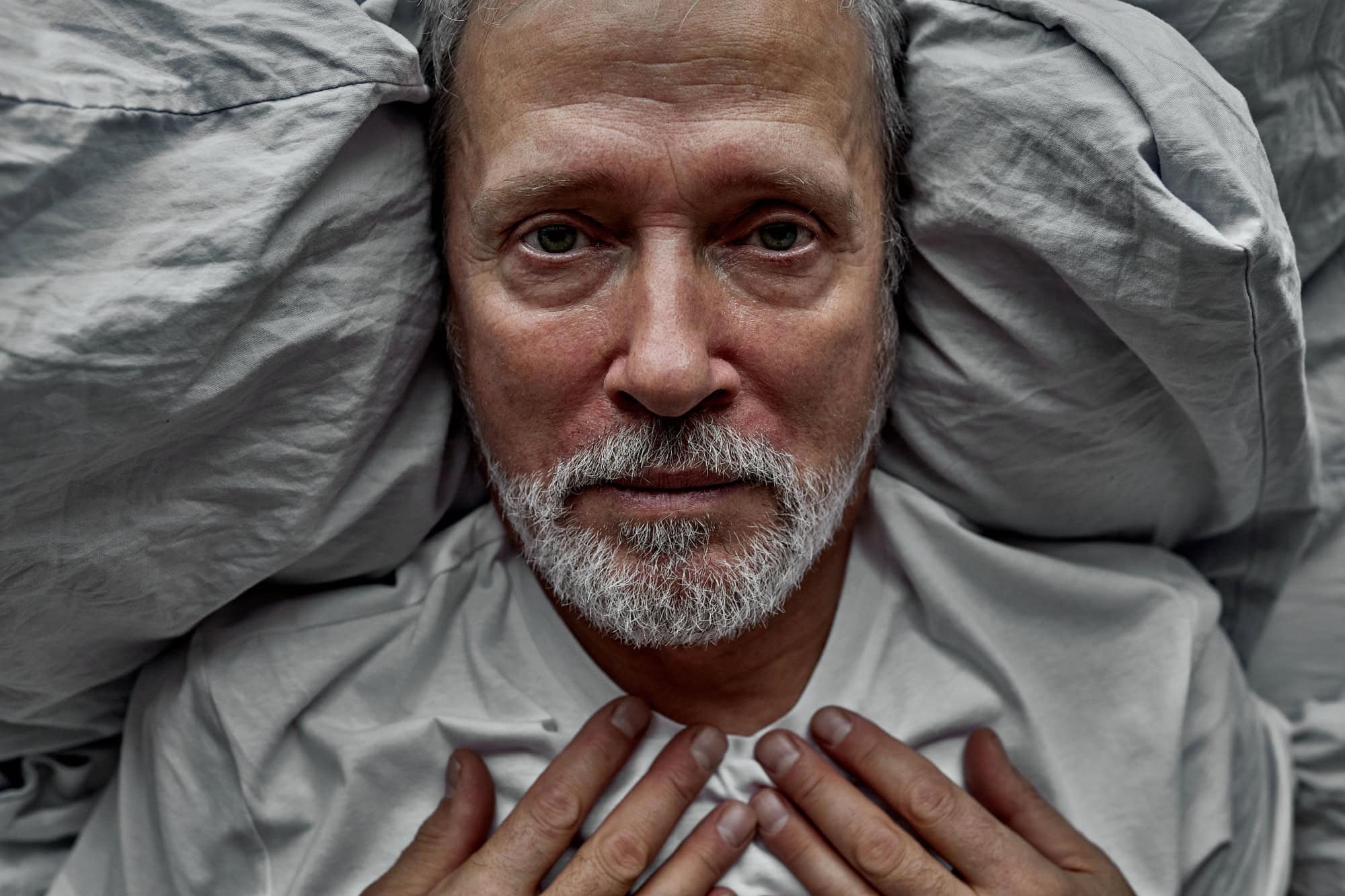
Anything emotional that happens stays with you, although it’s not because you want it to. The issue is that there’s nowhere else for it to go. Having support changes how you experience things like isolation and loneliness, with research from the National Institute on Aging emphasizing just how important social connections are for overall well-being.
Not having someone in your daily life means you no longer have a natural place to offload your thoughts or reactions. There’s nobody to talk to about your daily stresses. You’re forced to process it all in the same place that you started it, and that’s quite a serious problem.
What you eat

Mealtimes tend to look different when it’s only you, since there’s less of a reason for you to cook a full dinner. Most mealtimes turn into you making something quick or repetitive without you necessarily noticing it. It’s something even the research has proven.
One study of over 1,000 adults aged over 65 found that limits on movement and access were directly connected to higher nutritional risks. It also found that 37% to 40% of these people weren’t getting enough nutrients overall.
Essentially, you stop having shared meals, and that causes what’s on your plate to change as well.
Getting there gets harder
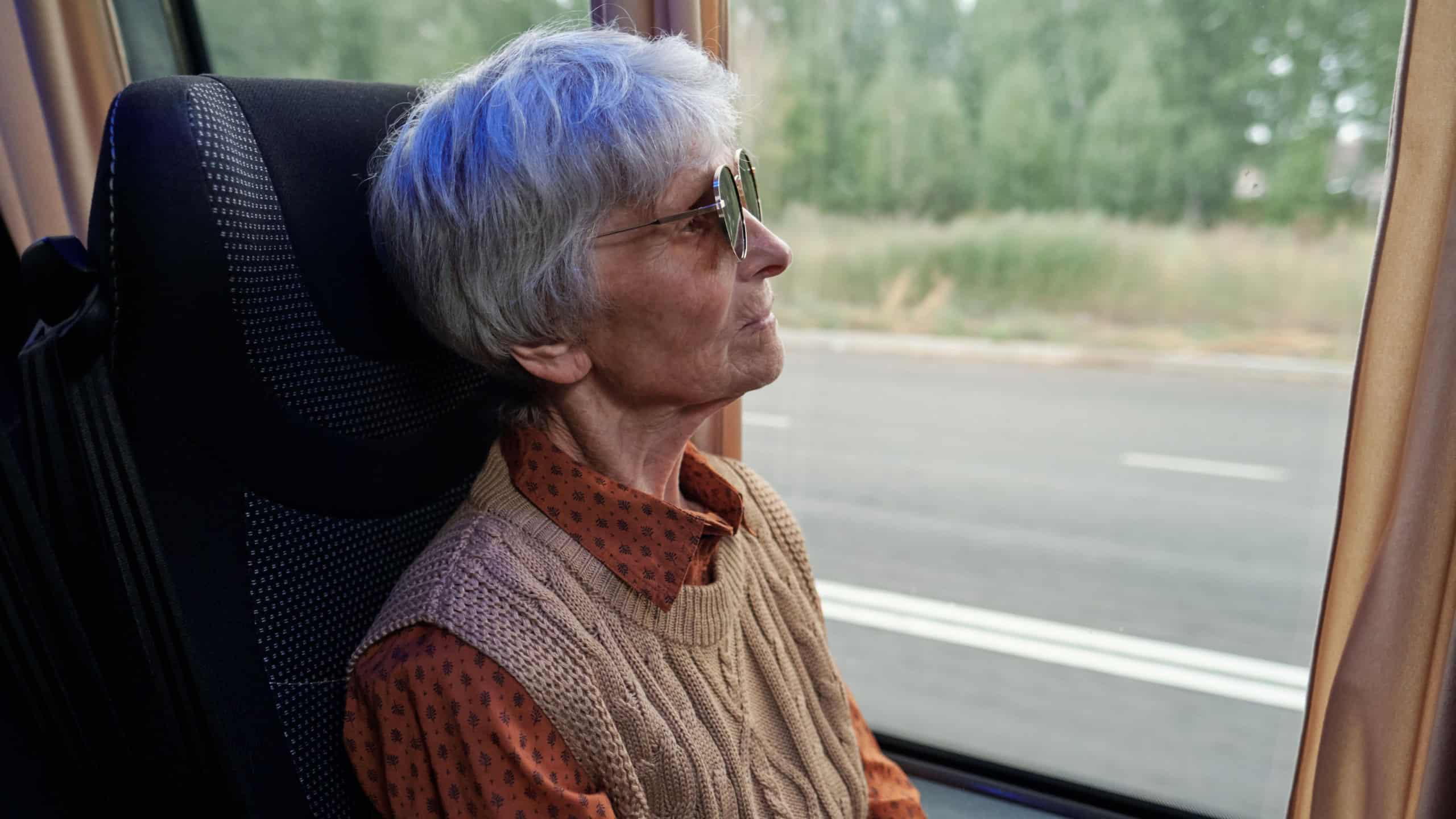
Everyday plans start depending on other things when driving stops being part of your routine. Yes, really.
One study concluded that stopping driving may be a cause of higher isolation over time, and those who use public transport less than once a week report higher loneliness scores.
Something as simple as a grocery run or appointments may stop being things that you do ‘whenever.’ Now, they’ve become something that you’ll only do so long as there’s a way to get there, because there’s no longer a guarantee that there will be.
Sources: Please see here for a complete listing of all sources that were consulted in the preparation of this article.
Why retirement feels lonelier than people expected

Retirement often carries the promise of relaxation and freedom, yet many find themselves grappling with unexpected feelings of loneliness. This emotional shift can be more profound than anticipated, stemming from a variety of nuanced and sometimes overlooked factors. Here are ten realistic and uncommon reasons why retirement can feel lonelier than expected:

