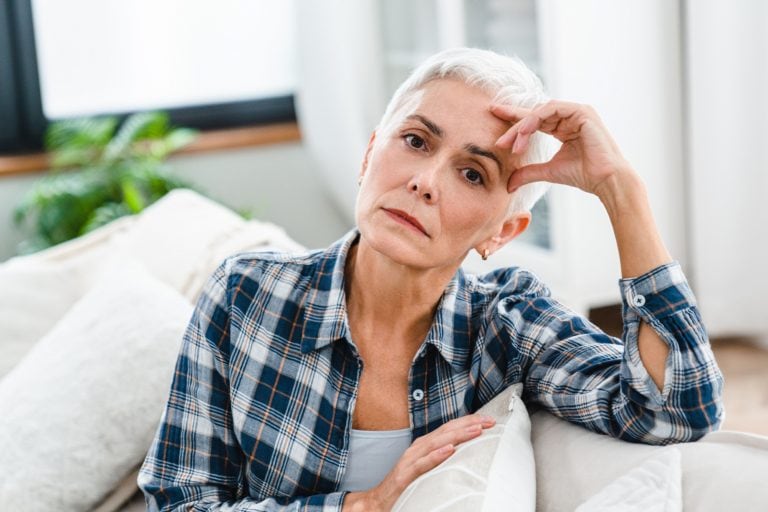

Retirement is the endpoint we feel we’re all progressing toward. But lots of people find that, at that stage, there is loneliness. The quiet becomes much more deafening than anyone would have predicted. And the reasons can be less than transparent. This list contains ten explanations for why retirement turns out to be more difficult than most expect.
Featured Image Credit: Shutterstock.
Losing a sense of who you are

When you retire, all of the sudden, your life is a lot less structured. When you don’t have a job title or daily schedule you may start to feel as though a part of your identity is lost.
The World Health Organization says major life events like retirement can worsen loneliness, so it’s important to explore new roles, hobbies, or social connections to maintain purpose.
The disappearance of workday conversations

At work, all the little talk you have in between filing, emailing, ordering, just fill up the day: asking your colleague how her weekend was, griping with your buddy about the difficulty of the current project or cracking jokes with other people as you pass them in the hallway.
When you retire, you lose them. At first, the silence is surprising. It’s not as if you had a life full of close friends and social engagements. It’s those little touches here and there you didn’t notice you had.
The challenge of rebuilding social circles

AllaSerebrina /Depositphotos.com.
Research shows that retirees are at risk of losing social connections, or struggling to build them back. In a 2024 Transamerica survey, 17% of retirees said they feel lonely, they miss workplace connections and they have not been able to replace the support they receive from co-workers, such as shared goals and camaraderie.
Life without a clock

Work imposed structure on your life and now you’re free to live by your own clock. But with that freedom can come the angst of having too much time on your hands. Find small daily rituals, like walking, cooking, calling friends, or doing hobbies. Simple routines help rebuild a sense of structure, and give days a reason to matter.
Empty spaces where conversations once lived

Every work day, you receive small amounts of social interaction. When you stop working, the spaces are suddenly there for you to fill. However, if you don’t make the effort to reach out or attend events, the gaps will only keep getting bigger.
Retiring abroad and feeling alone

For some ex-pats loneliness is a huge problem. Cut off from friends and family and often living in a different language and a different culture, even simple daily tasks can be challenging. To the ex-pat retirees I spoke with, feeling cut off socially is one of the most common problems, even for those living with their partners.
The struggle with maintaining friendships

Friendships can require a lot more effort to maintain than you think. If your schedule, hobbies, and energy levels change, then your social circle tends to narrow. Retirement causes social networks to shrink because people lose regular contact with their friends and family which increases feelings of loneliness (Huxhold, Fiori, & Windsor, 2022).
The emotional toll of gray divorce

Breaking up a long-term marriage is not just losing a partner but a world that revolves around the partnership.
For retirees, in particular, this can be very difficult as, without the social connections and structure of work life, the loneliness and emotional difficulties of divorce can be more intense and profound than expected (Kowalski, 2024).
Growing invisible
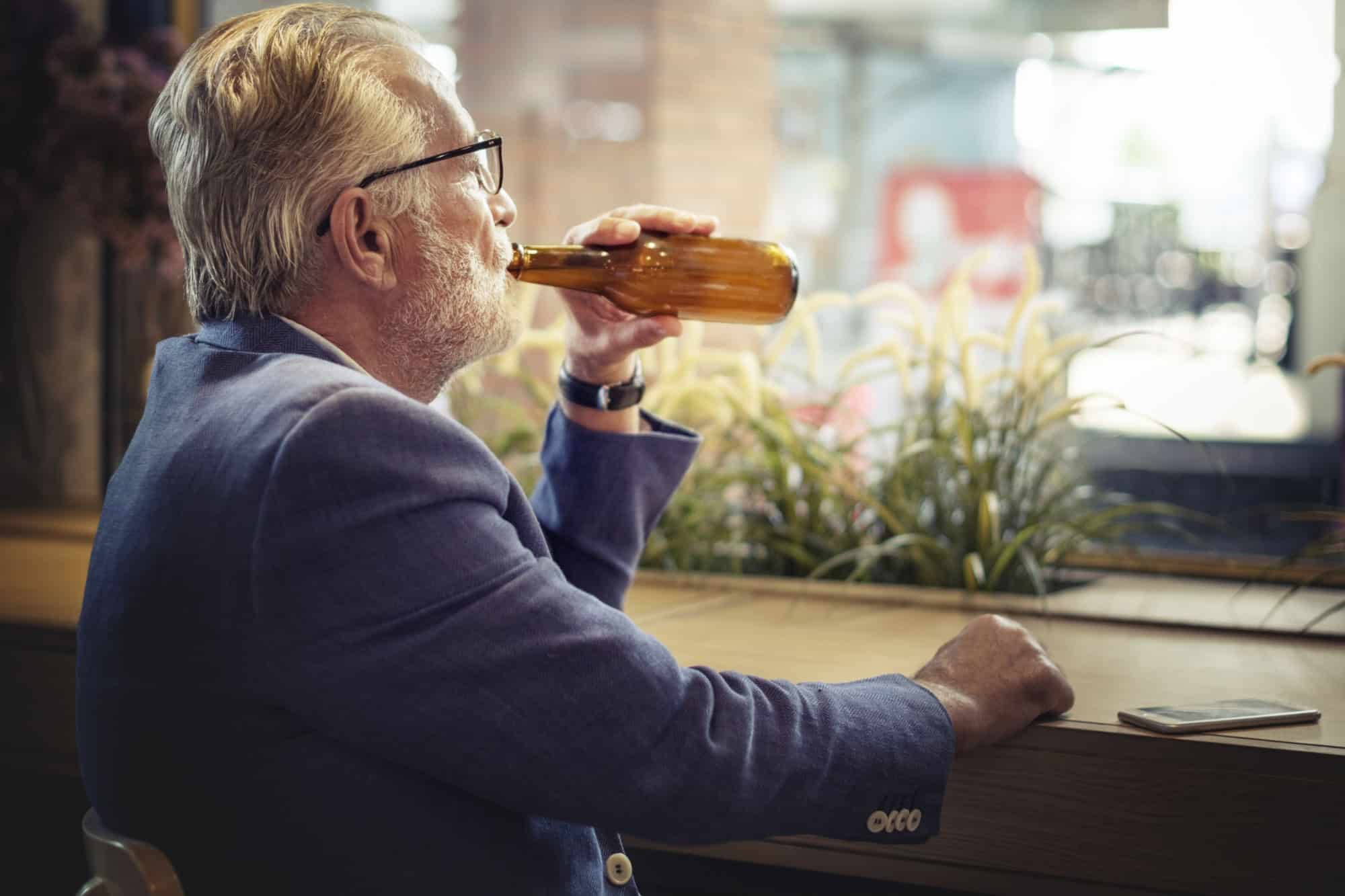
There are times in life where you really feel invisible to people past a certain age. You go to a place and try to participate and you find yourself either not invited, or feel like you weren’t supposed to be there. No one says this, but you feel it.
This silent exclusion is what is damaging. The more days you begin to feel on the outside, looking in, the lonelier life can get. Age shouldn’t be this isolating.
Retired Husband Syndrome

Occasionally the retirement of one member of a couple may cause a major life change to the at-home partner. The Japanese named this ‘Retired Husband Syndrome’ since in Japan it’s usually the husband that retires and as such women bear the brunt of this syndrome.
The spouse that is still at home may experience more stress than in the past, increased conflict or the sudden emergence of health issues. It’s a case of life in the home has been changed and no one is sure how to dance to the new music.
Sources: Please see here for a complete listing of all sources that were consulted in the preparation of this article.
Like our content? Be sure to follow us.