

Building or designing your dream home often comes with preconceived ideas about what a house should have, but many of those things aren’t actually necessary.
A separate guest bedroom

It’s really not efficient to set aside a whole bedroom for people you only see a couple of times annually. Studies in architecture consistently show that an unused guest room often morphs into a dumping ground for boxes and seasonal clothing.
Unless you plan on having a semi-permanent guest every month of the year, that space is better suited as an office, gym, or home studio.
Comfortable pull-out sofas, reliable air mattresses, or even cleverly integrated murphy beds in your regular rooms will do the trick when guests visit, sparing you the need to dedicate a whole space.
Double bathroom vanities
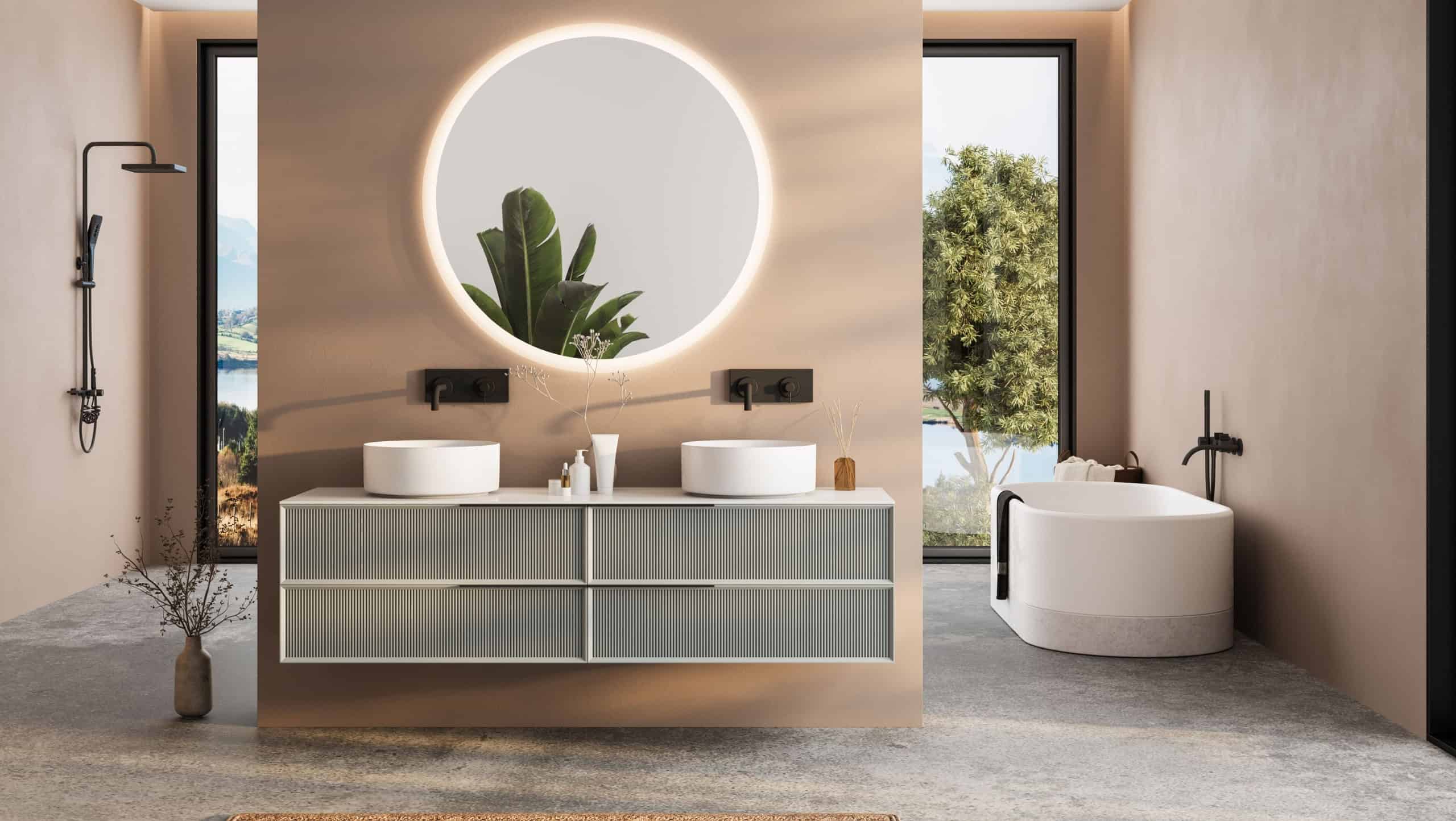
Builders might try to convince you that a double sink vanity is the ultimate relationship saver, but that’s rarely the case.
Chances are you and your partner aren’t washing your faces or brushing teeth at precisely the same time every day, which means one side of the sink will be left unused (and dirty) more often than not.
Not only does two sinks cut your counter space in half and limit your precious under cabinet drawer storage, but you’ll also pay more to have two separate sets of plumbing installed and maintained throughout the years.
A single sink with a wider berth of clear counter space is much more functional for getting ready in the morning and storing daily clutter.
A pot filler

A swing-out faucet mounted directly above your cooktop may seem decadently luxurious, but it’s an unnecessary failure point in an already dangerous area filled with heat and grease.
Professional plumbers will often tell you that running a water line into any wall without a corresponding floor drain beneath it is creating a huge structural liability should a leak ever occur.
Plus, a pot filler may solve the trivial problem of transporting a heavy pot full of water to the stove, but it doesn’t do anything to alleviate moving that same heavy pot full of boiling water away from the stove back to the sink.
The faucet nozzle also ends up right in the path of rising grease vapor, making it a sticky, high-maintenance fixture that you’ll constantly be angrily scrubbing.
Too much built-in cabinetry
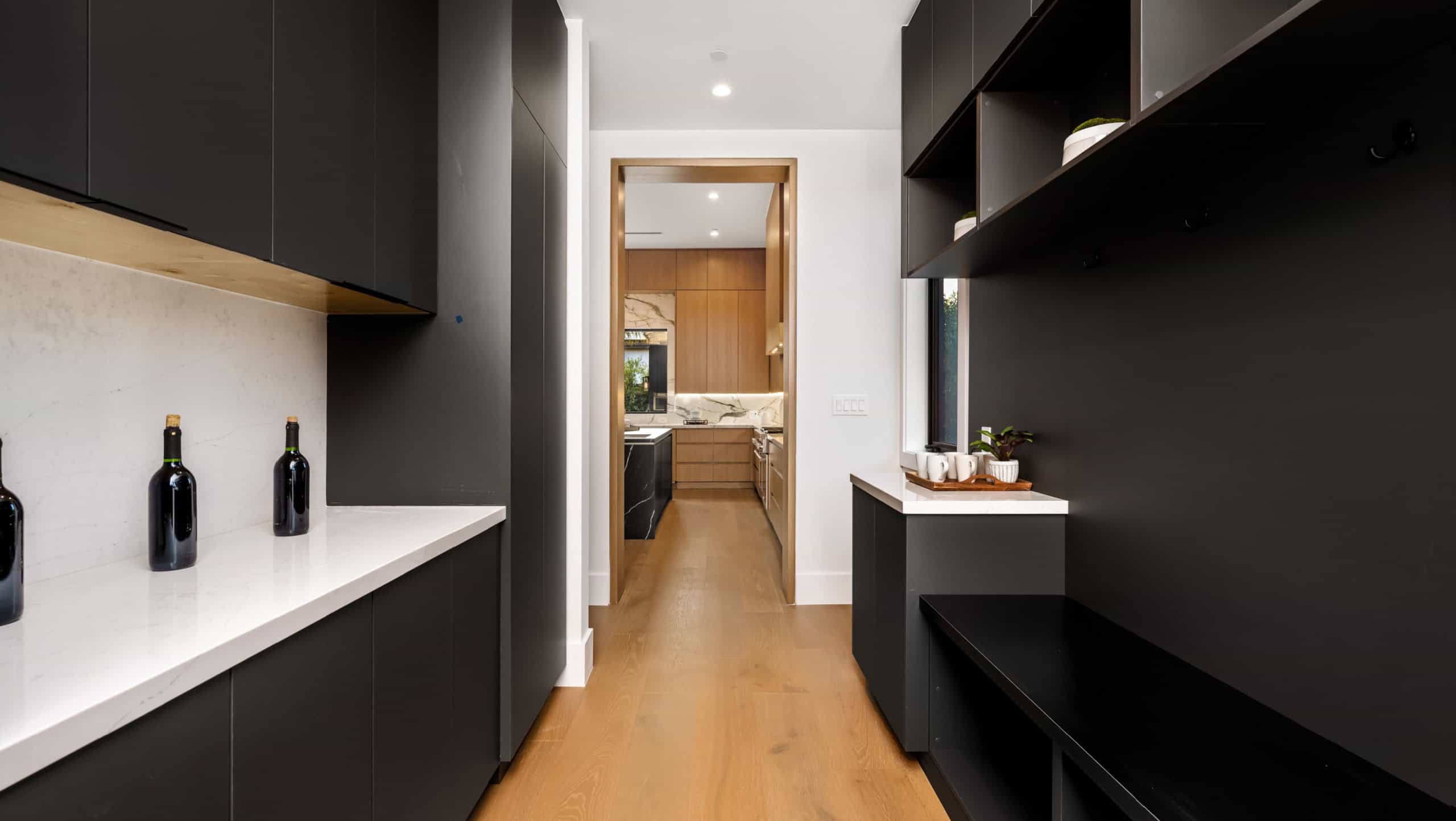
Wall-to-wall bookshelves and built-in entertainment centers can be tempting. After all, they seem to offer the ultimate storage organization.
However, the myriad cabinets will cripple your home’s flexibility down the line. According to design experts, overdoing built-ins essentially fixes a room’s arrangement. You’ll be unable to change your furniture arrangement in the future.
If TV screens get taller or sound systems become cordless, your pricey woodwork will look dated and bulky overnight.
Leave your walls empty and invest in free-standing furniture that can be moved as your style, lifestyle, and technology evolve.
Extra-high or vaulted ceilings

While two-story foyers or fully vaulted great rooms can offer dramatic flair, their appeal quickly fades when you consider the heating bill.
Physics will eventually catch up to you; heat rises, so you will be spending a lot of money heating up a large space of useless air near the ceiling while the space you actually live in is cold.
Beyond the financial sting of increased heating and cooling costs, those dramatic high ceilings can turn simple household chores into major headaches.
Replacing a lightbulb, dusting ceiling-high cobwebs or even painting becomes an endeavor where you find yourself renting scaffolding or balancing on Godzilla-sized step ladders.
In-wall central vacuum system
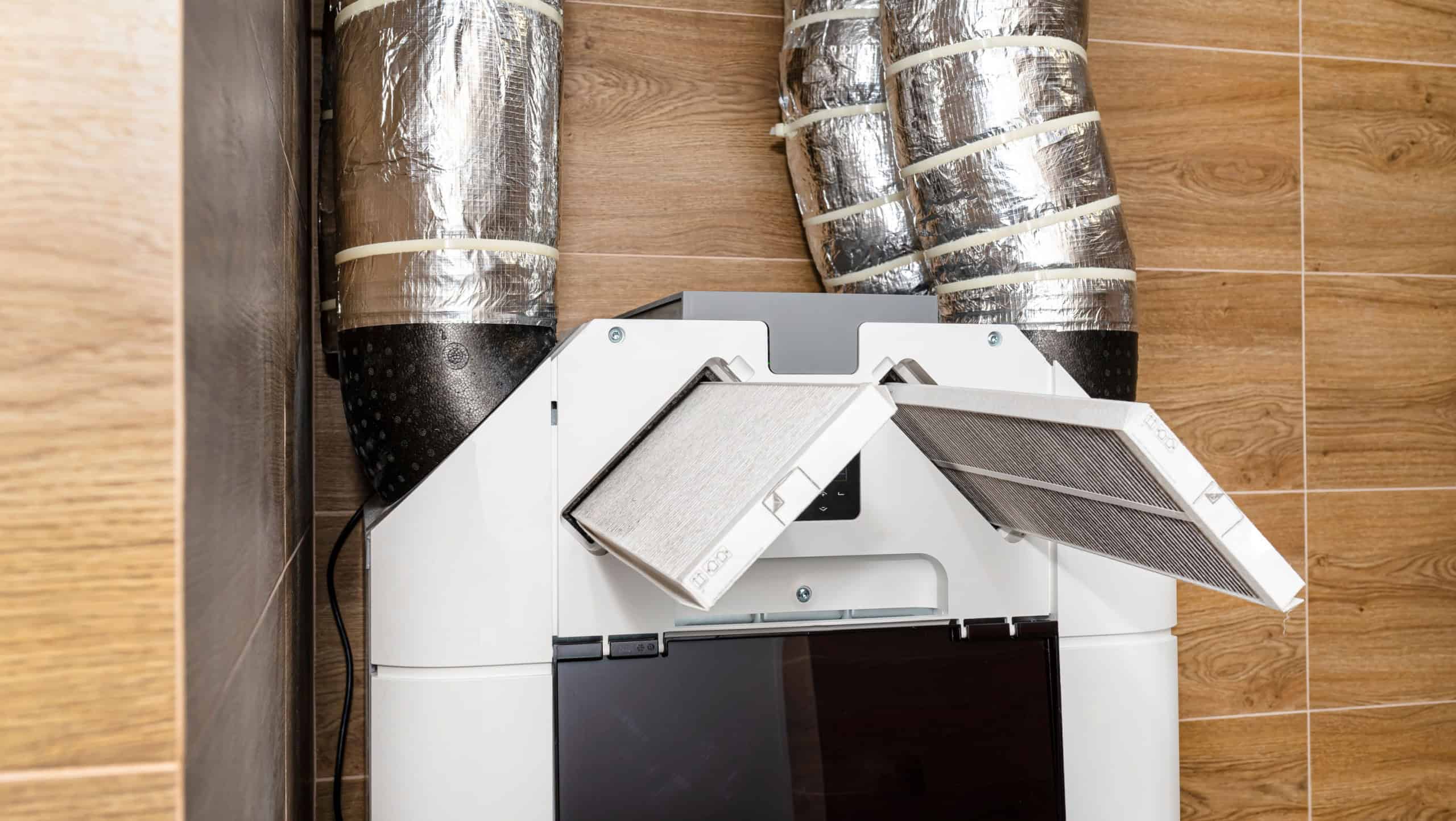
On paper, routing a series of suction tubes behind your drywall and into a vacuum collection canister in your garage sounds smart, powerful and futuristic.
The reality of lugging around a heavy, thirty-foot vinyl tube from room to room and stuffing it into wall outlets, however, can be more workout than wielding any ordinary vacuum cleaner.
The in-wall tubing itself is also prone to becoming obstructed by large debris, hair clogs, or rogue toys deep within your wall cavities where you (the homeowner) can’t reach it to unclog it.
Plus, with cordless stick vacuums becoming lighter and more suction-powerful every year, the exorbitant price and structural commitment of installing a central vacuum are completely worthless.
A massive, deep-set kitchen island
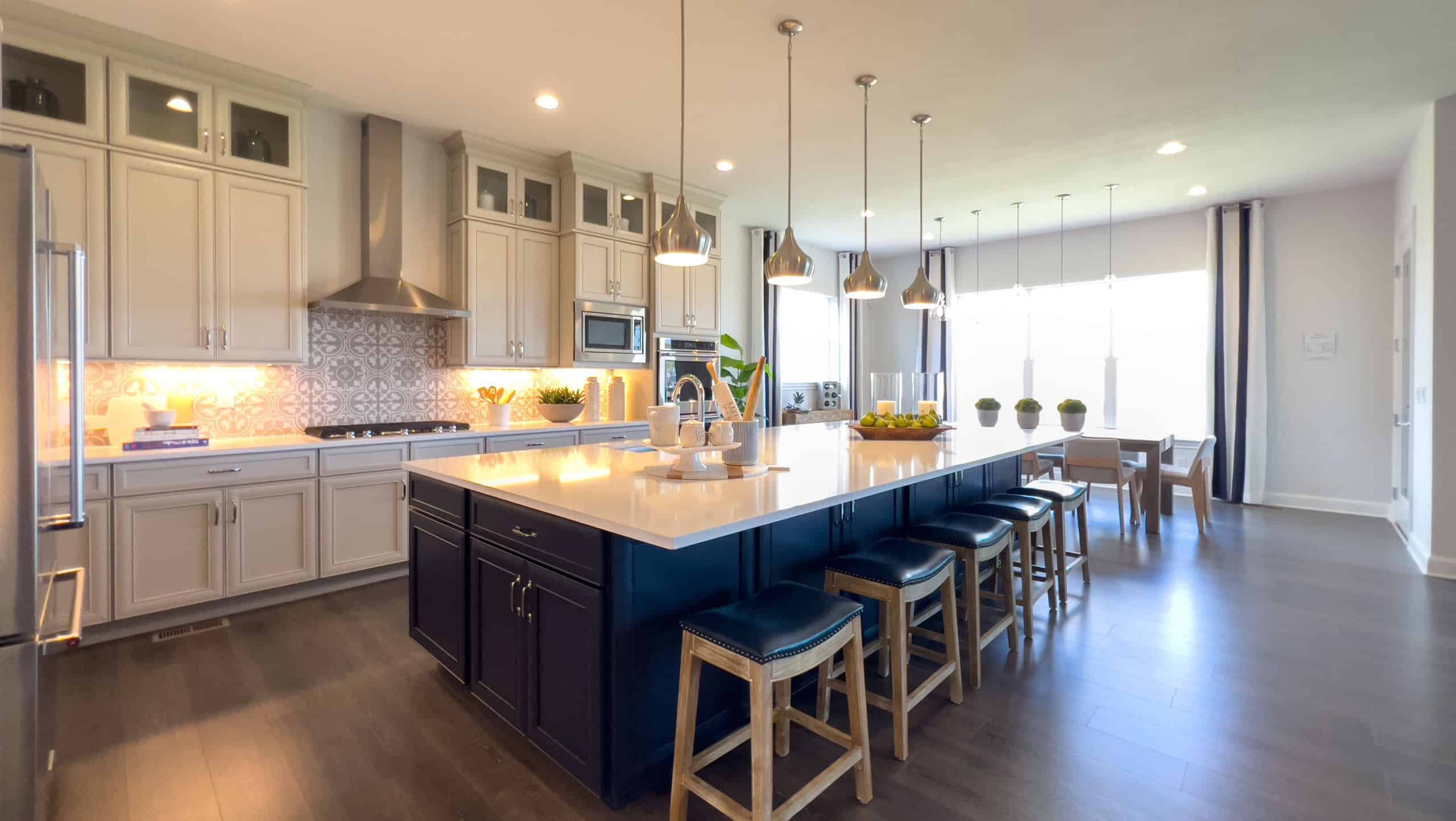
Counter islands have become something of a cliché these days, but too-big islands overwhelm the natural flow of your kitchen.
Trying to clean a massive island becomes a real hassle since you can’t reach the middle without practically climbing over it, and it totally messes with the flow of your kitchen’s work triangle.
Instead of an efficient route between your stove, sink, and refrigerator, you’re forced to trudge on endless circuits around the giant island to reach ingredients.
A smaller island or a portable butcher block cart will keep your kitchen tight and functional.
Formal mudrooms
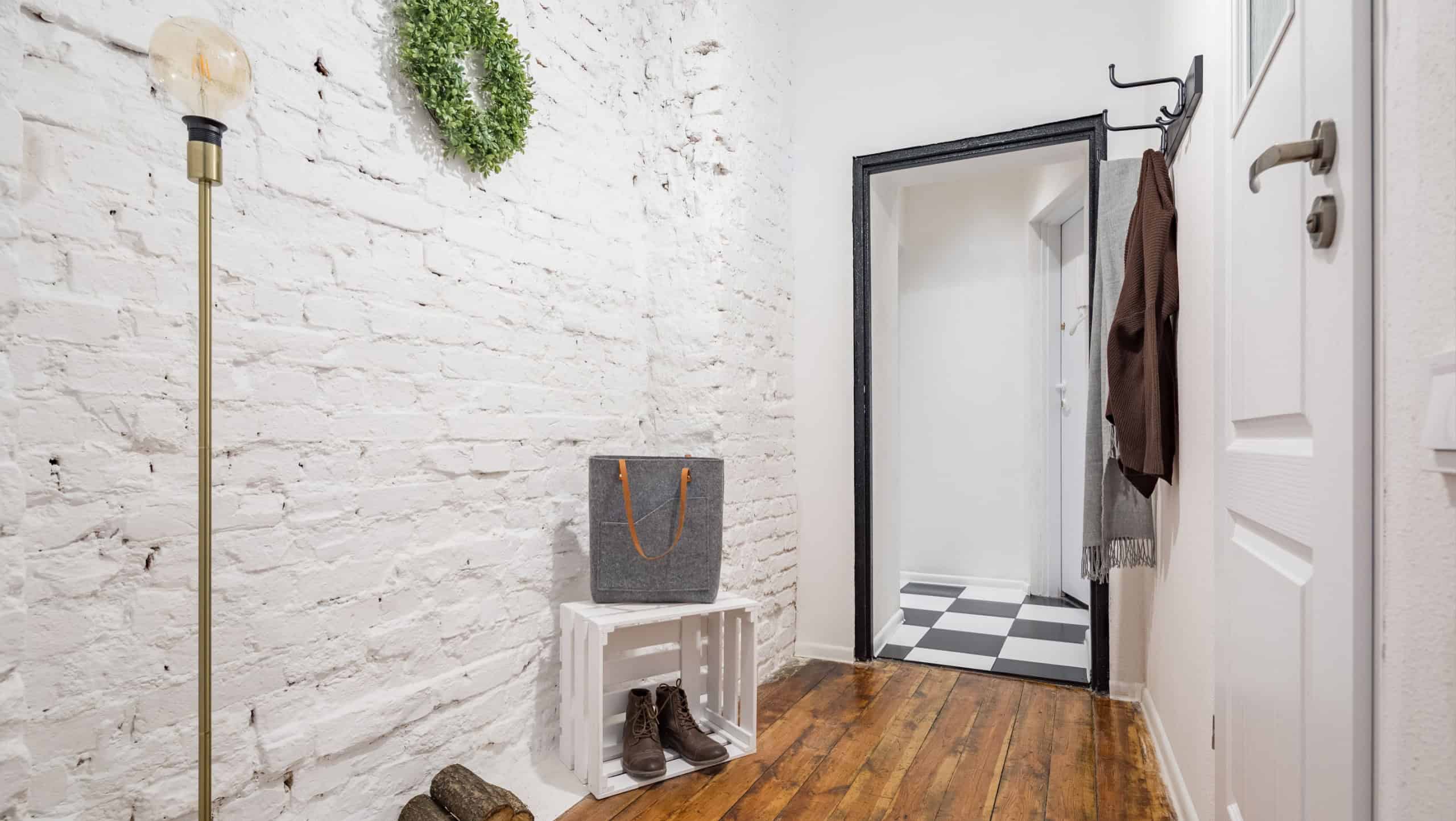
Unless you live on a farm or in a seasonally muddy place, your house probably won’t have enough muddy boots to necessitate its own closet-size room just for taking shoes off.
A small closet next to your entryway can easily house the jackets, bags, and boots that find their way inside each day with the help of a couple of sturdy hooks on the wall, a bench, and a shower-style mat.
The square footage you reclaim by skipping a dedicated mudroom can then be allocated to areas your family actually utilizes more, like an enlarged kitchen or living space.
Jetted whirlpool bathtubs
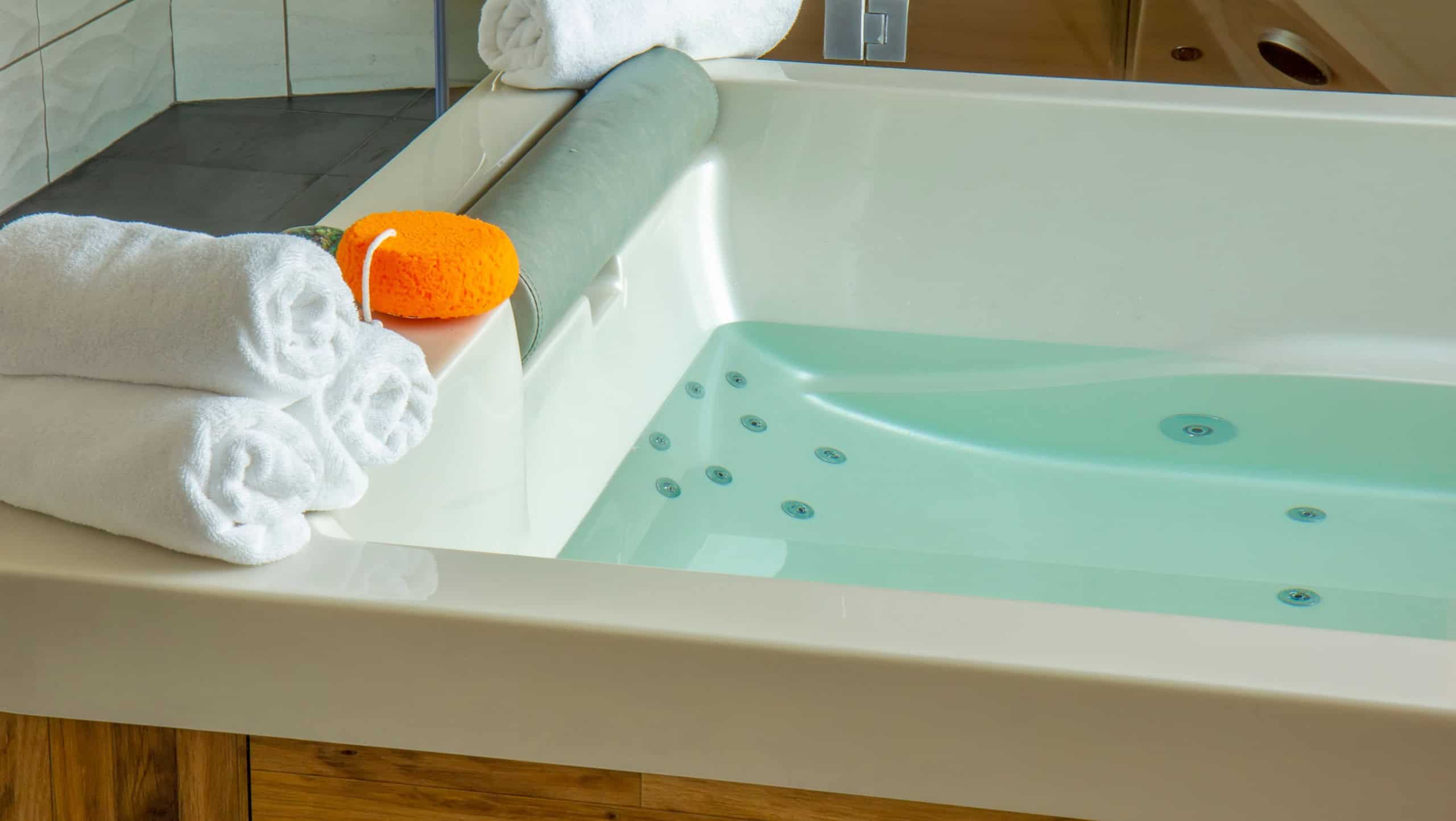
Having your own personal hot tub inside your master bathroom sounds amazing. In reality, they end up being bulky and high maintenance.
The internal plumbing that supplies the jets is known for holding onto residual water. This allows black mold, bacteria, and biofilm to fester between uses.
You have to periodically run special chemical flushes through the tub to keep it clean, jetted or not.
Because these enormous tubs demand such a large quantity of hot water, most standard home water heaters struggle to fill them completely before running out of heat.
A separate, formal dining room

The traditional, separate formal dining room is now quite outdated for most people.
For most families, the formal dining room sees action just a few times annually, typically for big holiday feasts. For the other 360-odd days, it just sits there, gathering dust.
Open-concept design seamlessly merges kitchens with living areas, utilizing the kitchen island or a pull-out table in the living room for everything from speedy breakfasts to hearty family meals.
Smart home switches and outlets

Replacing every light switch and electrical outlet in your home with a smart, app-controlled version makes your whole house system incredibly vulnerable.
Traditional mechanical flip switches can easily last 50 years or more with zero chance of failure. Smart switches require chips, firmware updates, and constant local Wi-Fi connectivity and are prone to crash, lose pairing, or burn out during power spikes.
What happens when your internet goes down from your provider? What happens when some tech company drops support for an older version of your smart device’s app overnight? You might end up unable to flip on your bedroom lights without wading through some maddening troubleshooting steps.
Built-in trash chute

Flinging a bag of trash into a chute that disappears into your wall and then whooshes away to a dumpster in your basement feels like a luxury reserved for those with multi-story dwellings.
But, the inside of that chute is subjected to leaking liquids, food remnants, and shredded bag material on a constant basis. And the enclosed shaft hiding inside your wall becomes an ideal location for harboring foul smells.
Since it’s next to impossible for the average homeowner to clean inside of an architectural feature that spans multiple stories vertically, your chute can also harbor ants, roaches, and rodents deep within your walls.
Avoiding a built-in trash chute is a small inconvenience of taking an extra few seconds to walk your trash bags down the stairs or elevator to keep your structural framing completely free of debris.
Hardwired intercom systems

Built-in wall intercoms used to be the mark of a futuristic high-tech home, but now they’re an eyesore and a waste of wires.
Cutting holes into your walls to install built-in speakers means you’ll be left with ugly, yellowing plastic on your wall in 10 years. Installing wiring during construction is also expensive and upgrading it later becomes incredibly difficult as technology ages.
Smartphones, smart speakers, and easy mesh Wi-Fi networks now exist so you can send a message perfectly throughout your home without damaging your walls.
Sources: Please see here for a complete listing of all sources that were consulted in the preparation of this article.


