

You might think that getting older means giving up everything you used to do, but in a lot of cases, it’s not the activity itself that’s the problem anymore.
The trail looks harmless
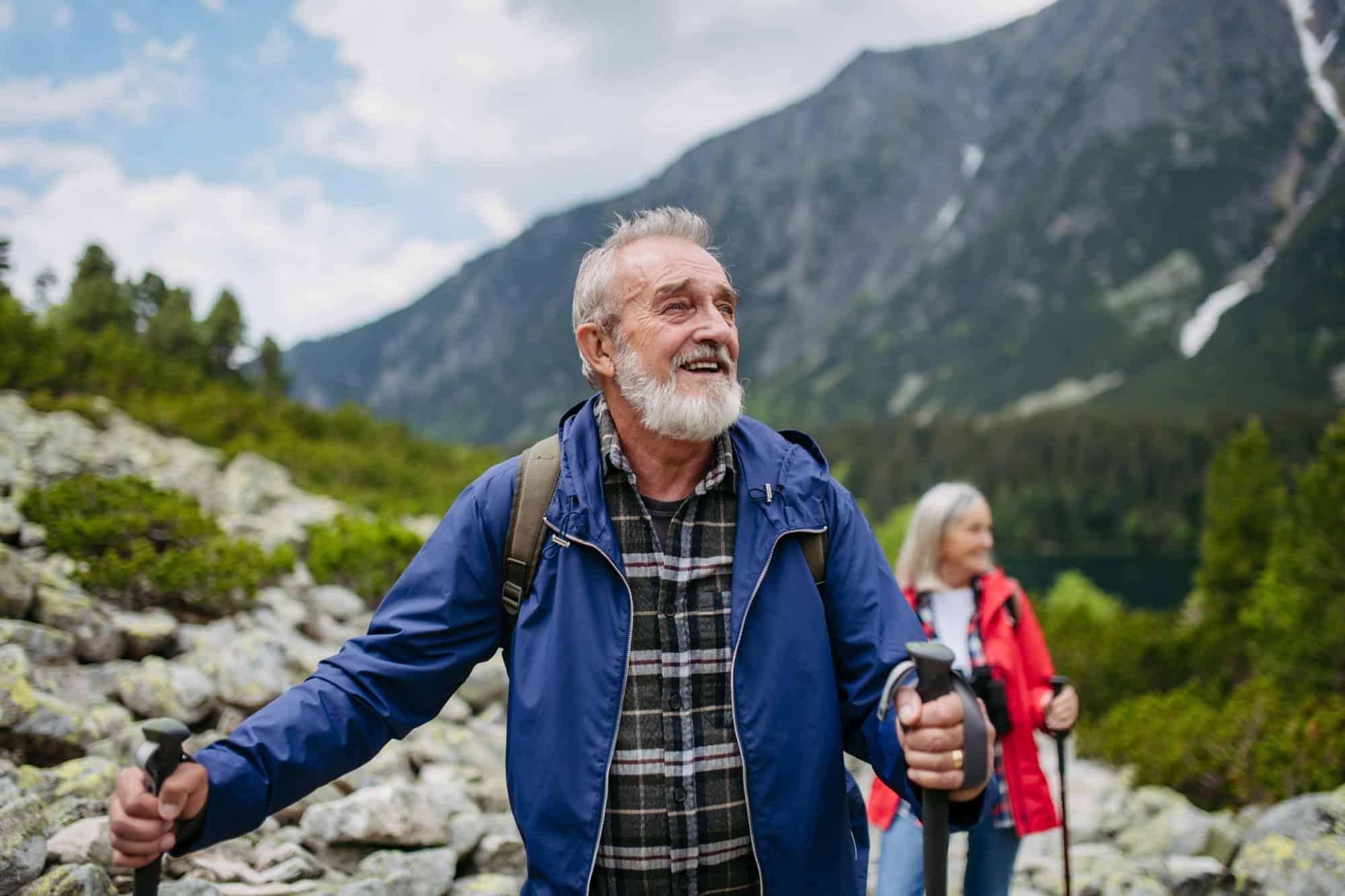
There’s always that one trail that you’ve walked a hundred times. It doesn’t seem difficult. You know every bend and every tree along it, after all, and that’s exactly why it’s a problem. Older people don’t think of the dangers lurking there.
A twisted ankle is one thing. A twisted ankle when you’re 70 years old and five miles from the parking lot is another. It’s easy for even small stumbles to become major problems. Older people can still go hiking, sure. But doing it alone is just asking for trouble.
The road feels familiar
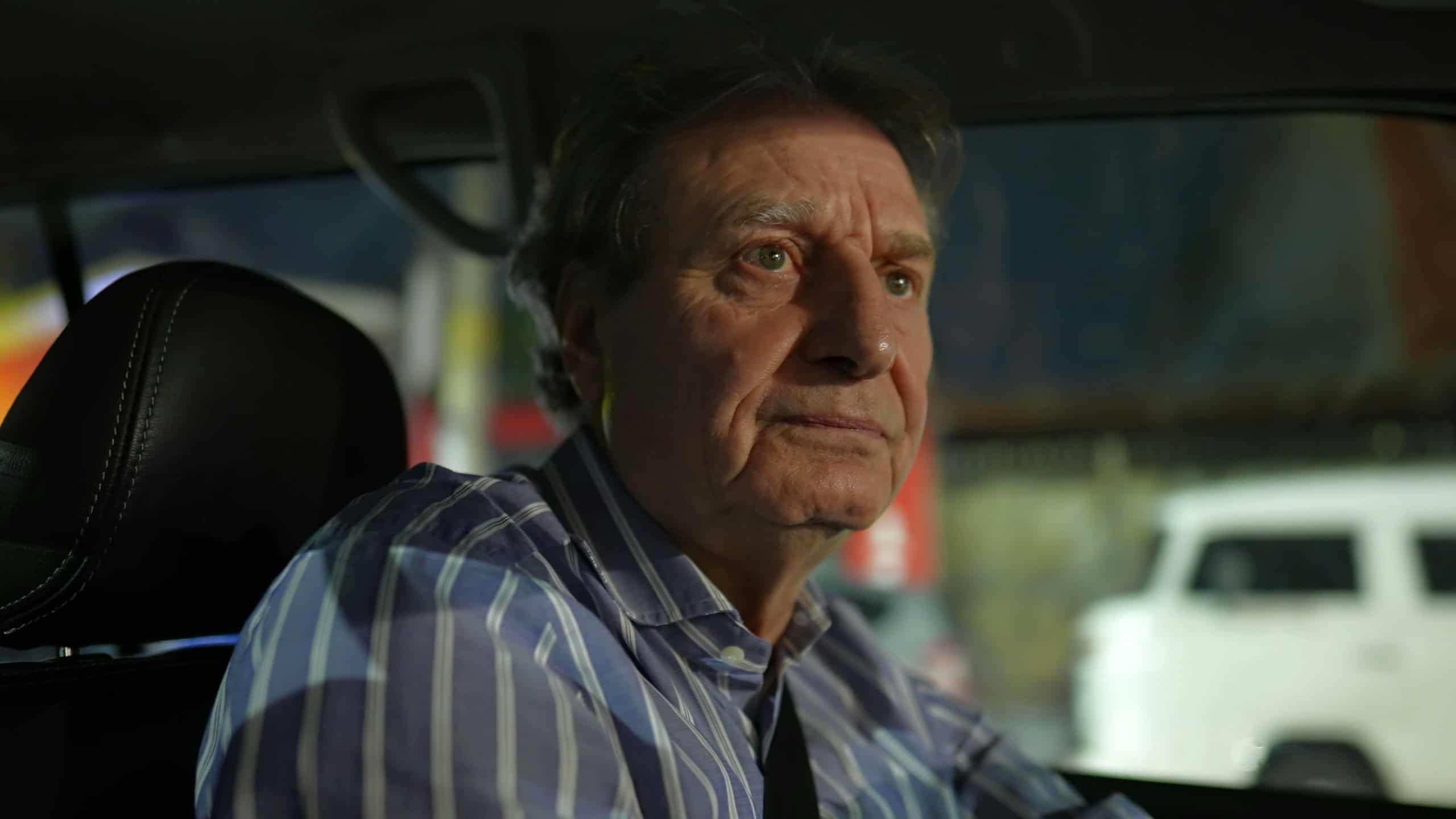
Driving in the daytime isn’t the issue. It’s when the sun goes down that things become a problem. That’s when the headlights seem brighter, after all. That’s when street signs are harder to read.
Add in some rain, and you’ve got a recipe for disaster. You might feel completely comfortable driving the same route you’ve gone down for years, but then you’ll miss details you would’ve seen years ago. Night-time driving is a bad idea.
The yard can wait
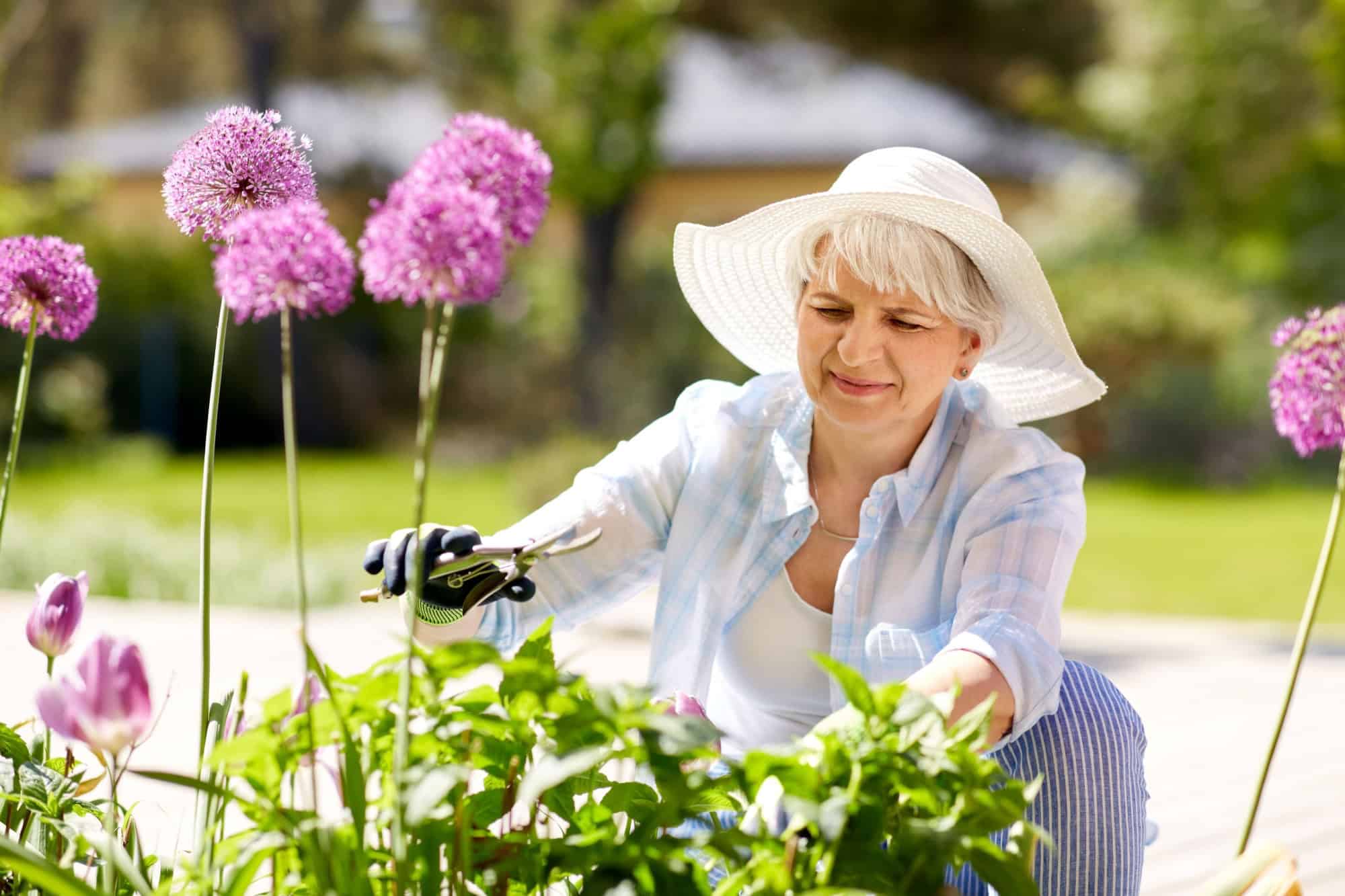
You might be surprised by what sends older people to urgent care. It’s usually normal stuff. Yes, pulling weeds or moving bags of soil is enough. So is cleaning up branches after a storm. The issue’s that yard work doesn’t feel like exercise, but it can actually be pretty demanding.
An hour outside is all it takes. It’s worse in the summer heat. All that lifting, all that bending, all that carrying takes way more out of your body than you recognize. Remember this. The yard’ll still be there tomorrow. Fix your flower beds once it’s a little cooler.
The new routine needs a pause
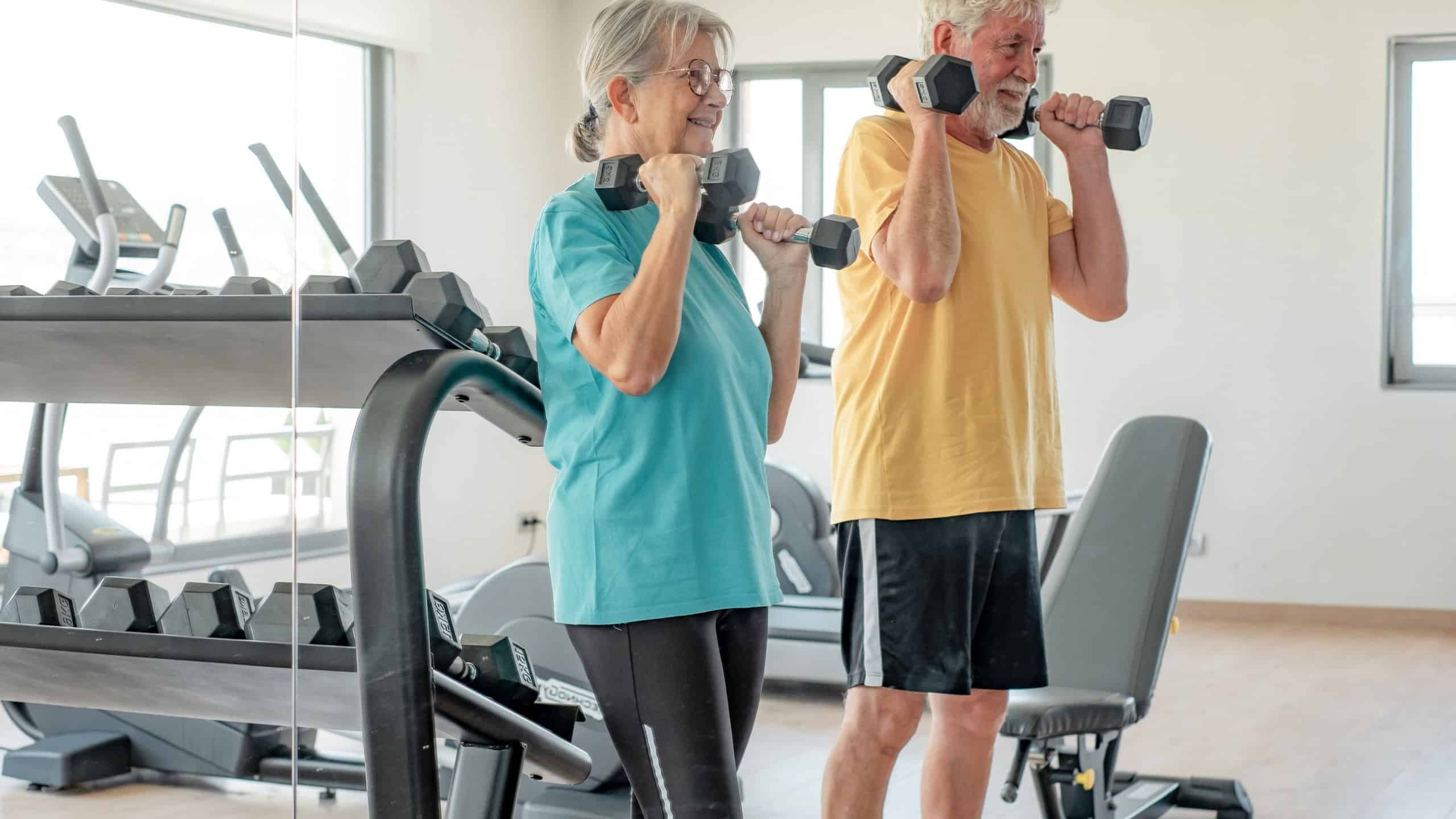
Enthusiasm gets ahead of common sense. It happens all the time. An older person watches a fitness video and hears about a trendy workout, then decides it’s time to get back into shape. It’s great to be motivated. But treating your body like it’s twenty years younger? Big mistake.
Older people shouldn’t go straight into intense workouts, and especially not after a long break. You’re better off speaking to a doctor first. There’s no shame in starting slowly. Do you really want to deal with pulled tendons and strained joints?
The water seems calm
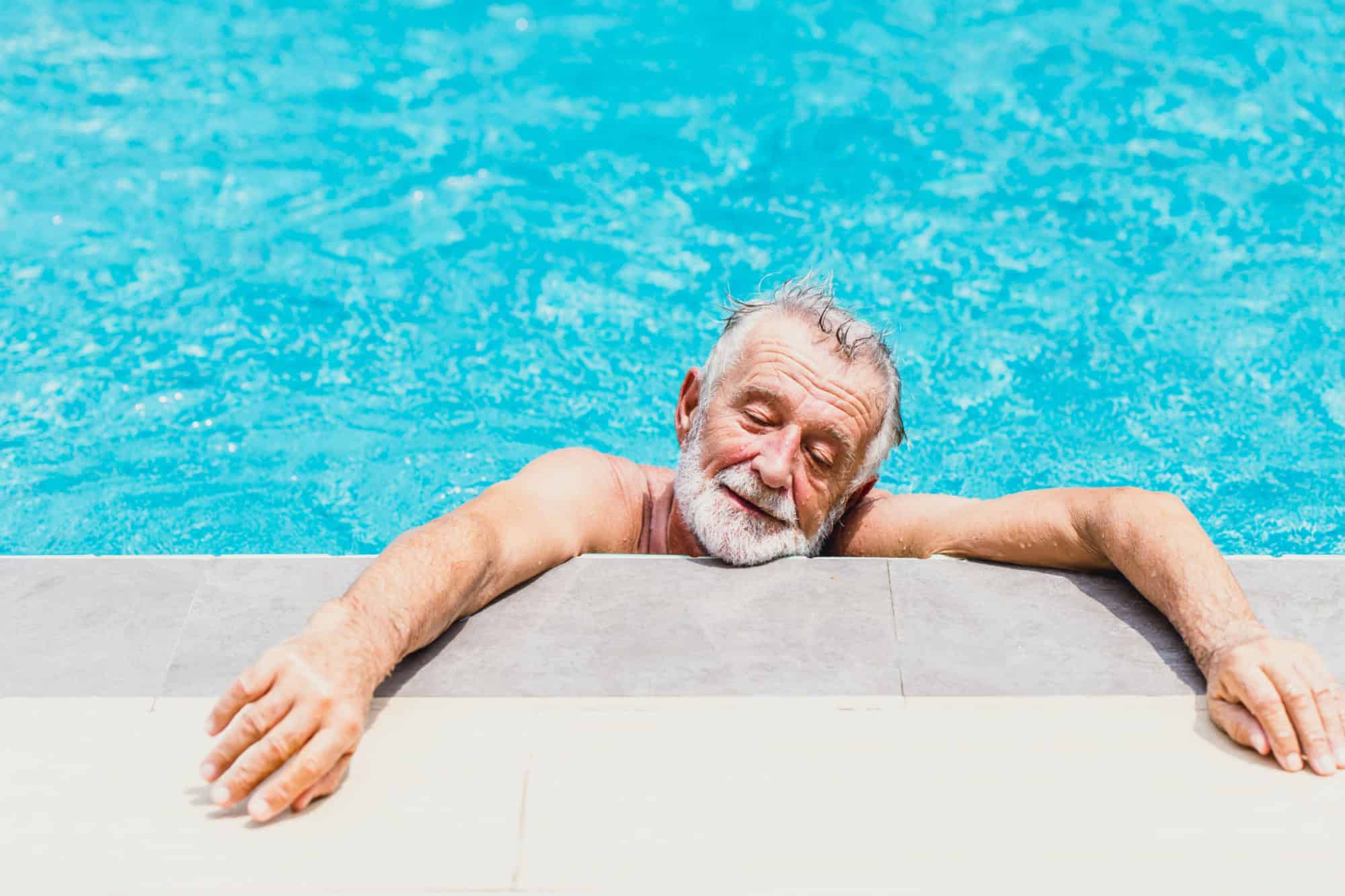
Quiet swimming pools are dangerous, but not for the reasons you might expect. They create a false sense of security. After all, no waves and no current, everything’s under control. No. Swimming alone is always a risk, particularly when you’re older.
Problems happen in the water way too quickly. A cramp or a dizzy spell could send you under, and so could fatigue that comes out of nowhere. A lot of older adults are still strong swimmers. However, having another person nearby to keep you safe doesn’t hurt.
The sidewalk changes fast
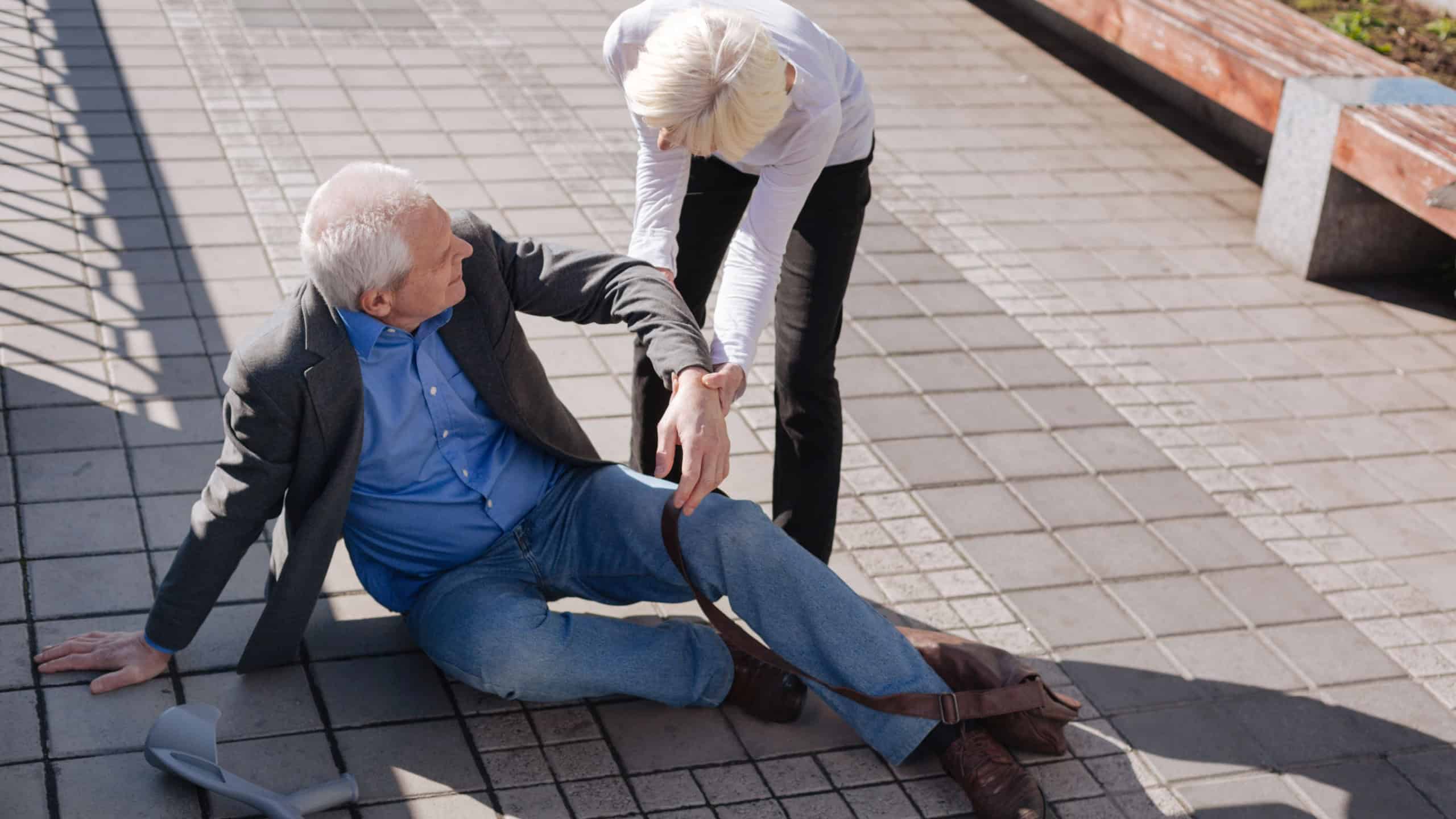
It’s fine to carry on running when you’re older, but you’ve got to be careful with where you’re doing it. The cause of many falls is something as boring as a piece of concrete. Yes, that’s right. One uneven section of pavement or one cracked curb could send you to the floor.
It’s not easy to regain your balance in a split second. Worst of all, your body doesn’t usually bounce back from a fall at 70 like it does at 30. Stick to smooth tracks and predictable paths.
The spray has more force
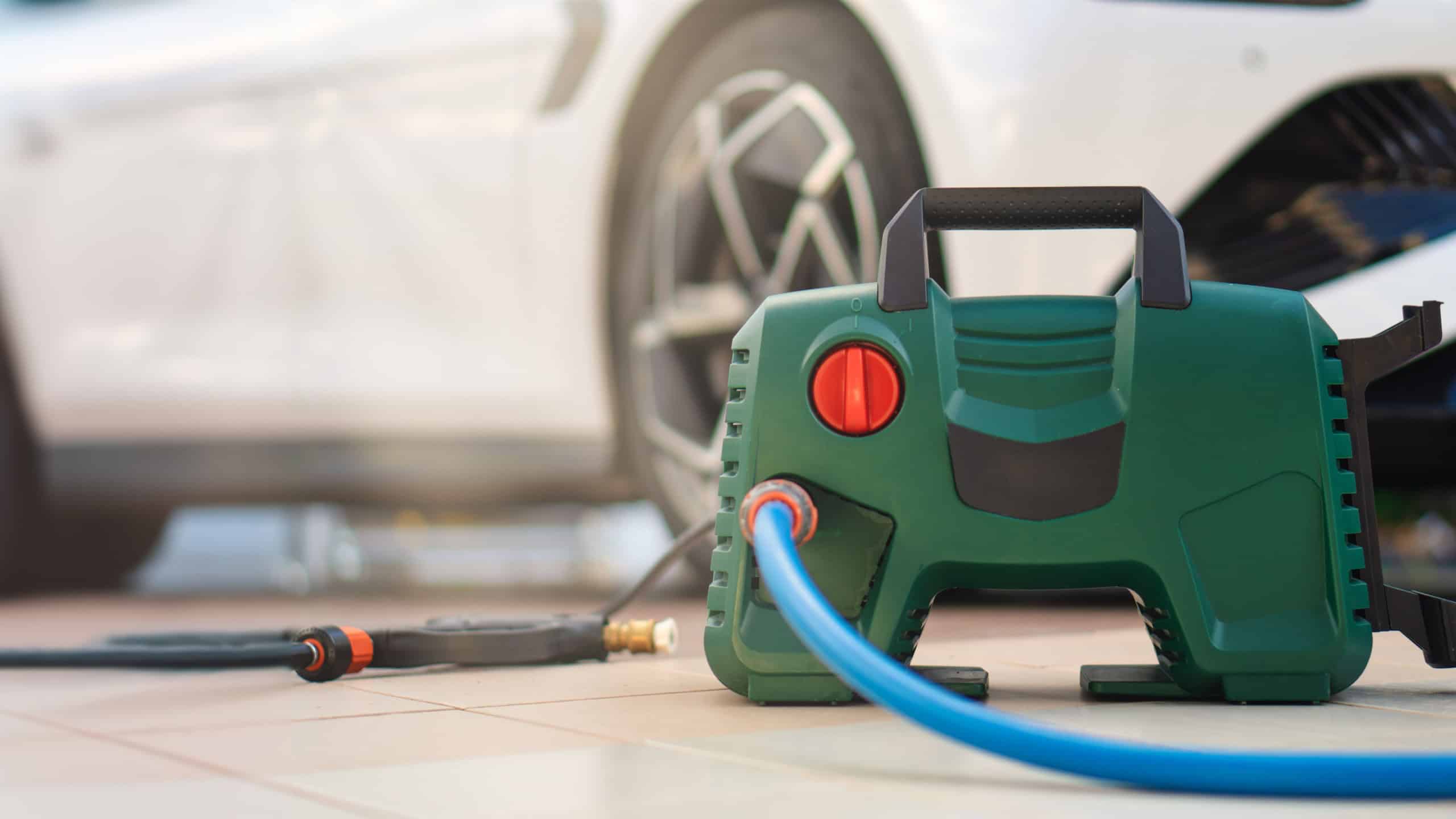
What’s wrong with a power washer? It turns your dirty driveway into a clean one. That’s it. Unfortunately, too many people forget about how much force these machines actually create. Think about how slippery the surfaces are.
Think about how long the hose is under you. The job doesn’t look so easy anymore. It’s a job that seems simple until something actually goes wrong, and there are much safer ways to keep your patio looking good.
The game moves faster

Retirees love playing pickleball. That’s almost a guarantee. It’s not hard to see why because the sport’s as social as it is competitive. It’s also pretty fun. But the problem here has to do with the ball, not the paddle. It’s drifting across the court one second. Somebody’s lunging the next.
Pickleball involves a lot of twisting and stopping. There’s a lot of changing direction, and that means you’ll have to do a lot of quick pivots that aren’t great for over-70s. Your knees don’t appreciate those movements. Neither do your ankles nor your hips.
The course is longer

Golf’s another problematic sport. It’s fooled generations of people into thinking they’re not exercising, when really, they are. A full round involves walking several miles on foot. That’s if your shots land where they’re supposed to.
There’s also the issue of heat and temperatures pushing into the 90s. It might’ve started as a relaxing afternoon, sure, but it doesn’t take long for it to become a long workout. Play golf if you want. Don’t do it in the heat.
The schedule can survive
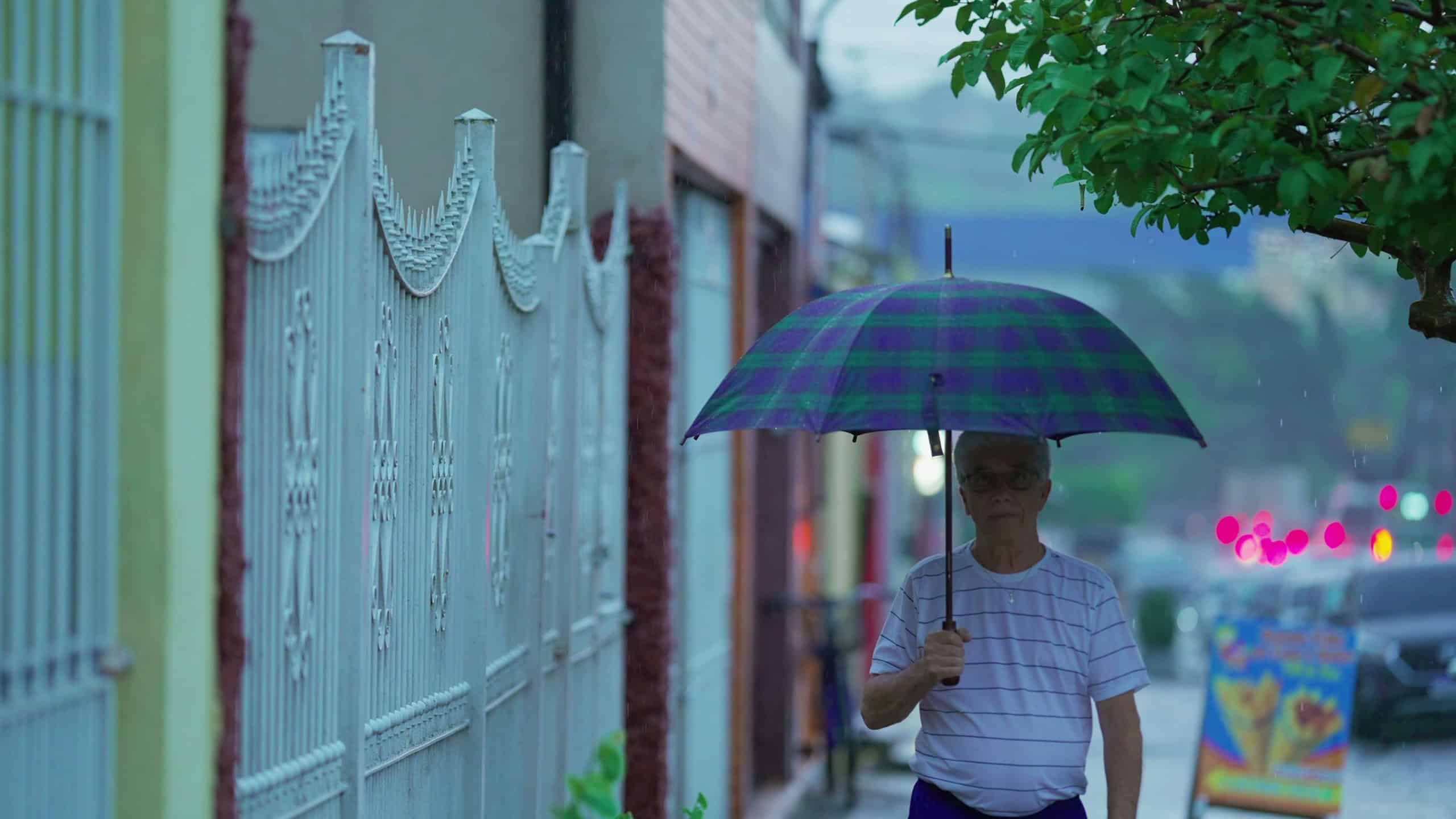
A lot of older people think the same way about plans. Once they’ve made them, they’re supposed to stick to them, no matter what. It doesn’t matter that it’s snowing. It doesn’t matter that there’s heavy rain.
They’ve got a schedule, and they think they need to stick to it. But most errands aren’t emergencies. The groceries will still be there tomorrow, and it’s not like the pharmacy’s disappearing overnight. There’s no harm in breaking your routine.
The water stays hot

Time seems to change in a hot tub. You think you’re in there for three minutes, but it’s ten. It doesn’t take long to forget how long you’ve been soaking. That’s why a hot tub is so appealing. For older people with stiff muscles and achy joints, the warm water feels like the perfect remedy.
There’s more to it. Hot water stays hot, even when you’ve stopped paying attention to it. Spending too long in a hot tub could mean you get dehydrated. You might become dizzy. You could even overheat, and that’s a killer when you’re over 70.
Sources: Please see here for a complete listing of all sources that were consulted in the preparation of this article.


