

Some archaeological discoveries fit neatly into history books, while others continue to spark debate among experts.
The Antikythera Mechanism

Discovered in a Roman cargo ship wreck off the coast of Greece in 1901, this corroded bronze box was constructed around 100 BCE. Scientists have used X-ray technology to uncover an intricate series of over 30 gear trains that were operated by hand-cranking.
It was used to calculate solar eclipses, astronomical cycles, and the irregular path of the moon. Modern historians are baffled by the existence of such complicated engineering during this time period, as similar technology would not show up in the historical record for another 1,500 years when mechanical clocks were invented in Europe.
The Voynich Manuscript

Produced sometime in the 1400s according to carbon dating, this leather-bound tome contains pages upon pages of beautifully rendered illustrations of unidentified plants, astrology and nude figures bathing in strange, plumbing-like networks.
Even more puzzling is the manuscript itself. Written in an elegant but unknown alphabet, the book follows all structural rules of a language and has defeated the world’s best military and academic cryptographers. No one can agree if it is an extremely advanced lost language, an undecipherable medieval doctor’s code, or simply the greatest hoax of all time.
The Sajama Lines
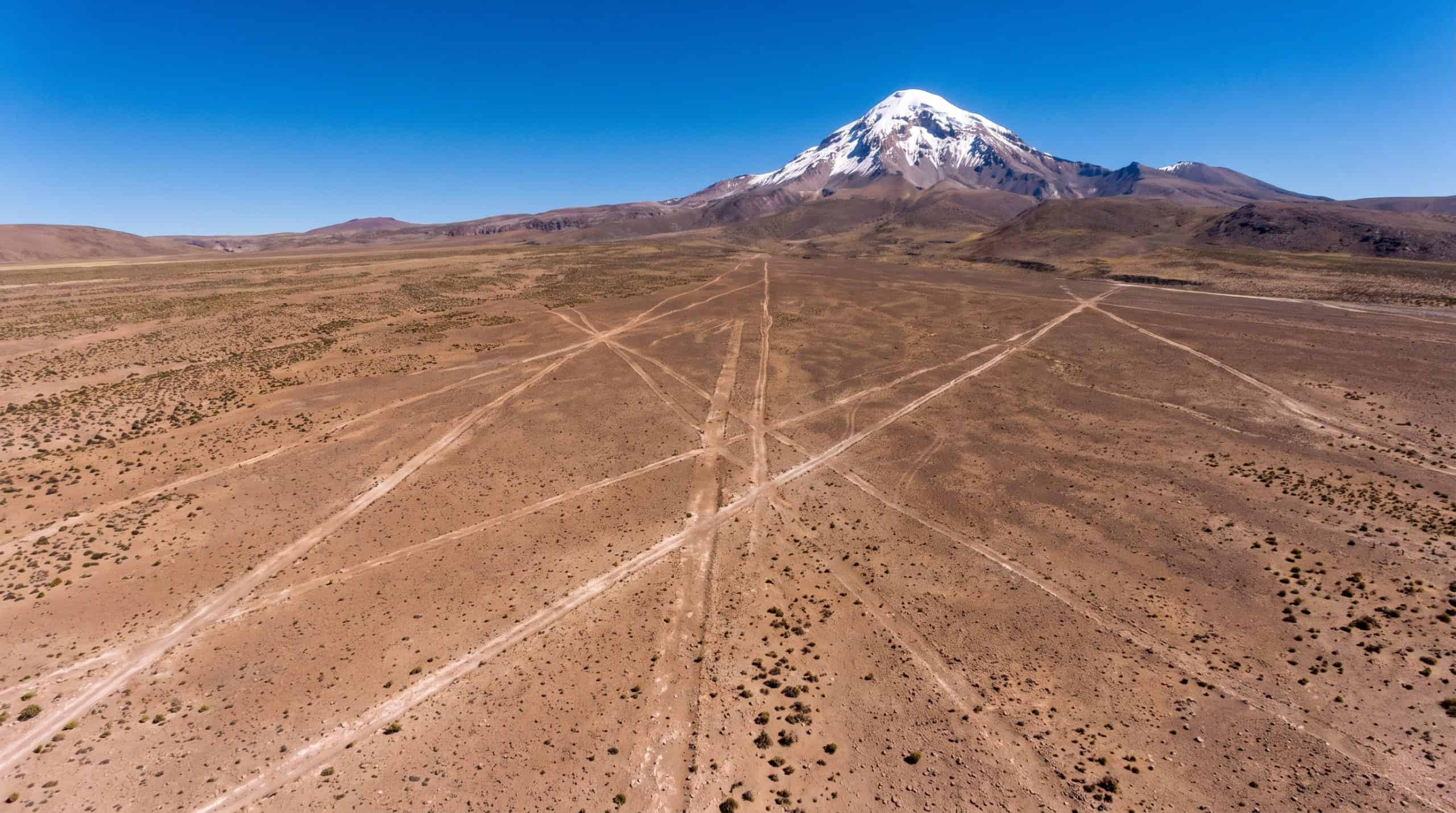
Tucked away in a desert in western Bolivia near the Sajama volcano is a field of lines stretching across the arid landscape for miles. The lines were formed by indigenous peoples thousands of years ago when they scraped off dark-colored rocks to reveal lighter-colored soil below.
The massive undertaking covers about 8,500 square miles; scientists wonder how ancient peoples accomplished such straight lines with near-perfect geometry across mountains and uneven terrain without technology like GPS or surveying equipment. Some speculate that they may have been used as pilgrimage routes or borders between territories.
The Longyou Caves
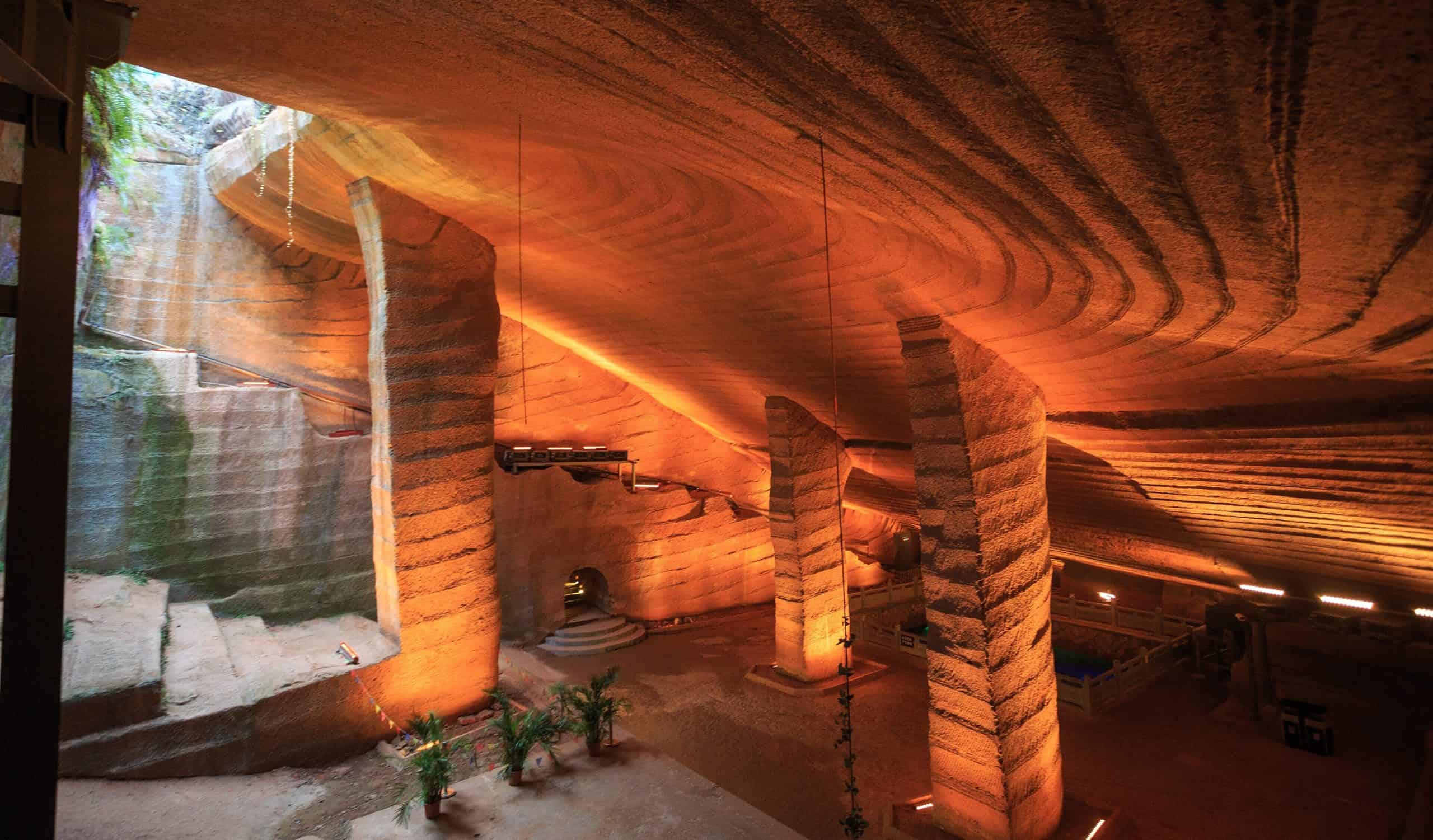
Found by locals dredging ponds in 1992, the 24 huge caverns were all carved by hand at least 2000 years ago. At least one million cubic metres of rock-solid granite would have had to be painstakingly excavated to form the chambers, and there is no record of their existence in any Imperial Chinese history texts.
What is also strange is that every single surface of rock within the chambers has been uniformly and deliberately chiseled, running parallel to every other groove ad infinitum. Modern-day engineers cannot comprehend how they were excavated without a single hint of the tools that were used to carve such huge rooms without light.
Göbekli Tepe
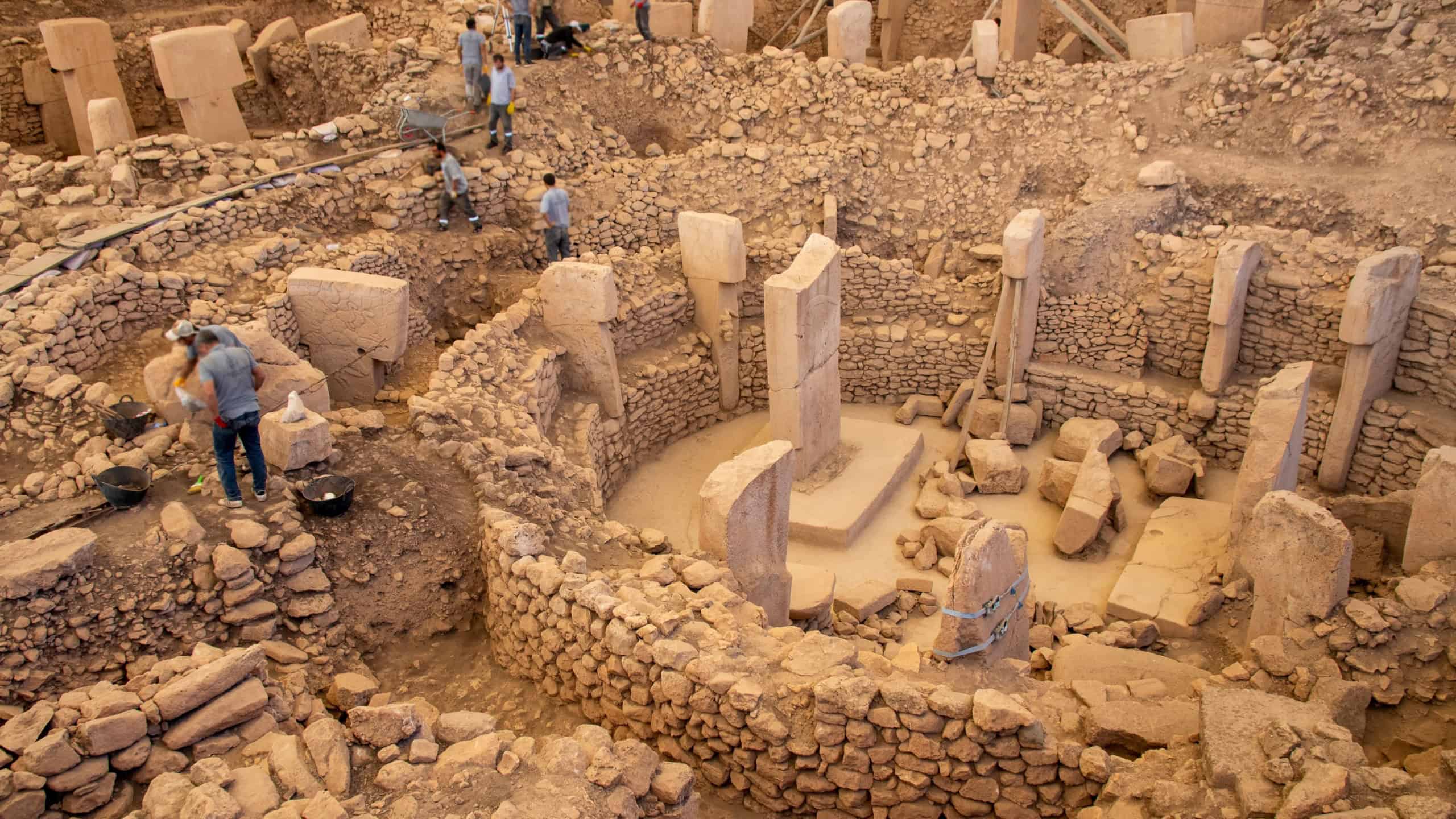
Hidden deep in southeastern Turkey lies a mysterious temple complex consisting of numerous T-shaped limestone pillars carved with detailed reliefs depicting ferocious wild beasts. Radiocarbon dating estimates the structure to have been built around 9,500 BCE.
This is absolutely mind-blowing when you consider that society had not yet developed agriculture, pottery, metallurgy, or even the wheel. Archaeologists have maintained that only sedentary agriculturalists could possibly conceive of, let alone build, complex monumental structures. So this discovery completely alters our perception of how early civilization began.
The Quimbaya Artifacts
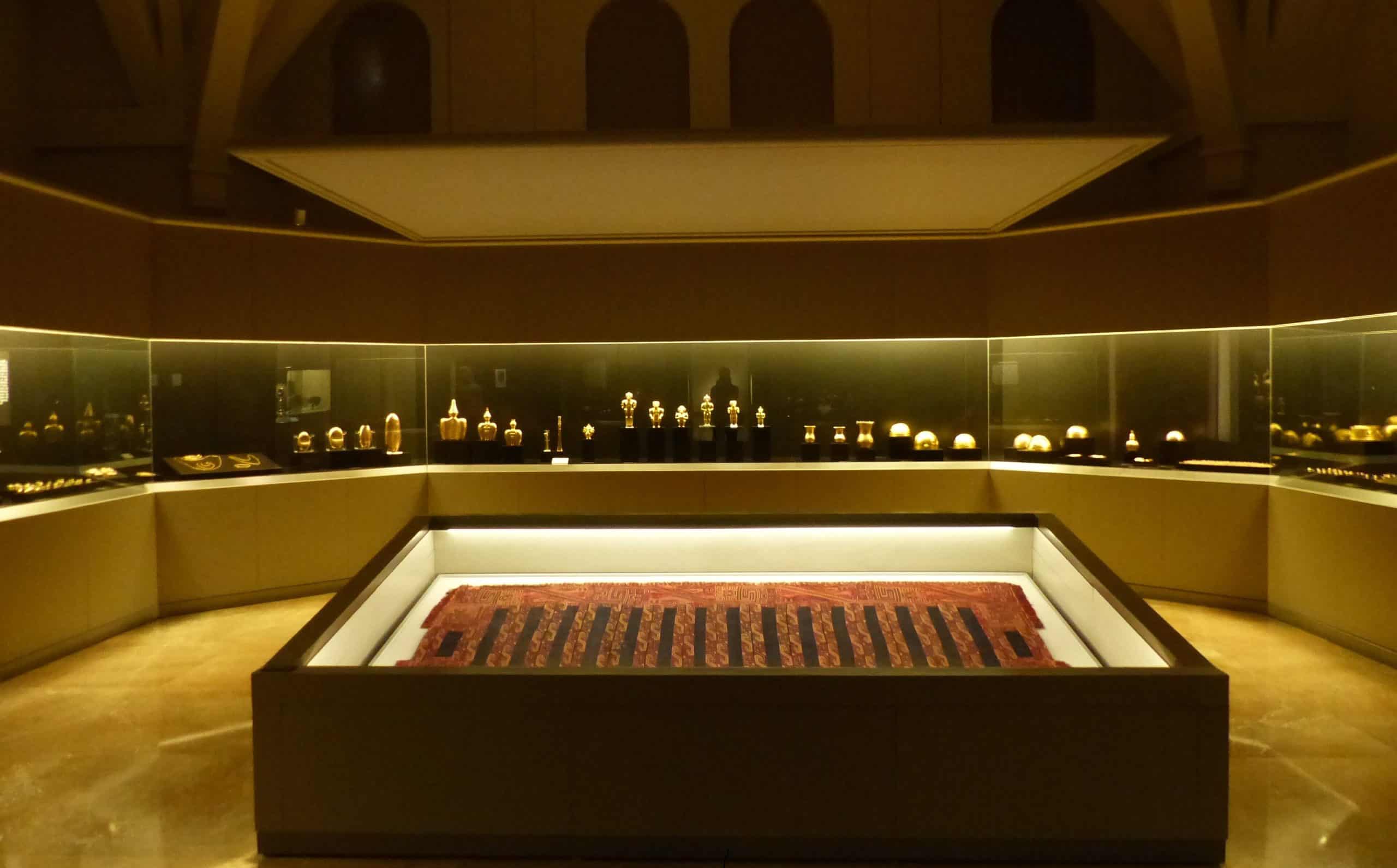
Found in graves in Colombia and dated to around 1CE by the native Quimbaya culture, these tiny solid gold statues are catalogued by museums as stylized models of various native birds and insects. However, aviation experts have noted that many have distinctly unbirdlike qualities, with flat wings, tail fins mounted perpendicular to the wings, and stiff fuselages not dissimilar to contemporary jet planes.
In the late 1900s, aviation enthusiasts built larger remote-controlled models based on the golden objects. They found that the designs could fly smoothly and stay stable in the air.
The Unfinished Obelisk
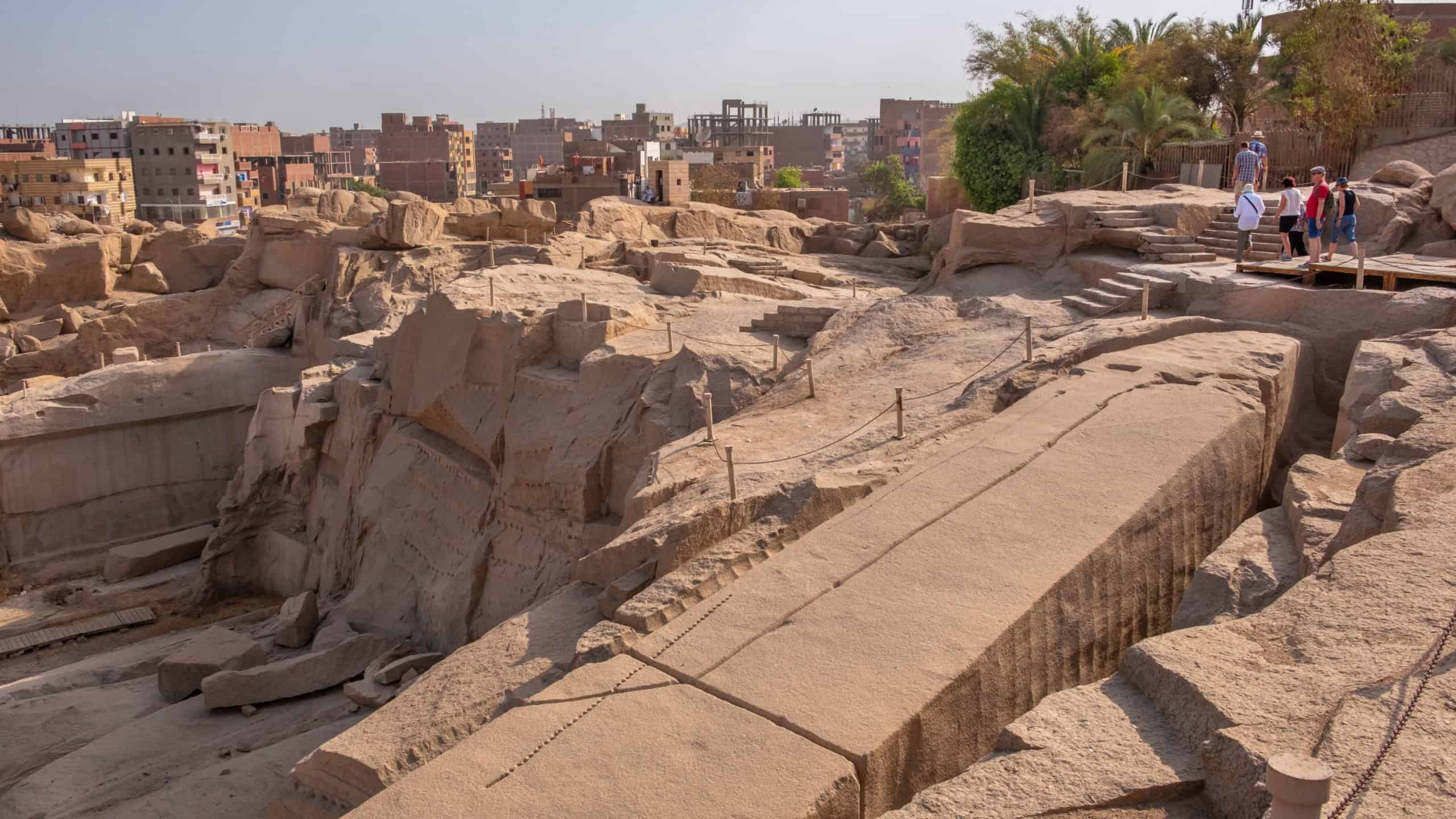
Found abandoned in an old red granite quarry at Aswan, Egypt, this monument is over 137 feet long and weighs approximately 1,200 tons. Had the Egyptians been able to complete it, the unfinished obelisk would have been the largest ever built at 137 feet long (41 meters) and weighing approximately 1,200 tons.
Work on the massive monument had stopped when a large, deadly crack appeared up and through the granite obelisk while workers were trying to detach it from the bedrock it sat on.
What remains a complete mystery are the scoop marks that run along the trenches cut into the stone surrounding the obelisk. These marks suggest that the solid stone was excavated by compressing a hollow tool into the trench, an activity that seems impossible considering the Egyptian workers only had soft copper chisels.
The Stone Spheres of Costa Rica

Discovered in the 1930s by laborers clearing jungle for fruit companies in the Diquís Delta region, these hundreds of petrospheres vary from softball size up to over six feet in diameter, weighing as much as 15 tons. Carved by an unknown pre-Columbian culture that has since disappeared, numerous stones demonstrate remarkable near-perfect roundness achieved by pecking and grinding hard igneous stone.
Purposes for the stones remain unclear to mainstream archaeologists, as all traces of cultural traditions that produced the spheres were eradicated by the Spanish conquest.
The Piri Reis Map
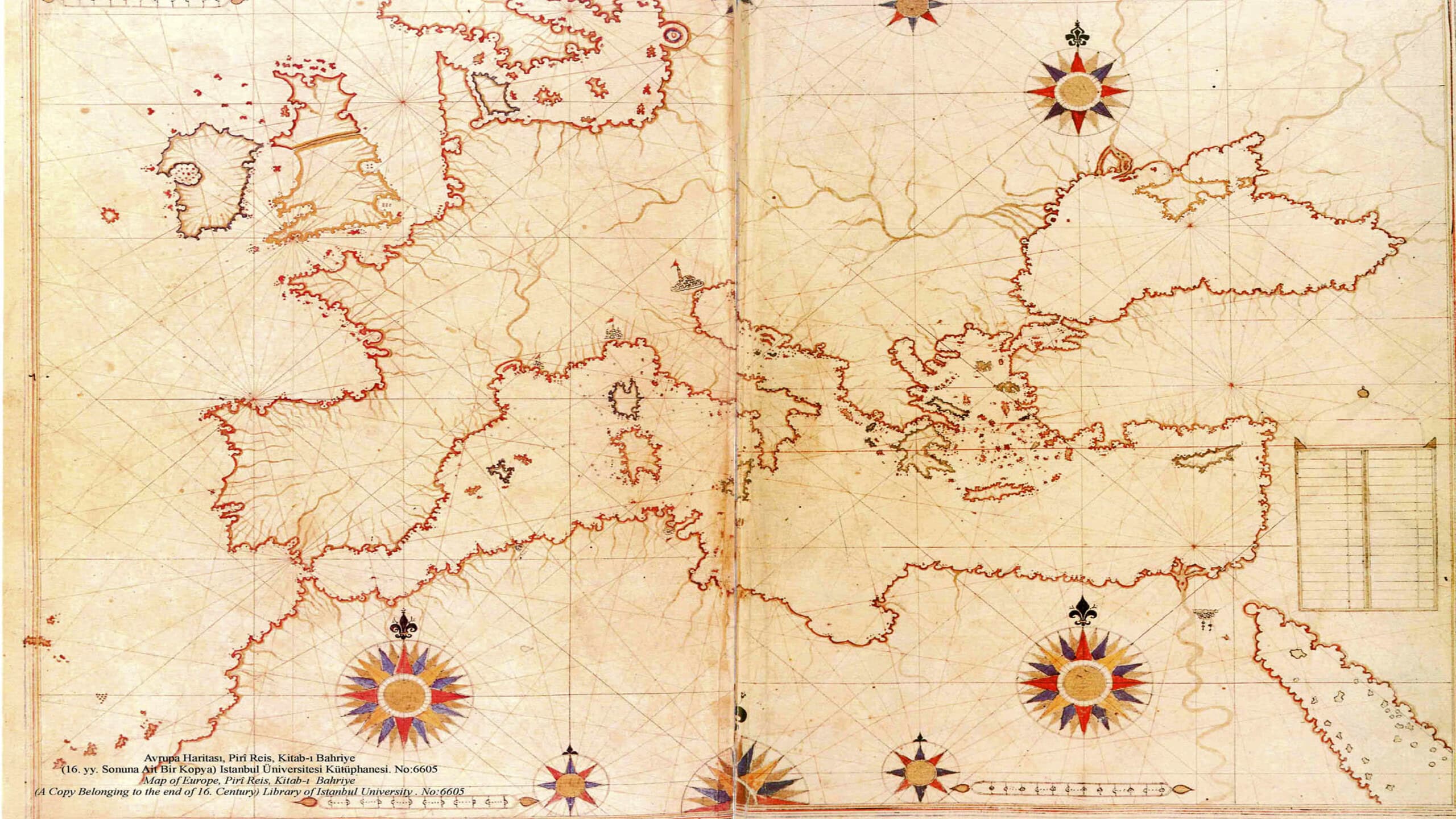
Created in the 15th century CE by Ottoman admiral and cartographer Piri Reis, this intricately illustrated gazelle-hide world map contains remarkably precise maps of Europe, North Africa and the eastern coast of Brazil.
Controversy has arisen over the bottom section of the map, which seems to show the northern coastline of Antarctica long before the continent was discovered in 1820 CE. Additionally, some theorists have speculated that it even depicts the continent before it was covered in glaciers. However, most historians believe it is simply the depiction of a speculative southern continent popular among early mapmakers.
The Moeraki Boulders

Sprinkled across a portion of Koekohe Beach in New Zealand, these giant septarian concretions bear a striking resemblance to oversized dinosaur eggs or artificial stone spheres. Geological studies have determined they’re actually natural creations formed millions of years ago from chemical precipitation.
However, their enormous size, spherical perfection and hollow interiors lined with crystals seem totally otherworldly. Many locals attribute them to a legend from Māori mythology, which says the boulders are remnants of waterlogged eel baskets that came ashore from a great voyaging canoe.
The Sacsayhuamán Megaliths
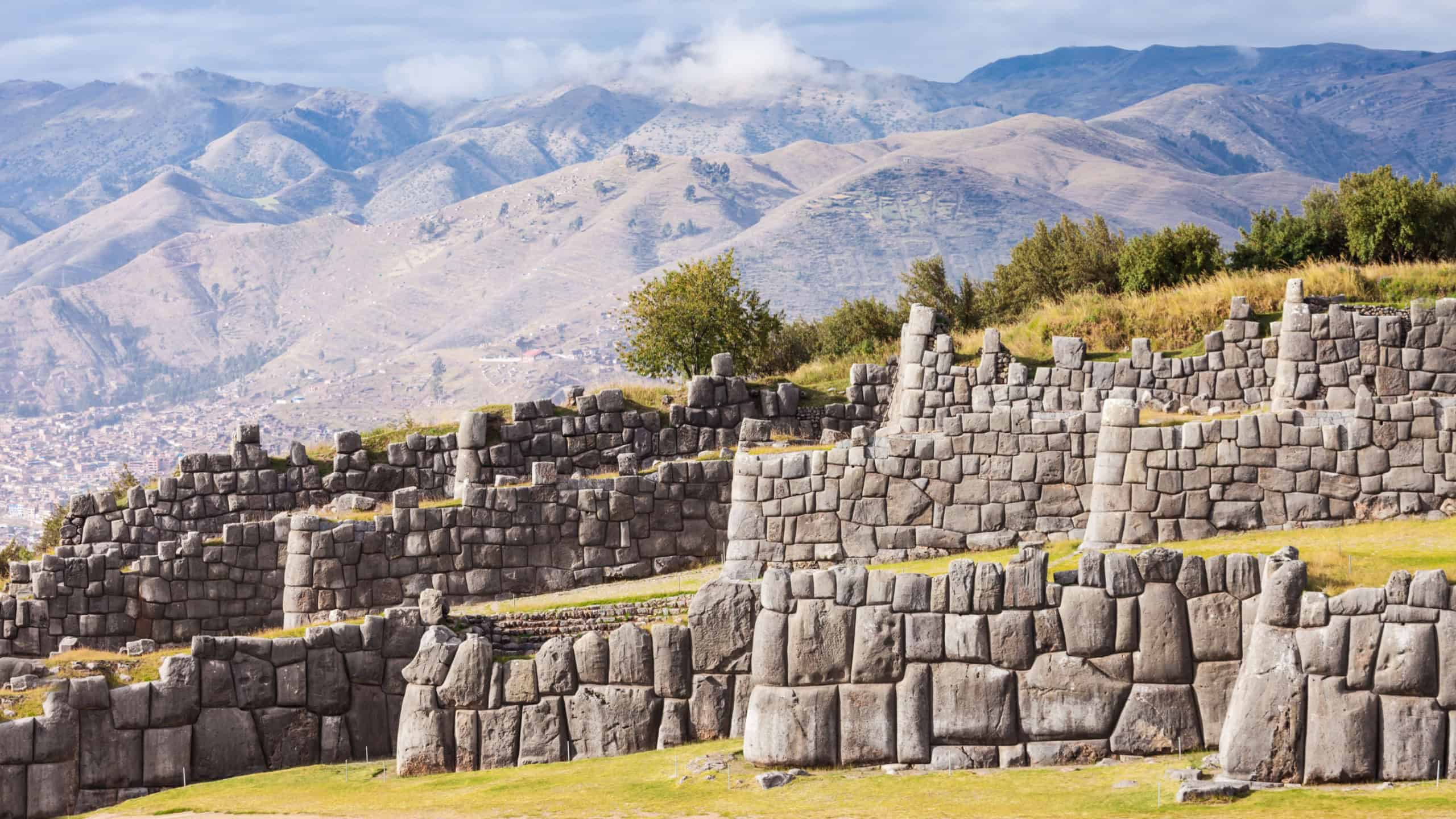
Situated on a hill on the northern edge of Cusco, Peru, this gigantic Incan citadel is built of huge multi-level zigzag walls made from some of the largest megalithic stone blocks found in the Americas. Some granite boulders here weigh over 100 tons and yet are cut with incredible precision such that not even a sheet of paper will fit between the seams.
The Incas had no draft animals or iron, so modern-day engineers are puzzled as to how these oddly shaped stones were even able to be moved long distances through steep mountain valleys, let alone cut to fit together so tightly without mortar.
The Iron Pillar of Delhi
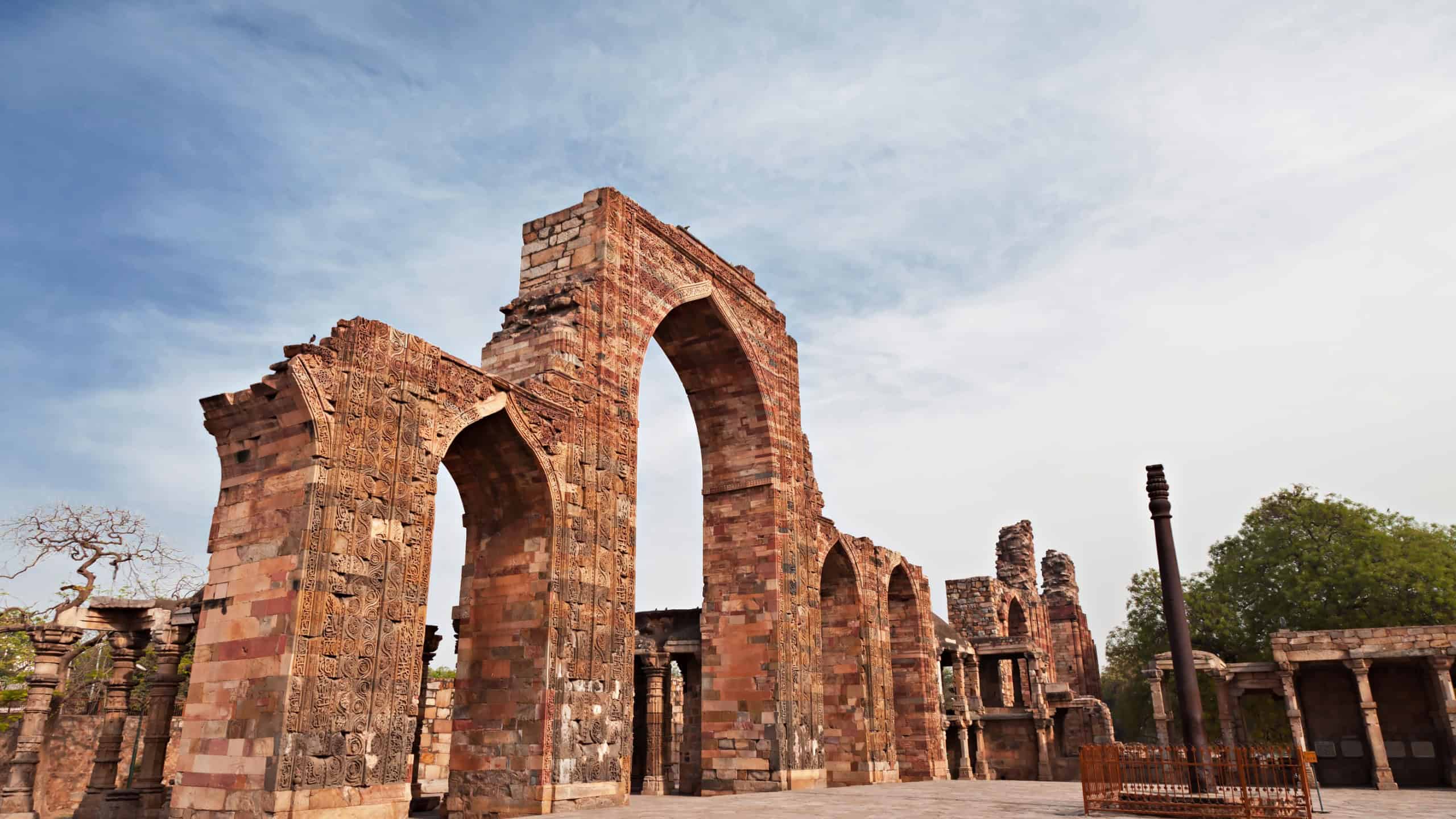
Built under the Gupta Empire in the early 5th century CE, this 7-meter-tall iron pillar has remained entirely outdoors, exposed to harsh, humid Indian weather, without rusting for over 1,600 years.
Many modern metallurgists agree that this was done by accidentally generating a thin layer of rust-inhibiting crystalline iron hydrogen phosphate on the object’s surface. But producing a single, solid piece of this size, purity, and hardness is a feat which still baffles metallurgists and attests to a sophisticated lost ancient technology Europe wouldn’t achieve for nearly two millennia.
The Nan Madol Ruin
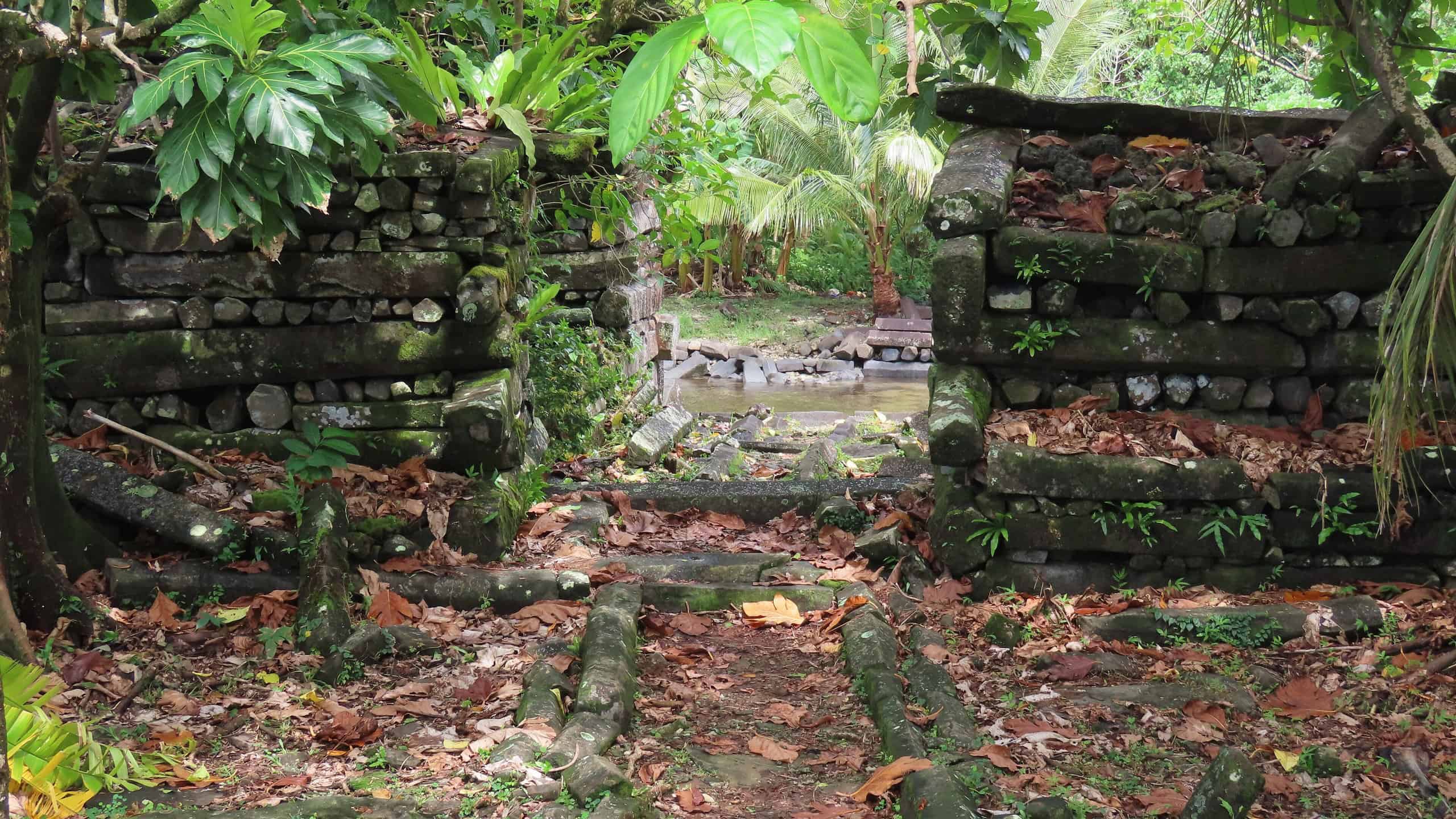
The city was built on top of an existing coral reef off the eastern coast of Pohnpei island in Micronesia, and is made up of almost 100 artificial islets that are connected by tidal canals. These artificial islets were made from huge pillar-like structures composed of basalt rock, with an estimated weight of up to 750,000 tons for the entire island complex, which is why Nan Madol is sometimes called the “Venice of the Pacific”.
According to oral tradition, the settlement was built by twin demi-gods who levitated the stones using sorcery. Modern historians cannot explain how this small population was able to move around the large volcanic pillars without domesticated animals or elaborate pulley systems.
Sources: Please see here for a complete listing of all sources that were consulted in the preparation of this article.
Like our content? Be sure to follow us.
12 historical mysteries researchers are still trying to solve
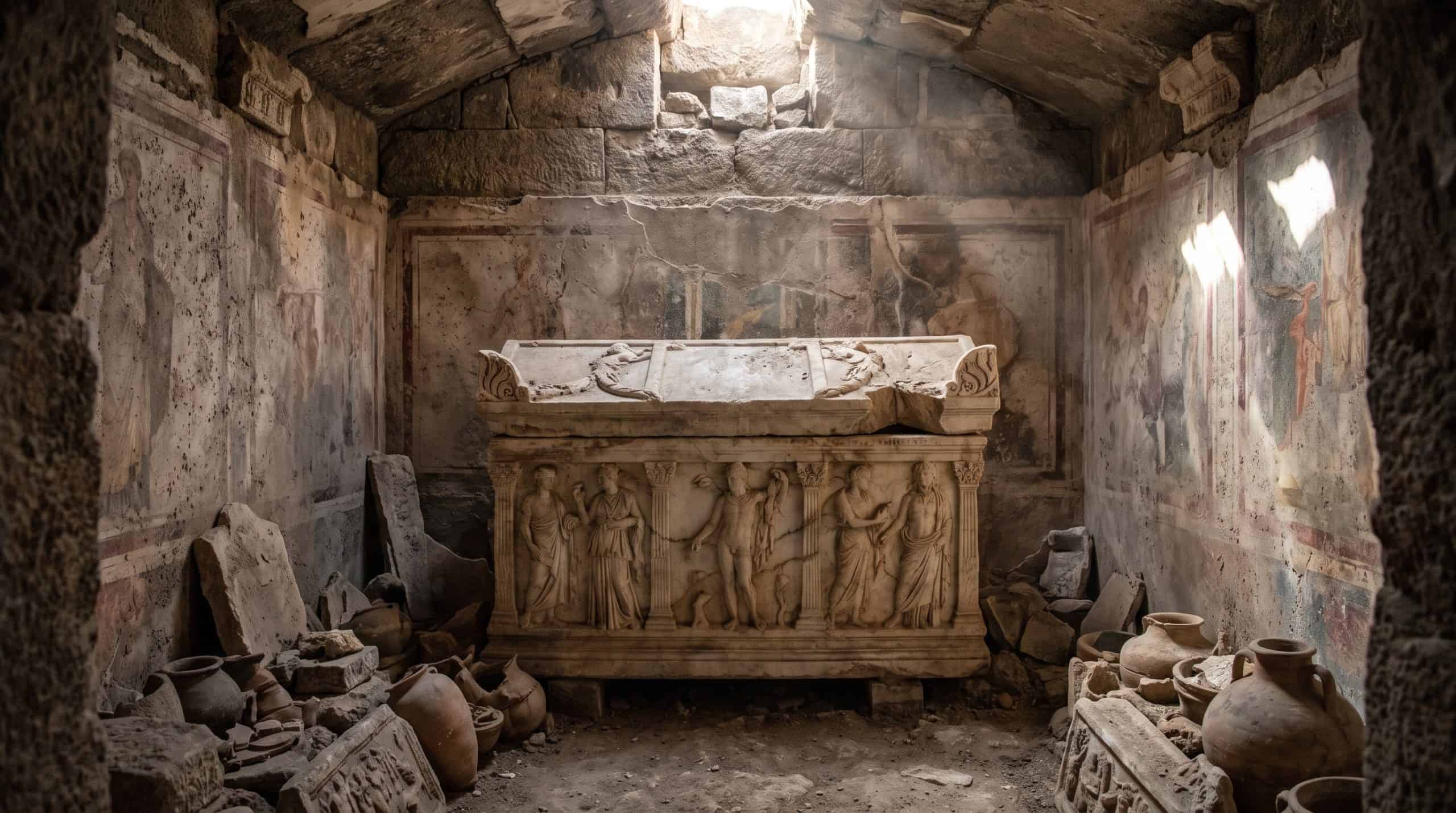
Despite centuries of research, these historical mysteries continue to puzzle experts and inspire endless debate.
12 historical mysteries researchers are still trying to solve

