

Despite centuries of research, these historical mysteries continue to puzzle experts and inspire endless debate.
Alexander’s Tomb

Where is the final resting place of Alexander the Great?
Alexander died in Babylon in 323 B.C. His body was later transported to a grand tomb in Alexandria, Egypt. There is evidence that prominent figures such as Julius Caesar visited Alexander’s tomb, but the tomb seems to have disappeared from historical texts around the 4th century CE.
Archaeologists continue to scan along the Alexandria coastline, the Siwa Oasis, and archaeological landmarks in hopes of finding where history’s most notorious conqueror is buried.
Emperor’s Chamber
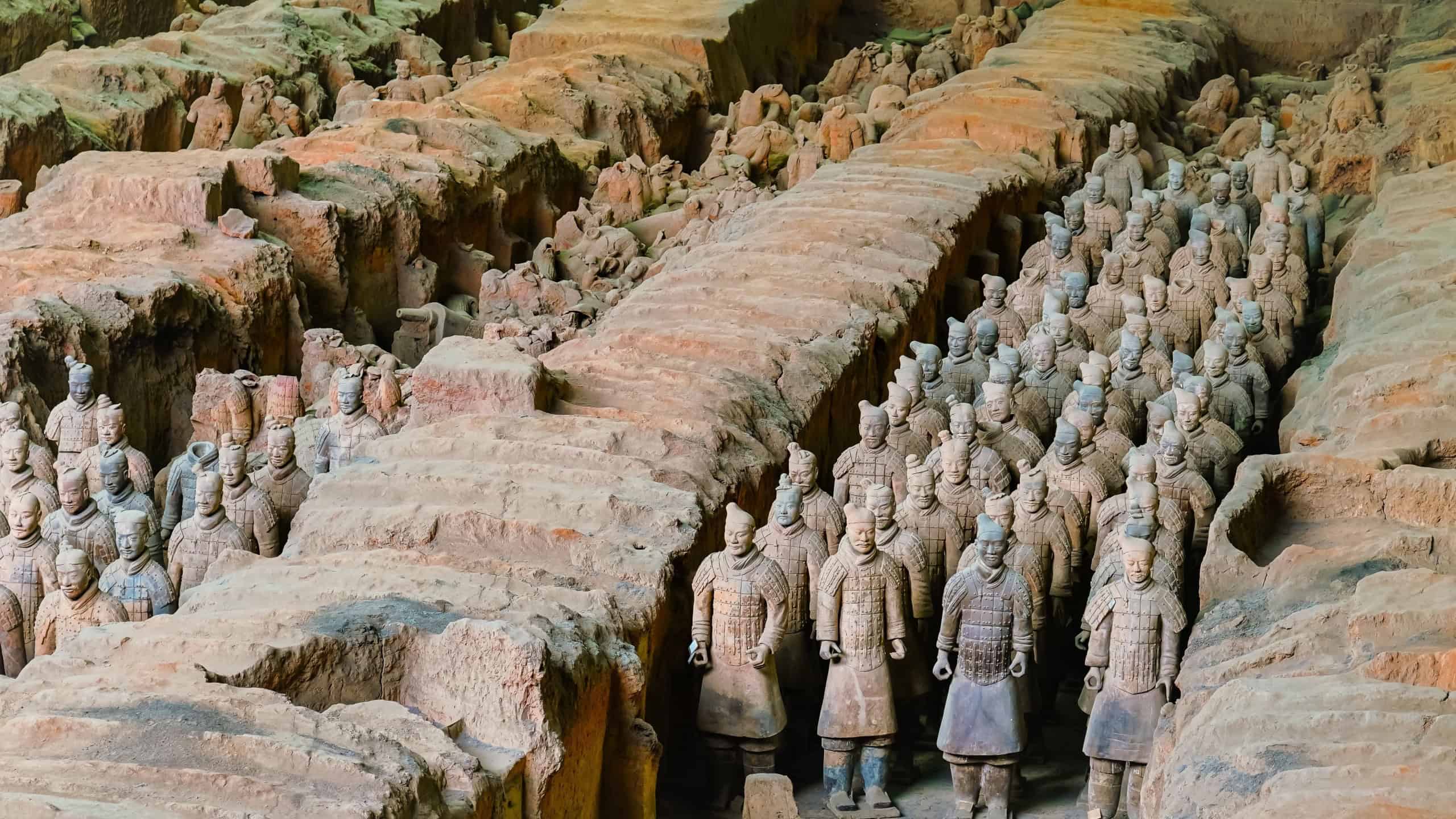
What lies inside the unexcavated burial tomb of China’s first emperor?
The Terracotta Army of China’s first emperor was discovered in 1974. But Qin Shi Huang’s actual tomb has not been opened yet. Legend says the inside includes a scale model of his empire, with rivers of liquid mercury. There are supposed to be booby traps as well. Ancient manuscripts suggest that the tomb is filled with precious objects that will deteriorate upon contact with air.
Lost Royalty
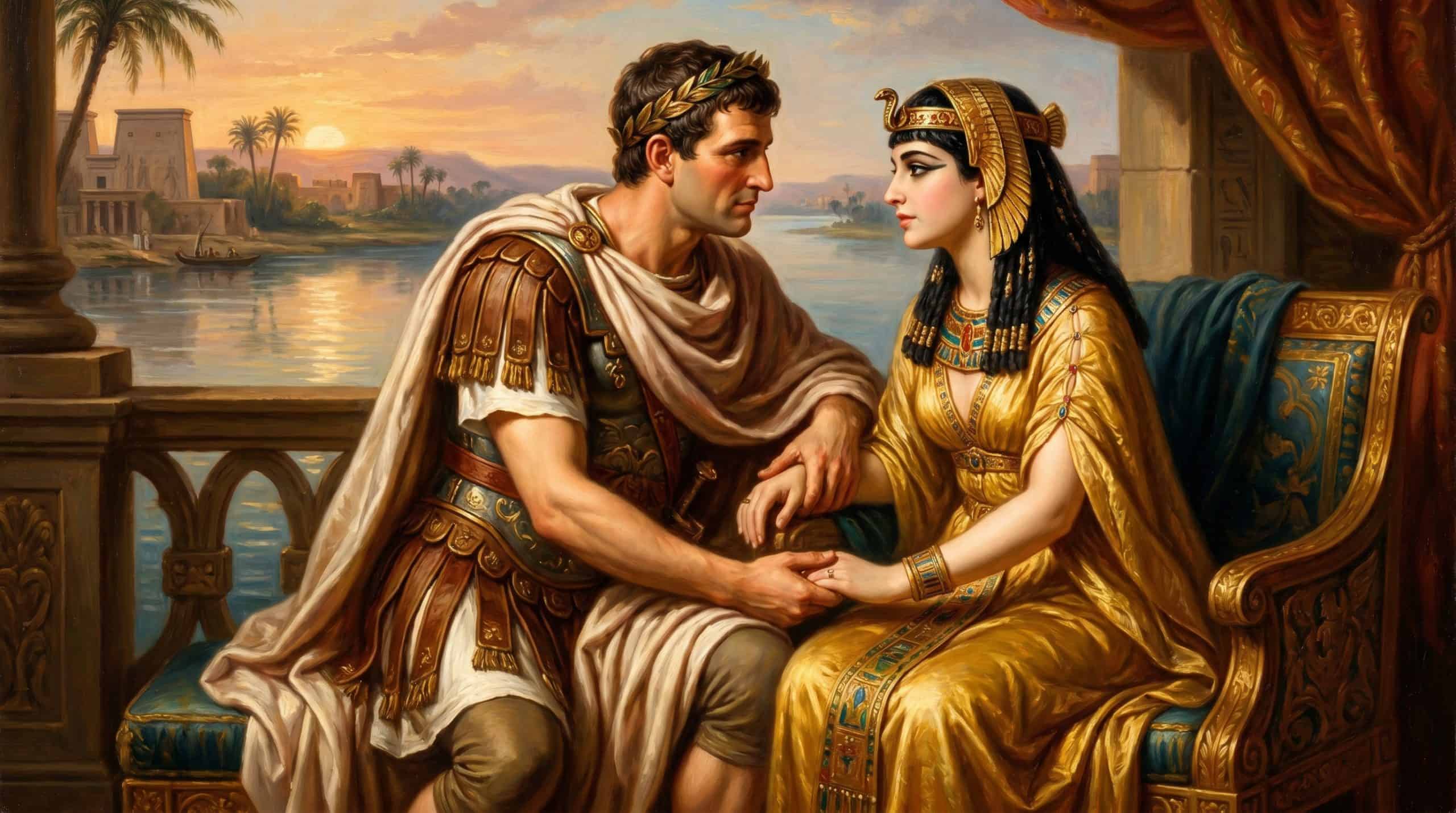
Where are the bodies of Cleopatra and Mark Antony buried?
Classical authors wrote that Egypt’s celebrated queen and her Roman lover died by suicide in 30 BCE and were buried together in a “lofty and beautiful” tomb. The tomb’s location is unknown. Archaeologists are currently focused on Taposiris Magna, a temple near Alexandria dedicated to Isis, in hopes of finding it, but it has not been discovered.
Voynich Code
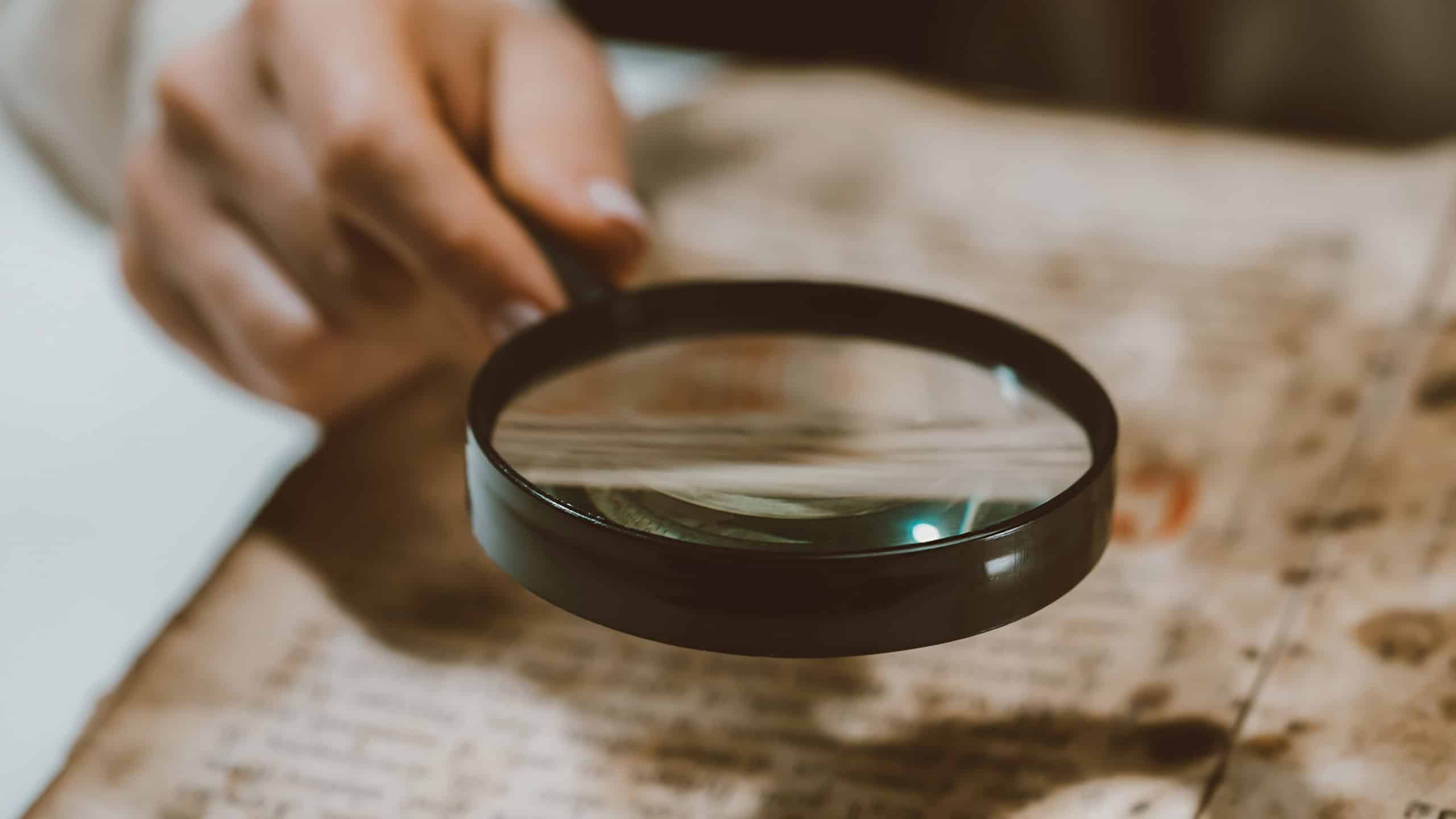
What does the mysterious text of the 600-year-old Voynich Manuscript actually say?
Written in an alphabet nobody has been able to decipher, this mysterious medieval book has baffled historians and cryptographers for centuries. Purchased by a book dealer in 1912, the 600-year-old tome is filled with strange diagrams of mythical plants, nude women, and astrological symbols. Experts still can’t agree if the book is an advanced secret code, a forgotten language, an elaborate prank, or complete nonsense.
Roman Mystery
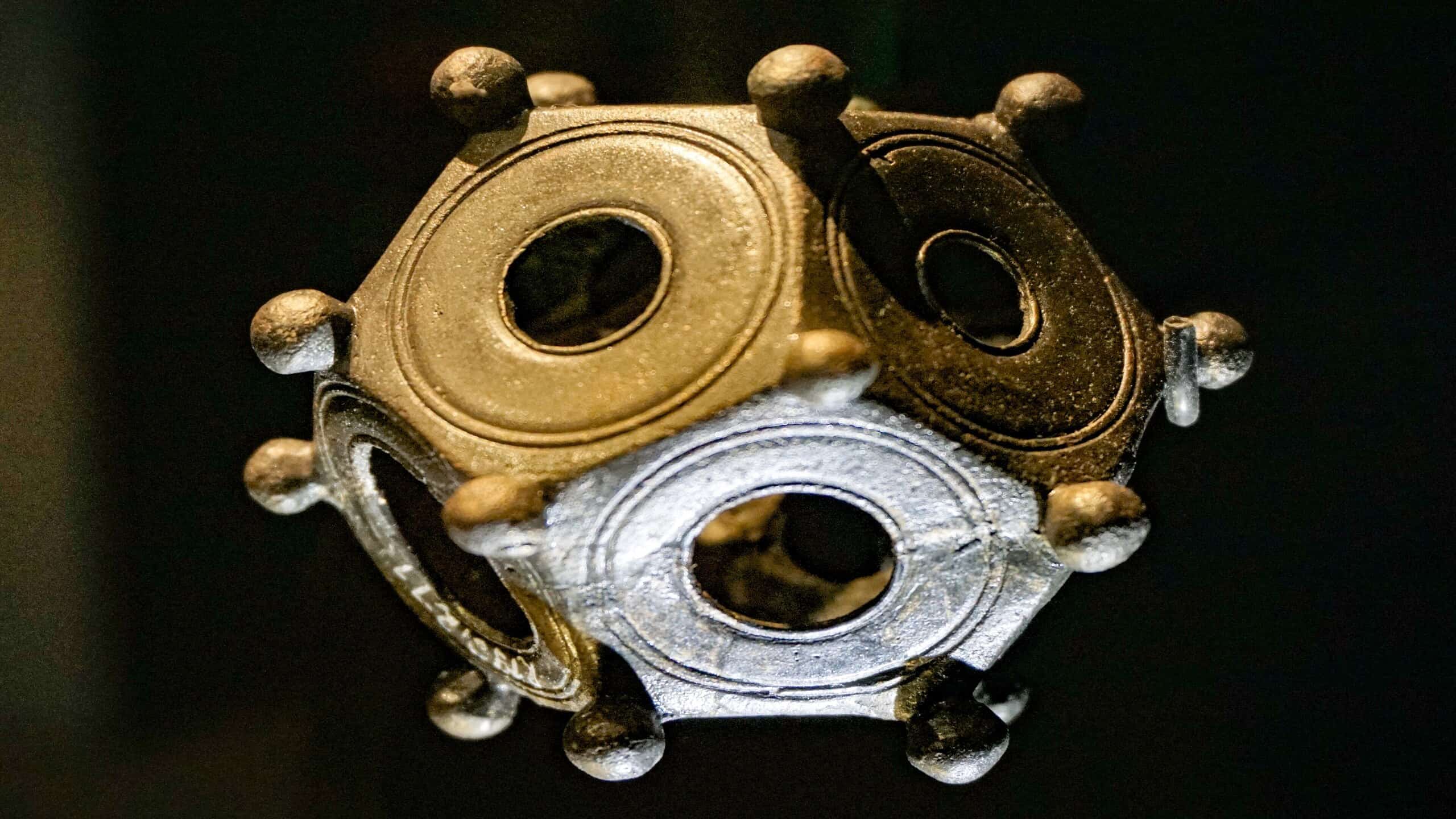
What was the true, practical purpose of the bronze Roman Dodecahedra?
Over 200 of these tiny hollow 12-sided bronze disks have been unearthed throughout Europe and date from the 2nd to the 4th century CE. Each side features a hole of assorted sizes cut into it, with small knobs on the corners. There are no recorded references to them in any Roman texts.
Ideas about their use have included astronomical measurement devices, religious objects, knitting frames, or dice. The origin and use of the object continue to puzzle archaeologists.
Missing Fossils
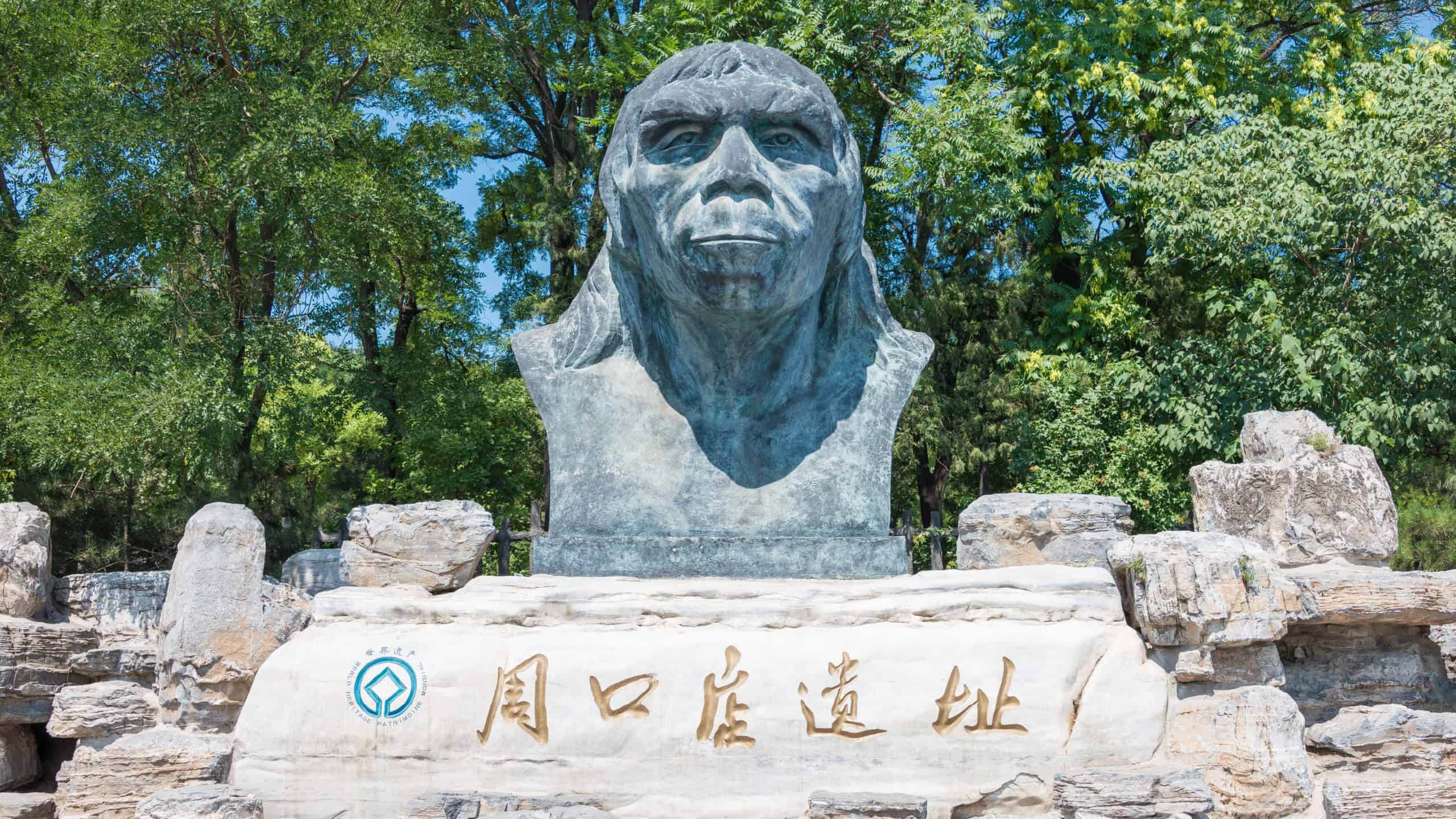
Where are the priceless, lost bones of the prehistoric “Peking Man”?
In the 1920s, fossilized remains of an unknown human ancestor (Homo erectus) were discovered in a cave near Beijing. They became known as Peking Man.
In 1941, in the middle of WWII, the priceless fossils were placed into crates to be transported to the United States for safekeeping and disappeared along the way. To this day, researchers follow leads of the crates being buried underneath abandoned military bases or lost at sea.
Roanoke Colony
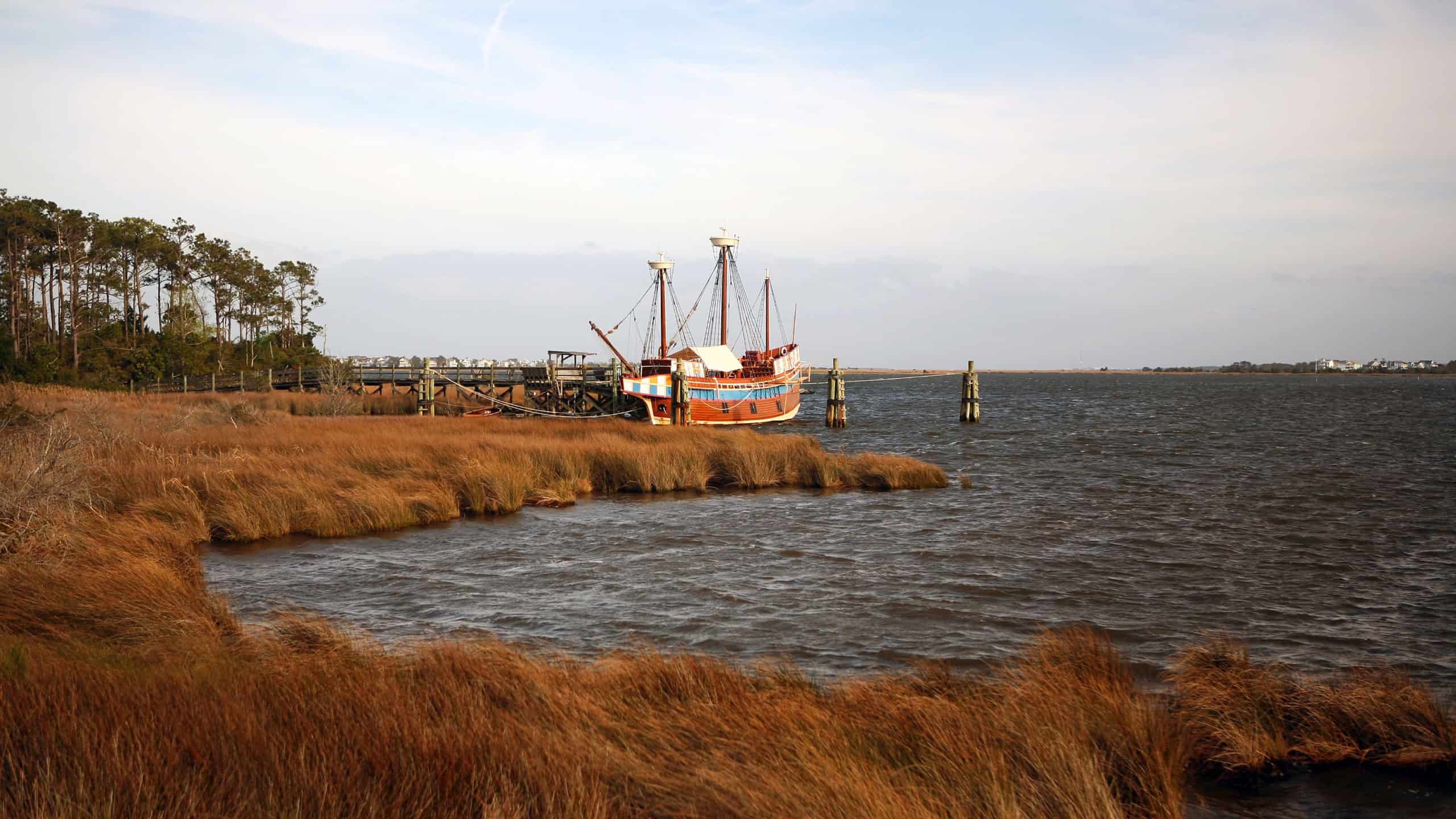
What happened to the 115 English settlers who vanished from Roanoke Island?
In 1587, 115 English settlers founded a colony on Roanoke Island, off what is now North Carolina. Three years later, their governor returned from a supply run, only to find the colony abandoned.
There was no sign of struggle or strife, but the single clue word “CROATOAN” was carved into a tree. Archaeologists are digging up nearby native American sites and examining tree-ring data to determine what happened to the colonists.
Göbekli Tepe
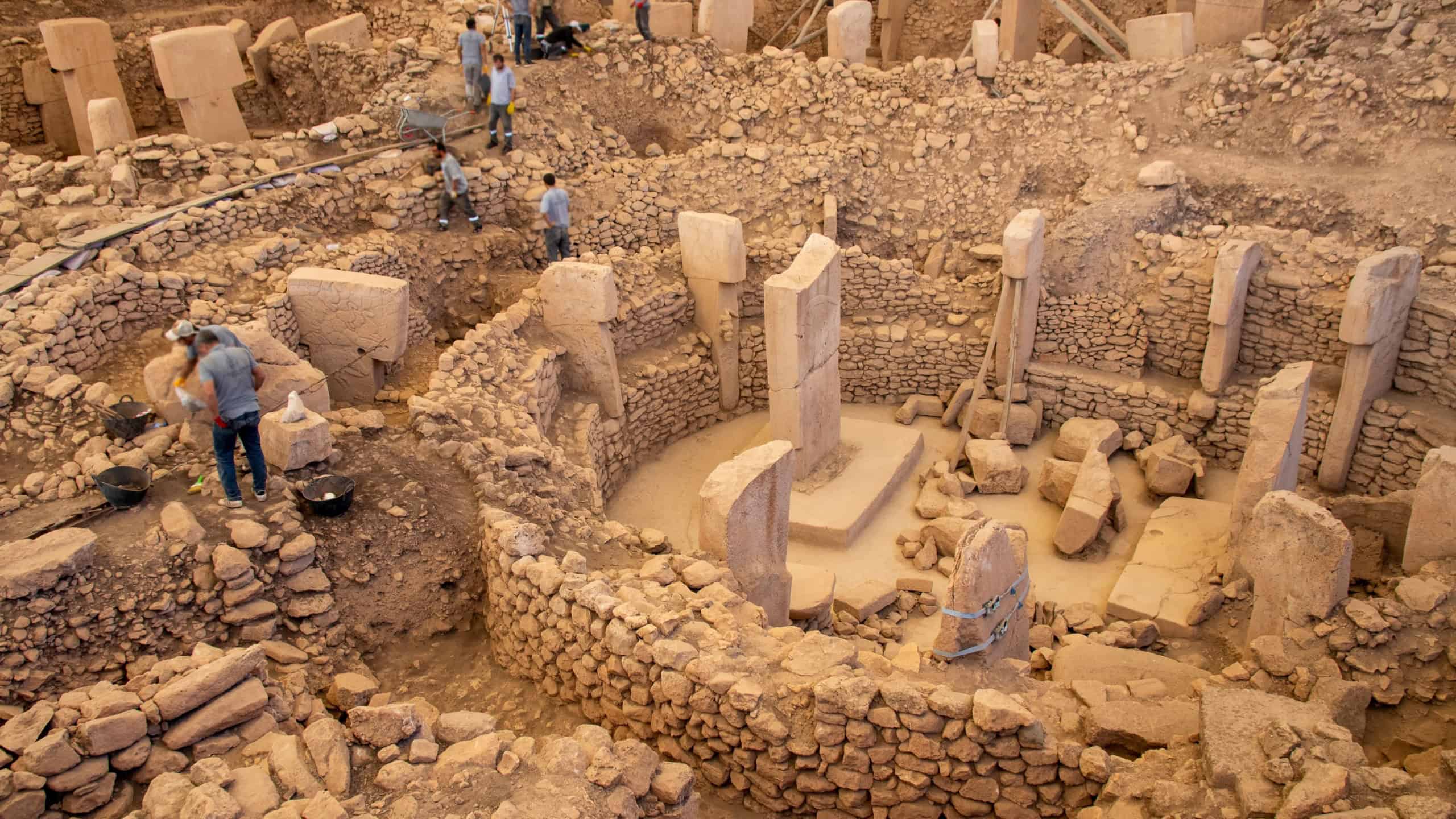
Why did ancient hunter-gatherers build the massive stone circles of Göbekli Tepe?
Humans have been using Göbekli Tepe in southeastern Turkey as a religious site for over 11,000 years. The stone circles contain T-shaped stone pillars, carved with reliefs of animals and humans.
It predates Stonehenge and the Pyramids by thousands of years. Built by hunter-gatherers who had not yet developed agriculture, metal tools, or permanent settlements, archaeologists are struggling to understand how and why a nomadic society managed to build such an advanced monument.
Mary Celeste

Why did the crew abandon the perfectly safe Mary Celeste merchant ship?
In December 1872, the merchant vessel Mary Celeste was discovered adrift in the Atlantic Ocean. Crew’s belongings were undisturbed, its shipment of alcohol was intact, and there was food and water to survive for weeks.
However, the lifeboat was nowhere to be found. The fate of its 10 occupants remains unknown. Experts are still puzzling over whether they abandoned ship because of an anticipated alcohol explosion, a sudden waterspout, or a false alarm over a leaking hull.
Genghis Khan
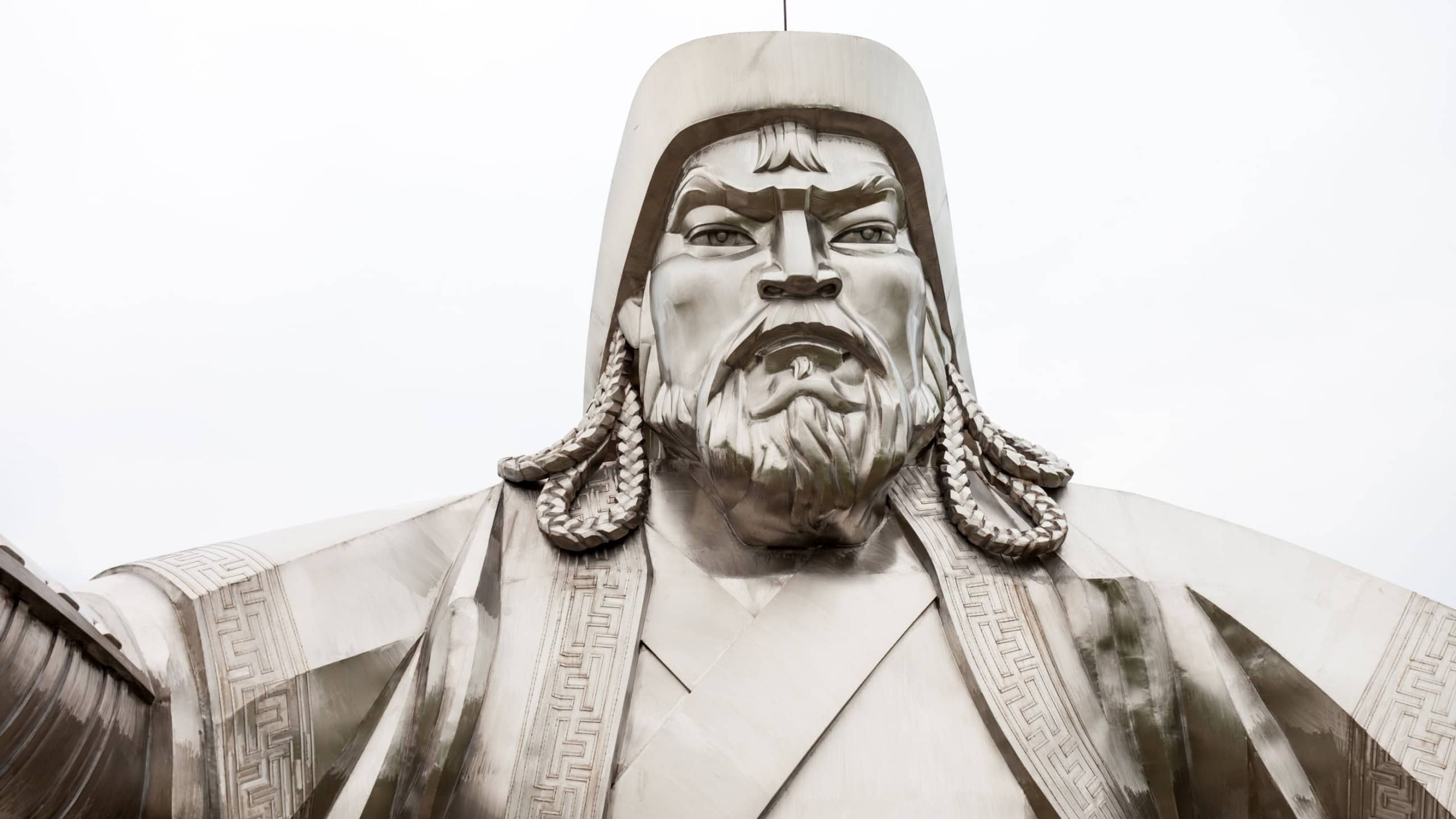
Where is the secret, hidden burial site of the Mongol leader Genghis Khan?
When the founder of the Mongol Empire died in 1227, his troops spared no effort to keep his burial grounds hidden from future adversaries. Legend claims the funeral escort killed passersby along the route, diverted a river across the grave site, and trampled the area with 1,000 horses.
Researchers today peer at the region’s craggy mountains in northern Mongolia via satellite images and drones, but its location remains untouched.
Stone Jars
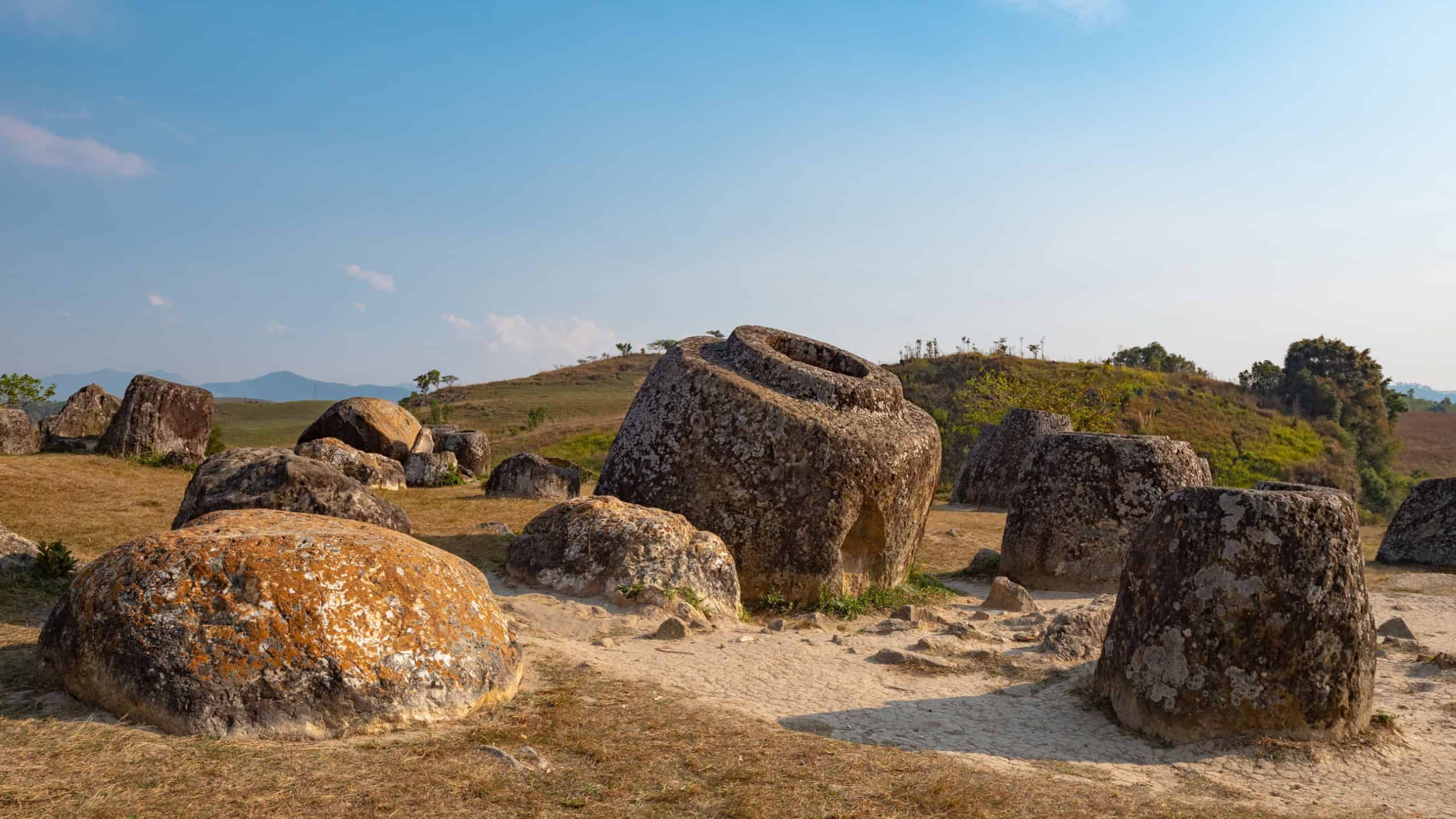
What was the original prehistoric purpose of the massive Plain of Jars?
Thousands of enormous, hefty stone jars are spread out across a grassy plateau in northern Laos. The tallest jars are nearly 10 feet high. Made during the Iron Age, these mysterious stone vessels were carved from solid bedrock.
Despite many years of study, archaeologists and historians can’t seem to agree on why the jars were built. Locals believe giants built the jars to ferment rice wine. Archaeologists have unearthed human bones near the jars and believe they were part of elaborate, prehistoric burial ceremonies.
Whitechapel Killer
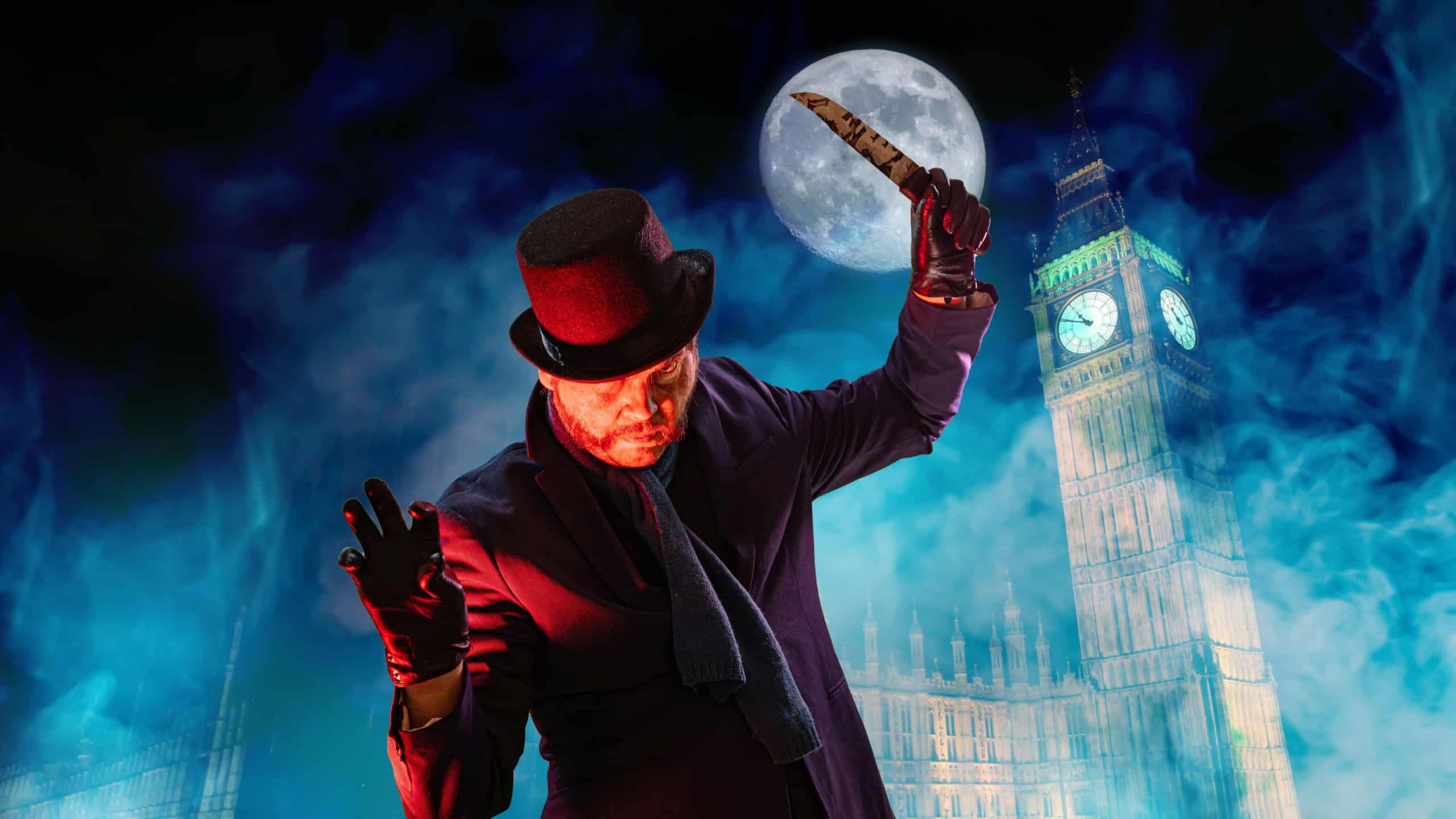
What was the true identity of the 1888 serial killer Jack the Ripper?
In 1888, at least five women were brutally murdered by a serial killer in London’s infamous Whitechapel district. The killer sent letters to police taunting authorities and signed them “Jack the Ripper.”
No suspect was ever arrested, and to this day, Ripperologists and forensic scientists test old DNA samples, comb through Victorian records, and submit new suspects in hopes of finally unmasking the killer’s true identity.
Sources: Please see here for a complete listing of all sources that were consulted in the preparation of this article.
Like our content? Be sure to follow us.
10 historical figures who took secrets to the grave

Unanswered questions are the worst, and it’s even more terrible when they continue to be unanswered because the people with the answers took them to their graves.


