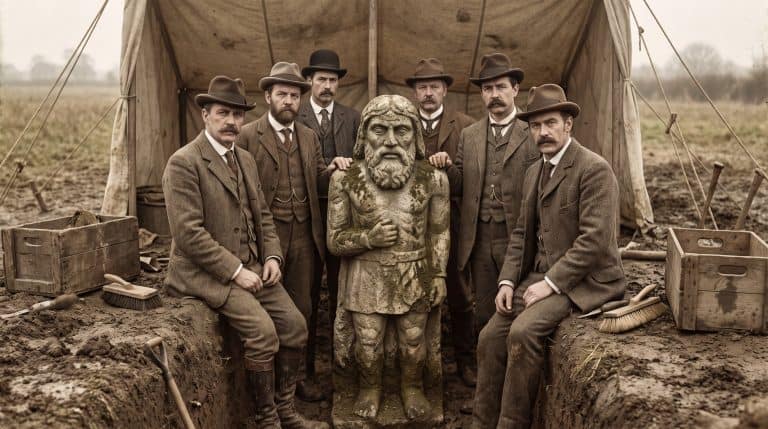

Some archaeological fakes managed to last a surprisingly long time, all because they looked convincing enough or gave experts the answer they were hoping to find.
Drake’s Plate of Brass
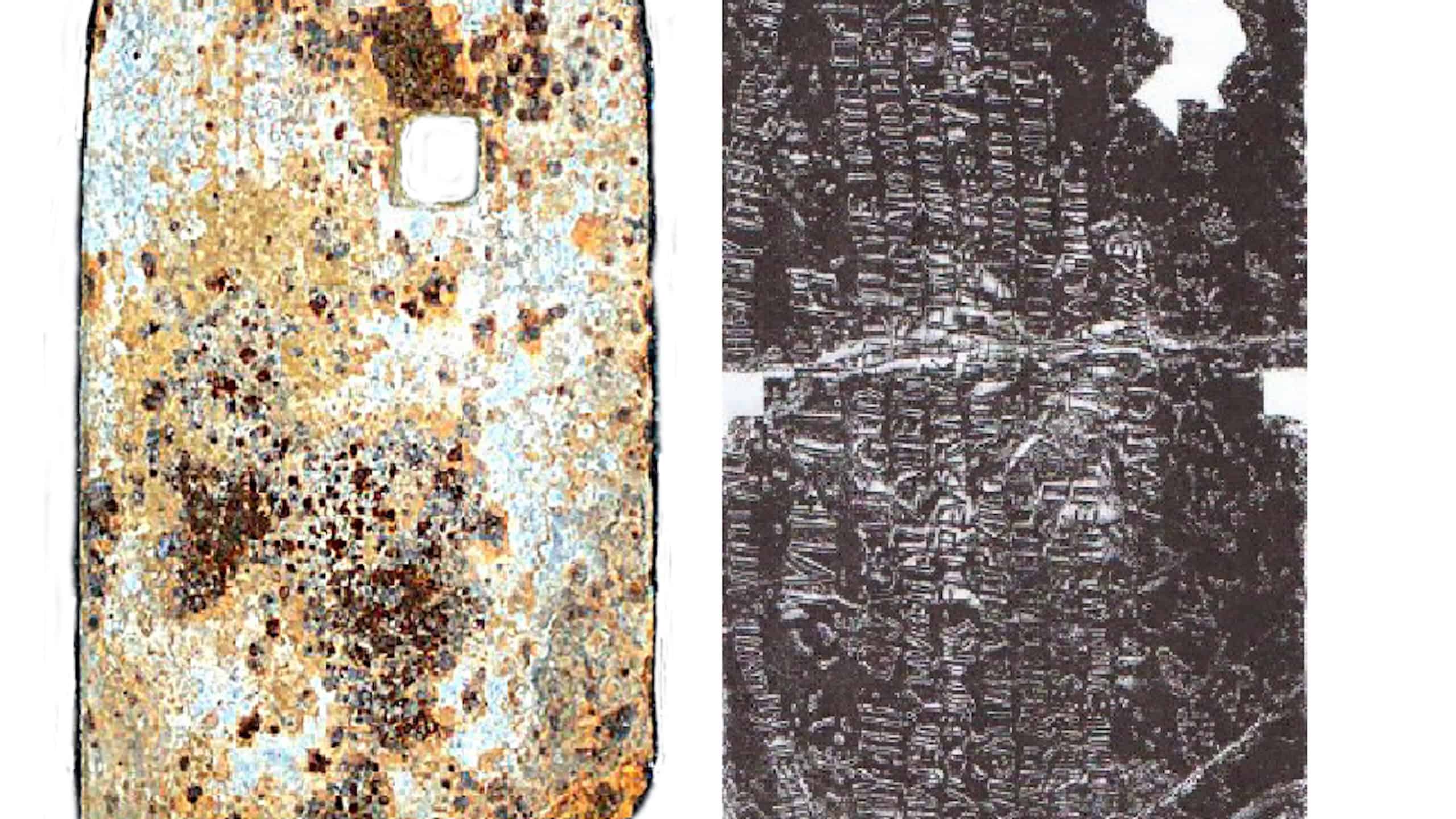
Drake’s Plate of Brass was one of those finds that had everything going for it. A famous explorer, check, a long-lost object, check. There was even a historian who’d spent years asking people to search for it. The Plate turned up in California in the 1930s, fitting explorer Sir Francis Drake’s claims that he left a marker there in 1579.
The Plate later made its way to the Bancroft Library, until tests found modern materials and manufacturing marks. Turns out, the whole thing was a prank by members of E Clampus Vitus, a kind of secret society. Hilarious work, guys.
The crystal skulls
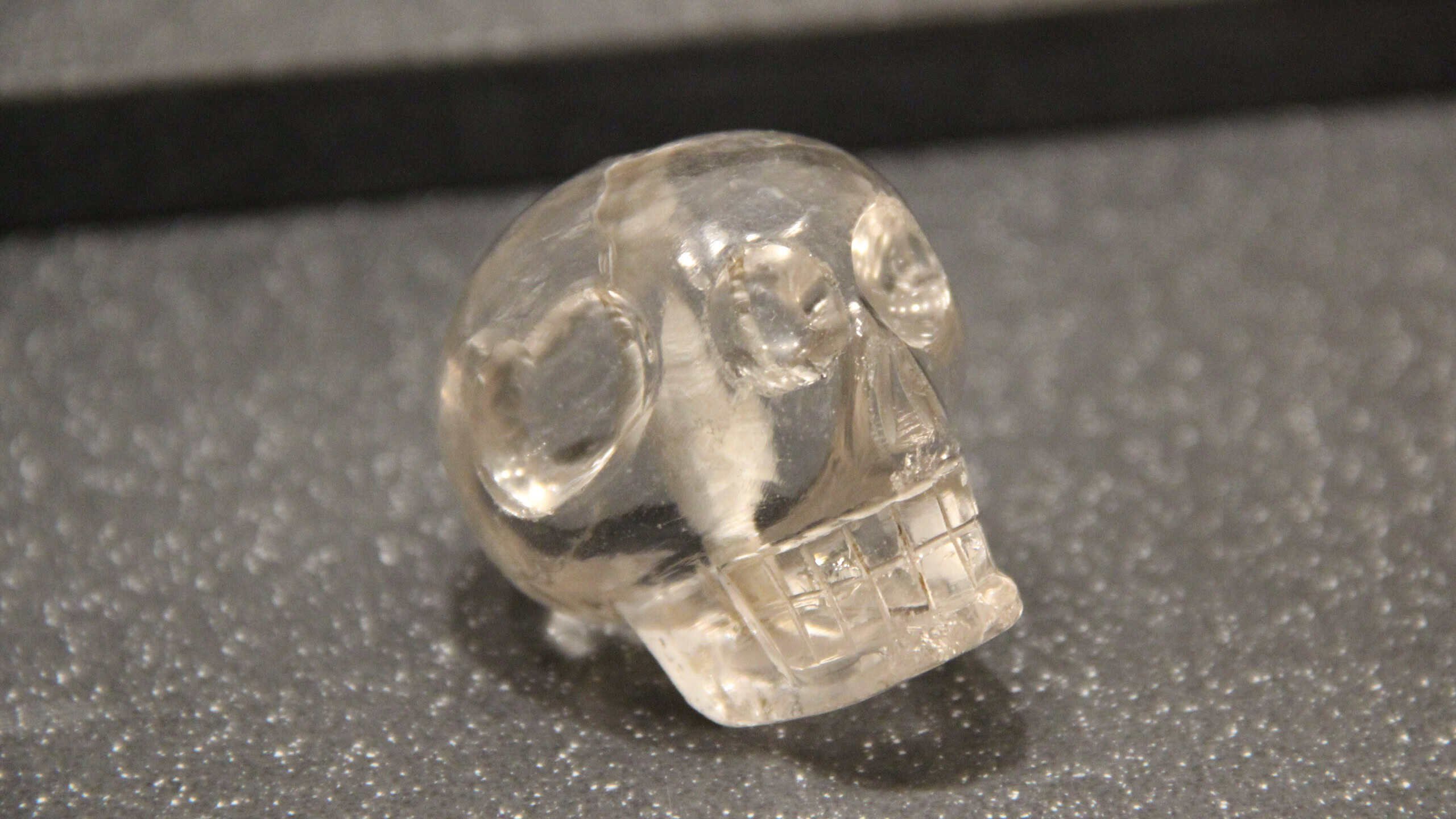
Crystal skulls are some of the most common archeological fakes. That doesn’t stop people from believing in them, though. Quite a few pieces have entered major collections with claims that they came from the Aztecs or the Maya. But their ownership histories are always too vague.
The British Museum bought a life-size example of one in 1897, and the Smithsonian received its own one in 1992. Under a microscope, though, the real origins came out. Researchers found marks from rotary tools and modern abrasives. Definitely not pre-Columbian carving methods, then.
The Calaveras Skull
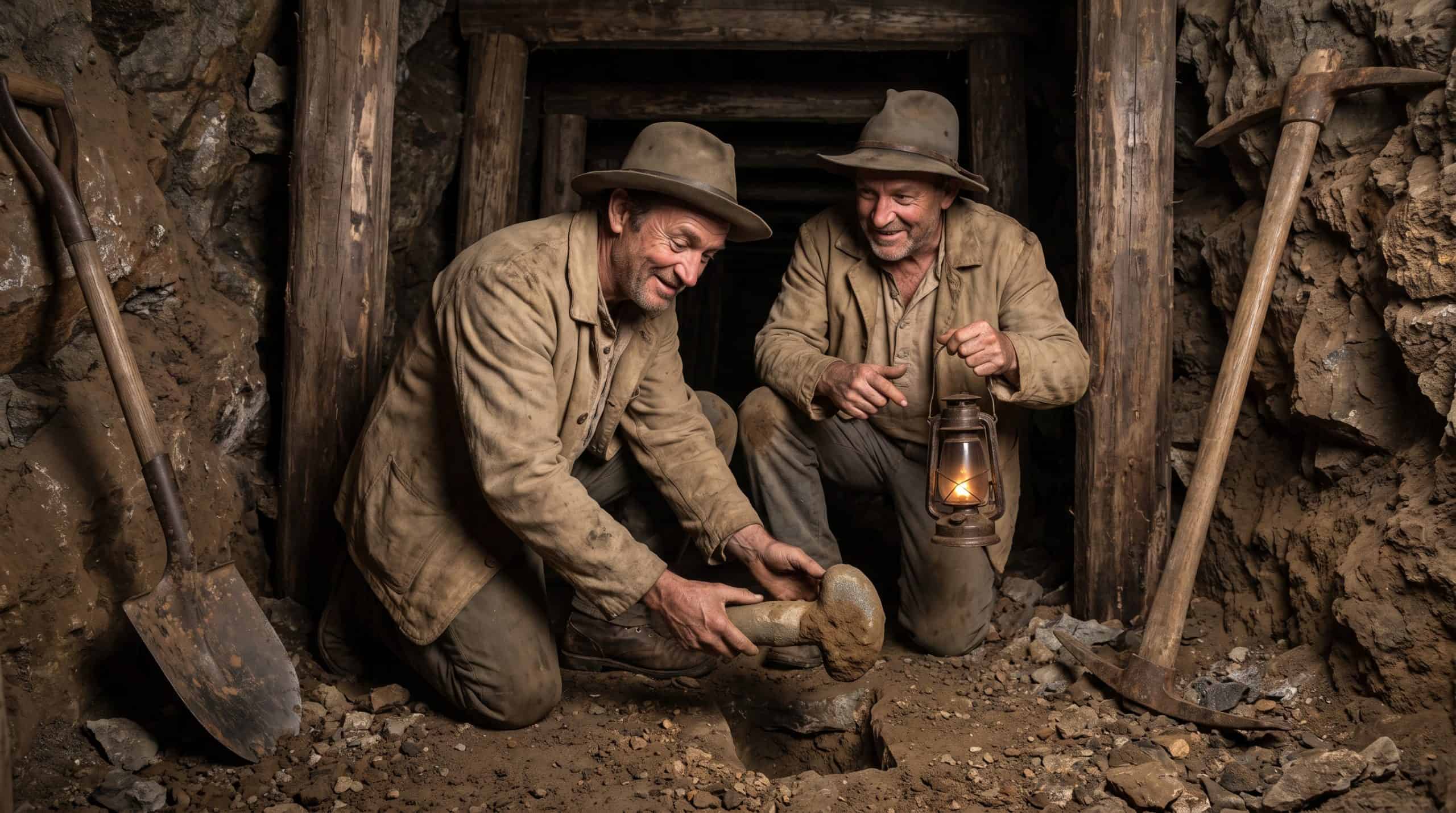
That’s not all for skulls. The Calaveras Skull supposedly came from deep inside a California gold mine in 1866, right under ancient volcanic deposits. It was proof humans had lived in North America way earlier than most scholars believed.
But that was all a lie. Miners revealed that they’d taken a Native American skull from a burial place and planted it in the mine as a joke. They’d put it near some ancient animal remains to make it seem really convincing.
Piltdown Man
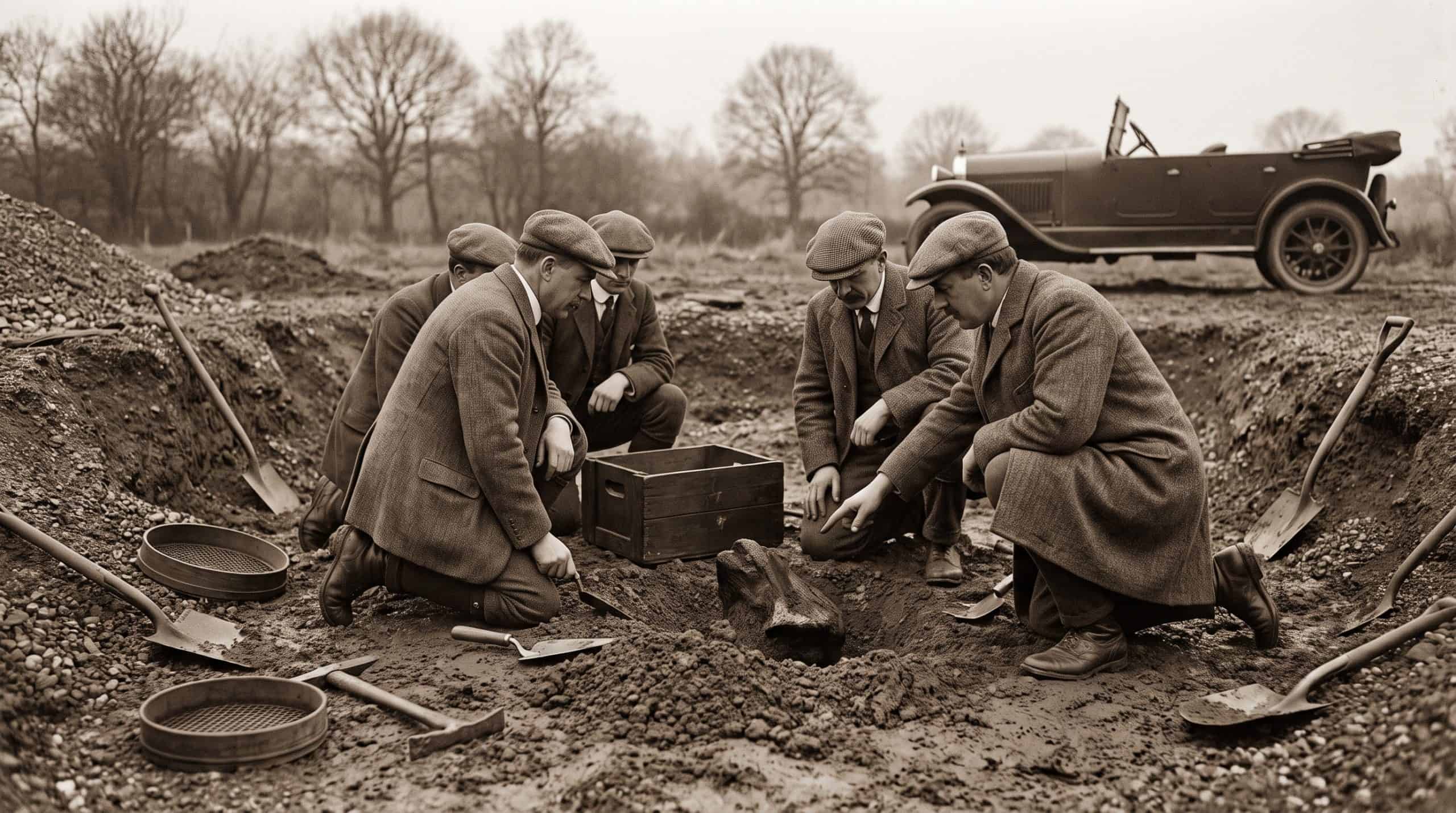
One of the reasons why scientists bought into the Piltdown Man was that it seemed to solve a problem they were desperate to solve. It started in 1912, when Charles Dawson brought forward skull pieces from England. These seemed to show a human braincase with an ape-like jaw.
In other words, it seemed to be the missing link between humans and apes. Convenient, yes, maybe a little too convenient, in fact. It took decades for the truth to come out, but it finally did in 1953 after testing. The skull was human, but the jaw came from an orangutan, and the teeth had been filed. The bones themselves weren’t even that old, they’d just been stained.
Shinichi Fujimura’s Japanese Paleolithic discoveries
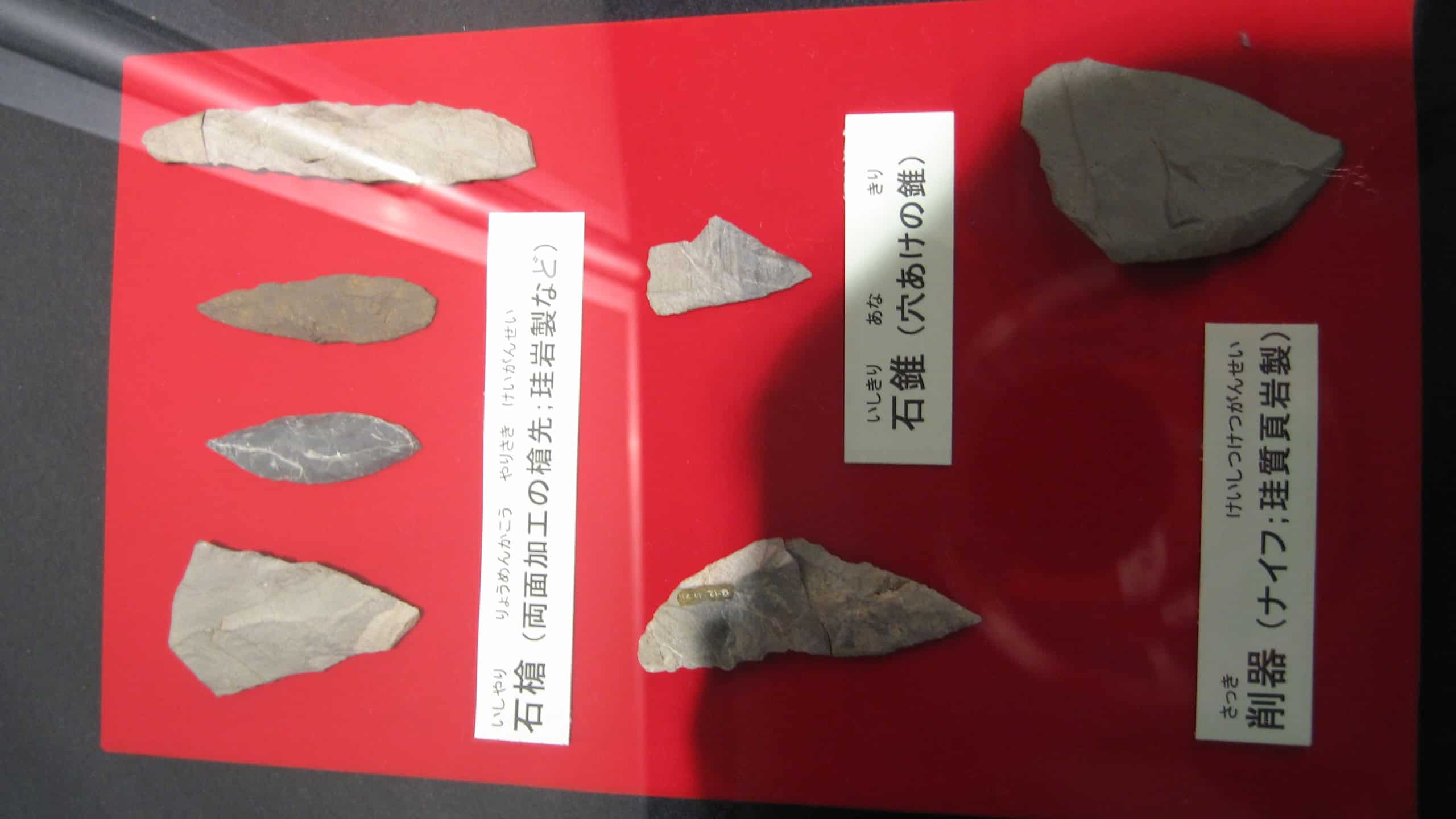
He had a gift. That’s what it seemed like, Shinichi Fujimura seemed to have a gift for finding ancient tools, and his supposed discoveries pushed Japan’s human past back hundreds of thousands of years. People began calling him ‘God’s Hand,’ it was that serious.
Except, he didn’t really find anything. Reporters from the newspaper Mainichi Shimbun hid cameras near an excavation. They filmed him burying artifacts before the digging began, and it didn’t take long for Fujimura’s ‘discoveries’ to collapse.
The Etruscan terracotta warriors

The Etruscan terracotta warriors were such an incredible find that they were in the Metropolitan Museum of Art for many years. They were huge and painted, as well as broken in places that seemed to be believable. They were also, you know, ancient, apparently.
But some experts never liked the style and had doubts about the pieces for years, and that’s why they performed technical testing on them. Turns out, they were built using modern production methods. Italian sculptor Alfredo Fioravanti later confessed that, actually, he’d made them.
The Vinland Map
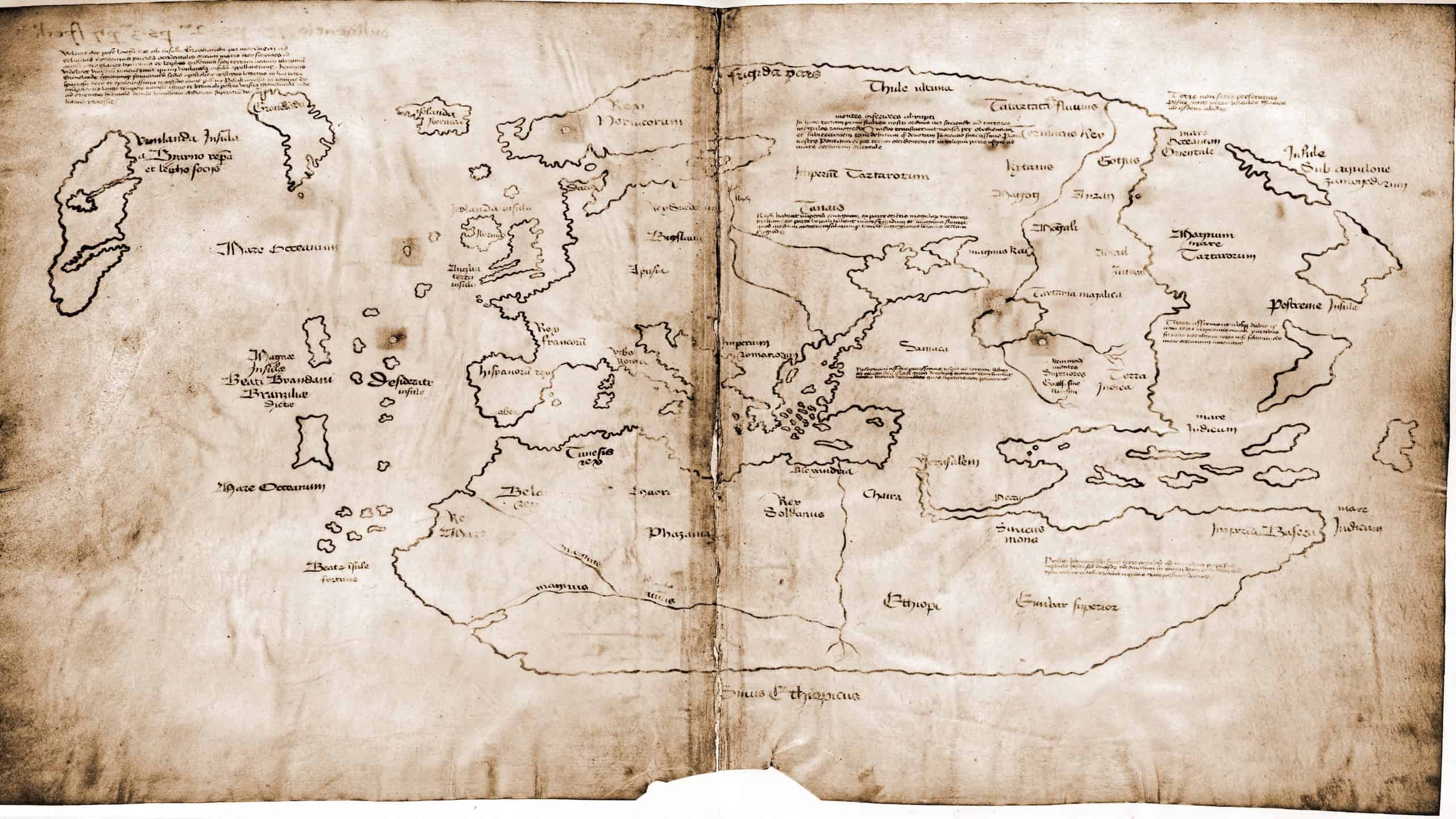
In 1965, Yale University announced the discovery of something called the Vinland Map. It was the kind of document that’d rewrite a textbook because it seemed to show that Europeans knew about North America before Columbus. In fact, they’d known about it during medieval times.
At least, that’s what people believed, the truth was nothing like that. Testing showed the ink included anatase, a chemical linked to modern pigments. They’d also found signs the lines had been drawn to imitate an older age.
The Newark Holy Stones

It’s no surprise that the Newark Holy Stones got people’s attention. They were essentially stones found inside an Ohio mound, and they had Hebrew writing on them. They were ‘found’ during an extra special time in America.
It was when some Americans really wanted to credit ancient visitors with building stuff in the region, not Native people. But then researchers looked a little closer and noticed something wrong. The inscription used modern Hebrew with obvious mistakes, and it was revealed that the stones had been planted.
The Michigan Relics
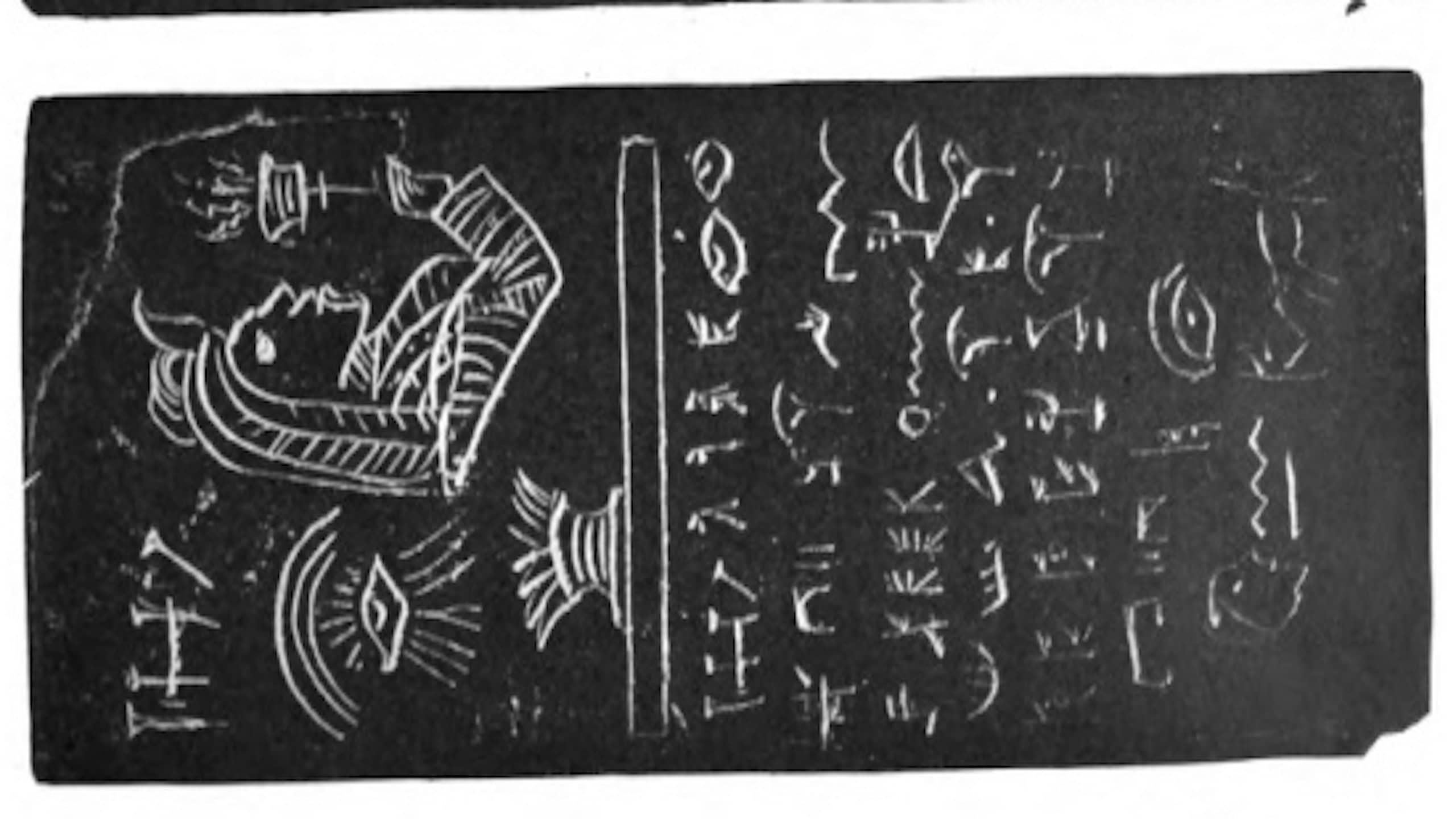
Michigan was an exciting place to be during the 1890s, if you were an archeologist, that is. All sorts of supposed ancient objects kept turning up. Tablets, figurines, tools, religious scenes, strange writing, you name it, it was there.
It included Egyptian-looking figures next to biblical imagery, giving promoters ‘evidence’ that Old World settlers had once lived in the region. There were claims that they were fake right from the start, but these were ignored. Later examinations proved the tool marks were modern, however.
The Tucson Artifacts
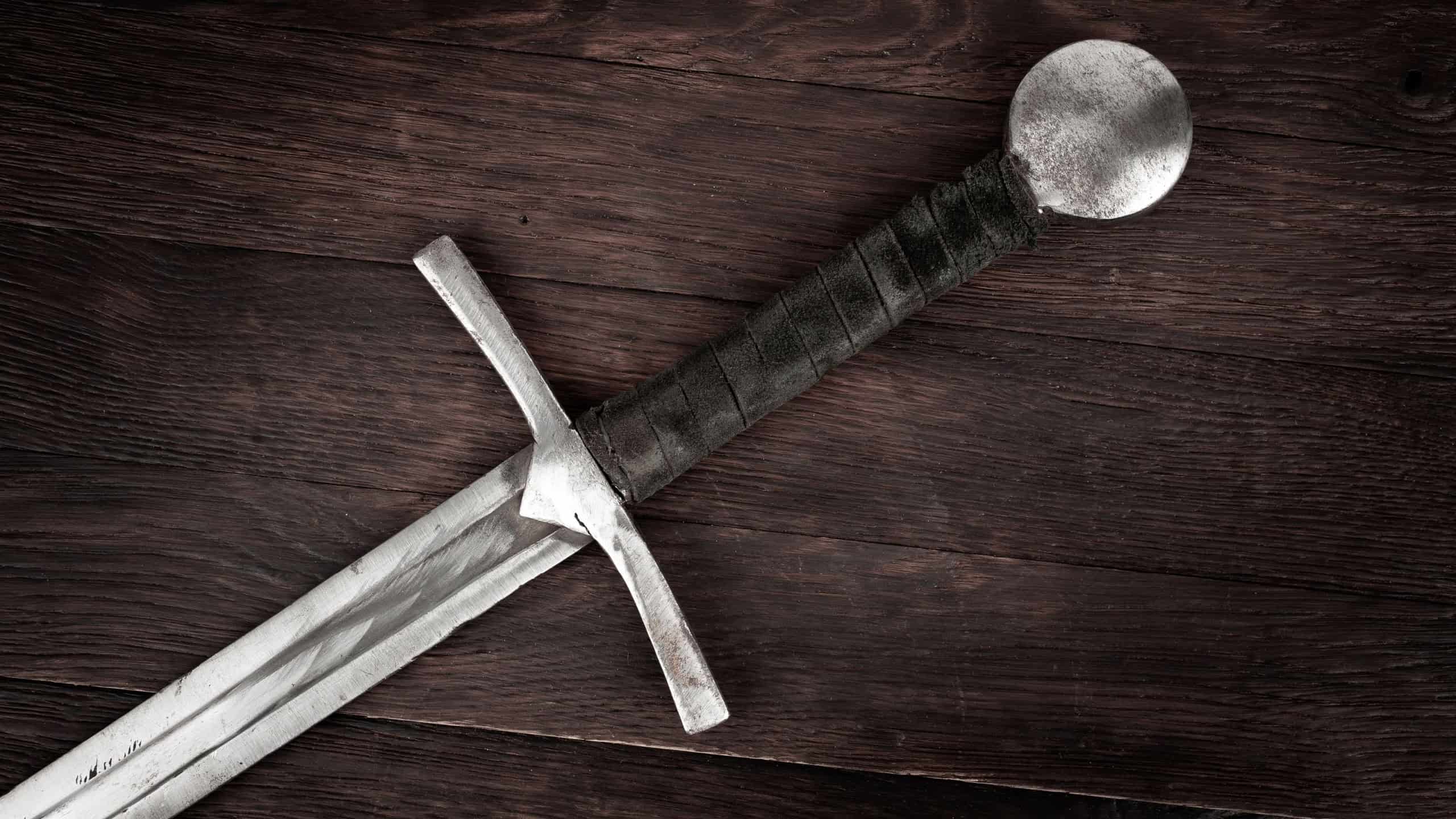
Charles Manier began uncovering lead crosses and swords near Tucson in 1924. These items were covered in Latin and had inscriptions describing a Roman-style colony called Calalus. They even had details about battles and dates from the eighth and ninth centuries.
The thing is, though, the Latin was all off, as it included wording from books that didn’t exist before 1864. The site also had no homes or pottery. There were no graves or food waste, either, basically no other normal settlement signs.
The Tiara of Saitaphernes

Two hundred thousand francs in 1896 is around $1 million today. It’s a lot of money, yes, but the Louvre was happy to pay that for a gold tiara owned by a Scythian king named Saitaphernes. The story goes that residents of ancient Olbia, Ukraine, gave it to the king.
Some scholars weren’t buying it, though, because the decoration included way too many different styles. There’s also the fact that the gold showed remarkably little age. It wasn’t until 1903 that Odesa goldsmith Israel Rouchomovsky explained that he’d made it for a customer.
The Davenport tablets
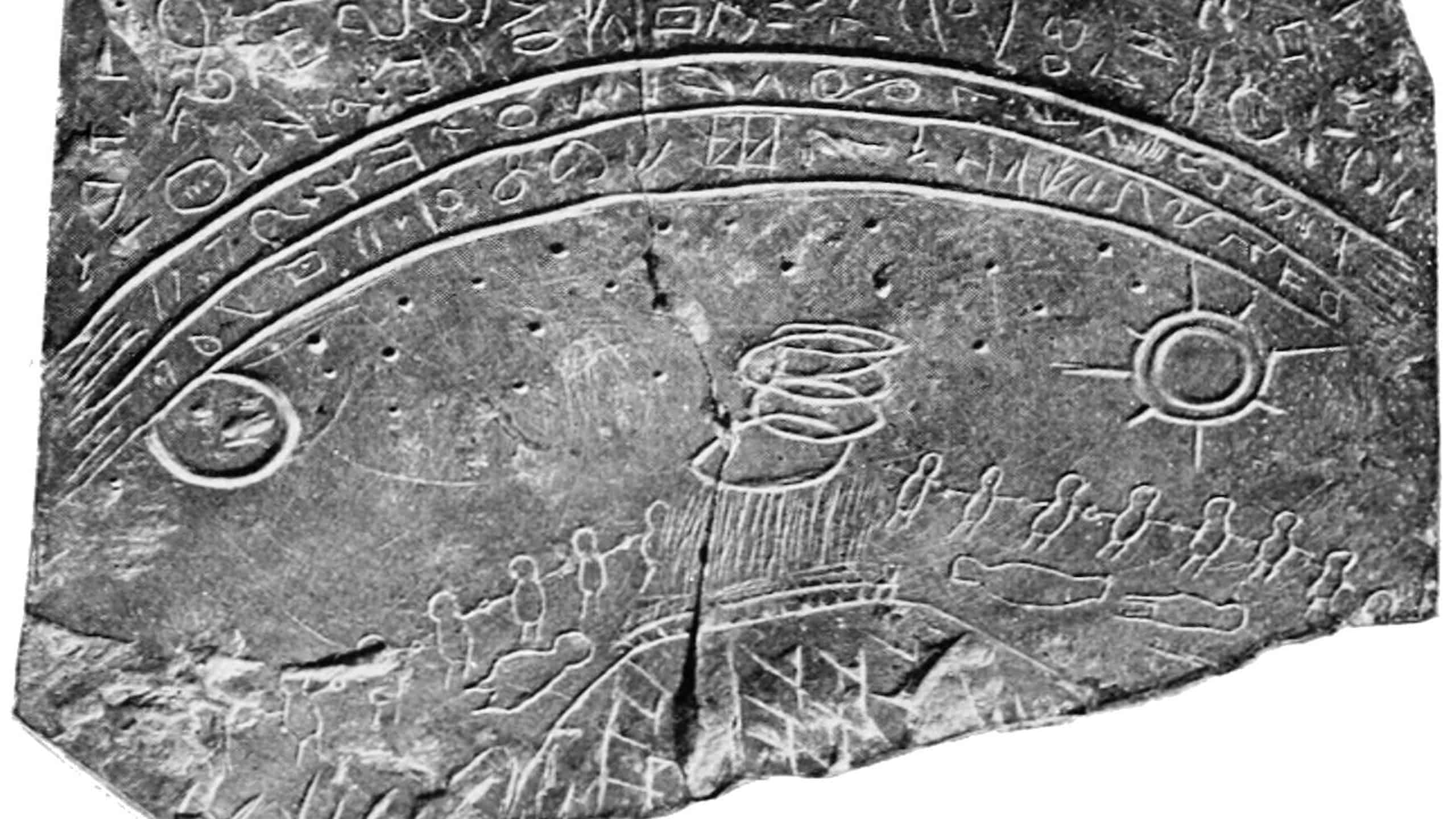
An elephant in an ancient Iowa mound sounds completely fake. But people in the 1870s believed it was real. The Davenport Academy discovered engraved slate tablets during excavations that featured the elephant, along with other animals and a cremation scene.
It seemed to prove the theory that overseas visitors had come to America long ago. Smithsonian investigators didn’t buy it, though, and they conducted their own tests. They discovered fresh-looking cuts and a circle drawn with a steel compass. So they were fake.
The Veleia inscriptions

It didn’t take that much time for things to become messy at Iruña-Veleia in Spain. Researchers announced in 2006 that they’d found over 400 pottery fragments. These had early Basque words and Egyptian names on them, along with a Roman-era crucifixion image.
Pretty good collection. They supposedly came from ancient layers, and lots of people took the writing seriously. But then language experts spotted some mistakes, like modern Basque and incorrect Latin. Excavation director Eliseo Gil was convicted of fraud in 2020.
Sources: Please see here for a complete listing of all sources that were consulted in the preparation of this article.
13 bizarre archaeological finds that mainstream history refuses to explain

Some archaeological discoveries fit neatly into history books, while others continue to spark debate among experts.
13 bizarre archaeological finds that mainstream history refuses to explain

