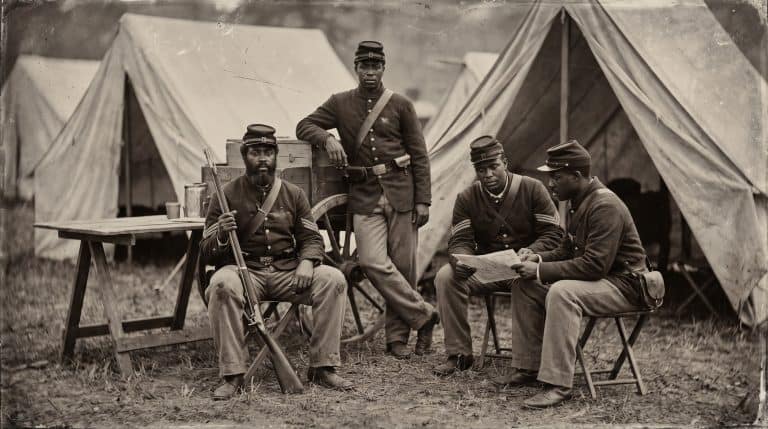

The Civil War produced plenty of famous names, but there are some war heroes that never got the praise or attention that they deserved, despite how bravely these people fought.
Robert Smalls
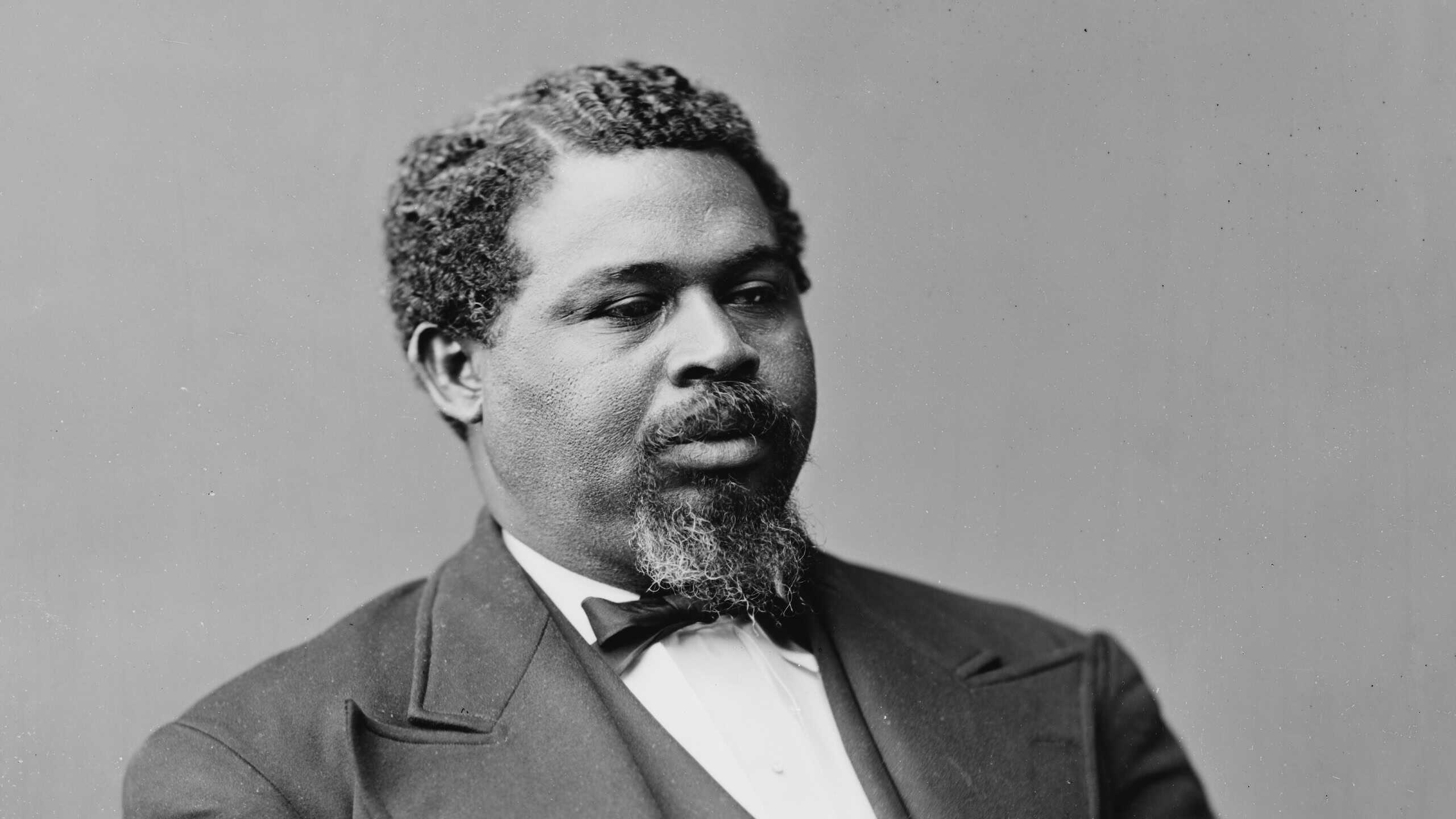
Robert Smalls wasn’t the kind of man to wait for permission to become free. He, along with several other slaves, took control of the Confederate transport Planter at dawn on May 13, 1862. It was the perfect moment to strike because its white officers were ashore in Charleston.
Smalls collected their families, bringing the total to 16 people aboard. Then, he guided the ship past armed checkpoints, wearing the captain’s hat while he did it. He even used the correct signals near Fort Sumter, he was that good. It’s thanks to Smalls that President Lincoln decided to allow black soldiers to join the Union Army.
William H. Carney
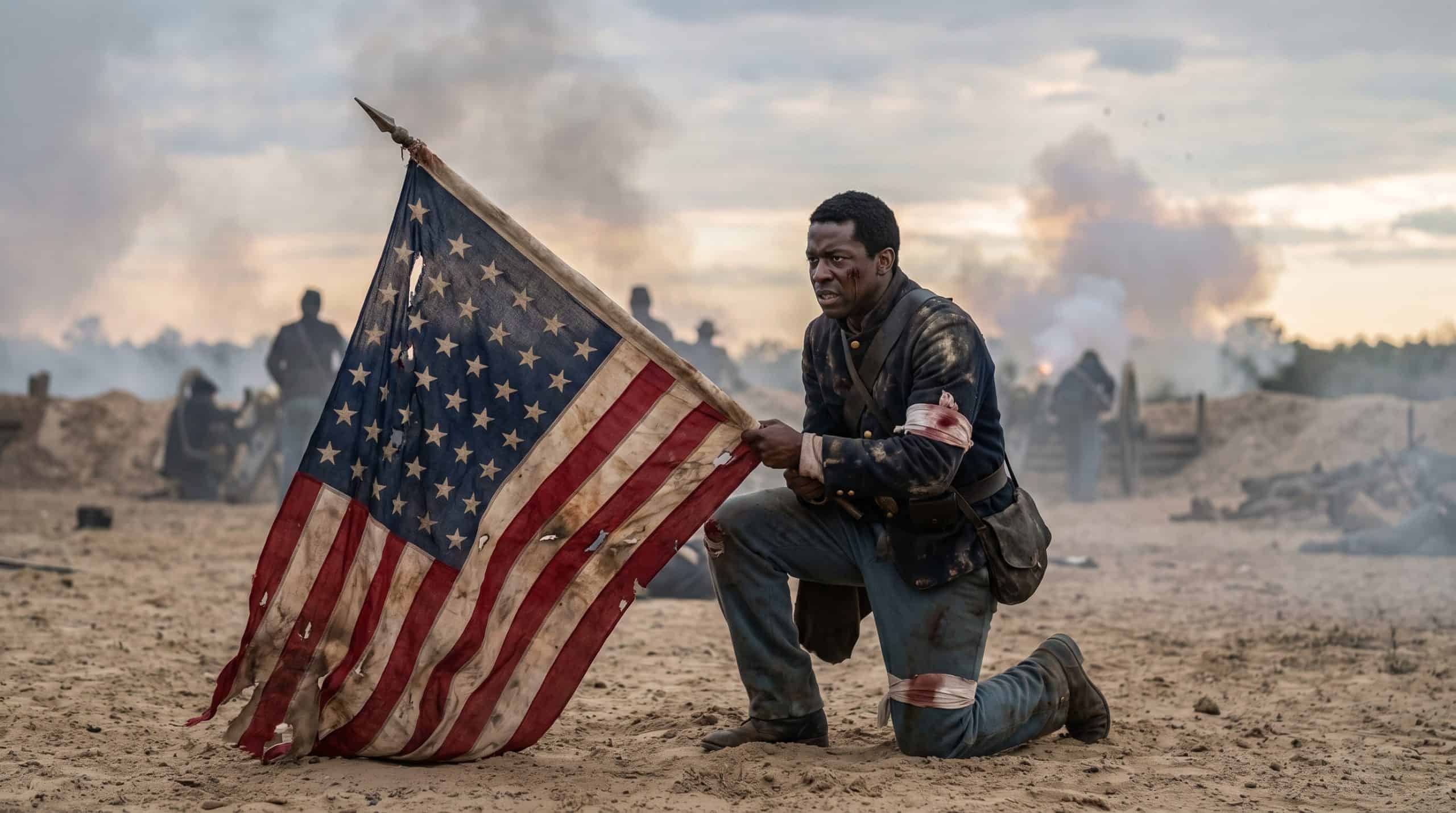
The flag was almost on the ground. But William H. Carney, the patriot that he is, decided to reach it during the 54th Massachusetts Infantry’s attack on Fort Wagner on July 18, 1863. He made sure to rescue the American flag while bullets and artillery fire came down around him.
Carney didn’t care that he’d already been badly wounded twice. All that mattered to him was bringing back the colors during the retreat, and that’s exactly what he did. He was such a hero that he became one of the earliest African Americans to earn the Medal of Honor. What a guy.
André Cailloux
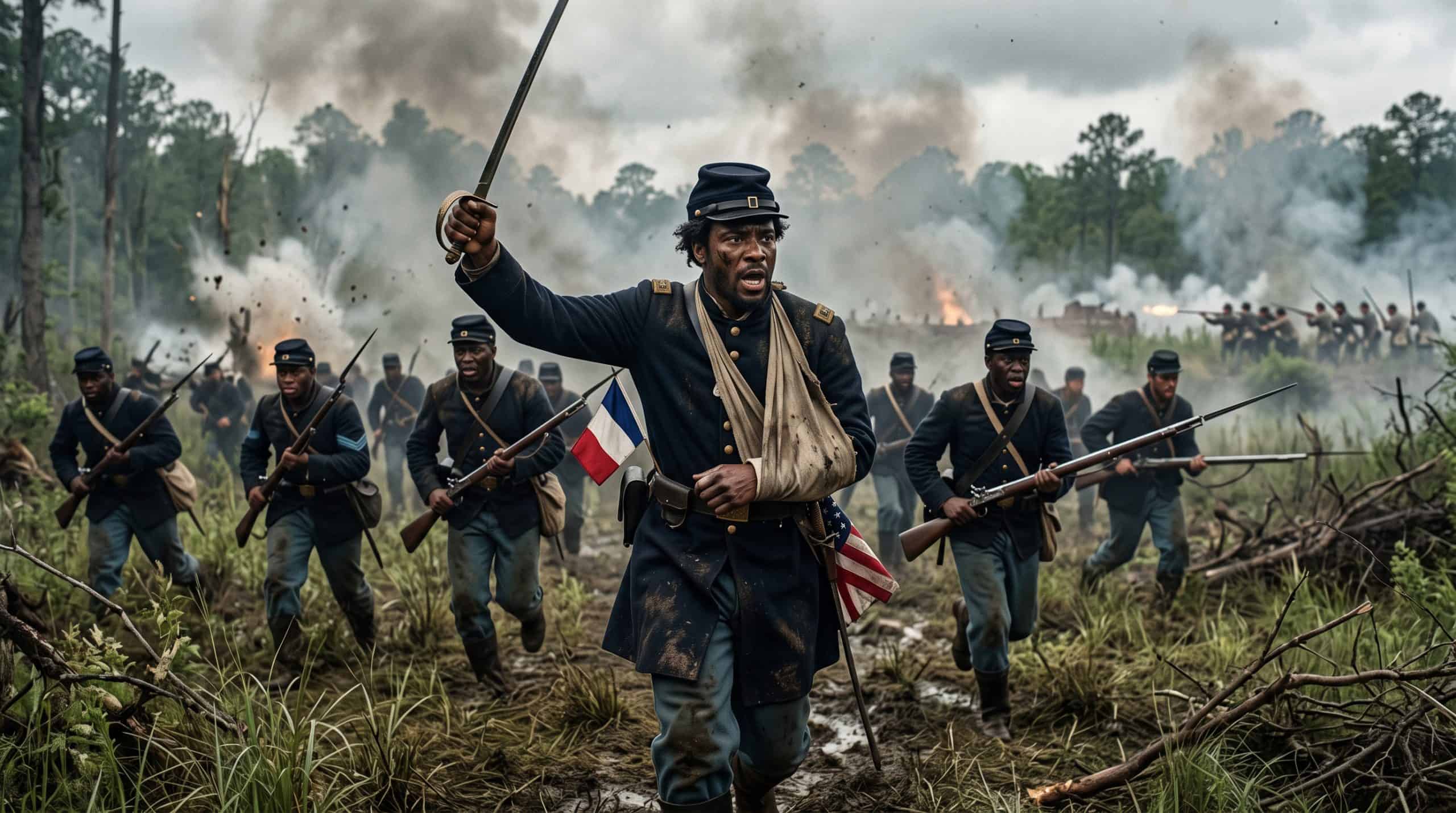
You’ve got to be pretty fearless to head straight into an attack. That’s exactly what Captain André Cailloux did, though, he led his men straight into an attack at Port Hudson on May 27, 1863. Such an approach left his men exposed to Confederate artillery and rifle fire.
Yes, that’s as dangerous as it sounds, yet Cailloux refused to give up. Even an arm injury couldn’t stop him, he just kept directing the advance. Then an artillery shell killed him. It took 47 days to recover his body, but when that happened, thousands joined his funeral procession through New Orleans. He was a hero by every sense of the word.
Alexander Thomas Augusta

The University of Pennsylvania rejected Alexander Thomas Augusta, but still, he didn’t give up. He chose to study medicine in Toronto instead, and then the Union Army commissioned him as a surgeon. He became the first Black doctor commissioned in the U.S. Army.
Augusta was in charge of Washington’s Contraband Hospital. Slaves and soldiers, he helped them alike, and he went to serve with the 7th U.S. Colored Troops. That’s not all, though, because he also challenged unequal pay and discrimination against Black medical officers.
Martin R. Delany
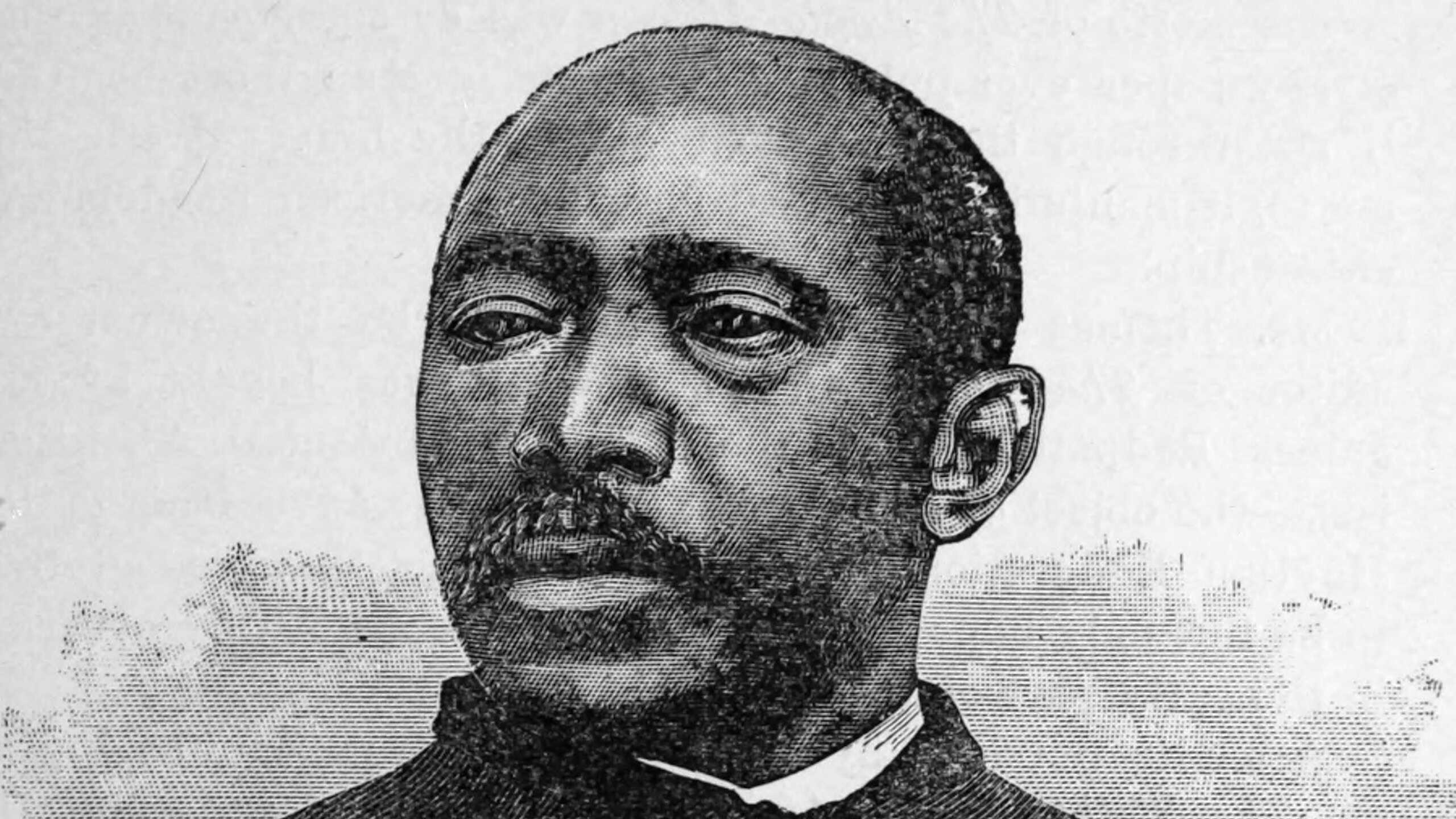
Martin R. Delany met President Lincoln at the White House in 1865. It was a meeting for the history books. Delany received a commission as a major shortly after and became the first Black field officer in the U.S. Army.
That was a pretty major position, as he was above white company-grade officers. This was a time when Black soldiers were usually commanded by white men, so it was kind of a big deal. He went to South Carolina to perform his duty.
Susie King Taylor
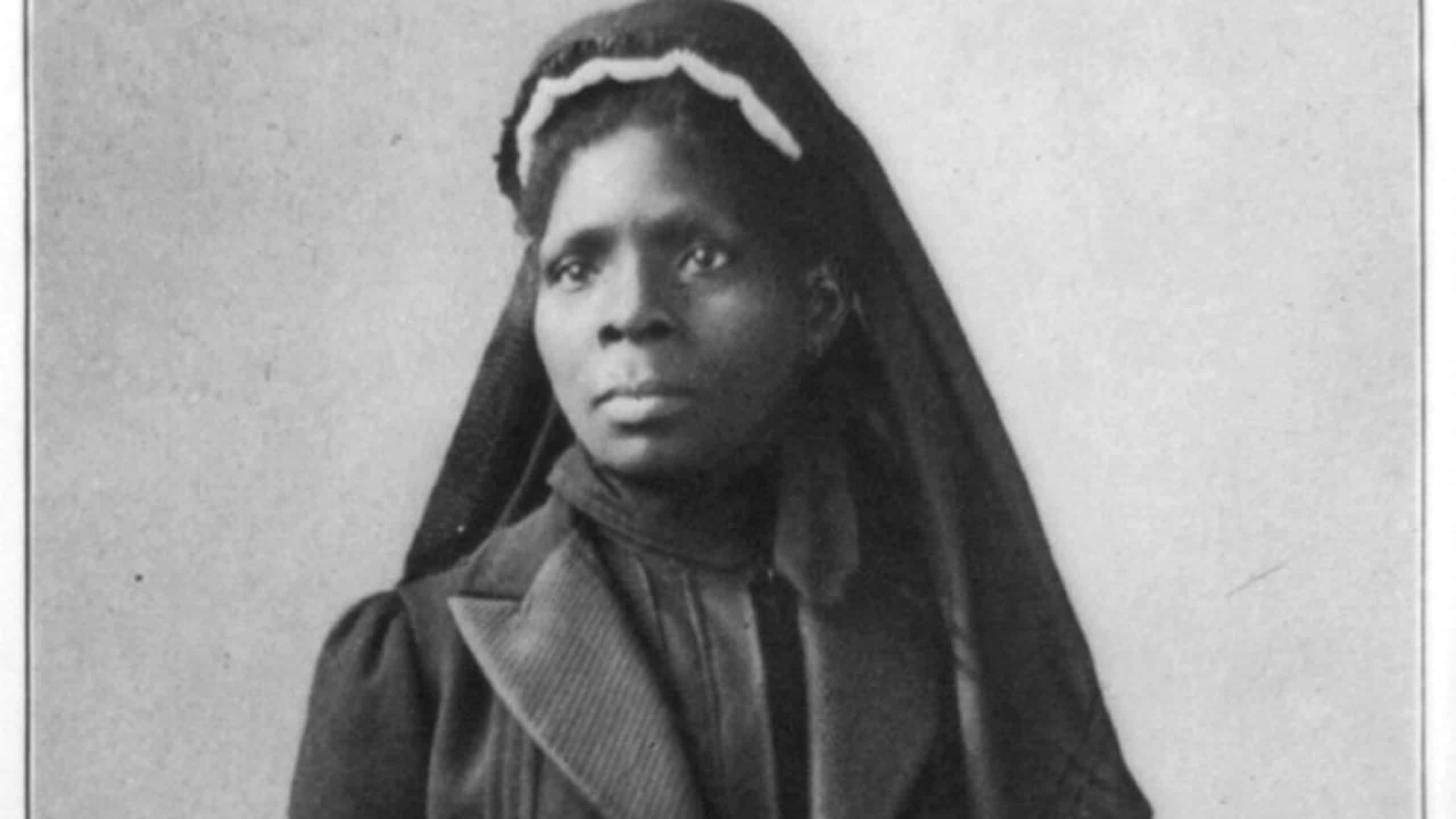
Not all Civil War heroes were men, even though women weren’t allowed to serve on the front lines. Just look at Susie King Taylor, for example. She was only 14 when she reached Union lines in 1862, but she soon began teaching former slaves to read.
Taylor later traveled with the 1st South Carolina Volunteers and did all sorts of things. Nurse, teacher, cook, laundress, she did it all, without ever stopping. Taylor was never actually paid for her work, though.
Christian A. Fleetwood

Christian A. Fleetwood was another man who fought for the flag, literally. The flag of the 4th U.S. Colored Troops kept falling at Chaffin’s Farm on September 29, 1864, pretty much because the soldiers were being shot. Fleetwood knew what he had to do.
He picked it up. He carried it through the rest of the battle in an almost fearless way. Fleetwood later wrote about how 11 of the 12 men assigned to protect the colors had fallen around it. He received the Medal of Honor on April 6, 1865. Deserved, really.
Powhatan Beaty
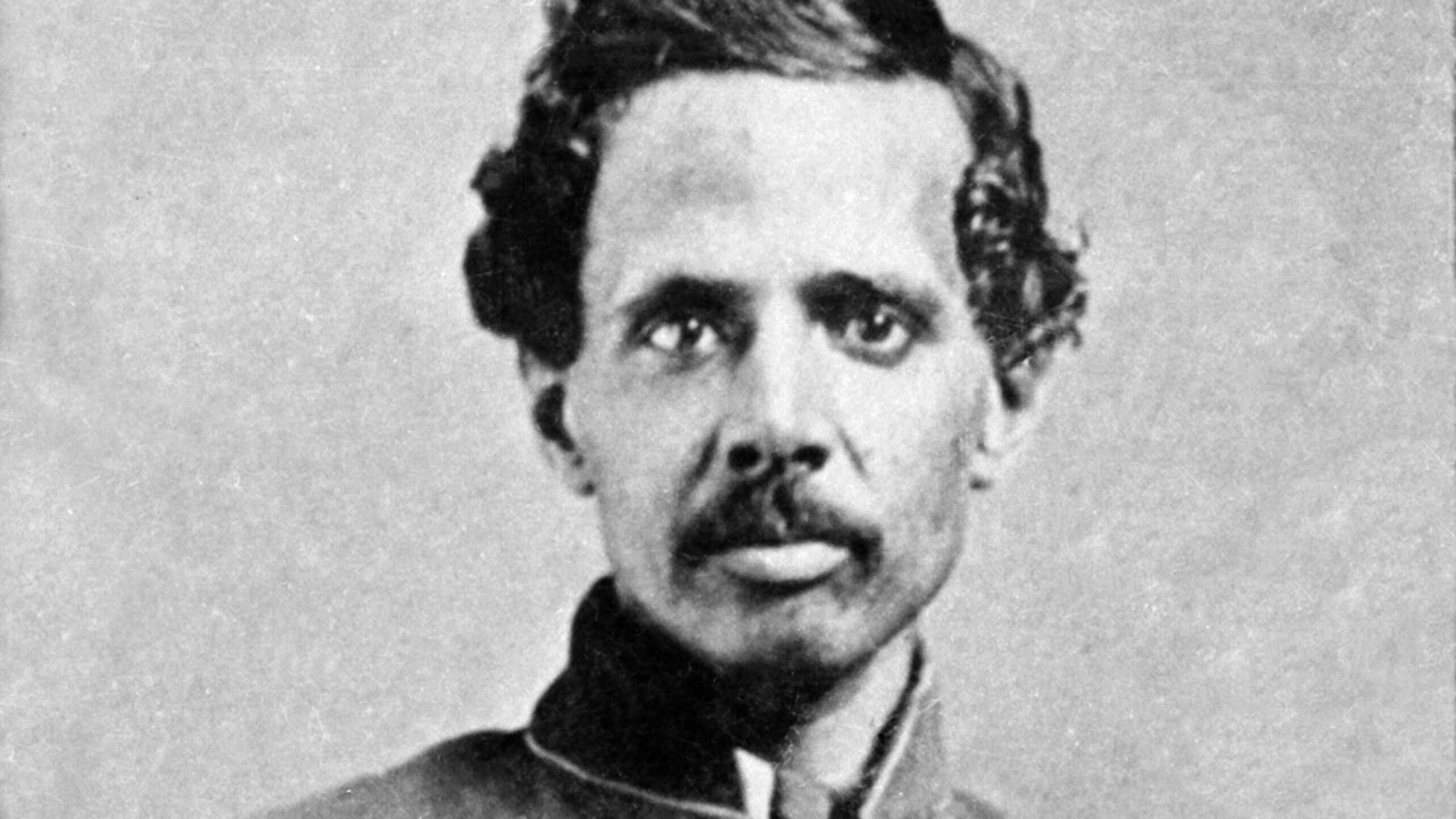
That’s not all for Chaffin’s Farm. Things went very badly, very quickly for Company G of the 5th U.S. Colored Infantry there, as every commissioned officer was killed or wounded on September 29, 1864. It seemed hopeless. But not for First Sergeant Powhatan Beaty, of course.
He took command and led his troops through the fighting. He could’ve waited for another officer to appear, sure, but he chose to keep fighting instead. Beaty received the Medal of Honor in 1865 for his work. Now that’s an achievement.
Milton M. Holland
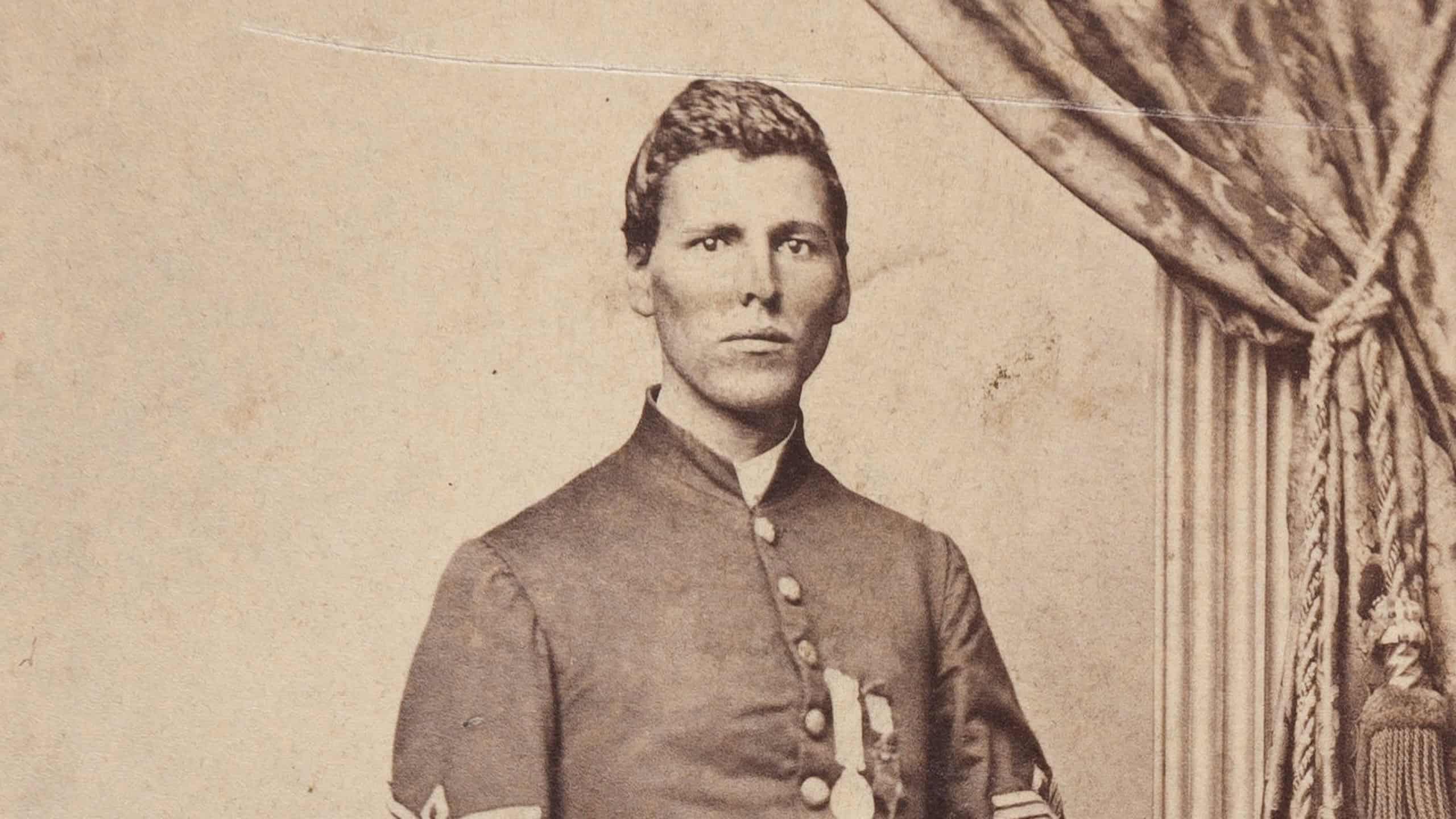
18 years old. That’s how old Milton M. Holland was when he joined the Army, just 18 years old, and he was only a shoemaker. Like Beaty, he helped lead the soldiers at Chaffin’s Farm and took them through heavy fighting.
His work was so impressive, in fact, that General Benjamin Butler ordered him to be promoted to captain afterward. But the War Department refused, simply because Holland was Black. He eventually got the Medal of Honor in 1865, just without the commission.
Robert Blake

Robert Blake was called ‘contraband’ when he reached Union forces, and that basically meant he was an escaped slave. But he let his actions speak for themselves. Confederate artillery attacked the USS Marblehead near Legareville, South Carolina, on Christmas morning in 1863.
Blake stayed at the ship’s rifle gun while the crew answered fire, and Confederates eventually left behind a gun. He was such a fierce soldier that he made Confederate forces flee. He later became the first African American presented with the Medal of Honor.
John Lawson
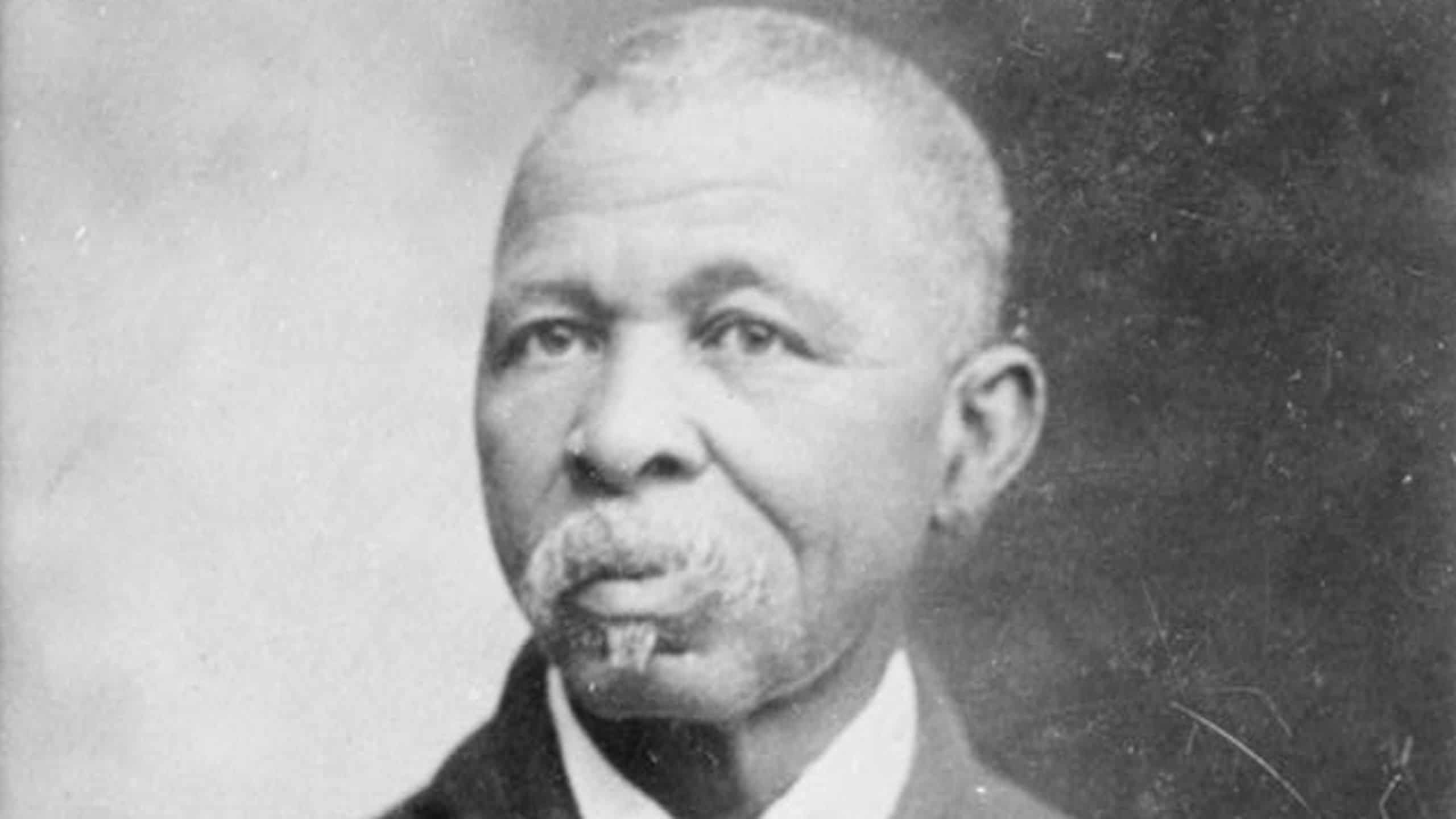
A Confederate shell hit the USS Hartford at Mobile Bay on August 5, 1864. Six men beside John Lawson were killed or wounded, although Lawson didn’t escape the blast, either. His leg was badly injured, and he was knocked out. Then he woke up.
He went right back to carrying ammunition to the guns as soon as he was conscious, despite the fact that officers told him to go below for treatment. But no, he stayed put and worked through the rest of the battle instead. It’s no surprise he got the Medal of Honor later that year.
James H. Harris
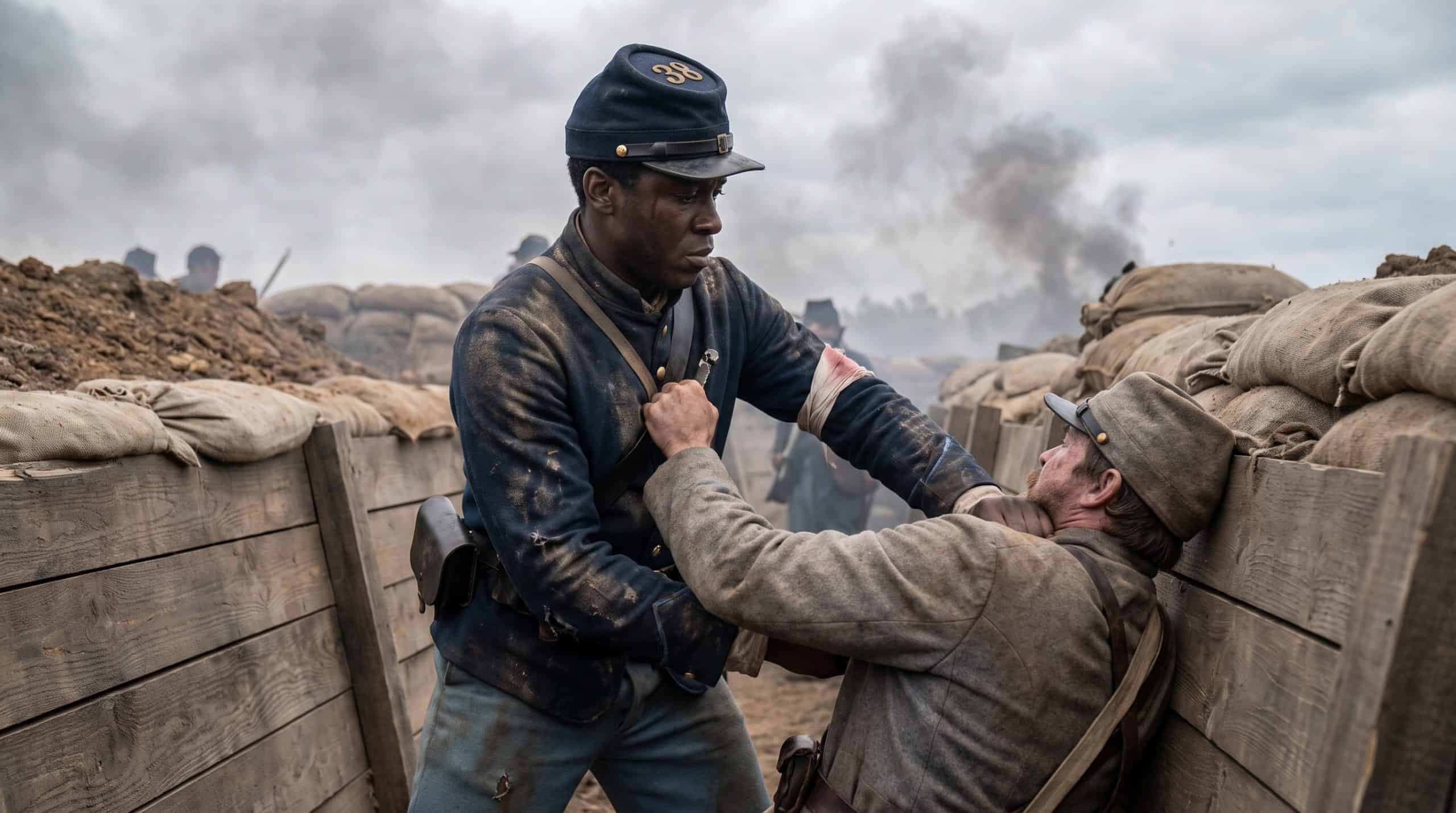
James H. Harris was awarded the Medal of Honor for ‘gallantry in the assault.’ But really, his work was way more impressive than that. He advanced with Company B of the 38th U.S. Colored Troops against Confederate defenses near Richmond at New Market Heights.
Harris fought in hand-to-hand combat and was wounded during the battle in 1864. He returned to duty on November 1 and remained in the Army until 1867, but it took a whole ten years for him to actually receive his medal for bravery. Better late than never.
Sources: Please see here for a complete listing of all sources that were consulted in the preparation of this article.
7 unsolved enigmas from World War II
While World War II might’ve ended many decades ago, there are still some incredible mysteries from it that we have yet to solve, all these years later.


