

Americans often find themselves paying for and dealing with things that Europeans don’t even have to think about, and some of these things are a real issue.
The insurance countdown
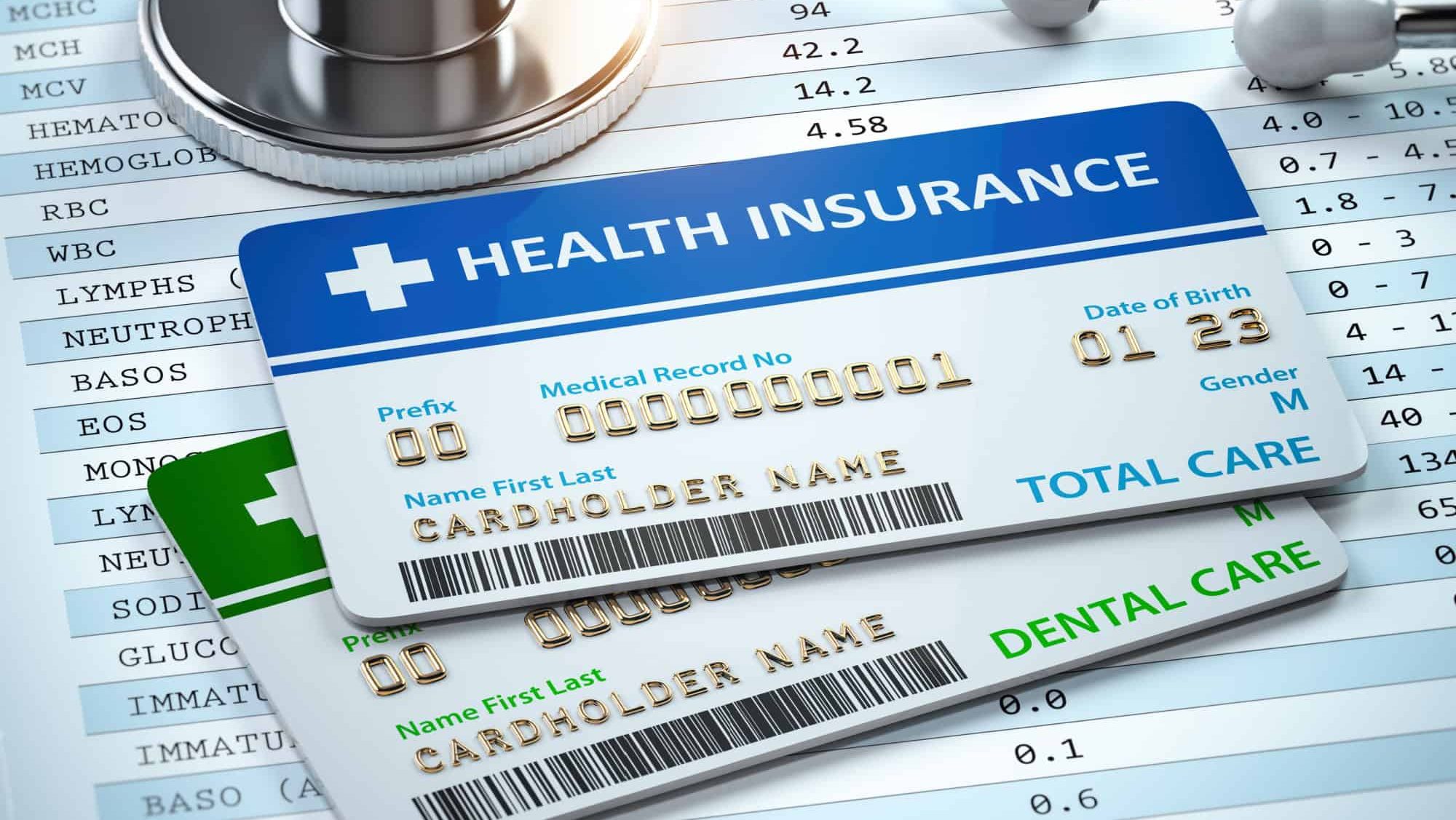
Getting fired is stressful for anyone, no matter your nationality, but it’s especially worse when it happens to an American. It could mean that you lose your health insurance. Yes, the truth is, losing your job opens a whole can of worms that Europeans don’t have to think about.
They don’t have to worry about their next doctor’s appointment while dealing with losing their job. There are systems in place, like COBRA, to make things a little easier over here. But it’s still a problem that most Europeans will never have to deal with.
The unexpected final day

Speaking of being fired, most Europeans are used to receiving some kind of notice period if they lose their jobs because, well, that’s the law. Not in America, however. At-will employment laws mean that your boss is legally allowed to fire you without warning or a specific reason.
There are some exceptions to this, and some contracts will give you extra protection. Yet it’s a fact that, in most of America, your ordinary day at the office could become your last one very quickly. Europeans have far more employee protections, saving them from that.
The bill after treatment

Having health insurance and having your medical bills paid aren’t the same thing in America. You could visit the hospital with the belief that you’re covered, yet a few weeks later, you might receive a bill saying otherwise.
Perhaps you didn’t meet your deductible. Perhaps the doctor was outside your insurance network.
Either way, it’s a uniquely American problem that paying for insurance doesn’t mean being entirely covered for your healthcare. A lot of European countries have public health programs, so they never have this issue.
The expensive ride to the hospital

Even calling an ambulance is more of a challenge in the United States than in Europe. Americans have to consider whether they can afford to pay for an ambulance ride, as their coverage might not include the provider.
It’s not something Europeans ever need to think about. They know that they’ll be covered when they go to the hospital, so the question of whether or not to call 911 isn’t something they’ll have to face.
The classroom lockdown

Emergency drills happen in every school, but American schoolchildren have to go through a special kind of drill that occurs nowhere else. Yes, they’re active shooter drills. Kids of all ages have to practice what they’d do if someone entered the school with a gun. That’s a real risk here.
The chances of an active shooter are a lot lower in European countries, although they’re not non-existent. The emergency drills they go through tend to be for things like fires or natural disasters instead.
The invisible neighborhood boundary

American parents have to face a rather unique challenge when they’re going to buy a home. They have to make sure their new home fits into the right school attendance zone, or else their children might end up in a worse school.
Two houses a few streets apart can be in completely different school zones. That’s why American parents will occasionally pay a premium to live in an area with better schools. School catchment areas do exist in Europe, yes, but they’re nowhere near as drastic as those in America. There are several ways to bypass or request exemptions there.
The paycheck that depends on strangers
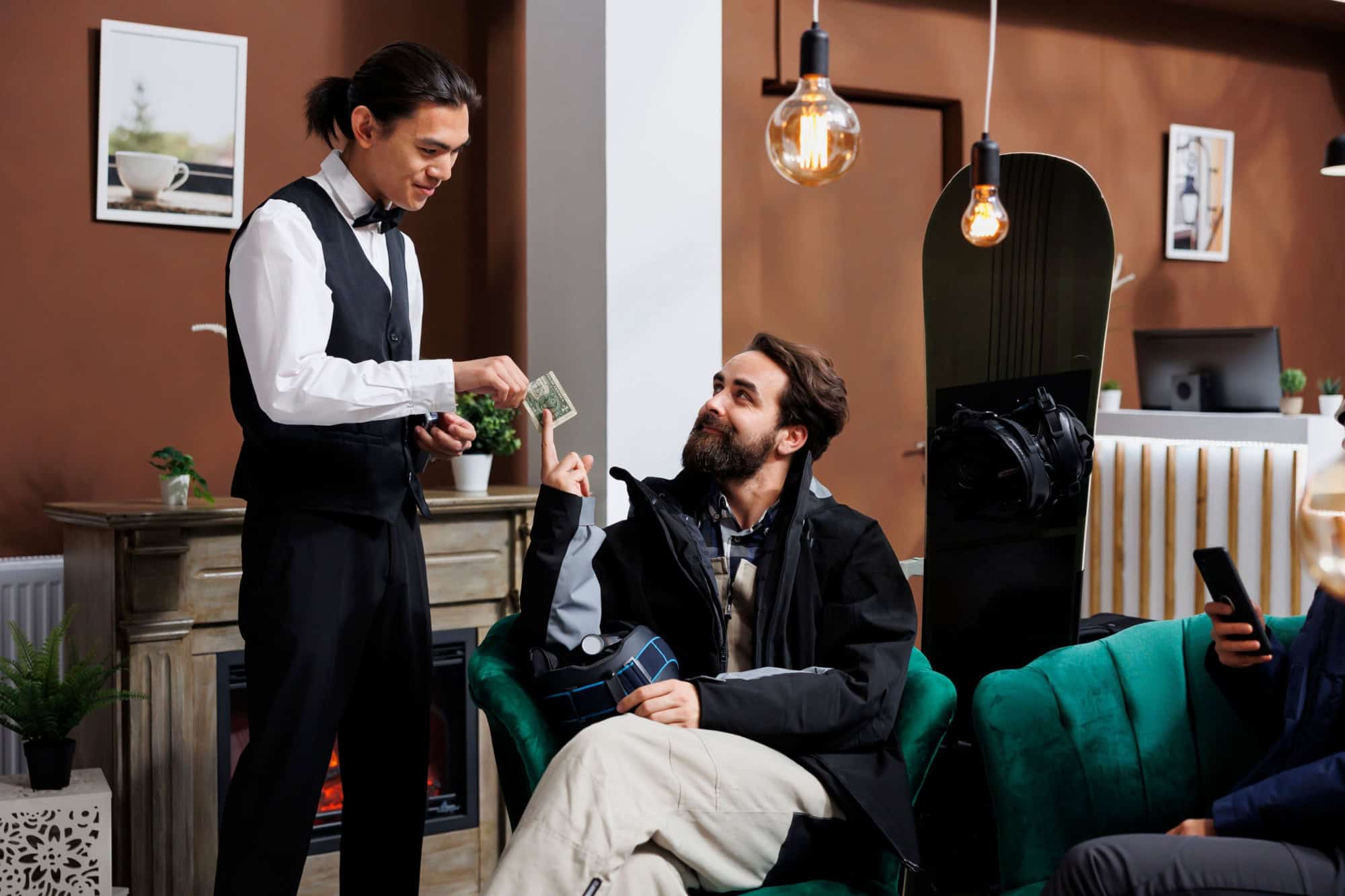
It’s no secret that tipping is a hassle for customers in America. But most Europeans have no idea what it’s like for the worker. Federal law in America means that some servers might receive a mere $2.13 an hour from their employer, so they rely on tips for the rest of their earnings.
European servers might get commission, sure, but they won’t be as dependent on tips as servers are over here. It’s a uniquely American problem, and they don’t understand what it’s like.
The price tag that isn’t final

You might see that an item’s label says it’s $20, but when you get to the cash register, the price will likely be a little higher. It’s all thanks to sales tax, which gets added on later. Sales tax does exist in Europe, but the difference is that it’s shown on the displayed price.
The extra amount you’ll have to pay in America depends on where you shop. Different states and counties, even different cities, can have different rates. There’s also the fact that some products are exempt from sales tax, and that only makes the problem more complicated.
The neighborhood rulebook

You can’t exactly paint your front door whatever you like in the U.S., nor can you water your yard when you feel like it. No, many American homeowners have to get permission first from their HOAs. These organizations have some pretty strict rules.
Failure to follow the rules often means having to pay a fine, and HOAs can place liens on properties that fail to pay in time. But HOAs aren’t really a thing in other countries, so the only rules you have to follow are those from the local government.
The property taken without a conviction
One problem nobody wants to deal with involves civil asset forfeiture laws in America. In other words, you can be charged with a crime and lose your possessions if the police believe they’re connected to illegal activity. It could be cash or your car, perhaps your property.
It’s not like you need to be convicted of a crime, either, as the police are entitled to take your possessions regardless. Getting them back could involve dealing with the problem in court.
The truth is, European property confiscation laws are nothing like those in the United States. They rely a lot more on a crime being proven before assets can be taken. Even if certain exceptions exist, they are highly regulated.
The missing government paycheck

You’d think that the federal government would always pay its own employees on time, but there are times when that doesn’t happen. Government shutdowns can cause workers to miss out on payment until Congress and the president agree on funding again.
Workers are sent home in some cases, while others have to continue working without getting their regular payments on schedule. They can get their back pay once funding returns, though. But the whole issue is something that only really happens in America.
The school cafeteria balance

American kids have their own special set of problems, too. Any student who runs out of lunch money may fall into school meal debt, and these unpaid cafeteria bills can pile up to become quite high.
One survey found 847 school districts had around $19.2 million in unpaid meal charges. There are some states that have free school lunches for all, but outside of those, school meal debt is a real thing that’s not as big of a problem in Europe.
The meal that isn’t eligible

There’s a strange rule that anyone on SNAP food assistance has to follow, and it’s about what you can buy. Those on food stamps can usually only buy cold food, and any food sold hot has to come out of the person’s own pocket.
That means many Americans have to plan their grocery lists carefully, just to make sure they’re getting the food they’re entitled to. It’s not really a problem in Europe because their food benefit restrictions aren’t so strict.
Sources: Please see here for a complete listing of all sources that were consulted in the preparation of this article.
9 reasons why people in other countries think Americans are rude

Many Americans think they’re being friendly, but they’re actually annoying a lot of foreigners without recognizing it.
9 reasons why people in other countries think Americans are rude

