

Many Americans think they’re being friendly, but they’re actually annoying a lot of foreigners without recognizing it.
The suitcase problem

It starts with clothing. Try walking into parts of Europe in basketball shorts and a college hoodie. Nobody’s going to arrest you, sure, but they’re definitely going to notice you and judge you for it. Locals dress up a little. They’ll look nice, even when they’re going to buy some bread.
But Americans wear vacation clothes like they’re normal. It makes foreigners think they don’t care enough to try. Some tourist sites actually post clothing rules. It’s that big of a problem.
The invisible counter

Customer service is kind of theatrical in America. The staff checks on you constantly. They’ll refill your water every six seconds. They’ll apologize for things that you probably didn’t even notice, and it’s that treatment that foreigners can’t stand.
European waiters leave you alone on purpose. Hovering is annoying over there. For them, it’s rude when Americans act like the service workers are supposed to bend over backward for them.
The smile that lingers

We’re well-known for our constant friendliness. It’s not always a bad thing. However, it does make people uncomfortable in some countries because they’re not used to it all the time. How’s your day going? Your shoes look great. All that, before you’ve inserted your card.
People in other countries keep their distance a little more. Not because they’re cold. Their performance of friendliness is just different from ours, and they think our over-friendliness is exhausting. They think it’s fake.
The map in the head

It’s normal to ask questions abroad. But many people abroad are tired of hearing questions about stuff that’s completely normal to Americans only. Asking, ‘You don’t use dollars here?’ is rude. Asking, ‘You guys don’t have Target?’ is disrespectful.
It’s like Americans think their version of life is the standard. Every other country? It’s a modified, and wrong, version. But that’s not fair. People abroad get annoyed when Americans keep comparing things to our country.
The locked door

A pharmacy closes early on Sunday. Grocery stores close at 7 p.m. That’s genuinely confusing for Americans abroad because they’re used to getting everything all the time. You can’t blame us, really. We’ve got stores open practically 24/7.
But other countries don’t center life around convenience. The UK has strict Sunday trading laws for larger stores. Over in the European Union, retail hours are generally way shorter. They think it’s rude when we complain.
The noise gap

There’s one thing we hate. Like, really hate. It’s silence. Yes, anytime that the conversation stops for a few seconds, we’ll blurt out a random story to keep things going. Silence isn’t good. But over in places like Finland, they don’t think a lack of noise is awkward at all.
People sit quietly together. It’s not an emergency. The difference matters a lot because we keep rushing to fill any gaps in the conversation. We assume that silence shows the conversation’s failing. But it’s not.
The helpful fix

Americans hear a small complaint. We immediately start trying to solve problems. Whenever someone says they’re tired, we start telling them about the perfect treatment plan and sleep schedule. It’s rude to foreigners.
They weren’t asking for advice. No, they were only talking, and they didn’t want a solution. Going straight into solution mode feels nosy to them. It’s also a little bossy and weirdly intense.
The giant label
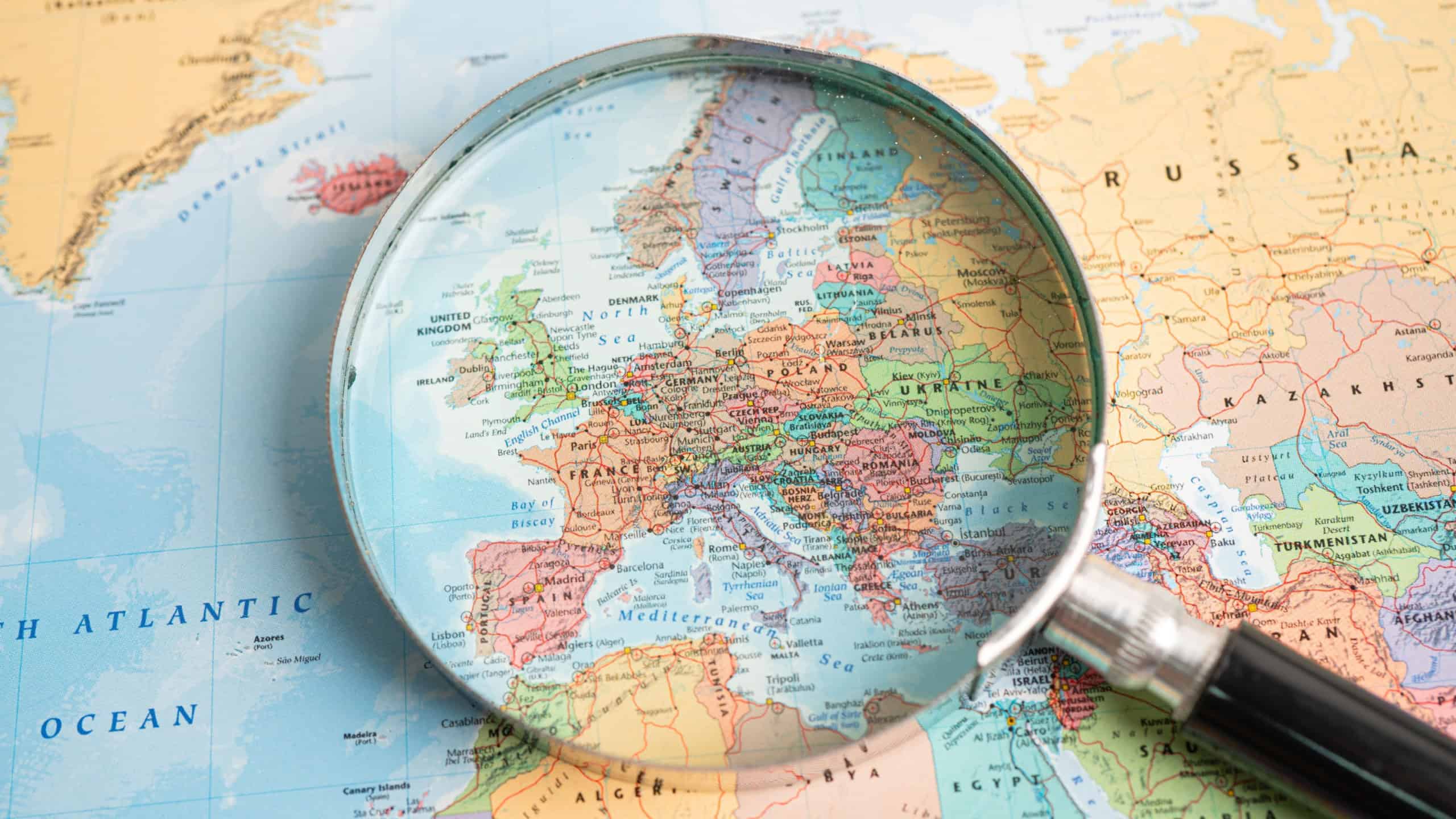
There’s nothing that bothers Europeans more than hearing Americans treat Europe like a country. News flash, it’s not. Portugal and Finland are nearly 2,000 miles apart. Greece and Ireland? Not even remotely similar culturally.
People get frustrated when Americans lump the entire continent together. Just because you’ve traveled to Rome once doesn’t mean you know how all Europeans eat dinner. You don’t know everything about how Europeans see work. Quit generalizing.
The headline habit

We talk about American news like we’re talking about the weather. We’ll bring up healthcare debates and presidential elections with anyone. But people there have their own drama.
They’re worried about local housing costs. They’re worried about their own issues. They hear enough about America on the news, and they don’t need to hear it again during dinner. Bringing up American news like it’s the default is rude.
Sources: Please see here for a complete listing of all sources that were consulted in the preparation of this article.
