

Sometimes facts can be both terrifying and 100 percent true.
Microscopic mites live in human facial hair follicles
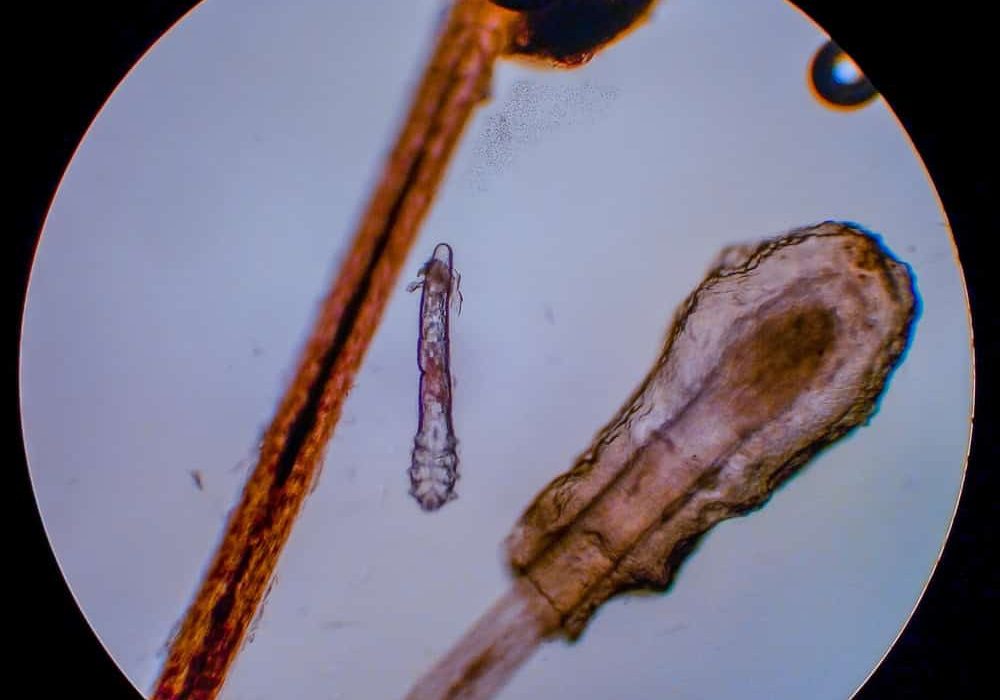
Skin mites known as Demodex folliculorum live deep within hair follicles on human skin, mostly around facial hair and eyelashes. They feed on skin oils and dead skin cells. And living within hair follicles, these mites are so small and concealed that most individuals remain entirely unaware of their presence.
Scientists once thought Demodex folliculorum lacked an anus. In fact, they believed these eight-legged critters stored all of their waste inside their bodies until death, at which point they exploded. Well, scientists were wrong.
Researchers examining Demodex folliculorum under high-powered microscopes discovered these creatures do indeed have an anus and excrete waste right into your hair follicles.
Your lungs can contain tiny particles of plastic

As you breathe in and out, microscopic particles of plastic and other artificial materials can enter your lungs.
Scientists have found microscopic plastic fragments in samples of lung tissue taken from people. We’re talking about particles made from everyday synthetic polymers here.
In one study, researchers discovered microplastics in the lungs of two deceased individuals who died two decades apart. That means plastic exposure of people isn’t necessarily new.
Your bones are constantly being destroyed and rebuilt
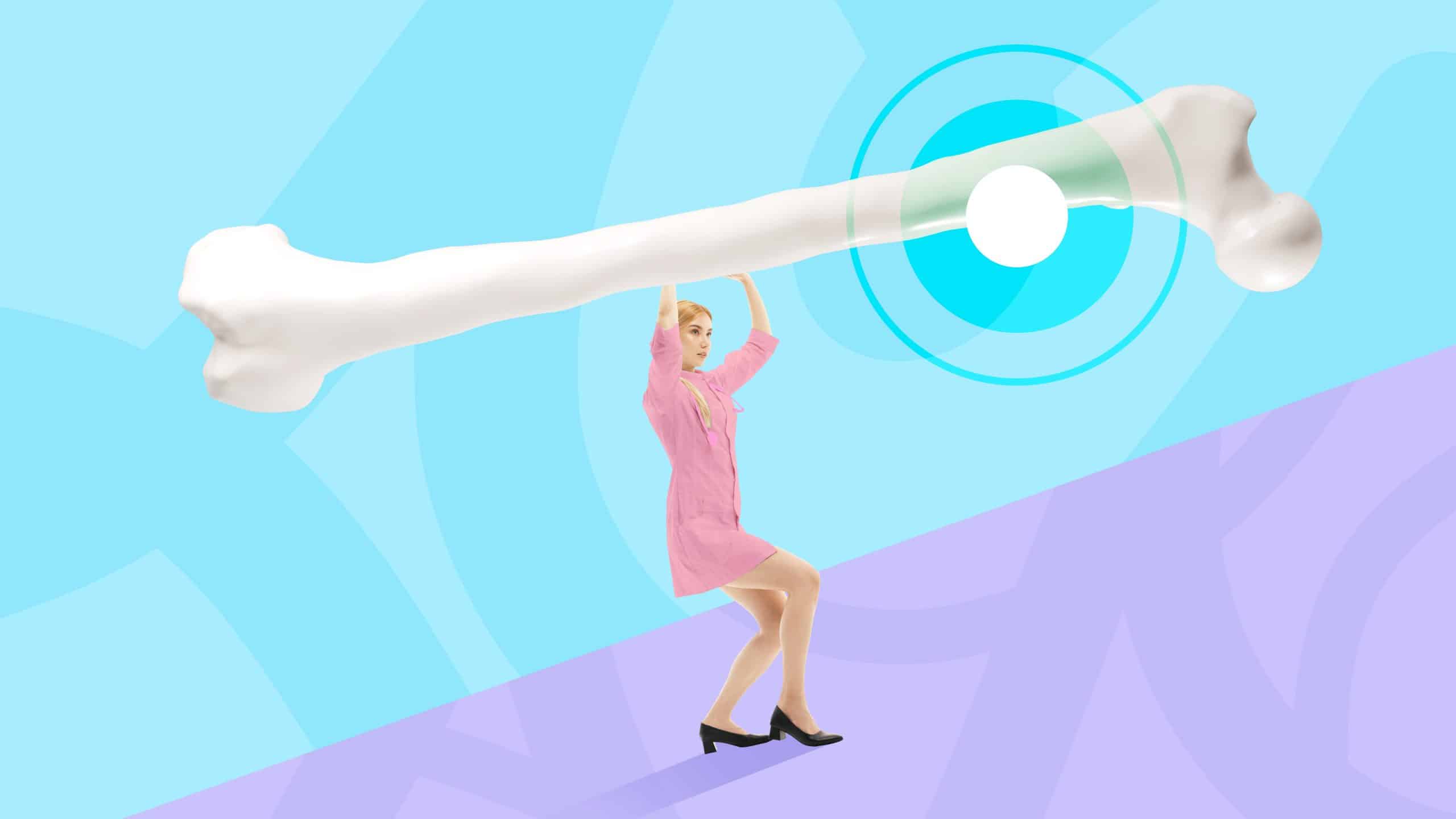
Your skeleton, while seemingly a static structure, is composed of living tissue that undergoes constant demolition and construction. Osteoclast cells break down old or damaged bone while osteoblasts create new bone to take its place.
Bone remodeling occurs throughout adulthood. It helps maintain strength and repair microdamage while regulating mineral content. Thousands of tiny areas of your skeleton are being resorbed and replaced every day without you knowing it.
So, although it may seem like your skeleton isn’t changing, your bones are always changing on a microscopic level.
Your body can slowly digest the inside of your tooth
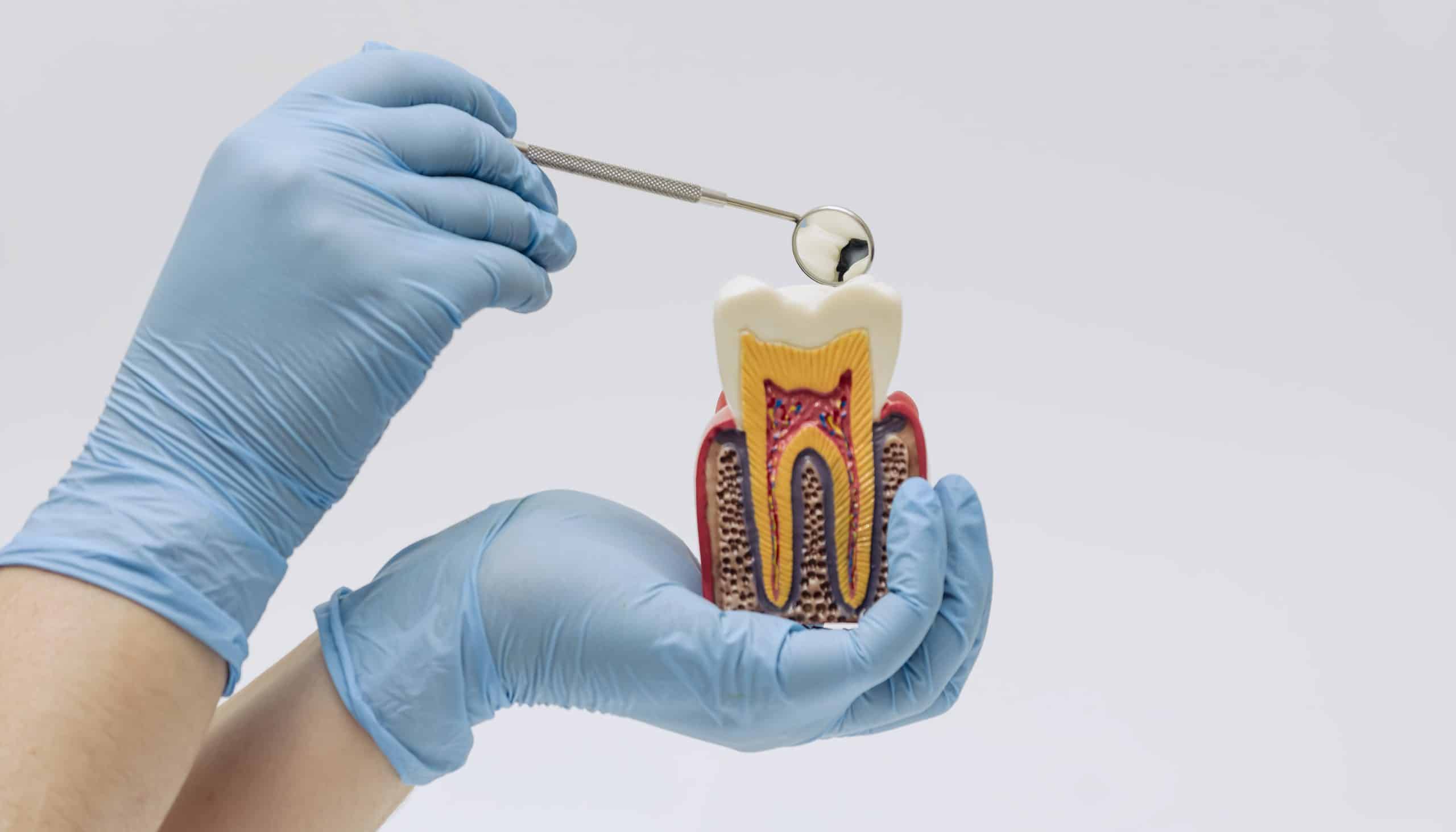
Inside your tooth are nerves and blood vessels called the dental pulp. Injury, infection, or inflammation of this pulp can trigger specialized cells to start breaking down the dentin within your tooth. And this process is known as internal root resorption.
Internal root resorption can happen slowly without any symptoms. You might not notice anything is wrong until you look at your dental X-rays.
As your tooth breaks down, the inner walls become weak. What’s happening isn’t your immune system classifying the tooth as foreign, but rather inflammation and a lack of the tooth’s protective predentin layer letting clastic cells begin to erode its internal structure.
The brain isn’t totally cut off from your immune system
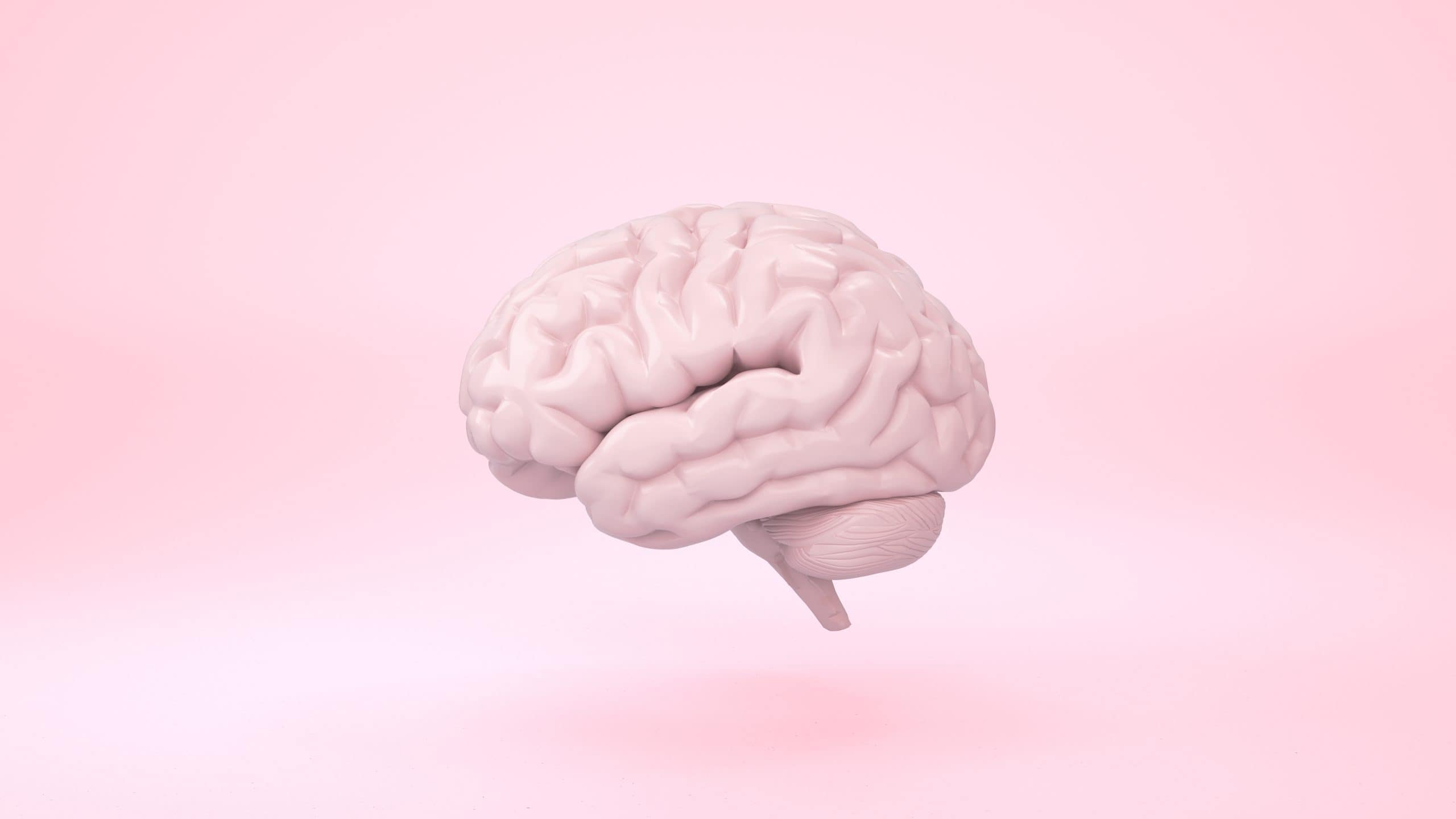
Your brain is said to have relative immune privilege. In an effort to protect delicate neural tissue, the blood-brain barrier severely restricts movement of immune cells and molecules into the brain, limiting inflammation.
Researchers once believed the immune system kept the brain entirely concealed. We now know this isn’t true.
Your meninges, blood vessels, cerebrospinal fluid and even lymphatic systems create numerous channels for communication between your brain and your immune system. Think of it as a sophisticated screening process, not a locked door.
Your body can grow bone inside muscle
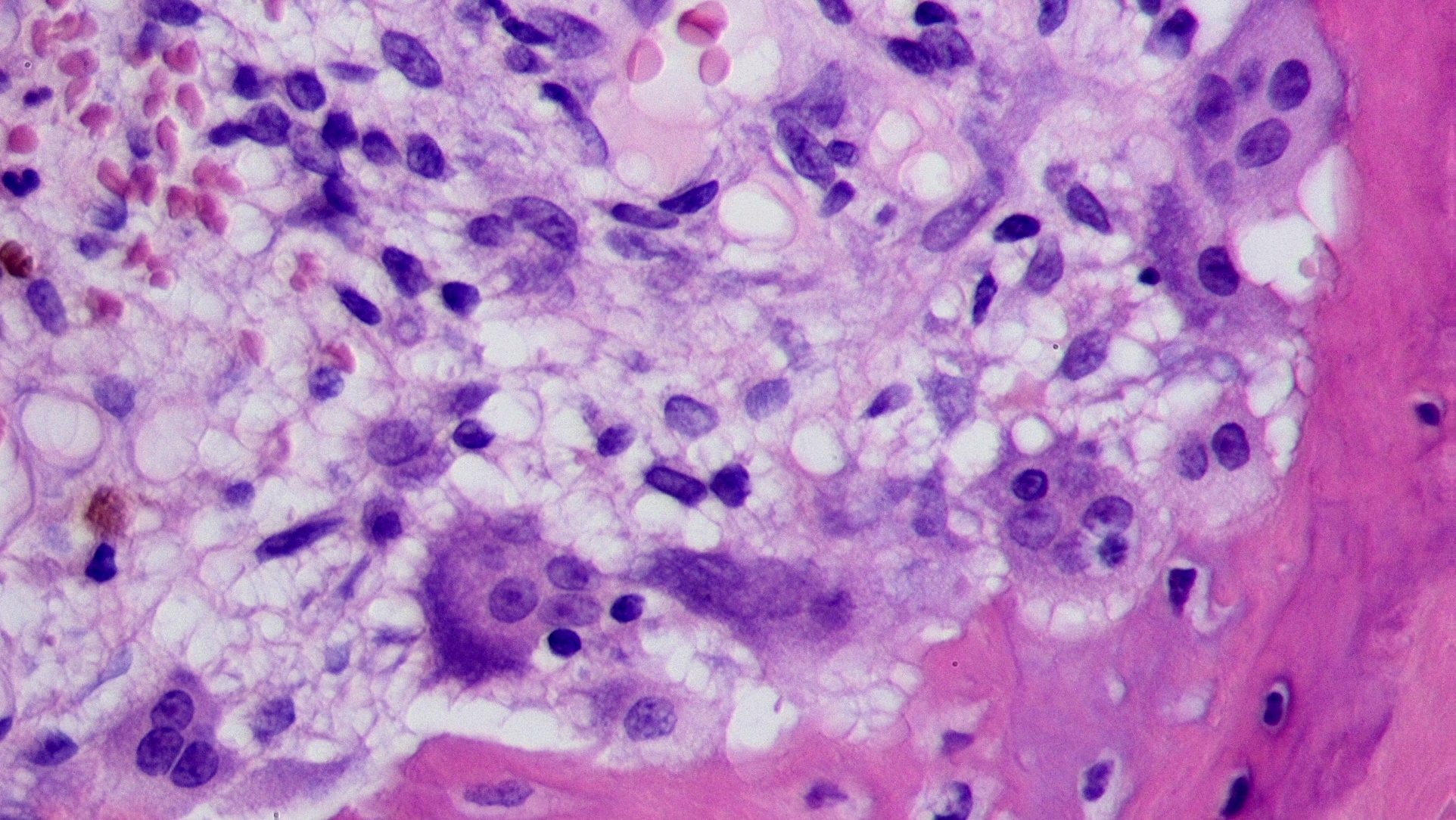
There are conditions where mature bone can grow where bone doesn’t normally belong in the human body. Known as heterotopic ossification, this occurs when bone tissue begins to develop inside muscle tissue or other types of soft tissue usually following trauma, surgery, or damage to the nervous system.
The affected soft tissue doesn’t heal as normal but becomes rigid as new bone growth occurs. Should a significant amount of bone develop, it could impede movement and severely restrict the affected joint’s function, potentially rendering it immobile.
In the view of researchers, heterotopic ossification might be an example of tissue repair that’s gone wrong.
Cells from pregnancy can stay in your body for decades

Cells can pass back and forth across the placenta from fetus to mother and vice versa during pregnancy. Some of these cells from the fetus can make their way into the mother’s bloodstream and tissue where they remain long after pregnancy has concluded.
We call this fetal microchimerism. Researchers have discovered cells from a fetus living in a mother’s body tissues years, sometimes decades after she gave birth. The exact role of these cells hasn’t been fully determined yet, but they have been shown to help with tissue regeneration. They may also play roles in certain immune functions.
Basically, your body can house a small population of foreign cells with their own genetic identity for years after pregnancy.
Teratomas can grow teeth, hair and other body tissues

Teratomas develop from germ cells which have the potential to create tissue from more than one of the three embryonic layers. Because of this, mature teratomas might hold a wide array of tissues, like hair, teeth, bone, cartilage, skin, and other bits.
Within mature ovarian teratomas, one might surprisingly find teeth that are clearly recognizable. In extremely rare cases, these tumors can grow partial organs and other highly organized structures.
They aren’t becoming fully formed humans, yet they can develop identifiable organs and tissues because of their initial cell source.
Rabies causes painful muscle contractions when trying to drink water
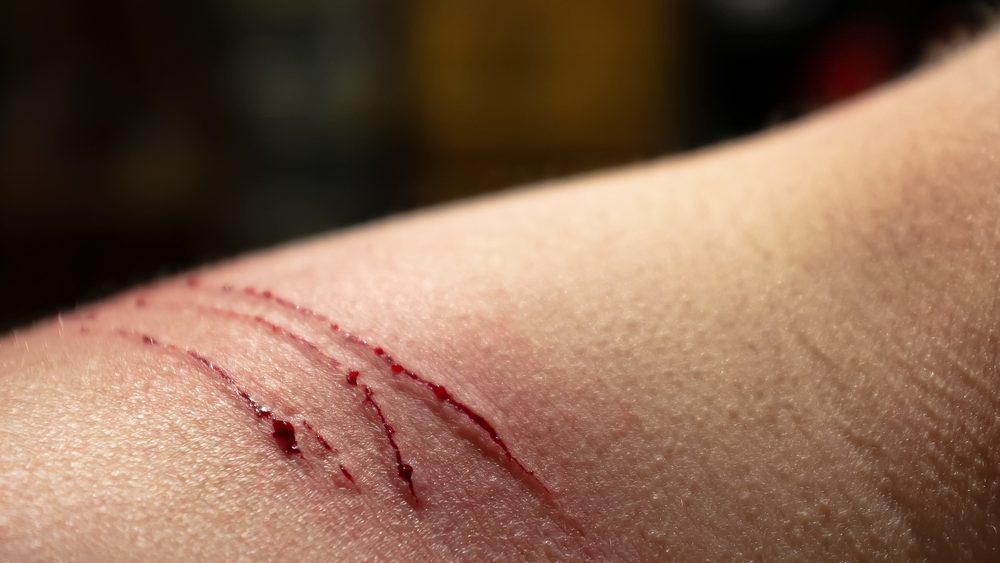
Hydrophobia (“water fear”) is one of the most well known signs of furious rabies infection. This descriptor can be slightly misleading though.
Because rabies targets the central nervous system, the act of swallowing can bring on agonizing throat muscle spasms. Even the act of drinking, or the mere idea of it, can provoke the spasms.
When a rabies patient can no longer drink water, it’s considered a significant neurological symptom.
Some bone grafts come from deceased human donors

Human bone is sometimes donated after death. It can be processed and used as a bone allograft in some orthopedic, dental and reconstructive procedures.
Processing donated bone prior to implantation kills any living cells and reduces the risk of transmitting diseases. The preparation of donated bone usually involves cleaning, and then it can be frozen, freeze-dried, or handled differently based on the end product.
Eventually, the patient’s body will incorporate and reshape the graft with their natural bone.
Stomach acid can seriously corrode razor blades
Since your stomach houses hydrochloric acid, your stomach is extremely acidic. While its acid does eat away at certain metals, it’s quite remarkable that it doesn’t break down absolutely everything that finds its way into your stomach.
Scientists placed razor blades, coins and other metals into artificial stomach acid at around 98.6° F or body temperature to see just how damaged the items would become.
Within 24 hours, razor blades had lost a shocking percentage of their original mass. Up to about 63% of one razor’s original weight vanished. When a single-edged razor blade was placed on a concentrated spot of stomach acid, it took approximately 2 hours to fully dissolve it.
Although this doesn’t mean that if you swallowed a razor blade whole, it would just vanish, your stomach acid can easily corrode them quite quickly.
Some people can develop a second skeleton
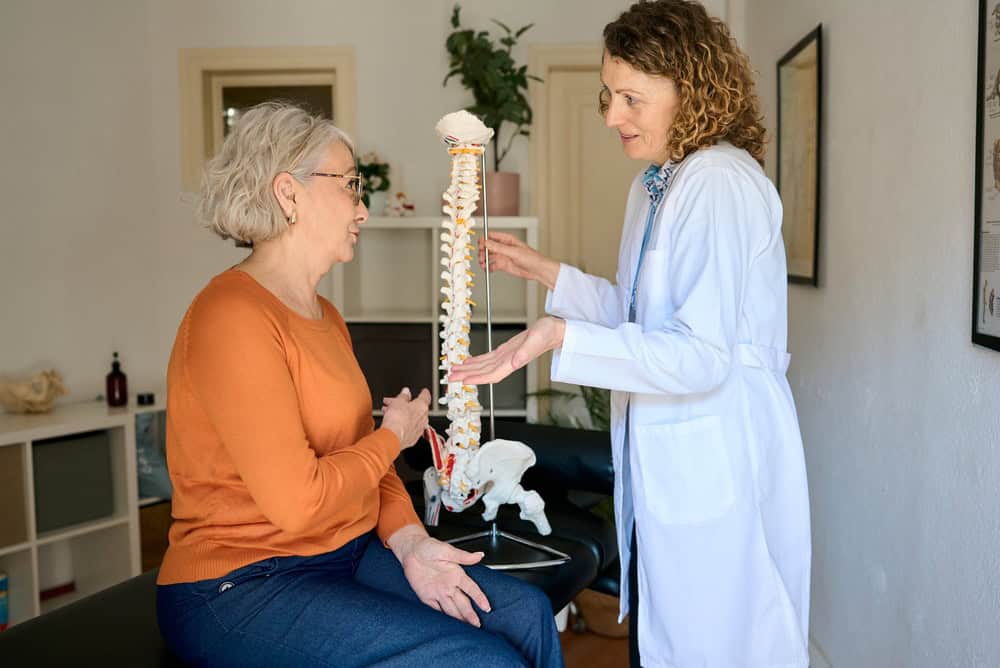
Bone forms inside muscles, tendons, ligaments and other connective tissues of people who suffer from a rare genetic condition known as fibrodysplasia ossificans progressiva (FOP). As the condition advances, bone bridges can form across joints, leading to restricted motion.
FOP occurs as a result of mutations to the ACVR1 gene which normally controls a bone-producing signaling pathway. And unfortunately, this new bone growth can be triggered by falls, traumas to muscles, and even medical procedures.
Sources: Please see here for a complete listing of all sources that were consulted in the preparation of this article.
Like our content? Be sure to follow us.
13 peculiar and obscure facts from history

Forget about all those famous battles and presidents because it turns out that history is a lot weirder and more interesting, too.

