

The little things you may not even think about can be sabotaging your body’s ability to rest and recover at night.
The steaming hot shower
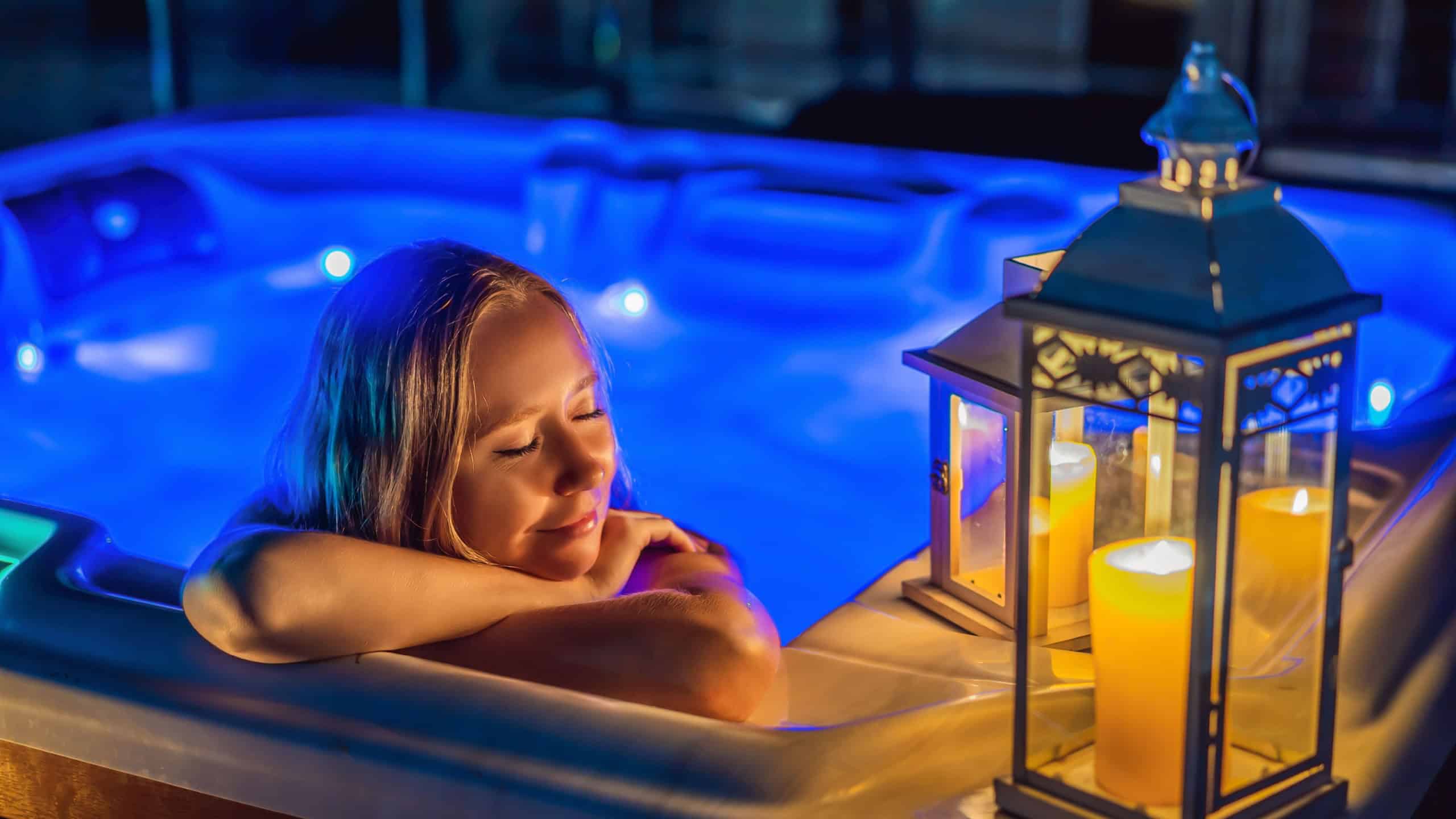
Soaking in a hot tub may seem relaxing, but hopping in one before bed throws off your body’s thermostat.
Your body actually has to cool down before it initiates a sleep cycle, which is why your brain naturally starts to do this every night. Coming out of a hot shower into a cold room causes a drastic temperature spike, and then an awkward cooling down period where you lay tossing and turning.
For a late-night bath, stick with lukewarm water to help your body naturally wind down its temperature.
Spicy snacks

You might think a spicy snack is a better choice than junk food before bed, but it can really mess with your sleep.
Spicy components can crank up your internal heat, leading to those annoying little wake-up jolts during the night. Even when you don’t suffer from heartburn, your body creates internal heat as it works to process the spice, which keeps your brain in a lighter stage of sleep.
Hold off on spicy foods until lunch, giving your body ample time to cool down before bedtime.
Taking back time

It might seem productive to stay up late getting ahead for tomorrow or begin that new hobby at night, but your brain doesn’t agree.
When you burn the midnight oil, you signal your body that it needs to stay in “fight or flight” mode. You never quite relax and let your mind wind down, which prevents you from fully resting.
Quick email

Sure, sending off a couple quick replies will make you feel less stressed about tomorrow, but your brain needs to completely shut down in order to receive adequate rest.
Responding to emails (even easy ones) sends a signal to your brain to release cortisol, which will keep you awake and alert.
Studies suggest late-night work email checks interfere with crucial brain recovery, which can pave the way for burnout. As soon as you glance at a work email, your mind’s still on the job, adding to your nighttime stress.
The peppermint tea
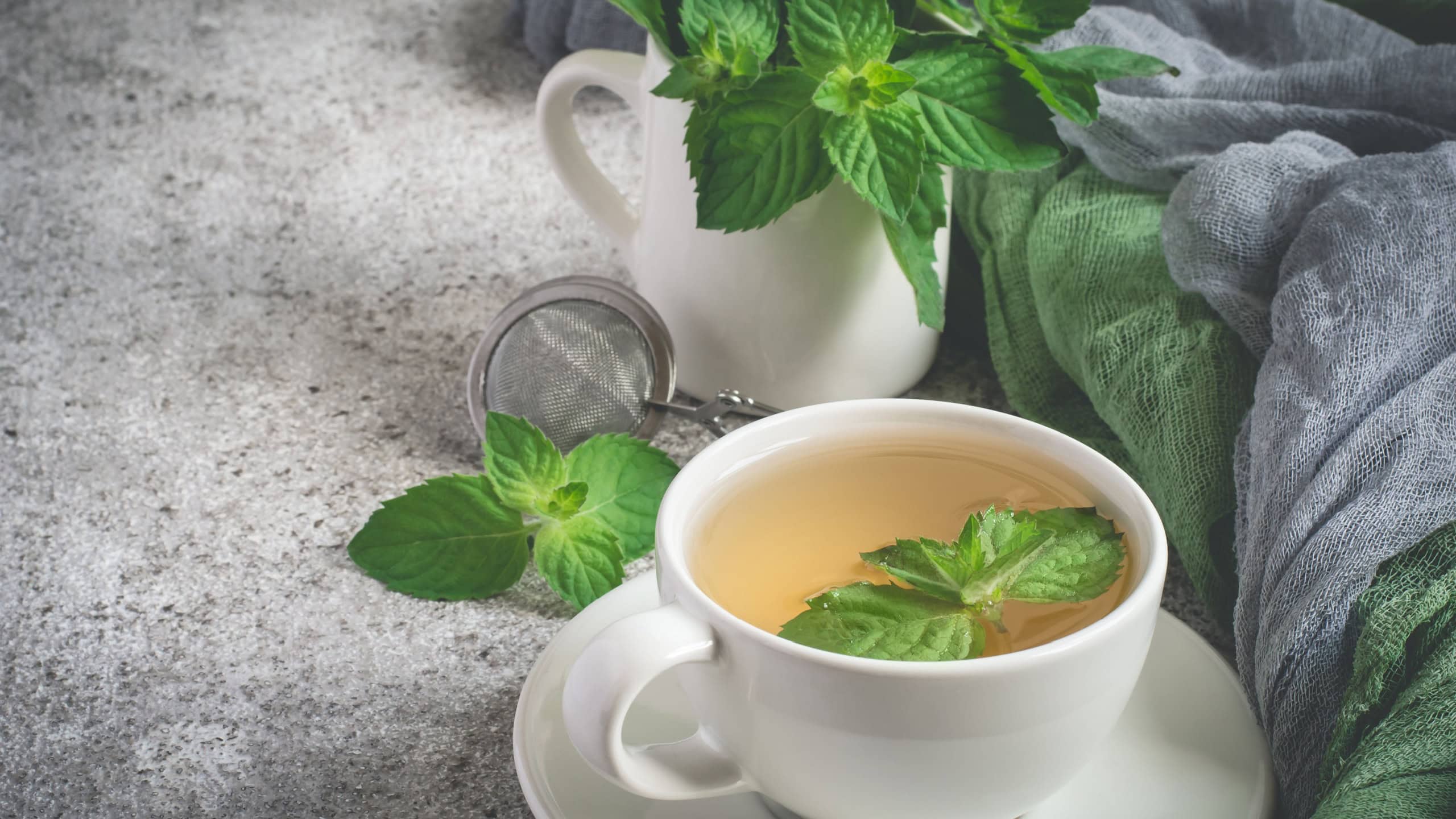
While peppermint is often marketed as a sleep supplement, for most people peppermint can actually lead to sleep troubles.
Menthol, found in peppermint, relaxes the muscle between your esophagus and stomach. It’s this muscle’s job to act as a seal, stopping stomach acid from going where it shouldn’t.
Lying down after drinking peppermint tea allows stomach acid to rise and cause micro arousals that you likely won’t even notice. Opt for ginger or chamomile tea if you enjoy drinking something warm at night.
Heavy stretches

Easy movement is okay, but attempting heavy yoga poses or ballistic athletic stretches will likely wake you up instead of helping you sleep.
Deep, demanding stretches get the blood pumping and your heart racing, essentially telling your body to be active, not rest. Forceful movement also releases endorphins, which flood your brain with a natural high at a time when your brain is trying to relax.
Keep movement shallow and extremely easy.
Big relationship talks

Sure, nighttime seems to be the only opportunity you have to connect with your partner. However, your ability to manage emotions dips after 10 PM.
Your prefrontal cortex, the region responsible for rational thought and keeping your emotions in check, is the first to shut down due to tiredness. So, your feelings really take the wheel during those late-night chats.
It’s no surprise that the smallest argument can turn into World War III if it’s past people’s bedtimes.
Bright lights and skincare
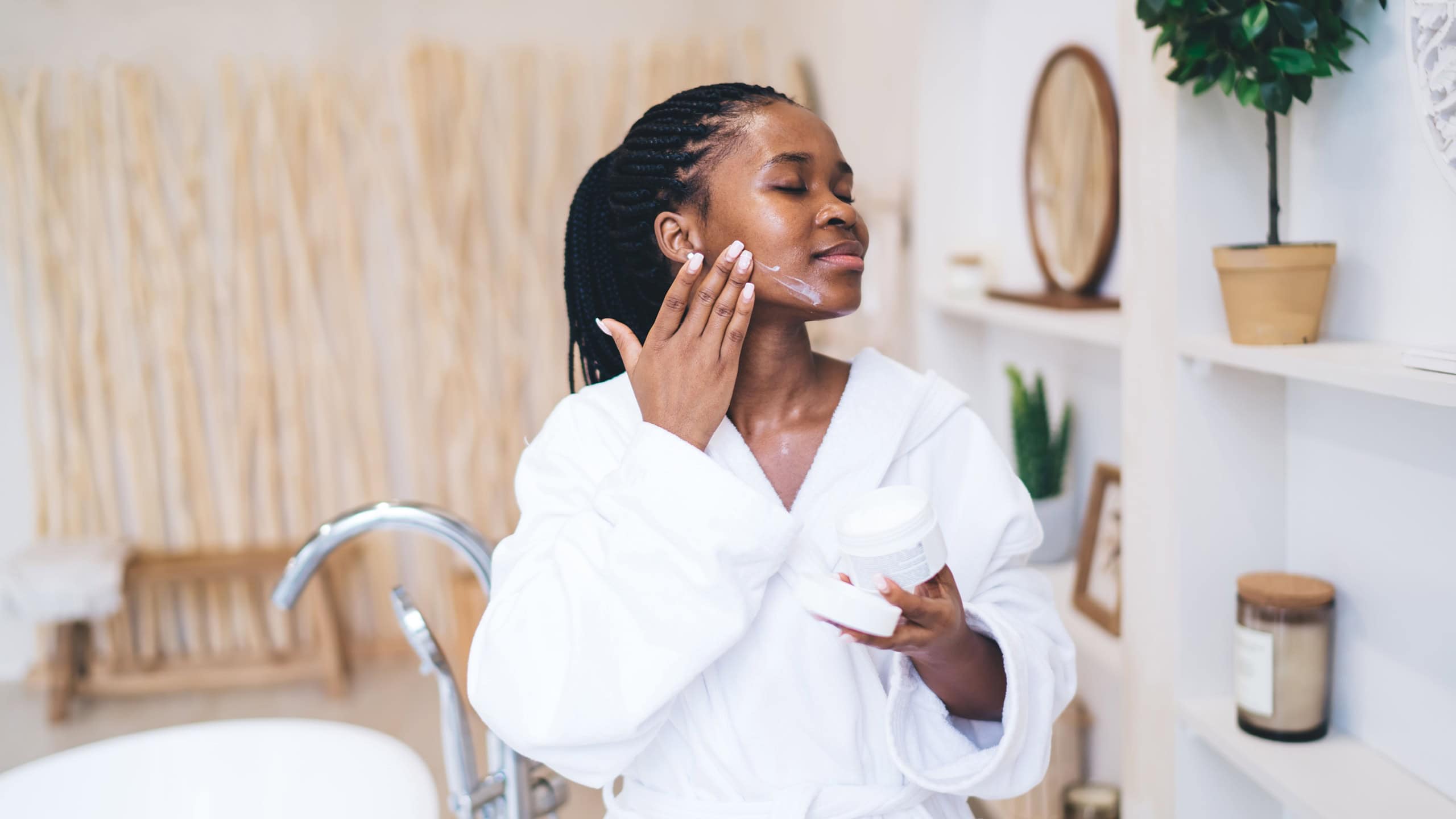
The harsh glare of bathroom lights during your skincare ritual can trick your system into alertness.
Our eyes are particularly sensitive to wavelengths from cool white bulbs. Exposure to blue light can cause your brain to stop producing melatonin rapidly.
Spending twenty minutes under bright overhead lights exfoliating and moisturizing sends a signal to your brain that the sun is shining and it’s time to get up.
For your nighttime skincare, opt for gentle, warm lighting, such as a nightlight.
Taking B-vitamins
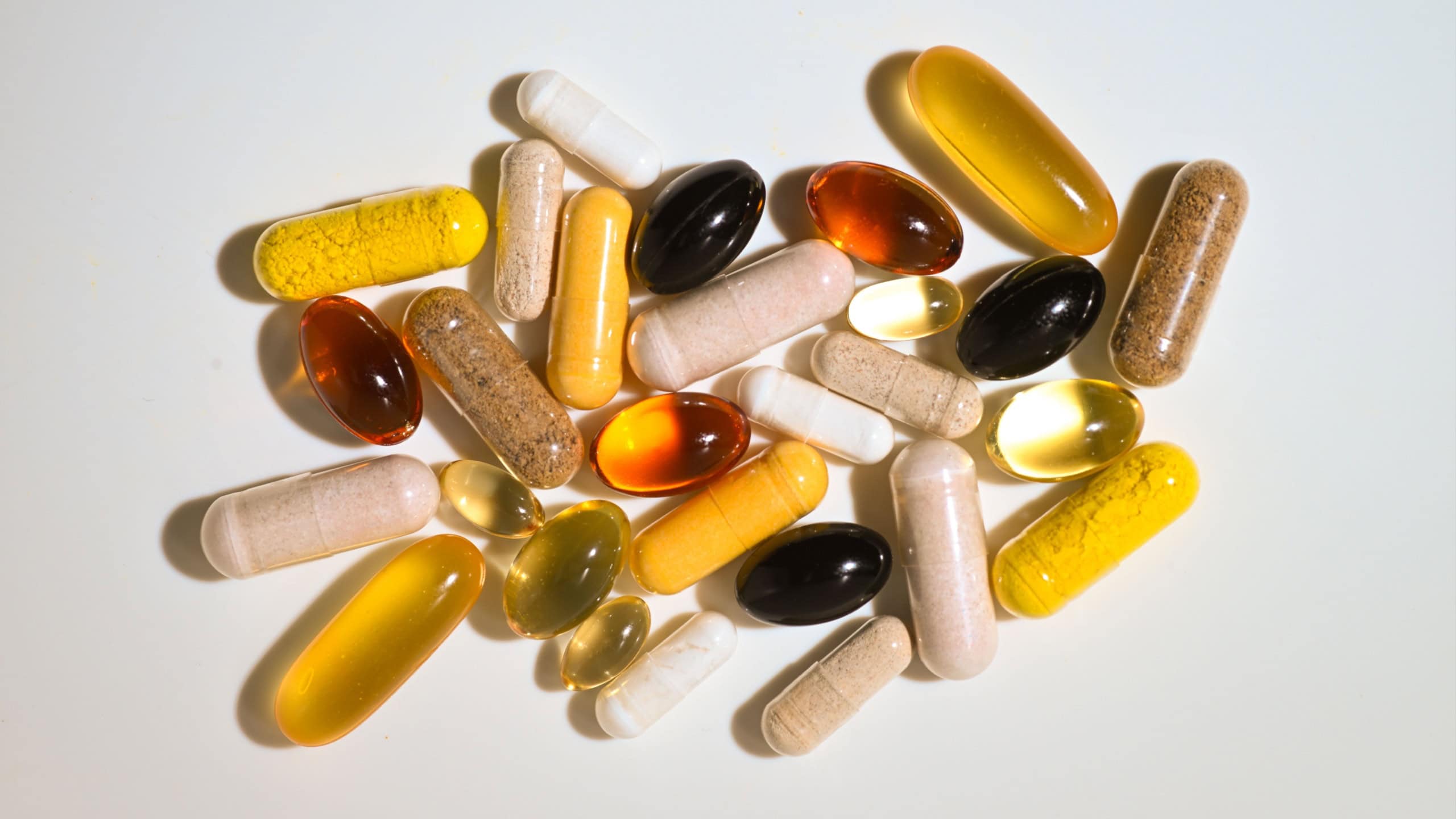
People who take their daily vitamins before bed often do so out of habit rather than scheduling conflict. B-vitamins, particularly B12, are well known for causing bursts of energy and strange dreams.
B12 plays a role in metabolizing energy from your food. When you take a high dose of B12 right before bed, you are throwing off your body’s natural cycle.
Folks have mentioned feeling a burst of energy or a racing mind when taking them close to bedtime.
Save yourself the headaches (literally) and take your vitamins in the AM.
Chasing pictures
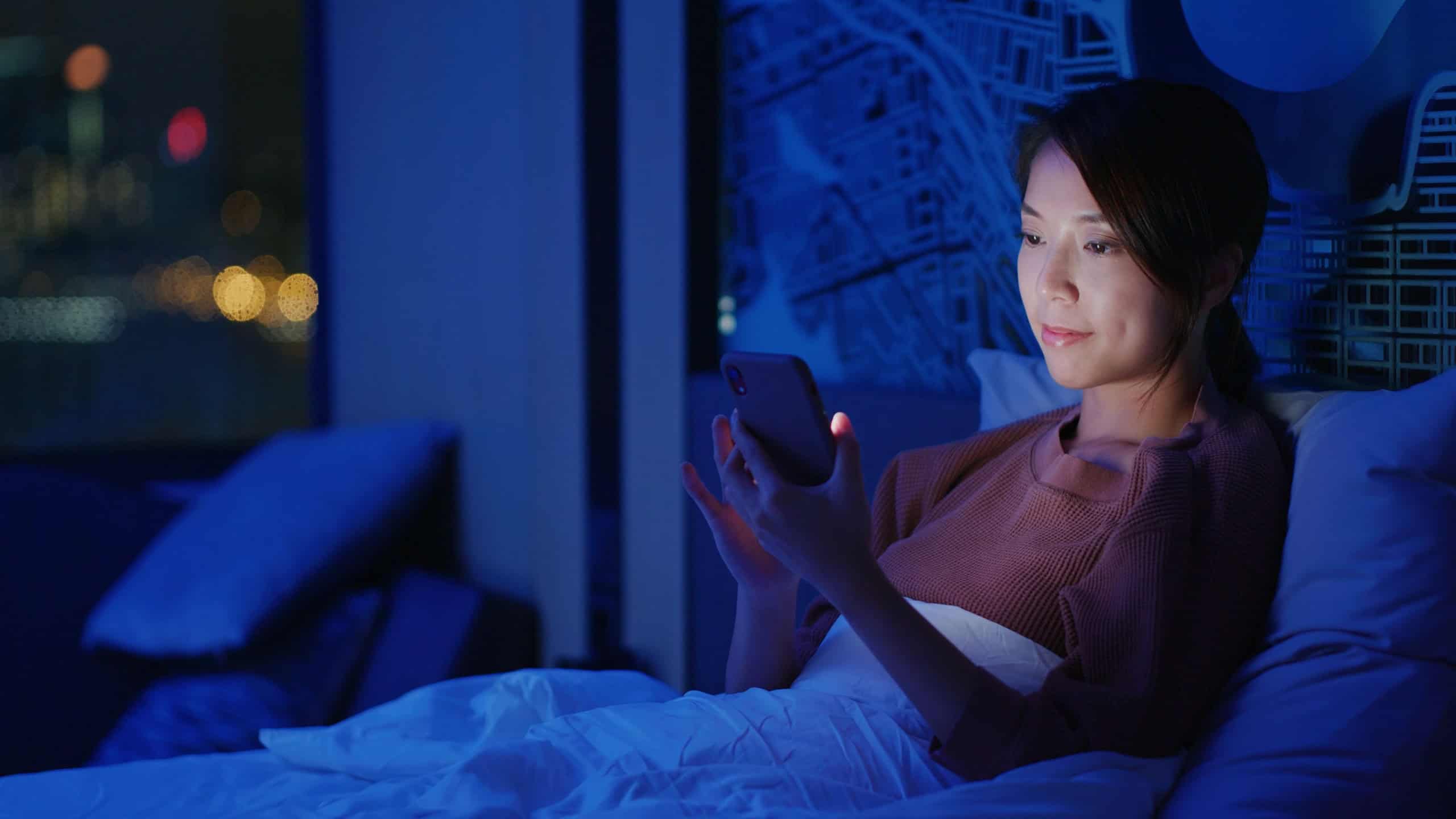
It feels soothing to look at aesthetically pleasing photos of interior design or travel destinations. But browsing is actually mentally exhausting because your brain is always on the lookout for something new.
Each time you view an attractive photo, your brain goes into “reward” mode, and you receive a small burst of dopamine. This means your brain is staying in “seeking” mode rather than “settling” mode.
Even if you don’t feel stressed, your brain is scrambling to uncover the next find. That isn’t relaxing at all.
Cold water in your humidifier
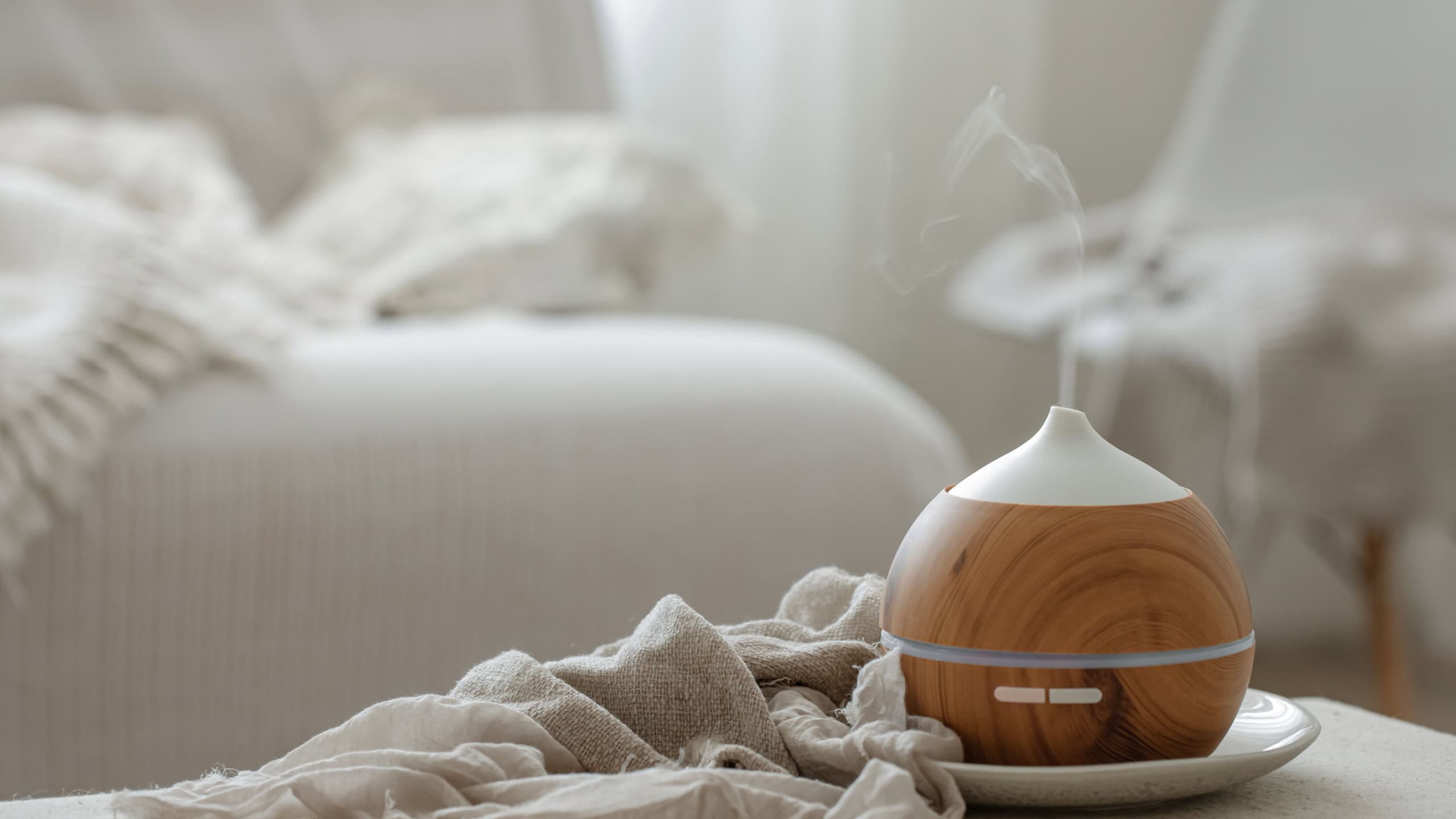
If you use a humidifier at night, filling it with cold tap water makes you breathe microscopic particles of dirt all night long. These particles come from the minerals and microscopic bacteria found in tap water when it becomes misted throughout your room.
The mist can irritate your lungs and leave you with chest congestion in the morning by preventing deep breathing. Breathing difficulties can also be a symptom of humidifier fever while you sleep.
Use distilled or boiled water at all times to prevent inhaling heavy minerals and bacteria while you sleep.
Chugging water
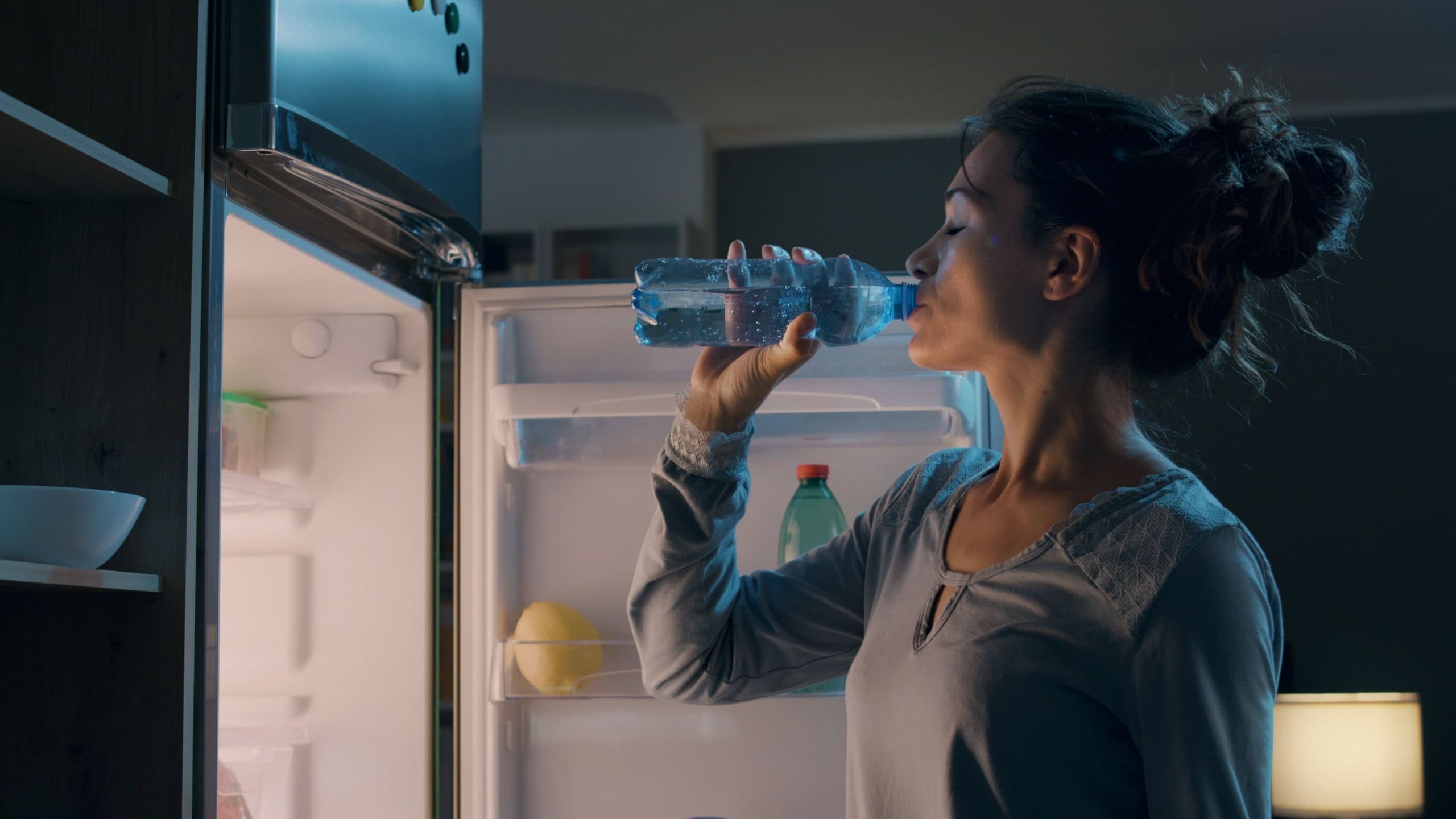
Chugging a large glass of water before bed may seem like a good idea to get one day ahead, but it will wake you up in the middle of the night for sure. You will have to urinate and disrupt your sleep cycle.
Even if you fall asleep right after your trip to the bathroom, your body has just interrupted a deep sleep cycle. These deep sleep cycles are when your brain works through memories and feelings from your day.
Have the majority of your water during the day, and only take small drinks after 8 PM.
Sources: Please see here for a complete listing of all sources that were consulted in the preparation of this article.


