

When you lose a husband, you start grieving in ways that aren’t always clear, and they’re enough to make someone question what on earth’s going on.
The closet empties early

You might think a widow would hold onto everything her husband owned, but no. His closet might become half-empty before anyone expects it, and shirts go into bags, while shoes disappear.
Yet the reality is, it gets exhausting looking at some belongings every day, and many widows clear them out because it gives them something to finish. There are also those who stop halfway through and leave a drawer untouched for months. Grief isn’t one-size-fits-all, after all.
The speedometer creeps up

There were days when she was the one telling her husband to ‘slow down,’ but those days are long gone. After a man dies, his wife might start to drive faster. Not wildly fast, she’s not trying to get into a wreck or anything. But it’s fast enough to be noticeable.
That’s a strong indicator of grief because grieving people are often restless and distracted. They’re desperate to feel something other than that heaviness that consumes them, and a faster drive seems to do that. It gives them a problem to deal with right here, right now.
Quiet suddenly feels too quiet

Perhaps she used to love having uneventful Saturdays. Now she’s saying yes to things she’d normally skip, like staying out until late or going on a last-minute trip. There are even times when she’ll go somewhere loud, purely because the house is so unbearably still.
All of that is grief, even though it might not look that way. Yes, grief can make you feel rather numb, and many widows start craving experiences that make them feel physically present again. They might hate the activity itself. But that doesn’t matter, as long as they can feel alive while doing it, just to escape that numbness of grief.
The calendar fills up
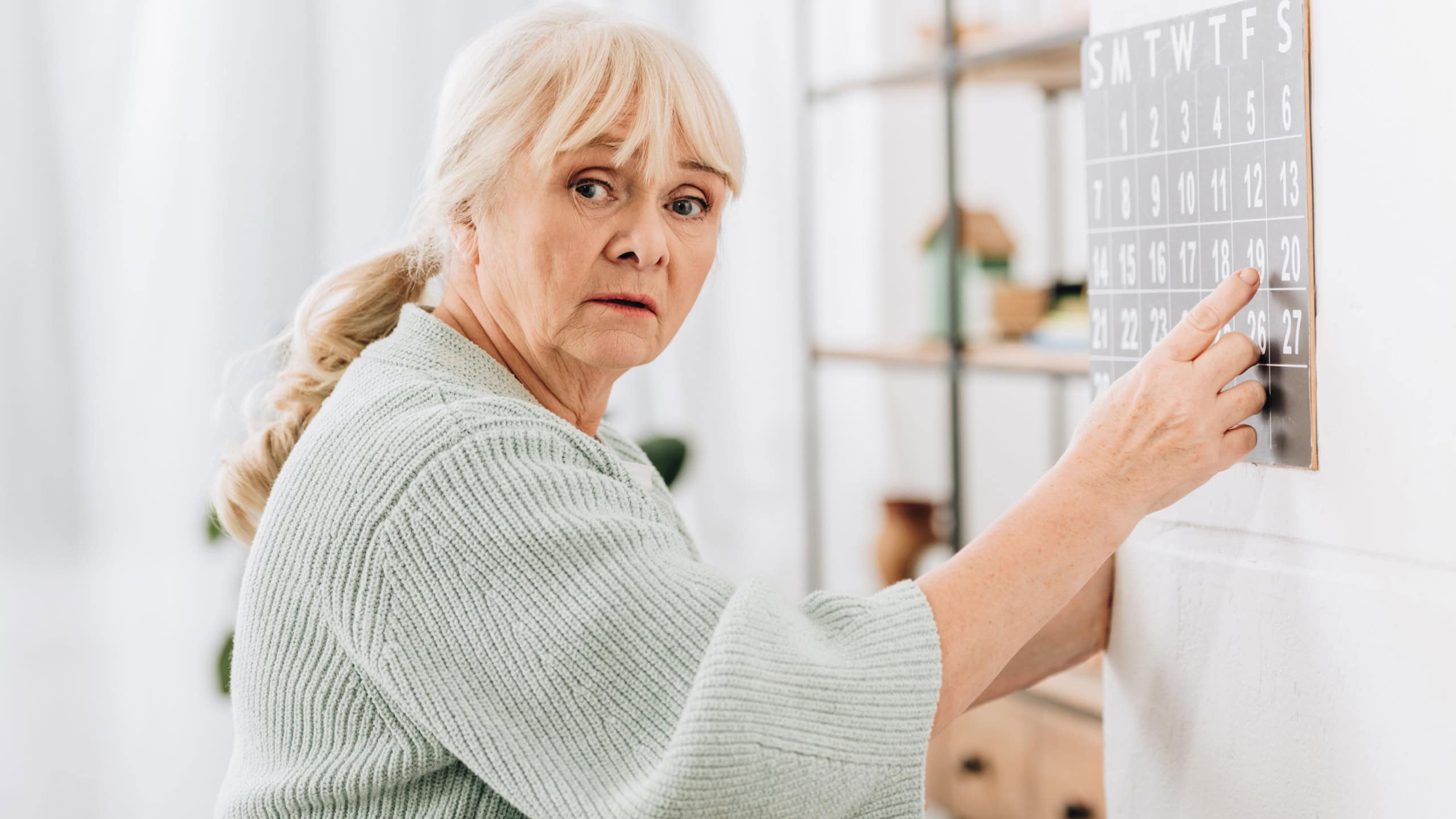
It’s interesting how the saddest person may become the busiest person in the room. Yes, widows often busy themselves with appointments and errands, as well as paperwork and laundry, just to avoid their grief.
Keeping themselves busy means giving themselves less time to grieve. After a death, there’s often a mountain of practical stuff to deal with, too. You might think a widow looks organized and productive, even energetic. But there’s a lot more going on.
The rooms start changing

A lot of grieving widows decide that they want to change their houses, and it often looks like it comes out of nowhere. They might decide the bedroom color feels wrong. They might feel like the couch needs to go elsewhere.
Whatever the changes are, the desire to completely switch up the house’s decorations is a way for her to make her home feel livable again. She doesn’t want to see the exact same view she had when he was there. So, she’ll do whatever she can to make it into something new.
She keeps checking the old version

Don’t mistake a grieving woman for a vain woman. Just because she’s taking more selfies doesn’t mean she’s suddenly self-obsessed, but instead, it could be a sign that she’s more interested in how she comes across.
Essentially, she lost her sense of identity when she lost her husband. Taking numerous selfies helps her to remember who she is by herself, and it may help her to recognize herself once again. It’s a sign of grief, but maybe one on the path to recovery.
The house needs a voice

You might notice a grieving woman leaving the TV on for hours, yet she doesn’t seem to watch any of it. It’s easy to brush it off as her simply being absent-minded. But the truth is, it’s a good sign of grief.
She could be using the TV as an auditory distraction, and something that provides some sound to help numb her quiet moments. Losing your husband means losing a person who makes all those little sounds, after all. The TV doesn’t exactly replace human conversation, but it sure does replace those little sounds that she misses, like footsteps and doors closing.
Anger points backward

Not every thought she has about her late husband may be sweet. Turns out, a lot of widows get angry at their husbands, whether for silly things or things that happened many years ago. They’re often frustrated that their husbands aren’t there to deal with the post-death mess.
Anger at the person who died is a common sign of grief. But you won’t find many widows openly talking about it, as they know other people would judge them for it. It doesn’t mean she loves her man any less, though.
Twenty minutes suddenly feels safer
A woman who always left home at the last possible second might become the woman who comes to appointments absurdly early. No, it’s not because she’s just trying to avoid being at home.
It’s actually a sign of grief, as ordinary uncertainties feel a lot bigger than they did before. She might start asking herself whether there’s traffic, or what she can do if there’s no parking. Getting there early helps to silence some of these worries. At least it silences them partially, anyway.
She wants less of the room

One of the weirdest behaviors during grief involves seating changes. A woman in mourning may begin going out more for coffee and meals. This doesn’t seem like grief until you see her seating choices. She is picking the chair that faces a wall or the corner booth when she’s in a public setting. She’ll want to sit anywhere that’ll keep most of the room behind her.
That’s deliberate. Really, all she’s doing is making sure she avoids seeing the couples leaning together and the families talking over each other. She sits with her face to the wall so she has fewer things to process for an hour. It’s as simple as that.
One chore takes over

The most trivial chores often become a serious project for widows. They might decide that, actually, the spice rack needs to be completely cleaned, and that every single counter in the kitchen needs to be completely spotless.
Widows do this because they want to distract themselves. They want to do something they can actually control, unlike their husband’s death. The truth is, they probably don’t care about the activity at all. It’s the distraction it provides that matters.
Two starts looking like too many

You start noticing odd things after a husband dies, and that’s why your shopping habits change. Take things that come in two, for example. Many grieving wives still shop because they obviously have to, but will try to avoid things that come in pairs because, well, they’re a sad reminder of what they’ve lost.
They’ll skip the package of two steaks and either go for the single kind or the triple. It’s the same story when it comes to matching mugs and twin desserts. Anything designed for a pair isn’t something she’s willing to deal with, and she’ll avoid it at all costs.
Sources: Please see here for a complete listing of all sources that were consulted in the preparation of this article.
13 unsettling deathbed confessions from those who knew their time was up

We all have secrets that we hold onto, but some people held onto theirs for decades, right until they were on their deathbed and ready to tell the horrifying truth.
13 unsettling deathbed confessions from those who knew their time was up

