

Some grocery items from the 1960s were so cheap that, if you looked at the receipt today, you’d probably stop and stare.
The braising aisle changed
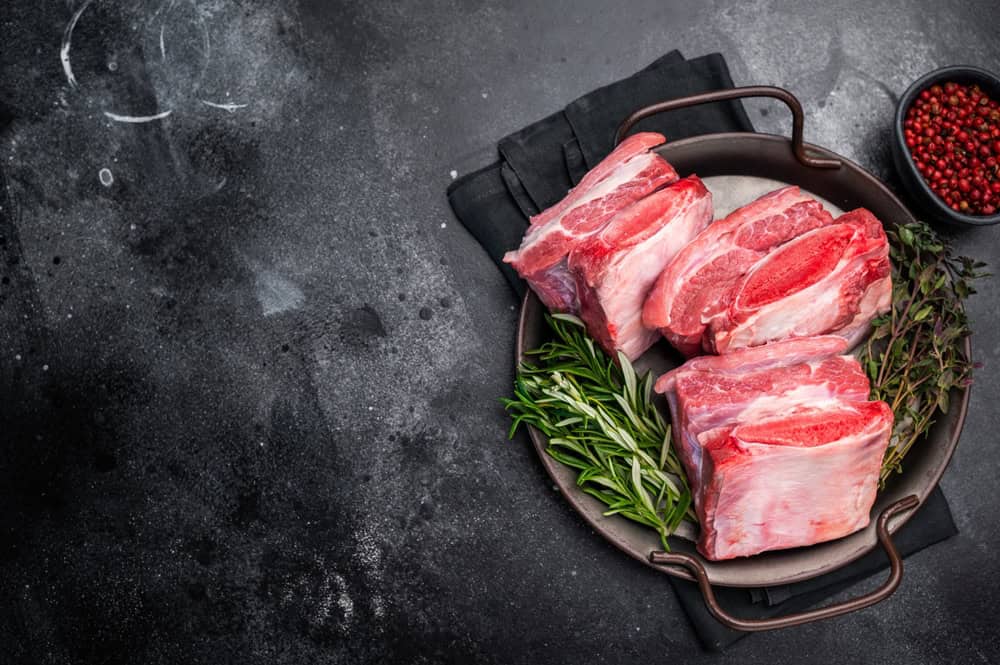
Most people think of short ribs as a fancy meal nowadays, and that’s because they’re so expensive. They weren’t always seen that way. No, a lot of grocery stores used to treat them as an ordinary budget cut, and A&P sold beef short ribs for 49 cents a pound in 1965. That’s around $5.20 today.
The modern prices, however, are a lot higher and run closer to $9 to $14 a pound. Even with inflation, it’s still quite a jump, and it has a lot to do with demand. Short ribs are a part of many different dishes, including barbecue menus or Korean restaurants.
The freezer case looks different
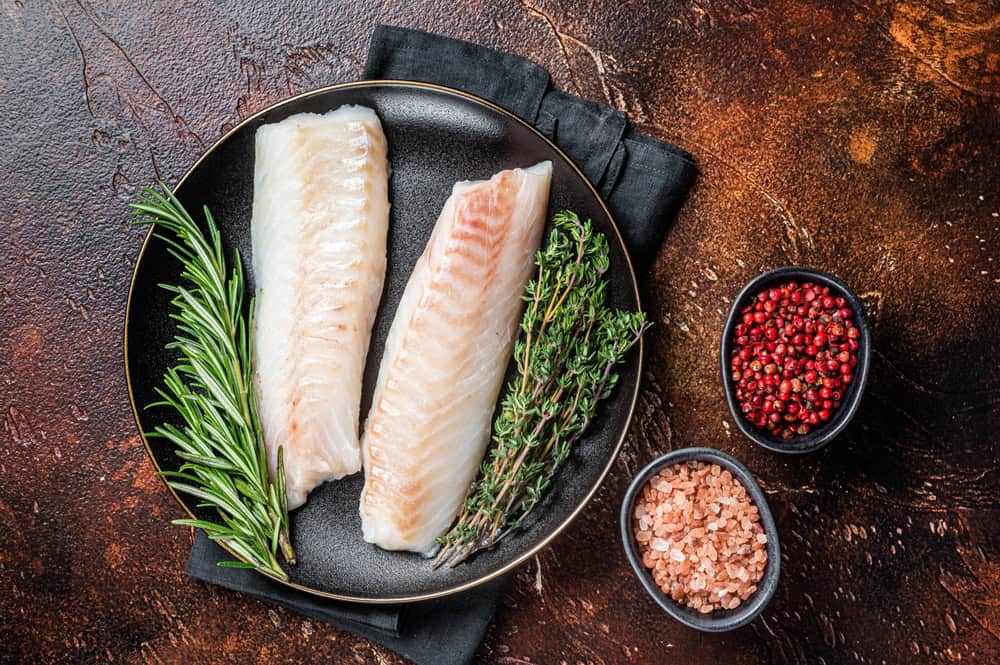
There was a time when cod was a freezer item that was barely worth thinking about. Those days are long gone. Frozen cod fillets were around 33 cents a pound in the 1960s, or about $3.60 to $3.70, adjusted for inflation.
The price of wild cod at Walmart today is roughly $11.88 to $13.97 a pound. It’s mostly because Atlantic cod supplies are more limited than they used to be, and many major U.S. stocks are overfished. It’s a high price to pay for a little frozen fillet, honestly.
The coffee can costs more
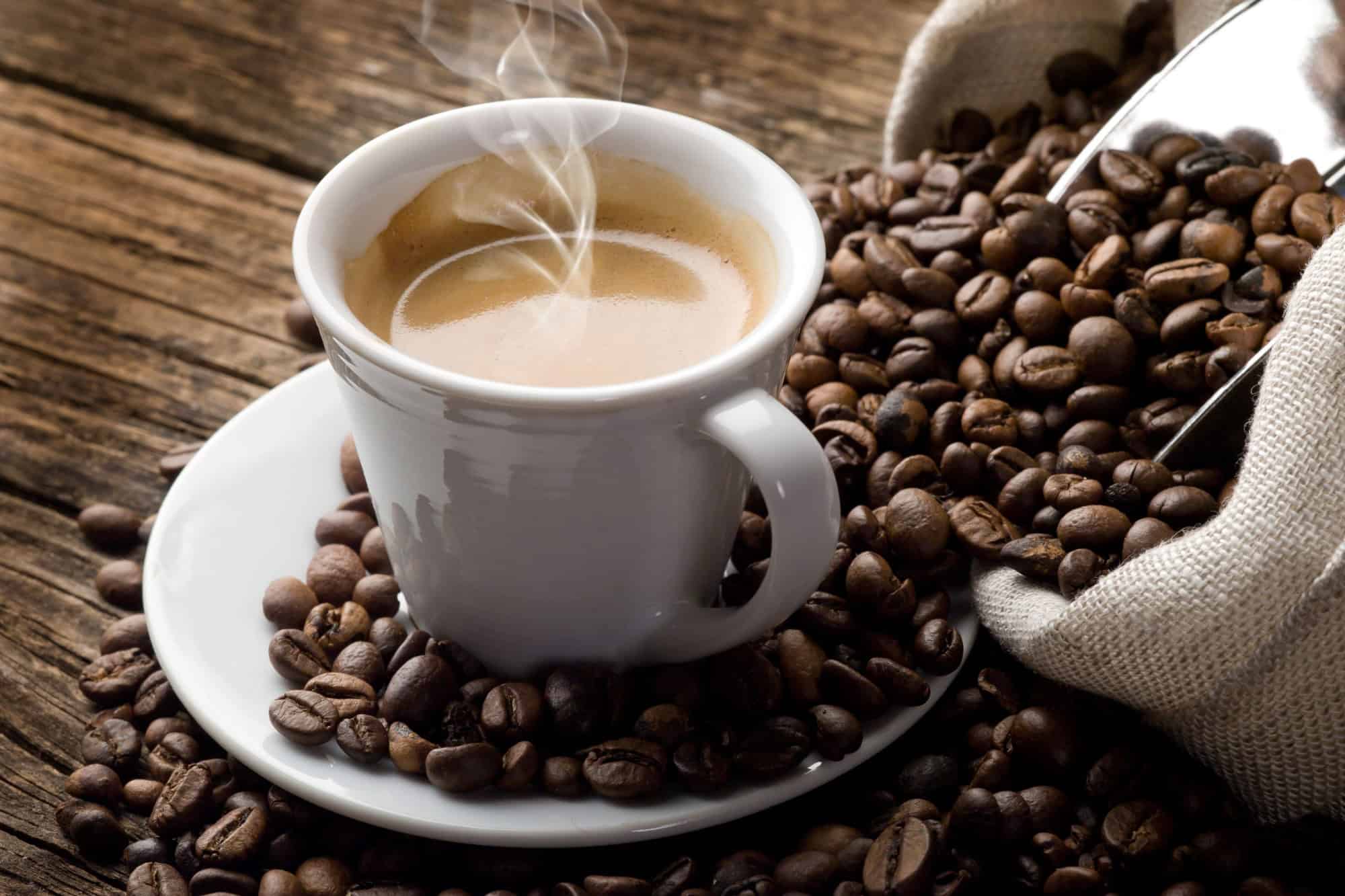
You might not think that coffee costs all that much today, but just look at the prices in the past. Chock full o’Nuts, for example, was around 63 cents a pound in 1963, or around $6 to $7 in today’s money. You’re not going to find those same prices on modern-day shelves.
$12 or more is a pretty common price to pay for a pound of beans today, so it’s around double the price. The main problem has to do with the weather. Coffee crops are pretty weather-sensitive, and recent climate problems have ruined many crops.
Citrus bags aren’t pocket change
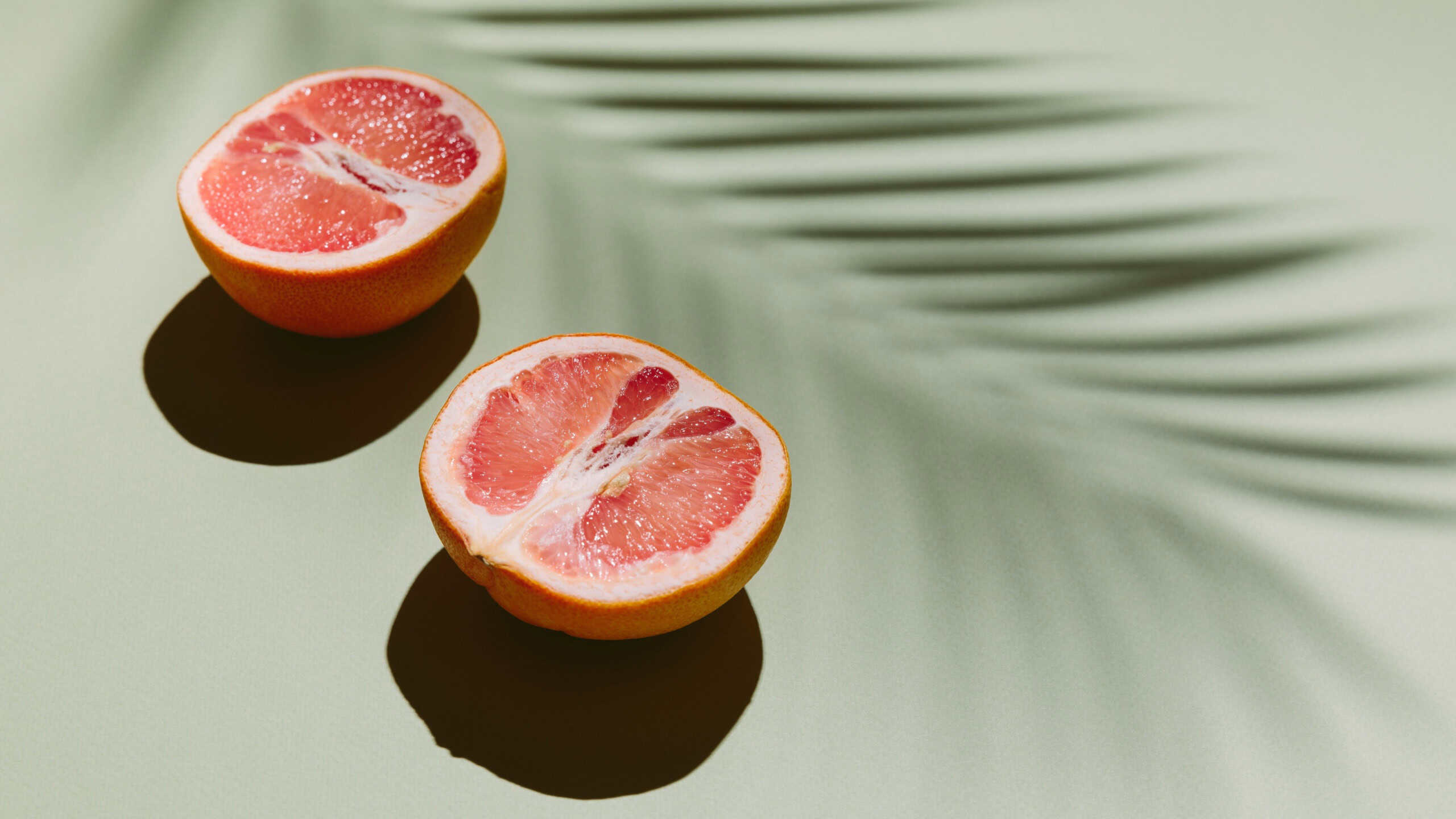
Five pounds of grapefruit for 35 cents seems completely unbelievable. But that was the real price in the 1960s, and it’s around $3.83, adjusted for inflation. The same amount of grapefruit today, though, would cost you around $6.99, depending on the store and season.
It’s mostly because Florida’s grapefruit industry has been struggling in recent years. Citrus greening, a kind of bacterial disease, has destroyed many grapefruit trees. Hurricanes hitting growing areas haven’t helped, either, so it’s no wonder grapefruits are no longer an ordinary breakfast bargain.
The jar got smaller
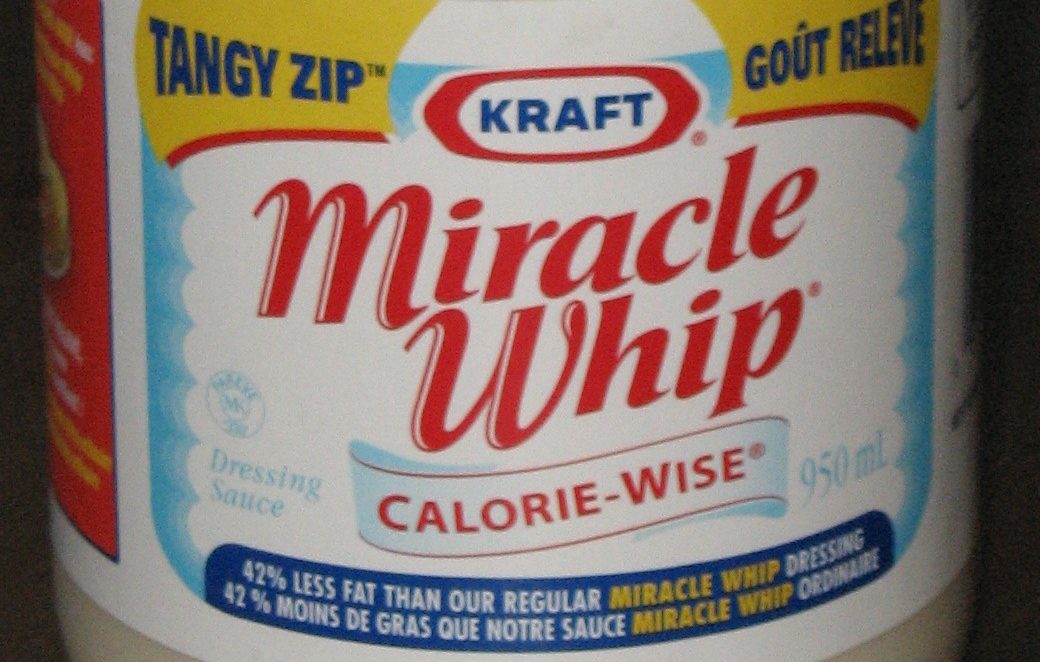
The branded stuff has gotten a lot more expensive, too. Just look at Miracle Whip. It cost around 44 cents in 1969 for a 32-ounce jar, and that’s approximately $4 after inflation. Yet a modern jar runs closer to $7.09, and these jars are also a lot smaller, holding only 30 ounces or so.
Yes, that’s right. A lot of shoppers are paying more but getting a little less product, and that just doesn’t seem all that fair. There are cheaper alternatives you could buy, sure. But nothing really compares to Miracle Whip.
Baking nuts add up
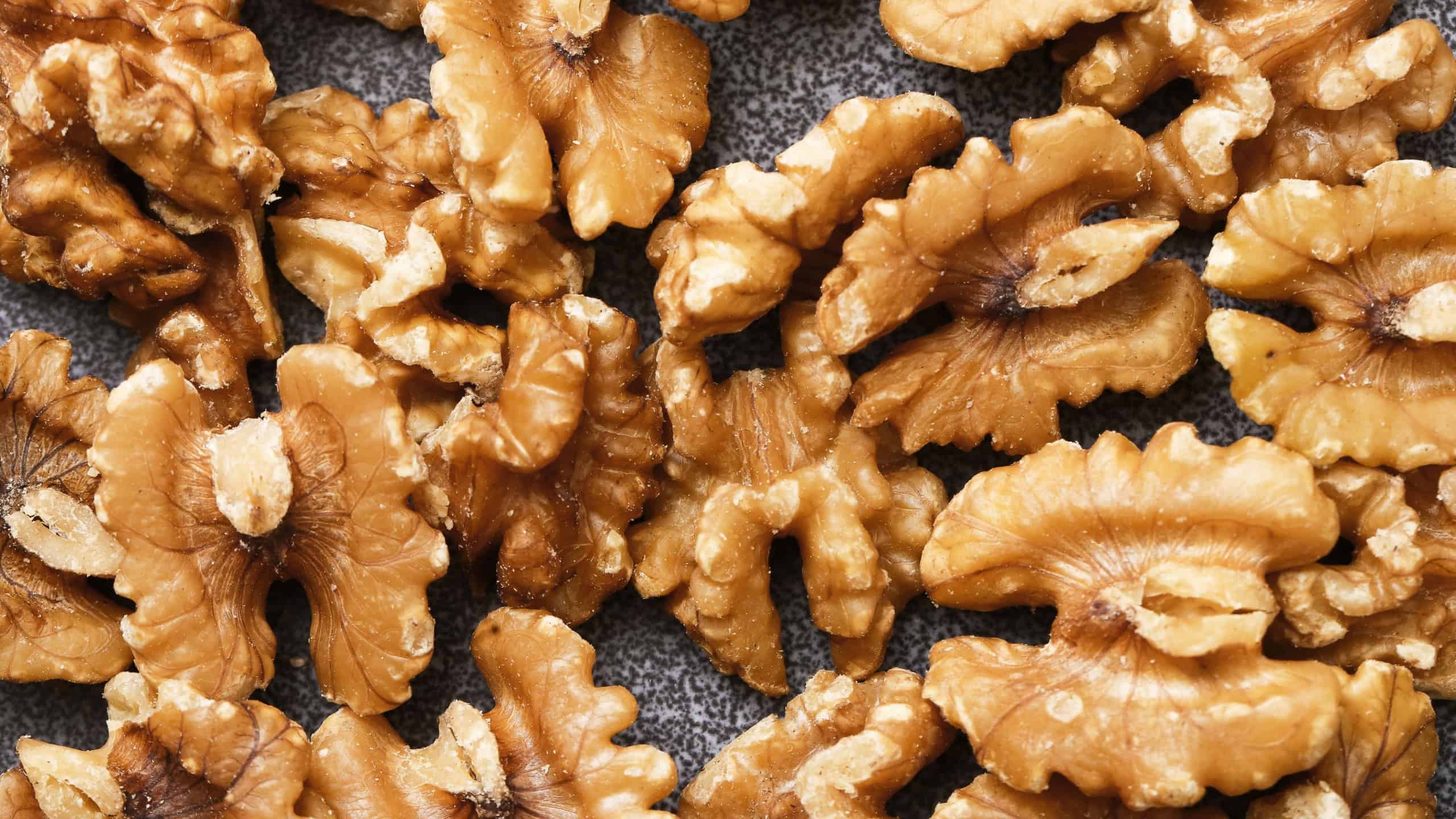
People didn’t use to worry about throwing walnuts into their cookie mixes, as the nuts were pretty cheap. You could buy a pound of Diamond walnuts for roughly 43 cents in the 1960s, and that’s about $4.26 today. One pound of walnuts will cost you about $10 in modern grocery stores.
There is a logical reason for this. A lot of older walnuts were sold in-shell, meaning that you had to shell them yourself at home, but most modern supermarket versions are shelled and packaged. That doesn’t make the price gap any easier to swallow, however.
Southern nuts jumped too
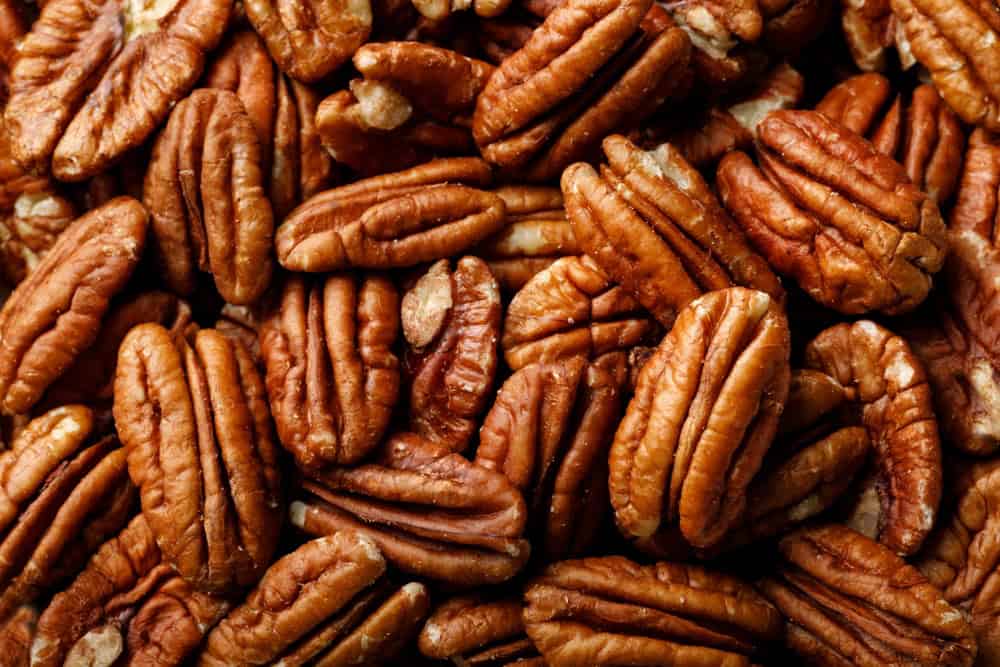
Walnuts aren’t the only nuts suffering a price hike, as pecans went through something similar. You could get them very cheaply in the 1960s, especially if you lived near growing regions like Texas. The state’s native pecans were about 29 cents a pound in 1965, or $3.10 in today’s dollars.
But modern shelled pecans can easily hit $12 to $15 a pound. You’re going to pay even more for whole nuts today than you ever would’ve in the 1960s. Part of the reason is processing, yes, but it’s hard to see how much more expensive pecans have become.
Cookie ingredients cost more
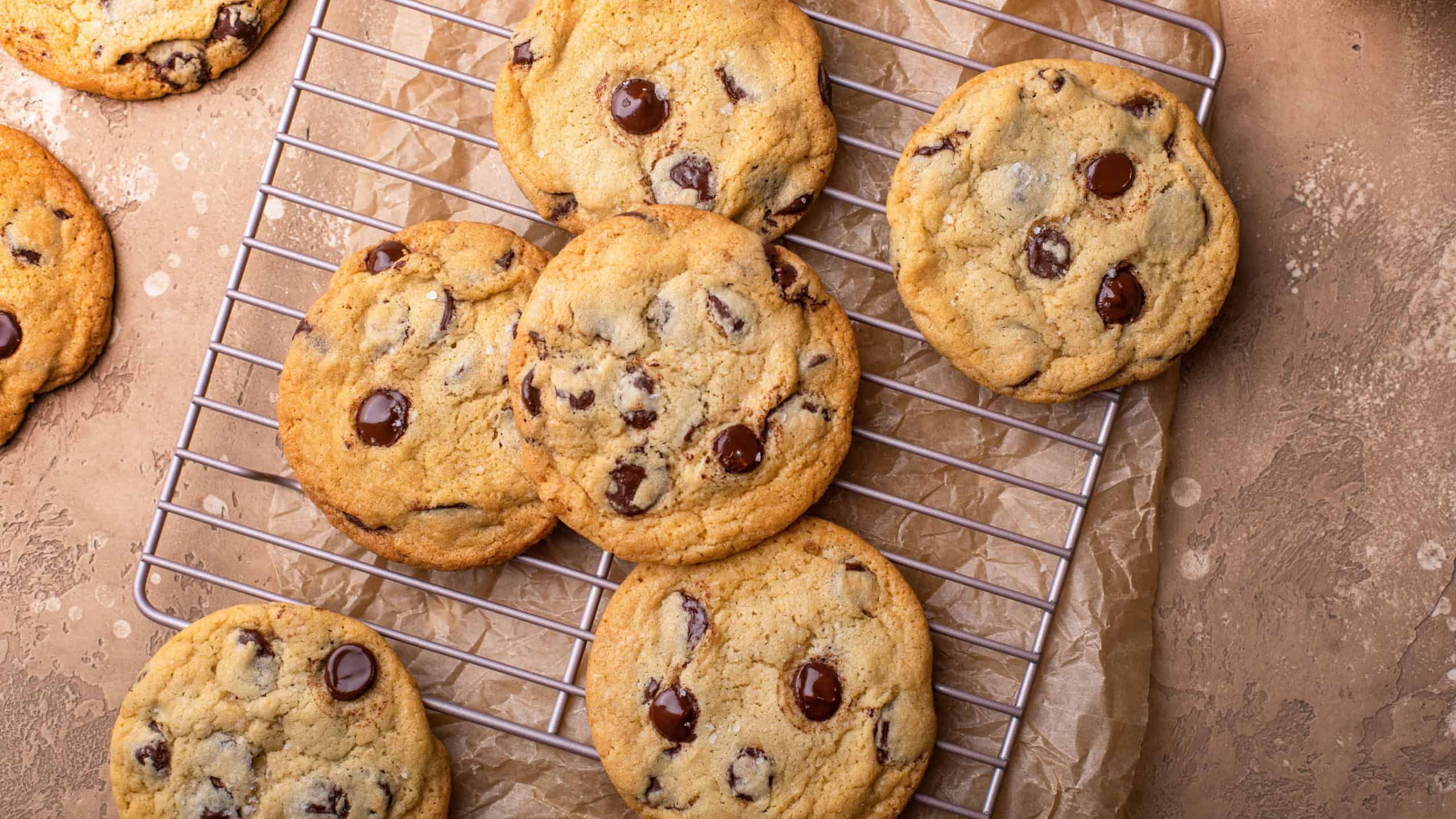
It was a lot easier to make a batch of chocolate chip cookies in the past, mostly because chocolate chips were so much cheaper. Two six-ounce bags of Nestlé chocolate chips were about 39 cents, or $3.87 in today’s money.
You’ll need to pay closer to $6 for the same amount today. It’s all to do with the cocoa, as poor harvests and bad weather have reduced supplies. Crop disease has hit West Africa pretty hard, too, meaning that the cost of crops has shot up.
The fish counter has a bigger gap
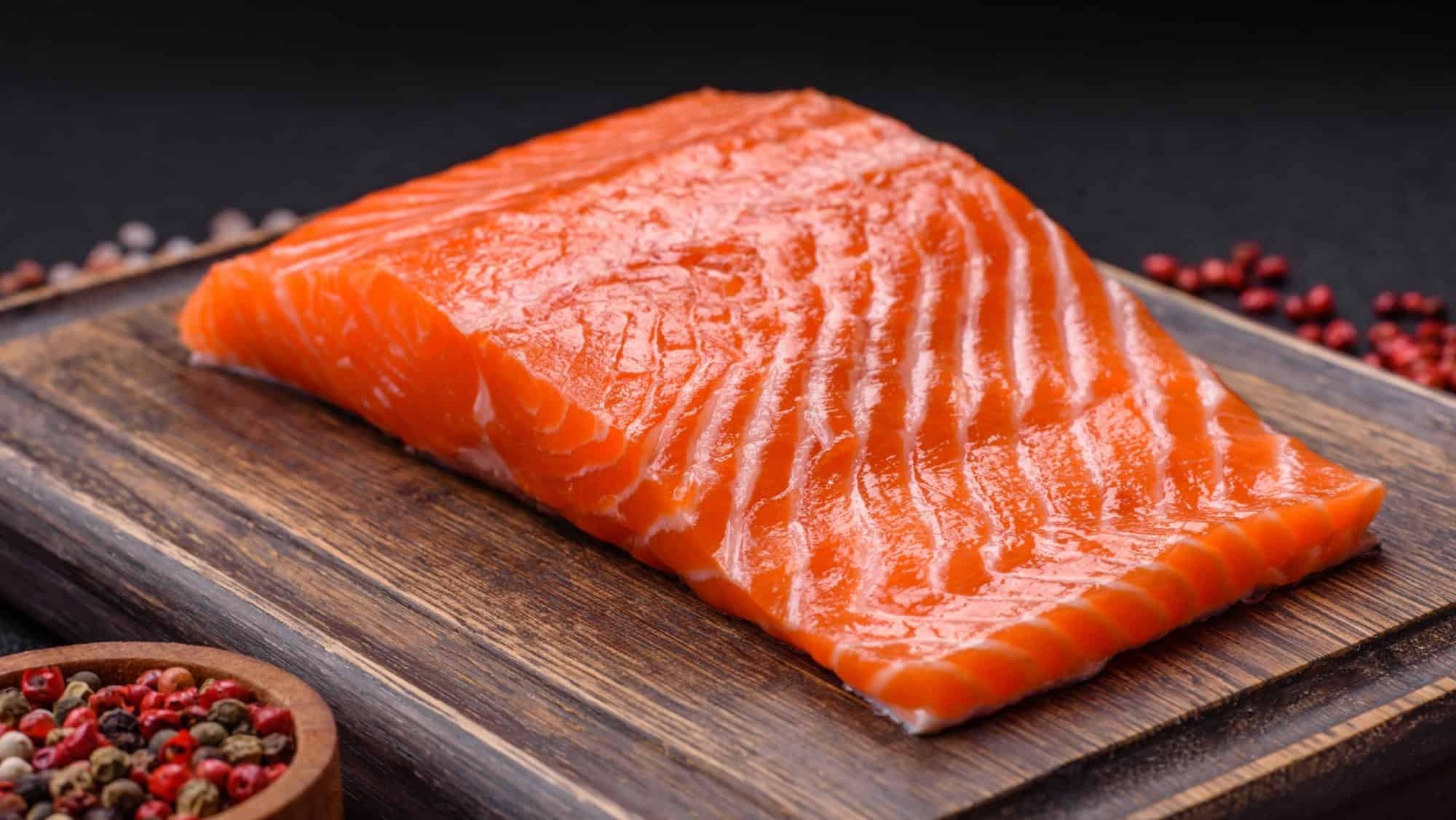
Time for another expensive fish. This time, it’s wild salmon, which costs around $15 to $25 today, depending on the species, season, and store you buy it from. It wasn’t always that way. You could get a pound of it for around 65 cents from A&P in 1965.
Adjusted for inflation, that’s around $6.90 a pound, or around half the cost that you’d pay today. It’s only the cost of fresh wild salmon that’s increased massively, though, and you can buy farmed salmon for a lower price.
The humble roast got pricey
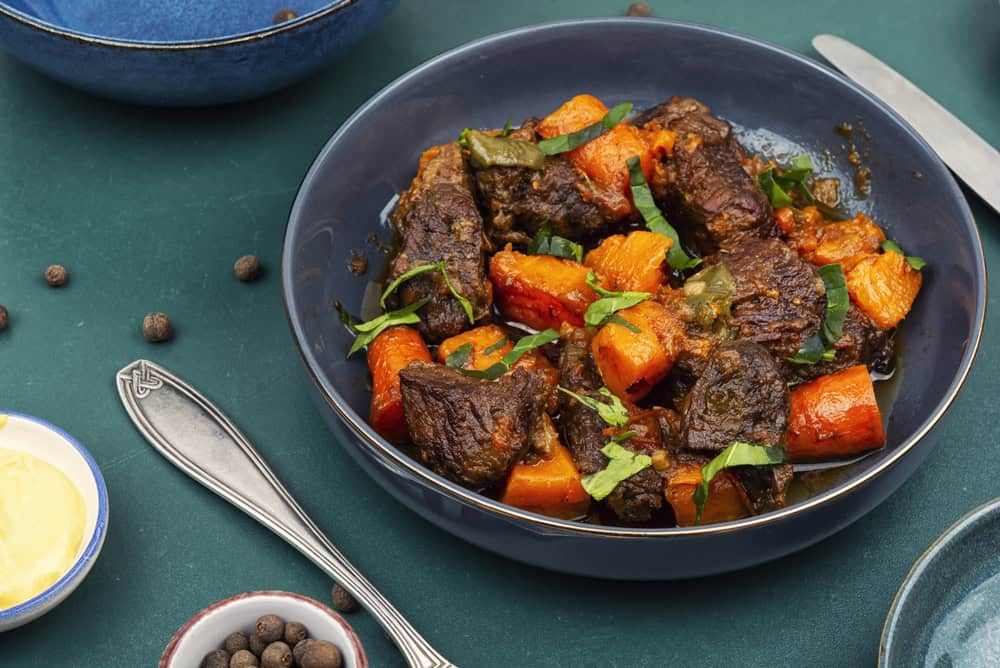
Paying thirty-three cents a pound for a pot roast was once completely normal. It was the standard price in 1965, and that meant the cut was a pretty standard dinner option. It works out to be around $3.54 a pound in modern money.
Good luck finding those same prices today because a pound of pot roast is closer to $11.99. You’re looking at around 3.4 times the inflation-adjusted 1965 cost for a simple comfort food.
Sources: Please see here for a complete listing of all sources that were consulted in the preparation of this article.
10 TV shows from the 1960s that no one remembers. Do you remember even five of these shows?
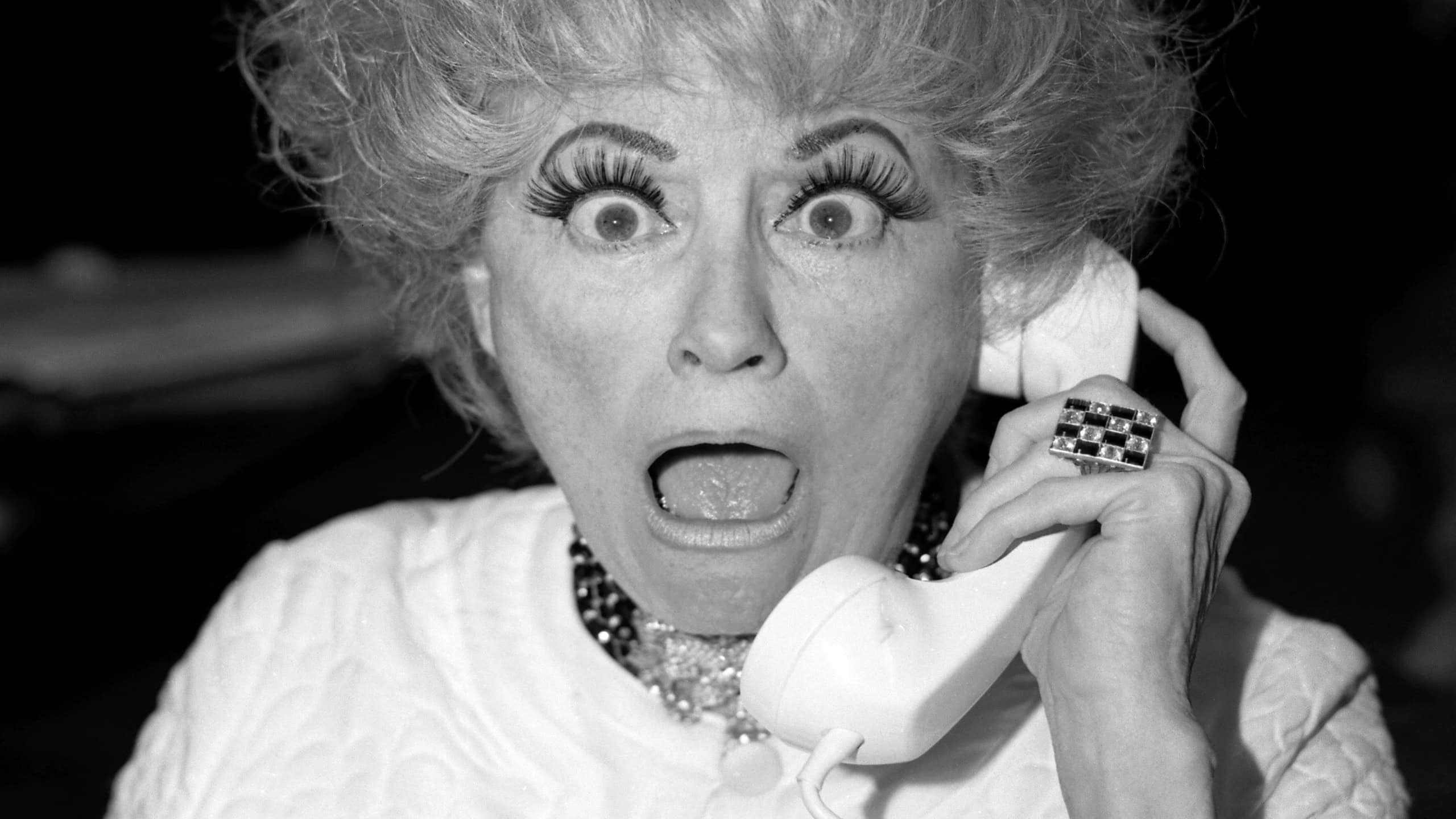
Lots of people remember famous 1960s shows thanks to reruns, but then there were those little TV show experiments that we all seem to have forgotten.
10 TV shows from the 1960s that no one remembers. Do you remember even five of these shows?
