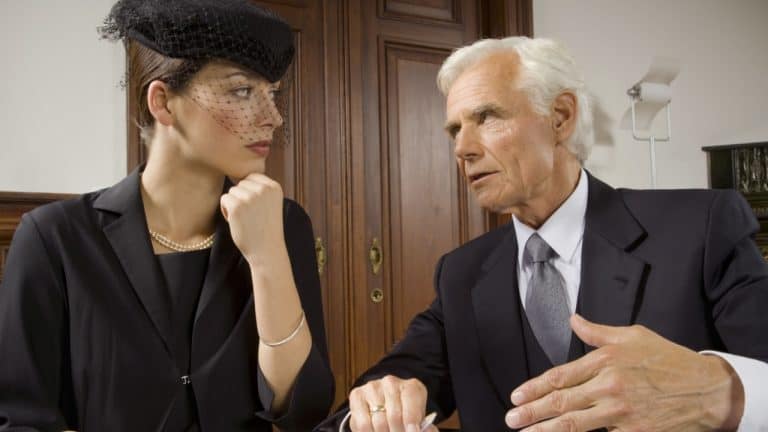

Funerals are one of the few events that manages to squeeze people you haven’t seen in ages into a single room. There are faces you know, but the smiles seem strained and the hugs a little awkward. Half-started, half-finished conversations fill the air. Sometimes it’s guilt that comes to the surface, sometimes just facts that were never known to you before.
Silent sibling rivalries

Siblings are a difficult lot. You can go years without an argument and then put all the family in one room to grieve and old rivalries start to reemerge. Someone makes a comment, someone else bristles and suddenly the “peaceful” family occasion is filled with unspoken tension.
Results from the Wisconsin Longitudinal Study in Research on Aging (Khodyakov & Carr, 2009) indicate that grief can burden sibling relationships. Conflict over end-of-life decisions or funeral arrangements can surface old wounds. Rather than bringing people together, families can feel even more divided than before in such situations.
Secret romance

It’s natural to think that your family and friends know you completely. After all, you open up to them and they have known you your entire life. But sometimes, even the people we are closest with are only showing a part of their emotional life. If someone dies, their families will sometimes discover letters, messages or even just memories of a secret love life.
A paper published in the Journal of Experimental Social Psychology reveals that people will sometimes choose to hide romances for the sake of keeping the peace in a primary relationship or to avoid judgment. The reality of the situation often comes to light only in the aftermath, and it leaves loved ones with a lot of unanswerable questions.
Medical conditions or addictions

You thought you knew them, didn’t you? We all fight secret wars, hidden even from those we love. After a loved one dies, the secrets leak out. You learn your aunt Helen had cancer. Your uncle Bill was an alcoholic. Your grandmother was addicted to prescription drugs.
Bhatia and Singh (2025) have discovered that frequently, those suffering from mental illness or distress do not communicate these concerns to family members for fear of judgment or conflict. Once everything is revealed after the person has departed, it could completely change the way relatives grieve and remember their lost ones.
Disowned or forgotten family members
Funerals can be a place you meet people you never expected to see. They may be distant relatives, or other family members you have lost contact with.
LoveToKnow’s funeral etiquette guide (see sources) notes that dealing with the death of a family member can be intimidating when you and some members of your family are estranged. These reunions may also stir up old conflicts, reignite grudges, or even bring up inheritance issues.
Secret generosity

Occasionally, at a funeral, people may learn something about the departed that they did not know at all. Relatives may uncover a letter or a receipt or a testimony from someone who has learned that this person, behind the scenes, did them a favor.
These deeds may have been done on behalf of a friend, a neighbor, or even a stranger. The generosity of the departed may leave loved ones shocked and awed.
For instance, Larry Stewart secretly helped thousands of people for over 20 years, and was known as the “Kansas City’s Secret Santa.” He was only discovered in 2006 after he was diagnosed with terminal esophageal cancer.
Stewart revealed himself just before a tabloid was set to publish the story, going public to share his story in the hopes that others would take the spirit as far as they wished.
Family fights with in-laws

It would seem that death brings closure, but often the opposite is true. At a funeral, you hear about battles the deceased person had with in-laws or grudges that he/she harbored with people you never knew. And the family you thought you knew, well it changes just a bit, and you see everyone a bit differently.
Wilson (2020) points out that there are also conflicts happening among extended family members, including in-laws, even during a funeral. When the mood has been set to mourning, such quarrels break the mood and make family members feel awkward.
Unfinished business or regrets

The death of a loved one can trigger all sorts of regrets. Maybe you think about times you wanted to say something but didn’t. Or, when some old issue could have been resolved, but wasn’t. Funerals provide the opportunity to think about these loose ends and work toward emotional closure.
According to a study by Holland et al. (2020), “unfinished business” or unexpressed regrets with the loved one is associated with an increased risk for complicated grief and a more challenging mourning process.
Hidden debts or financial struggles

After someone dies, their financial life often looms. Hospital bills, credit cards and old loans come in the mail unannounced. Family members sit at tables sorting papers and sorting out their loss.
A study by Corden and Hirst (2013) in Death Studies revealed that families typically find outstanding debts, ignored accounts and unexpected expenses after a dear departed. The surviving family members may become stressed as they learn some surprising aspects of the deceased person’s life they never knew about.
Secret property and investments

Another frequent occurrence after a death is the discovery of hidden assets. It is not unusual for family members to learn for the first time about private investments, bank accounts, or real estate which were not known about while the deceased was alive.
At my grandfather’s funeral, we discovered a storage locker full of antiques he had never mentioned. Then there were the bank statements, accounts that nobody knew about. All of a sudden, the family reunion was filled with excitement, tension and awkward curiosity, because of what had been so silently kept.
Adopted or unknown children

It’s a shock to learn a loved one had a child they never mentioned. The baby could have been from an earlier marriage or a pre-family relationship. When the secret is revealed, questions arise. Who knew, why was it kept secret and what does this mean for those still here?
Psychiatric Times published that people often experience a range of emotions after they learn of the existence of unknown family members. The information may also upset the psychological equilibrium of the family.
Hidden talents or passions
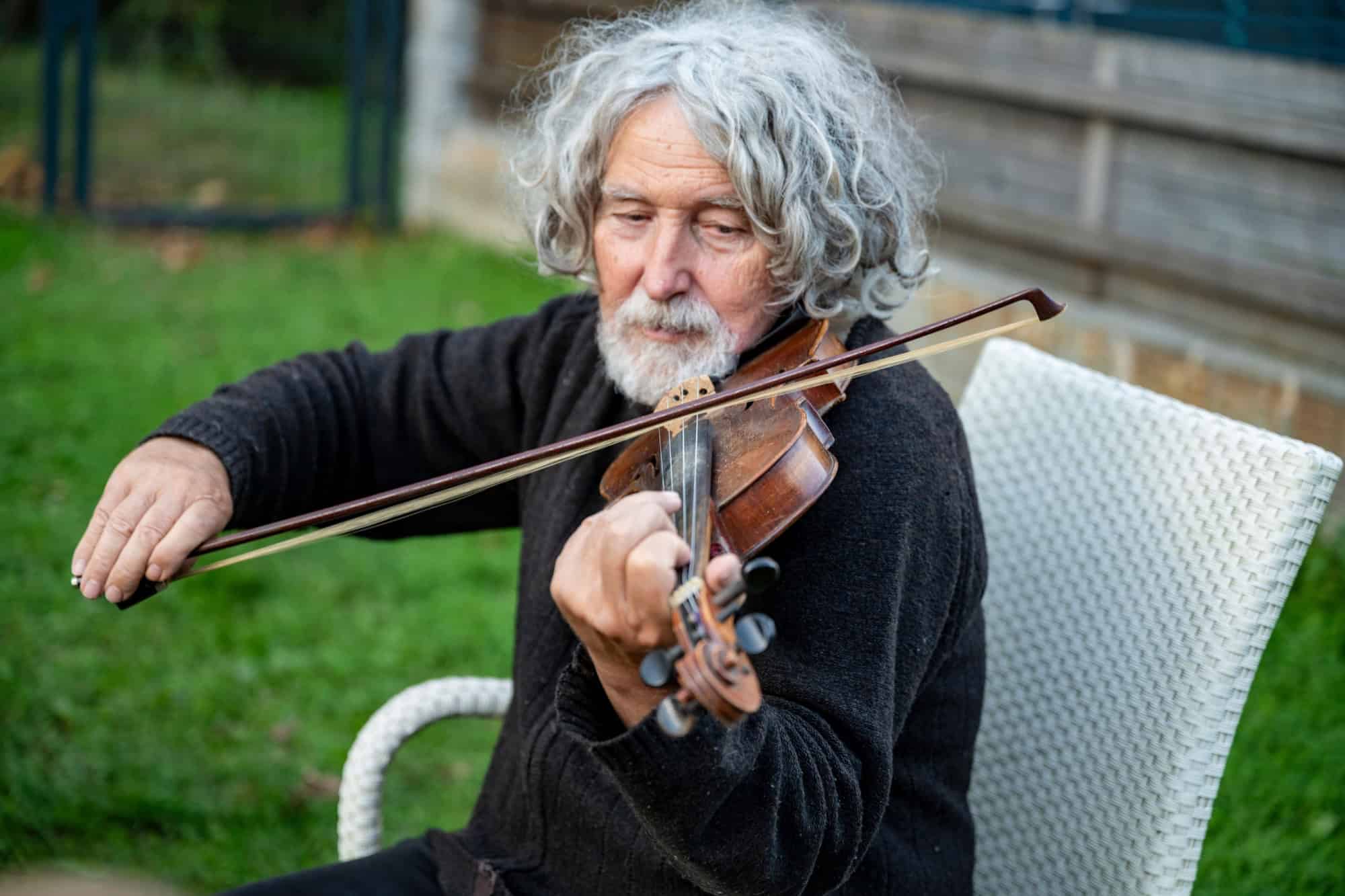
Families at funerals will sometimes discover sketches, or songs or notebooks from years ago revealing another version of the dear departed: the artist, the poet, or the musician they never knew existed.
Discovering that hidden side within someone transforms your perception about who they were. Almost like seeing them for the first time.
Past legal troubles or criminal involvement

Sometimes, following a funeral, a family will discover that a deceased loved one had a criminal history or significant legal problems in their past. Sometimes it comes to light via paperwork or police reports, but other times it’s discovered through conversations.
After reading the post on Reddit, “Dark Family Secret Uncovered while Researching,” which was about a potential murder in the family, it was clear that the poster was unsure about what to do with the information since it did have the potential of upsetting his family. Such findings can be startling to family members and even prompt difficult questions about what really happened and why it was kept a secret.
Sources: Please see here for a complete listing of all sources that were consulted in the preparation of this article.
Related Stories:
Research reveals 10 family conflicts that surface after parents pass