

Parents are the mortar holding bricks of a family together, smoothing over old rivalries and patched-up arguments and keeping people coming back to the same table. But when a parent is gone, fissures appear.
After they die, the cracks in the façade are revealed. Decades-old silence surrounding parental favoritism, caregiving burdens, or shameful family secrets begin to rise to the surface. Let’s have a look at some common issues about which most families keep quiet until after their parents die.
Featured Image Credit: Shutterstock.
The battle over who was the “favorite”

Family feuds don’t start with finances, they start with love. Research by Dr. Jill Suitor and Dr. Karl Pillemer found that 70% of mothers acknowledge having a favorite child. The main factors for this preference usually involve personality likeness between parents and child, shared values and the role of one child as a caregiver to them. After the parents are gone, these submerged tensions can erupt and leave siblings fighting over love and fairness.
Hidden caregiving resentments

Caregiving is typically not equally divided among siblings. AARP (American Association of Retired Persons) research shows that most caregiving is done by daughters and most caregivers, over 50%, say siblings do not share in the caregiving burden. The New York Times has written about how these resentments often re-emerge after parents die, as the caregivers seek recognition while the others minimize the sacrifice.
Control over family traditions

Holiday celebrations are sometimes the most changed events following the death of a mother. The research from Deborah Carr and colleagues at Boston University suggests that it is the mother who usually takes on the role of “kin keeper,” bringing everyone together and keeping traditions going. In the absence of that member of the family, rituals can become disrupted or abandoned, with resulting conflict over who will now take the lead.
Unearthing old secrets

Family secrets that no one talks about often come to the forefront when a parent dies. Ashley Barnwell’s “The Socio-Temporal Life of Family Secrets” (2019) reveals that long-hidden family secrets can come back to haunt a family during transition periods such as after the death of a parent. The result is often sibling conflict, depending on who wants the secret to be out and who wants it to stay buried.
Disputes over personal belongings, not money

You would think money would be a common cause of family quarrels, but research shows otherwise. In the Journal of Family Issues, experts say arguments often erupt over treasured items( an heirloom watch, a handmade quilt, an old recipe book) because of the memories they represent.
Conflicts over funeral arrangements

Brothers and sisters frequently battle over funeral arrangements when a parent dies. Arguments may include burial vs. cremation, type of service, religious rituals, and who does and pays for what. Funerals are decided during a time of grief, so fights are often emotional and can carry on for years. Aura Life and Funeralocity report funeral fights as one of the most common family disagreements following a death.
Financial disputes and mismanagement

Finance is one of the most frequent subjects that family members fight over after the death of a parent. Whether it’s due to debts, bank accounts, or how an estate is divided, it’s common for siblings to disagree, sometimes perceiving that their sibling handled the finances in an unsatisfactory manner, leading to court and/or emotional conflict.
The silence around estranged siblings
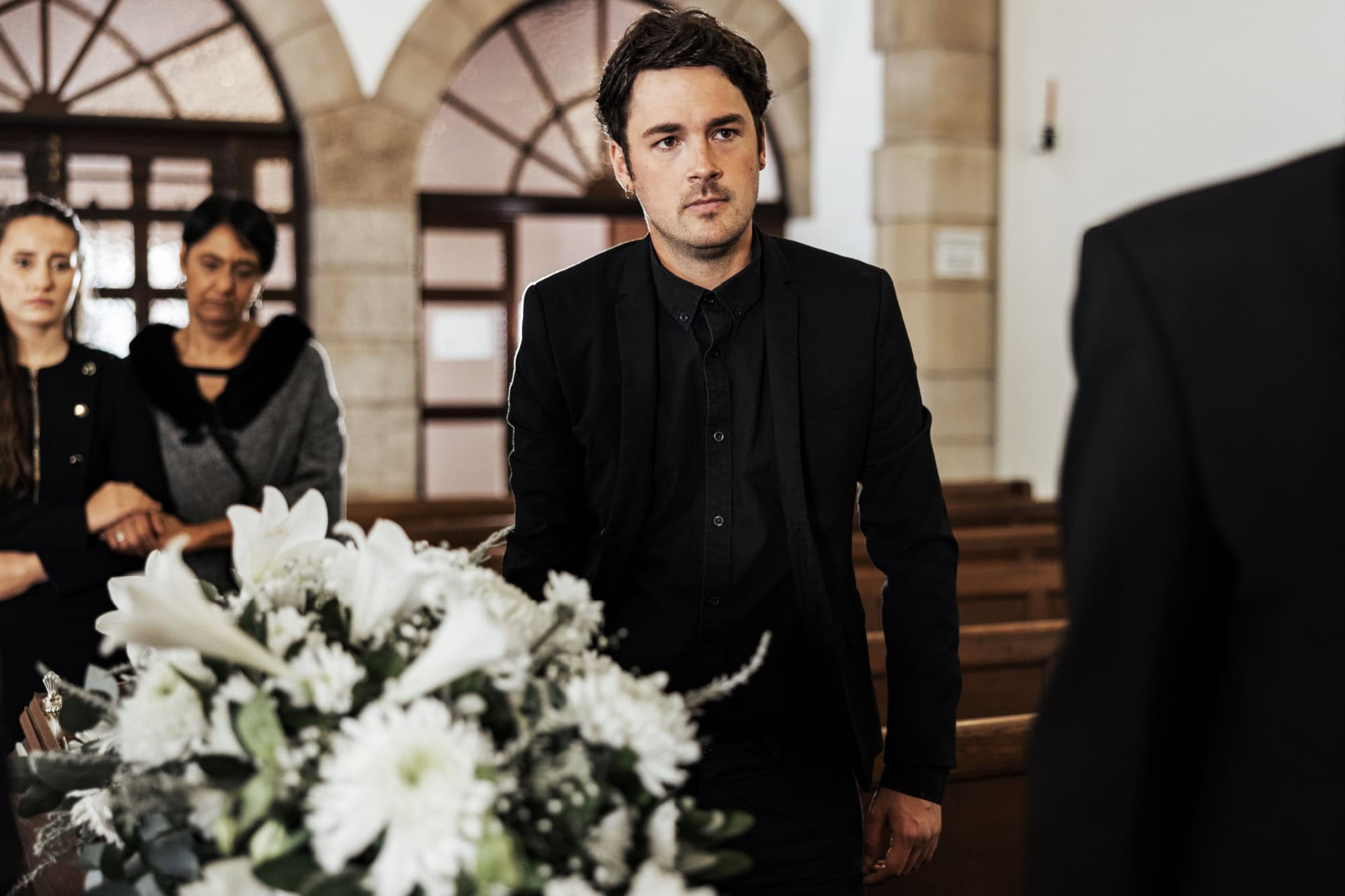
A long-lost brother at the cemetery? Now there’s a catalyst for sibling rivalries. About 25% of families have someone who’s distanced themselves, Cornell University reports. It’s common for them to return and argue about who belongs as family.
Rewriting childhood stories

Past memories can also get dragged into battle. A brother or sister might recall an abusive parent while the other has fond memories. Discrepancies in recollections are not unusual, researchers at Emory University note. It’s just that differences of opinion can turn into conflict in a flash when all parties are convinced their memories are true.
Changes in family roles

When a parent dies, there is a natural power vacuum in the family. Competition to succeed them may occur between siblings. Competition can come in the form of fighting over who should be doing certain things for the family, such as coordinating get-togethers, keeping up family business, or making family decisions. If one sibling starts to act like the leader, it can upset the balance of the family’s current dynamic and lead to feelings of unfairness.
Sources: Please see here for a complete listing of all sources that were consulted in the preparation of this article.
Like our content? Be sure to follow us.
