

People think once a loved one passes, the paperwork is mostly done once the funeral’s been paid for & a will’s been read. But it’s never that easy. Months later, letters appear in the mailbox with balances attached, and some of them are far too easy to miss. Here are ten bills that quietly follow families after someone dies. Which one do you think is the worst?
Featured Image Credit: Shutterstock.
Social Security overpayments reclaimed by SSA
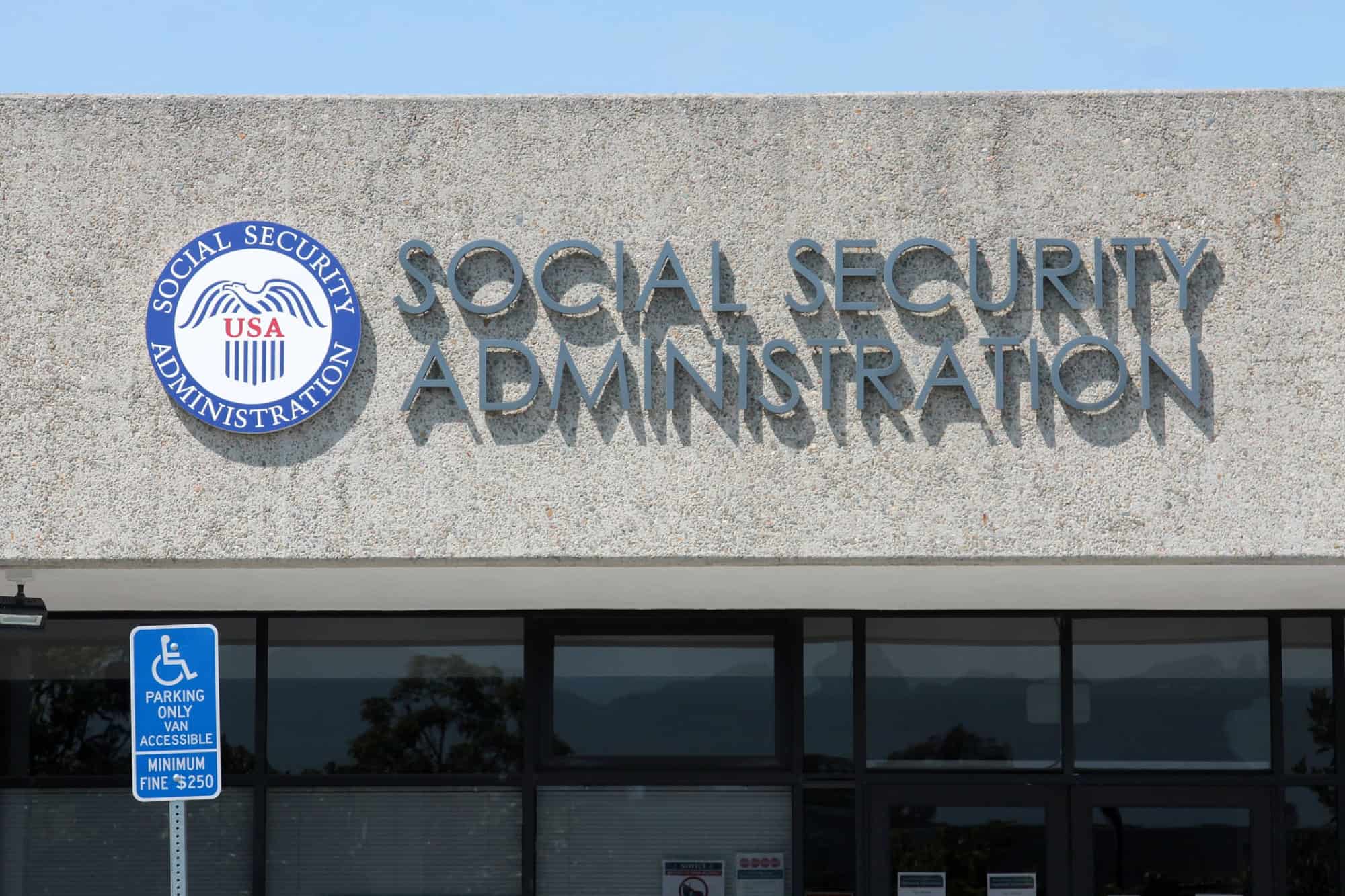
Most Social Security checks continue looking routine when someone dies. Social Security pays at the start of the month for the previous month, meaning that when someone dies early in the month, the deposit still arrives. But the government wants that money back. Unfortunately, not everyone realizes this until they receive letters demanding that it be paid.
Medicare Part B premium overpayments

Medicare is a similar problem, as they don’t stop drafting premiums the second someone passes. A mid-month death could also mean an extra premium slips through that nobody bothers to explain. It’s only when families are told weeks later that the money needs to be returned, separate from everything else in probate.
VA benefit overpayments billed to the estate

Any military family will know the pain of this all too well. The VA keeps paying benefits for the month after death, then later asks for these back, and the bill doesn’t go to the spouse personally. Instead, it goes to the estate. Failing to file a request for a waiver allows the VA to push for repayment even years later.
Private student loans and co-signer liability

Sure, federal student loans are wiped clean at death. But private ones tend to stay. Unfortunately, lenders are able to chase whoever co-signed, and some contracts may specify that the balance comes due right away if the co-signer dies. That means a student could suddenly be on the hook for the entire loan.
HOA assessments turn into property liens

Living in a neighborhood with an HOA can be a problem when the homeowner dies, as those monthly dues don’t just stop. In fact, the HOA may be able to attach a lien to the property for any missed payments. You’ll have to clear that lien before the house is sold. In some states, they can even start foreclosure over unpaid fees.
Water and sewer bills become liens on the home

Utility bills sometimes feel minor, yet it’s a different story when it’s water & sewer. The balance of an unpaid account after death may shift to the property itself, which may block a home sale or appear on the tax bill later. It’s not something most families notice until they’re mid-closing & scrambling to pay it off.
Ground ambulance balance bills arrive later

Ambulance rides may hurt you twice. Yes, insurance might cover part of it, but ground ambulance companies aren’t under federal surprise-billing rules, and they’re able to bill the estate for the rest. Sometimes, the invoice doesn’t arrive for months, long after the funeral. And then there’s suddenly a several-hundred-dollar balance to deal with.
State nursing home cost-of-care claims

Some states cover nursing home stays outside of Medicaid. But they don’t forget about it. Months after someone dies, the estate may receive a bill for the daily care charges, especially in Washington, which sends detailed breakdowns showing what is owed. Unless the family files paperwork quickly or qualifies for a carve-out, the claim will stay on the estate’s plate.
Unclaimed pension benefit overpayments

Sometimes, pensions keep paying after death because no one has told the plan administrator in time. It feels like a normal deposit at first, but later, a notice will show up asking for the funds back. Worse still is when there’s a direct deposit, as the plan can just pull the money out, meaning you’ll have to work out exactly what happened.
Senior property tax deferral payoff at death

Some states allow older homeowners to push their property tax bills down the road with a deferral program, which sounds simple. You stay in the house & your taxes are delayed. But what they usually overlook is the lien the state files, with interest tacked on year after year, that families have to deal with when the homeowner passes.
Sources: Please see here for a complete listing of all sources that were consulted in the preparation of this article.
Like our content? Be sure to follow us.