

So many famous things in history have disappeared completely, and while archaeologists are still looking for them, no amount of sonar or satellites has helped them find these items.
Most of the ancient computer is gone

The most annoying part of the Antikythera Mechanism is the fact that we don’t have the rest of it. Researchers can tell it’s part of an ancient machine, but unfortunately, we don’t have most of the machine itself. In 1901, divers pulled 82 fragments of the mechanism from a Greek shipwreck.
The fragments included around 30 bronze gears. Yet the main part of the machine is missing, forcing scientists to work backward from inscriptions and broken gear teeth. They’ve continued excavating at the wreck, just in case there are more pieces. But nothing so far.
The books survive mostly as names
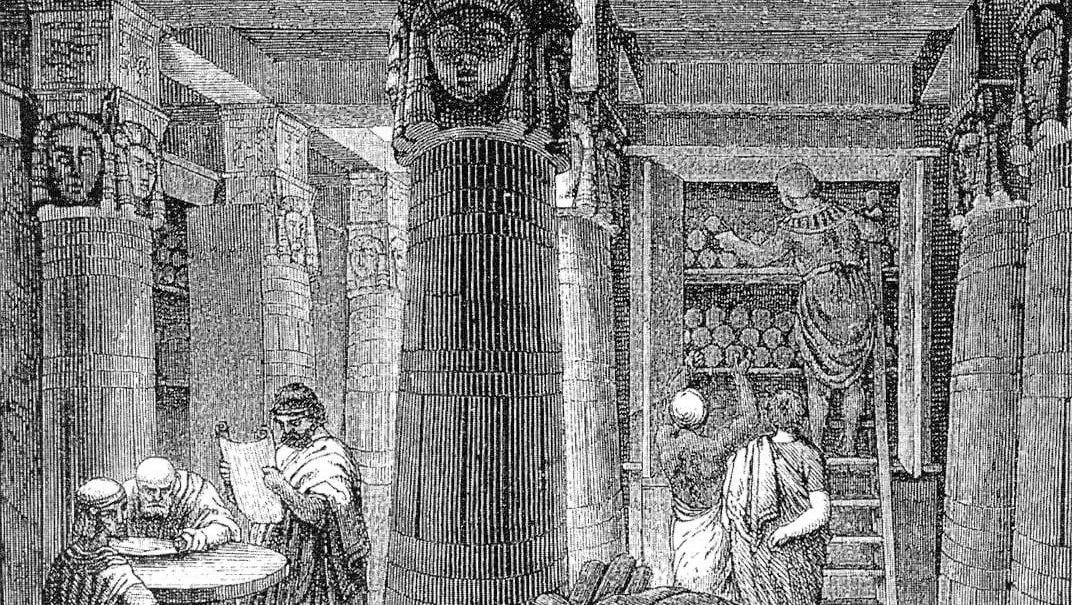
Despite the legends, there wasn’t a single event that destroyed the Library of Alexandria. No, it declined over time, mostly due to wars and political changes, as well as neglect. But what archaeologists are really interested in is the enormous collection of writings that were once in the library.
We have some information about the missing works, like writers’ names and book titles. There are also mentions of works from other writers, although we don’t have the works themselves. Archaeologists and other scientists continue to search ancient Egyptian sites for any fragments.
Somewhere beneath Cleopatra’s Egypt

Cleopatra and Mark Antony died a little over a week apart in 30 B.C., and according to ancient accounts, they were buried somewhere together around Alexandria. But that’s all we know. Archaeologists have been searching for years, yet they’ve never been able to pin down where their shared tomb is.
Kathleen Martínez is one of those people who have been looking, and she has spent many years excavating at Taposiris Magna. The site is 30 miles west of Alexandria. Other Egyptologists have been looking, too. Some of them suspect the tomb could be underneath modern Alexandria, but really, we have no clue.
A queen still without a grave
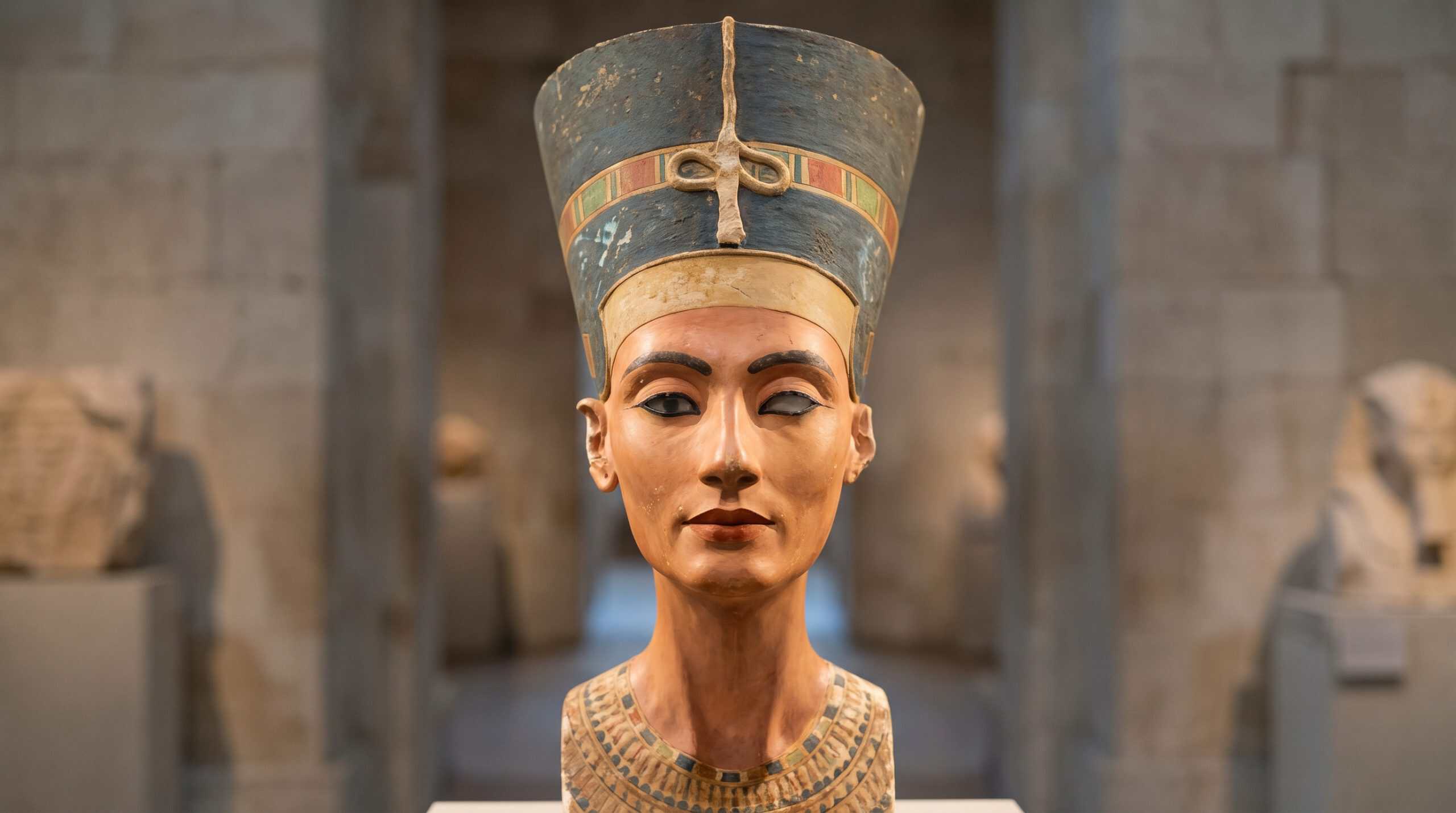
That’s not all for Egypt. Nefertiti is easily one of the country’s most recognizable faces, but strangely enough, nobody knows exactly where her grave might be. There are a few Egyptologists, including Nicholas Reeves, who believe that boy king Tutankhamun’s tomb might have hidden chambers. That could be where Nefertiti’s tomb is.
But after conducting radar scans, there’s still no clarity, as the results have been pretty mixed. The future does look promising, though. New geophysical work in 2026 suggested there may be corridors or spaces beyond the known walls in King Tut’s tomb. It’s not a guarantee that Nefertiti’s tomb is in there, but still, it’s better than nothing.
The garden nobody can place

The Hanging Gardens of Babylon were one of the Seven Ancient Wonders of the World. The funny thing is, archaeologists aren’t completely sure the gardens were even in Babylon. Ancient sources describe the gardens as huge terraces packed with trees and plants. We can’t forget the advanced watering systems, either.
But there have been no signs of these gardens in modern Iraq, following excavations. Some scholars, like Stephanie Dalley, believe the structure may have been at Nineveh. This site is around 300 miles away. Despite studying ancient reliefs and inscriptions, we’re no closer to knowing where the fascinating place could be.
Rhodes has no confirmed piece of its giant

The Colossus of Rhodes is another missing Ancient Wonder. The bronze statue was around 120 feet tall and was knocked over in 227 B.C. after an earthquake. Ancient writers did say they could see the statue’s broken remains for centuries after, until the rest of the statue disappeared completely.
But we haven’t found a single surviving piece. We don’t even know where the statue originally was, as there are still debates on its possible location. One thing we do know is that it probably didn’t include the famous legs-over-the-harbor pose. That part is most likely a misunderstanding, or fiction.
Twenty-seven crates that disappeared

The Amber Room was a place that was as amazing as it sounds. It was an entire room that was designed to dazzle anyone who set foot inside, and that’s because of the amber panels covering every wall. The amber mirrors and gold leaf decoration helped, too. In 1941, German forces dismantled the room from Catherine Palace near St. Petersburg.
They packed the contents into 27 crates and shipped the boxes to Königsberg, although that’s where the trail goes cold. The room itself completely vanished toward the end of World War II. There have been rumors, of course, including claims that the room was buried under bunkers or mines. The only piece we have is a mosaic panel that resurfaced in Germany in 1997. That’s all.
Eggs that slipped through the records

You can’t get much fancier than a Fabergé egg. Designer Peter Carl Fabergé created fifty Imperial Easter eggs for Russia’s royal family between 1885 and 1916, but it turns out many of these iconic pieces are missing. It all began after the Russian Revolution. The royals had their belongings seized or sold, including the eggs.
Some of these pieces disappeared into private hands, and of all the eggs completed, six are still missing. It’s not all hopeless, though. The Third Imperial Egg went missing around 1922 and eventually turned up in 2014 after an American scrap-metal dealer found it. Perhaps we’ll find some more in the future.
An airplane somewhere in the Pacific

Amelia Earhart is easily one of the most famous pilots in the world, although it’s mostly because of her disappearance. She took off on July 2, 1937, with navigator Fred Noonan from Lae, New Guinea, in a Lockheed Electra 10-E. The pair were heading toward tiny Howland Island. They were never found again.
Searchers did try their hardest to find Earhart, but with no luck. Her plane is still missing, too, and archaeologists have searched the deep water near Howland to find it. They’ve also looked at Nikumaroro, a different Pacific island, yet still haven’t found anything. We know her aircraft is definitely out there. We just don’t know where.
Roanoke may have moved rather than vanished

In 1590, John White returned to Roanoke Island to find that the colony that was once there had vanished. It had only been three years. But seemingly out of the blue, houses were taken apart, and the colonists were gone, with the only clue being the word ‘CROATOAN’ carved into a post. That’s where the alleged mystery starts. Archaeologists, however, aren’t interested in that.
They generally agree that the colonists probably ended up joining another settlement, potentially a Native American one. They’ve discovered European objects at sites around Hatteras Island and the Albemarle Sound. What they’re looking for is something that directly links these findings to the missing 115 colonists, as that evidence is still missing.
A Navy ship with no wreck
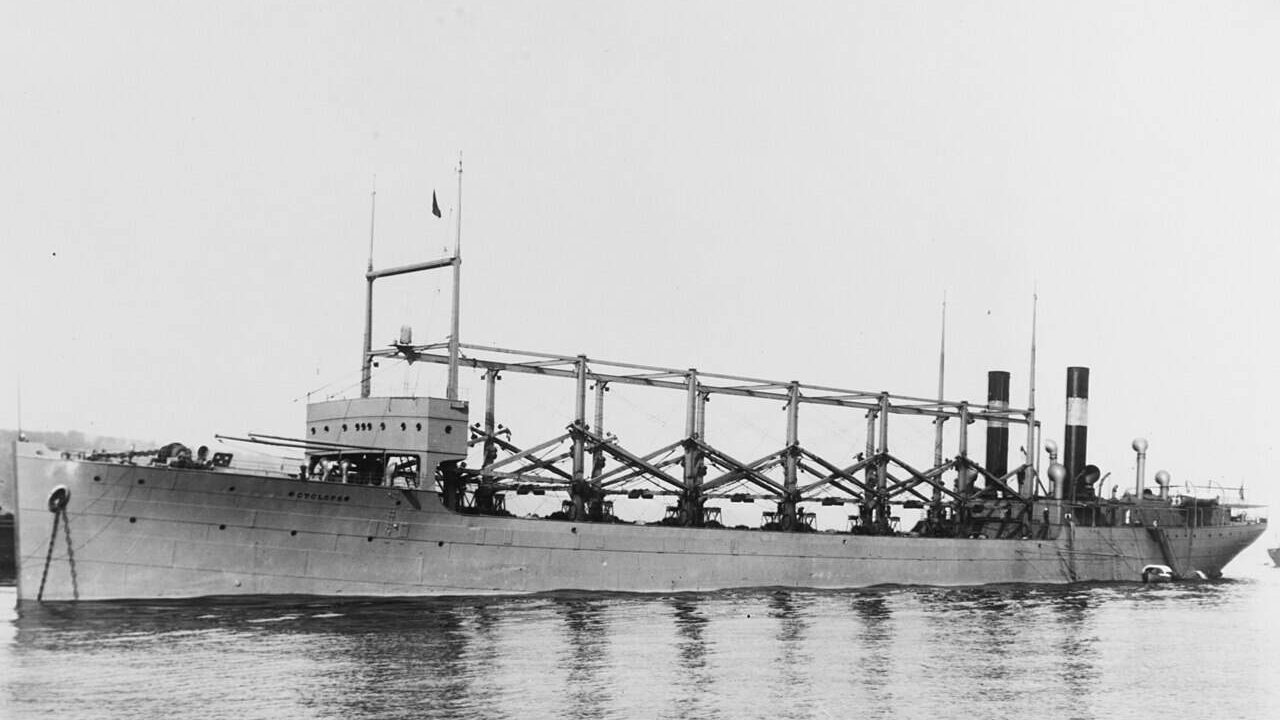
It shouldn’t be easy to lose a ship, especially not a Navy one. But that’s exactly what happened to the USS Cyclops after it left Barbados on March 4, 1918. The Cyclops had manganese ore and over 300 people, yet for some reason, it failed to reach Baltimore. There was never a confirmed distress call either.
Archaeologists haven’t found any lifeboats or shipwrecks that match the Cyclops. They do have some theories about what might’ve happened, including storms or engine trouble. The heavy cargo could’ve caused issues, too. Still, while they’re continuing to look for the 542-ft-long ship, they haven’t found anything yet.
Columbus’s flagship is still missing

The Santa María is another missing ship that archaeologists are looking for, although this one is much older. This is the boat Christopher Columbus used during his first voyage across the Atlantic. It actually ran aground off Hispaniola, near modern-day Haiti, on Christmas Eve, 1492.
But the sailors didn’t want to waste the wood. So, they stripped most of its timber away to build the settlement of La Navidad. The rest of the wreck is a complete mystery, and marine archaeologists have been trying to find where it could be.
Sources: Please see here for a complete listing of all sources that were consulted in the preparation of this article.
13 peculiar and obscure facts from history

Forget about all those famous battles and presidents because it turns out that history is a lot weirder and more interesting, too.

