

History has a way of turning real people into characters, and once you learn the truth behind them, you’ll find that some of the most familiar names are almost unrecognizable.
The deadly dentist numbers grew
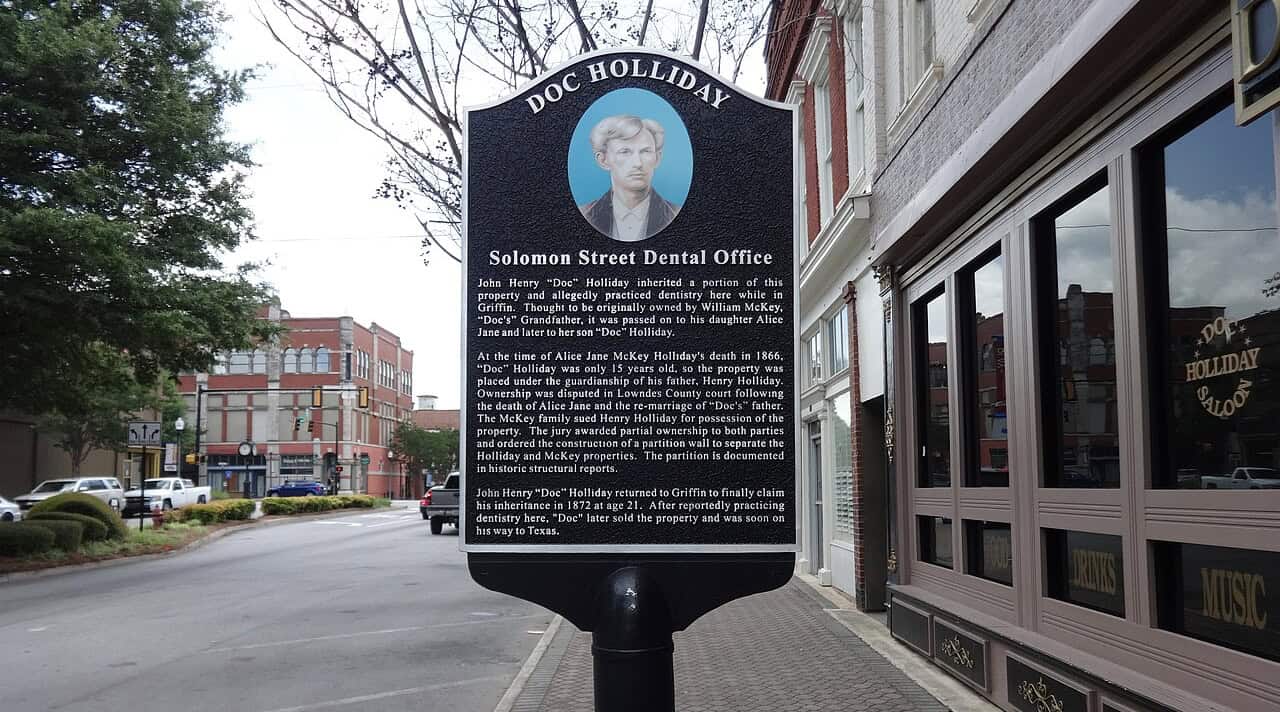
Every story about Doc Holliday gets bigger and bolder. He was an unstoppable killing machine, apparently, and some accounts claim he was involved in killing 16 people. Other versions go much higher than that. Yet most historians agree he killed at least two people, and that his total kill count was less than ten.
There’s also the fact that Holliday had trained as a dentist before tuberculosis ruined his health, so he was somewhat respectable. He might’ve looked dangerous, but he wasn’t the bloodthirsty man from the legends.
The man behind the monument
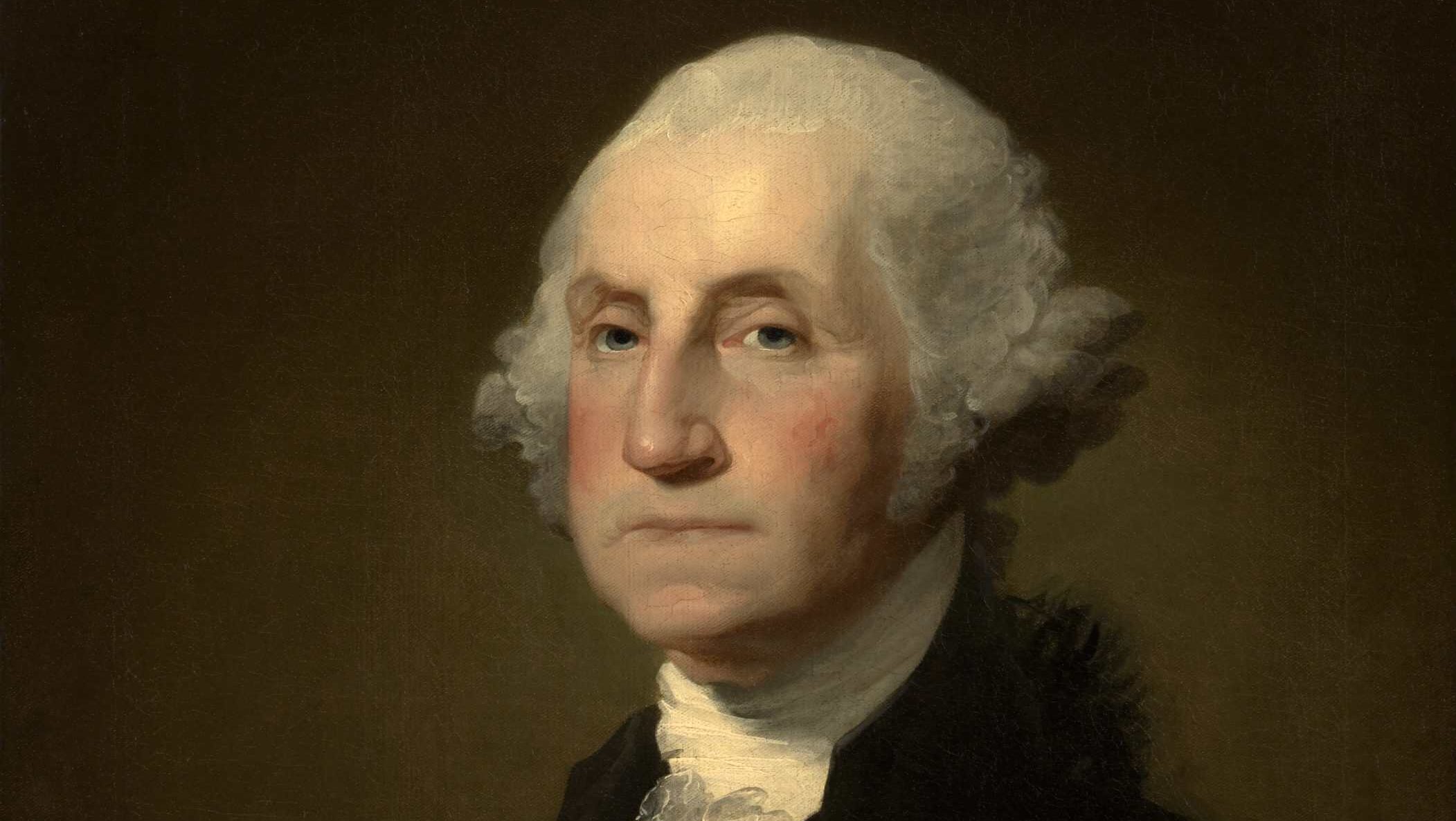
A lot of history books treat George Washington as some kind of perfect and honest historical figure. That image wasn’t real. For starters, the famous story about him confessing to chopping down a cherry tree just isn’t true. There’s also the fact that he had around 317 slaves living on his Mount Vernon property in 1799.
Washington legally owned 123 of these slaves himself. As for his personality, the historical record shows that Washington was very concerned about his reputation, and some sources claim he hated criticism. He was a lot more anxious and politically calculating than the legend suggests.
The wild frontier act
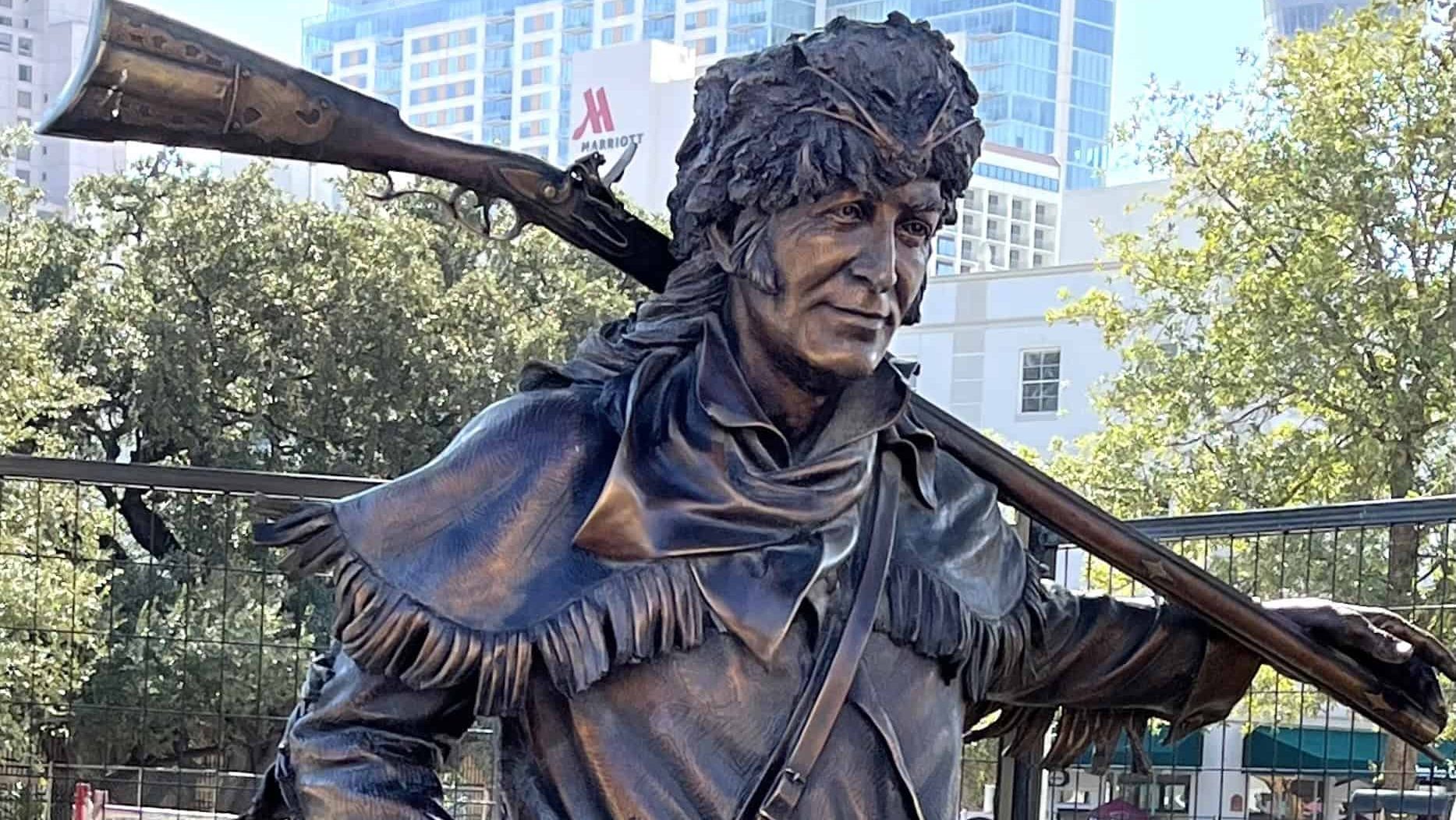
The story about Davy Crockett involves him being a kind of wild man who wandered out of the woods wearing buckskin and a coonskin cap. He was nothing like that in real life. No, the historically accurate David Crockett lived a far more civilized life, especially since he served for three terms in Congress. He dressed like the other politicians there.
In 1834, Crockett published an autobiography, and it helped him to build up his national reputation. He was someone who knew the power of an image, though. That’s why he played up the frontier image of himself and made himself seem like a rough, half-wild figure. He wasn’t really like that, though.
Apples with a business plan
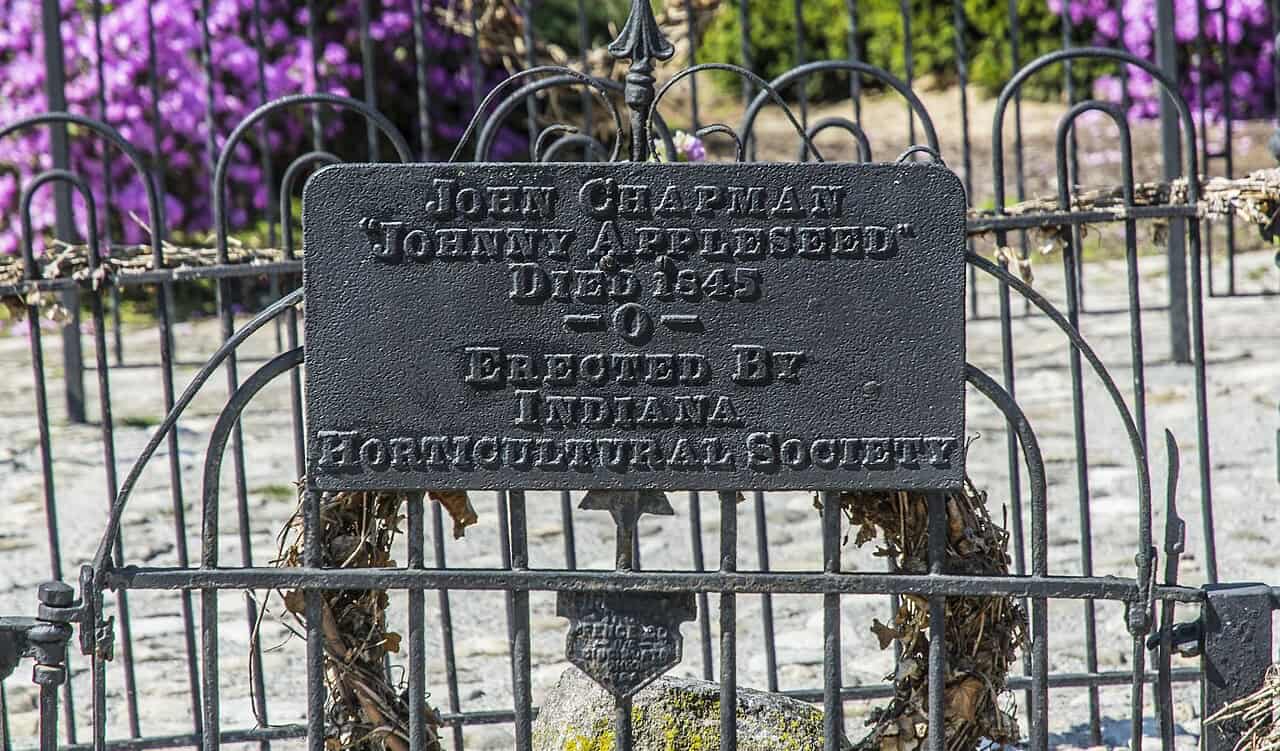
There’s a pretty popular idea of Johnny Appleseed walking across America, randomly flinging seeds over his shoulder and hoping for a harvest. It’s not true, though. His real name was John Chapman, and he deliberately established apple nurseries in places where he expected settlers would arrive. He was hoping to then sell or transfer those orchards.
We also can’t forget the fact that apples grown from seed usually didn’t produce the sweet fruit that we tend to eat today. Apples back then were a lot more sour, so they were often used for making cider instead. In other words, Johnny Appleseed wasn’t the barefoot folk saint that legends paint him as. He was actually quite a practical businessman.
Calamity wrote her own part
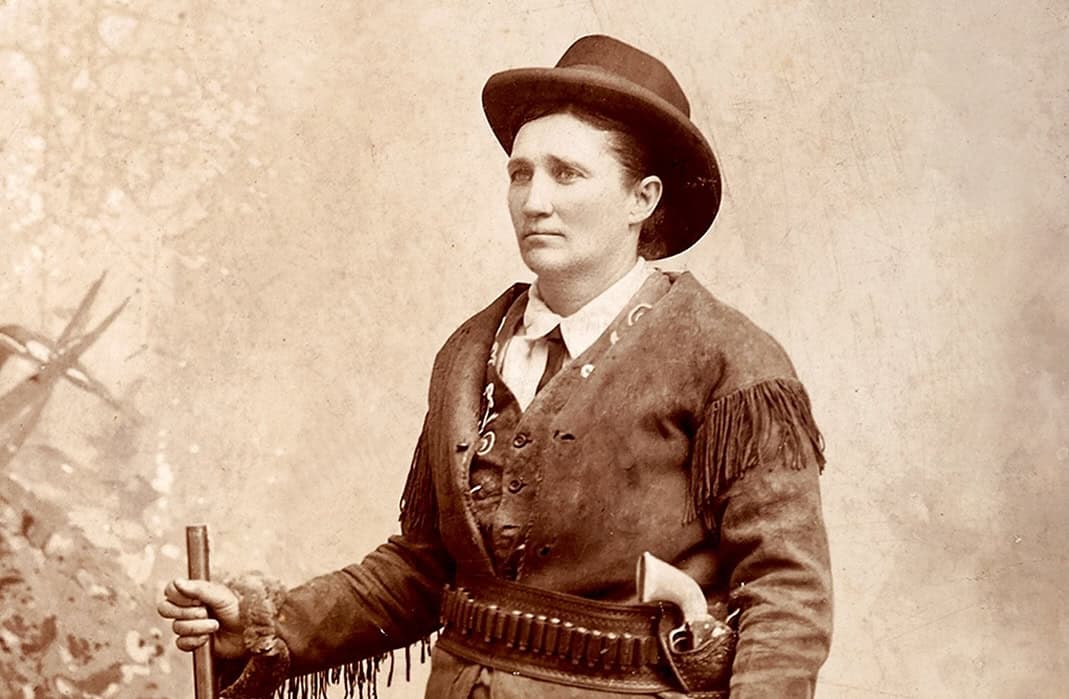
Calamity Jane wasn’t the kind of person to wait for other people to build her legend. Martha Canary, Jane’s real name, did it herself. She originally claimed to have served as an Army scout under famous commanders such as George Crook and George Custer.
Most men who met her, though, said she was more like a camp follower than any kind of army scout. That wasn’t even her only job, she worked as a laundress and waitress, too. The stories about her wearing buckskins aren’t true either, as she often wore ordinary dresses or men’s clothes. She was intimidating, yes, but not the daredevil you might think she was.
Robin Hood came later
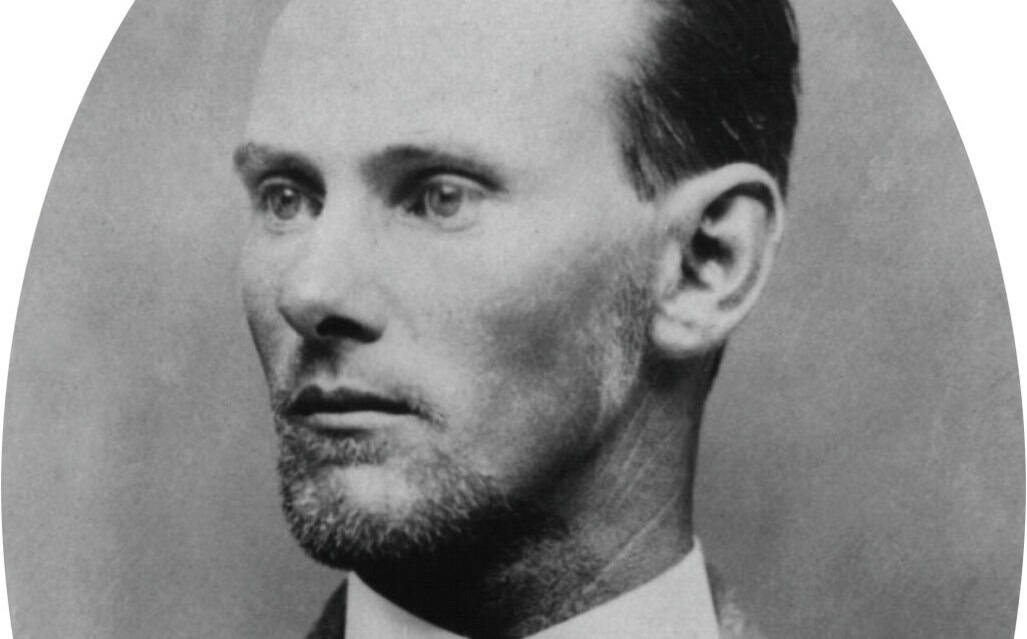
It’s a fact that Jesse James robbed banks and trains. What’s not true, however, is the reputation that he managed to build up for himself as a Robin Hood-style figure. That myth came about because of John Newman Edwards, a former Confederate officer turned newspaper editor. He wanted to present James as a brave Southern rebel, so James played along with it.
He even sent letters to newspapers himself to make himself appear in a more positive light. The truth is, James’s gang robbed across several states, and they killed people during some of those crimes. There’s very little evidence at all that James shared his money with struggling families. He was a murderous criminal, through and through.
Nothing like the paintings

Once you take away the giant feathered headdress and the dramatic poses, Crazy Horse begins looking pretty different. Lakota accounts from the time actually describe him as a quiet and simply dressed person. So, he wasn’t someone who was interested in showing off or looking particularly tough.
Yes, it’s true that he was a major Oglala war leader and that he fought at Little Bighorn. But he didn’t wear the huge war bonnet people think he did, nor did he brag about his achievements. He was far from the fearsome and loud warrior people made him out to be.
Sources: Please see here for a complete listing of all sources that were consulted in the preparation of this article.
13 peculiar and obscure facts from history

Forget about all those famous battles and presidents because it turns out that history is a lot weirder and more interesting, too.

