

It wasn’t that life was better when you were a teenager in the ’70s, but you did learn how to do some things that are now becoming lost skills.
Handling money

Budgeting and finances in the ’70s required you to know how much money you had and didn’t involve staring at your phone. Kids and teenagers had loose change in their pockets, counted their money, saved those coins and dollar bills, and budgeted until they made more money.
They couldn’t immediately look up their bank account balance from any location unless they had direct access to a bank terminal. Remembering how much they spent involved memorization, saving receipts, a bankbook, or how much money remained in their wallet.
Parallel parking without tech

Parallel parking was all nerve back in the 70s. There were no backup cameras, proximity sensors, or distance graphics to guide you as you slid into a spot.
Teens had to use their mirrors, swivel their heads, eyeball distances, and gently maneuver into position. It took some practice, especially if you were driving one of those big cars.
Recording songs off the radio

Creating your own music collection meant having to sit next to a stereo with a cassette recorder, patiently waiting for your favorite song to come on the local AM or FM channel. Teens would need to press Record and Play at exactly the same moment the song started, trying to fade out the radio DJ before he/she would speak over the beginning of the song.
Making a quality mixtape was a skill that involved many hours of focused listening, quick reflexes, and accuracy.
Manual research

School research in the ’70s required you to physically go to a library instead of just googling. Students dug through encyclopedias, reference materials, newspapers, and card catalogs to gather information.
Helpful facts were carefully handwritten or photocopied and finding one good source could take all day. Research was a test of patience and resourcefulness without much technological assistance.
Manual driving

Learning how to drive required developing precise coordination between the foot clutch, mechanical hand shifter and gas pedal on floor-shift three-on-the-tree manual transmissions. Teen drivers had to learn to listen to engine pitch to determine when to change gears and how to smoothly start on hills without rolling backwards into the vehicle behind them.
Fixing broken tape ribbons
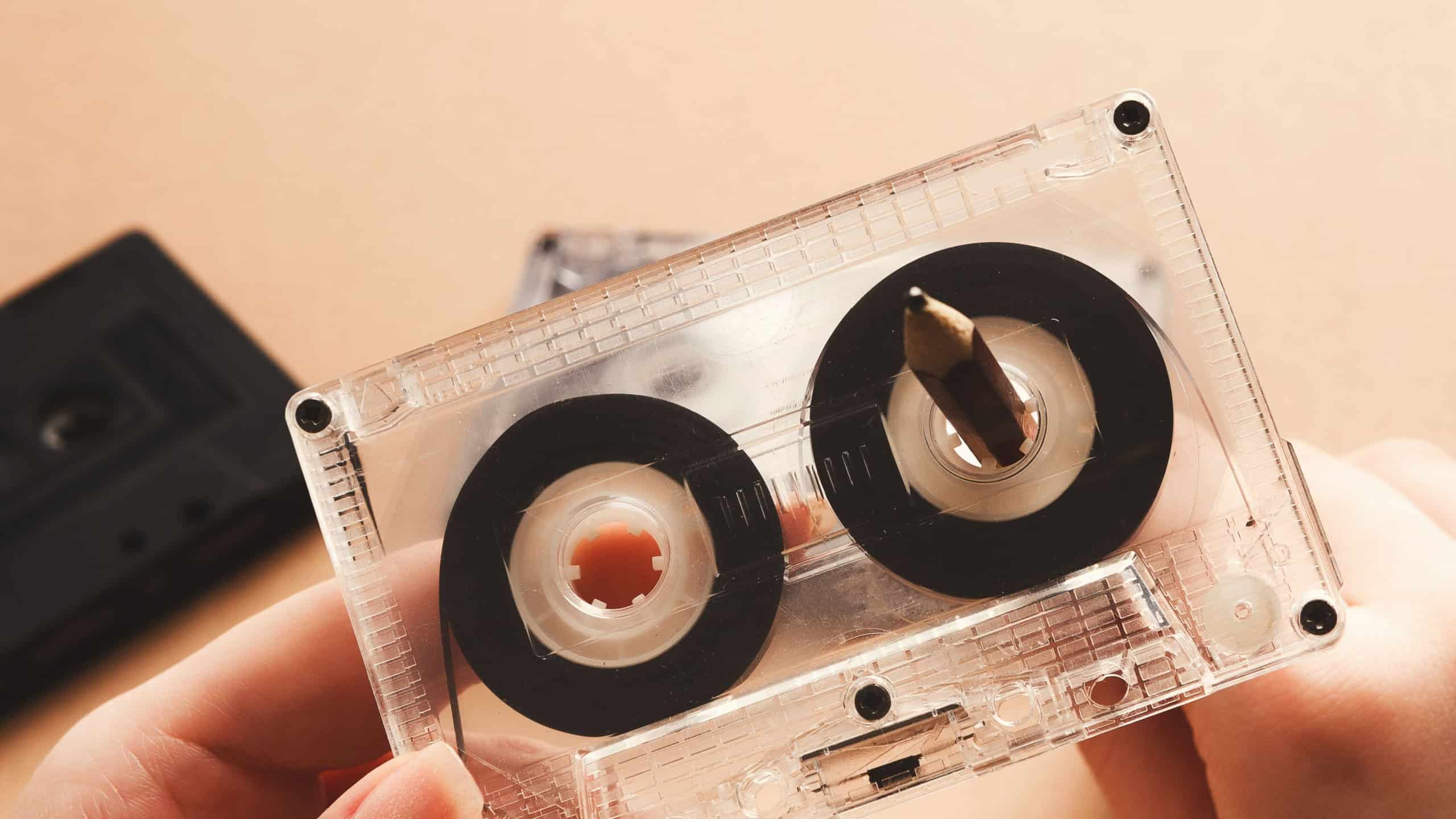
When an 8-track tape or audio cassette became jammed in a player, it often ejected yards of fragile magnetic tape into a knotted heap. Rather than throw it away, teens would rewind it back into the cassette using a regular wooden pencil inserted into the cassette’s sprockets.
If the tape broke, it required a very careful hand along with Scotch tape and a razor blade to splice the fragile magnetic tape.
Making plans without tech

Making plans in the ’70s was serious business. You couldn’t text someone last minute to see if they wanted to hang out. Teens would decide on a time and place ahead of time and just show up. If your friend was running late, there was often no quick way to find them.
You just waited around and hoped that they were still coming. You learned that plans didn’t always change at the last minute.
Reading CB radio jargon
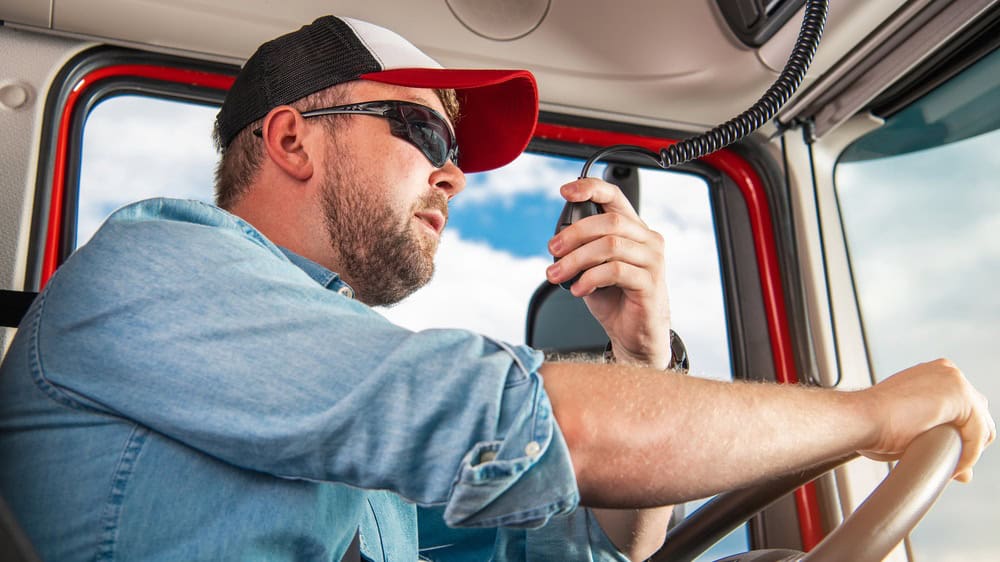
Talking over short distances while driving or hanging out meant you had to use a CB radio and know CB lingo of channel calling, handles, and code numbers.
For example, you had to know what a “bear in the air” or a “smokey” was (helicopter cop or highway patrol). Kids also had to learn how to manipulate the radio’s manual squelch dial to open conversation through white noise/static.
Reading a physical roadmap
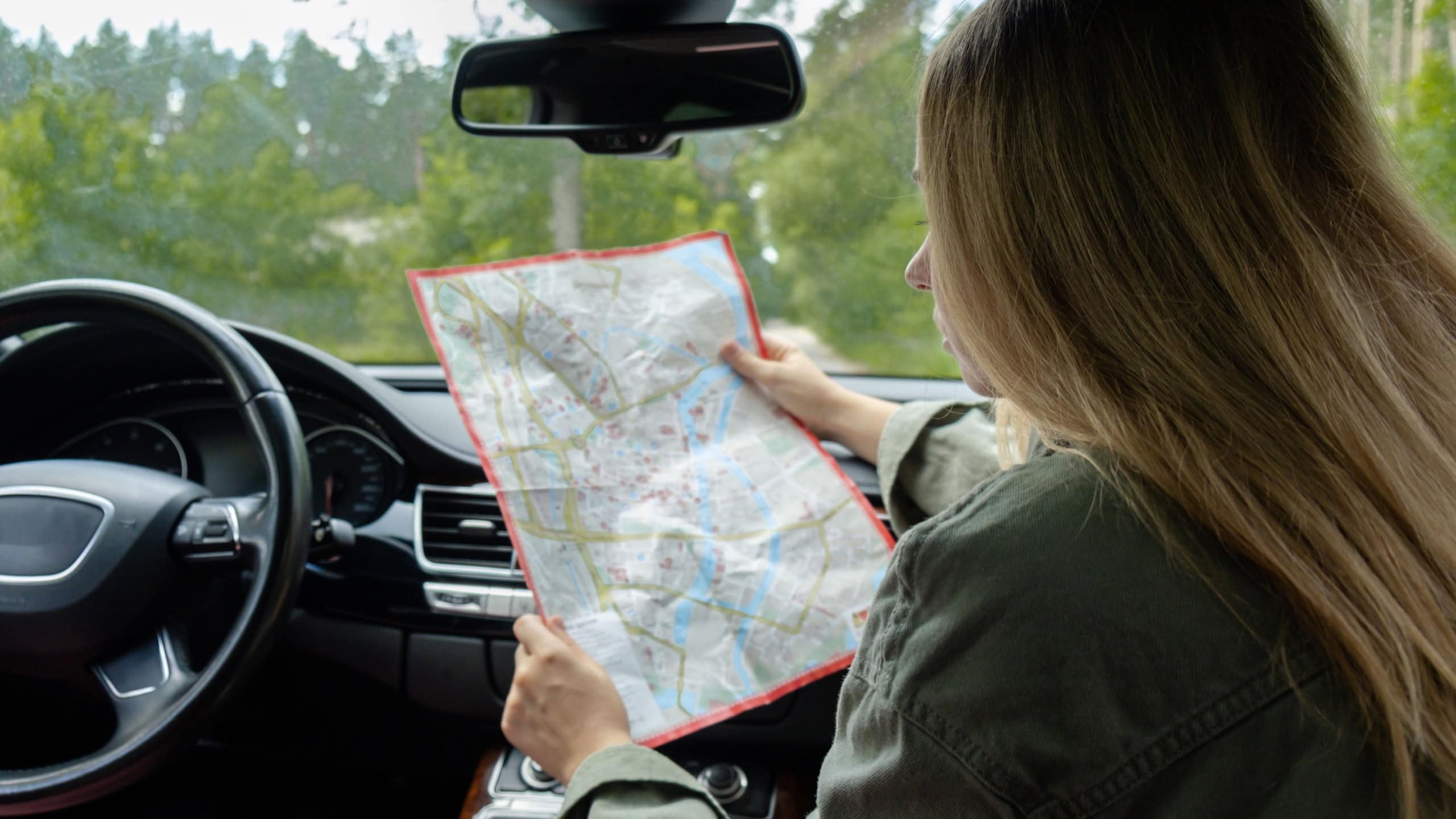
Prior to GPS and smartphones, teens had to learn how to read a paper road map to know how to navigate. They had to identify streets, follow numbered highways, know what symbols meant, and estimate how far away places were from each other.
Teenagers riding along on family road trips may have even been tasked with giving directions while another person drove. If they got lost, they had to read your map and plot your next course of action, rather than a phone telling you where to go.
Manual typewriter skills

To write a school essay, teens had to have steady fingers and muscle memory on a bulky typewriter. If you pressed the wrong key, you’d have to retype the page or blob white-out on your paper.
There were no backspace keys or auto-correct or spell-check to clean up mistakes as you went. They had to plan out their paragraphs ahead of time, physically set margins, and heave the carriage return at the end of each line.
Operating a rotary phone

Calling someone on the phone in the ’70s took a little more effort than pressing someone’s name on your screen. You had to stick your finger on the corresponding number, rotate the dial all the way around until it reached the finger hole, let go and wait for it to bounce back. Then repeat that for each digit.
Dialing longer numbers took time, and if you made a mistake you’d usually hang up and start over. You couldn’t just pull up a contacts list; numbers you called often were either remembered or scribbled down somewhere.
Cursive handwriting
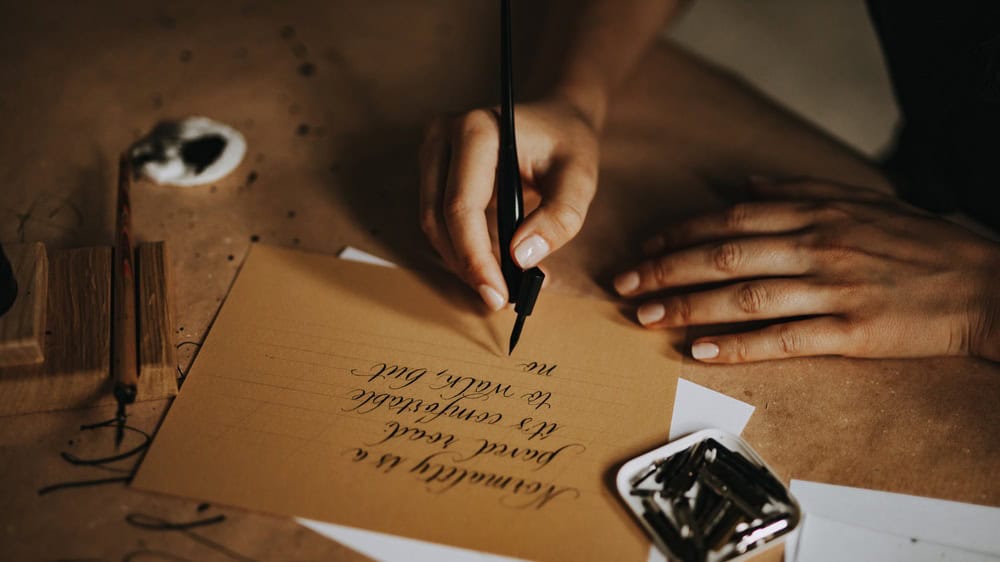
Most kids in the 70s learned how to write notes, personal letters, and school papers using cursive script. Kids were drilled to read and write cursive at a rapid speed, forming loops between letters to create recognizable handwriting. Now that technology fills modern classrooms with keyboards and touch screens, scribbling a name in cursive or reading old archives can be challenging.
Like our content? Be sure to follow us.
11 scandals from the 1970s only your boomer dad remembers
The 1970s were an odd time, and some of the strangest moments involved scandals that barely get a mention or aren’t even well-remembered these days.

