
The 1970s were an odd time, and some of the strangest moments involved scandals that barely get a mention or aren’t even well-remembered these days.
A late-night splash in Washington

One of the biggest scandals of the decade happened in 1974, and it involved a congressman, a dancer, and the Tidal Basin at 2 a.m. U.S. Park Police stopped a car with Arkansas Democrat Wilbur Mills and Annabel Battistella inside. Annabel was better known by her stripper name, Fanne Foxe.
Battistella allegedly panicked and jumped into the water to escape the cops, but they managed to catch her. Mills initially tried to brush the whole thing off. But it didn’t work. He did go on to win his reelection bid, but he gave up his committee chairmanship not long after. Mills entered treatment for alcoholism and later created a center to help other alcoholics.
A secretary with unusual duties

You’d expect someone with a congressional job title like Elizabeth Ray to be highly qualified. But no. Ray alleged in 1976 that Ohio congressman Wayne Hays only put her on the House payroll because the two were having an affair.
Ray even said she wasn’t able to perform any of the usual secretarial duties. Hays did admit to having an affair but completely denied that he’d paid her to be his mistress. The whole scandal led to Hays resigning from Congress on September 1, 1976.
Cash in little white envelopes
Koreagate got its name from the most infamous scandal of the decade, Watergate. It involved South Korean businessman Tongsun Park spending years building relationships with American lawmakers and using money to bribe them.
He told a House ethics panel in 1978 he’d given around $850,000 to about 30 members of Congress. Investigators believed that these payments might’ve been a way for South Korean officials to influence U.S. policy and aid. Only one person was ever found guilty of conspiracy, though. It was former congressman Richard Hanna, and he went to prison for a year.
The banker inside the White House
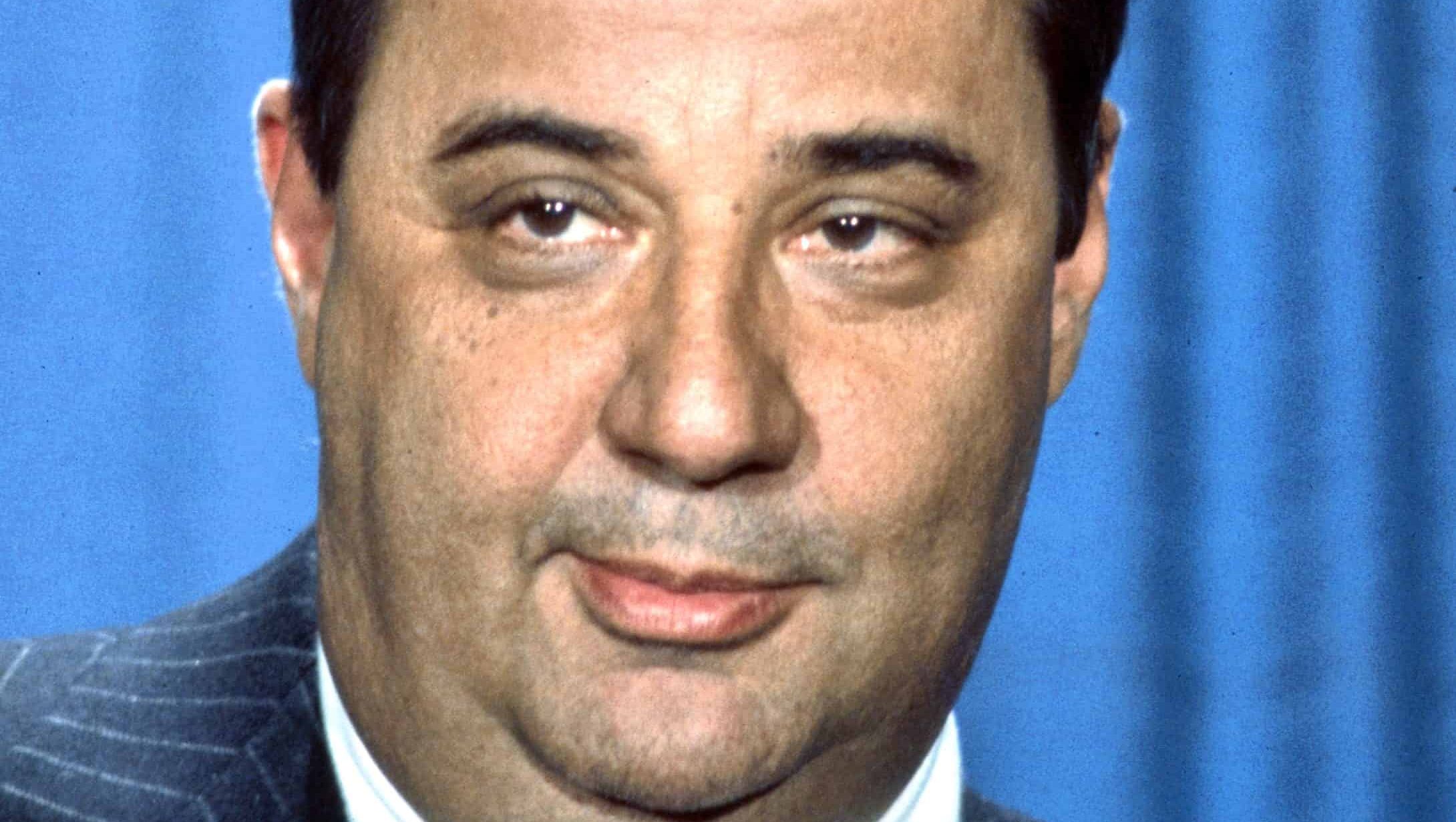
Bert Lance arrived in Washington as one of Jimmy Carter’s trusted men. But he became a news story himself. Lance had run two Georgia banks before joining the administration, and reporters had many questions about his banking practices.
Turns out, the Comptroller of the Currency said that Lance’s banks engaged in unsafe and unsound practices. It didn’t accuse Lance of a crime, though. But it was enough to spark Senate hearings and uncomfortable headlines, leading to Lance resigning as director of the Office of Management and Budget on September 21, 1977. His past caught up with him.
The memo marked for destruction
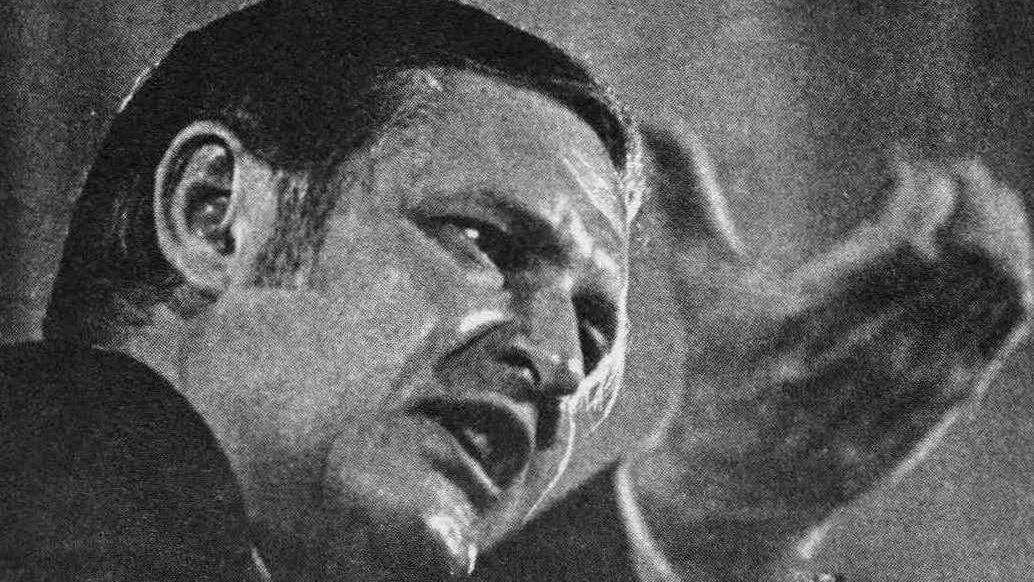
One memo was all it took to create a scandal for International Telephone and Telegraph. The Justice Department was investigating ITT when, seemingly out of nowhere, it decided to stop. It was only when a whistleblower sent a memo to columnist Jack Anderson that the truth came out. The memo said at the end, ‘Please destroy this, huh?’
The company had allegedly made a $400,000 contribution for the upcoming 1972 Republican National Convention that was supposed to take place in San Diego. It wasn’t hard to see how that donation could be linked to the Justice Department’s favorable antitrust settlement. The White House denied any improper trade, but the convention ended up moving to Miami Beach.
Milk money reaches the Oval Office
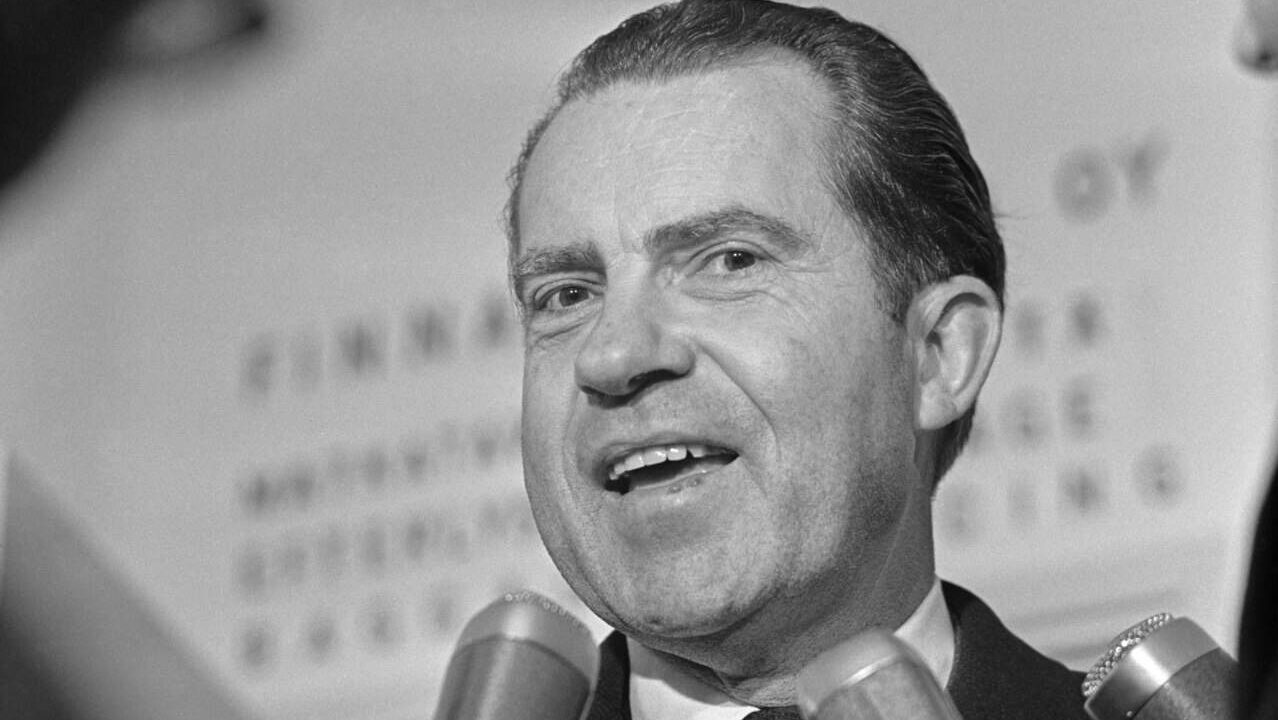
Milk doesn’t seem like something that could be a major political problem. But it was for Richard Nixon. His administration increased federal milk price supports in 1971 after heavy pressure from dairy groups. These were the same groups that promised to make large political contributions to Nixon’s reelection campaign. Funny how that works.
White House recordings showed there were discussions involving both the milk decision and fundraising. Estimates suggest that hundreds of thousands of dollars moved through dairy organizations into Nixon-linked political efforts. The person indicted over the story was former Treasury Secretary John Connally. He was acquitted.
Policies for people who didn’t exist

Insurance company Equity Funding desperately wanted to make its business look healthier, and they figured out one way they could do that. They’d invent customers. Yes, investigators in 1973 discovered that the company had created huge numbers of fake life-insurance policies. They’d then sold or reinsured them to pretend that real people had bought them.
The SEC estimated that over $2 billion of roughly $3 billion in supposed coverage was fake. They’d gone the whole nine yards to fake it, with false names and assets. Twenty-two people indicted in the case were eventually convicted and sentenced.
Trouble on the Democratic ticket

People didn’t see mental health in the 1970s in the same way they do today. Just look at the case of Thomas Eagleton, for example. He was rushed into becoming George McGovern’s running mate, and that was when the questions started. Eagleton didn’t share that he had previously been hospitalized three times for nervous exhaustion and depression.
He had also received electroshock treatment. The information later became public, and Eagleton confirmed it himself. McGovern initially said he backed Eagleton ‘1,000 percent,’ but less than three weeks after joining the ticket, Eagleton withdrew. McGovern had to look for somebody else.
The files inside Langley
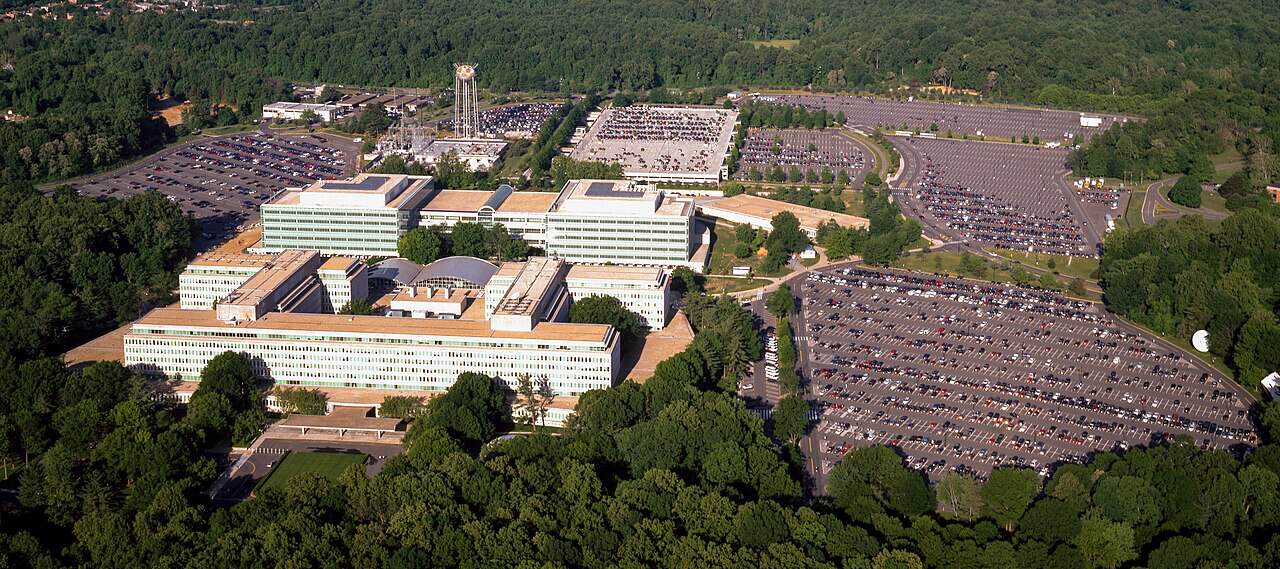
The idea of the US government spying on its citizens is hardly new. In 1974, a New York Times report revealed that the CIA had been keeping tabs on Americans, including antiwar activists. Records showed the organization had a computer index of around 300,000 names.
It also had thousands of files tied to U.S. citizens and political groups. The news broke while Washington was still dealing with Watergate’s fallout, so it really didn’t want to deal with another pile of secret files.
Questions around a popular IUD
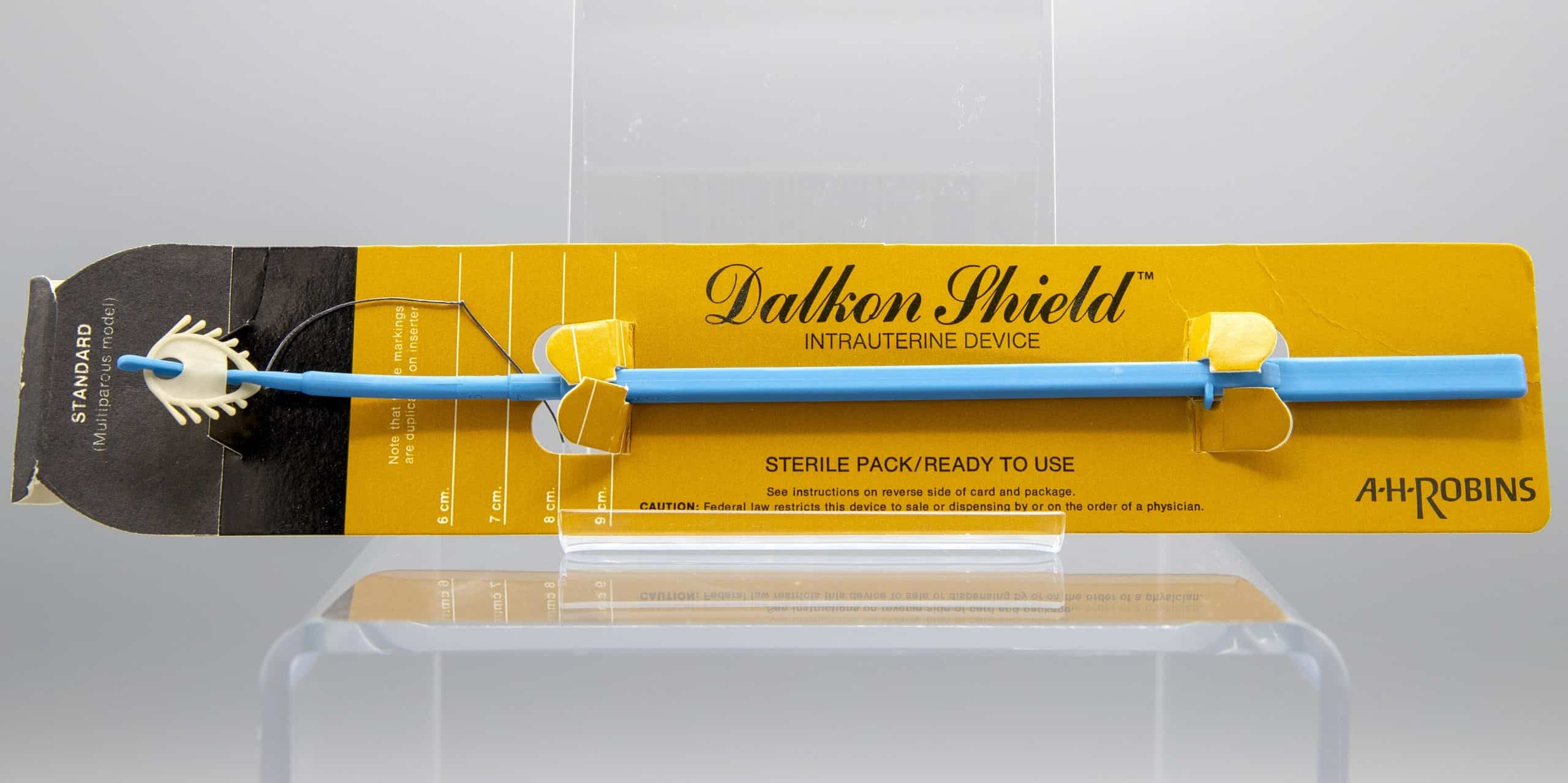
The Dalkon Shield was once treated as a pretty normal birth-control option. The medical reports said something different. A.H. Robins had begun selling the IUD in 1971 and ended up distributing millions of them before doctors sounded the alarm.
They reported pelvic infections and pregnancies in some women, along with septic abortions and even deaths. The major problem was the device’s multifilament string that gave bacteria a route upward. The FDA received around 110 reports of septicemia linked to spontaneous abortion, along with seven deaths. Robins stopped U.S. sales on June 28.
The Pinto problem
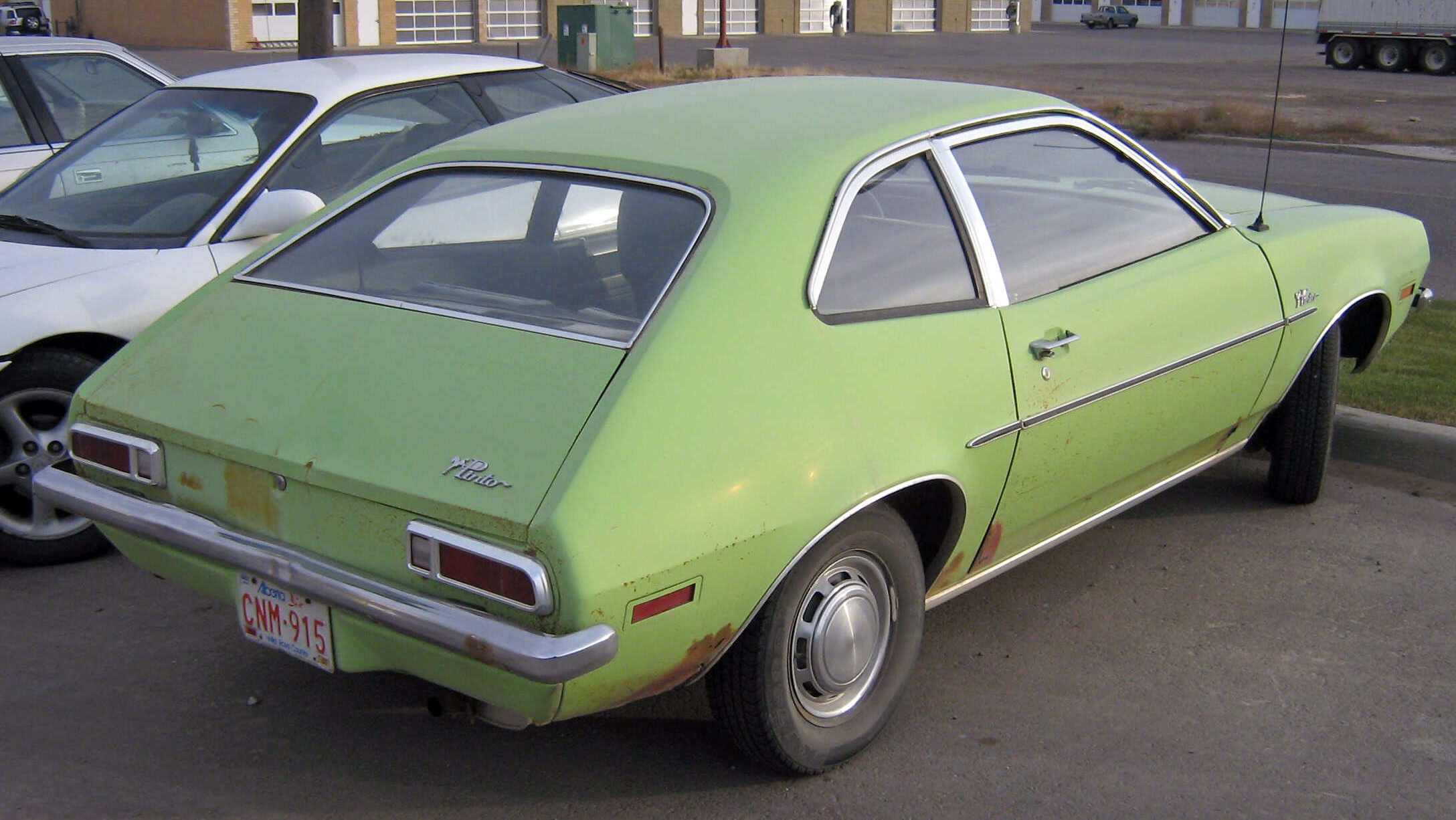
What made the Ford Pinto so attractive was the fact that it was cheap and small. That came at a price, though. The car became highly destructive during rear-end collisions, as these could cause the fuel system to leak. The spilled gasoline would then ignite. Federal regulators looked at the problem for years before, finally, Ford agreed to a recall in June 1978.
They recalled the 1971-1976 Pinto sedans and runabouts, along with the 1975-1976 Mercury Bobcats. Ford managed to later fix the problem with new models, but the damage was done. The company faced around 117 lawsuits connected with Pinto car accidents. All of that because Ford wanted to cut costs.
Sources: Please see here for a complete listing of all sources that were consulted in the preparation of this article.
Slang the baby boomers used daily that will now embarrass anyone born after 1970

They may have been cool back then, but using these phrases now will instantly transform your modern conversation into a rerun of old variety shows.
Slang the baby boomers used daily that will now embarrass anyone born after 1970

