

While a lot of famous hero stories sound like the person carefully planned things, the reality is that many of their successes relied on pure luck.
Two inches were enough
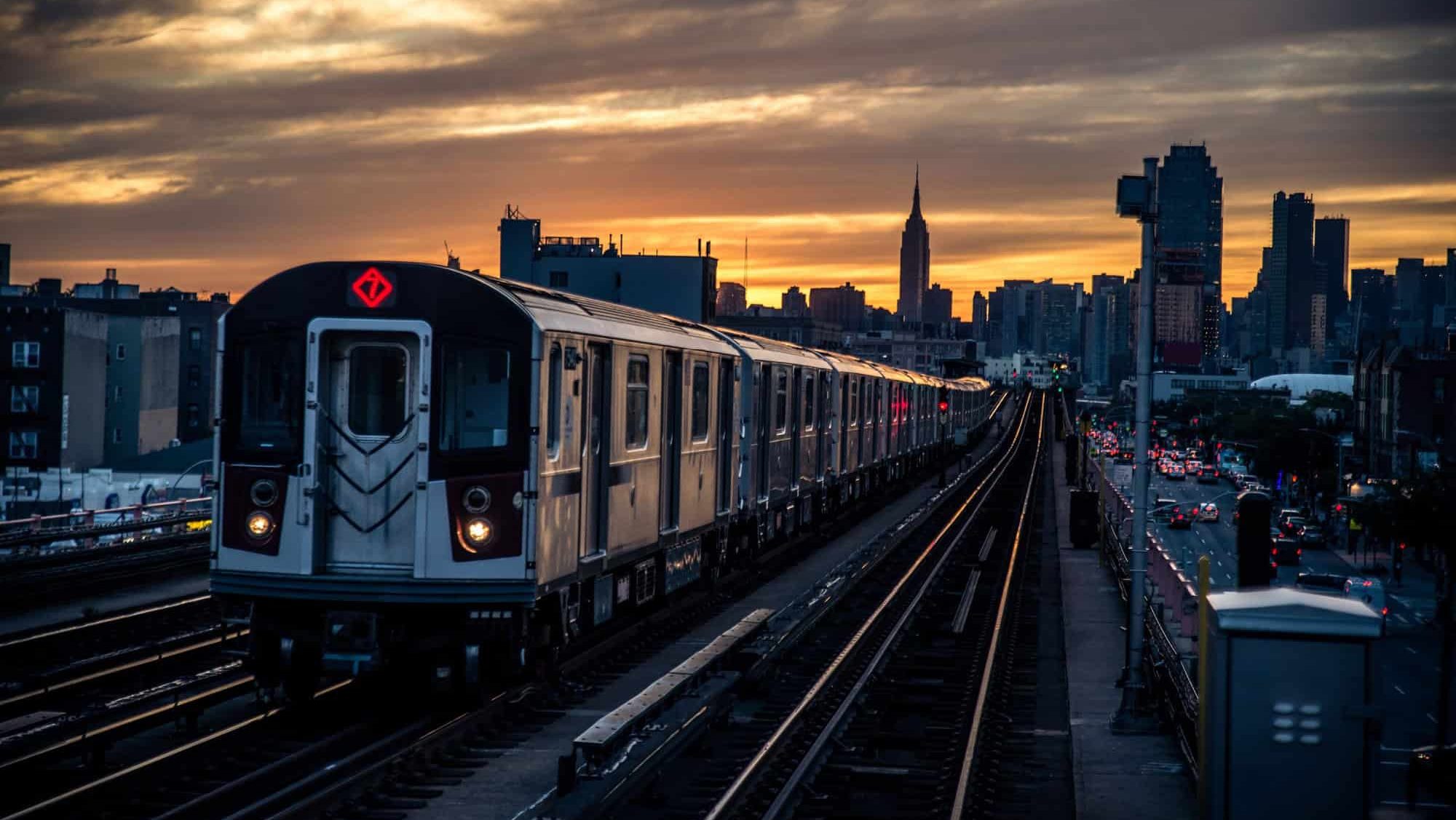
In January 2007, Wesley Autrey saw Cameron Hollopeter fall directly onto the subway tracks after he’d suffered a seizure in New York City. There was a train coming. Still, Autrey jumped down and managed to pull Hollopeter into the drainage trough between the rails.
He lay on top of Hollopeter while the train passed overhead. It could’ve gone so badly, but luckily enough, the cars went above them. Autrey later said there were only about two inches between his body and the train. Had he worn a bulkier jacket, things would’ve gone differently.
The grenade stayed quiet
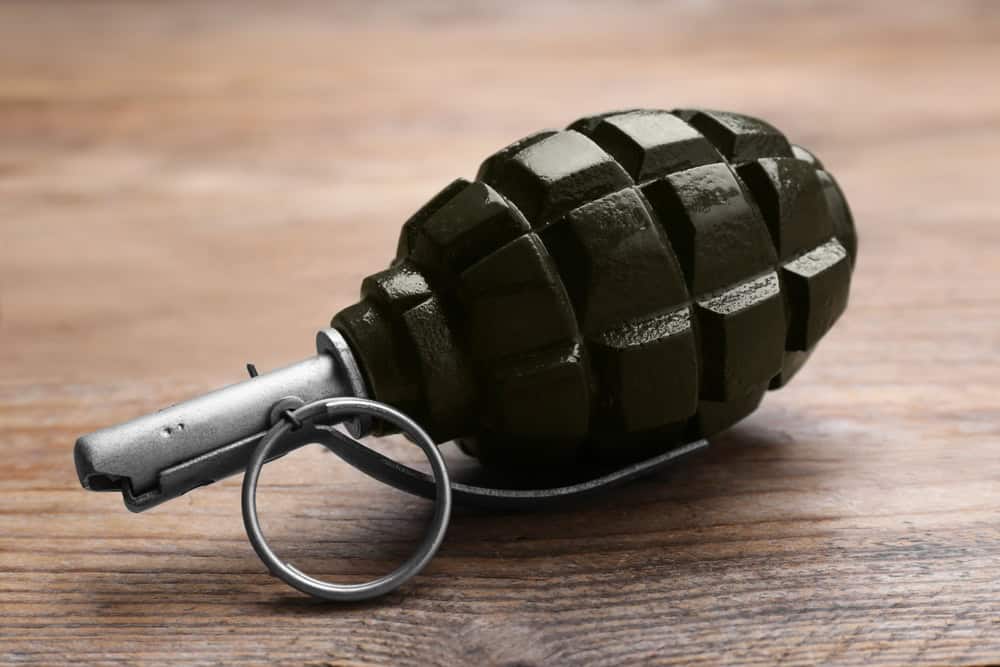
What Donald Ballard did in Vietnam was something he couldn’t have trained for. He was treating wounded Marines in Quang Tri Province on May 16, 1968, when he saw an enemy grenade land beside them. Ballard reacted quickly. He threw himself over it.
You’d think that would be the end of the story, but no. The grenade didn’t explode, giving Ballard time to grab the bomb and throw it away. It finally blew up in the air. Ballard went back to treating casualties, and later received the Medal of Honor for his bravery. But technically, it was a complete fluke that he survived.
A cushion in the Pacific
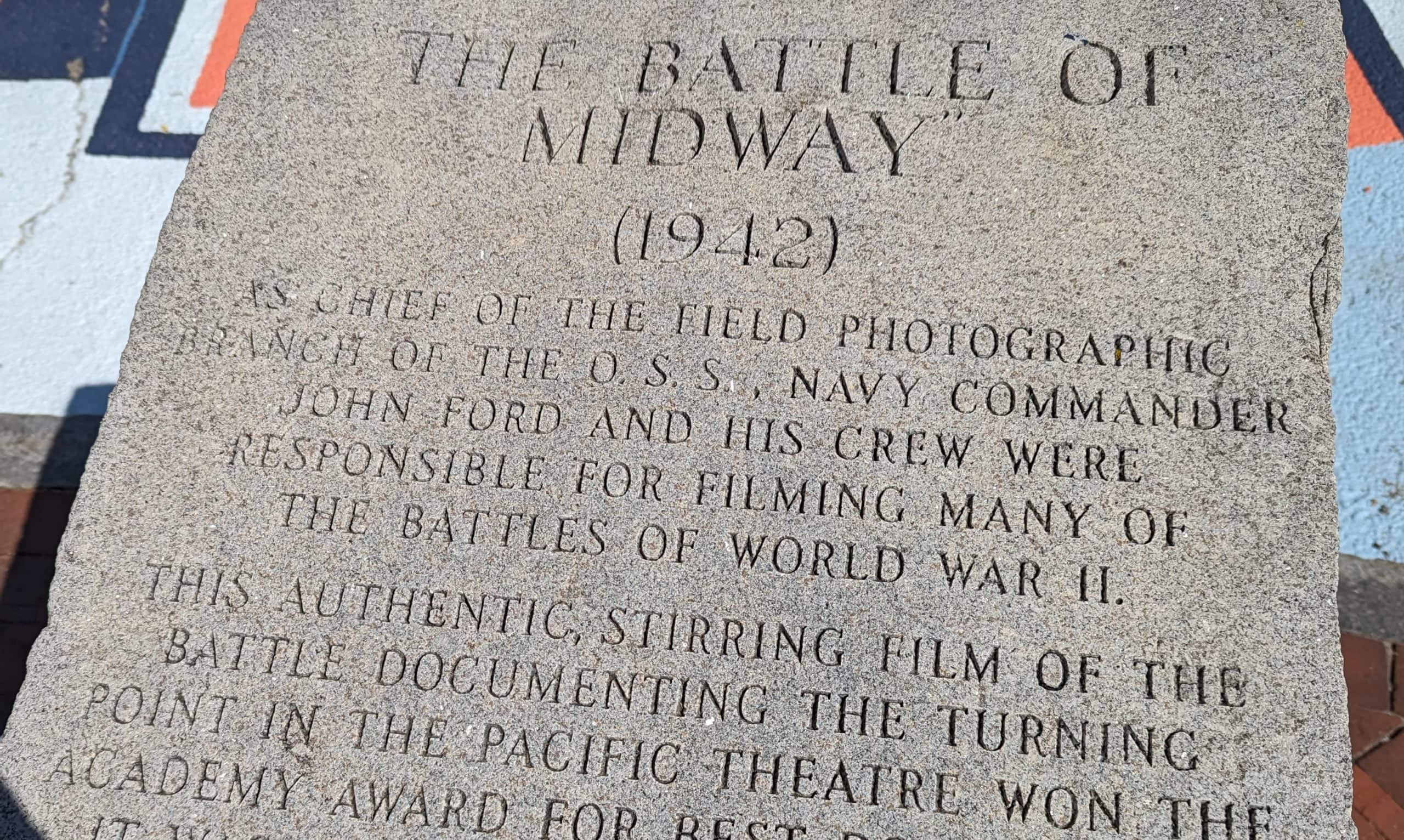
George Gay probably didn’t think he was lucky when he was at the Battle of Midway on June 4, 1942, but he absolutely was. A Japanese fleet tore apart his torpedo squadron after Gay’s team attacked them. He ended up in the water wounded, but alive. Almost all of his group was dead.
Gay then pulled a black seat cushion over himself and managed to float among wreckage while a group of Japanese ships passed nearby. By sheer luck, none of the enemy forces spotted him. An American patrol plane eventually picked him up and saved him.
A destroyer pointed the way
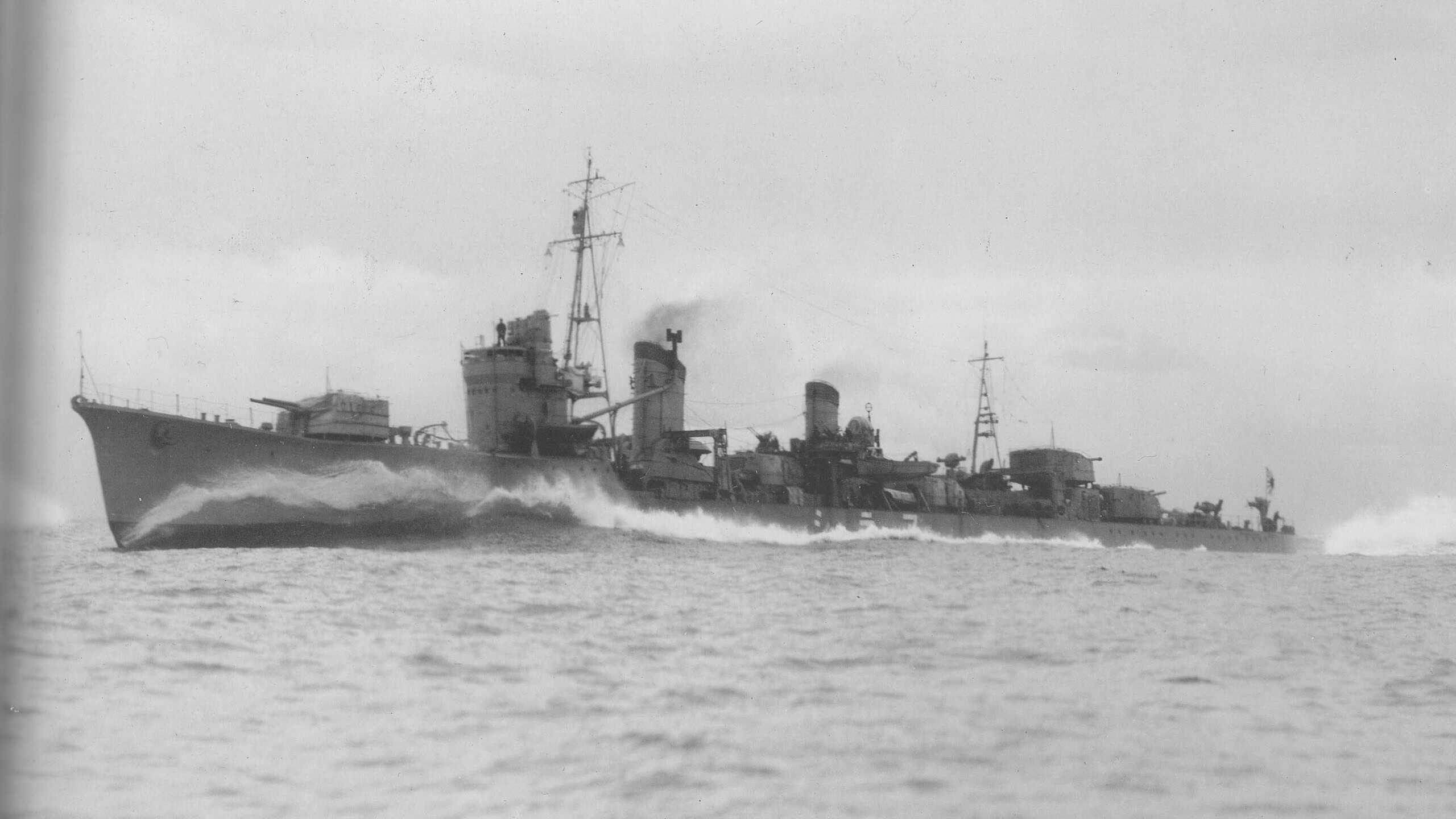
Wade McClusky was another lucky person during the Battle of Midway. He was trying to find the Japanese carriers but was seriously struggling, and his dive-bombers were running low on fuel. It seemed hopeless. But then, by sheer dumb luck, he spotted a lone Japanese destroyer below. It was the Arashi.
McClusky decided to follow the boat’s path, and it was a good thing he did because his planes soon found the carriers. They attacked while Japanese fighters were tied up elsewhere. Essentially, it was luck that the destroyer showed up when it did.
The nickname fit too well
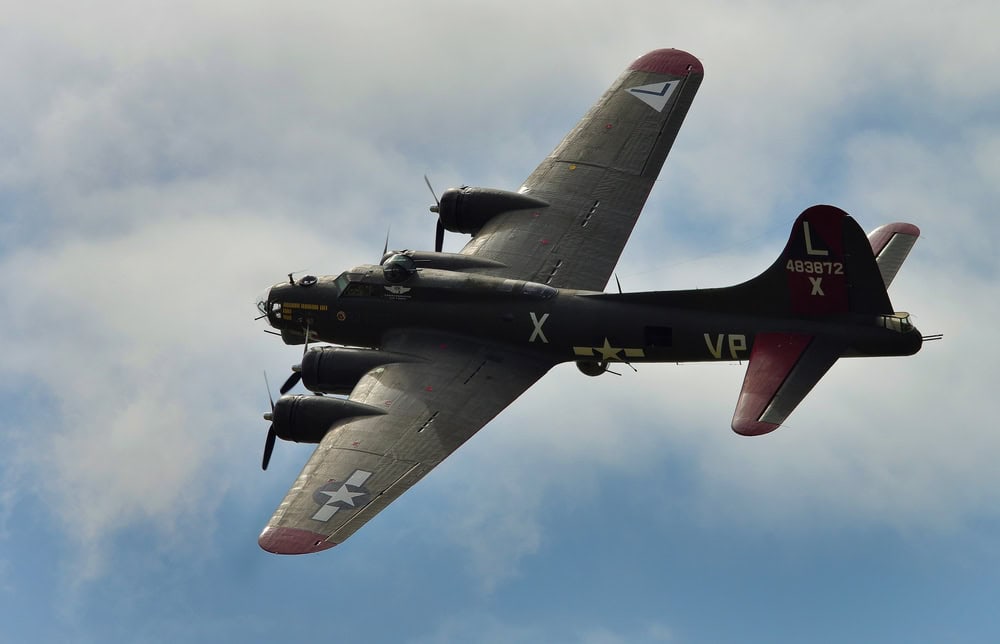
John Luckadoo had the nickname ‘Lucky’ for a while, and it really was quite fitting. He flew B-17 missions with the 100th Bomb Group during World War II. His unit suffered some brutal losses over Europe, and one of the worst happened on October 8, 1943.
A mere six of the eighteen bombers sent to Bremen managed to come back, and Luckadoo was on one of them. His luck continued two days later, as it was a day he wasn’t flying. Only one of thirteen aircraft returned from Münster. Skill was part of the reason, yes, but even Luckadoo later spoke about how important luck had been.
One last set of headphones
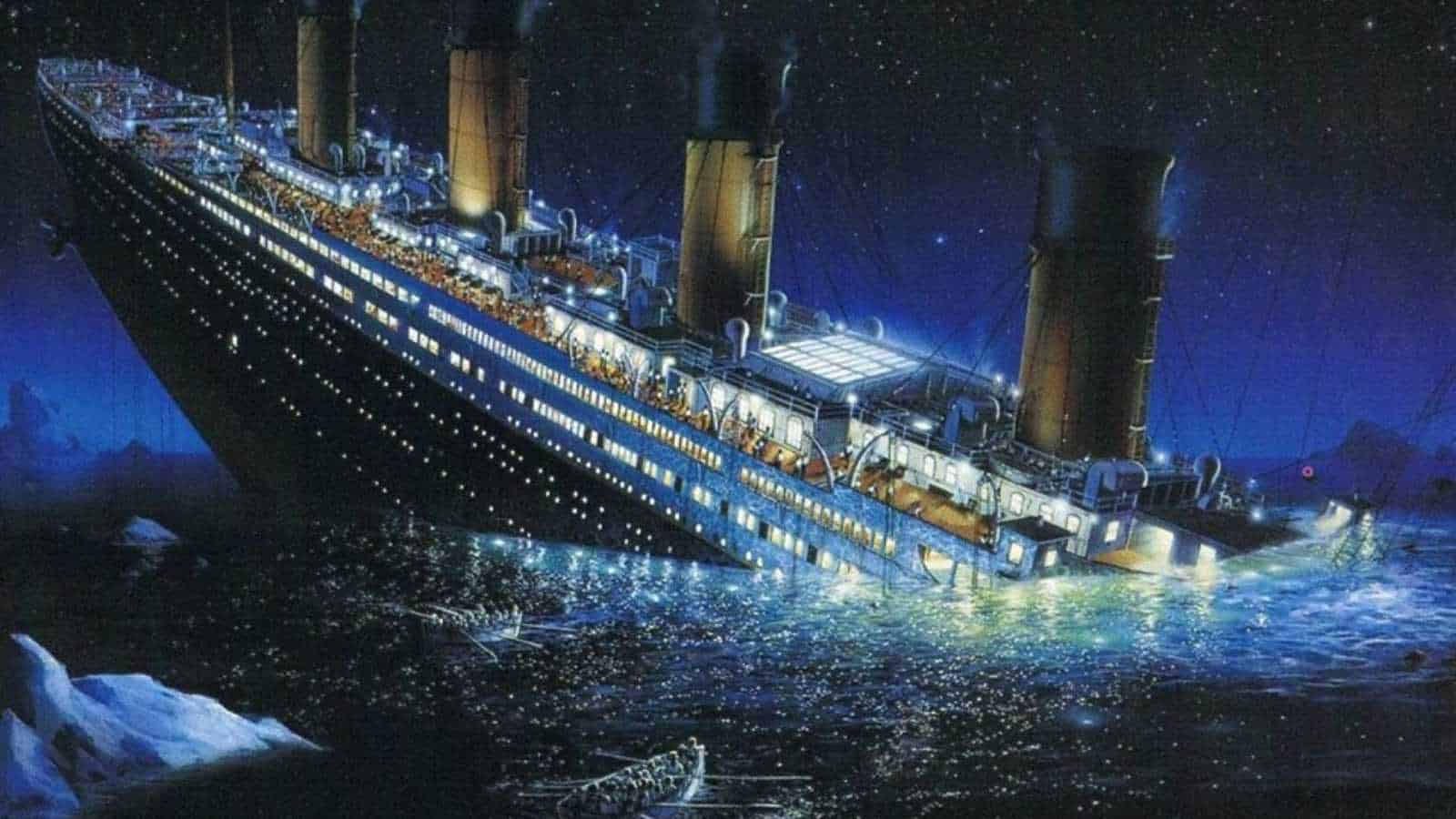
Harold Cottam was the wireless operator of the Carpathia, and he was getting ready for bed on the night of April 14, 1912. He’d already taken off his headphones. But, for some strange reason, he decided to put them back on and send one more message. It was that delay that made him a hero.
Cottam contacted Titanic, and the ship’s operator, Jack Phillips, answered his message with a distress call. Cottam then told Captain Arthur Rostron, who immediately turned Carpathia toward the sinking ship. They managed to bring over 700 survivors aboard the ship. But it was because of sheer luck, and simply because Cottam didn’t go to bed a few minutes earlier.
One narrow day
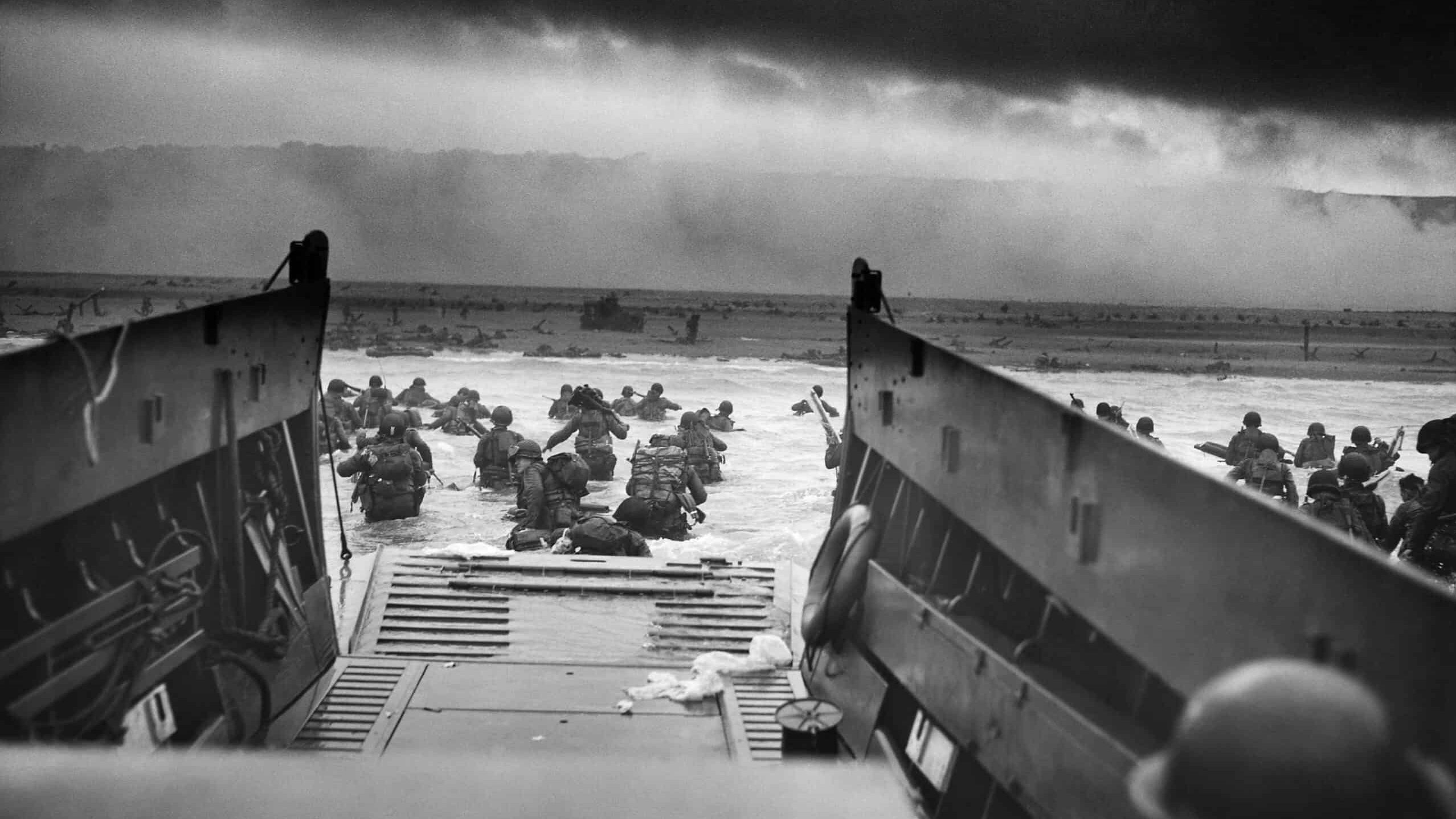
D-Day was supposed to happen on June 5, 1944, until the weather over the English Channel became miserable. The wind was strong, and the seas were pretty rough. It was so bad, in fact, that Dwight Eisenhower had to delay the invasion. Then, the weather forecast said that June 6 would have slightly less terrible weather. It wasn’t perfect, though.
Eisenhower decided to go for it. His plan worked, mostly because the forecast held long enough for Allied troops to cross the Channel. They could then begin the Normandy landings. It was pure luck that, after they made the landings, the conditions worsened again.
The levee came into view
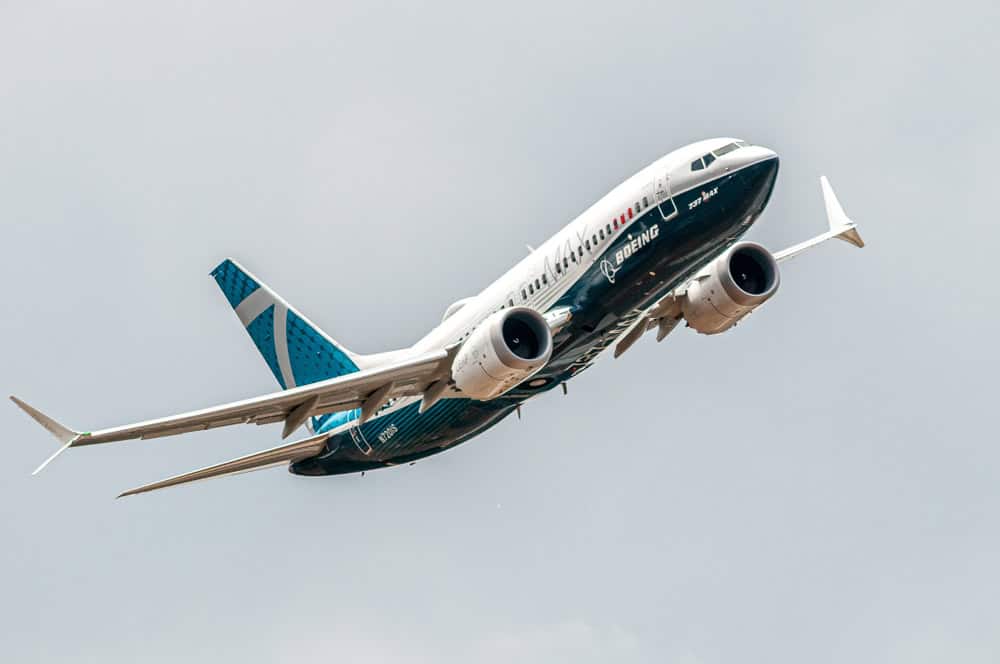
May 24, 1988, was a day that went very badly, very quickly for Carlos Dardano, as both engines on TACA Flight 110 stopped working. The Boeing 737 was caught in violent weather near New Orleans and was forced to glide over the wetlands. A crash seemed inevitable.
But by sheer luck, First Officer Dionisio López managed to spot a long strip of grass near NASA’s Michoud facility. It was just the right length for the plane. Yes, Dardano’s skill helped him to bring the powerless jet down there without anyone being killed. But the fact that they were lucky enough to be near a good chunk of land helped.
The rescue became the story
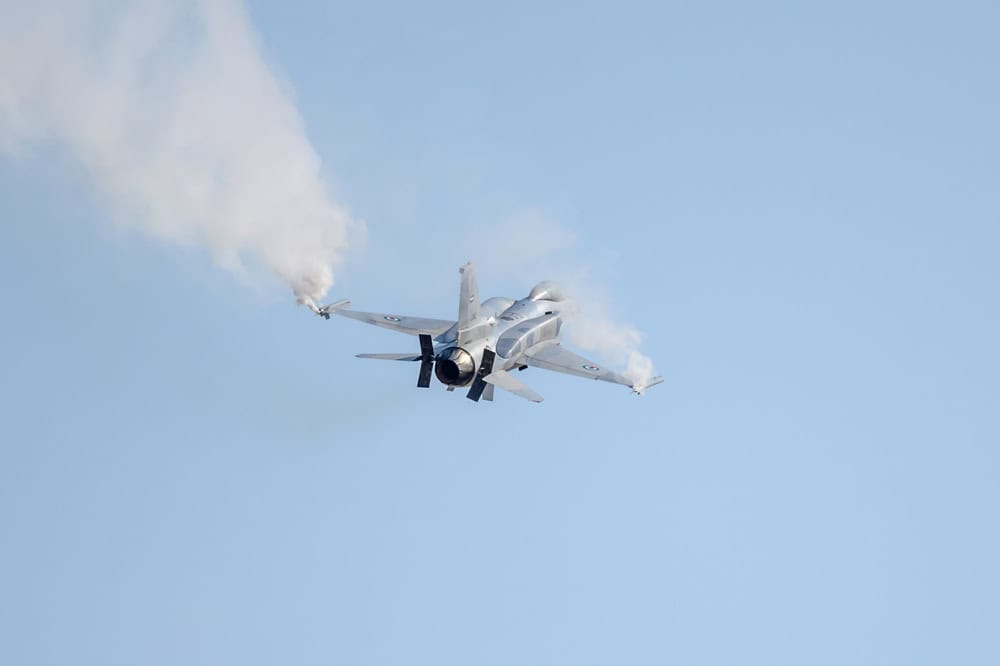
Let’s get one thing straight, hiding in Bosnia for six days definitely isn’t easy. Scott O’Grady had to do exactly that on June 2, 1995, after his F-16 was shot down. Luckily, though, he made it through the crash and continued to survive while in enemy territory.
He was eventually rescued by a group of Marines who pulled him out. President Bill Clinton later called O’Grady an American hero, but O’Grady himself disagreed. He said it was thanks to the Marines and luck that he’d made it through.
The legend grew quickly

Jessica Lynch was only 19 years old when she managed to become one of the most famous American soldiers of the Iraq War overnight. Reports said she fired at Iraqi forces until she ran out of ammo and killed her attackers. Then she was captured.
Except, that’s not what happened, and even Lynch said it wasn’t true. She said her rifle had actually jammed and she hadn’t shot anyone. Most of her injuries came from her Humvee crashing, so while she might be a hero, it wasn’t really of her own doing.
The coin landed badly
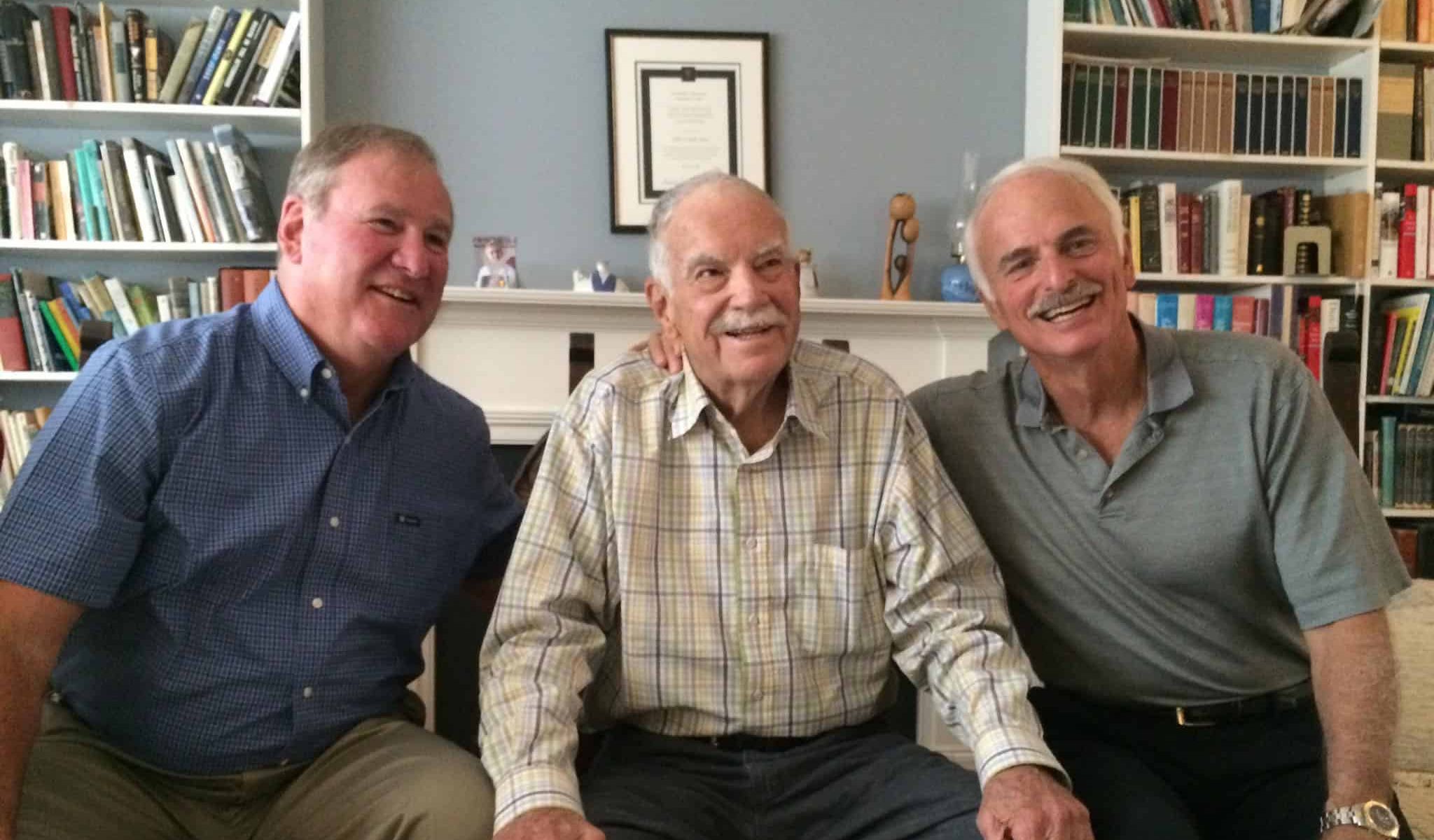
A coin toss is supposed to settle small things, like who’s going to make lunch. But on March 30, 1981, it decided who would take a bullet for the president. Secret Service agents Tim McCarthy and Joe Trainor flipped a coin to figure out who was going to accompany Ronald Reagan to the Washington Hilton. Sounds simple enough.
McCarthy lost the toss, so he was forced to go with the President. Then, hours later, John Hinckley Jr. started shooting in an attempt to kill Reagan. McCarthy threw himself in front of the President and saved his life. There’s no denying that he was brave, yes, but it was by dumb luck that he was even there.
The right passenger spoke up
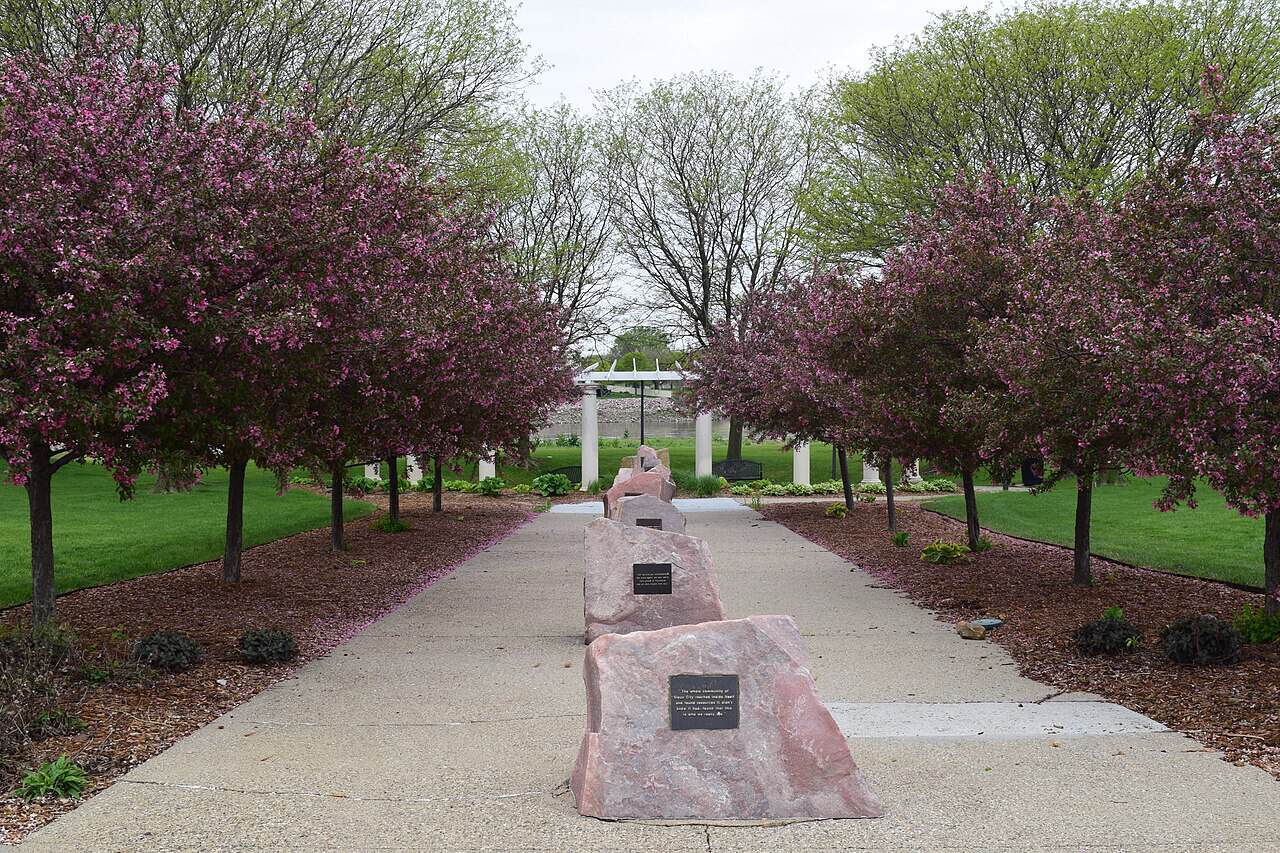
United Flight 232 was another plane that suffered from serious failure while flying. The date was July 19, 1989, and all hydraulic systems on the DC-10 had failed, meaning it couldn’t be controlled the normal way. But luckily enough, Dennis Fitch was sitting in seat 4A that day.
He was a United Airlines instructor who trained pilots on the exact model of plane, a DC-10. He offered to help and joined Captain Al Haynes in the cockpit to handle the engine throttles. It was what NASA called a ‘successful emergency crash landing,’ with 112 deaths and 184 survivors.
Sources: Please see here for a complete listing of all sources that were consulted in the preparation of this article.
15 historical figures who were a sight for sore eyes
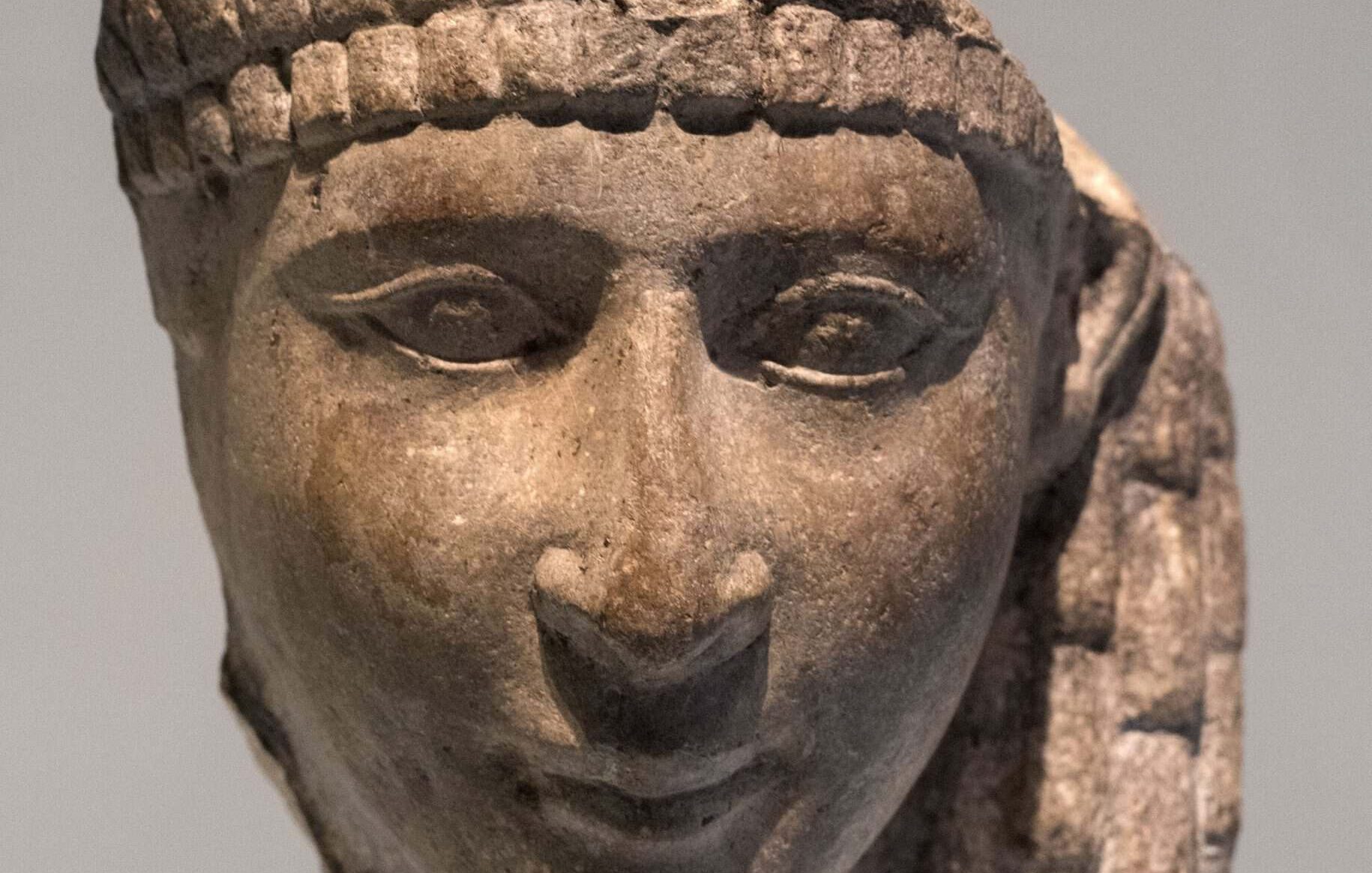
Sure they all changed the world with their actions, but their looks didn’t hurt in making them immortal.


