

Sure they all changed the world with their actions, but their looks didn’t hurt in making them immortal.
Cleopatra VII
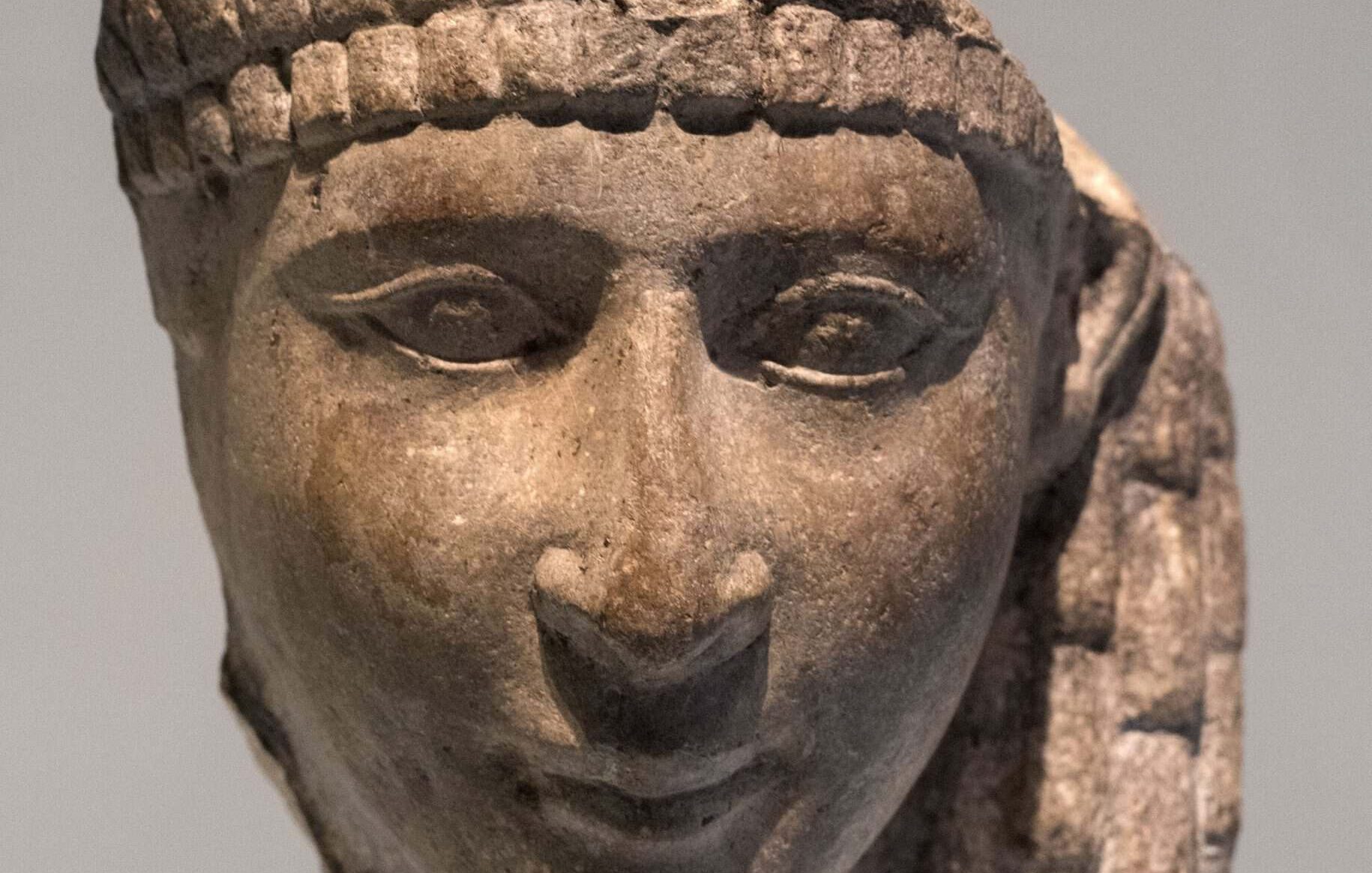
We tend to think of Cleopatra as one of the most beautiful women in history. However the ancient evidence is more nuanced than that.
In his Life of Antony, Plutarch described her physical appearance as not necessarily being what you would call “beautiful” upon first glance. He wrote that instead it was her conversation, voice, wit and personal charm that made her unusually attractive.
Images of Cleopatra’s face also appear on coins issued throughout her reign. But as with the busts, these aren’t to be taken as photographic likenesses or definitive proof of her actual looks.
It is fair to say that her historical reputation is based on a mixture of looks, charisma, intelligence and raw power.
Nefertiti
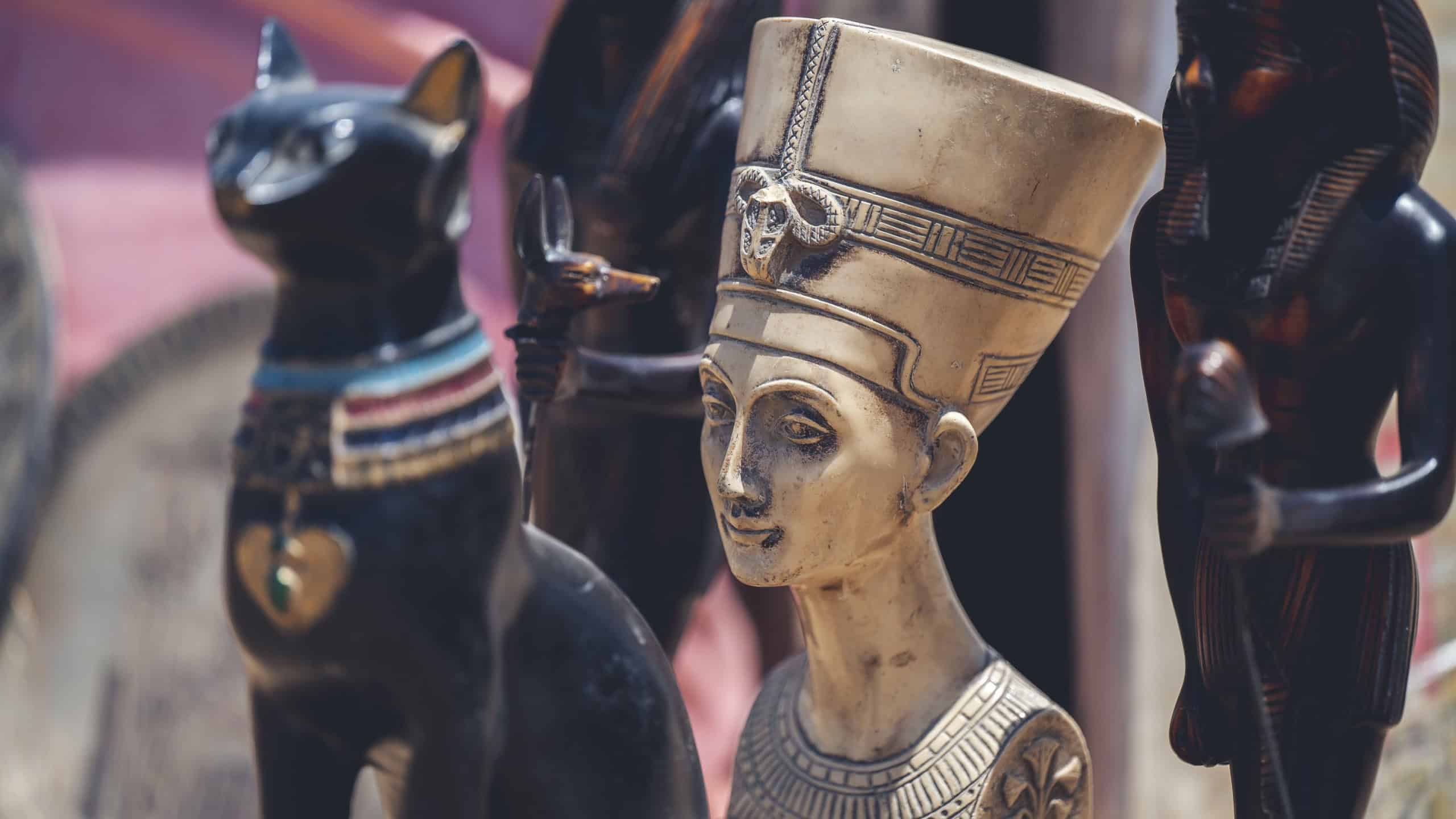
There are few ancient faces as widely recognizable today as that of Nefertiti. Painted on limestone around 1340 BC, the bust of Nefertiti is one of the most famous objects in Berlin’s Neues Museum. The Neues Museum website puts it simply: “For nearly a century, the bust has become an icon of beauty.”
That isn’t to say that the bust is proof that Nefertiti was one of the objectively most beautiful women of ancient history. What we’re looking at is a work of art crafted over 3,000 years ago.
What can be objectively said is just how impactful the image proved to be over time. Copies proliferated, many artists referenced it repeatedly in their work, and both the shape of her crown and her silhouette became synonymous with her name.
Empress Elisabeth of Austria
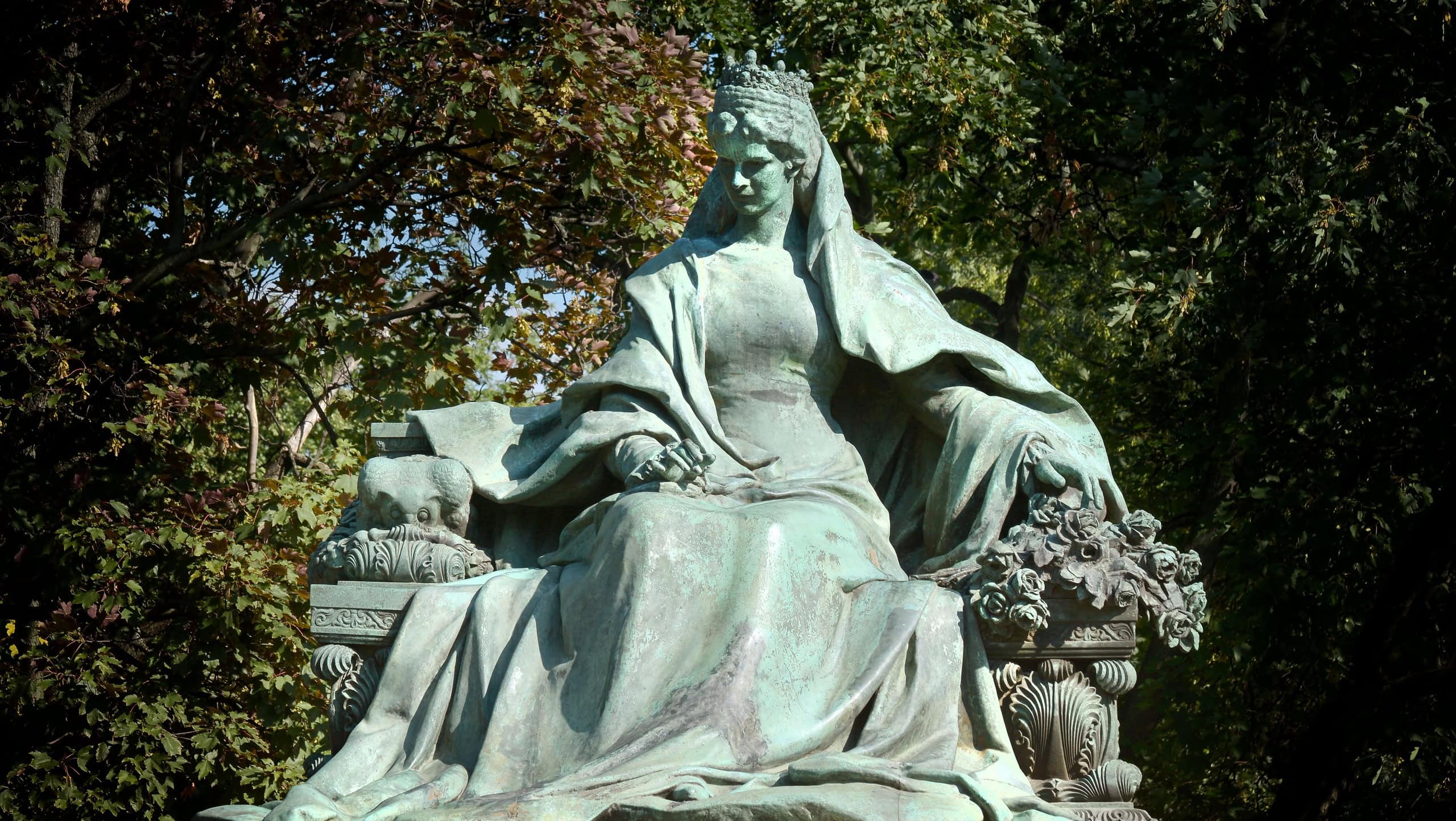
Beauty was one of Empress Elisabeth of Austria’s best-known attributes. Also known as Sisi, her long hair became legend and keeping up her beauty regimen required hours of her time every day.
According to the Sisi Museum, just washing, brushing, and caring for her lengthy hair took a while. And it certainly helped that she was also committed to daily walks and gymnastics. Her beauty was more than just something depicted in portraits and photos; she worked at it.
Marie Antoinette

Marie Antoinette knew the importance of looks. Fashion and hairstyles were a key part of court life at Versailles and the queen soon became known for her changing hairstyles and extravagant dresses. Versailles writes, “Marie Antoinette was one of the symbols of 18th century fashion,” and that she involved herself in the selection of her dresses and hairstyles.
Portrait painters also frequently painted images of Marie Antoinette. Artist Élisabeth Vigée Le Brun painted at least 30 portraits of the queen during her six years at court.
Of course, Marie Antoinette’s reputation soon became tarnished, and her flashy looks and interest in fashion became frequent topics of criticism against her.
Lord Byron
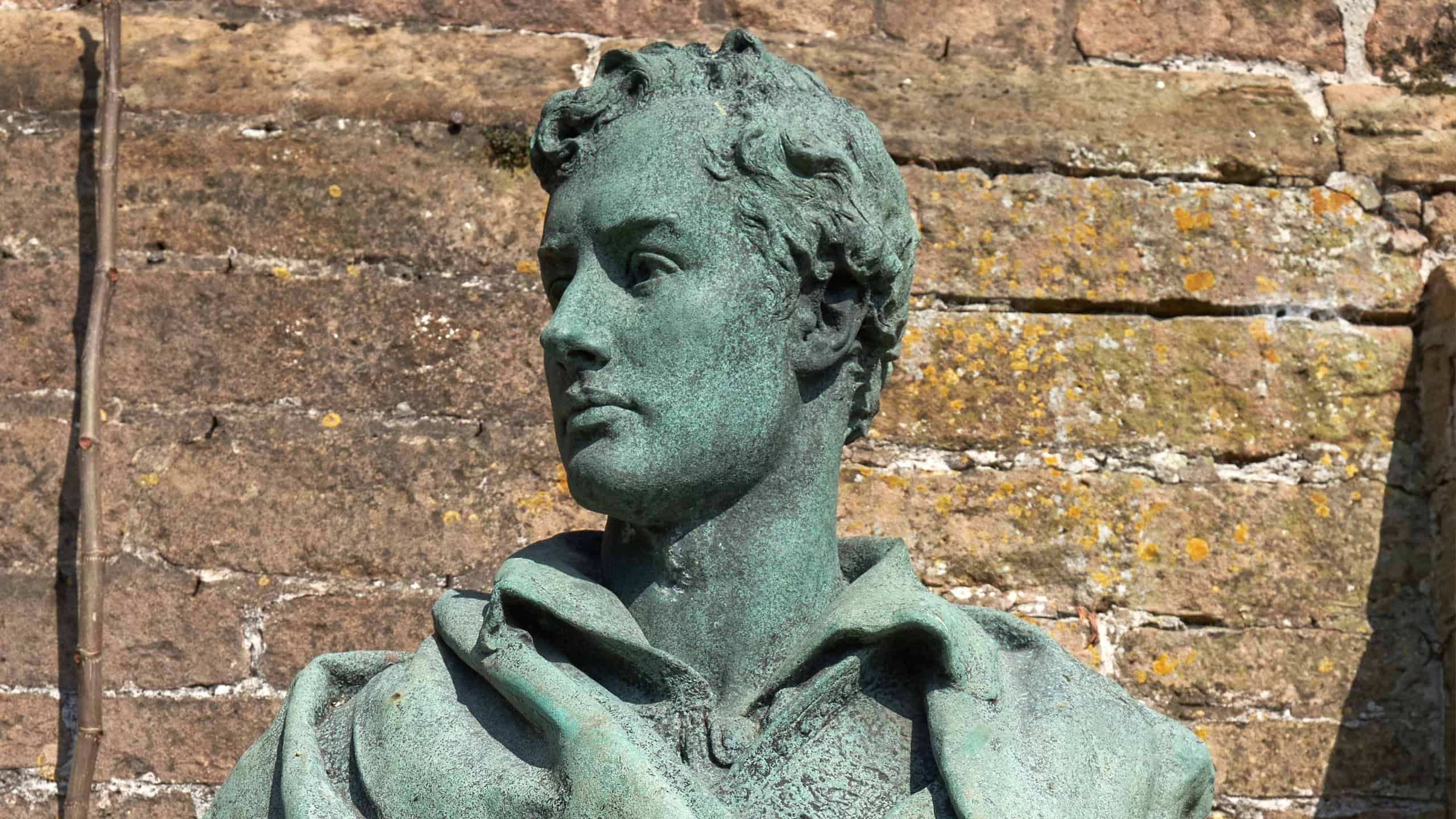
Lord Byron is also known for more than just his writing. His carefully crafted appearance was one element of his celebrity status.
According to the National Portrait Gallery, Byron was highly concerned with his appearance. He kept himself on a strict diet and regimen of exercise. He even slept with hair curlers on. Furthermore, his handsome features and charisma were frequently captured in art, with him often initiating these projects.
Byron’s fame reached such levels that people were said to have an obsession with him and everything he did. He was described as having “Byromania” surrounding him.
Rupert Brooke
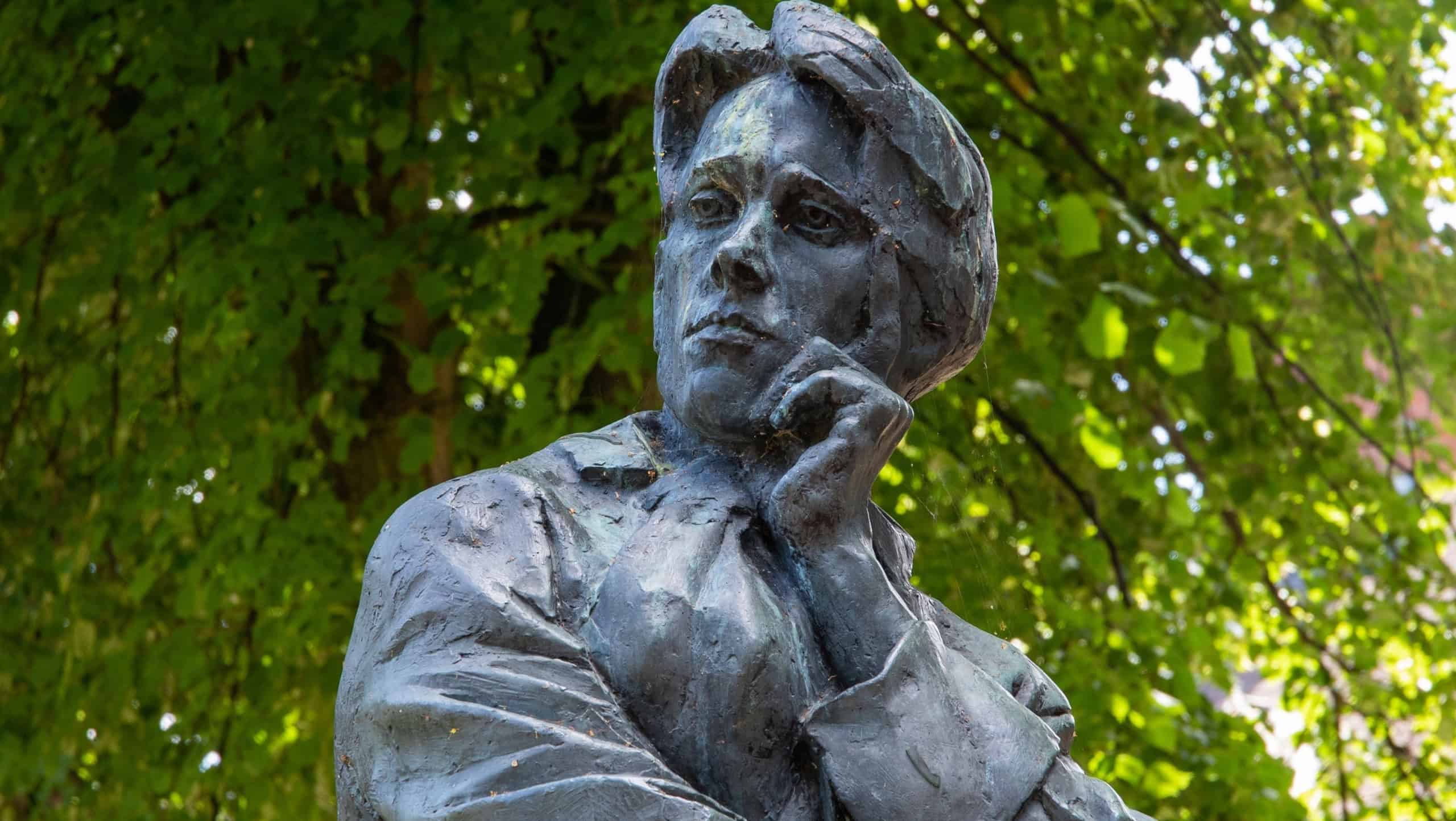
Poet Rupert Brooke was remembered both for his verse and his handsome looks. The National Portrait Gallery calls him handsome, and notes that he became renowned for his beauty, charm and poetic talent.
So striking were his looks that Sherril Schell, the photographer, received considerable encouragement to capture images of “the beautiful Rupert Brooke” in 1913. The photographs taken during that session immortalized the youthful image that Brooke’s reputation later embraced.
Grand Duke Michael Alexandrovich
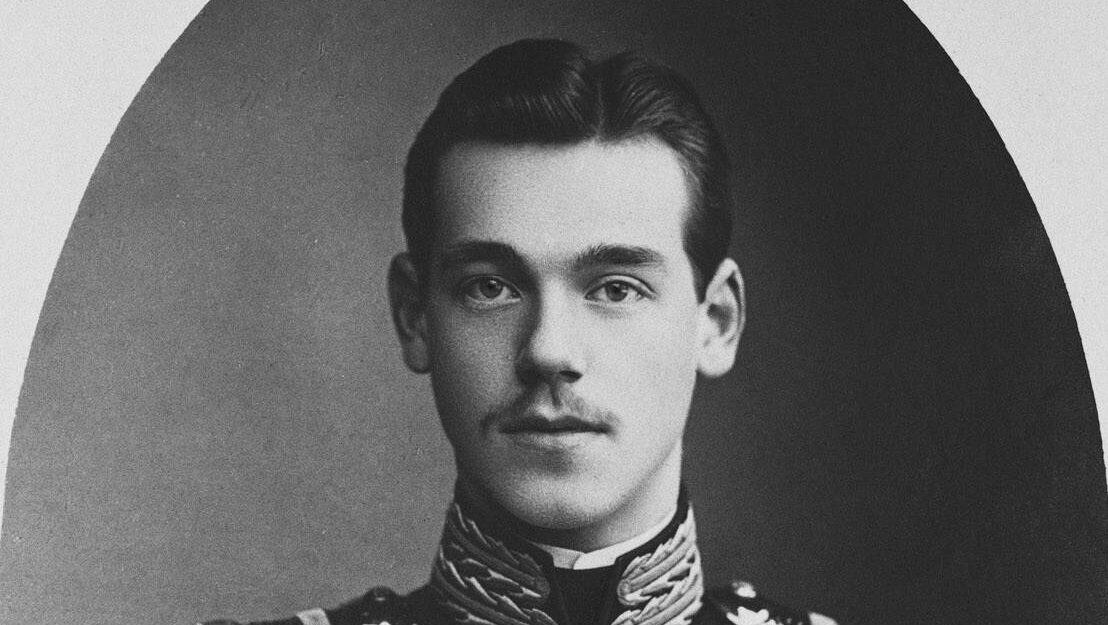
Grand Duke Michael Alexandrovich may be remembered as the younger brother of Nicholas II, but he was also once known for his handsome looks.
According to a historical dossier from Henry Poole & Co, his biographer Carolly Erickson describes him as “tall, handsome and genial.” The article continues on to describe how his athletic physique complemented the “stern Romanov look.”
Images of Michael also help to solidify his clean-cut military and royal presence.
Bessie Coleman
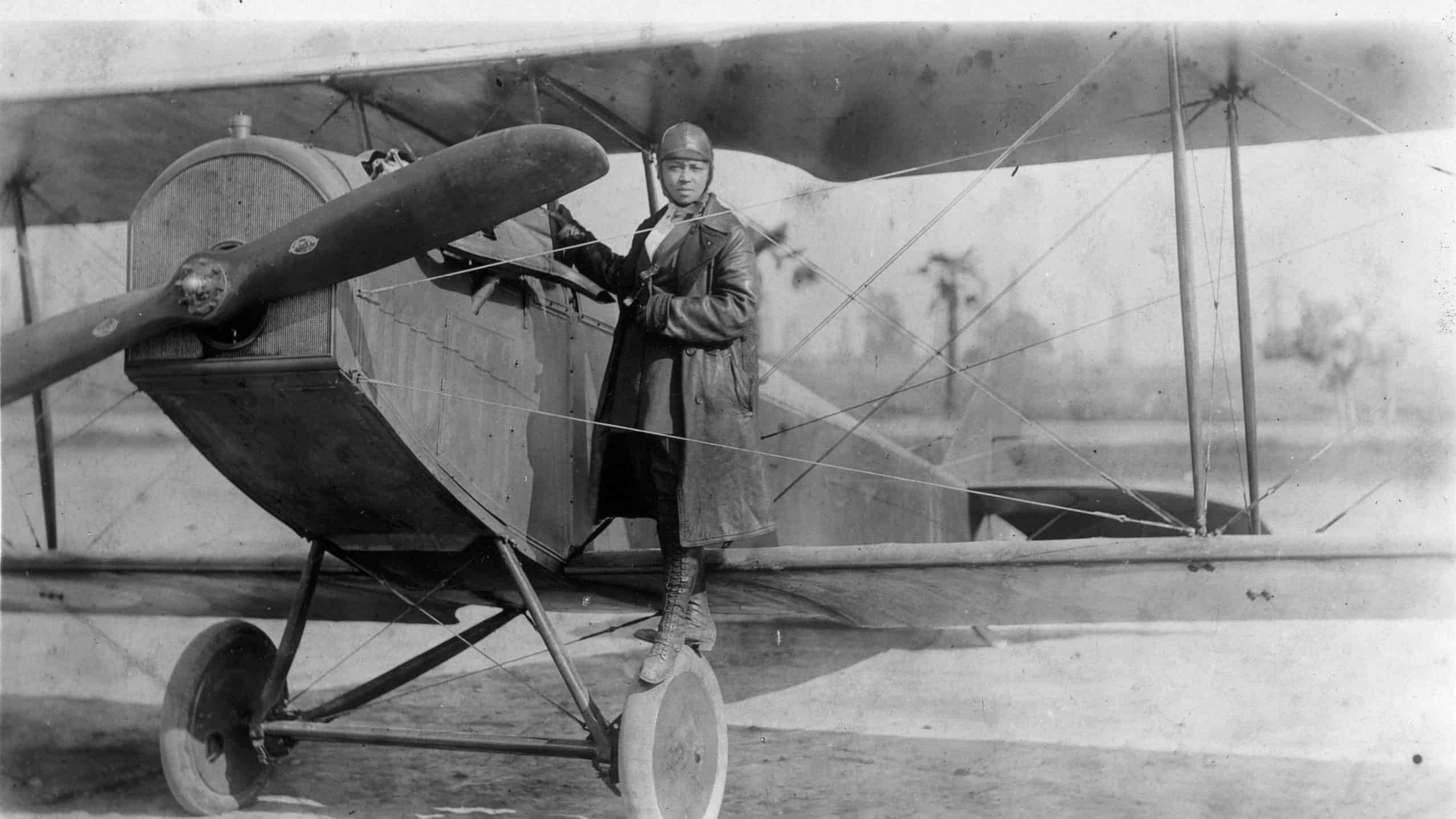
The reason Bessie Coleman is on this list leans more towards her striking personal style than any claims of conventional beauty.
In 1921, Bessie Coleman achieved a groundbreaking feat, becoming the first African American woman to be awarded a pilot’s license. There are photos held by the Smithsonian of Coleman in her tailor-made flying suit. The images are striking: a Black woman in attire suited for a profession few could access back then.
Photos, flight attire, public engagements, and her nickname “Queen Bess” all built her public persona. Coleman was also said to be something of a celebrity, according to the Smithsonian. Crowds would come to see her fly and lecture.
Her appearance mattered because it bolstered the bold public identity she forged around aviation.
Mata Hari
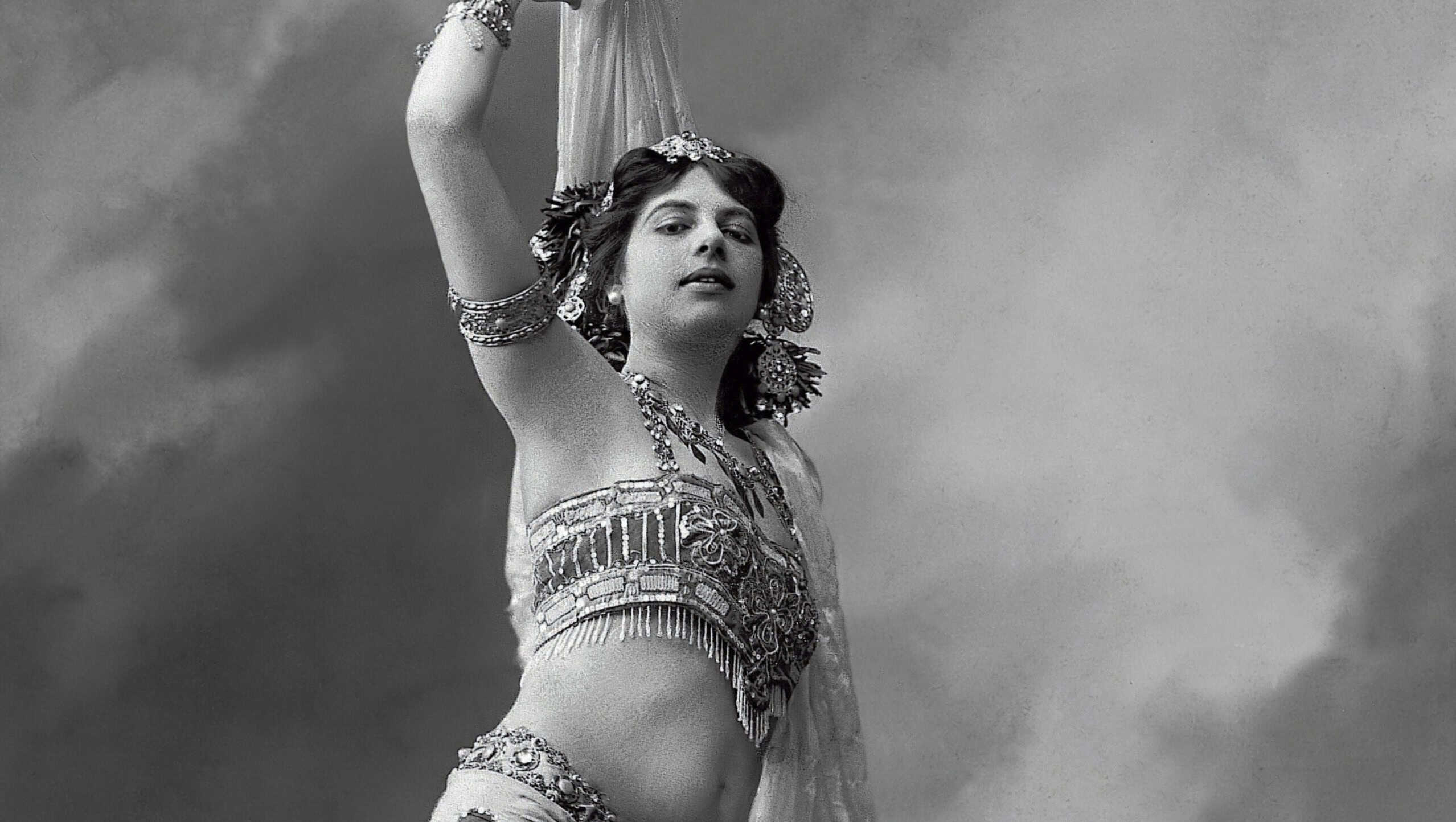
Mata Hari worked very hard to craft her own look. Across Europe, audiences came to know her well, thanks to her distinctive costumes, jewelry, dance routines, and alluring onstage persona.
Photography then broadcasted that visual to the wider public, solidifying the connection between Mata Hari and her theatrical presentation.
We see evidence of this today as museums preserve portraits or photographs of Mata Hari and the icon she created.
Josephine Baker
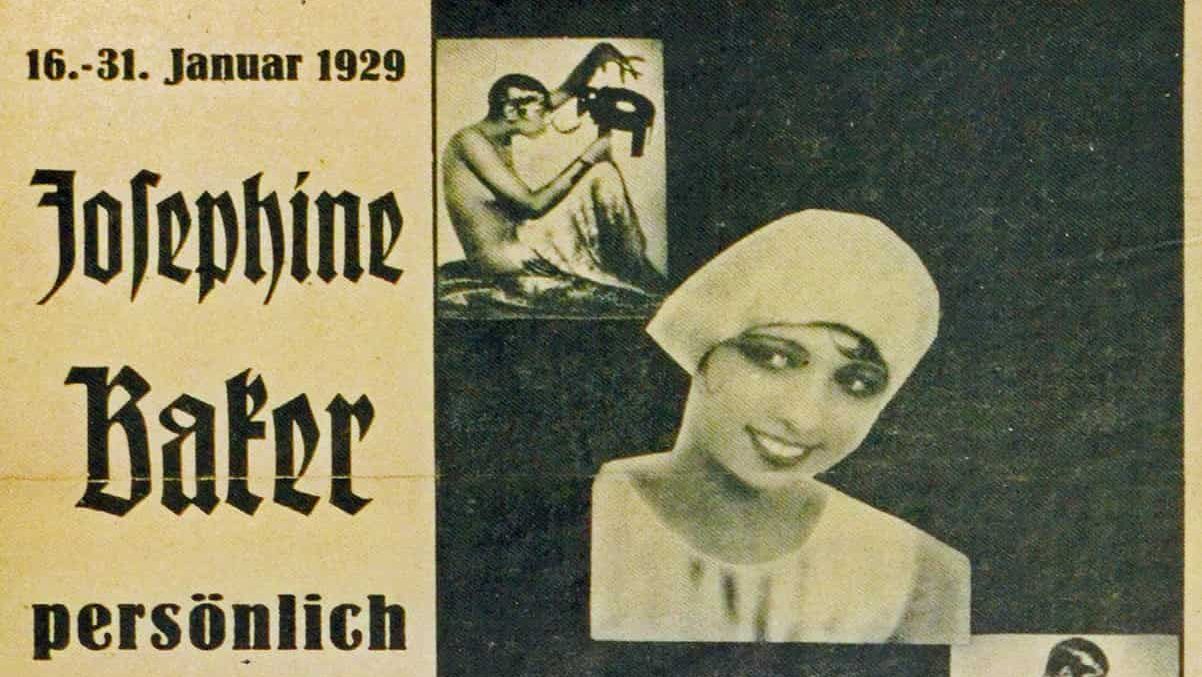
Josephine Baker became one of the most iconic figures of the Jazz Age, especially after she found success in Paris. Her costumes and hairstyles, as well as her physically athletic dancing and exaggerated stage persona, allowed her to craft a very specific look that became her signature.
Her stage looks bled into popular culture as well. The Victoria and Albert Museum points out that Baker was crucial to Art Deco culture, calling her a design icon whose performances and costumes became integral to the era’s visual language.
Images of her performing helped solidify that culture, but her involvement with the French Resistance during World War II and her civil rights work back in the United States expanded her legacy even further.
Anna May Wong
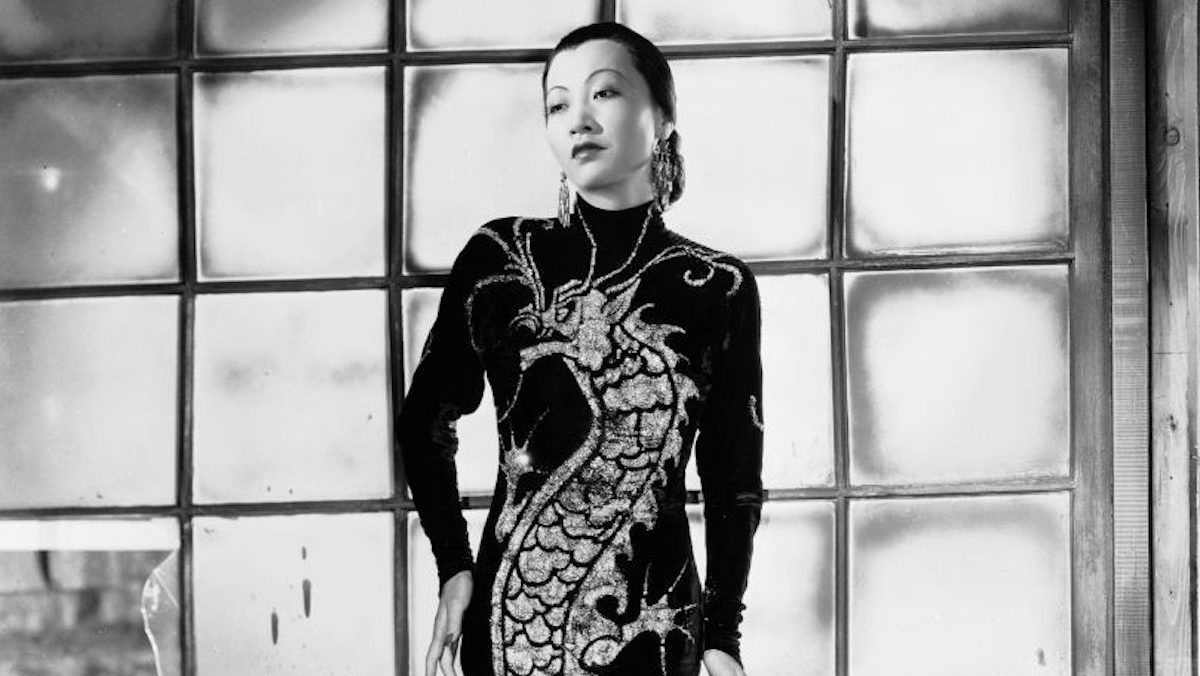
Anna May Wong became a household name as one of the earliest Chinese American movie stars, but she had a cultural impact that reached beyond Hollywood.
European moviegoers were enthralled by Wong’s unique combination of American style, Hollywood glamour, and ethnic identity, according to the National Postal Museum.
Edward Steichen’s photographs of Wong, as well as her clothes, hairstyles, and movie roles, helped make her distinctive style her own legacy.
Hedy Lamarr
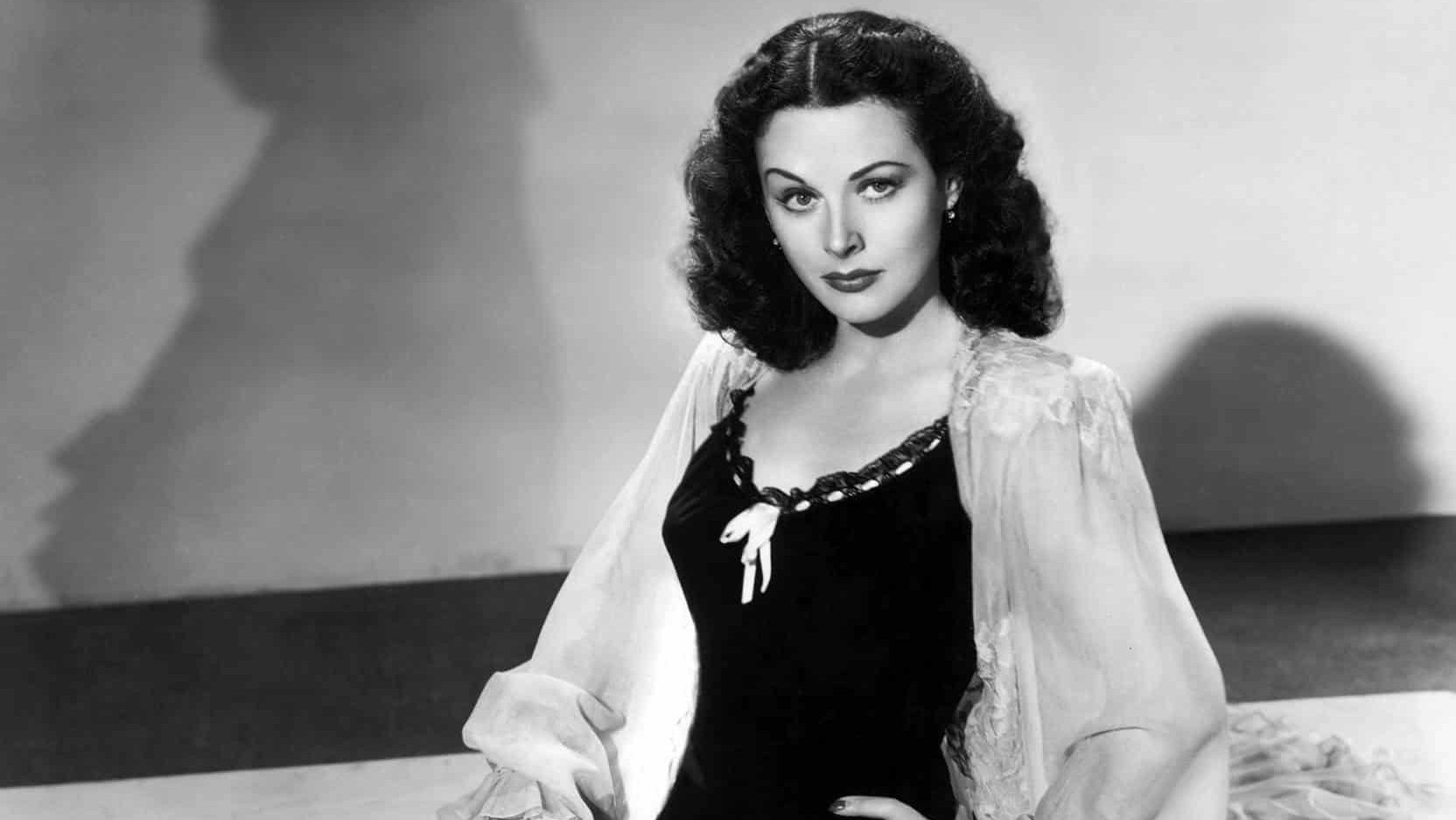
Much of Lamarr’s screen persona was manufactured around her glamour and beauty. The National WWII Museum calls her “the most beautiful woman in the world,” also mentioning her accomplishments as an inventor.
Lamarr was granted a patent, along with George Antheil, for a frequency hopping system used to prevent tampering of radio-controlled torpedoes during WWII.
Lamarr’s life is particularly striking from a visual standpoint, thanks to the dramatic difference between her glamorous image and her life as an inventor.
Lina Cavalieri
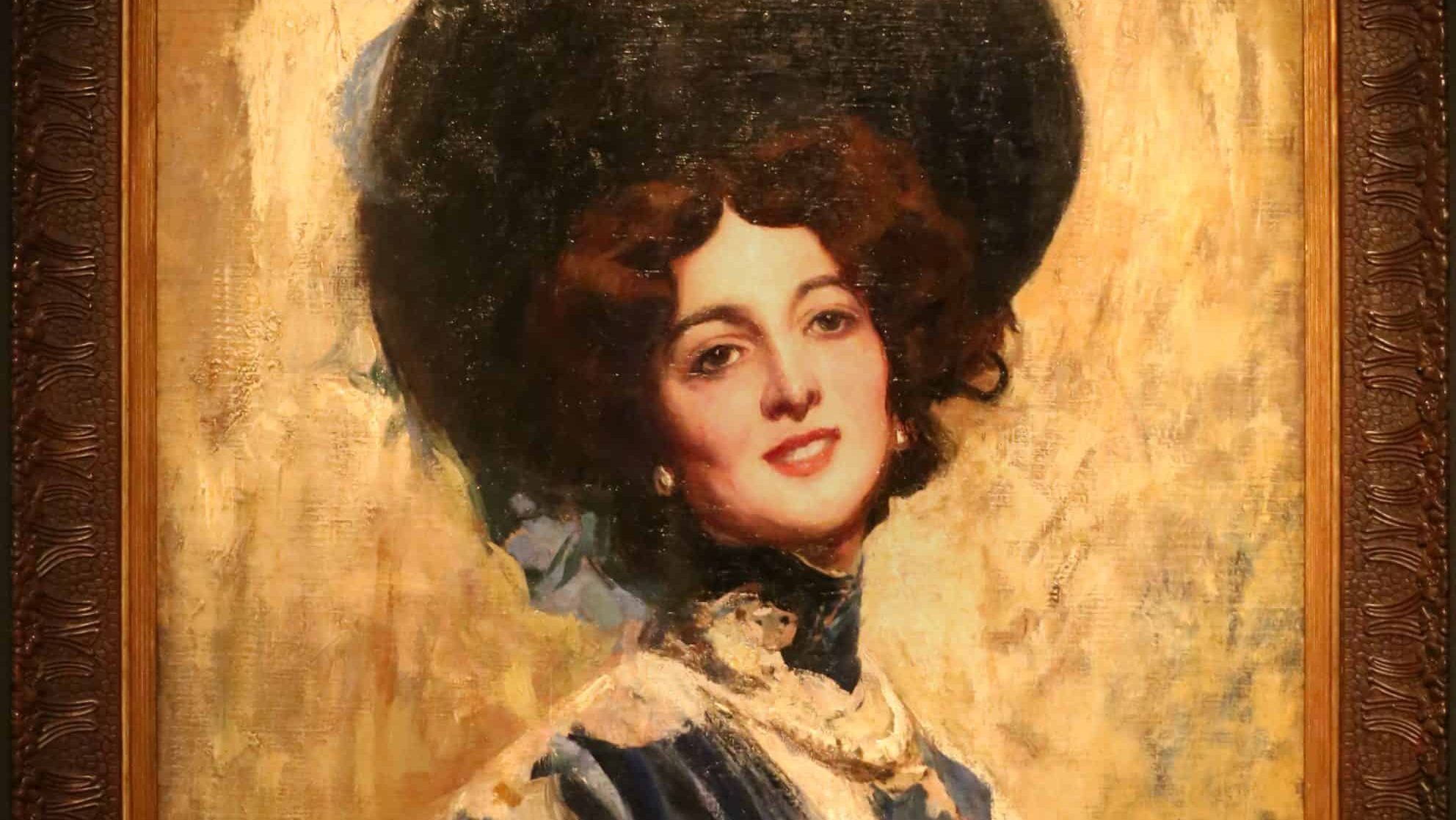
Opera singer Lina Cavalieri’s fame was boosted by her looks. According to the Metropolitan Opera, newspapers described her as someone who utterly charmed the public.
In time, her face became recognized way beyond opera circles. Italian artist Piero Fornasetti would later use her image hundreds of times in his Tema e Variazioni collection.
Cavalieri is thus a prime example of a performer who became a lasting visual image long after her career passed.
Sarah Bernhardt
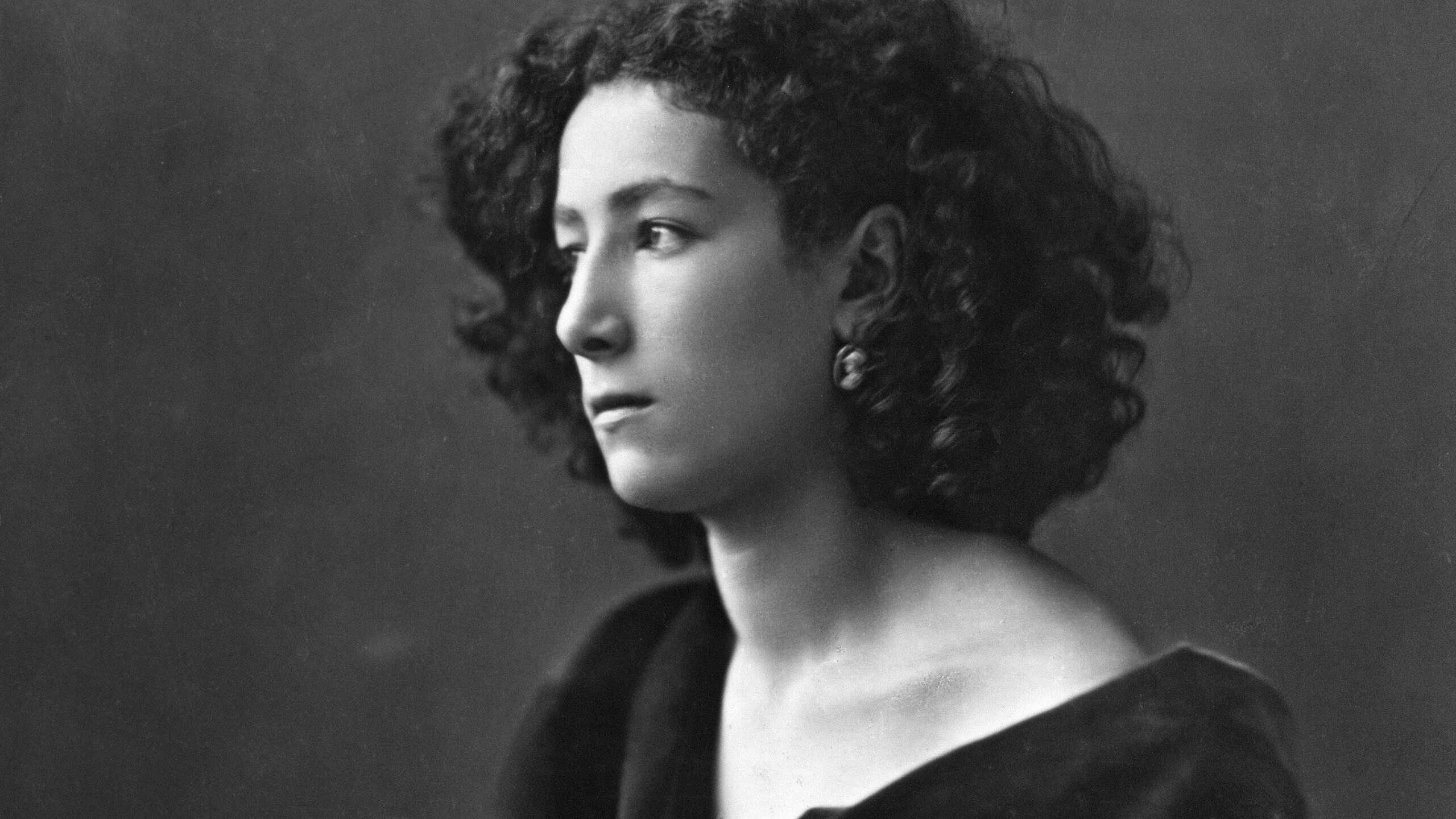
Sarah Bernhardt’s fame depended partly on how she looked. The French actress became one of her generation’s most recognizable stage performers, as illustrators and photographers turned her likeness into posters, magazine illustrations, photographs and all kinds of publicity.
It was Alphonse Mucha, the celebrated Art Nouveau artist, who crafted the unforgettable Gismonda poster, setting new benchmarks for theatre publicity. And Mucha’s posters played a significant role in solidifying Bernhardt as a legendary figure.
Rudolph Valentino
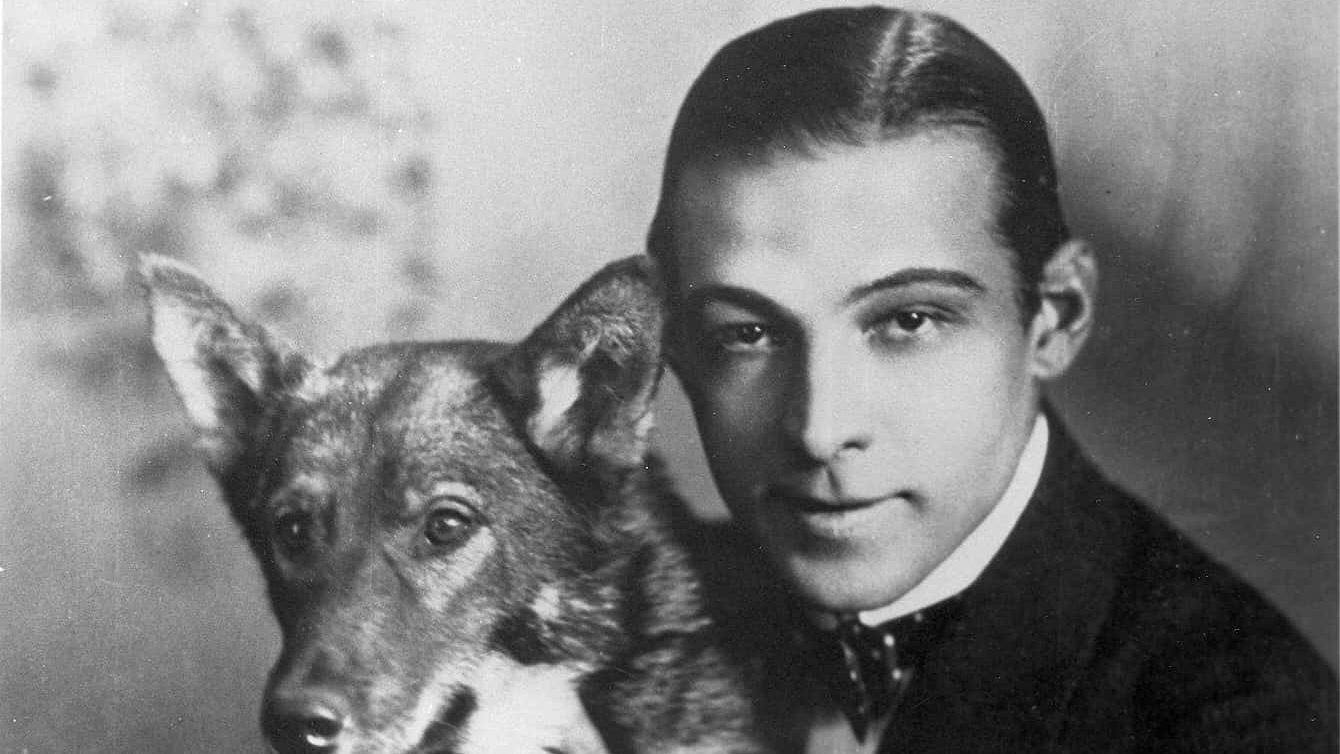
In many ways Rudolph Valentino defined the male star of silent film. With dark hair, a romantic look, stylish clothes and characters as passionate lovers, Valentino helped develop an image that became synonymous with him.
Celebrity culture extended beyond the screen. The Valentino persona was further amplified by his presence in newspapers, fan magazines, photographs, and public appearances. What’s more, the public’s reaction to his death in 1926 was exceptionally large-scale and overwhelming.
And Valentino’s legacy teaches us that the iconography of celebrity was not confined to actresses.
Sources: Please see here for a complete listing of all sources that were consulted in the preparation of this article.
Like our content? Be sure to follow us.
14 historical figures who had strange personal habits
You might know these people for their inventions or their politics, but it turns out that they had some very strange routines that became part of their everyday lives.

