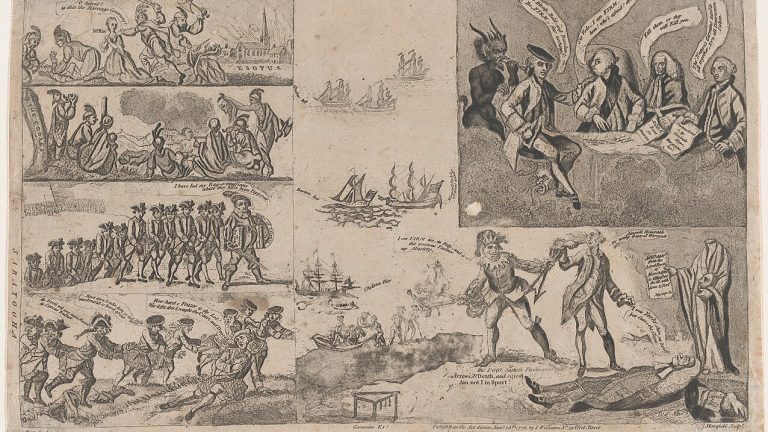

Move past the famous battles and iconic soldiers, and you’ll find there are some rather strange facts about the American Revolution that you were never taught.
A last-minute delivery from Havana

Yorktown was suffering from a major money problem in August 1781. French Admiral François Joseph Paul de Grasse desperately needed cash before he sent his fleet toward Virginia, but he had no way of getting that money. So, Spanish official Francisco Saavedra de Sangronis asked Cuba for help.
Cuba responded pretty quickly and raised over 500,000 pesos in about six hours. De Grasse used that money to sail on the Chesapeake, where his ships went on to trap Cornwallis at Yorktown. Cuba wasn’t one of the thirteen colonies, but its money was still an important part of the Revolutionary War’s most famous surrender.
The deadly ships off Brooklyn
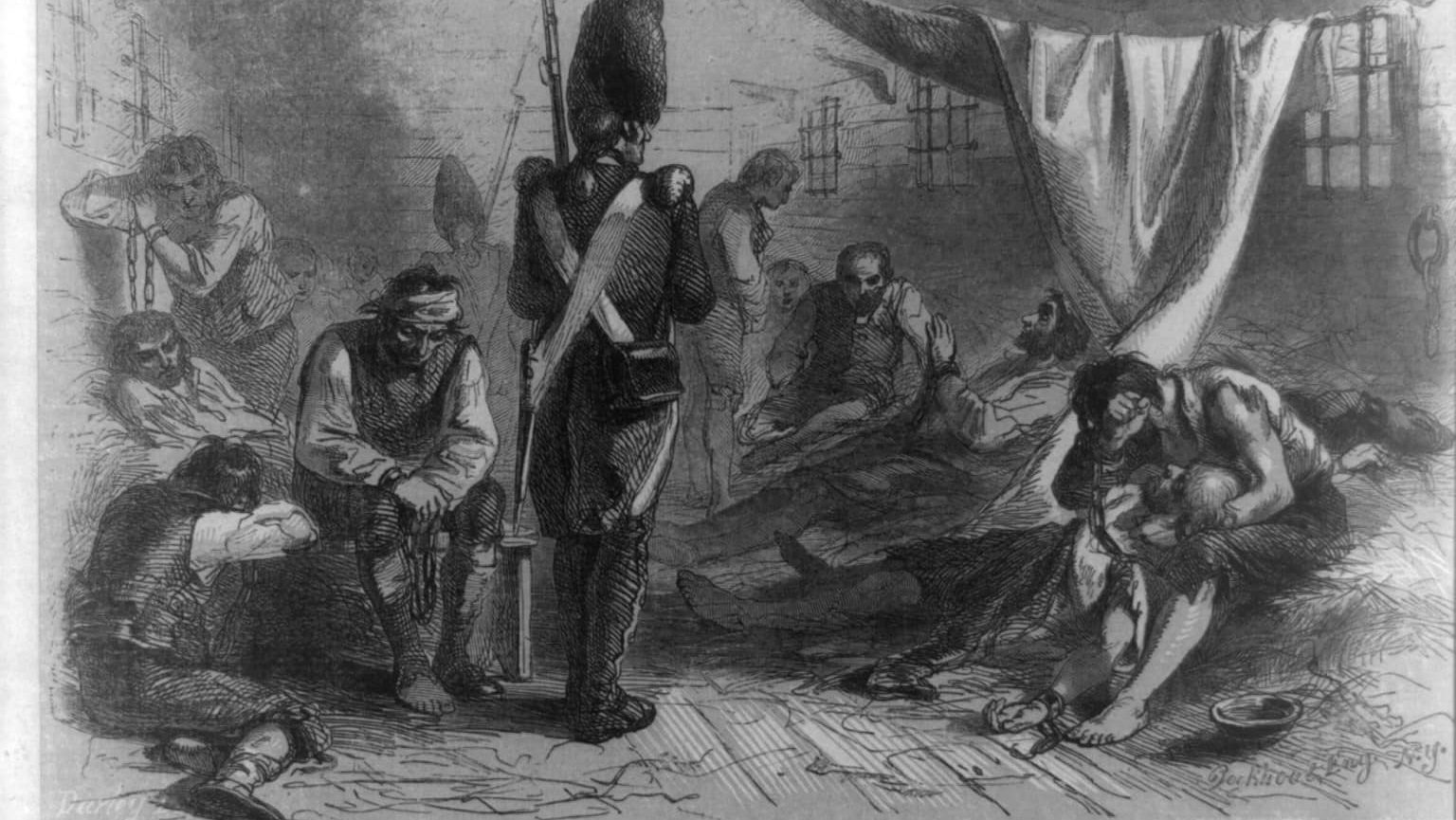
The actual fighting wasn’t the most dangerous part of the war for thousands of Americans. No, more of them died on British prison ships sitting around New York than during battles. It’s not hard to see why. Conditions were miserable, with overcrowding and disease being way too common. They lacked quality food, and the water was also filthy.
Proper medical care was non-existent. Around 11,500 Americans died onboard these prison ships, but during the battles, around 4,435 died. It sounds strange, but it’s true. The ships killed more Americans than actual combat did.
Washington chose the disease himself
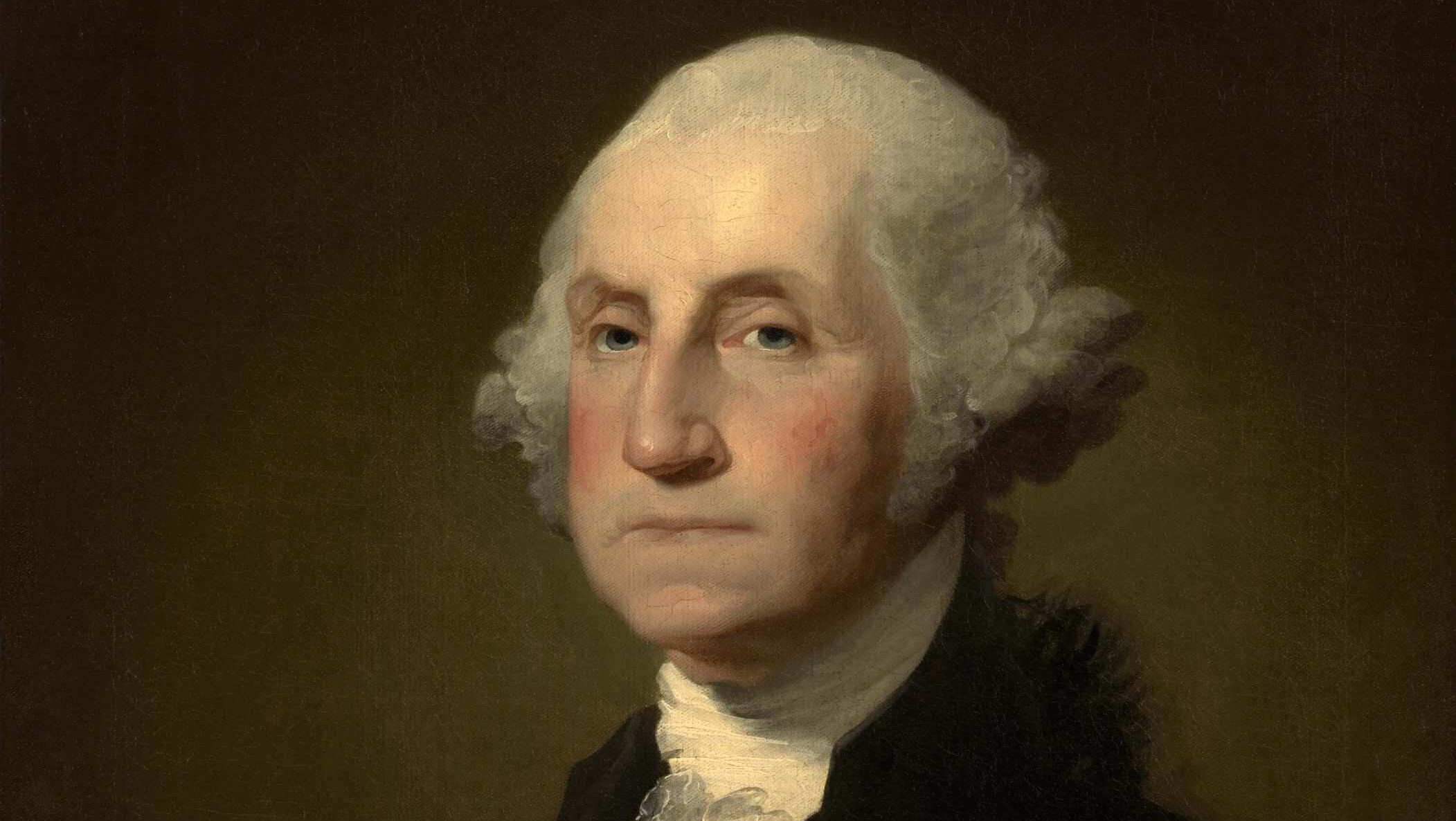
Smallpox wasn’t a new disease by the time the Revolution broke out. George Washington decided that waiting for it to strike his soldiers was way too much of a risk, so he decided to do something about it. He told John Hancock on February 5, 1777, that any soldiers who hadn’t already had the disease would be given the disease.
Yes, really. It was part of a belief that deliberately exposing someone to smallpox material would give them a milder case and help them become immune. It was sort of like an early form of vaccination, although nowhere near as safe.
A monument found another purpose
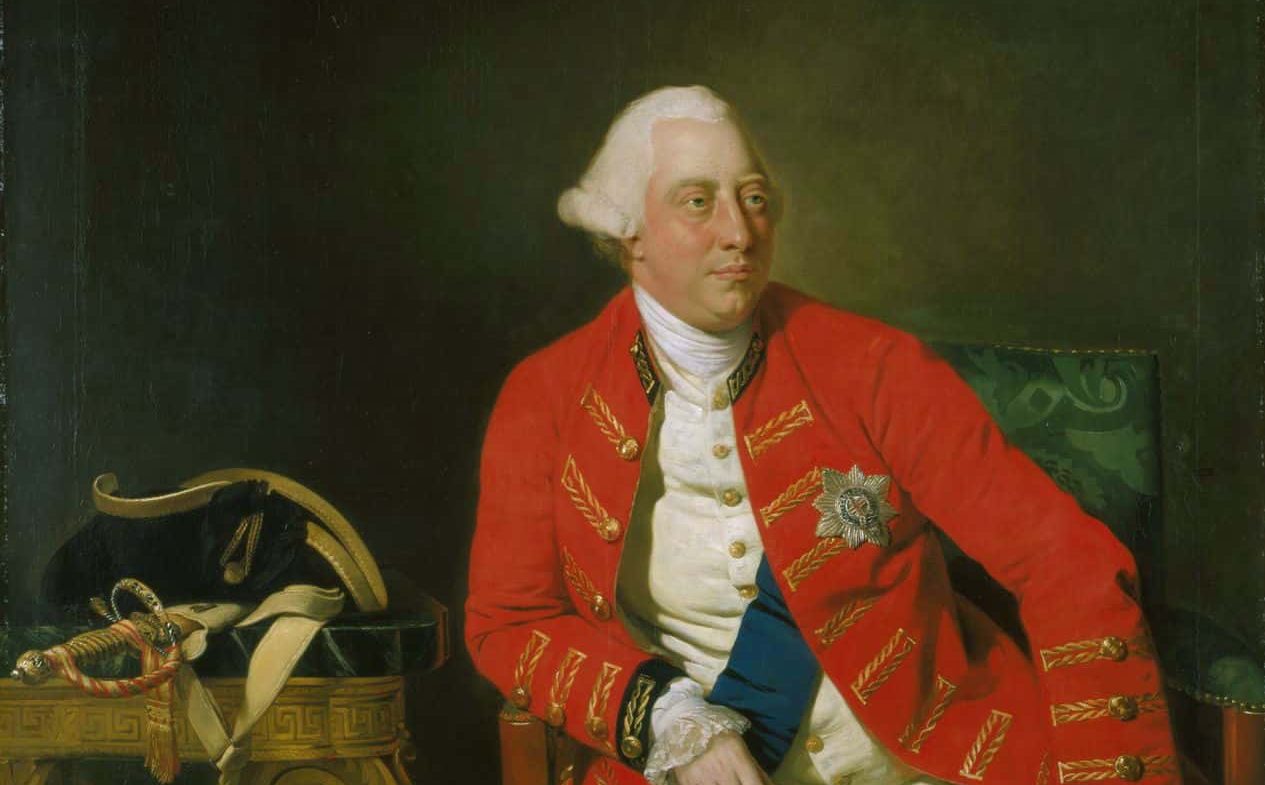
There was once a giant lead statue of King George III in lower Manhattan. It didn’t last for very long. The Declaration of Independence was read to Washington’s troops on July 9, 1776, and the crowd listening decided to pull the statue down.
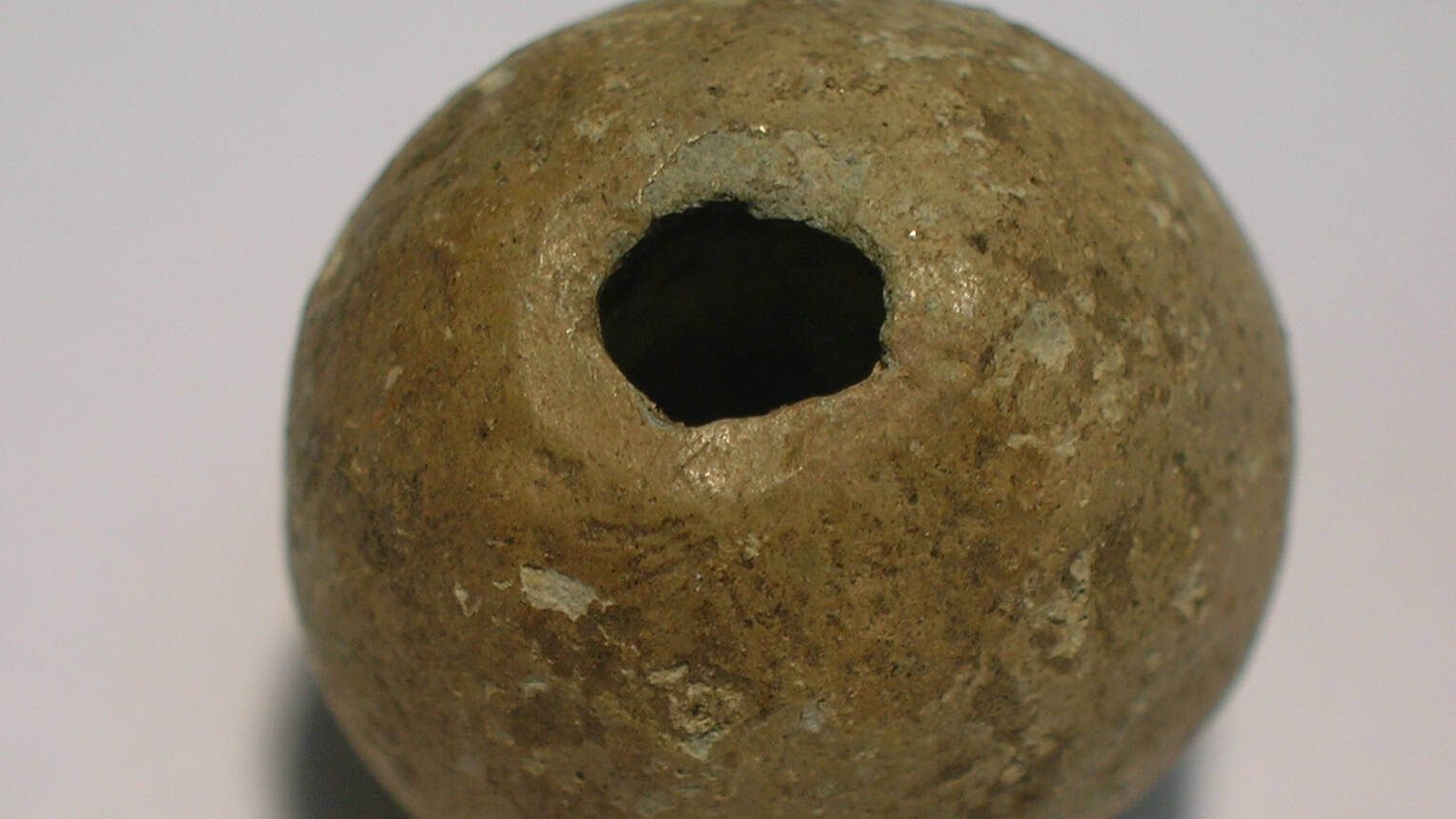
They carted away most of the 4,000-pound monument so they could melt it down and reuse it. Around 42,088 musket balls were made from the metal. It’s kind of ironic, really, because it means part of a statue honoring the British king was actually fired back at British soldiers.
The battlefield stretched across the world
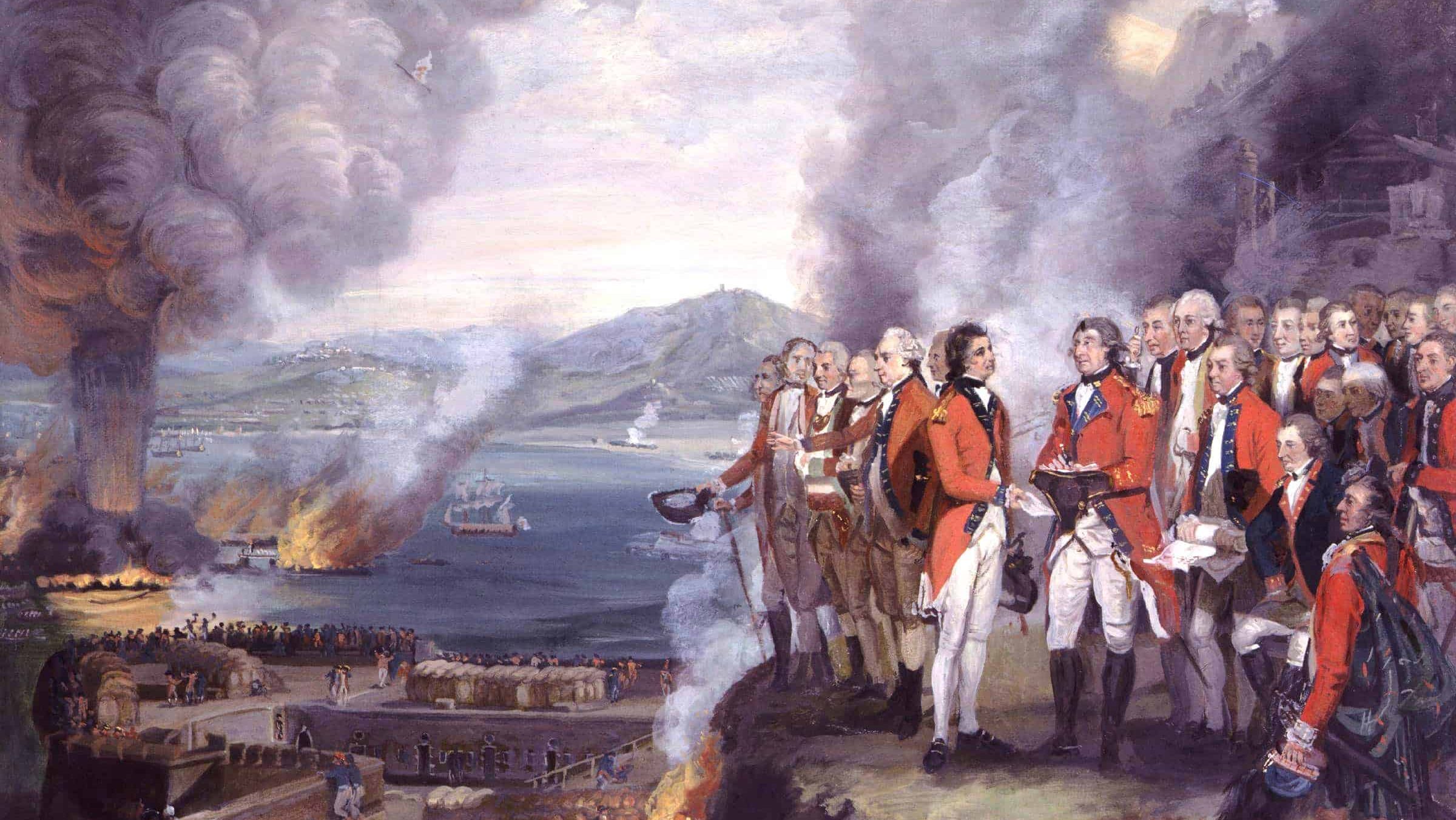
One thing most people don’t recognize is the fact that this wasn’t just an American war. France joined the fight against Britain in 1778, and Spain entered in 1779. The Dutch Republic was at war with Britain by 1780. All these countries being involved meant the fight went beyond places like Boston and Virginia. It didn’t even take place in America.
Some of the ships and armies fought in the Caribbean, while others were around Gibraltar. There was fighting in India, too. Cornwallis surrendered at Yorktown in 1781, but the fighting elsewhere kept going. The Revolutionary War was a lot more global for Britain.
One wound was too risky to explain
Deborah Sampson had a secret. She was a woman. Yes, she had enlisted under the name Robert Shurtleff so that she could fight in the Continental Army disguised as a man. But then, in 1782, she was shot near Tarrytown, New York. Getting proper medical treatment would expose the fact that, actually, she was a woman.
Sampson wasn’t prepared to let that happen. She decided that, instead of letting a doctor inspect the wound fully, she removed a musket ball from her own thigh with a penknife. It was as painful as it sounds. The truth only came out in 1783 once illness set in and she was forced to get proper medical care.
Money sometimes needed needlework
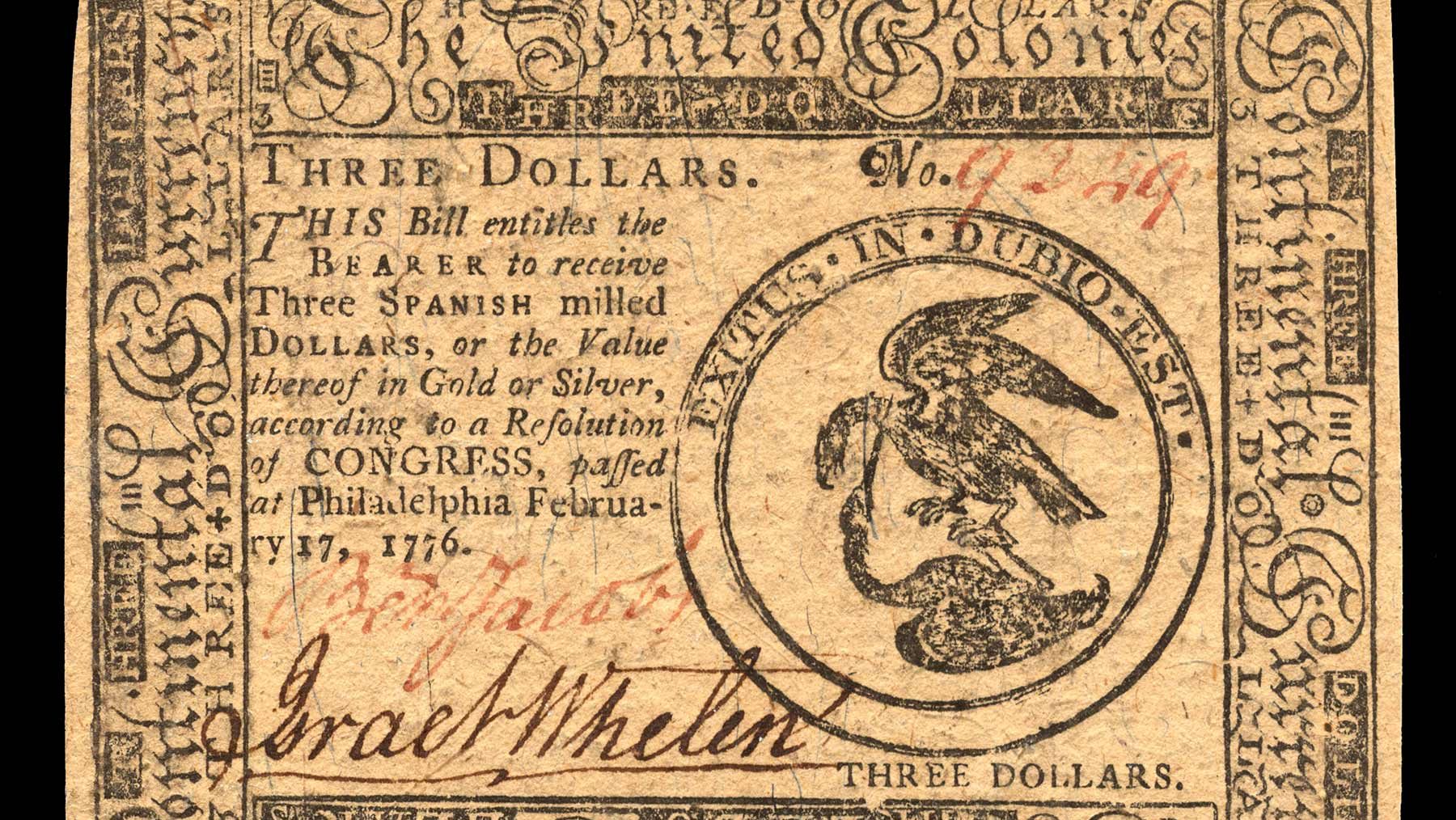
Revolutionary money was quite fragile, literally. Continental paper notes were folded again and again, leading to them sometimes splitting straight across the crease. But people didn’t throw them away. No, they repaired them and literally sewed the currency back together with thread.
They’d patch or even pin damaged notes so that they could keep using them. It makes sense, really. There wasn’t exactly a bank branch on every corner where they could walk in and get a replacement.
New York nearly lost a prince
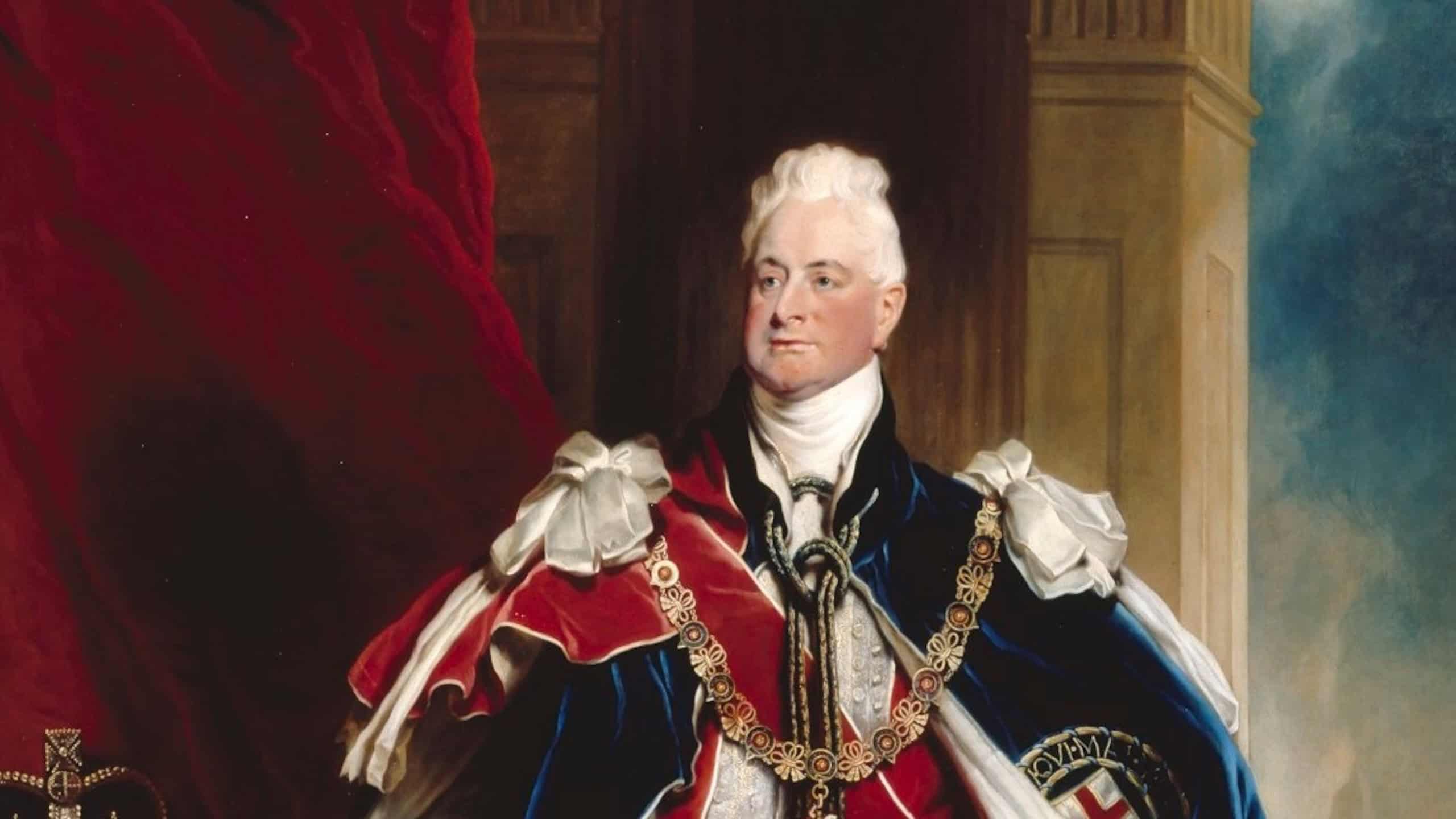
Colonel Matthias Ogden had quite the ambitious plan in March 1782. He decided that he’d slip into British-held New York and capture Admiral Robert Digby along with Prince William Henry, one of King George III’s sons. Washington actually approved the attempt. He did order that both men be treated properly if captured.
But the raid never happened, for one reason or another. Still, the fact that Washington was willing to capture the king’s son is interesting enough. William Henry eventually became King William IV in 1830.
An attack came from underwater
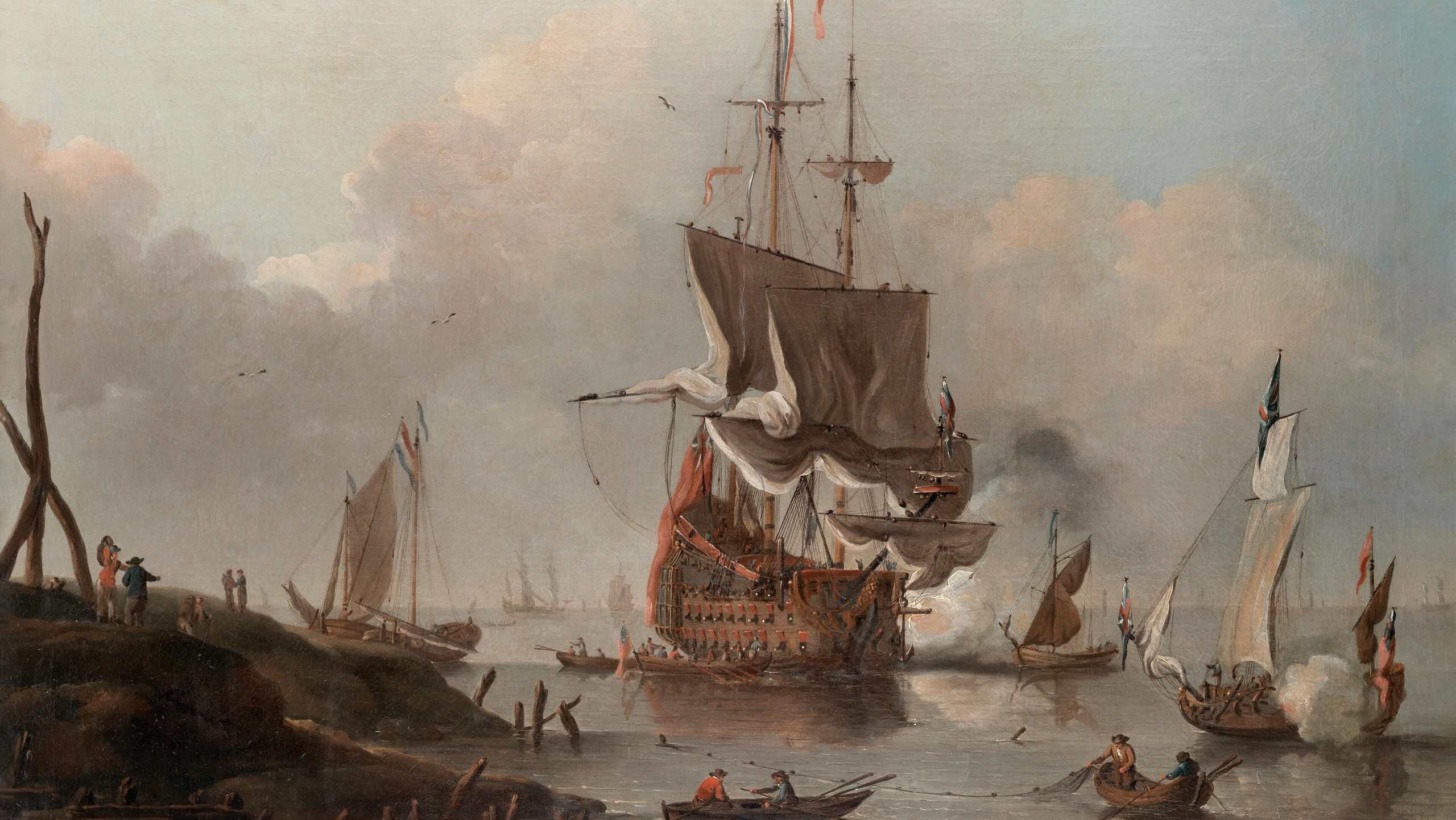
The first submarine attack against a warship actually happened during the American Revolution. It didn’t involve modern submarines or anything, but rather, a tiny one-man craft called the Turtle. Sergeant Ezra Lee steered it toward the British flagship HMS Eagle on the night of September 6-7, 1776.
He was planning to attach an explosive charge to the Eagle’s hull from underwater, but Lee couldn’t get the device fixed in place. He decided to eventually retreat, and the explosive later went off harmlessly. It was a failed mission, sure, but it still counts as the first attempt.
Some names stayed secret from the boss
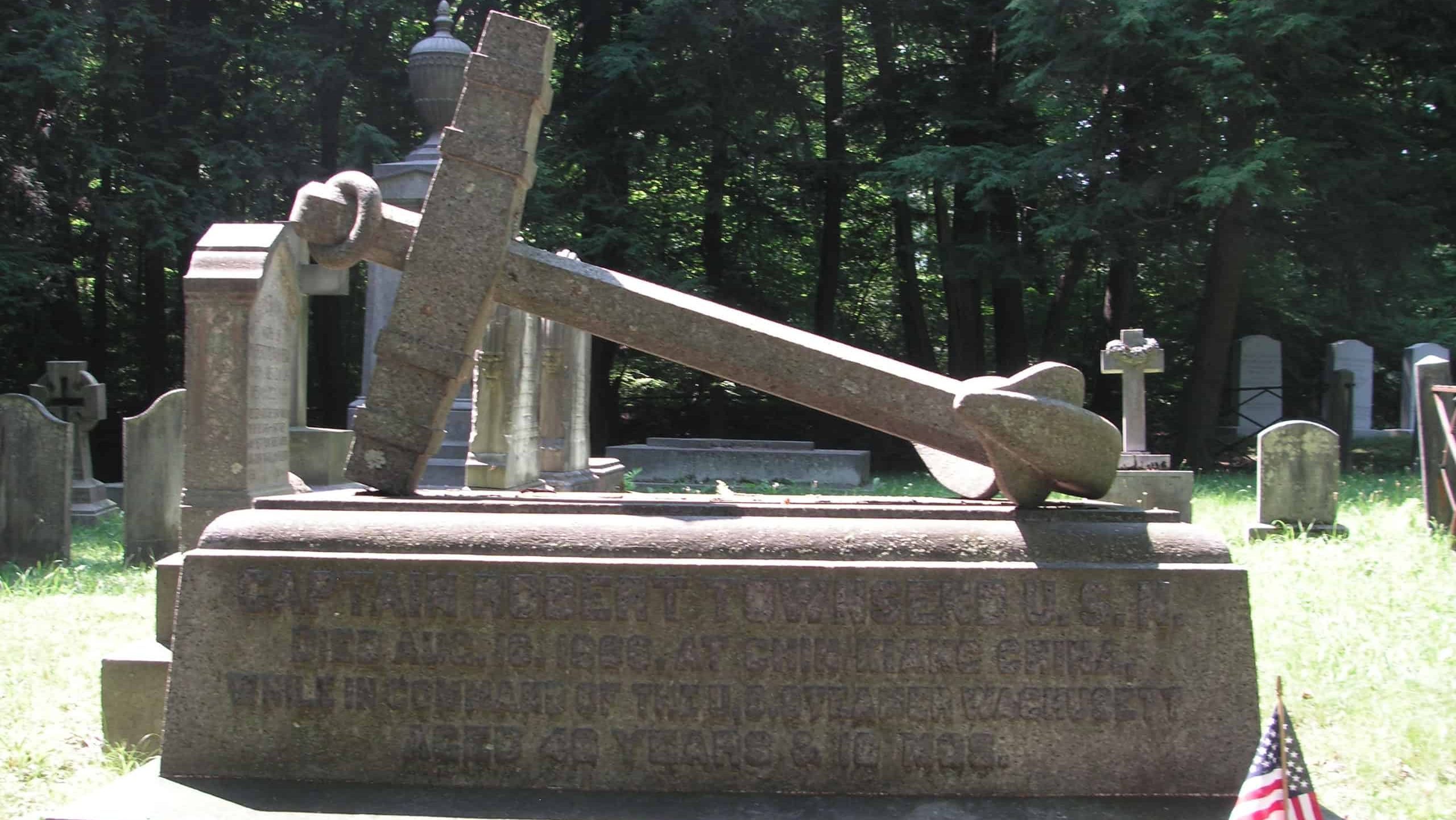
Spies are meant to be secretive, that’s kind of how their job works. But some spies, like Robert Townsend, were so secretive that even George Washington didn’t know who they were. Townsend used the name ‘Samuel Culper, Jr.’ as part of the Culper Ring. The Ring passed information out of British-occupied New York using couriers and codes, as well as invisible ink.
They used plenty of fake names, too. People were kept apart in the network wherever possible, and Townsend’s real identity remained a secret even after the war ended. It actually took until the 20th century for historians to connect Townsend to ‘Culper, Jr.’ He was just that good at his job.
Laundry entered the spy story
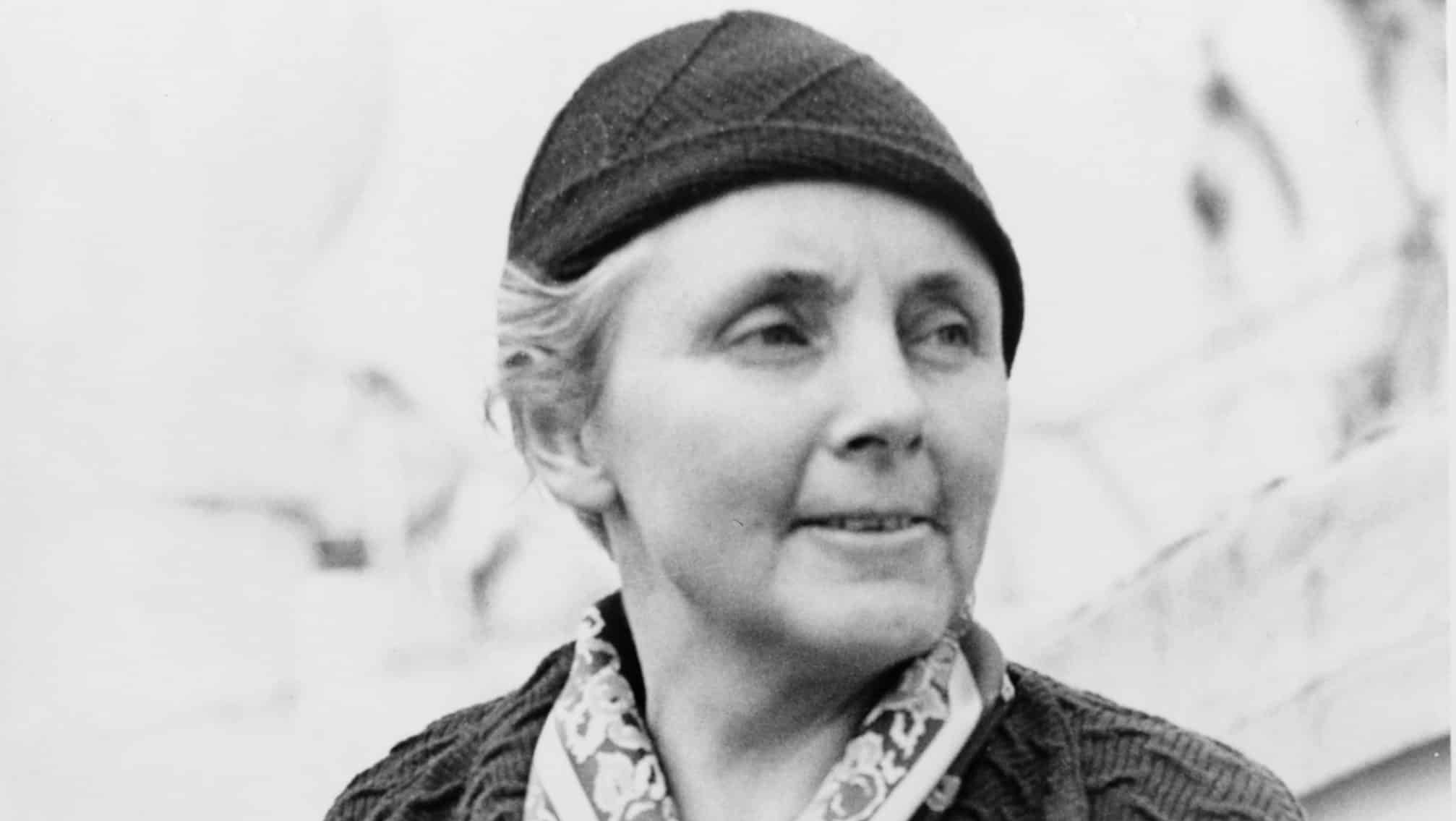
A black petticoat hanging outside a house hardly sounds like military equipment. That’s exactly what Anna Strong wanted you to think. She was also part of the Culper Ring, and she allegedly used the petticoat to send a message. The petticoat told Abraham Woodhull that Caleb Brewster had arrived by boat, and then the number of handkerchiefs showed the meeting place.
Some historians question whether it really happened, but we do know that the British were suspicious of a woman who was at Strong Point in Setauket. That was where Strong was based.
Franklin had his eyes on the sky
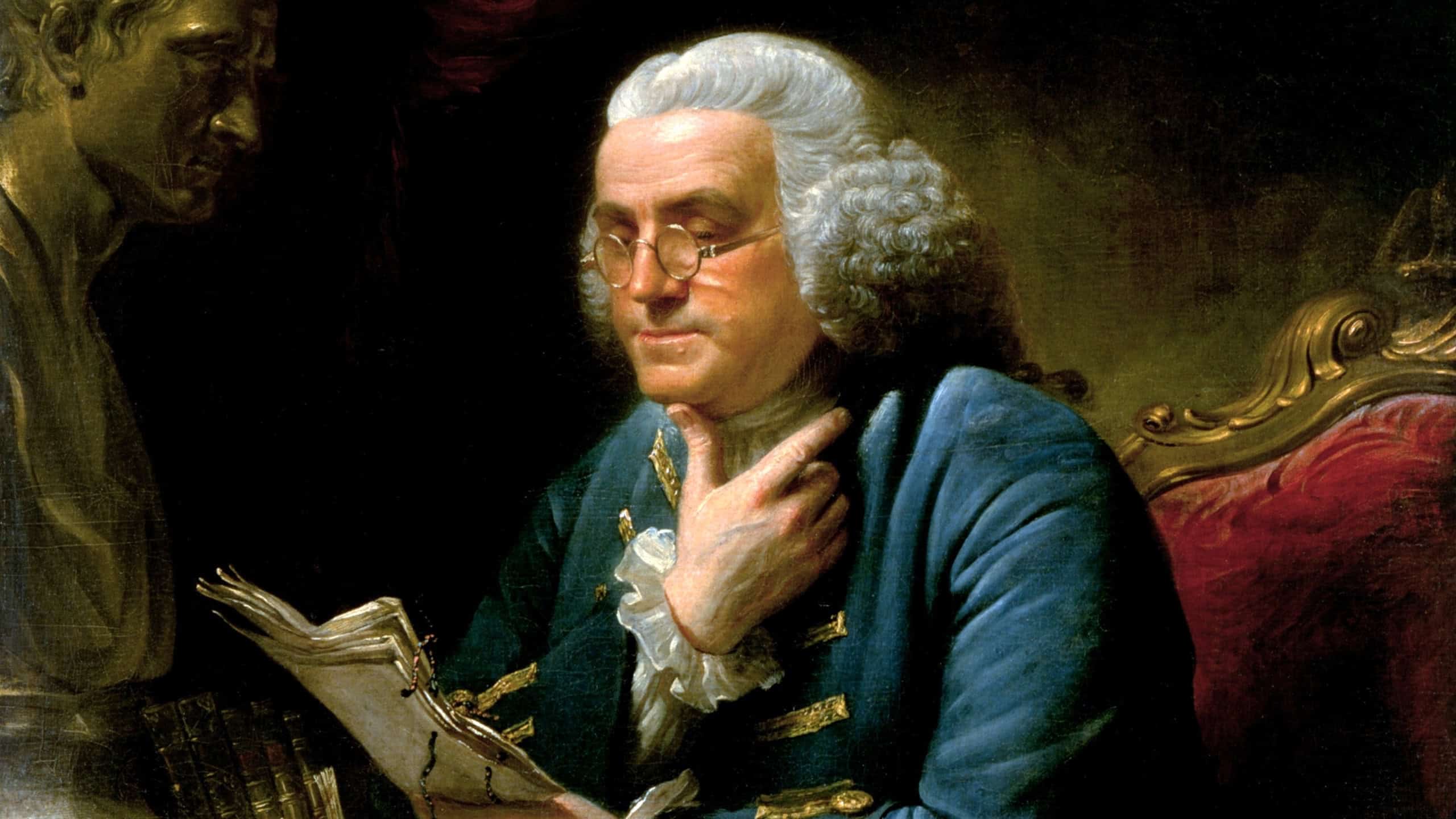
Benjamin Franklin witnessed two incredible moments in history. He’d barely finished helping negotiate peace with Britain when Paris became obsessed with flying machines. Franklin actually saw balloon experiments unfold around the city in 1783, including a hydrogen balloon that was launched from the Champ de Mars. The Treaty of Paris followed on September 3.
Just a few months later, two men made the first untethered manned balloon flight. That means that Franklin helped to end the Revolutionary War and also saw humans flying for the very first time. How incredible.
Sources: Please see here for a complete listing of all sources that were consulted in the preparation of this article.
11 common myths about the American Revolution debunked
Some of the things we’ve heard about the Revolution are straight-up false and today, we’re going to debunk some of them. Here are eleven myths about the American Revolution.

