

Younger generations like to talk about boomers like they all had the same easy life and all made the same choices, but the reality of their generation couldn’t be more different.
The suburban childhood myth
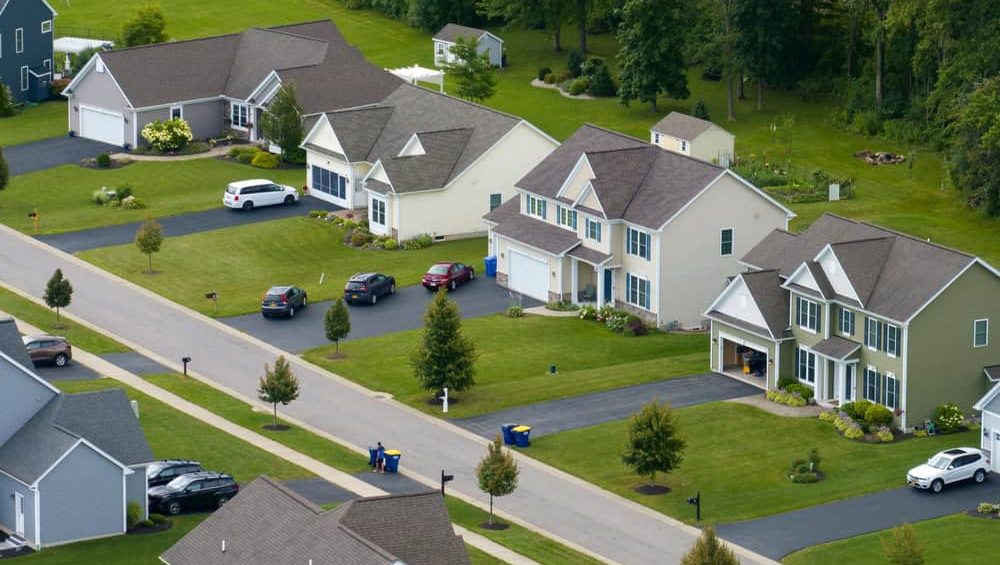
Most people imagine a boomer’s childhood as involving a tidy house and a car in the driveway, as well as a father earning enough for everyone. But that wasn’t everybody’s life. Over a quarter of boomer children lived below the poverty line, and plenty of others grew up in homes where money was always tight.
It’s easy to look at older homeowners today and work backward. You might assume that they’ve always had that sense of comfort. They didn’t, and they had to work especially hard to get to where they are now.
A lifetime gets compressed

A 72-year-old who’s paid off their house looks wealthy, but a 30-year-old trying to build a life usually doesn’t. People forget that distinction when they’re talking about boomers now. Yes, they assume that boomers have always had it easy.
They see the results of their hard work and think boomers have unfair advantages. They ignore the 40+ years of mortgages and savings. They ignore the home-price growth and lowering pensions that boomers have had to figure out. Just because they’re doing better now doesn’t mean it was always this good.
Policies become personal

Young people seem to think that millions of ordinary boomers sat around designing the modern economy together. It’s just not true. Most of their generation was just going to work and trying to make a living. They didn’t personally design economic changes.
Look at 401(k)s, for example, these came from federal tax law passed in 1978. Most boomers were between 14 and 32 years old at the time. All the changes to trade rules and tax policies, for example, came from governments and institutions. Boomers themselves didn’t do it.
The office-job stereotype

There’s an assumption that all boomers were managers with corner offices and expense accounts, but that idea couldn’t be more wrong. So many boomers spent their longest careers in blue-collar jobs. They worked in manufacturing and construction.
Only seeing boomers as comfortable retirees or former executives cuts out their history. They did blue-collar work and weren’t always earning a lot from it, yet younger people like to pretend every boomer is a manager.
Rich on paper

The thing about wealth is that what you see on paper isn’t always real life. Boomers can technically be wealthy, sure, but they’ll still worry about the grocery bill and other expenses. Their houses might be worth hundreds of thousands of dollars now, but that money’s sitting in the house.
They haven’t got it in a checking account. It sounds like a contradiction, yet it’s true. Boomers can be wealthy on paper at the same time as being financially anxious. A lot of younger generations don’t seem to understand that about them.
Strength in numbers

It’s always been hard to miss boomers because, well, there are just so many of them. That’s the problem. People see that there are so many boomers and assume they’re deliberately dominating everything.
They’re not. Their sheer size isn’t a sign that they’re intentionally controlling things like politics or housing. It’s just how being part of a giant generation works, and it’s not like it’s their fault in the first place.
Very different bank accounts

The usual checklist of a boomer’s life sounds pretty generous. Cheap college, check, steady union work, check, a pension, check, a house that became worth a fortune, check. Except the truth is, many of them never got that checklist.
Many black boomer families had to deal with housing discrimination, and boomer women had very few career options. Many lower-income workers didn’t land secure jobs with retirement plans. People bundle together the advantages some boomers got and assume that everyone in the generation got that deal. They didn’t.
Born after it started
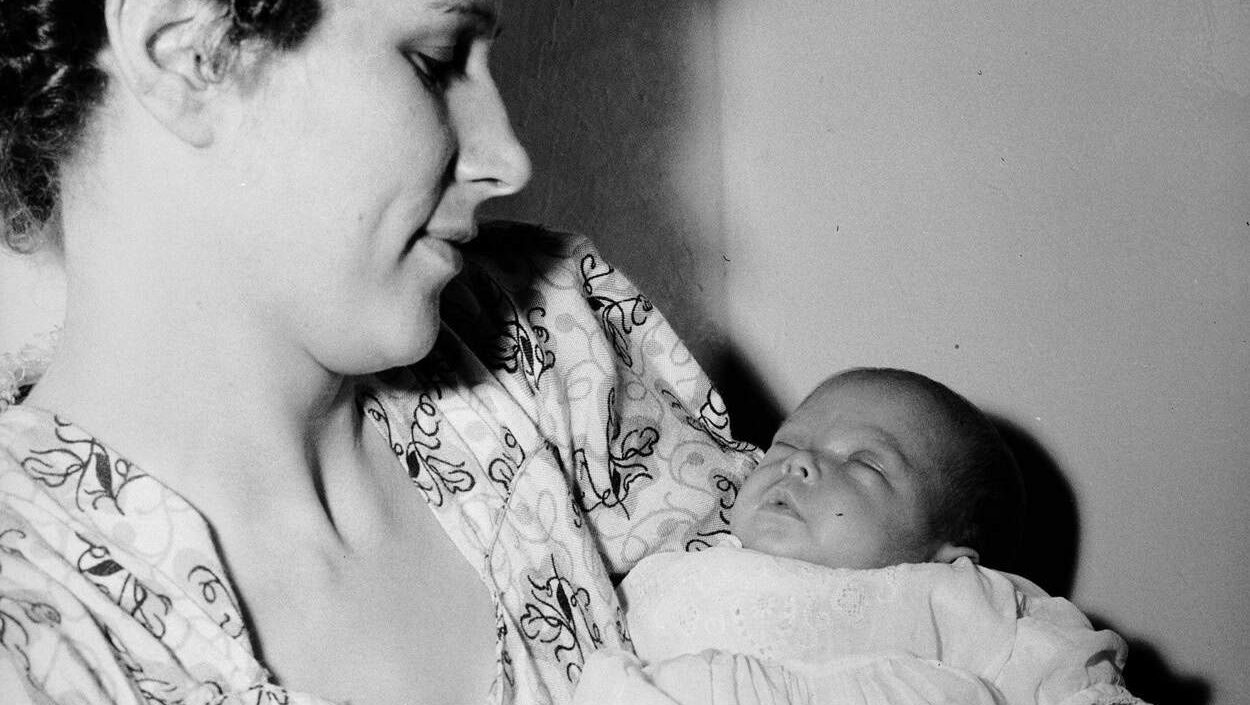
Blaming boomers for the postwar boom is such a backward idea. It’s because of that boom that the generation exists in the first place, as their parents came home from World War II and started families. Those kids became boomers.
Yet so many people today act as if Boomers personally decided how the world was going to be postwar. They seem to think that boomers created it, then kept the good parts for themselves. It’s just not accurate. Most of them were busy learning to walk when it was being built.
Two family models

Boomers were caught between two very different approaches to home life. They were raised in homes where Dad worked, and Mom stayed home. But then adulthood arrived. Then boomers had to deal with two-income households becoming much more common and women building long careers.
The changes were good, of course, but they were still pretty hard to accept at first. Boomers get treated as though they’re all part of the old housewife era, when that’s really not true. A lot of Boomers lived through the switch itself.
Retirement came later

The idea that Boomers simply won’t leave the workplace makes for an easy joke. But that’s all it is, a joke. Lots of them have worked later in life than earlier generations did, whether that’s because they like working or need the paycheck. Some are hanging on for health insurance.
The reason itself doesn’t matter, it’s the fact that they have a reason that counts. Staying employed into the late sixties has nothing to do with stubbornness. The truth is much more ordinary than that.
Sources: Please see here for a complete listing of all sources that were consulted in the preparation of this article.
14 things baby boomers should never feel sorry about

Different generations do things differently, and Boomers don’t owe anyone an apology just because some of their habits and values seem dated.

