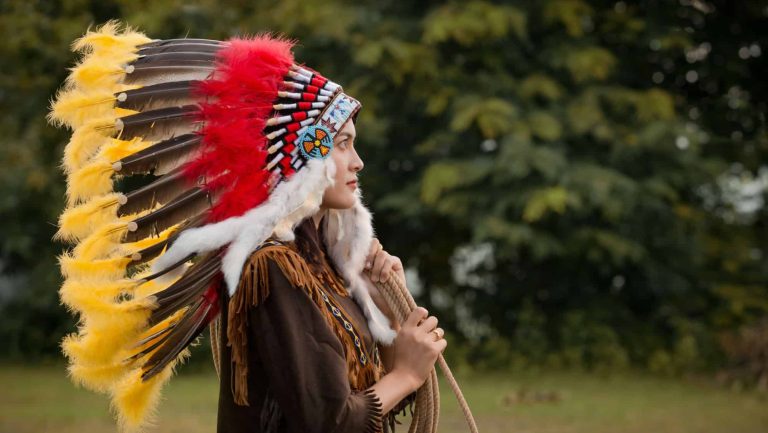

Movies, textbooks, and popular culture have created plenty of myths about Native Americans that refuse to disappear.
All native Americans look a certain way

Skin color and percentages from DNA tests are frequently used to attempt to determine if someone is Native American or not.
Native identity traditionally had been determined by family relations, participation in the community, and one’s connection to tribal culture, not by ancestry calculations.
Tribal enrollment is similar to citizenship within a nation. You are a member of a sovereign nation whether you are light-skinned or dark-skinned.
Native Americans only existed in the past
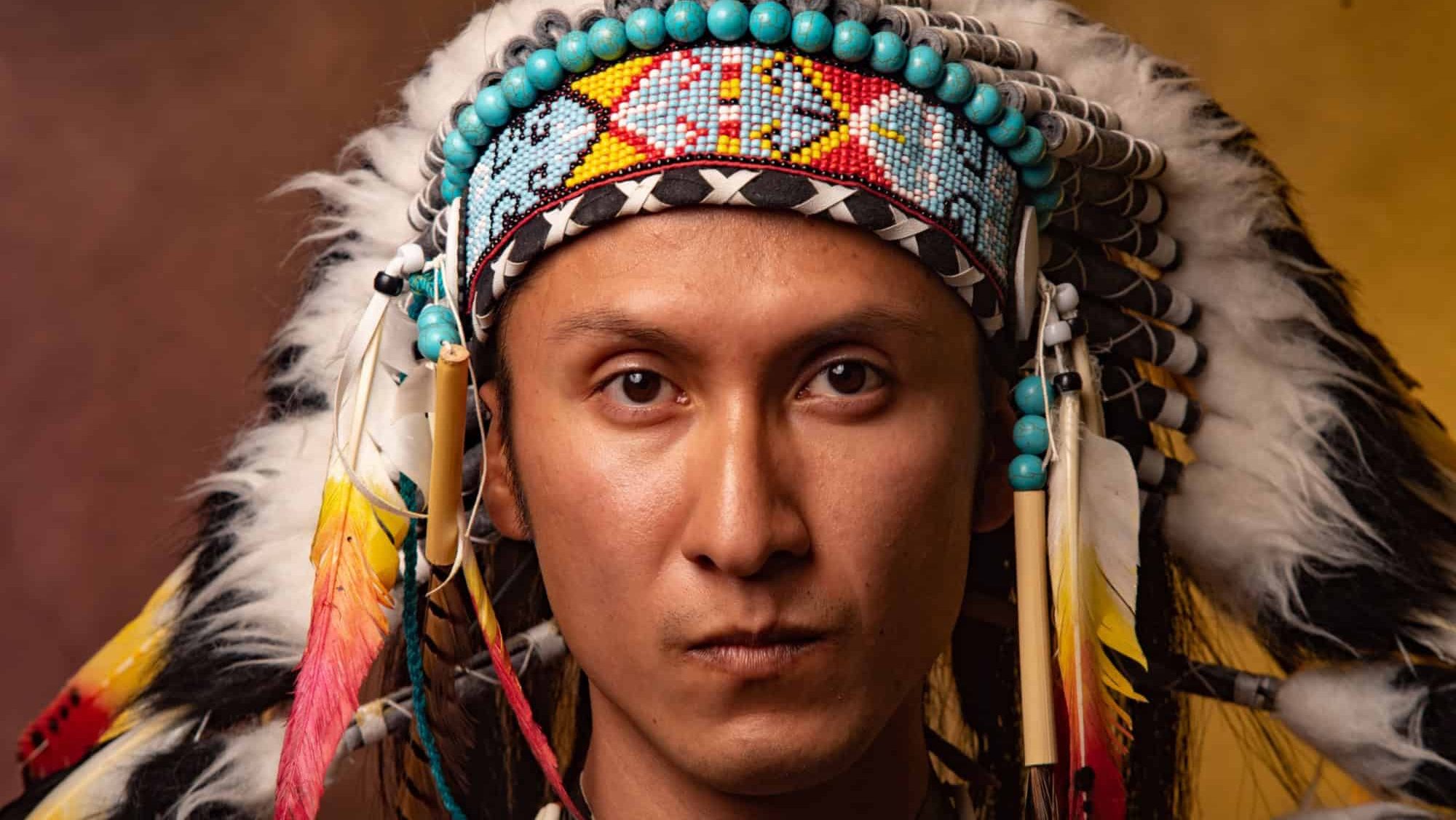
Far too often, we unintentionally refer to Native Americans as if they are extinct or only exist in our history books. Native people are not extinct; they are increasing in numbers and successfully exist in today’s world. There are Native doctors, lawyers, engineers, artists, and many other professionals.
When you treat Native people as if they’re extinct, it nullifies their existence today and allows for society to continue to neglect their people and rights.
Free government checks and casino wealth

Some people believe that all Native Americans receive free money from the government each month, pay no taxes, and live happily off casino revenues.
Native Americans pay federal income tax like any other citizen. Schools or hospital expenses that are paid by the federal government are not giveaways but are from guaranteed land exchange deals that were negotiated hundreds of years ago and are federally binding.
Additionally, most tribes do not have high-revenue casinos. If they do, the money is put back into simple neighborhood developments such as roads, schools, and elder living.
All tribes are the exact same
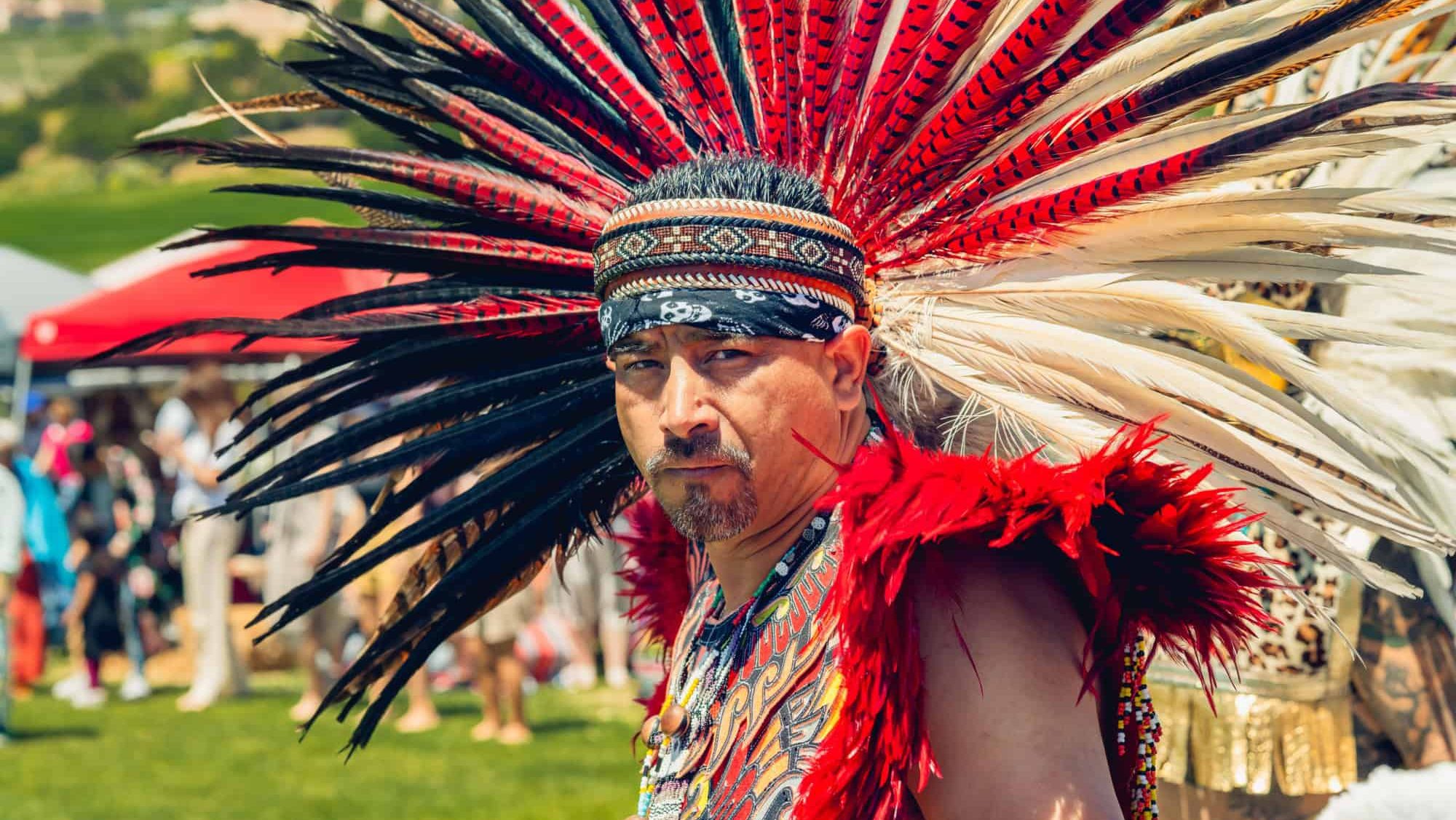
Treating Native Americans as monolithic is one of the most common mistakes. Navajo, Cherokee, Lakota, Ojibwe, Pueblo, Haudenosaunee, and Seminole are just a few of the hundreds of sovereign Native nations with unique histories, governments, languages, traditions, and identities.
Just because something is a custom for one nation does not mean it is for another. It’s okay to say “Native American culture” sometimes if you’re speaking generally, but don’t let that disregard the tremendous variety that exists in Indigenous America.
The unsmiling warrior who never shows emotion
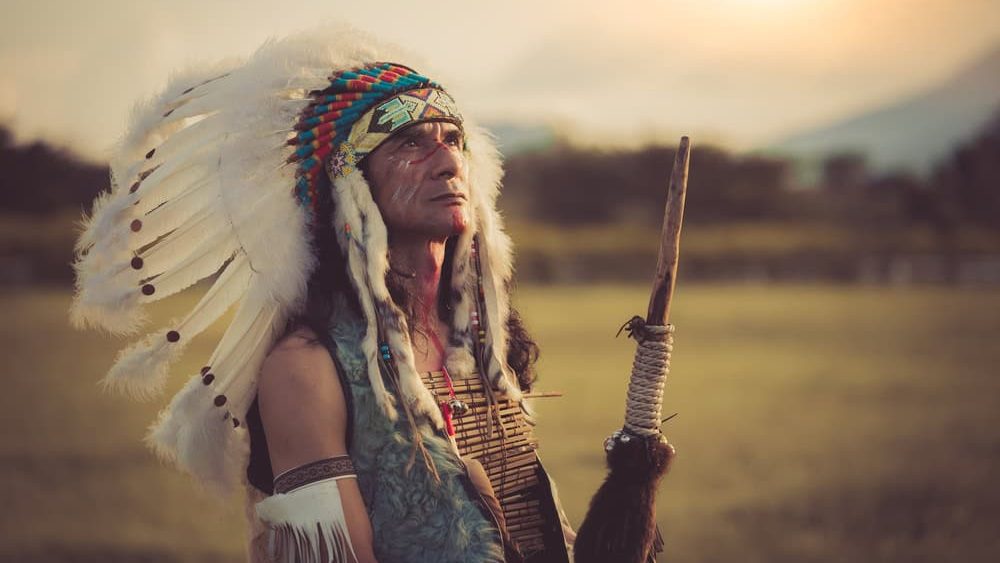
Old Western movies have perpetuated the stereotype of the stoic Native with no emotion that grunts out incomplete sentences and never laughs. Indigenous people are known among their tribes for their great sense of humor, quick wit, and storytelling.
Cameras that took old photographs had to have people hold completely still for extended periods of time. Not moving made people appear serious, which was mistaken for having no personality at all.
The romantic princess story
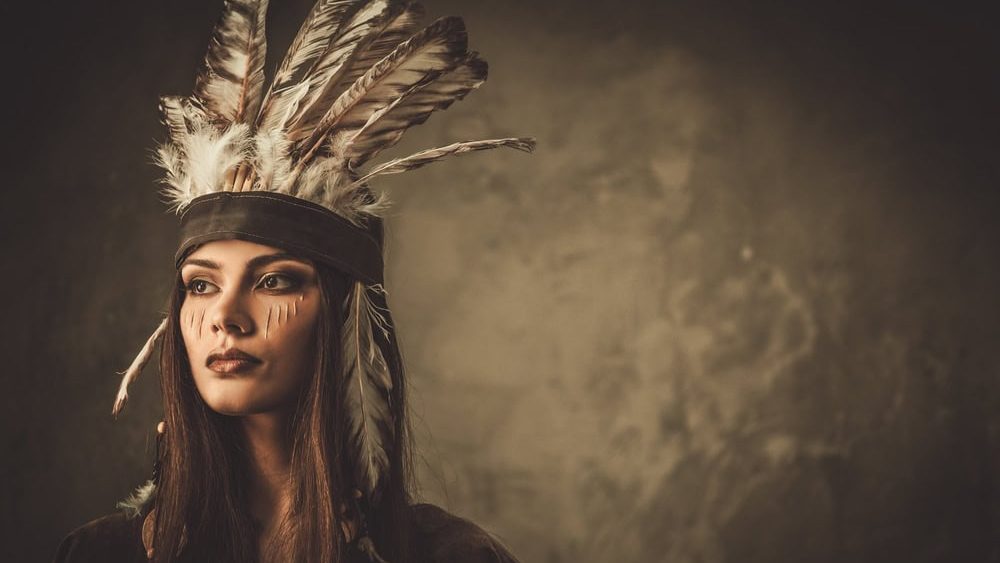
Think of most cartoons or children’s story books about Indigenous people, and you’ll probably think of a young Native woman falling in love with a white settler and risking her own tribes safety to aid them. This wasn’t how history went at all.
Characters such as Pocahontas were young children when settlers came to the Americas, let alone old enough to fall in love, and many of them were kidnapped from their families.
It’s rewriting real history and glamorizing it. It objectifies Native women like they are spicy side characters when they are human beings in real-life danger.
The mystical earth guardian
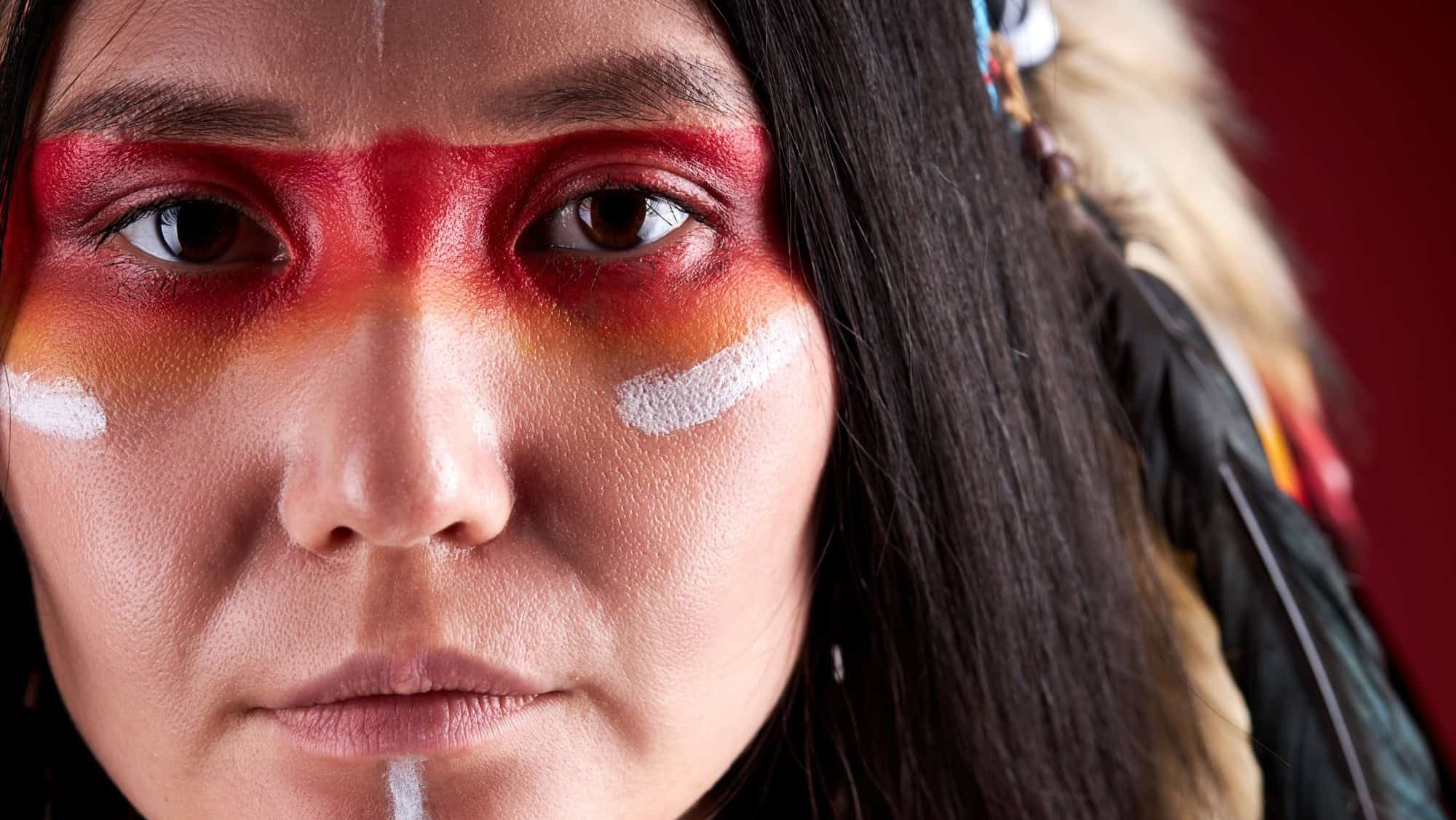
Native Americans are often stereotyped in Hollywood as mystical creatures who whisper to woodland creatures and weep over piles of trash.
Although some Indigenous people have strong spiritual connections with the Earth, romanticizing them as living earth spirits robs them of their everyday humanness.
Portraying advanced farming techniques and scientific research cultivated over millennia as magic instead of intellect makes it difficult for others to perceive Native Americans as everyday people in today’s society.
Caricatured sports mascots honor Native people

Teams may try to justify their use of cartoony logos, fake war chants, and Native names by saying that they honor Native strength and bravery.
Research has indicated that using real people still living today as sports mascots decreases Native youth self-esteem and turns sacred ceremonial objects into plastic toys.
Moreover, Native people also point out that by putting a race of living humans on the same level as animals as a team mascot, it objectifies them.
Native cultural words are casual pop culture
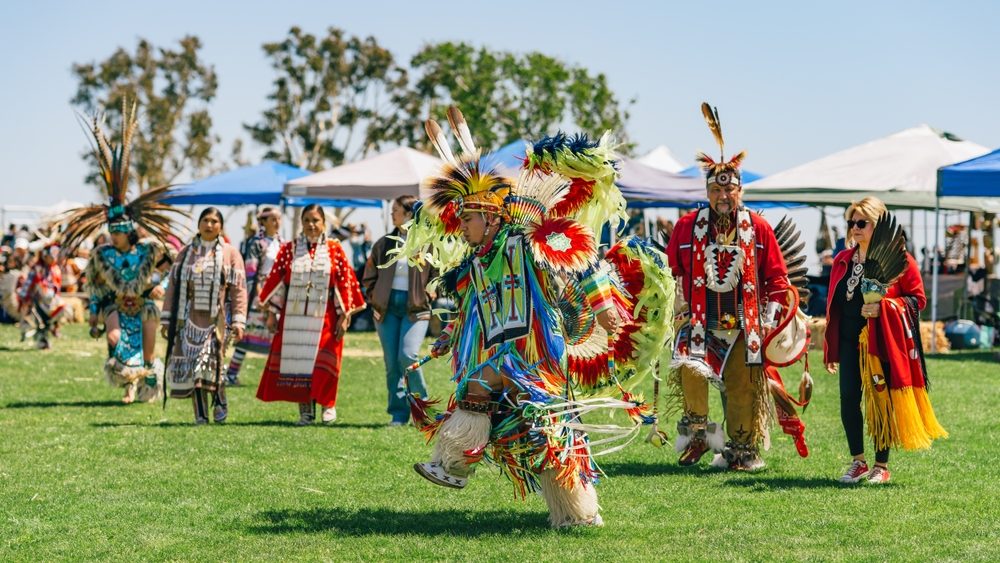
The casual misuse of language can lead people to believe that terms such as spirit animal, chief, or powwow are silly colloquialisms used to refer to favorite foods, boss at work, or a get-together with friends.
These terms have significant spiritual, political, and cultural significance to Indigenous nations. Minimizing them to memes online or water cooler talk dismisses thousands of years of history and tradition.
Reservation life is entirely hopeless
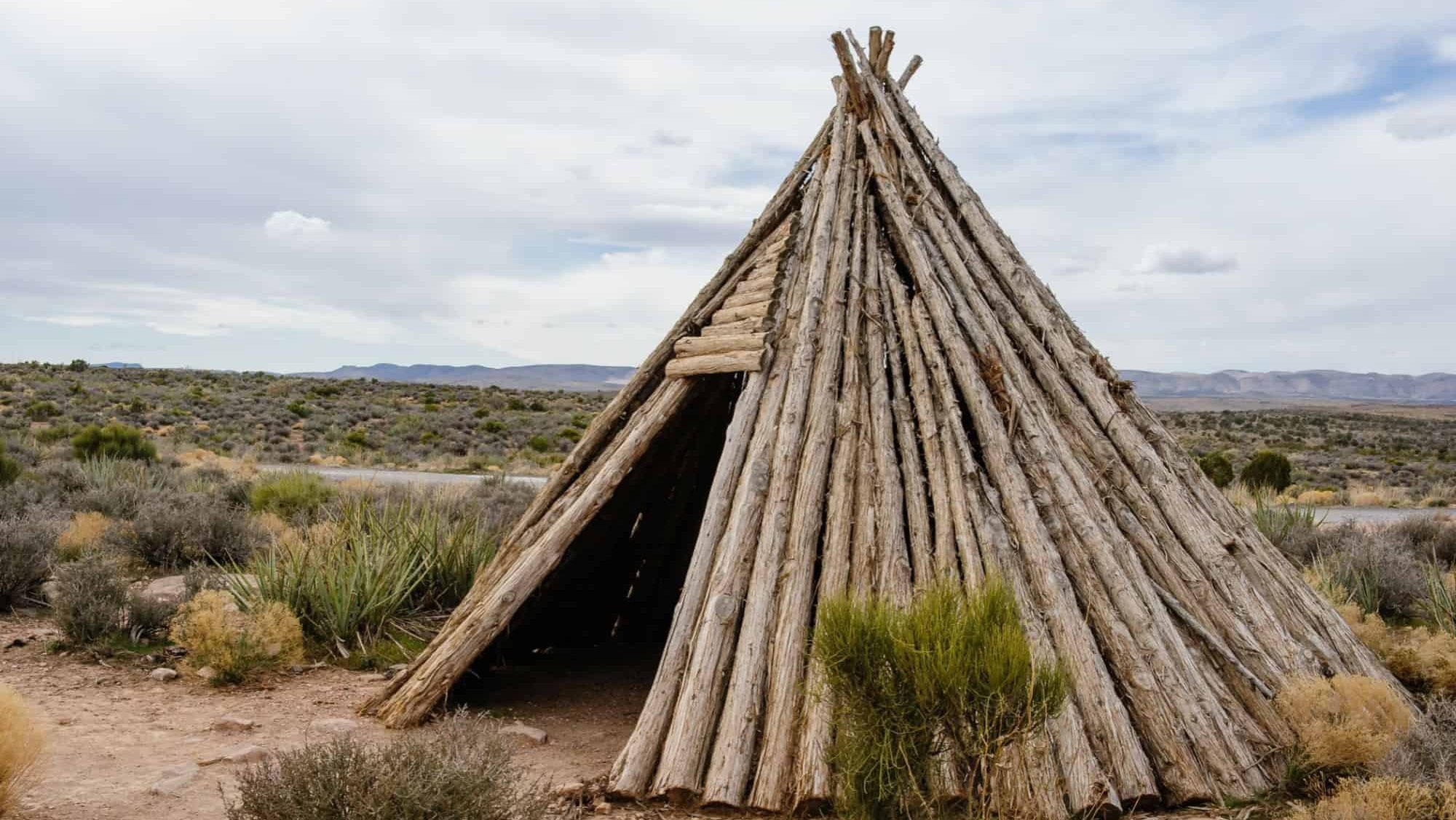
Media tends to only highlight poverty, addiction and dilapidated living conditions when portraying life on reservations. Yes, historical trauma and lack of government funding have caused many struggles.
But only showing the negatives perpetuates the idea that entire communities are nothing but heart-wrenching statistics. It fails to recognize the resiliency, youth empowerment, cultural revitalization, and community programs happening on native land today.
Sources: Please see here for a complete listing of all sources that were consulted in the preparation of this article.
Like our content? Be sure to follow us.
13 overlooked facts about Native Americans
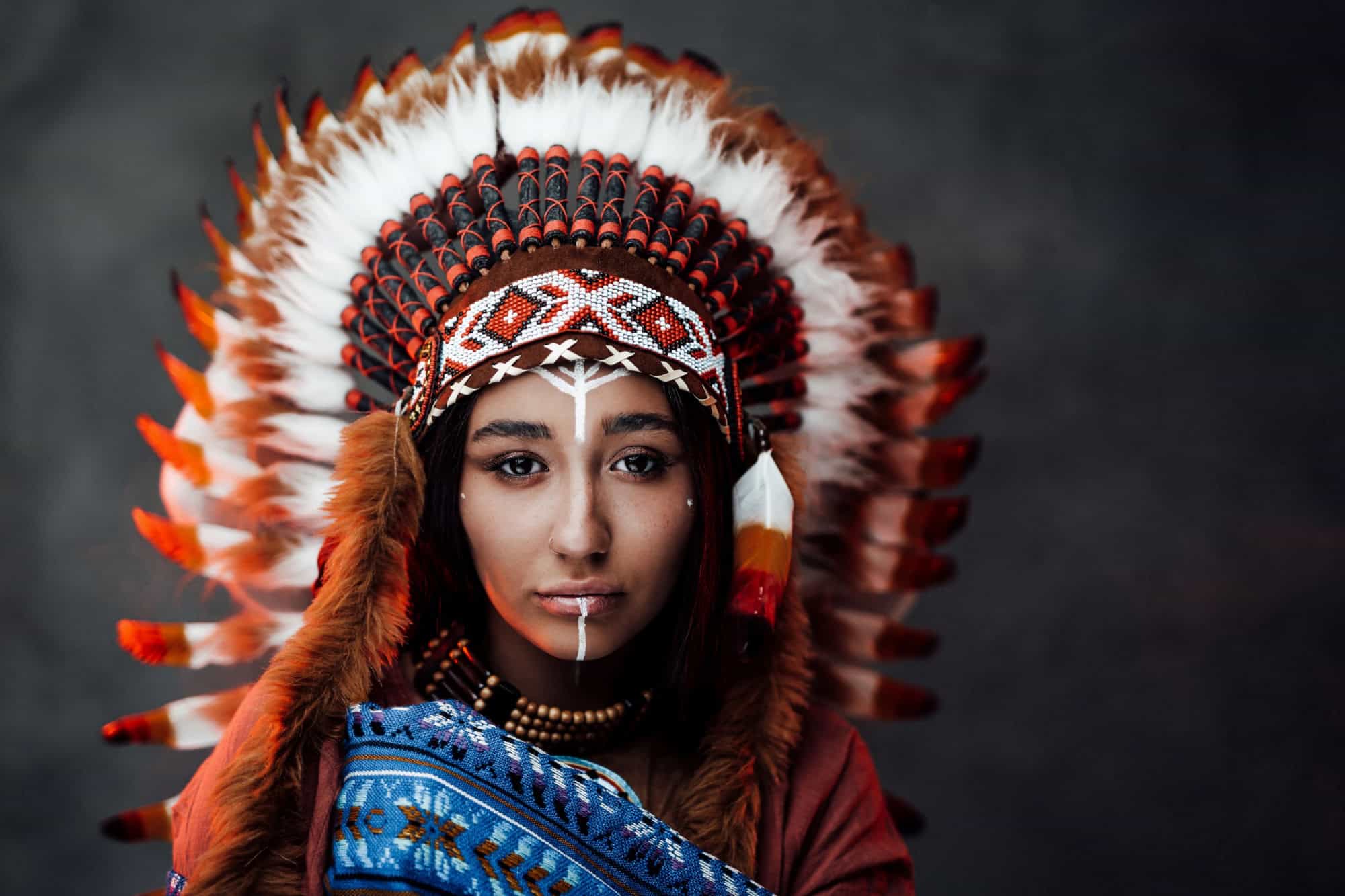
Indigenous people lived, farmed, and raised families that shaped the modern world. Parts of their history are scattered or skipped in history books. These 13 facts bring some of the overlooked history back to light.
