

Young people probably don’t realize it today, but comedy existed long before streaming specials and 30-second clips, yet some of the funniest stars have vanished from everyday conversations.
Moms Mabley
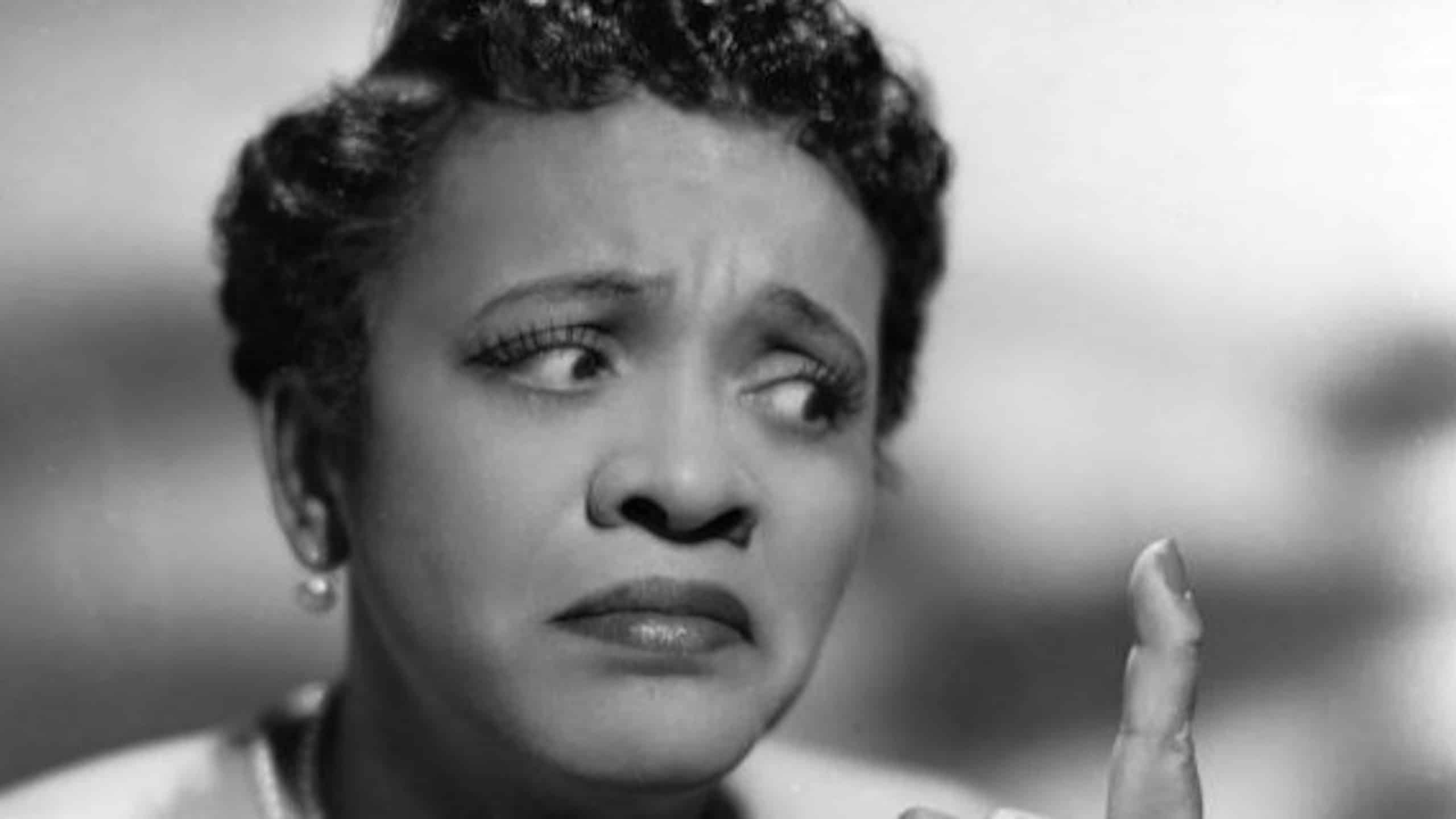
Moms Mabley didn’t look much like a conventional star. That was the point. She was a comedienne of the early 1900s, and she’d shuffle onstage in a housecoat and floppy hat. Her makeup made her appear toothless, on purpose, of course.
Then she’d deliver jokes far riskier than audiences expected from such a grandmotherly figure. Mabley was pretty established on the Black vaudeville circuit, and she later became the first woman to perform a solo comedy act at Harlem’s Apollo Theater. What a woman.
Fred Allen
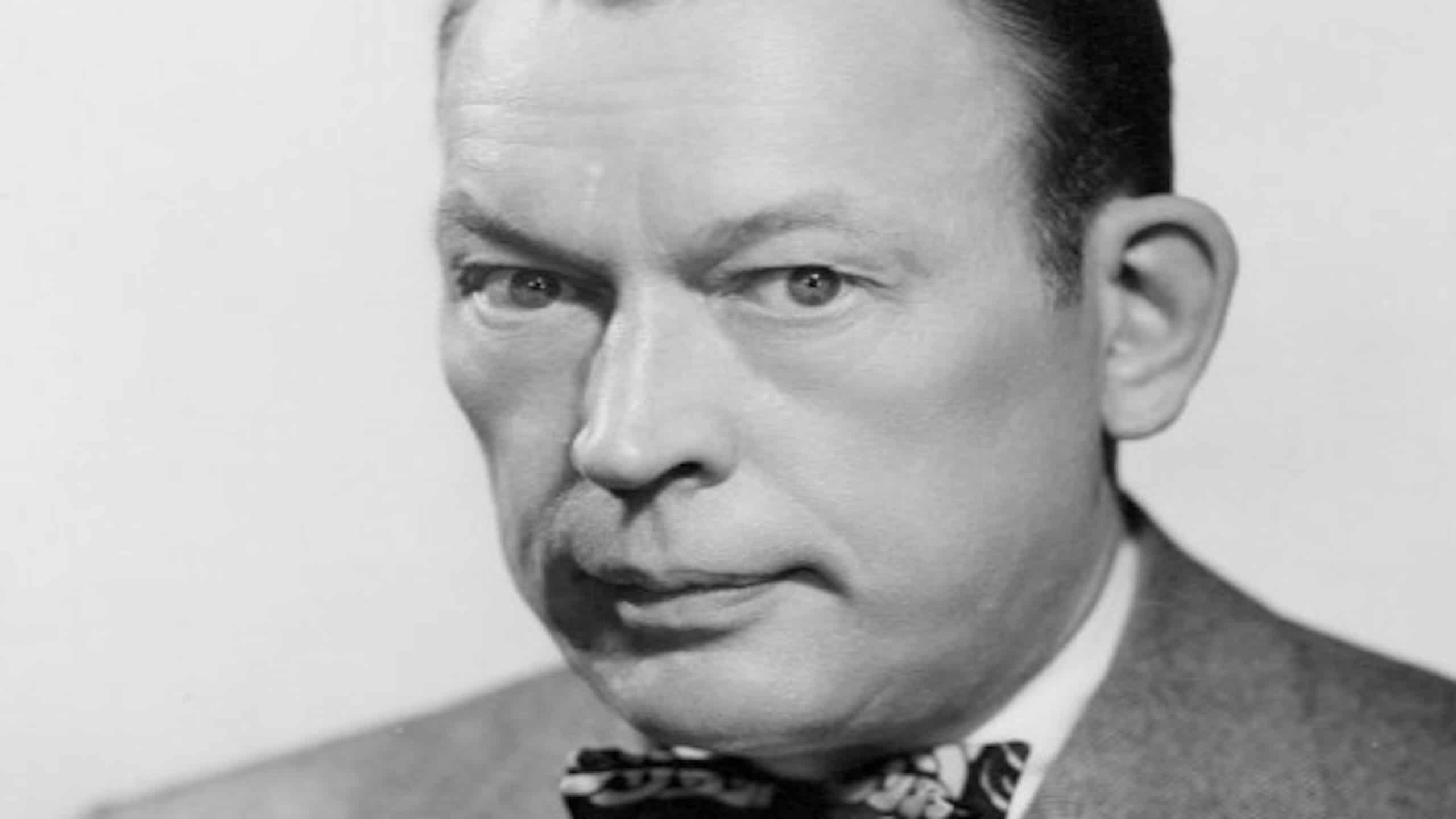
Fred Allen was one of radio’s biggest comedians during the 1940s, and his radio program included a show called ‘Allen’s Alley.’ It was a fictional neighborhood where ridiculous characters, with even more ridiculous opinions, lived.
But one of Allen’s funniest moments involved his long-running feud with Jack Benny. They’d trade insults over the air, despite being good friends in private, and they captured listeners’ attention for years. One episode of Allen’s show even entered the National Recording Registry.
Sid Caesar
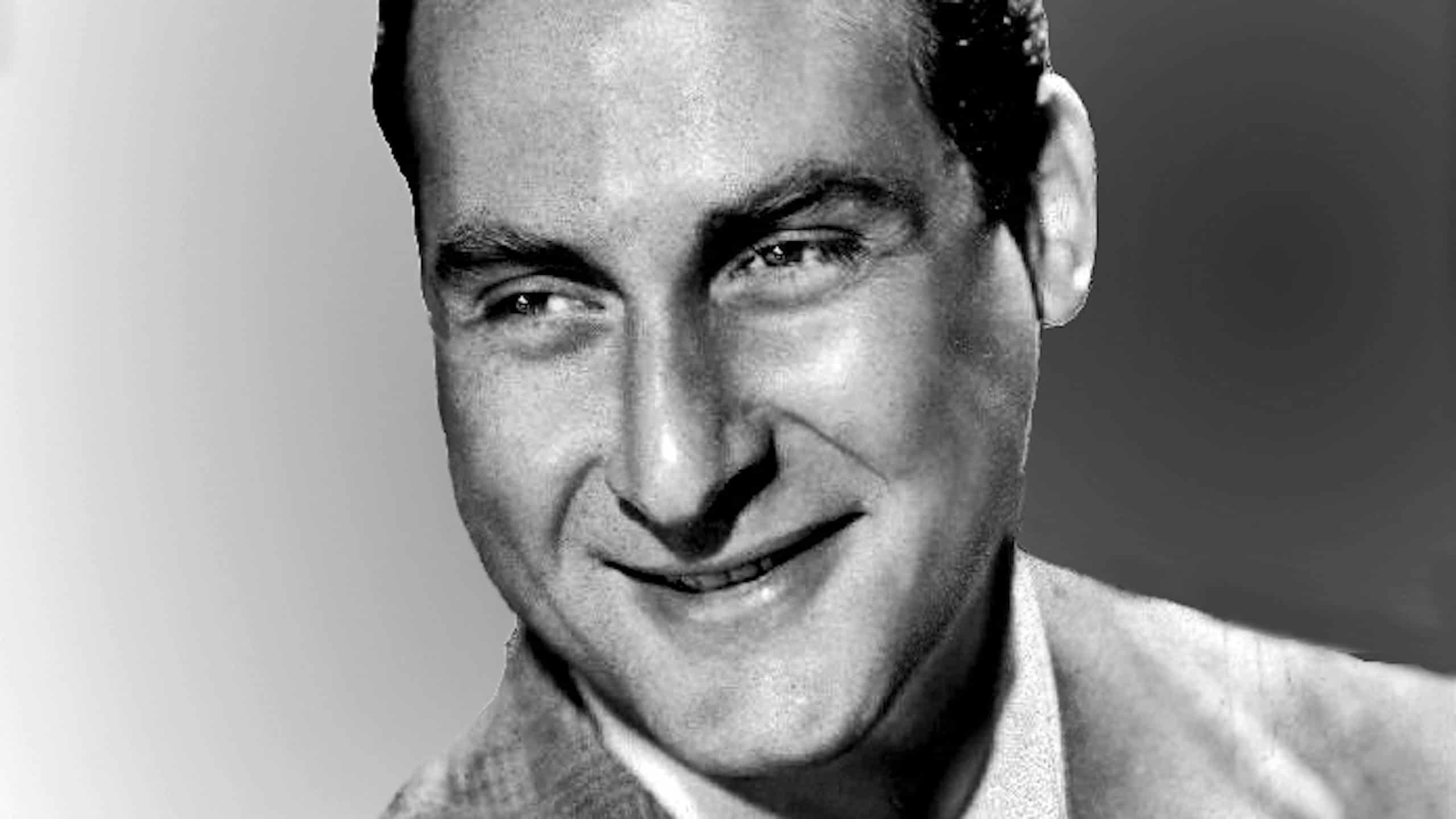
There’s no way anyone would be able to do Sid Caesar’s show today. Not because it was offensive or anything, but because producing 90 minutes of live comedy every Saturday would be a real challenge. Caesar did it himself during the early days of television.
He appeared on Your Show of Shows alongside other comedy greats like Imogene Coca, Carl Reiner, and Howard Morris. They did long sketches without any retakes, they were just that good. You’d struggle to find anyone able to do that today.
George Gobel
The thing about George Gobel’s kind of comedy was that he never shouted or rushed. He never made it seem like he was about to tell you a joke. No, he’d just speak in a flat voice and casually say something that’d get everyone laughing.
Gobel’s NBC series began in 1954 and became a major hit pretty soon after. People loved it because his sort of comedy was a lot calmer than louder television comics. In fact, he received the Television Academy’s Most Outstanding New Personality award in 1955. He was that good.
Jean Carroll
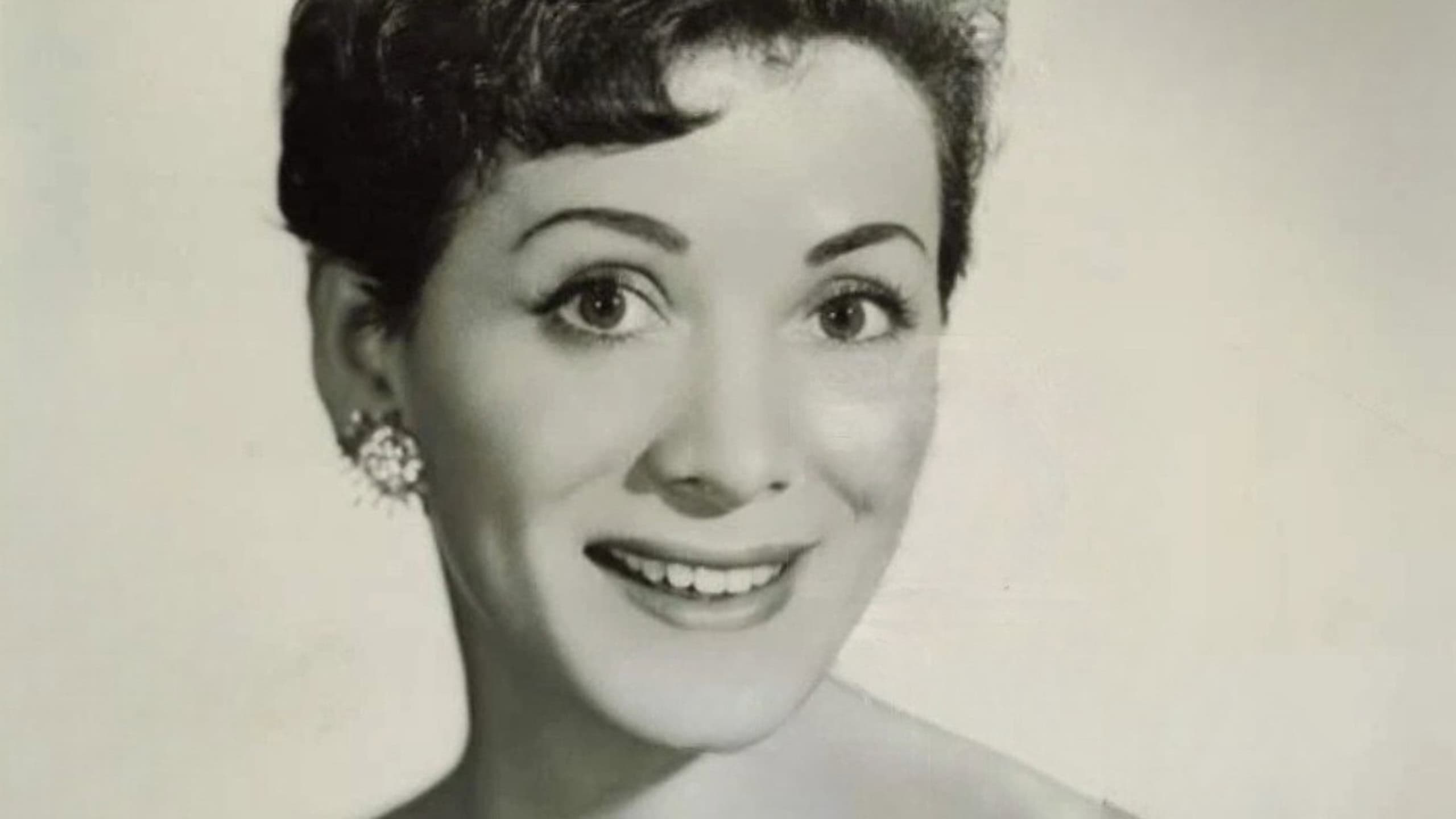
With an evening gown, perfect hair, and jokes about a disappointing husband, you couldn’t beat Jean Carroll’s act. A lot of that might seem the norm today, but it was completely new when she was around. She actually became one of the earliest nationally successful female stand-ups.
It wasn’t just husbands, though, because her material also covered things like shopping and marriage. She became so popular that CBS gave her a sitcom in 1953 called Take It From Me. There was nothing like her routine back then, and there never will be, either.
Totie Fields
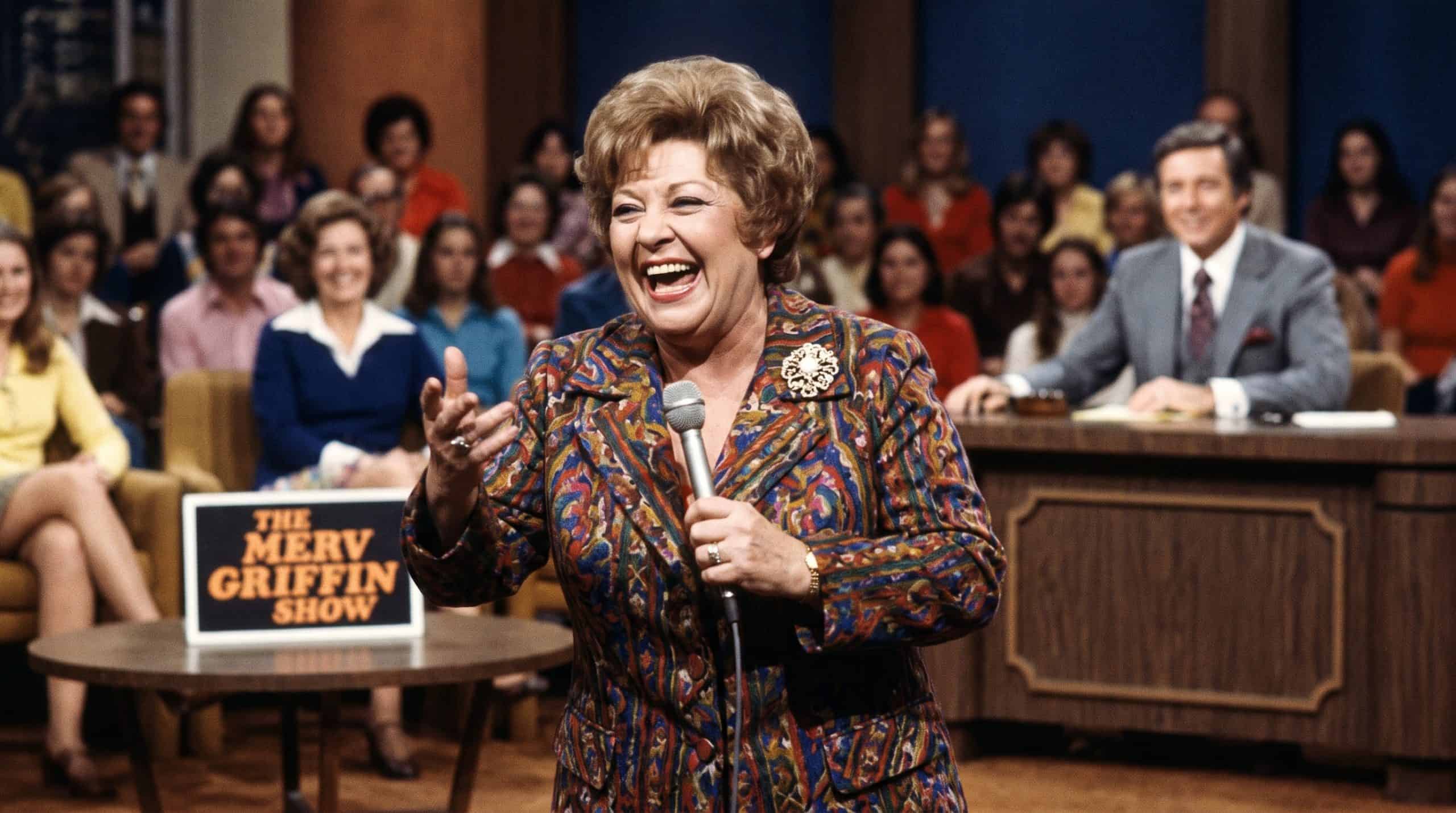
Totie Fields was the kind of woman who got ahead of the jokes before anyone else did. She’d openly make comments about her own weight and diets, even the weird experience of being inspected by strangers.
She was so funny that comedy great Ed Sullivan booked her for his show after seeing her at New York’s Copacabana. Fields went beyond the screen to also release her own comedy albums, as well as to release a diet book called ‘I Think I’ll Start on Monday.’
Pigmeat Markham
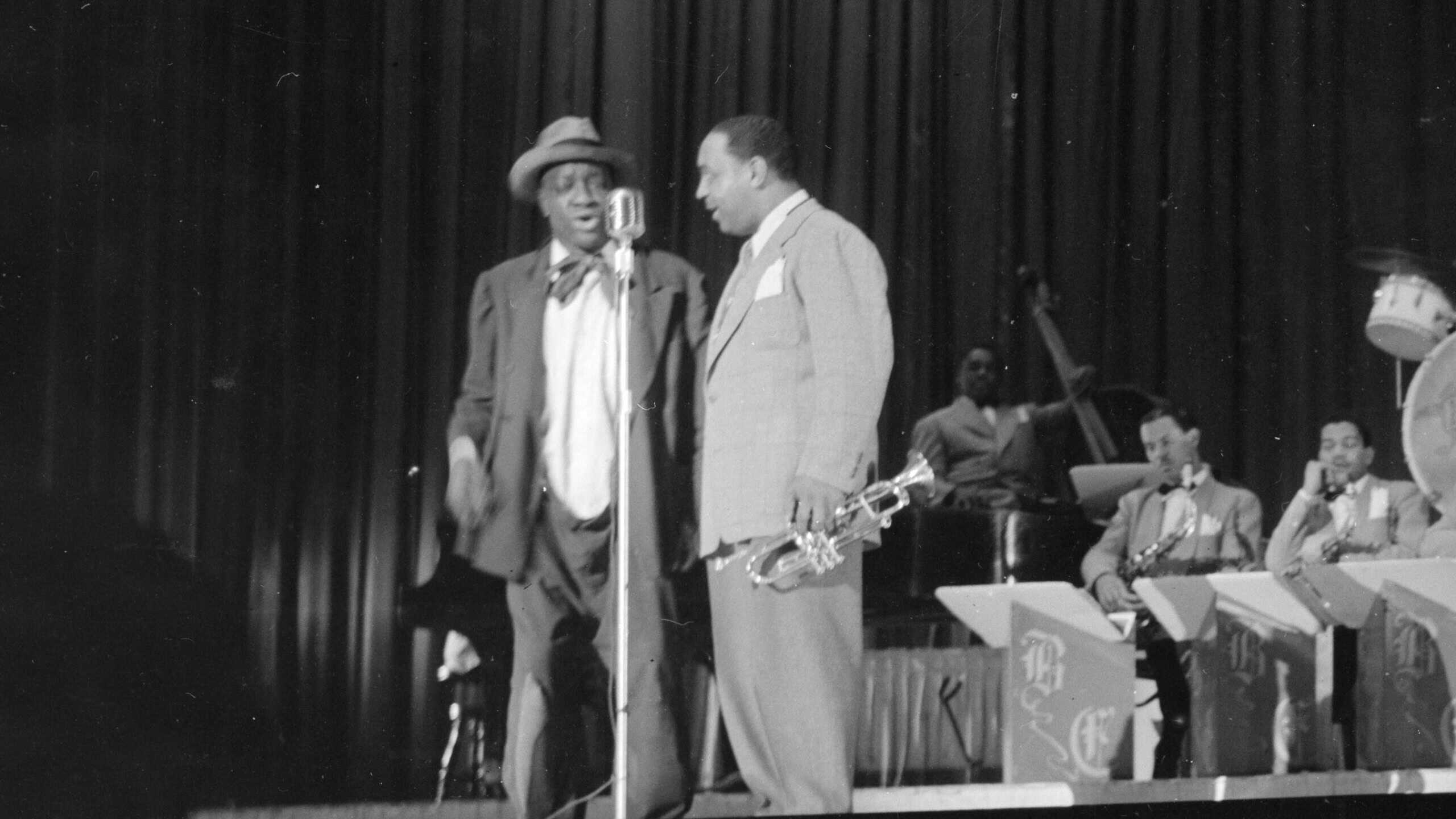
You might think the line ‘Here come da judge’ began on Rowan & Martin’s Laugh-In. But that’s not actually true, as Pigmeat Markham had been using it in his courtroom routine for years. He appeared on bills with performers such as Bessie Smith during the early 1900s.
Markham was known for how he deliberately butchered official courtroom language and invented his own rules. Let’s not forget his ridiculous rulings. It took until the late 1960s for national television to catch up with his act, but it was well worth the wait.
Brother Dave Gardner
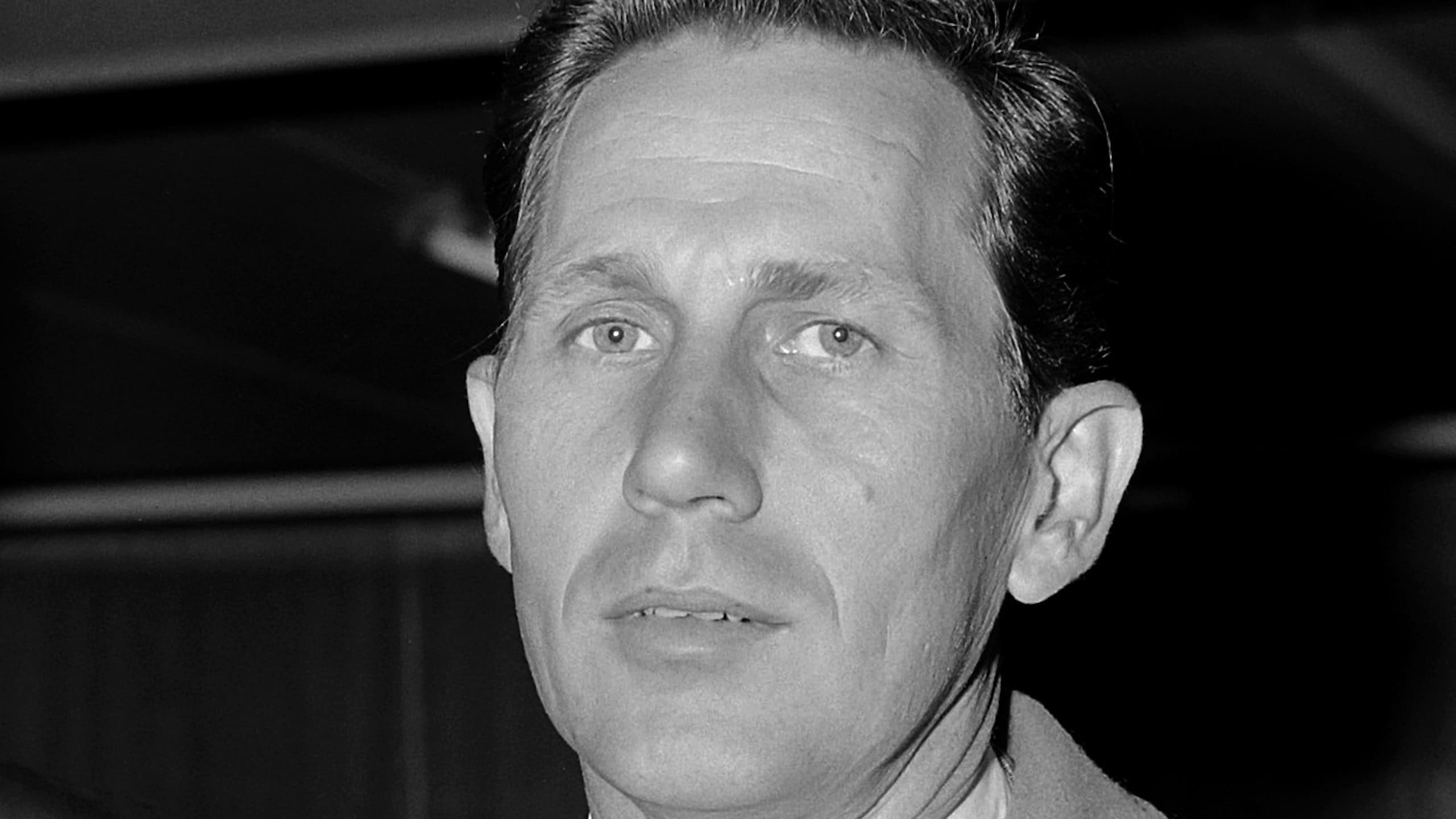
He was supposed to be the musician. That’s the job Brother Dave Gardner was meant to have, as he trained as a drummer and appeared on the 1957 hit ‘White Silver Sands.’ But it’s his stories between that made him famous because they kept making people laugh.
The tales then took over, thanks to some help from Chet Atkins. He told dozens of jokes and stories about the South that included hilarious characters and mock sermons. Gardner’s comedy album went top 5 on Billboard, and he soon appeared on shows like The Tonight Show.
Jonathan Winters
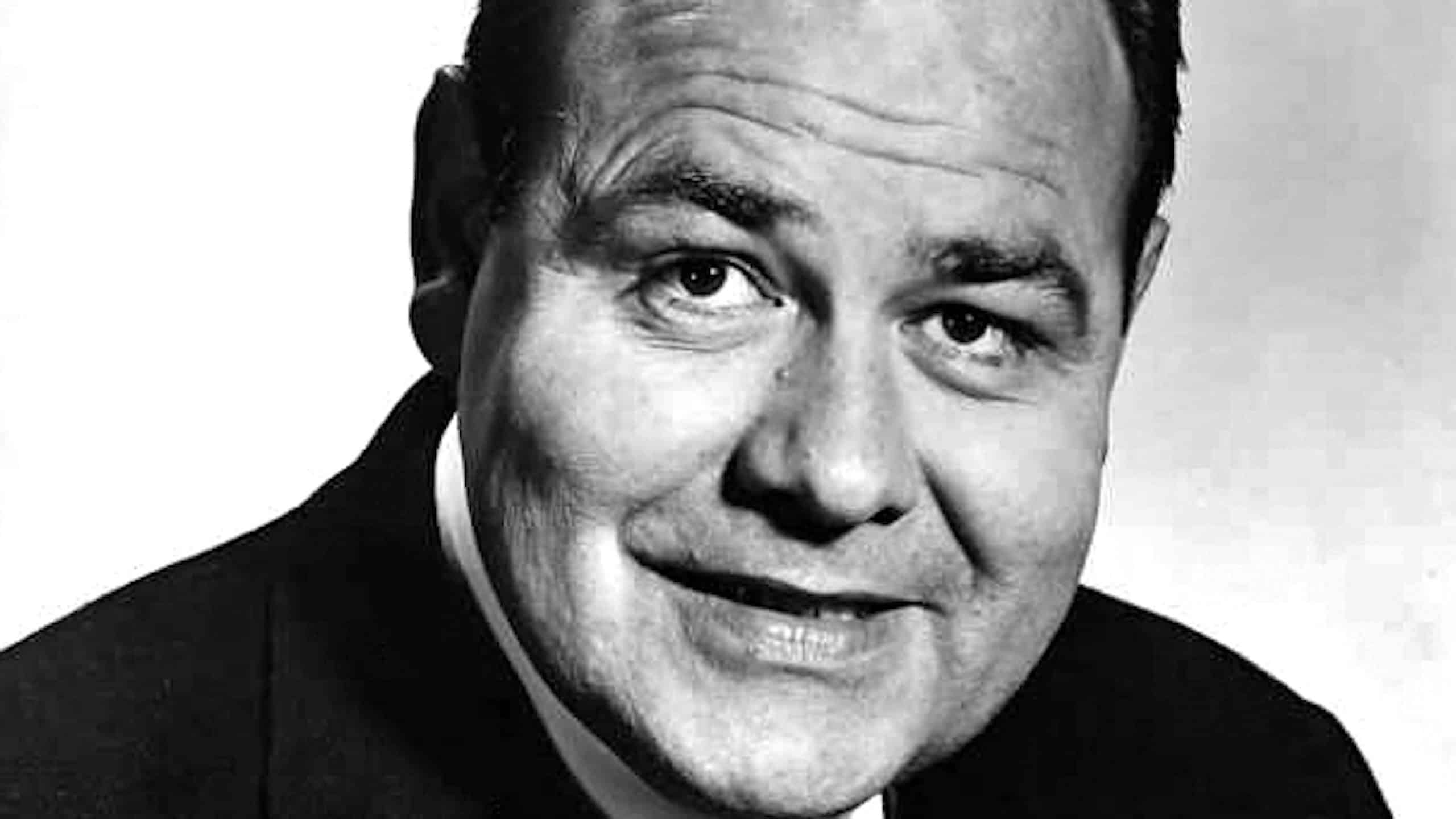
You didn’t need to give Jonathan Winters much to get him going. A hat, a stick, even a useless object on a desk was enough for him to create a whole set of funny new characters. One of his most famous ones was Maude Frickert, a sharp-tongued older woman.
Winters appeared a lot with other legends like Steve Allen and Garry Moore before he got shows of his own. The late Robin Williams also adored him, and in 1999, Winters received the Mark Twain Prize for American Humor. It’s not hard to see why.
Ernie Kovacs
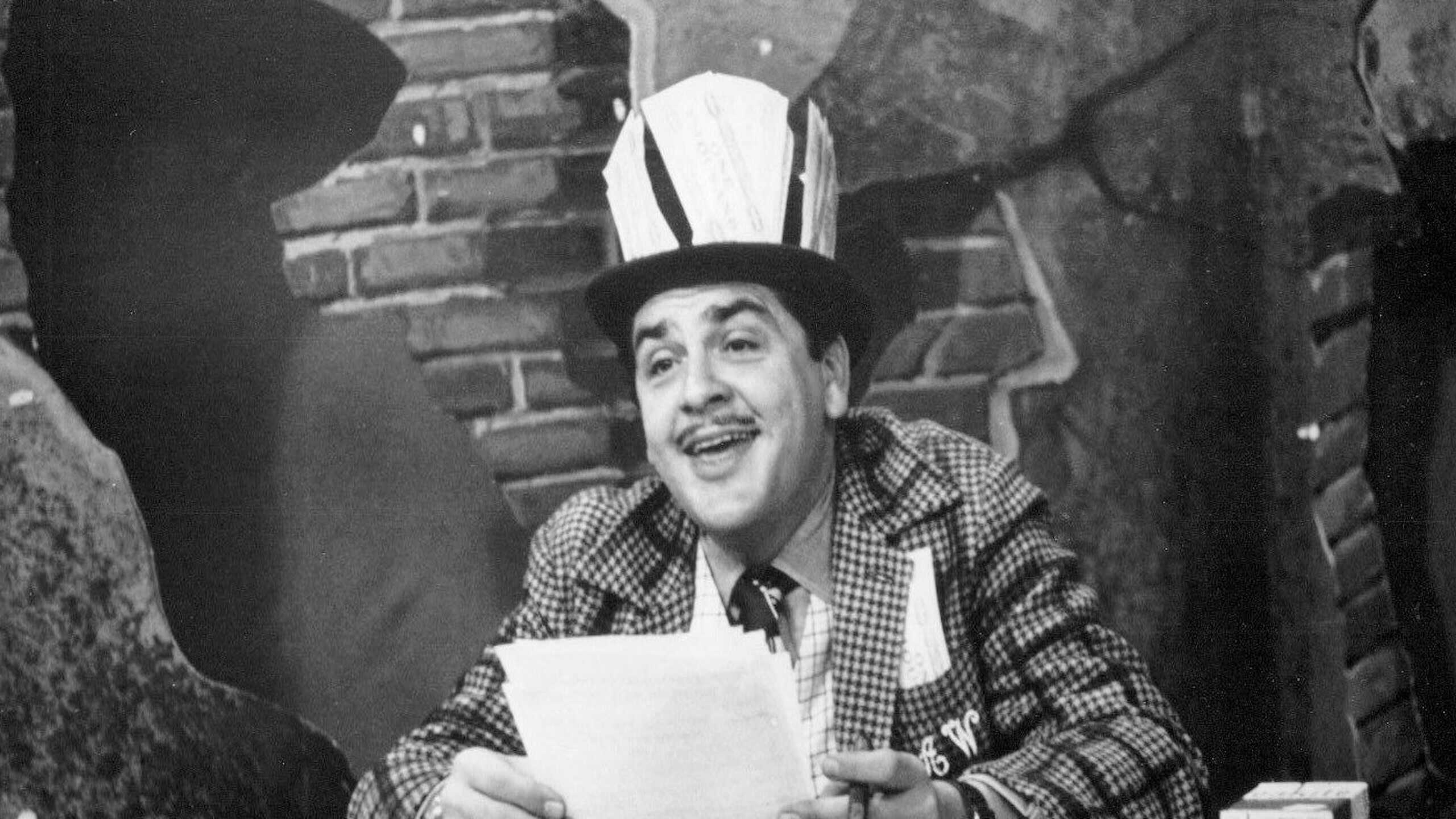
People were still figuring out how television should work when Ernie Kovacs came onto the scene. He tilted rooms and split images in a way that had never been done before, all to tell long visual jokes with little or no dialogue. Just look at his Nairobi Trio sketch, for example.
It featured three performers in gorilla masks and was utterly absurd. But that’s what made it so great. Kovacs’ comedy skills were so well remembered that, in 1987, the Television Academy placed him in its Hall of Fame, 25 years after he’d died. You can’t get more legendary than that.
Belle Barth
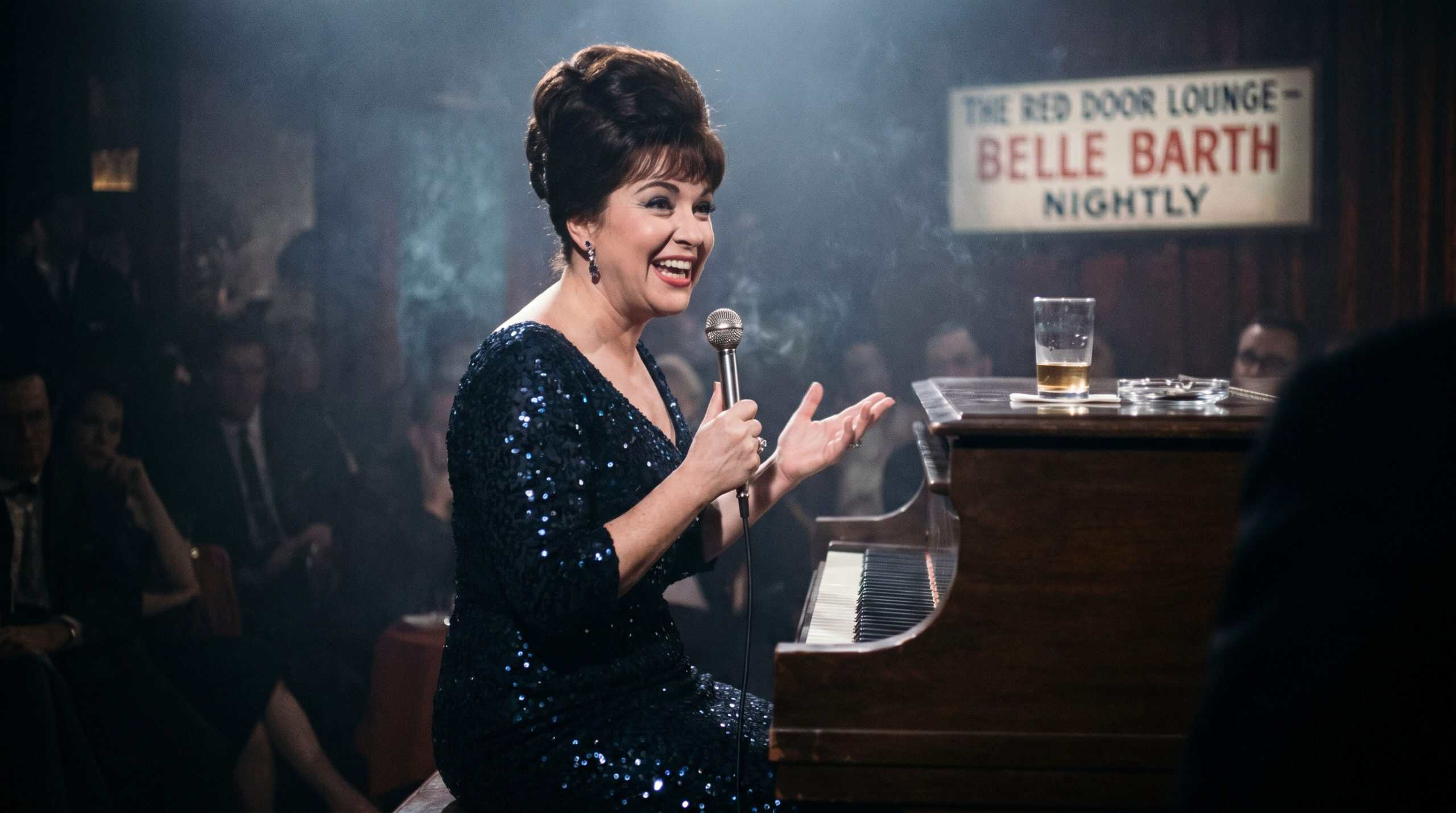
Belle Barth had a way of telling jokes that people on TV were too frightened to make. She began her comedy routine by playing piano and singing, before the jokes eventually took over. There was nothing off-limits in her routine.
Dating, husbands, sex, family life, everything was possible with Barth. Her 1960 comedy album If I Embarrass You, Tell Your Friends actually charted on Billboard because it was that good. She knew exactly what people were coming for and delivered on that promise.
Shelley Berman
A stool and an imaginary telephone, that’s all Shelley Berman needed. You only got to hear his half of a fake call, but really, that was all you needed. His comedic timing did all the work. Berman performed with the improv group the Compass Players before they became The Second City.
His album, Inside Shelley Berman, became the first Grammy winner for a spoken comedy recording. Some younger people might recognize him as playing Larry David’s father on Curb Your Enthusiasm, but it’s his older stuff that really stood out.
Sources: Please see here for a complete listing of all sources that were consulted in the preparation of this article.
Ten deranged historical figures that no one has heard of
Beyond the famous tyrants and battlefield monsters, there are some seemingly ordinary historical figures that were actually monsters in disguise.


