

Beyond the famous tyrants and battlefield monsters, there are some seemingly ordinary historical figures that were actually monsters in disguise.
Small mistakes became dangerous

Darya Saltykova ran a large estate near Moscow after her husband died. She wasn’t exactly a nice woman. Anytime a servant cleaned badly or worked too slowly, she’d let them know by beating them with logs and rolling pins. She even used hot irons on people who annoyed her.
It didn’t take long for complaints about her to reach officials, although her family connections kept things under wraps. Catherine II had to order an investigation before the truth finally came out. She was involved in 138 suspicious deaths and directly responsible for 38 murders.
Darkness changed the rules

Night fell, and that was the time that Prince Liu Pengli of China stopped acting so princely. The Han royal gathered enslaved men and local criminals, then walked around to find people to rob. They’d then kill them. He killed at least 100 people, though the number might be higher.
It got so bad that local people stopped going outside after dark, and the attacks only ended when a victim’s son made a formal accusation. The emperor removed Liu’s title and sent him away. But Liu still had his life because, you know, he was family.
An ointment explained everything

It started with missing children. It ended with an apparent wolf-man. Children near Dole, France, kept disappearing in the 1570s, and nobody knew the cause. But after some investigative work, or at least what qualified as investigation back then, they found Gilles Garnier.
He was a poor hermit living outside town and was accused of attacking four children. He didn’t stop there, though. He also ate parts of their bodies. Garnier was put on trial and claimed he’d killed the children after a ghost gave him an ointment to turn into a wolf, like that’s a defense.
No belt was ever found
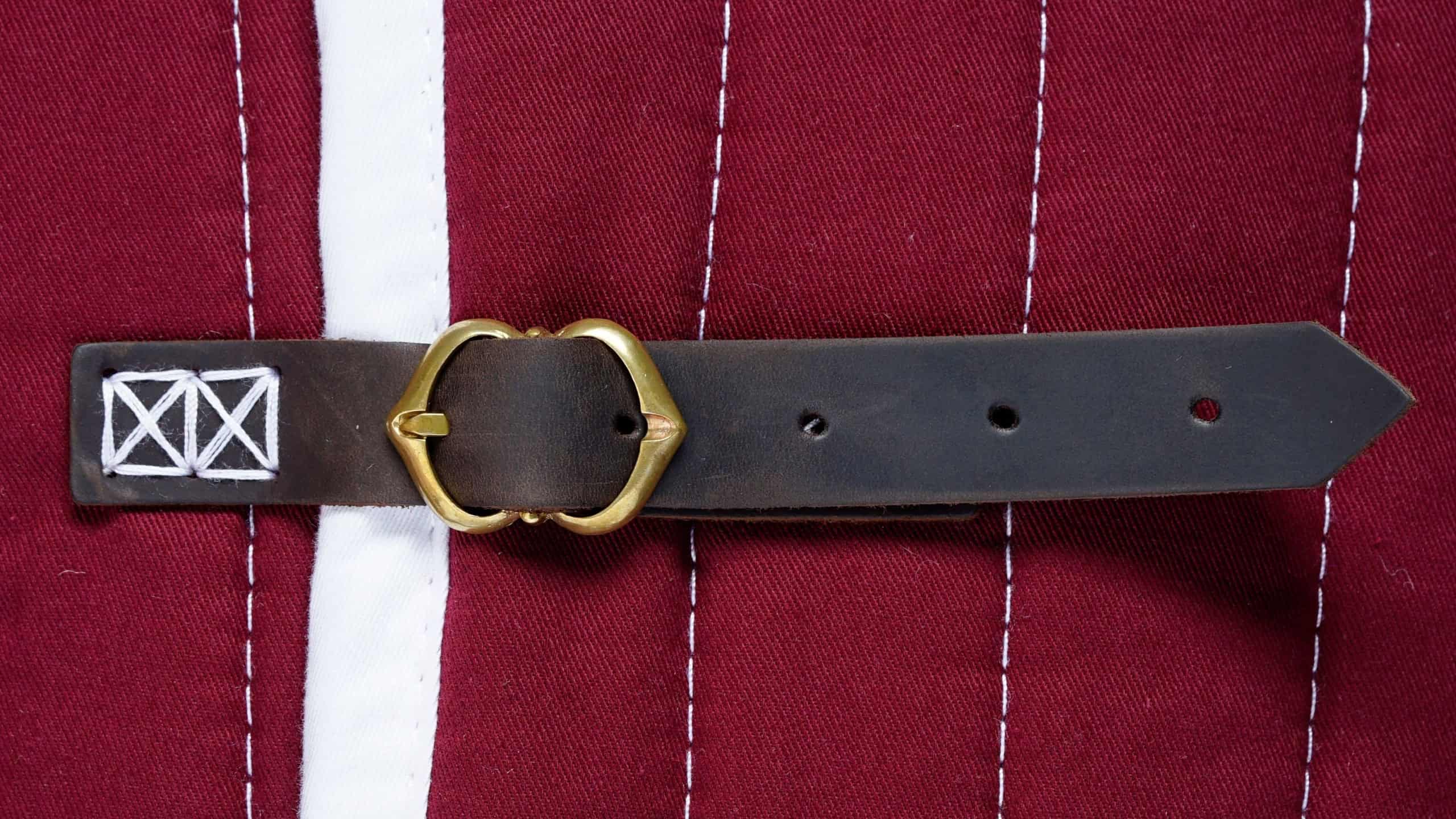
The story of Peter Stumpp is so gruesome that it’s actually hard to separate the truth from the rumors. One 1590 pamphlet accused the German farmer of everything under the sun, like murder, cannibalism, incest, and attacks on children and livestock. You name it, he did it.
Stumpp was tortured, and eventually claimed the Devil had given him a belt that transformed him into a wolf. Authorities never found the belt. He was executed in 1589, following a long sequence of hot pincers, a breaking wheel, beheading, and burning.
Protection took a terrible form

Leonarda Cianciulli was a woman who claimed that her family was cursed. Turns out, she was the curse. She lured three women to her home in Correggio, Italy, between 1939 and 1940. She told them they’d get a new job, a new husband, a better future. She promised anything, really.
Cianciulli then used an ax to kill the women before cutting up the bodies and boiling the remains in caustic soda. That’s not all, however, because she later said she made soap from the mixture and added dried blood to cakes. She later served them to guests. What a truly twisted woman.
She stayed beside the bed
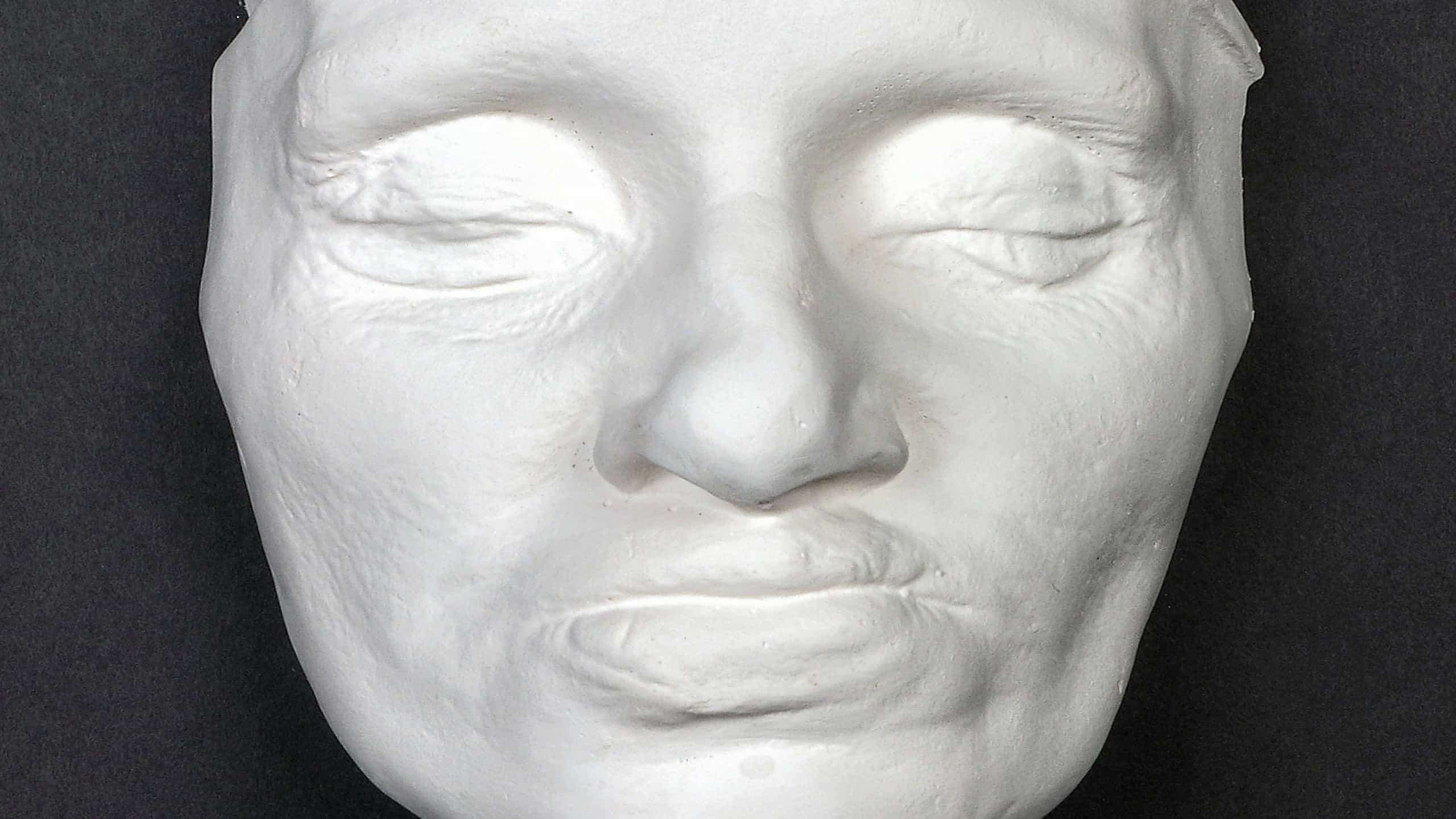
Gesche Gottfried’s victims became sick, but she didn’t run away from them. No way. Instead, she stayed and offered them medicine, acting like she genuinely cared about them. It’s that act that helped her keep suspicion away for so long.
She poisoned numerous people from 1813 to 1828 in Bremen, Germany, using arsenic mixed into food. Her crimes only came to light when one of her intended victims noticed strange white grains in their meal. Gottfried later confessed to 15 murders and was publicly executed.
A faint name remained
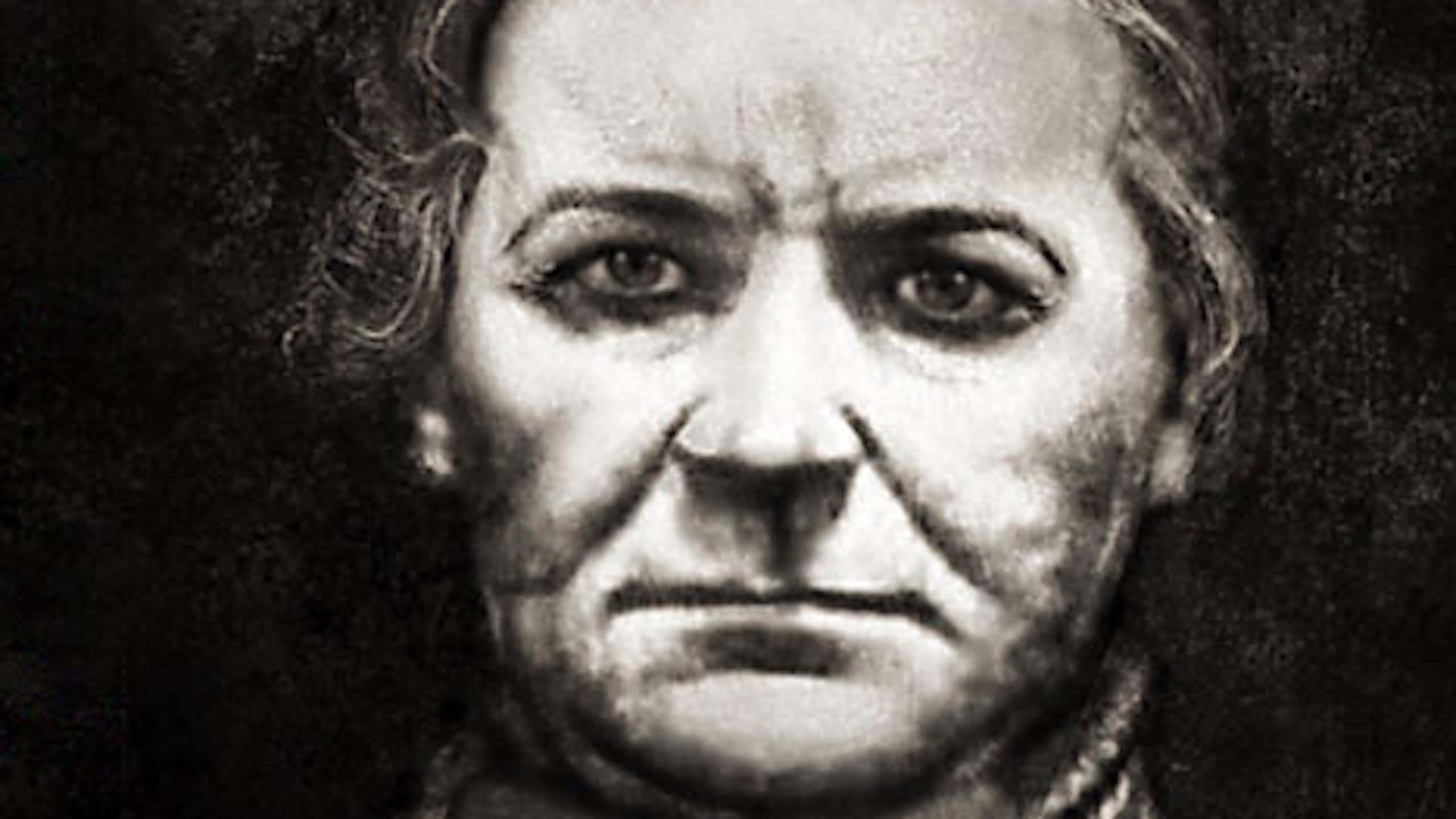
Baby farmer. That’s a real job some women had in Victorian England, and it involved being paid to look after infants born to mothers who couldn’t look after them. Amelia Dyer had that job, but she made the grim business into something way, way worse.
Dyer took adoption payments and strangled some of the babies. She dumped their bodies into the Thames, eventually killing around 200 to 400 babies. Dyer was only caught when one of the bodies was recovered, with Dyer’s name written on the wrapping paper.
The drums held something else

Béla Kiss lived in Budapest and had some metal drums around his home. He said they held gasoline, and since World War I had begun, people accepted that. He left for military service, and Kiss’s landlord ordered the drums to be opened during renovations.
The workers found bodies inside. It wasn’t a small number, either, as there were over 20 victims. Most of them were women he’d met through personal ads. He strangled them and drained their blood, like a vampire. Worst of all, Kiss managed to escape and was never captured.
Every new kitchen reset the count

Something strange was going on. Every household that Hélène Jégado worked in kept getting sick, but still, she managed to find cooking work across Brittany, France. She killed during the 1800s, a time when disease was so common that people assumed the deaths were natural.
They weren’t. Her crimes were eventually revealed in 1851 after several people under one roof fell ill and investigators discovered arsenic on the scene. Jégado was only prosecuted for three murders, however, as the statute of limitations for prosecution had run out for her murders.
He carried the rest with him

Where do we start with Boone Helm? He once stabbed his cousin Littlebury Shoot in Missouri because Shoot backed out of traveling west, but he managed to escape custody for it. He was on a journey toward Fort Hall when his traveling companion, Burton, died.
That’s when Helm snapped even further. He ate some of the body to survive and apparently carried extra flesh for the road, just to make things creepier. He also told everyone he could about how much he liked killing people.
Sources: Please see here for a complete listing of all sources that were consulted in the preparation of this article.
10 historical figures who took secrets to the grave

Unanswered questions are the worst, and it’s even more terrible when they continue to be unanswered because the people with the answers took them to their graves.


