

A lot of British etiquette rules center around doing little bits of social maintenance, and some of the things they do would actually fix a lot of our American awkwardness.
The tiny words

You hear it all the time. Brits love using ‘please’ and ‘thank you’ all the time during conversations, no matter what they’re doing. Let’s not forget about ‘excuse me,’ too. Doesn’t matter the situation, doesn’t matter what’s going on, those words are pretty common.
That’s not to say we’re not friendly in America because, yes, we are. The difference is that our friendliness sometimes skips over the manners side of things. It’d be pretty cool if we used our manners more like the people across the pond.
The known turn
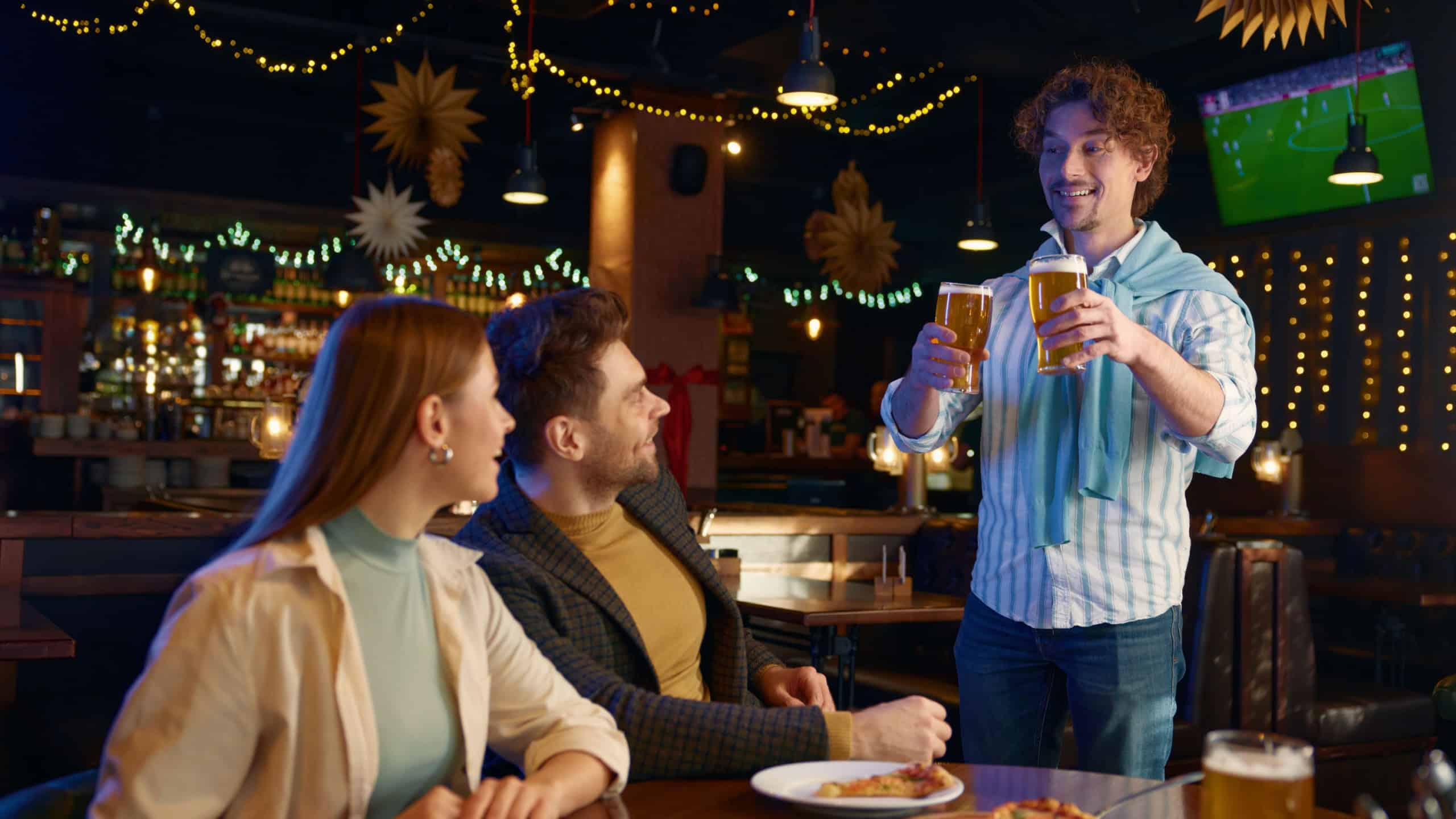
If there’s one thing that the Brits know how to do well, it’s doing a round at the pub. They don’t make any grand speeches about generosity. One person buys drinks for everyone in the group, then you do the same when it’s your turn. Simple as that.
We could do the same here for our bar nights and coffee runs. Casual lunches would look a lot nicer, too. A simple round beats having to deal with splitting payments and making the server suffer through it, that’s for sure.
The slow reveal

Listen to how Brits do small talk, and you’ll notice that it usually starts with almost nothing. They’ll talk about the weather, of course, and maybe something about how the train was delayed. They’re not going to give strangers their full life stories.
It’s great that we’re so wonderfully open, of course, but there’s a difference between being warm and knowing too much. Brits know exactly where that is. We could try sticking to surface-level stuff first and take our time becoming personal, rather than jumping in at the deep end.
The smaller compliment

We’re used to American enthusiasm over here, and it makes British praise sound a little muted. They’ll say ‘not bad’ to mean that something’s ‘actually pretty good,’ while ‘quite nice’ is more of an approval than a sign of disappointment.
That’s not to say we should stop being positive. Definitely not. But it could be nice if we started giving more low-key compliments every so often because they’d feel more believable and wouldn’t put anyone in the awkward position of having to reject a compliment.
The moving stairs

Another thing the Brits get right, especially in London, is how they do escalators. The rule is to stand on the right, walk on the left, simple as that. Some American places try to follow similar rules, sure, but nobody really follows them as strictly as the Brits do.
Following these rules in the airport or malls would make walking around way easier. You pick a side. You leave a path. Everyone feels less irritated as a result. Wouldn’t it be nice to see that over here?
The empty glass
It’s so normal in British pubs to take your empty glass with you to the bar, although not in a show-off kind of way. It’s a regular habit there. Everyone benefits from it, too, because the table’s not crowded with glassware and the staff can keep things moving.
Table service is a lot more common here in America. That means that we don’t even think about taking our used items with us anywhere, and the idea of carrying back empties doesn’t even occur to us. Maybe it should.
The polite maybe

British people understand it. They know that saying ‘we should do this again’ doesn’t actually mean you’ve got to create a calendar event. It’s sometimes a way of ending a conversation politely and showing that you enjoyed your time together.
While it might be a little confusing, you can’t deny that it’s polite. We Americans sometimes take these friendly phrases too literally, and it’s about time we did things the British way. No need to start looking up times and places.
The wrong time

Arriving early to someone’s house in the UK is a big no-no. You might think you’re being polite, but you never know whether the host’s still trying to organize things or tidy up, so you’re better off being a little late. They get that, actually, being early isn’t always a sign of etiquette.
That’s pretty different from how we do things over here. We usually see being early as being responsible, and being on time? That means you’re late. So, it turns out, being slightly late could be a sign that you actually respect your host instead.
The fork moment

There are so many table manners that the Brits follow, and sure, not all of them are worth adopting. But some of them are. Old-school rules say that you’re meant to bring your food to your mouth instead of your face to the plate.
You’re not a barn animal, after all. It’s okay to be relaxed about eating, at least most of the time, but maybe we should have a bit of British etiquette sometimes. Our dinner’s not going to run away, so why hover over it like that?
The non-existent complaint

You won’t find many British people complaining in restaurants. It’s not how they do things. Those that do, well, they’re nowhere near as obvious about it, and will probably keep quiet, anyway.
There’s no performance or mentions of how they’ve been wronged. A little comment to the server. That’s it. The truth is, British people understand that it’s better to explain the issue and ask for the fix in a more laid-back way.
The invisible line

We all know that British people like to queue, but as it turns out, they don’t even need a line. They don’t even need clear direction. They simply know who got there first and keep that in their mind so they know when it’s their turn.
We’re usually okay when the line’s more obvious. But unlike the Brits, it’s a little harder for us to know what’s going on with a loose crowd. The British system works better, and it’s as simple as noticing people when they get there.
The unopened bottle

You’ve brought a wine to dinner in Britain, and you might think the host’s going to open it to share. But no. Etiquette rules state that it’s theirs now, and they’re under no politeness rule to open it there and then.
It’s not rude to do that, even when it’s a good bottle. The host just sticks it straight into the fridge and decides what they’re going to do with it later. But in America, we’re more likely to expect it on the dinner table.
Sources: Please see here for a complete listing of all sources that were consulted in the preparation of this article.


