

We expect big flashes of pain to spill out of people that have been hurt; clinical psychologists know that pain usually shows up in small, repetitive actions.
No trace
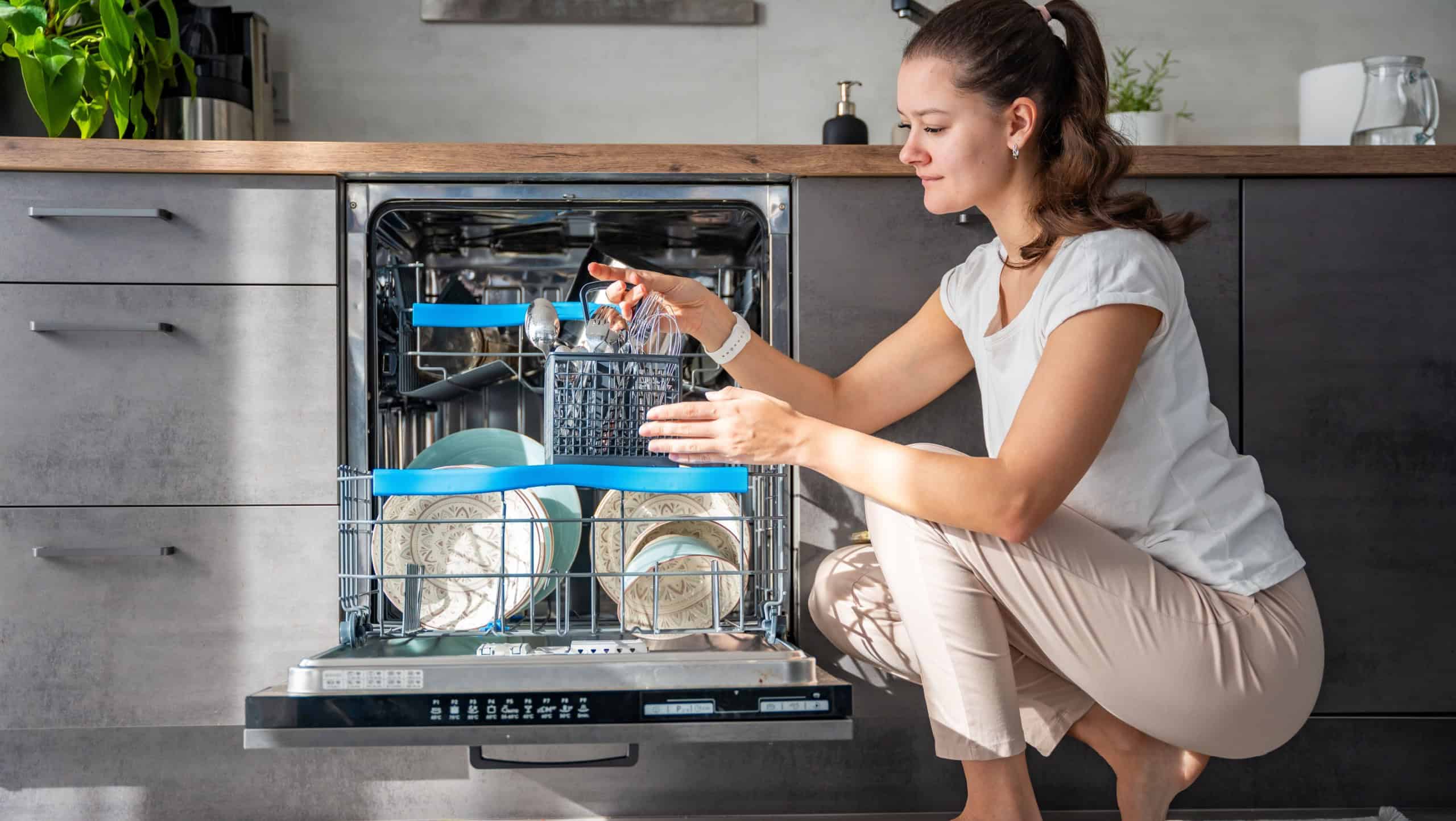
We all probably have that friend who’s a bit too particular about getting dishes into the dishwasher. But for someone who grew up in an unstable home environment, cleaning has much more emotional baggage behind it.
If you didn’t put your clothes back in your drawer just right, you could set off your parent’s fight for the night.
Even as grown-ups, they might suddenly feel a rush of anxiety when they glance around and feel compelled to tidy up their towel, wash out a coffee mug, or tuck their belongings out of sight.
Think of it as a survival tactic designed to make them blend in so perfectly, they become invisible.
Not really

When you grow up getting your feelings hurt or expectations unmet, your brain learns to distrust praise.
When you’re complimented, your nervous system immediately panics with anxiety because it knows you won’t be able to live up to that praise.
And to avoid failing or disappointing someone else, you automatically correct someone (or yourself) before they can praise you again. Rather than risk flying high, you keep yourself small.
My way home

Traumatized people place extreme value on their sense of independence and their ability to remove themselves from a situation at will.
Needing a ride home from a get-together means giving up that sense of control and introducing uncertainty, which is a scary prospect for anyone who experienced instability growing up. They would much rather deal with rush hour, pay stupid prices for parking, or take two hours out of their day to avoid getting into someone else’s car.
This might appear to be about convenience, but your friend with trauma views their car keys as a vital safety net.
Tiny signals
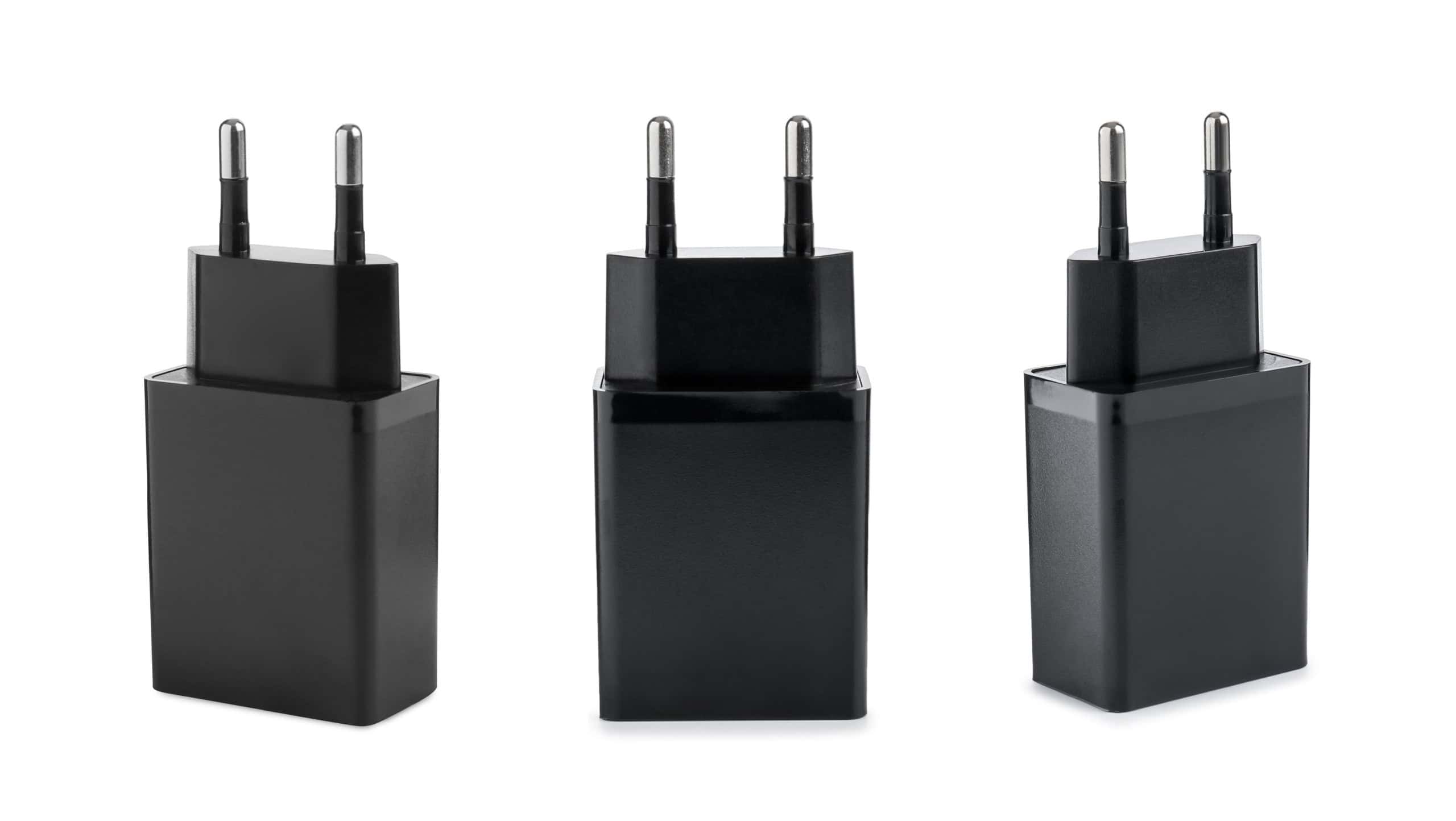
Packing three chargers for your phone, printing out actual tickets when you have an e-ticket, and showing up to a laid-back dinner spot 30 minutes early are all indicators that your brain is attempting to out-plan uncertainty.
This sort of over-planning usually points to a history of being let down by a parent or ex-partner years back.
Since they were never bailed out by someone they depended on, they often believe that if they don’t over-plan for disaster, life as they know it will fall apart.
Right there

When individuals are raised by envious, overly critical guardians or endure a significant public setback, they come to associate success with an imminent threat.
As soon as that hobby/business goal/personal project of theirs gains any attention, they know that criticism will follow.
So in order for them to feel safe, they’ll lose interest, change careers, or half-heartedly shelf the project.
The extra
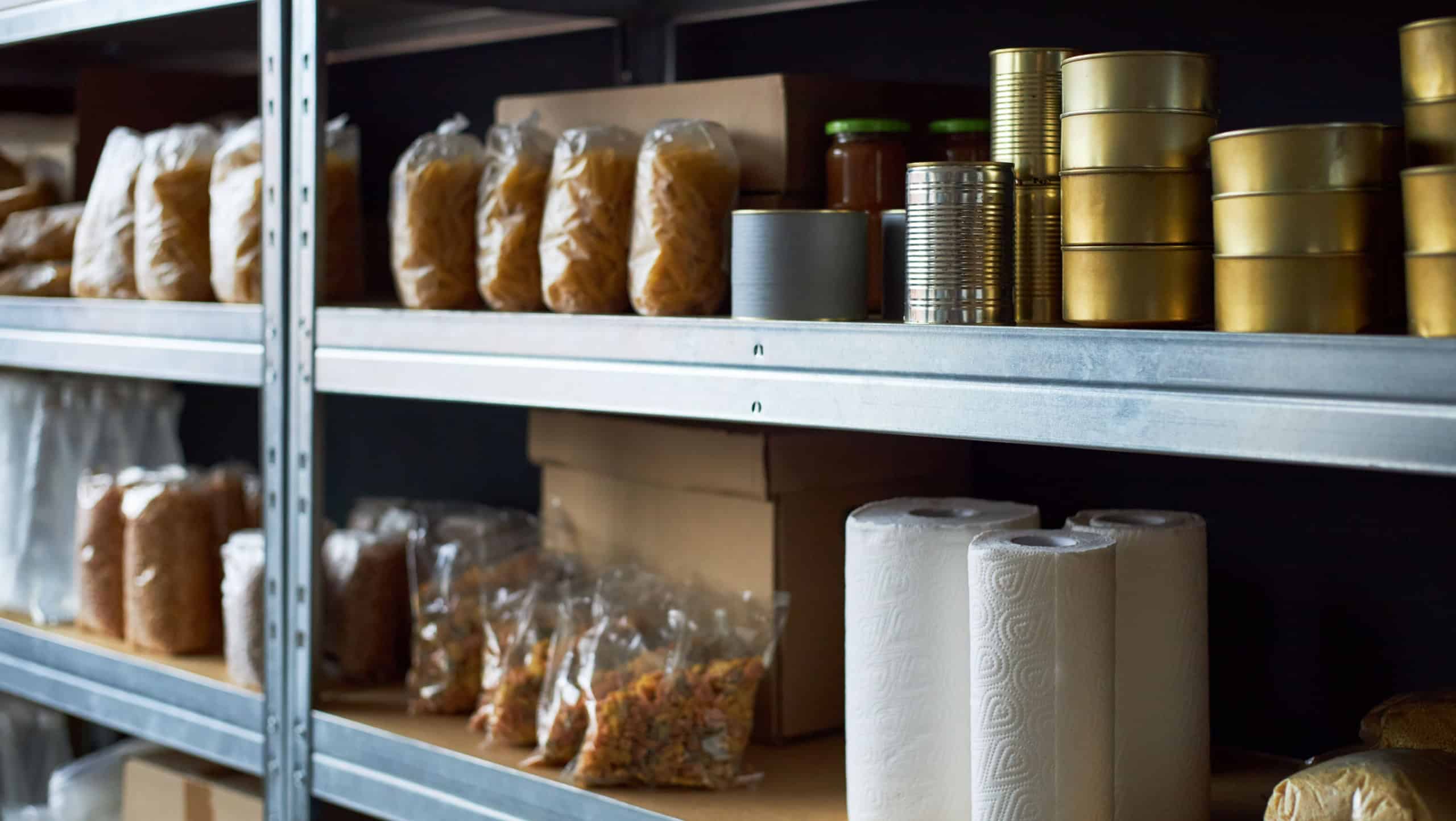
Stepping into a housekeeping closet and discovering three tubes of the exact same toothpaste or five boxes of the identical pen can be a dead giveaway that someone experienced a period of intense deprivation in their lifetime.
Whether they didn’t have their emotional needs met, lost all of their family’s money, or suddenly found themselves homeless with nothing, the brain never forgets what it’s like to not have your basic resources taken care of.
Stockpiling these micro-items gives them physical proof that they have what they need to survive right now. It’s an immediate dopamine reward that calms their stressed nervous system with the knowledge they won’t ever be left with nothing again.
The crash

If you grew up with relationship trauma, a simple disagreement is never truly perceived as just that. Your body perceives every conversation as a potential battle for survival.
You subconsciously brace yourself for the worst-case scenario: yelling until you’re blue in the face, Instagram emotions, complete blowouts, etc.
So when someone talks to you calmly and the conversation ends without disaster, your body chemically overreacts and dumps tons of stress hormones into your system. You suddenly feel deflated because your body gave you a burst of energy you didn’t need.
I’ll manage

You’ve heard it a million times. Being independent is seen as an admirable quality these days. What’s not admirable is taking pride in your inability to accept help from others.
When children are shamed, mocked, or belittled for seeking assistance, they internalize a vow never to extend their hand for help again. They’d rather hurt themselves trying to move furniture by themselves or allow hours of their life to be wasted over not knowing how to fix something than they would to simply ask for assistance.
Their independence is a wall they put up to make sure they never have to rely on another person or allow anyone back into their life with any sort of leverage on them.
Nothing serious

Often, that class clown or the one who fires off rapid-fire jokes is just brilliant at employing humor to steer clear of deeper feelings.
By always maintaining the highest energy in the room and keeping things fast and surface level they can effectively prevent anyone from asking them how they’re really feeling.
This way, they can join in and feel like they belong without ever having to open up emotionally. Plus, it lets everyone feel comfortable because they’re always laughing, and no one gets too close.
Sources: Please see here for a complete listing of all sources that were consulted in the preparation of this article.


