
When fate gets ironic, history gets brutal, as shown by the life stories of these 10 famous people.
Sigurd the Mighty (9th century)
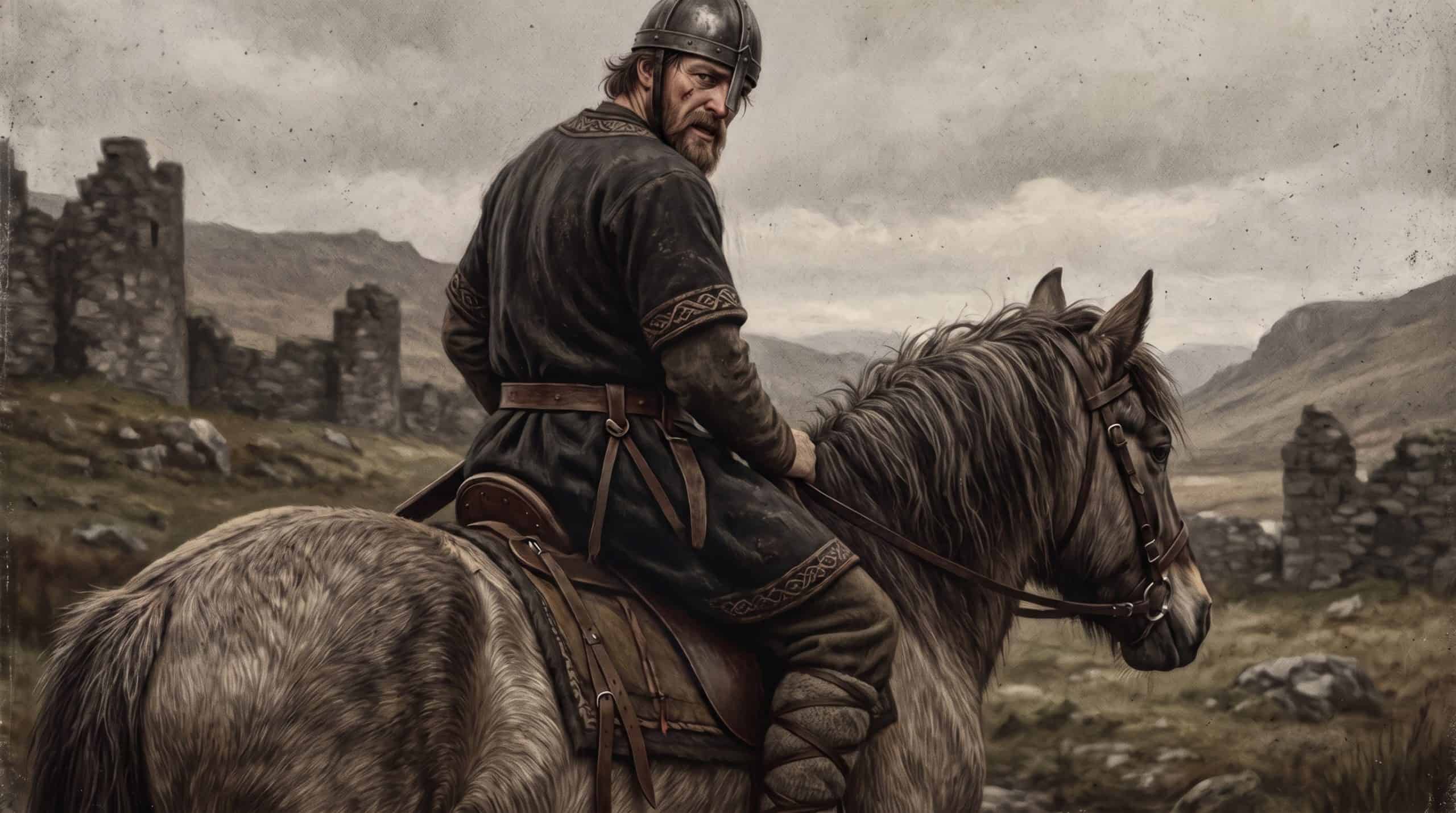
The Norse Earl of Orkney was a brutal warrior that was defeated by his own sword long after his opponent had died.
After killing his enemy Máel Brigte in battle, Sigurd chopped off his head and brought it home as a trophy, which he strapped to the saddle of his horse.
While riding, the dead man’s bucktoothed grin banged against his leg. His jagged front tooth managed to scratch Sigurd’s calf.
The cut became infected and killed him just days after what he thought was a successful battle.
William Brodie (1741–1788)
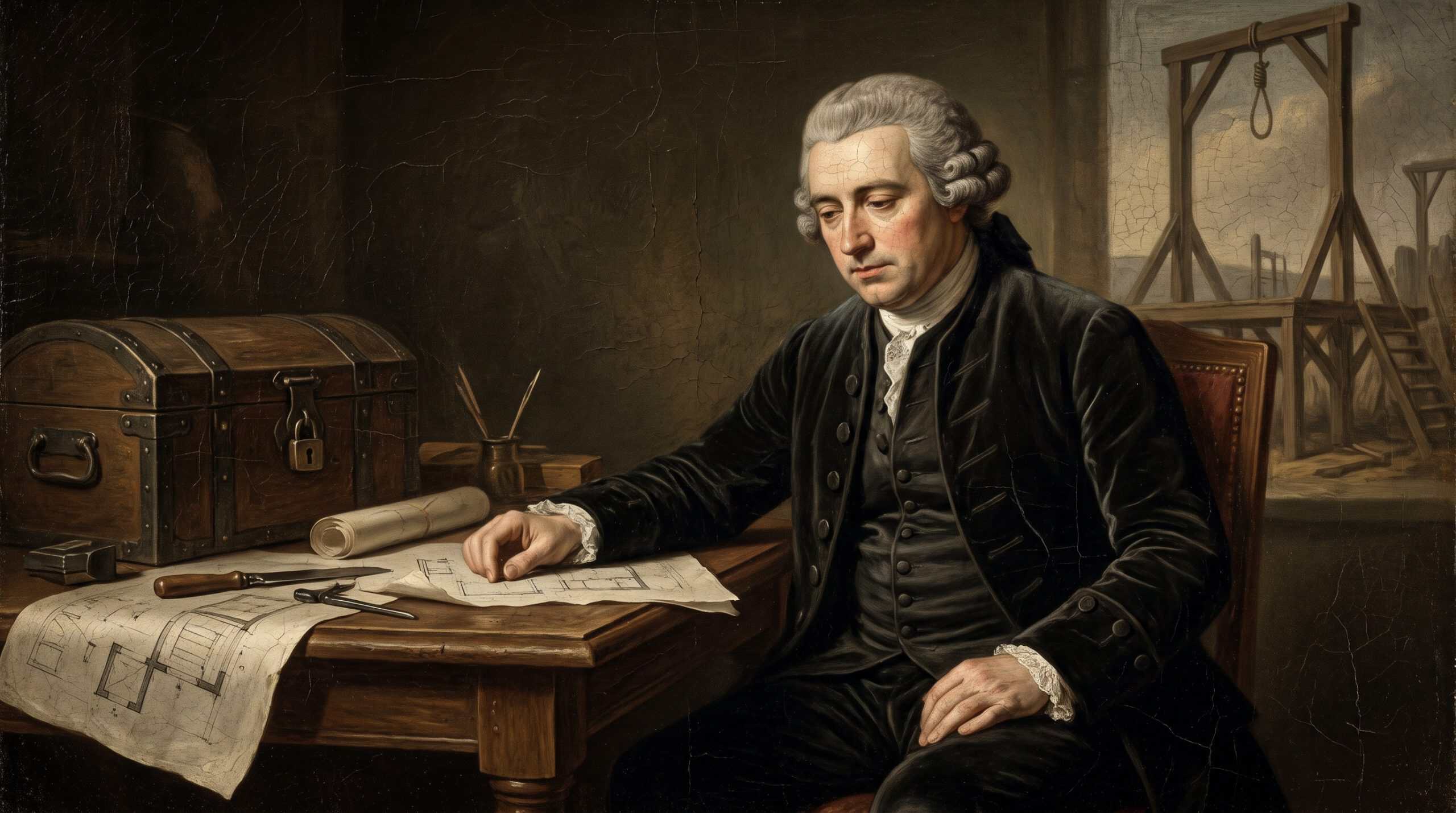
As a respected Edinburgh city councilman and a skilled cabinetmaker, Brodie lived a public life by day. By night, he was a burglar who robbed houses to cover up his gambling problem.
He was hired to oversee the work of upgrading the city’s official gallows. And he installed a cut drop mechanism to help executions happen faster and with less pain.
Busted red-handed, Brodie was found guilty of aggravated robbery and met his end on the improved gallows he himself had a hand in constructing.
Bobby Leach (1858–1926)
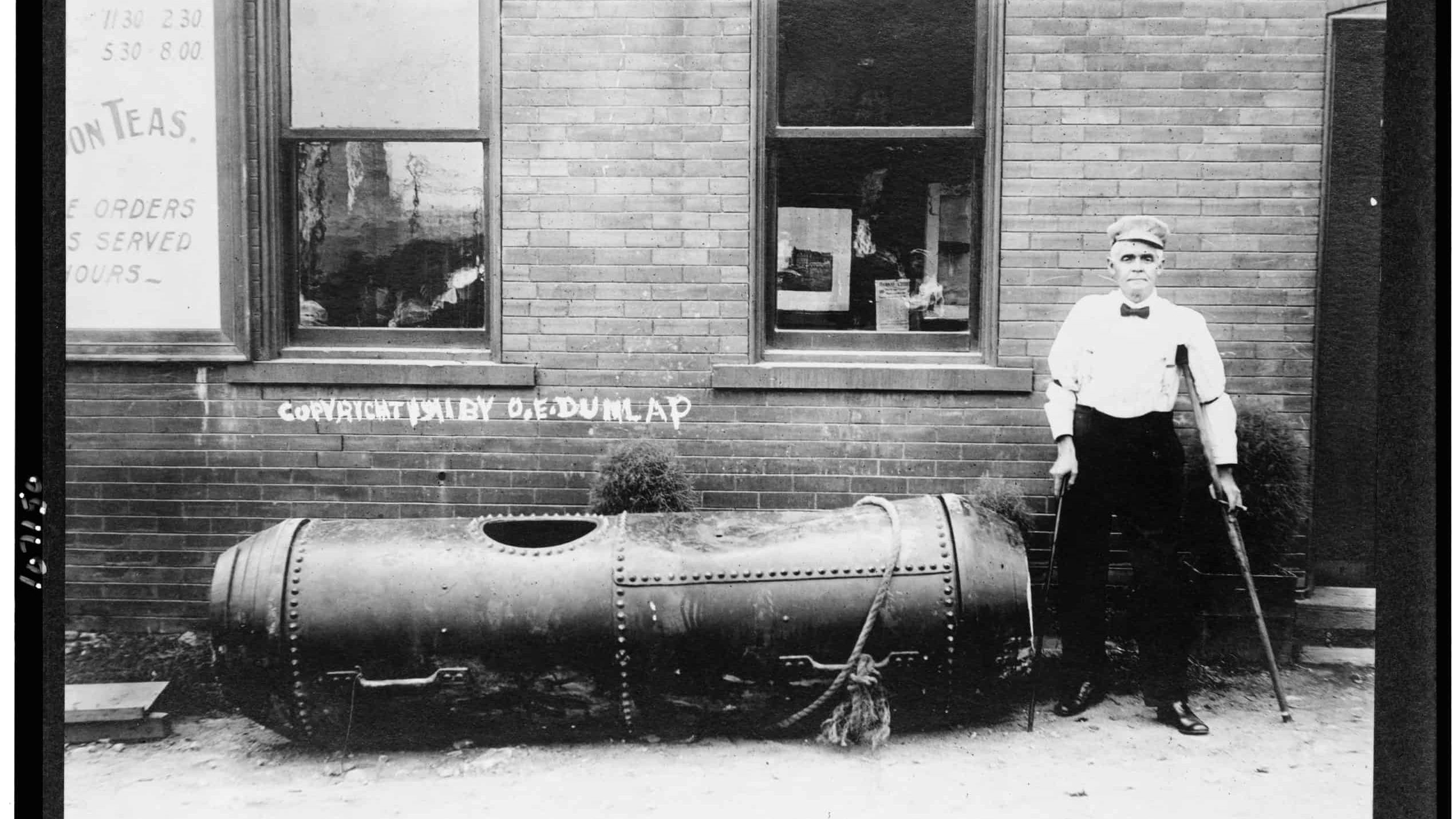
Stunt performer Bobby Leach is considered one of the greatest daredevils to ever live. He survived jumping over Niagara Falls in a giant steel barrel.
He continued to do dangerous stunts across the globe until the end of his life. He cheated death countless times in ways that most people wouldn’t even think were possible.
Death eventually found Leach but it would not be by one of his death-defying stunts. Bobby Leach slipped on a banana peel and broke his leg while walking down the street in New Zealand. The injury became gangrenous and Leach died of complications after doctors amputated his leg in 1926.
Horace Lawson Hunley (1823–1863)
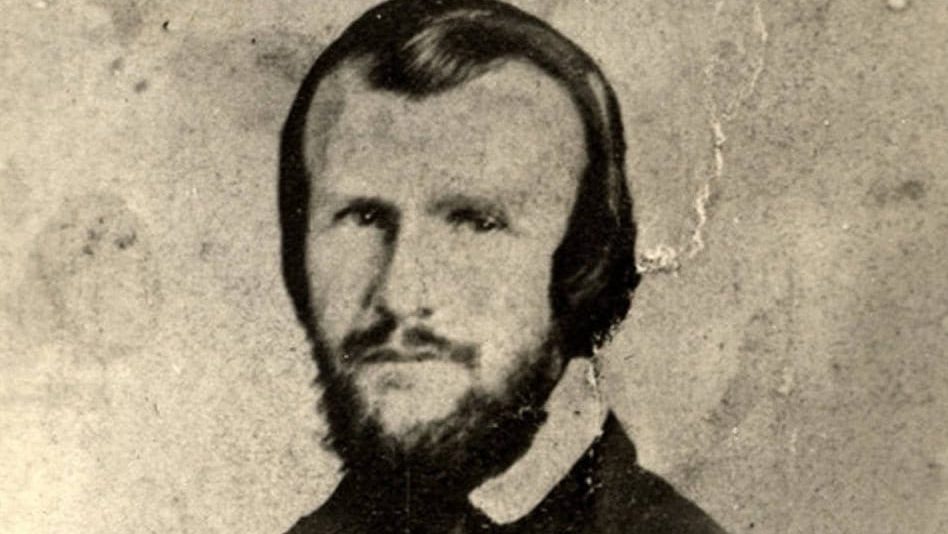
Horace Hunley poured his personal funds, time, and labor into submarine development during the American Civil War. He imagined submarines, operated by people, that could bypass blockades and take out enemy warships using torpedoes.
The submarine came to be known as the H.L. Hunley. Unfortunately, it developed a reputation for sinking during trial runs and killing many of the crew aboard.
Instead of accepting defeat, Hunley redoubled his efforts to make the submarine succeed. He manned the helm himself during one trial run in Charleston Harbor.
Down it went, right to the bottom, with Hunley and his crew caught inside.
Jean-Baptiste Lully (1632–1687)
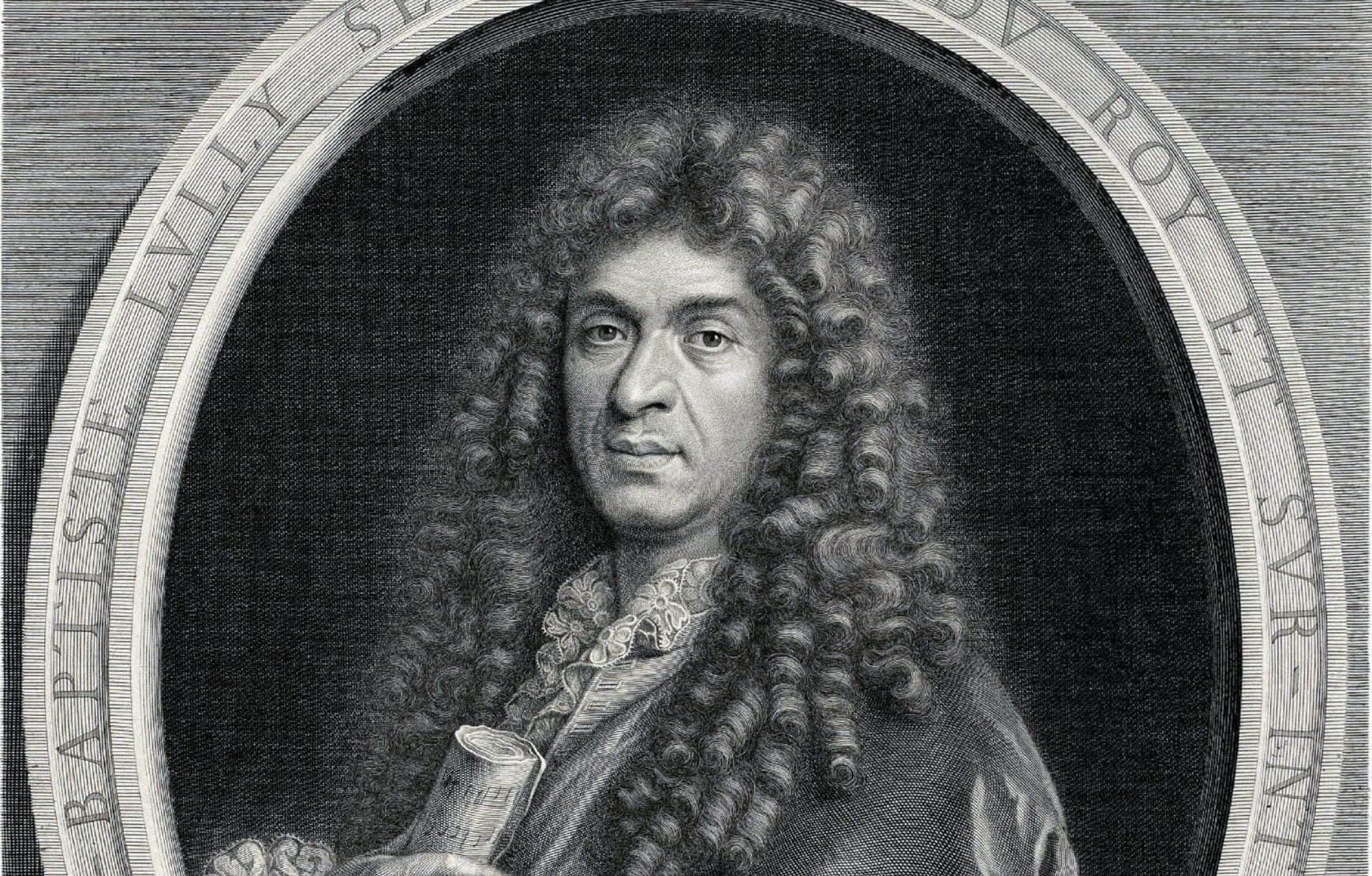
Jean-Baptiste Lully was Louis XIV’s court composer and one of several men who defined French music in the seventeenth century.
Before conductors had batons, they would tap a large pointed piece of wood on the ground to keep time.
While leading a religious song in praise of the king’s recovery from sickness, Lully injured his foot by hitting it with the heavy stick.
At first it seemed like a small problem, but after a while, Lully’s big toe became infected with gangrene. And he passed away as the infection took hold of his entire body.
Alexander Bogdanov (1873–1928)
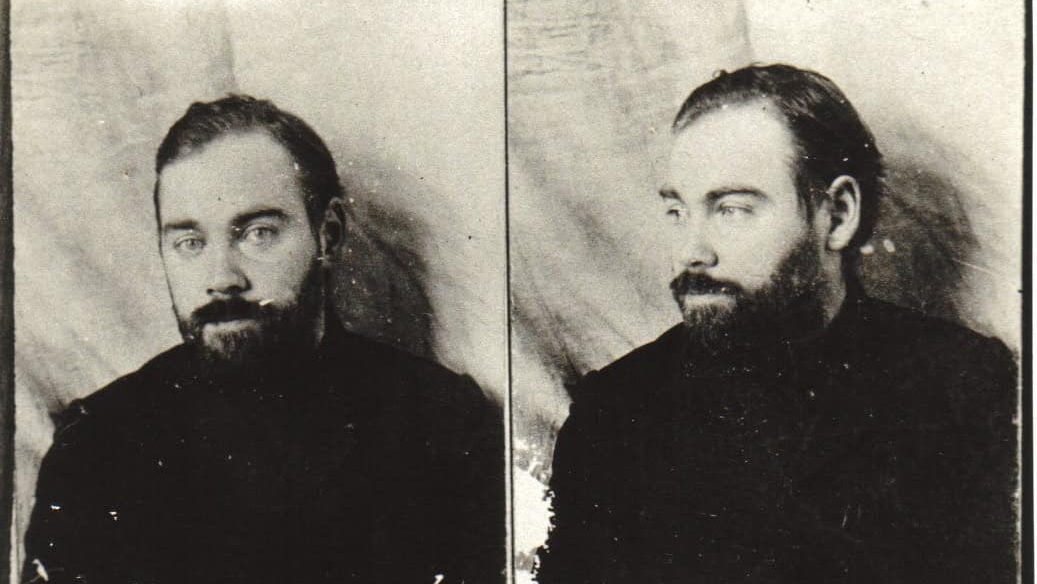
Russian doctor, philosopher, and Bolshevik visionary Alexander Bogdanov was convinced that blood transfusions could slow aging and maybe even extend life.
Believing he was on to something big, he established the Institute for Blood Transfusion in Moscow and went ahead and gave himself twelve blood transfusions. He claimed that they had cured his poor eyesight and balding head.
In 1928, Bogdanov decided to do one final experiment. He exchanged blood with a student half his age who had contracted malaria and tuberculosis. Bogdanov wanted to see if their immunity would cross-over to him.
Although the student miraculously recovered from his illnesses, Bogdanov’s system rejected the foreign blood and he died several weeks later.
Basil Brown (1925–1974)

Brown was a health nut from London who believed that only by eating the most extreme diets could humans achieve true health and live forever.
In 1974, Brown decided to go on a super-health binge, consuming about a gallon of fresh carrot juice every day while taking millions of units of Vitamin A.
He soon became yellow-orange in color and died. And the post-mortem examination showed his liver was ruined from the excessive Vitamin A. His liver sustained damage akin to what’s seen with advanced, chronic alcohol abuse.
John Kendrick (1740–1794)
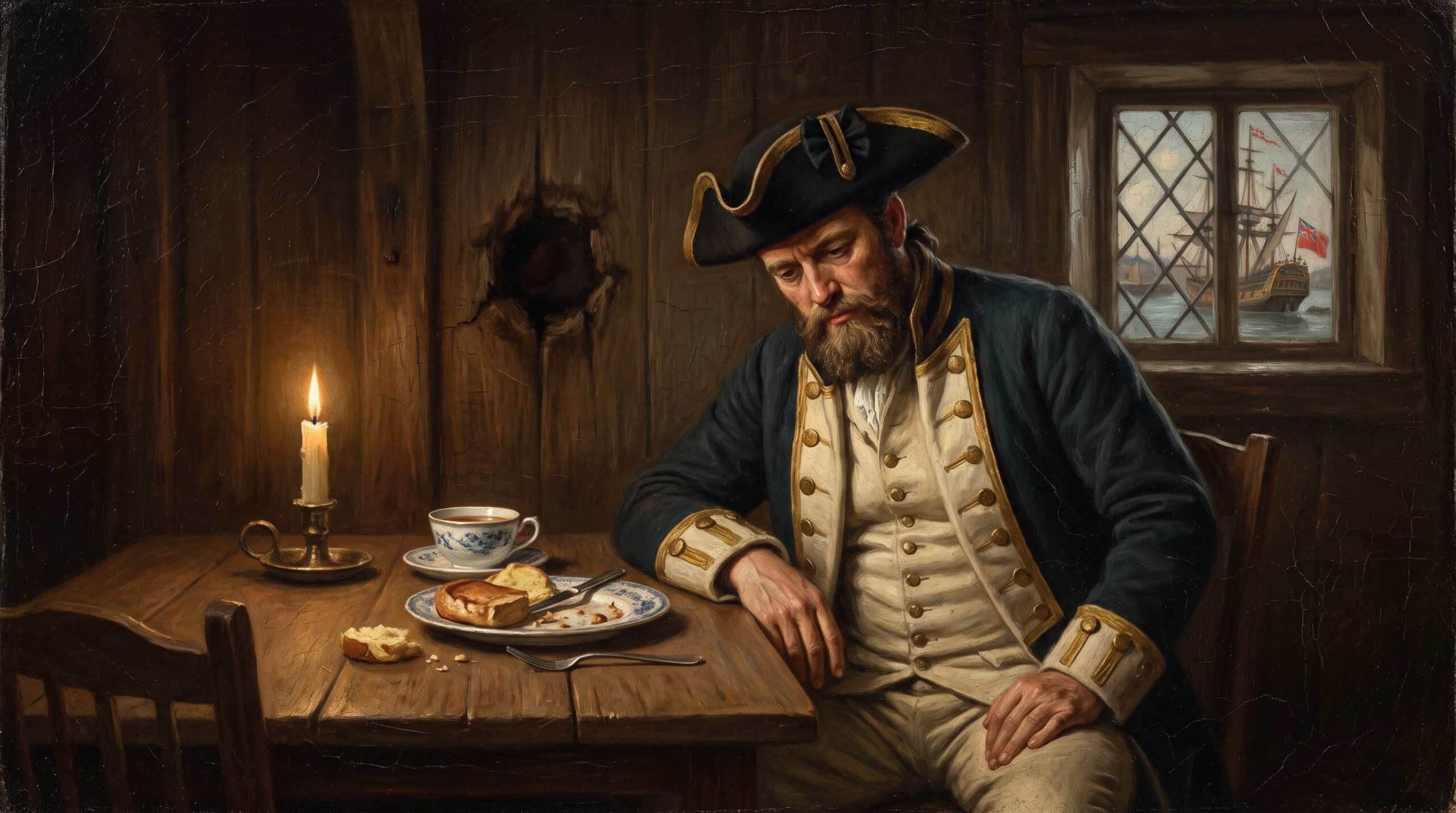
Kendrick, an American sea captain and veteran of the Revolutionary War, was instrumental in charting trade routes across the Pacific Northwest and Hawaii.
Following a major battle, Kendrick’s chief friend in Hawaii won. Wanting to honor his friend, Kendrick asked a neighboring British ship at port to fire a 13-gun salute in victory.
The British sailors, in their boozy revelry, didn’t notice one of their cannons still held live grapeshot from the recent conflict. And the grapeshot flew through Kendrick’s cabin, killing him instantly at breakfast.
Perillos of Athens (6th Century BC)

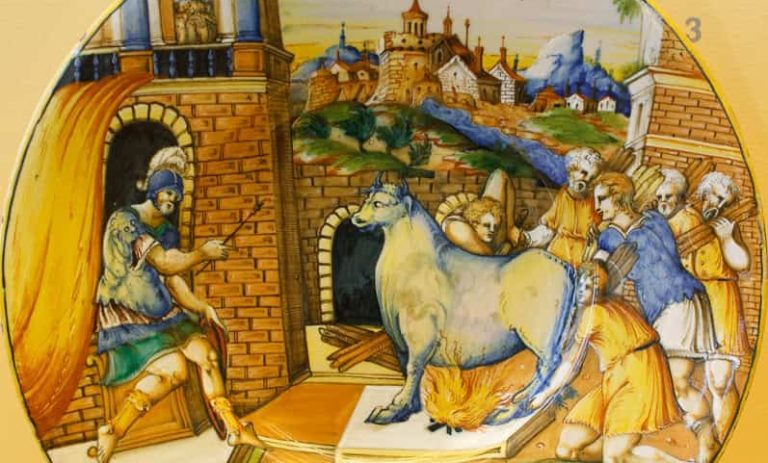
Perillos was an early bronze worker who invented one of the most brutal execution devices for the tyrant Phalaris of Agrigentum.
The Brazen Bull was its name, and it was designed to slowly roast victims within a hollow bronze effigy. Tubes inside the statue amplified screams into noises that sounded like the roar of an angry bull.
The tyrant, finding grim pleasure in the perverse device, had Perillos step into the bull to illustrate its acoustic capabilities.
Unfortunately for Perillos, upon entering the bull, Phalaris shut the hatch and set fire to the metal underneath.
Empress Elisabeth of Austria (1837–1898)

The Empress Sisi was known throughout Europe for her fanaticism over staying as thin as possible.
As she walked towards a steamship docked in Geneva, an Italian anarchist rushed forward and stabbed her in the chest with a sharpened needle file.
Her corset was so tightly laced that it compressed her torso and corked off the wound, allowing her to board the boat without realizing how much she was bleeding.
Only after she collapsed inside the cabin and her corset was unlaced did internal bleeding quickly claim her life.
Sources: Please see here for a complete listing of all sources that were consulted in the preparation of this article.
Like our content? Be sure to follow us.
13 historical figures whose bodies have never been found

Some historical figures are so famous that people still talk about them, but their final resting places are unknown or undiscovered.


