
People collect for all sorts of reasons. Nostalgia, or pride, or a dream of making money. In the United States, vast markets developed for commemorative coins, porcelain figurines, and trinket souvenirs. Flea markets and swap meets were filled with folks on the hunt for “the next big rarity.”
But those dreams were sometimes dashed. Styles shifted, production was massive, and most collections became a liability rather than a prize. Here are 11 such items people hoarded and desperately tried to unload.
Featured Image Credit: Shutterstock.
Beanie babies (1990s)
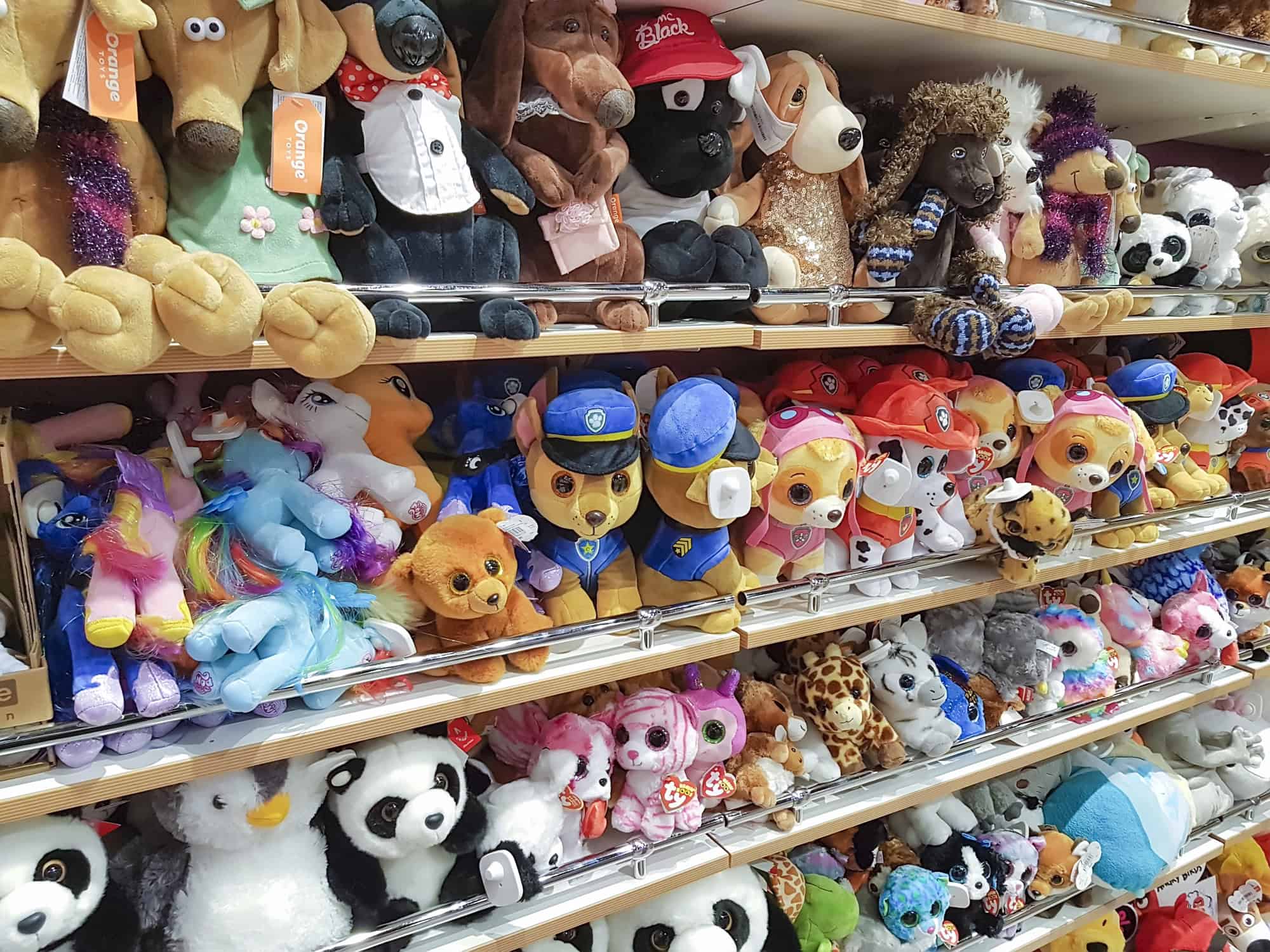
Do you recall the Beanie Baby craze of the 1990s? Ty Inc. “retired” certain Beanie Babies, which got collectors riled up. Folks would fight over a Princess Diana Bear or Peanut the Elephant. Some were sold for thousands of dollars. Entire families would peruse price guides and believe that these were a worthwhile investment.
At the height of the trend, the Beanie Baby industry was in the Billions of dollars. However, once it was discovered that there were millions of them, the bubble burst. Most now sell for a couple of dollars, with only a few rarities commanding big bucks.
Cabbage patch kids (1980s)
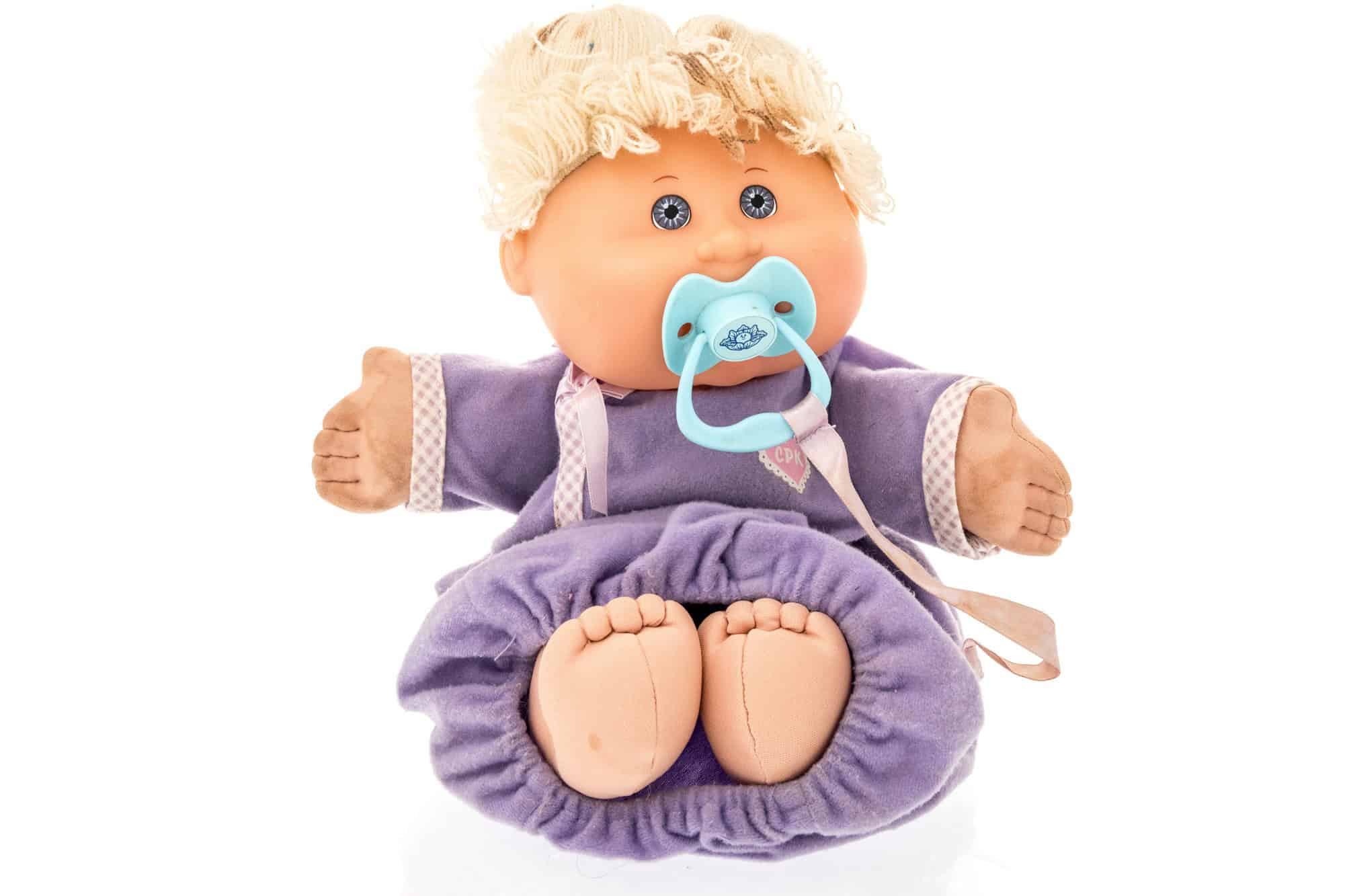
The same thing happened with the Cabbage Patch Kids. Each doll had its own name and came with an adoption certificate as if you had a special little friend. Many were resold at hundreds of dollars during the frenzy. But with millions made by the company, most dolls aren’t worth much today. Preferred by collectors are the early editions, dolls in perfect condition and those rare ones with unique hairstyles or clothing.
Franklin Mint plates (1970s–90s)
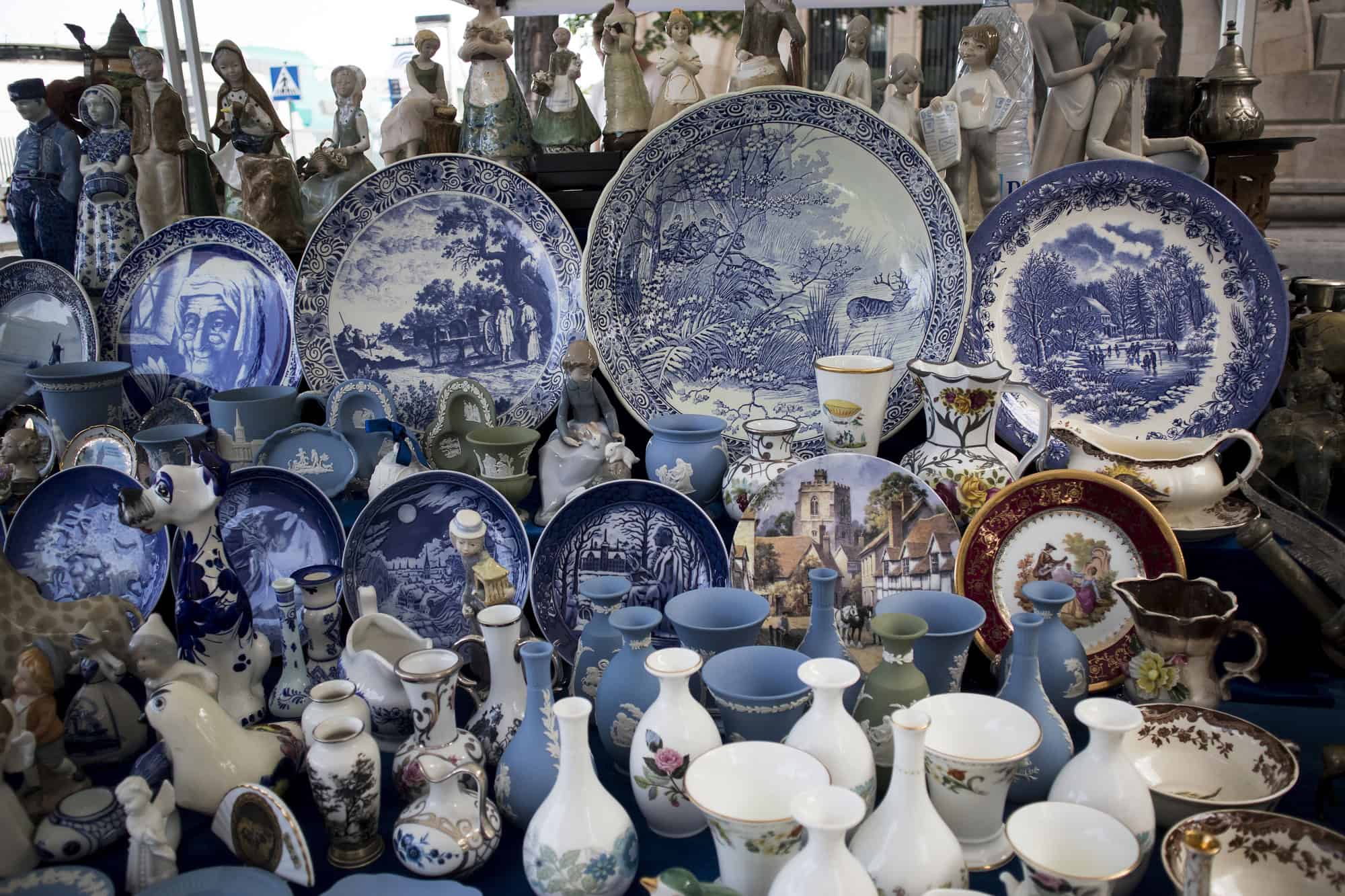
Franklin Mint plates were popular collectibles from the 1970s through the 1990s. The plates had finely detailed images, often of eagles or famous paintings or historical scenes. They were sold as limited editions, and many collectors proudly displayed them, thinking they were buying something of value that would appreciate. As decades passed the company manufactured millions of Franklin Mint plates which made them widespread in the market.
Thomas Kinkade prints (1990s–2000s)

Thomas Kinkade was the “Painter of Light” who sold many millions of prints of snug cottages, gardens, and small-town streets. Paintings were often sold with the promise that they would become collectible and more valuable in the future. The value of most Kinkade prints has crashed because mass production and wide distribution led to low prices and too many in circulation. Even numbered or “gallery” prints can be purchased very cheaply today.
Longaberger baskets (1990s)

The Longaberger baskets were handcrafted in Ohio and sold via home parties. Prices generally started at $100 and went up to $500 or more. The company marketed their handcrafted baskets as collectible heirlooms while releasing rare “special edition” baskets for limited sales.
Some customers put down thousands of dollars on the belief these would retain or increase value. In reality, the collector’s market for these baskets has largely failed, and one can easily find dozens for sale at thrift stores, garage sales, or eBay at a fraction of the original price.
Tyco & Mattel Pogs (1990s)
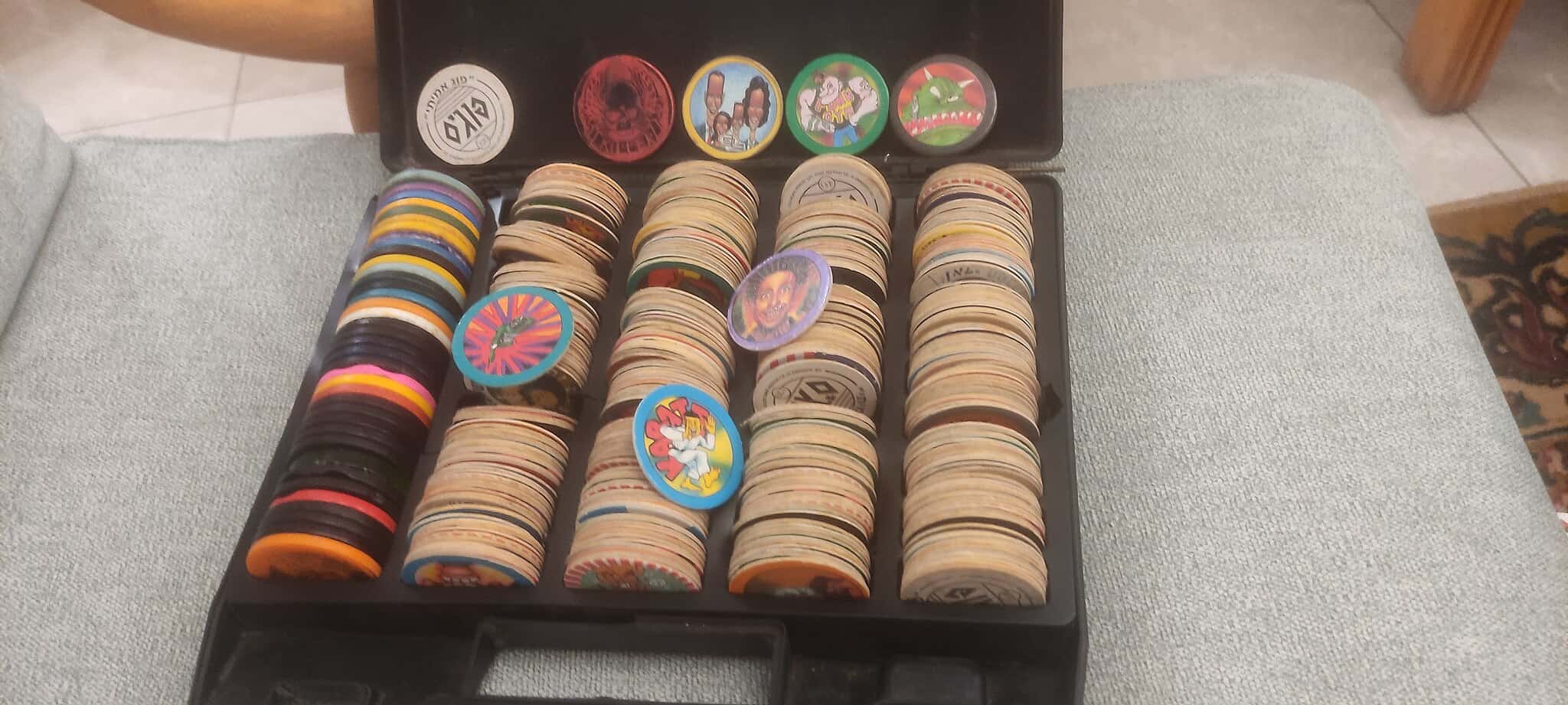
Pogs, small cardboard discs, used in a children’s game involving “slammers,” were sold in “limited editions” and were given shiny foil “inserts.” Children hoarded and traded pog collections in hopes of striking it rich with rare pogs. They appeared to be the next big thing, similar to Beanie Babies, but the fad lasted less than a year
State Quarters (1999–2008)
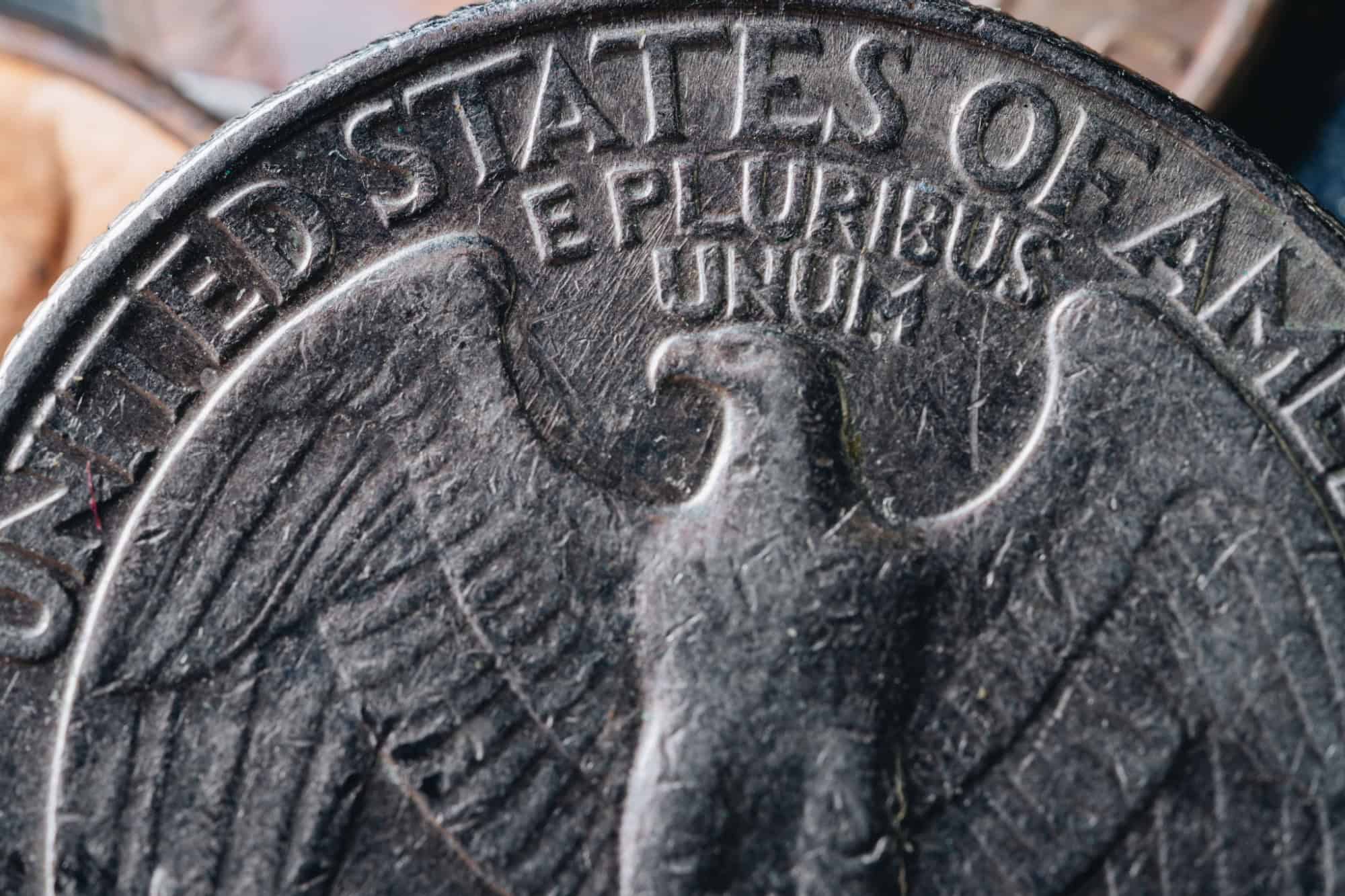
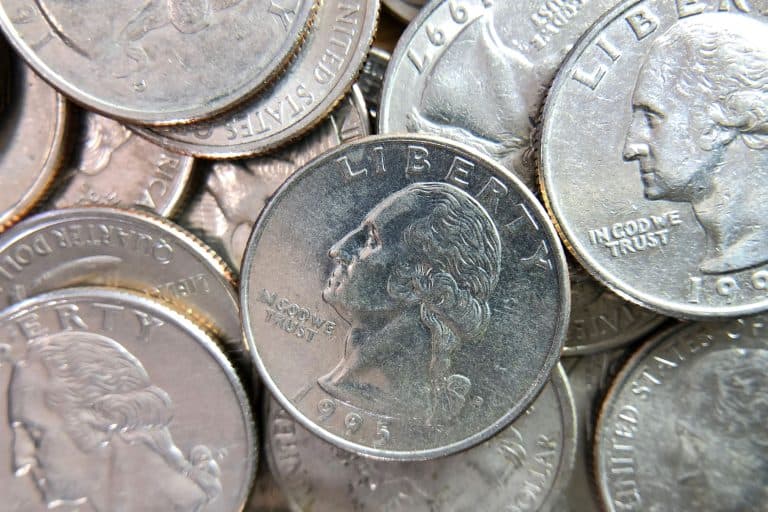
50 separate State Quarters were issued by the Mint over ten years. The program created a coin-collecting frenzy as people hoarded coins in books and jars, banking on future profits. With billions of the coins struck (over 34 billion total), the majority of them will always be worth only 25 cents. A few rare errors (misstruck coins, double-printed coins) have some collector value, but for the most part, it is more of a popular hobby than an investment.
Precious moments figurines (1980s–90s)
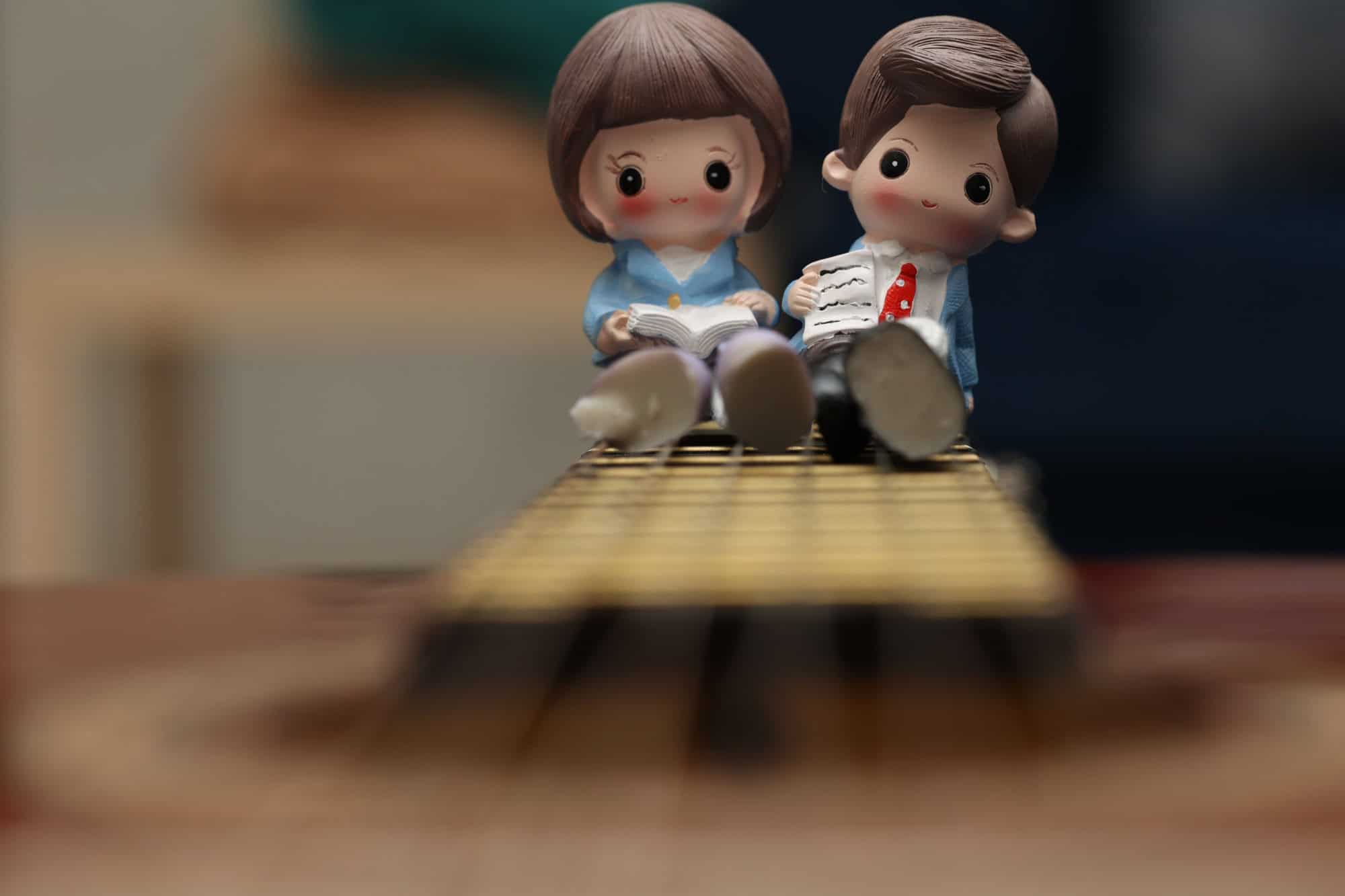
Precious Moments figurines depicted teary-eyed children with large heads. They were advertised both as collector’s items and as future family heirlooms. Consumers purchased them in large numbers, often placing them in glass cabinets, anticipating that both sentimental and resale value would increase.
Millions were produced, and as decor trends changed, demand fell. The vast majority of these figurines are now boxed away or end up in thrift stores; only a small number of extremely rare collector’s editions are listed at low prices on collectors’ websites.
Pokémon & Yu-Gi-Oh! mass-market cards (2000s)
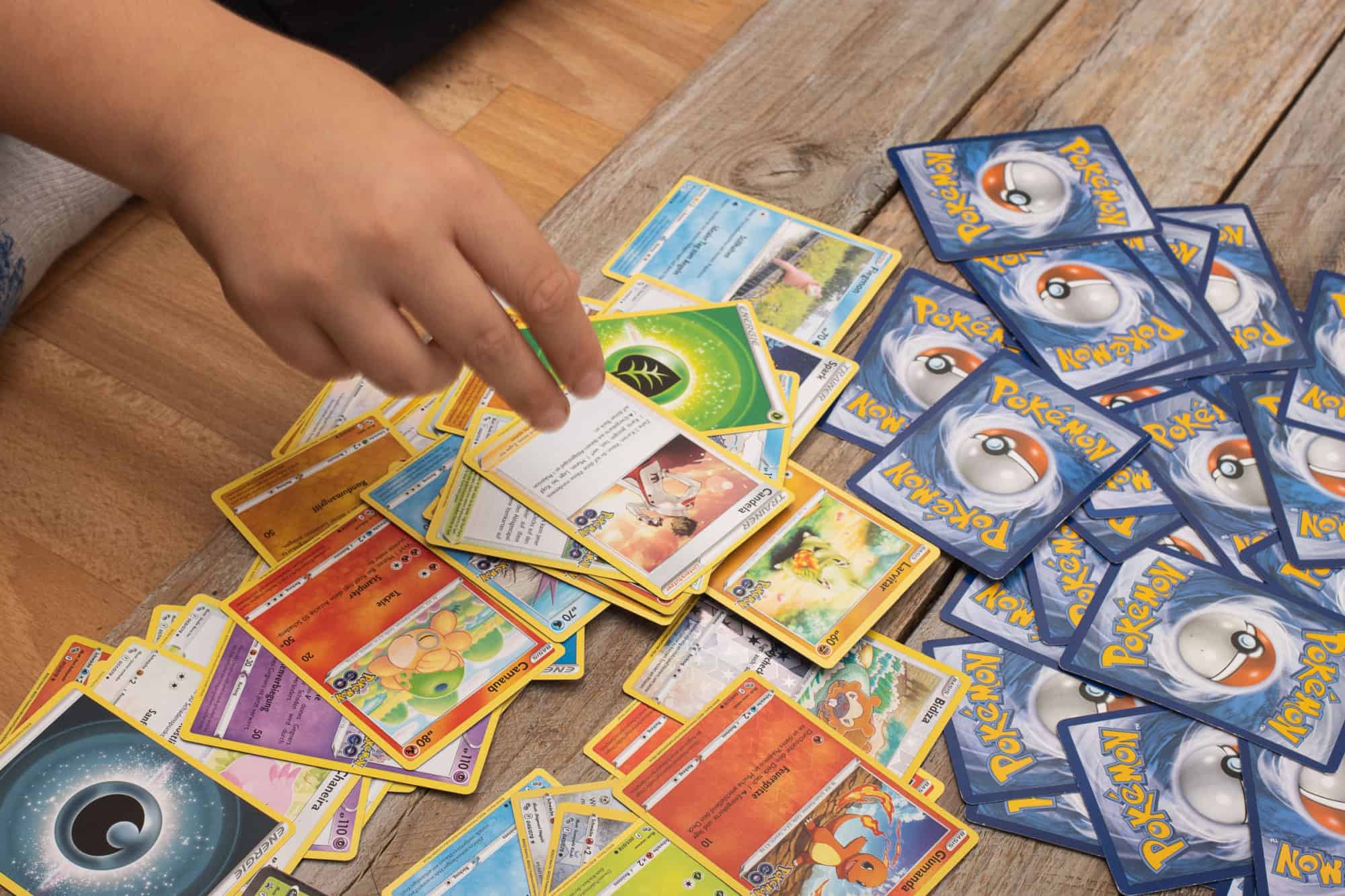
Pokémon and Yu-Gi-Oh! cards were products of a 2000s trading card boom. Fueled by massive hype, first-edition, holographic, or misprinted cards were still worth a high price. Collectors bought them in the hope of long-term appreciation, but many were mass-produced. Most cards became worthless almost immediately, and complete bulk collections are now available for just a few dollars.
Sports illustrated phone cards (1990s)
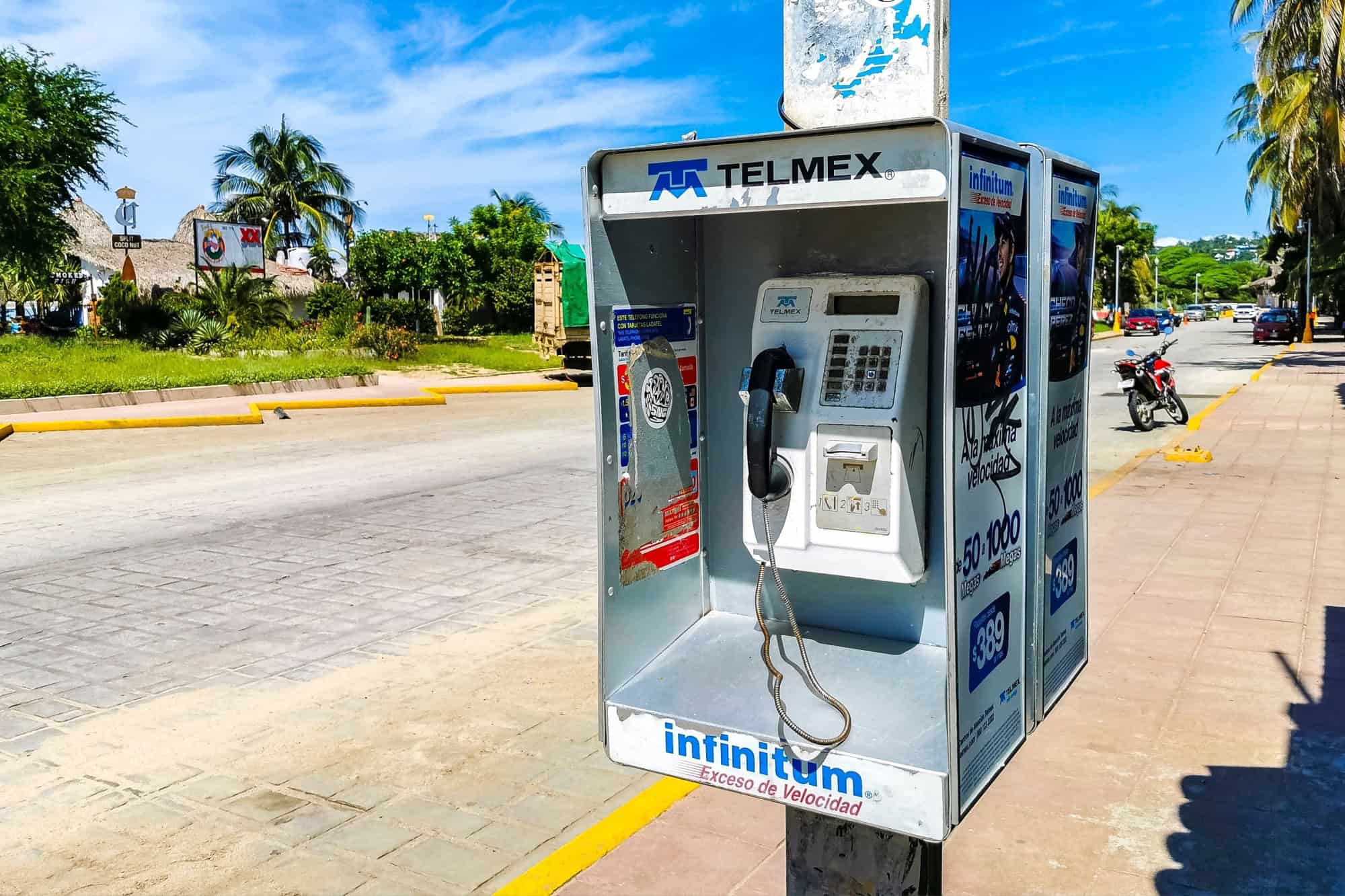
Prepaid phone cards featuring the faces of athletes, special occasions, or commemorative designs were sold by Sports Illustrated in the 1990s as collectibles. They were attractive to fans who wanted memorabilia that they could actually use. The rapid shift from payphones to cellphones caused phone card demand to collapse since people no longer needed them.
Special edition VHS box sets (1990s–2000s)

Movie or sports event VHS box sets, particularly “special editions” with extra features or unique packaging, were once considered collectibles by fans who thought they would become increasingly rare over time. However, the quick adoption of DVDs, Blu-ray, and streaming services made VHS tape collectors a niche market and prices on even limited-edition box sets are generally low today.
Sources: Please see here for a complete listing of all sources that were consulted in the preparation of this article.
Like our content? Be sure to follow us.


