

Every generation has its stuff. Boomers have pyramid schemes, Millennials had side parts, and Gen Z has a lot & not all of it good. Here are eleven things that Gen Z does that don’t need to be normalized. Which of these do you recognize, and which ones do you hate the most?
Featured Image Credit: Shutterstock.
1. Making social anxiety a personality trait

Some Gen Zers treat social anxiety like it’s a fashion accessory. As such, they’ll put that they’re “shy & scared” in their social media bios, or tell people that they can’t talk to waiters because they’re so anxious. That doesn’t mean they should gatekeep their emotions. But not everything needs to be your brand. That’s all.
2. Labeling everything trauma

Of course, it’s okay to express yourself, but saying that an Uber taking a wrong turn is trauma? That feels like a stretch. These words mean something, and claiming that everything traumatizes you just reduces the impact of these words. Some things are simply annoying. Move on.
3. Claiming every behavior is a condition

As soon as Gen Zers are distracted for five seconds, they suddenly claim it’s because they have ADHD. An organized desk is a sign that they have OCD. Sometimes, it’s honest venting, but other times, it’s more like they’re collecting diagnoses. That ain’t right.
4. Soft-launching relationships

You may have seen Gen Zers post photos on Instagram of two hands holding a cocktail, and everyone in the comments is asking who that person is. That’s called soft-launching a relationship. In theory, it’s cute, but in reality, we really don’t need phases to announce a relationship. It’s just dating.
5. Overusing therapy talk

While therapy talk has become a normal part of everyday conversation, it’s happened in a way that makes it seem overused. Saying you’re “setting a boundary” after ghosting a person after two weeks is wrong. You’re just avoiding the conversation. Yes, mental health conversations are important, but using therapy speak to avoid accountability isn’t. It’s just weird.
6. Being chronically online

Every generation has been online, but Gen Z was one of the first to grow up online. They know every microtrend & meme format from six months ago, and that’s because they’re chronically online. Weirdly, some of them are proud of it. But being tuned in 24/7 is never a good idea.
7. Writing breakup announcements
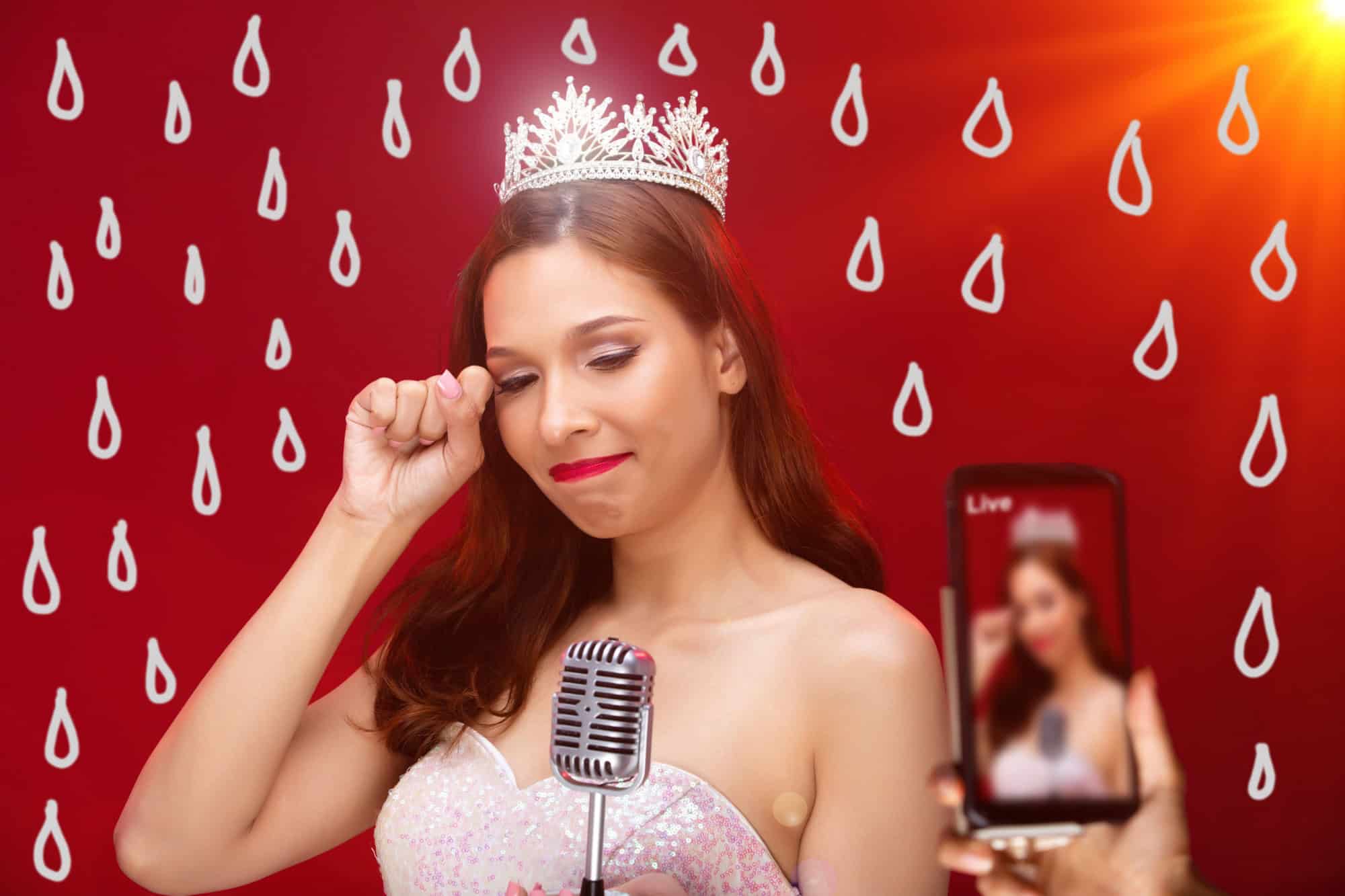
The days of simply breaking up are long gone, as Gen Z has decided they need to make the end of a relationship into a press release. You’ll see posts on social media that read like they’ve been written by a publicist. It was a 3-month relationship. Not a divorce.
8. Making their opinions their identity

Liking iced coffee or using dark mode doesn’t have to be a lifestyle. However, Gen Z seems to think that one small preference is a whole Thing. They don’t understand that you can simply have an opinion without it becoming a mission statement. People can disagree. It’s fine.
9. Using TikTok to replace Google

More & more, Gen Z has stopped using Google, and they’ve started using TikTok instead. No fact-checking or reading, simply swiping until someone says what they’ve wanted to hear. But TikTok isn’t exactly a verified source, so relying on it certainly is a choice. And not a good one.
10. Using astrology to discriminate
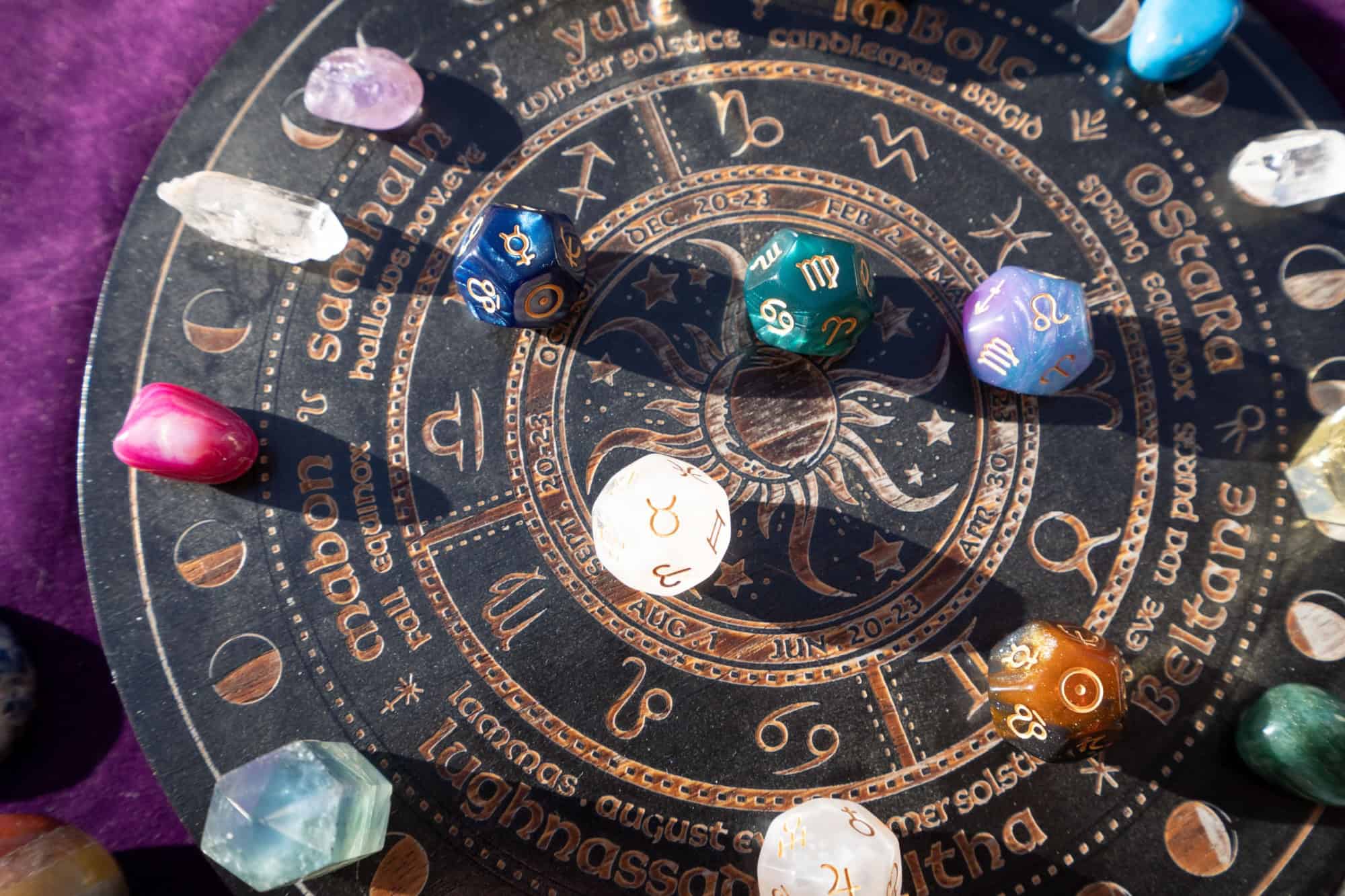
Gen Z no longer reads horoscopes, but instead, they treat them as a form of background checks. Being the ‘wrong’ horoscope is suddenly enough for them to end a relationship with you, and some will even ask for your time of birth before your last name. How weird is that?
11. The Gen Z stare

The Gen Z stare is a very real thing. You ask someone from this generation a question, but instead of them answering you, they just stare back at you. Without any emotion. They’re in no rush to reply or even attempt to show you that they’re thinking about what you’re saying. Just stare.
Disclaimer: This list is solely the author’s opinion based on research and publicly available information.
Like our content? Be sure to follow us.