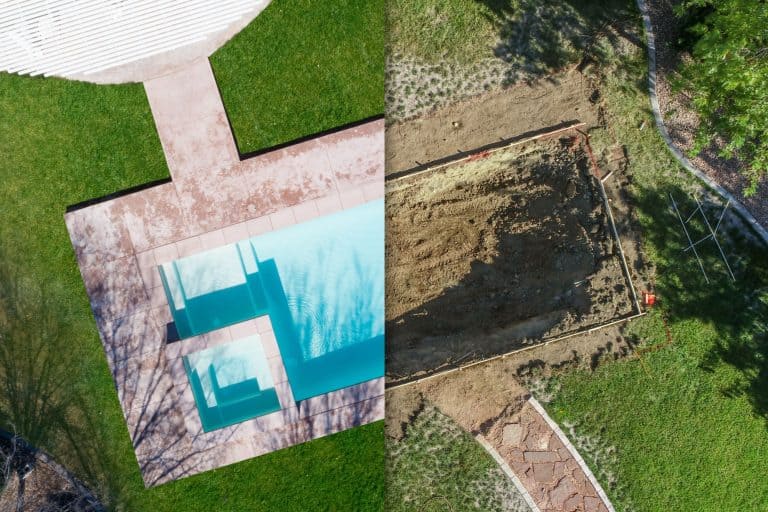

It usually sounds like a smart idea when you hear people talking about buying investment pieces for their homes. After all, it’s stuff that is supposed to add value to your home the minute you install it. But it’s not that easy. Some of these fancy upgrades actually lose money incredibly fast & here are eleven of these pieces. Which of these do you think is worth avoiding?
In-ground pool additions
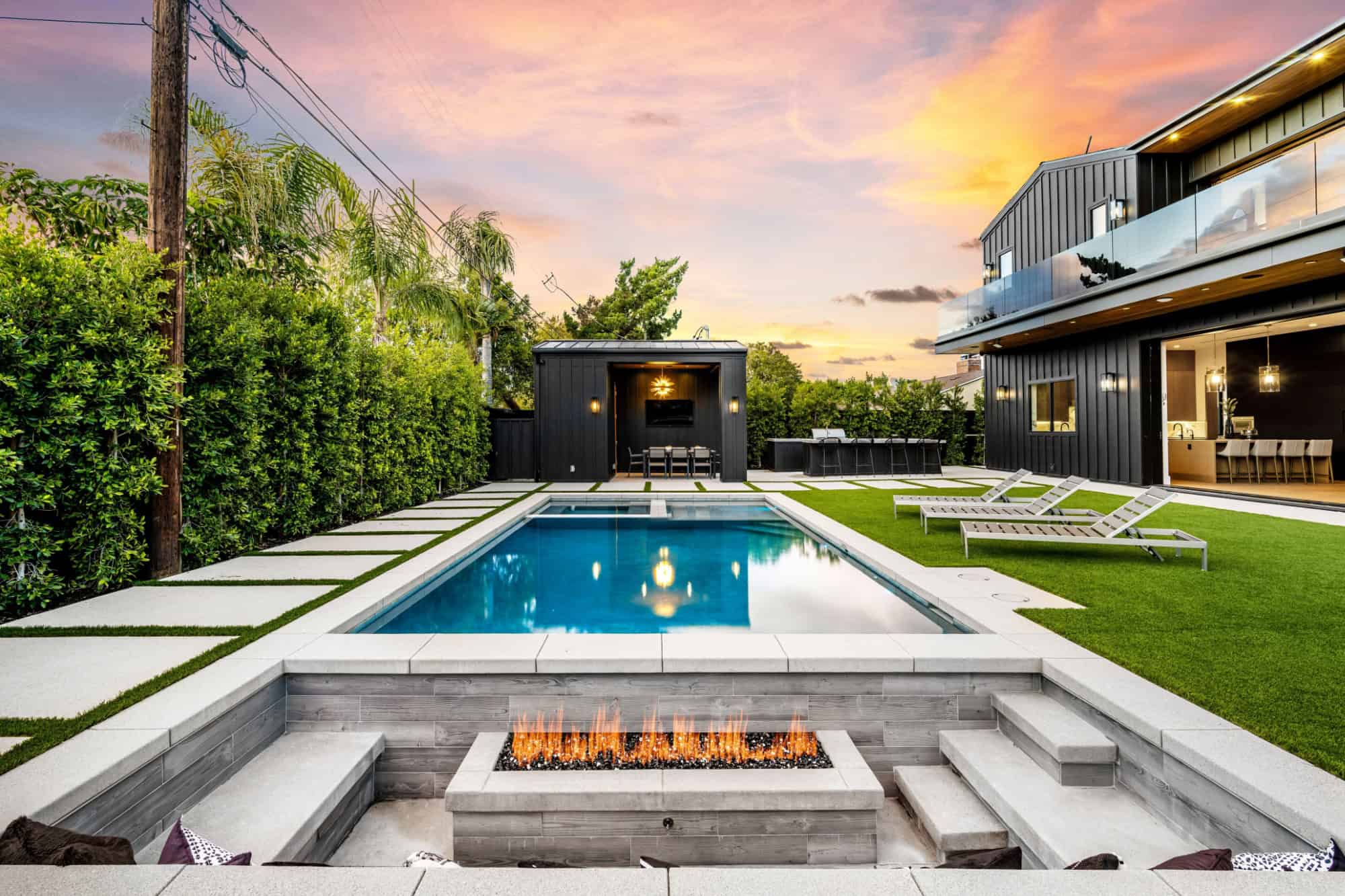
Real estate photos make pools look amazing, yet they’re a lot more hassle than they’re worth. A typical in-ground pool will only make back about half of the amount it costs to install it. You’ll have to drop around $60K on construction & landscaping. But it’ll only increase your home’s resale value by $30K. It’s more of a fun addition than an actual investment.
Outdoor fire features

It doesn’t matter how nice built-in fire pits & stone fireplaces may seem because they don’t really hold the value. Even the most expensive of installs will only make back around half the cost of installing them, once you sell your house. Most buyers will rarely pay extra to have them. Essentially, you’re burning your money.
Low-voltage landscape lighting systems

Landscape lighting systems do make your yard look more elegant & glow at night. They’re also quite nice for the ambiance. But not for your wallet. As soon as you’ve installed them, the increase to your property value is a fraction of what you spent on them. The majority of appraisers will see them as decorative extras, just like fairy lights. Are they really worth it?
Primary suite additions
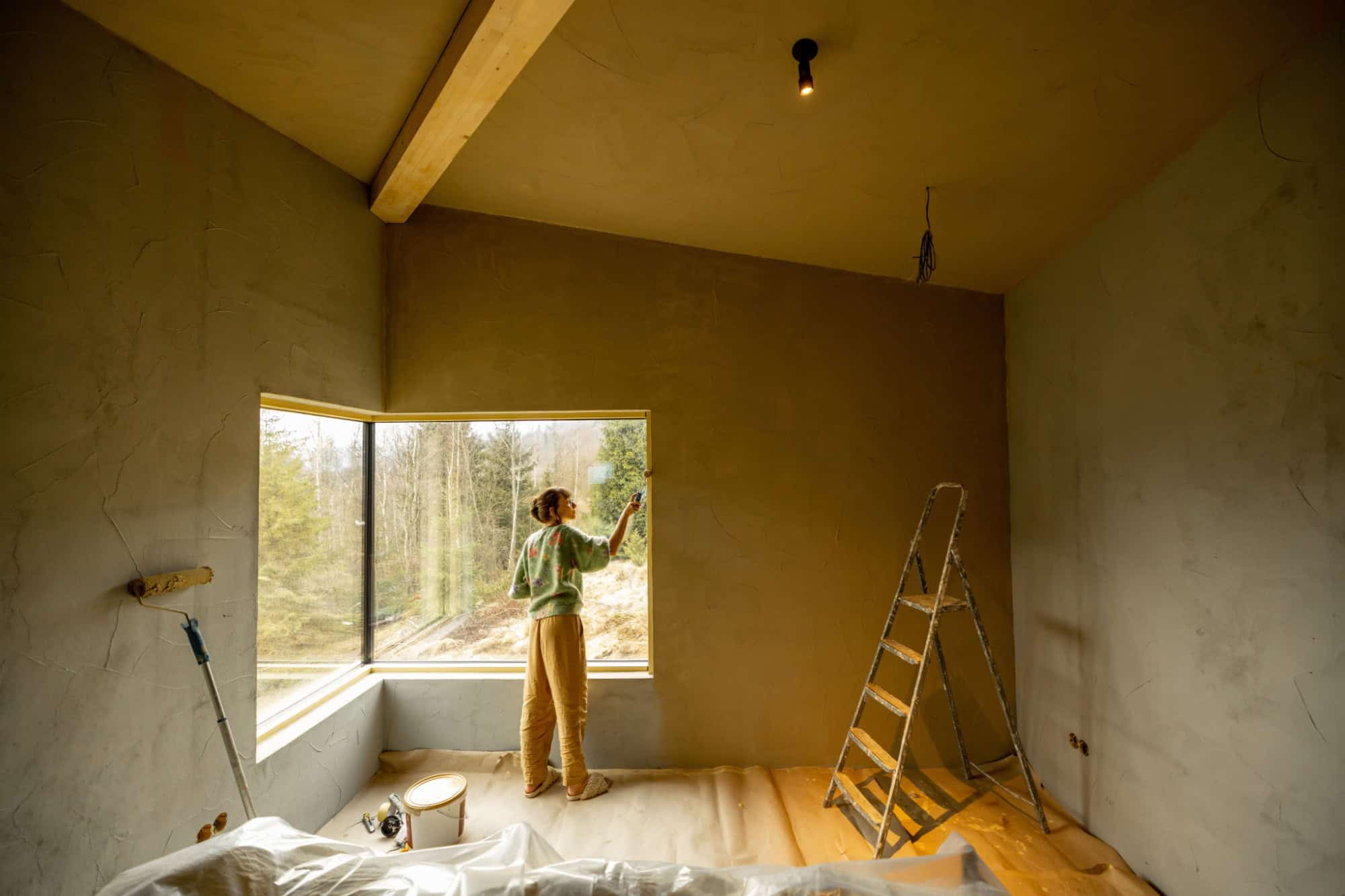
You might think a big new bedroom with a spa-style bathroom would raise your home value by quite a bit. But you’d be wrong. The most expensive primary suites are often around $300K & only add a quarter of this cost to the resale value. People just aren’t as interested in buying a house with luxury square footage as some might expect.
Bathroom additions
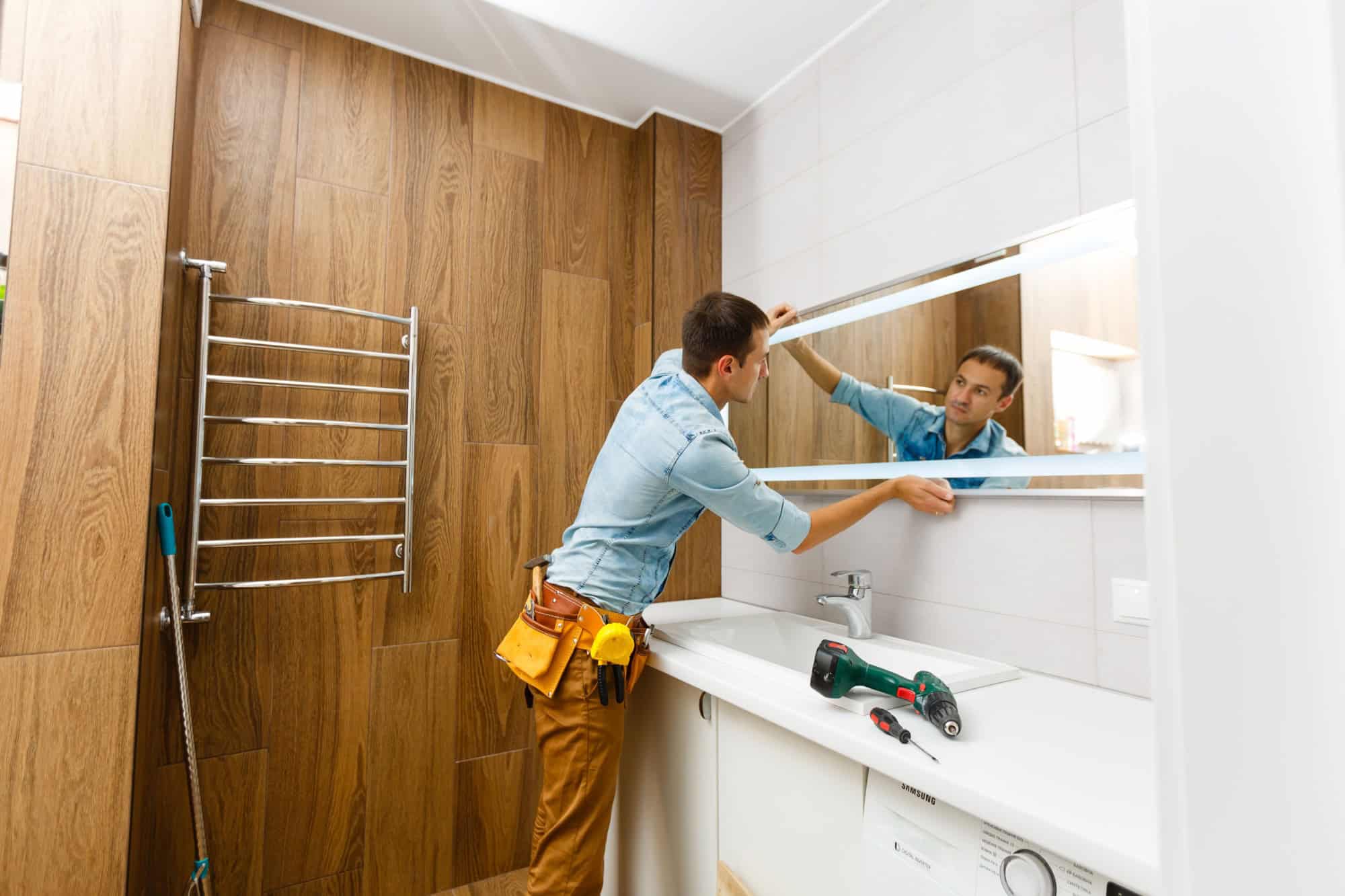
Adding another bathroom is a similar problem. A regular midrange addition is around $60K and will bring about a third of that to the resale cost, while a more expensive addition costs about $100K. It only returns 30%. That’s not to say you shouldn’t buy them for the convenience. Just don’t expect such an addition to pay for itself.
Major kitchen remodels
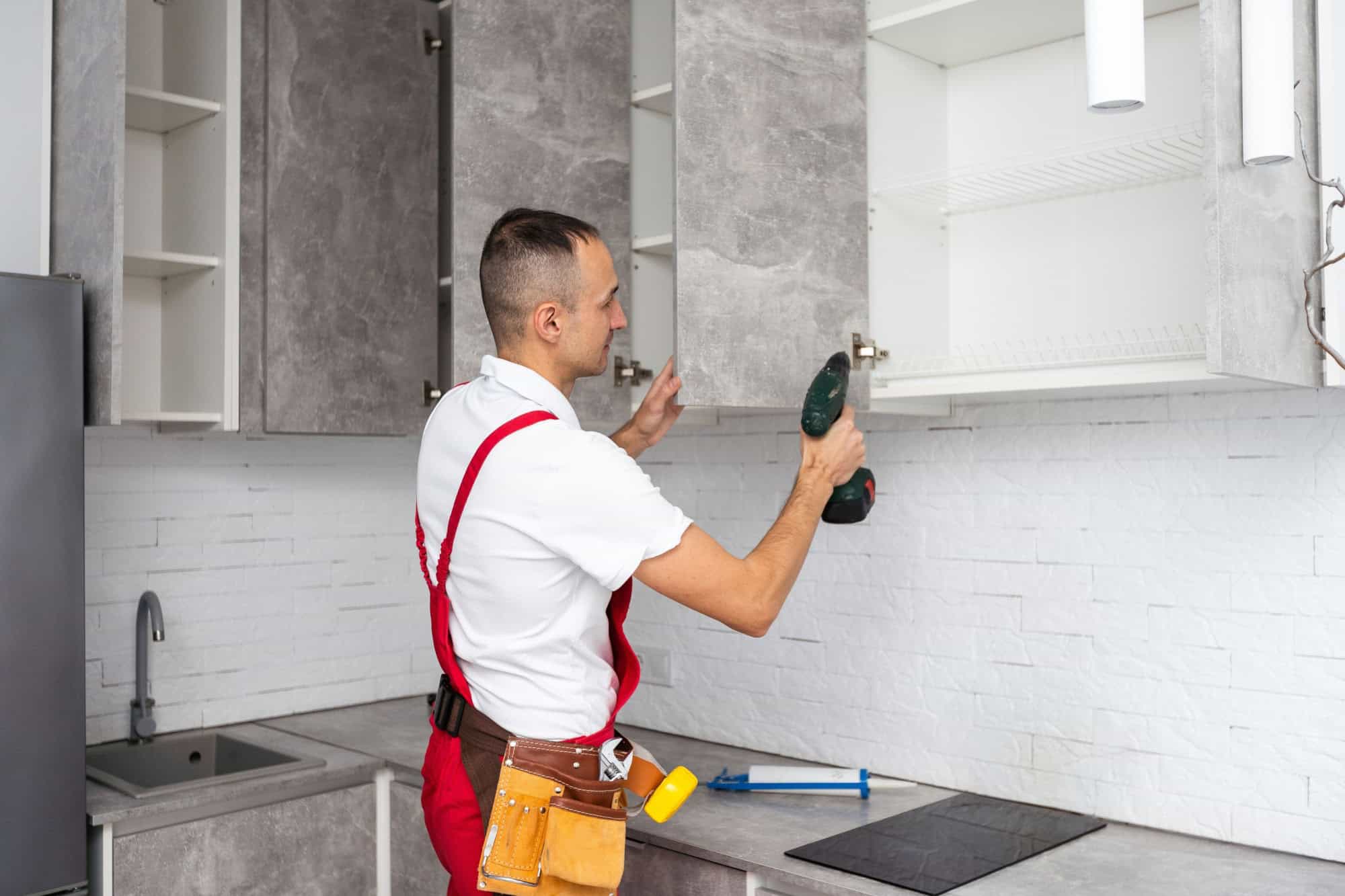
Yes, everyone wants to have a nice kitchen. Yet they don’t want your exact finishes enough to pay top dollar for them, despite the fact that you might’ve paid six figures for your dream kitchen. The built-ins & professional appliances will only get you back 40% of what you paid for them.
Composite deck additions
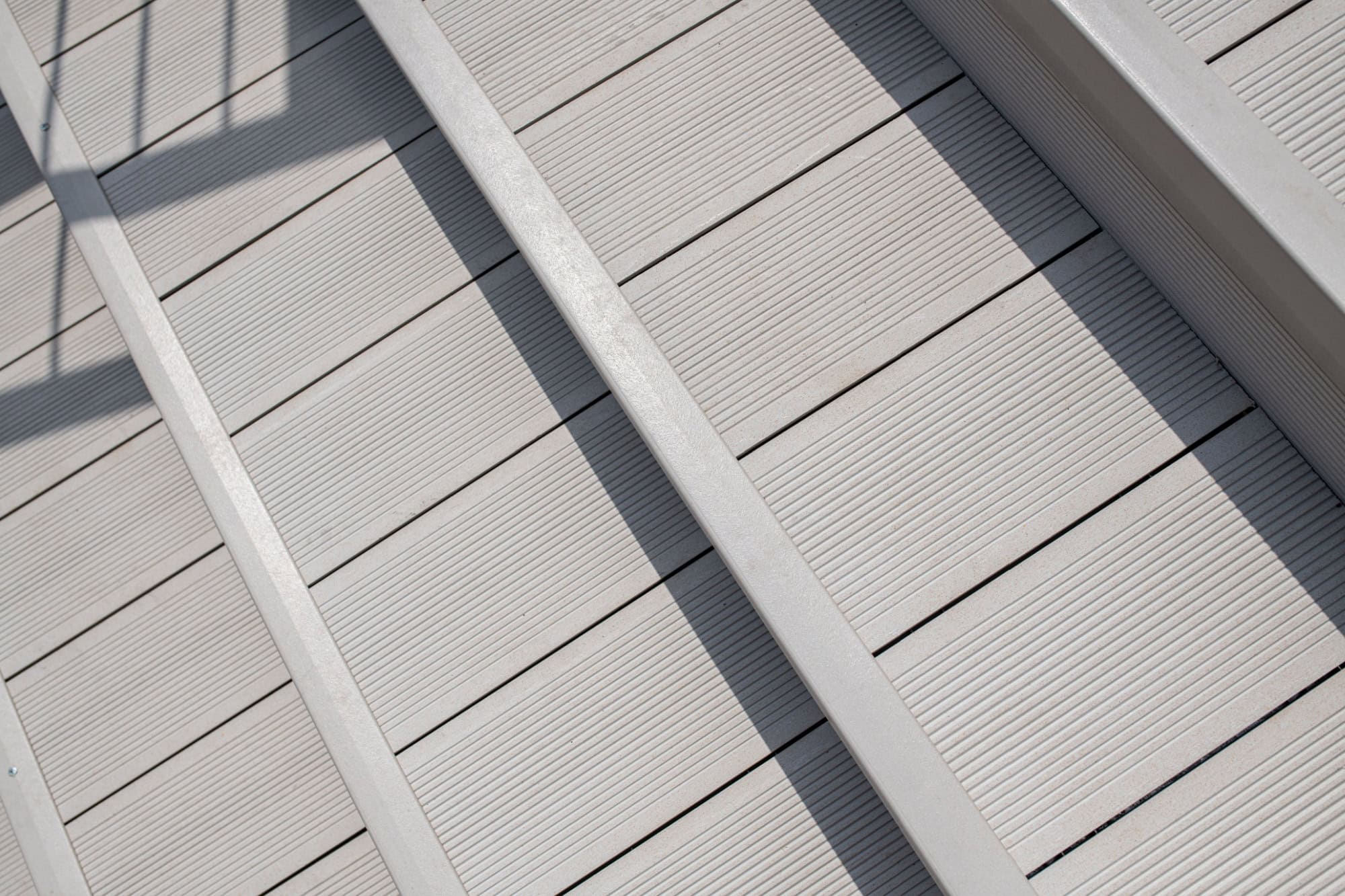
A positive of composite decking is that it lasts forever & needs almost no upkeep. That’s great for daily life. However, it depreciates almost instantly, and most buyers see it as more of an upgrade than an investment. Those who are lucky will make $16K back on an addition that costs around $24K. It’s more of a physical than a financial benefit.
HVAC fuel-switch conversions
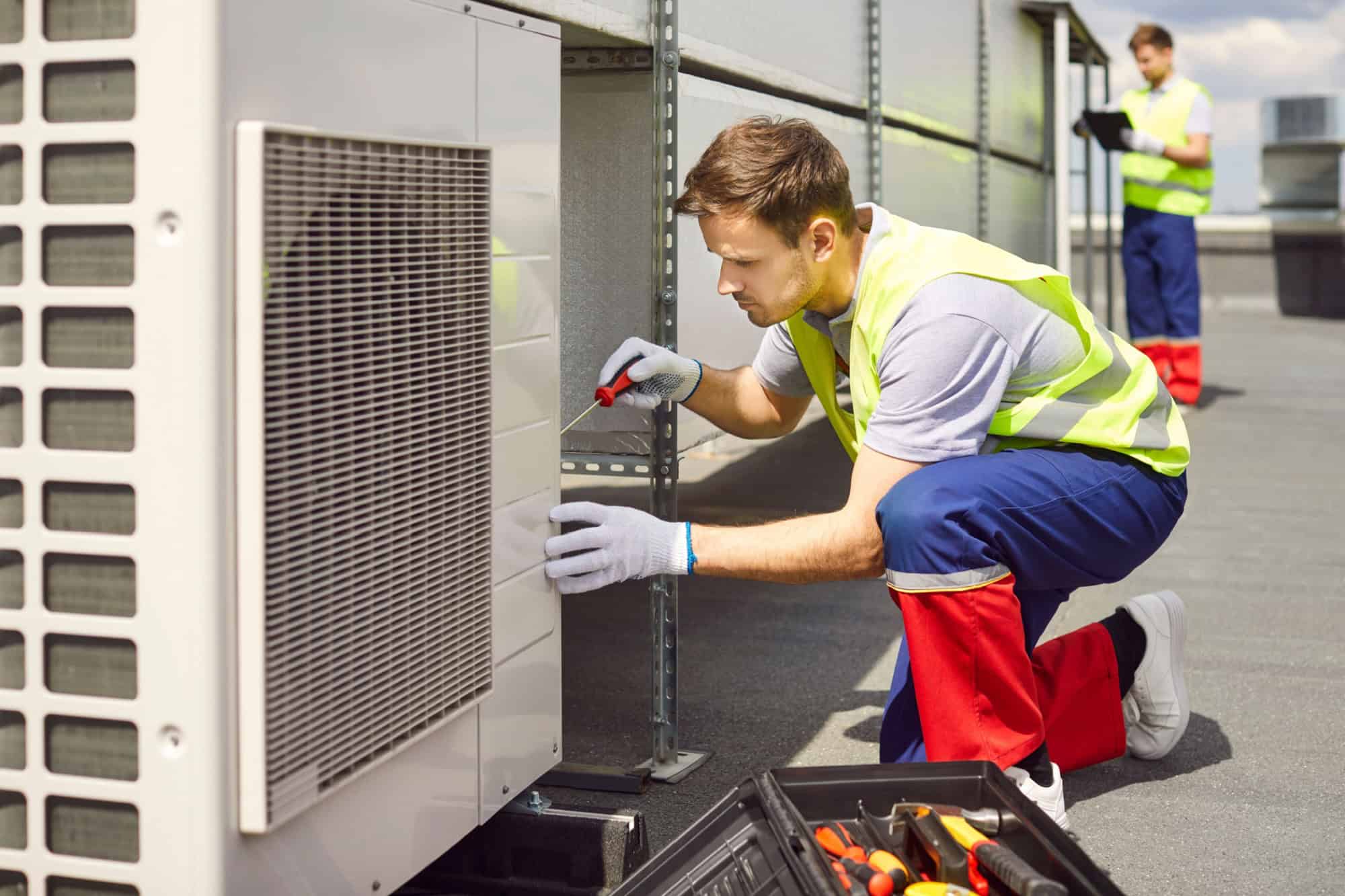
It’s true that switching from gas to electric systems will make your home more efficient. But who’s going to line up to pay for that? The average cost of an install is approximately $19K & the majority of sellers recover two-thirds of that. Buy it if you want, but be aware that such an upgrade isn’t really going to help you financially.
Metal roof replacements
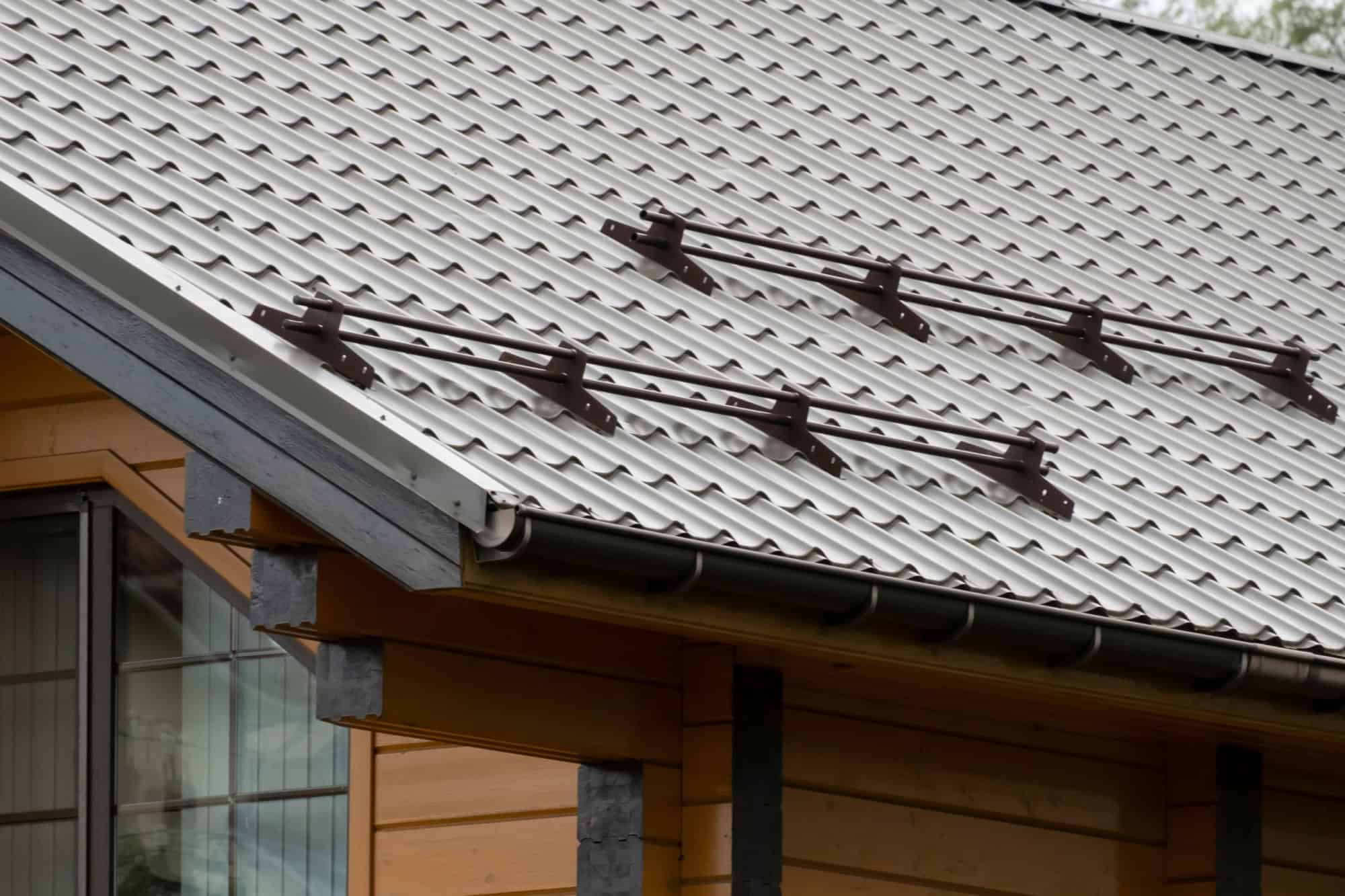
Metal roofs do last for a long time. Unfortunately, value-wise, they’re not so great because installing one will run you around $50K. The resale value is about half of that. The majority of buyers do like the look, yet they’re unlikely to think the look alone is enough to justify the full cost of a metal roof.
Window replacement
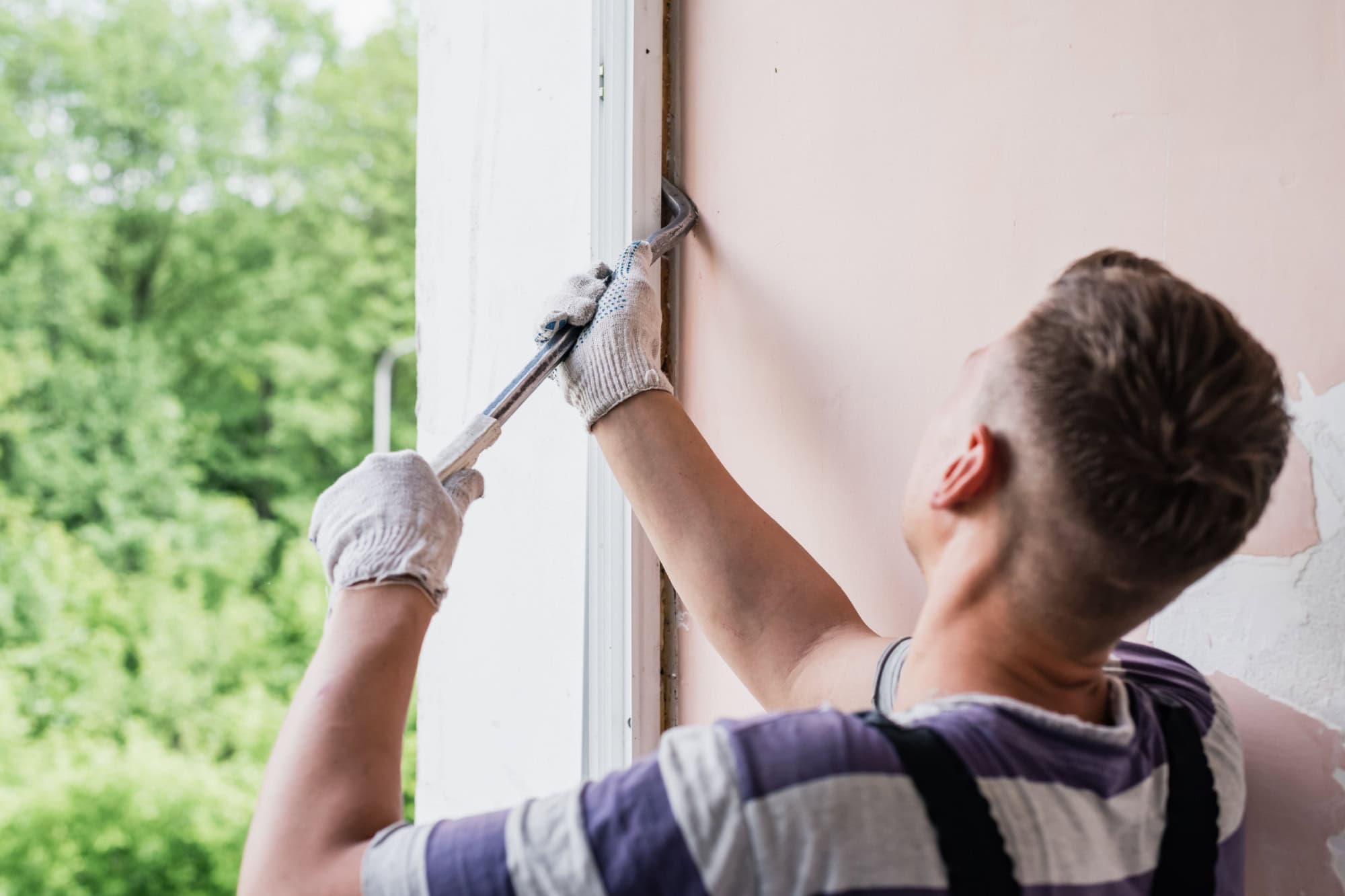
Wood windows look great & they’re also quite energy-efficient. What could be wrong with them? It’s the financial side that’s the real problem, since a full installation job is often around $26K. They’ll only add $16K to your home’s resale value. Wooden windows depreciate by around 40% as soon as you buy them, so they’ll make your place feel better, not richer.
Siding replacement
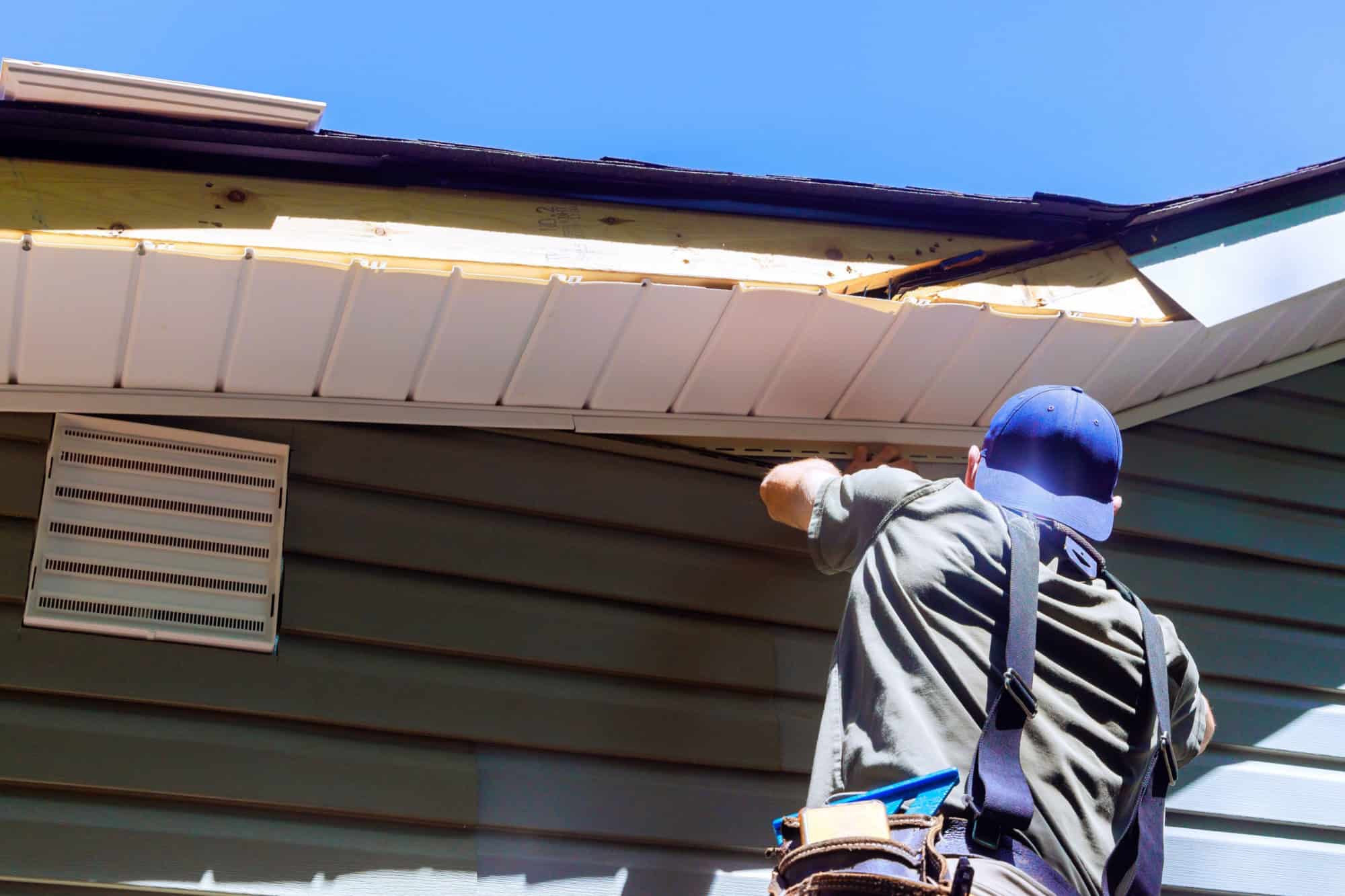
Many people buy new vinyl siding because it makes their house look cared for. It’ll also stay low-maintenance for many years. Sadly, the resale numbers aren’t so great, as you’ll only make around $14K back on a replacement that costs roughly $17K. It’s not a huge difference. But it’s enough that you can’t really consider vinyl siding as an investment.
Sources: Please see here for a complete listing of all sources that were consulted in the preparation of this article.
Related Stories:


