
There’s a lot to unpack with American history, and it only gets stranger when you look at the utterly baffling decisions that some lawmakers and other important people once made.
Bird droppings became a path to territory
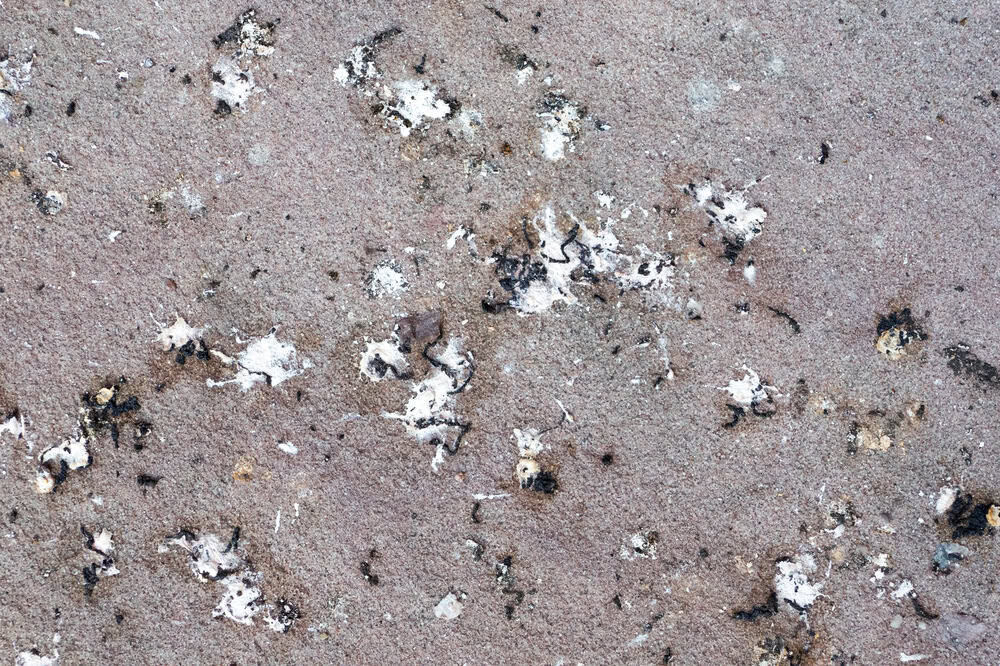
Bird poop isn’t something most people would consider valuable, but Congress in 1856 certainly thought it was. It actually told Americans to go looking for piles of the stuff, which was known as guano at the time. But there was a reason for it.
Farmers used guano as fertilizer, so it was a very useful material to have, if not rather stinky. Congress made the decision to pass the Guano Islands Act, which said any U.S. citizen who found guano on an unclaimed island could report it. They could then potentially have the island become an American possession. How gross.
Christmas could cost five shillings

Christmas is such a popular holiday these days that it’s hard to believe it was once hated. That’s what happened in Massachusetts in 1659, as leaders of the Massachusetts Bay Colony passed a law banning the holiday. Yes, really. The Puritan authorities saw it as an unscriptural tradition.
It was quite a comprehensive ban, too, and it punished anyone who stopped working, held a feast, or otherwise marked Christmas Day in some way. They would be fined five shillings. It took until 1681 for the ban to be officially lifted.
The guidance system had feathers
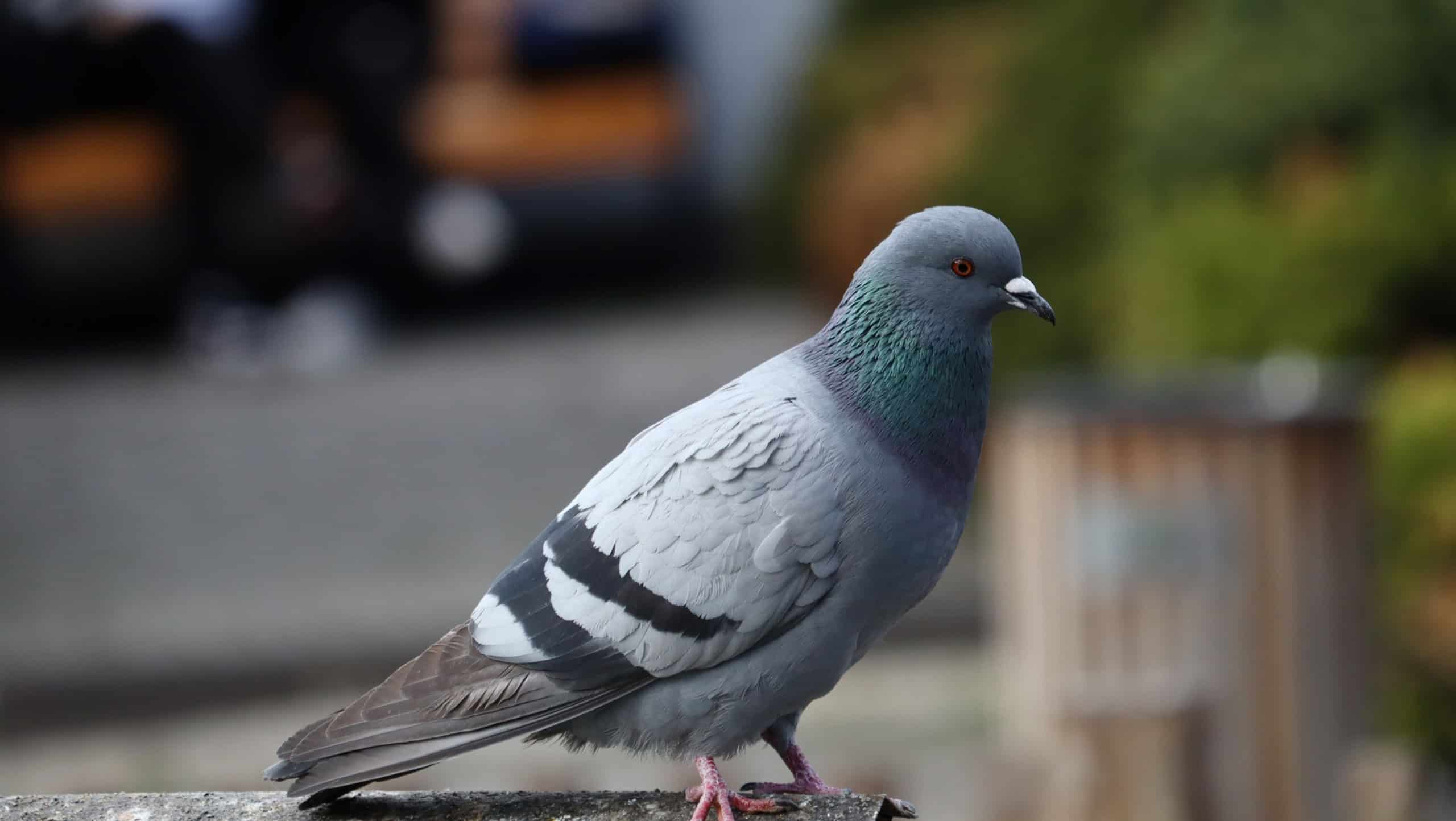
B. F. Skinner was a man who had a rather strange idea during World War II. He thought the U.S. government should try to put pigeons inside missiles. It appears that the government agreed, and in 1943, the National Defense Research Committee gave his Project Pigeon $25,000. His team trained the birds to peck at an image of a target on a screen.
Then, the team tried to use those pecks to correct a missile’s course. One test even involved using three pigeons at the same time. Surprisingly enough, the birds actually performed pretty well, although the project never made it onto the front line. Military officials thought the whole thing was too weird and could cause other weapon developments to be delayed.
Someone proposed bombing Japan with bats
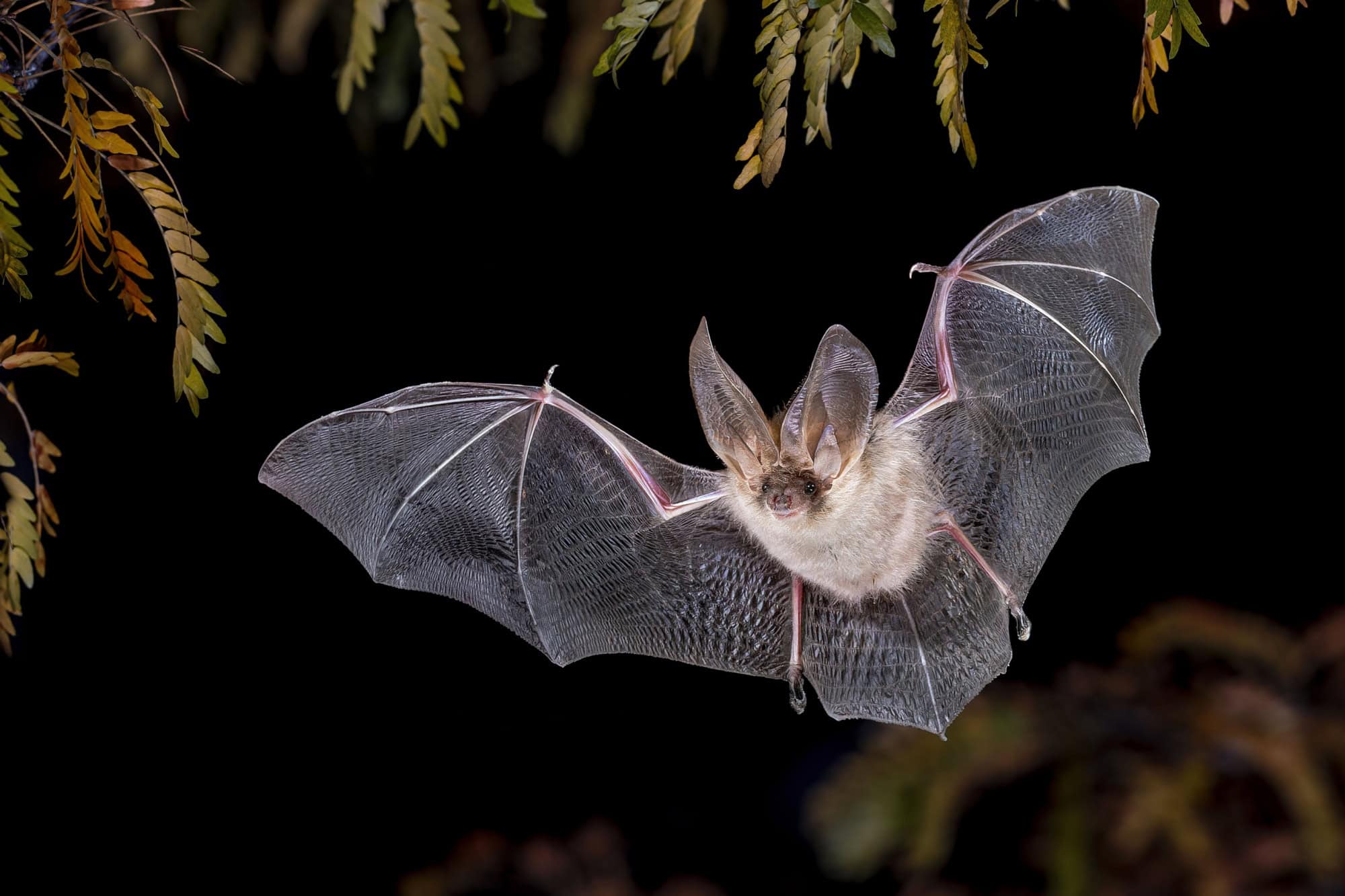
That’s not all for animals in conflict. Shortly after Pearl Harbor, dentist Lytle S. Adams sent Franklin D. Roosevelt a pretty strange idea that involved using bats as incendiary bombs, and the military decided to study it as part of Project X-Ray.
The plan was to train Mexican free-tailed bats to carry small bombs and release them over Japanese cities. The bats would then hide in wooden structures before the charges went off. But it didn’t go as well as the pigeon tests, and during one test, a few bats escaped and started fires on a U.S. military site. Surprise, surprise, that wasn’t great for the project’s sales pitch.
The Army wanted a base under the Moon
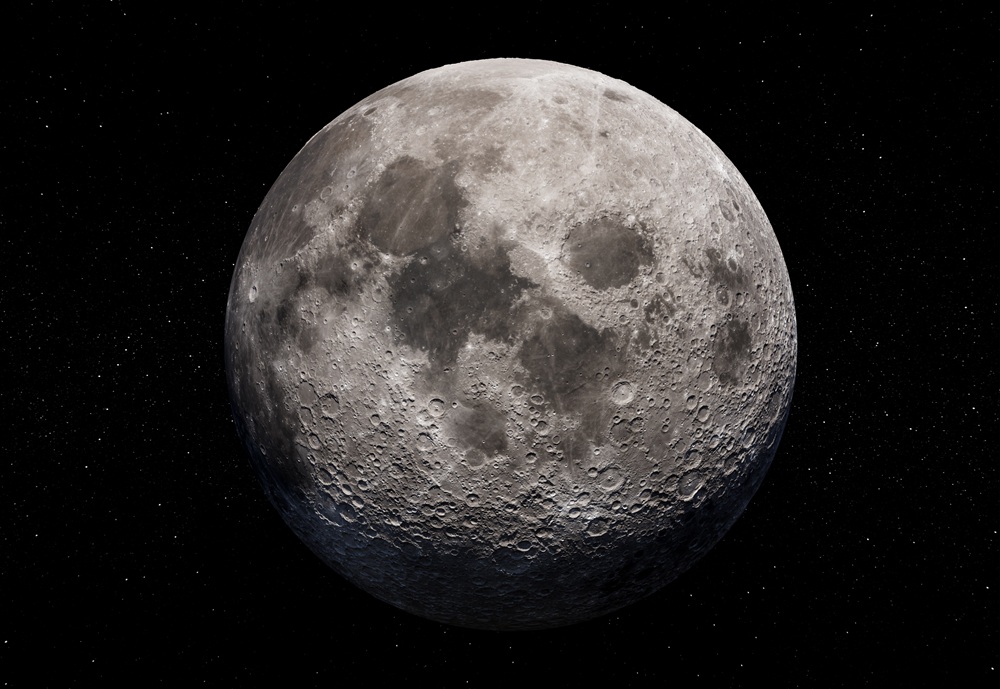
Astronauts hadn’t even walked on the Moon yet, but in 1959, the U.S. Army already had plans for what to do there. It created Project Horizon, which proposed establishing a permanent military base on the Moon that featured 12 soldiers living underground. They hoped to achieve it by 1966.
It wasn’t a simple lunar base, either, as the plans included living quarters and laboratories, as well as communications equipment, a hospital, storage areas, recreation rooms, and nuclear power. It was way too ambitious and expensive for now, let alone back then. NASA eventually took over most American space work, leaving the lunar Army base just an idea.
The beavers arrived from above

Idaho was suffering from a serious problem during the late 1940s. There were too many beavers. You’d think the solution would be to start hunting them, but no, wildlife officials decided something else. They decided to parachute the troublesome beavers into remote mountain areas.
They couldn’t get them to these locations by road, after all, as they were too remote. So, employee Elmo Heter figured they could drop the animals from airplanes inside specially designed wooden boxes. Officials did exactly that in 1948 and parachuted 76 beavers into the backcountry. Most of the furry animals survived.
Nuclear explosions were given peaceful jobs
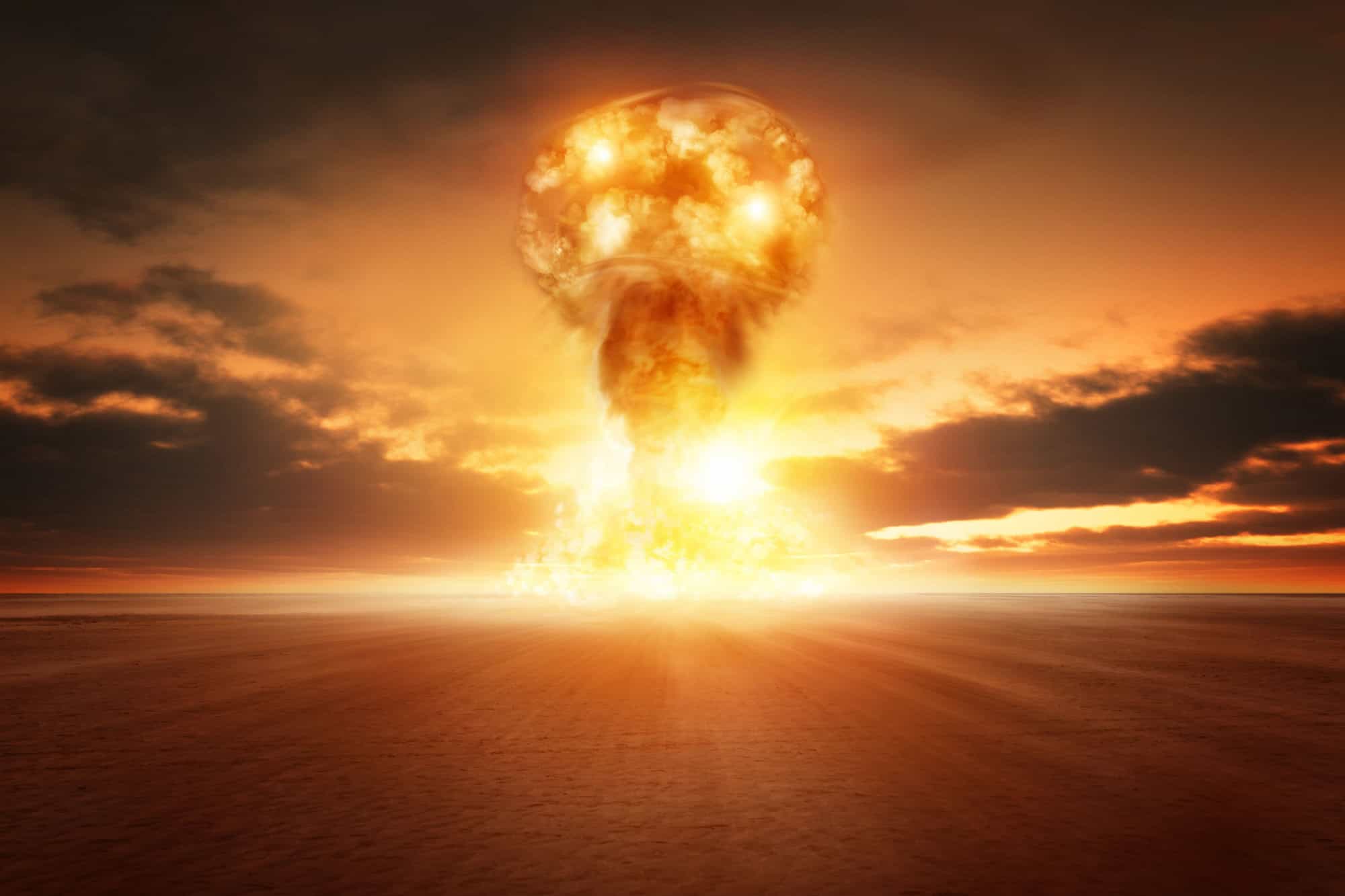
‘Nuclear bomb’ and ‘peaceful’ aren’t two words that you’d use in the same sentence, but the U.S. government thought differently. It thought these weapons could be useful for construction. In 1958, the Atomic Energy Commission started the Plowshare Program to study how to create ‘peaceful’ nuclear explosions.
Some of the ideas included using underground blasts to move huge amounts of earth and crack rock. They also believed the blasts would help extract natural gas. Turns out, the Commission actually conducted 27 ‘peaceful’ tests involving 35 nuclear detonations between 1961 and 1973, although the idea was eventually scrapped.
Sliced bread briefly disappeared by order

The phrase ‘best thing since sliced bread’ had a totally different meaning in 1943. That was because the U.S. government temporarily stopped bakers from being allowed to sell sliced loaves. Agriculture Secretary Claude Wickard decided to issue an order that would force all commercially sold bread to be sold whole, without any slices.
The goal was to reduce the need for packaging materials and save them for the war effort. You could still buy bread, but you simply had to cut it yourself. The idea wasn’t successful, however. The savings were nowhere near great enough to justify banning sliced bread, so the federal government dropped the rule by March of the same year. Thank goodness for that.
Thanksgiving moved for Christmas shopping
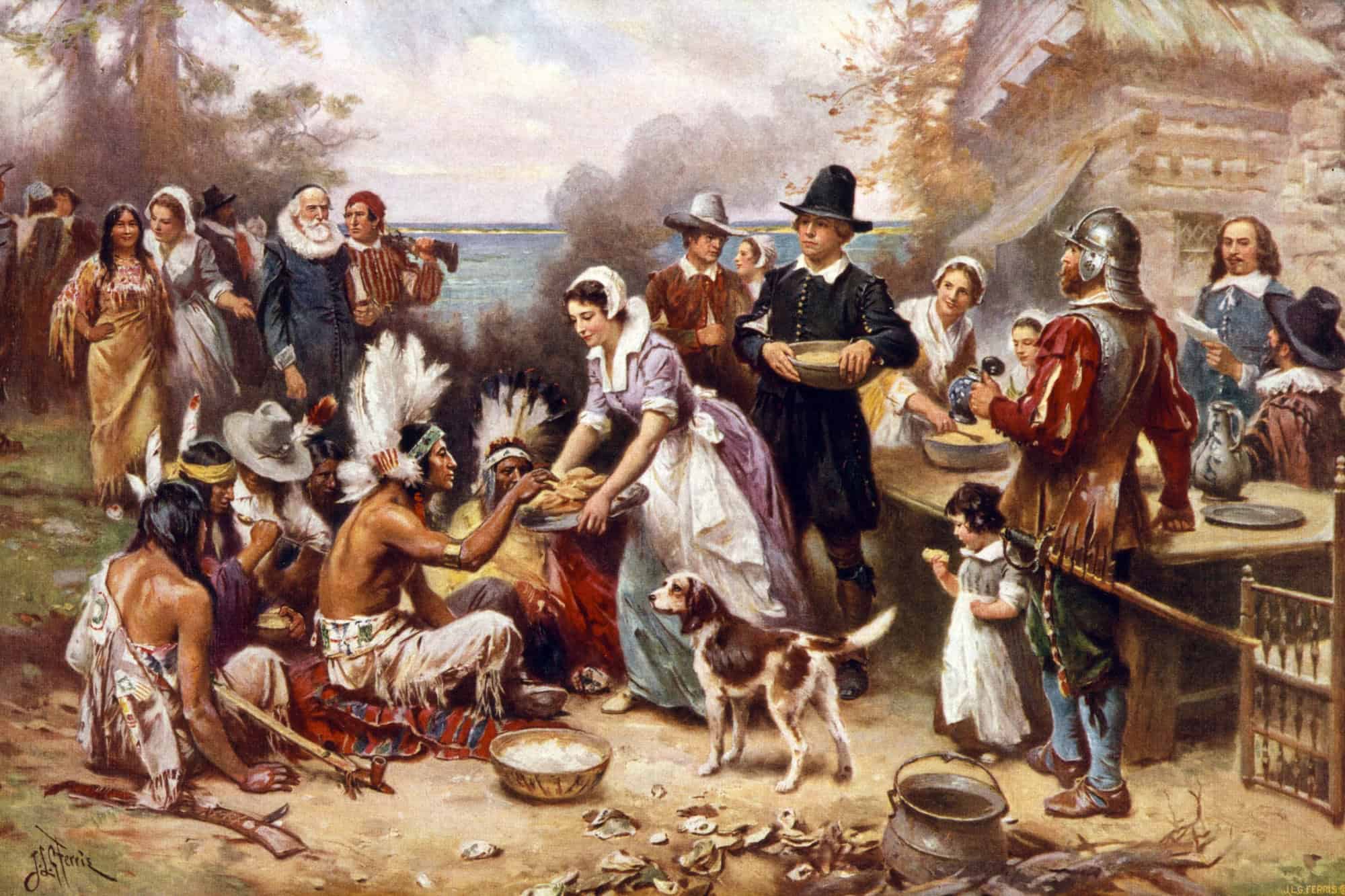
Franklin D. Roosevelt decided in 1939 that, actually, November 30 was far too late for Thanksgiving. The president was worried that having the holiday so close to Christmas would cause retailers to suffer from a shorter shopping season. That wouldn’t be great for the economy. He decided instead that he’d make Thanksgiving take place on November 23.
Except, the problem was that not all states followed it, with 32 agreeing to change the date and 16 sticking to November 30th. That meant you could celebrate Thanksgiving twice in one year, just by traveling to a different state. The holiday was eventually fixed on November’s fourth Thursday in 1941.
Congress took France off the menu

There are many ways to make a point about foreign policy, but somehow, renaming food doesn’t seem like one of them. That’s what happened in 2003, however. France was against the U.S.’s push towards war in Iraq, and U.S. Representative Walter Jones wasn’t happy about that. He was so unhappy that he proposed changing the names of French foods in House cafeterias.
The rule was something that Bob Ney, chairman of the House Administration Committee, was able to enforce without passing a law. Starting on March 11, cafeteria menus sold ‘freedom fries’ instead of ‘French fries’ and ‘freedom toast’ instead of ‘French toast.’ The policy was reversed in 2006.
Margarine was ordered to turn pink
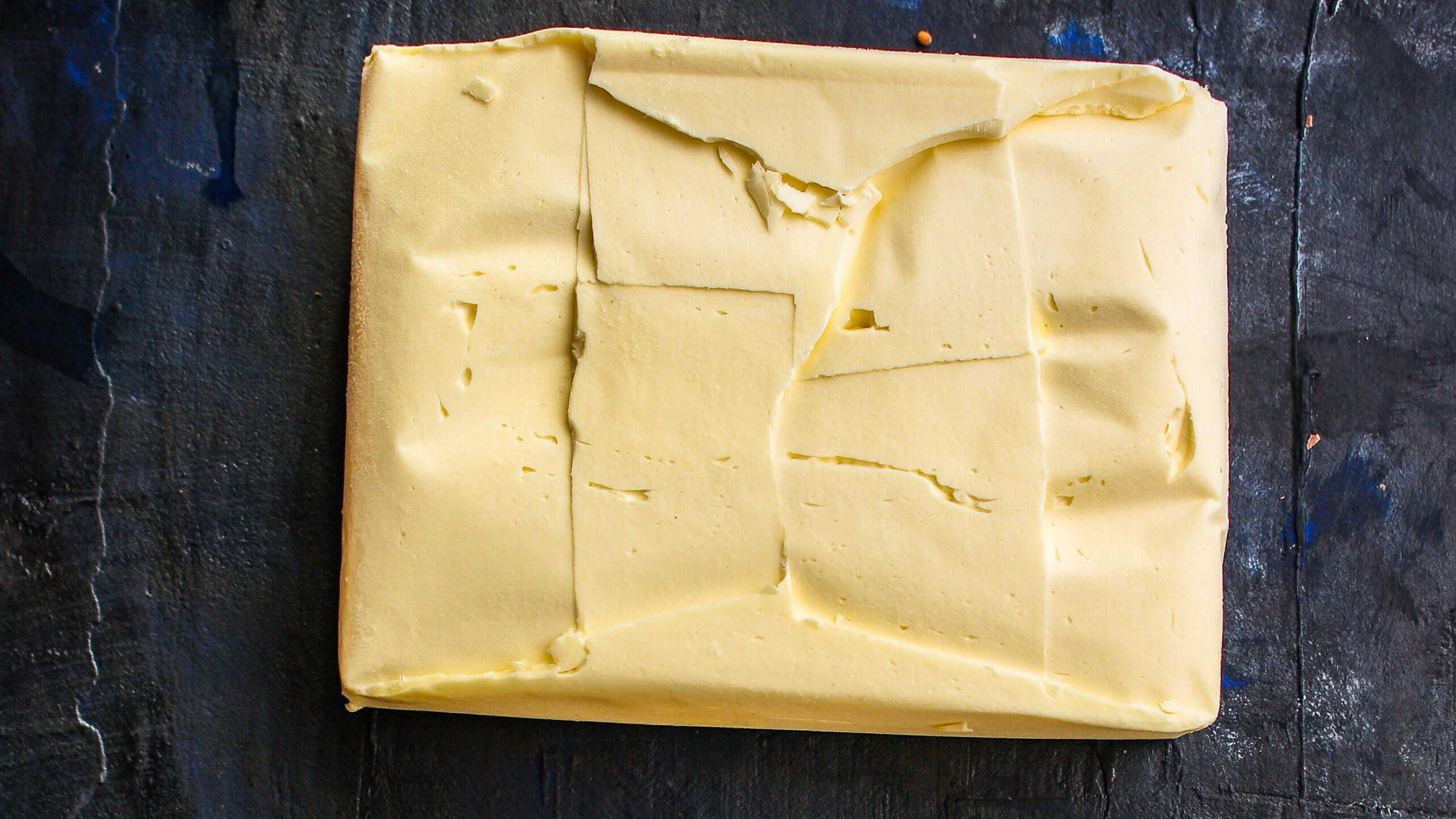
Margarine was a new product in the late 1800s, and it was a major threat to dairy producers. They were worried it’d replace butter. A few states decided on a rather strange solution to make sure customers wouldn’t confuse the cheaper butter alternative with the real thing. They decided to make margarine pink.
In 1891, West Virginia passed a law that said all artificial butter had to be colored that way, and New Hampshire passed a similar rule, too. It got to the point where a seller was convicted for selling margarine in its normal color. The Supreme Court struck New Hampshire’s requirement down in 1898, meaning that pink spread never really got its moment.
Sources: Please see here for a complete listing of all sources that were consulted in the preparation of this article.
10 rarely discussed facts from American history
The American history most of us grew up with was a kind of fairy tale. Simple chronology, famous names, major triumphs. We didn’t hear about the minutia of daily living, about what people were really thinking.

