

The American history most of us grew up with was a kind of fairy tale. Simple chronology, famous names, major triumphs. We didn’t hear about the minutia of daily living, about what people were really thinking.
Reading about these things that just didn’t fit into our textbooks makes history feel different. Your mind suddenly begins to notice the human element behind past events: the worries, the foibles, the terrors and confusions.
People were once taxed just for being alive

Prior to the US having an official income tax, a number of states had put a flat fee in place called a poll tax, or a head tax. These were essentially a fee, typically a set amount, paid by each person, regardless of income. It was levied both on the rich and the poor, the employed and the unemployed alike. For those with lower incomes, this kind of flat tax could be a considerable burden.
This type of tax system was common throughout the first century of the United States and again became more controversial later on when some states began tying poll taxes to the right to vote. These taxes were part of the older system that was replaced by income-based taxes in 1913.
George Washington didn’t trust the system
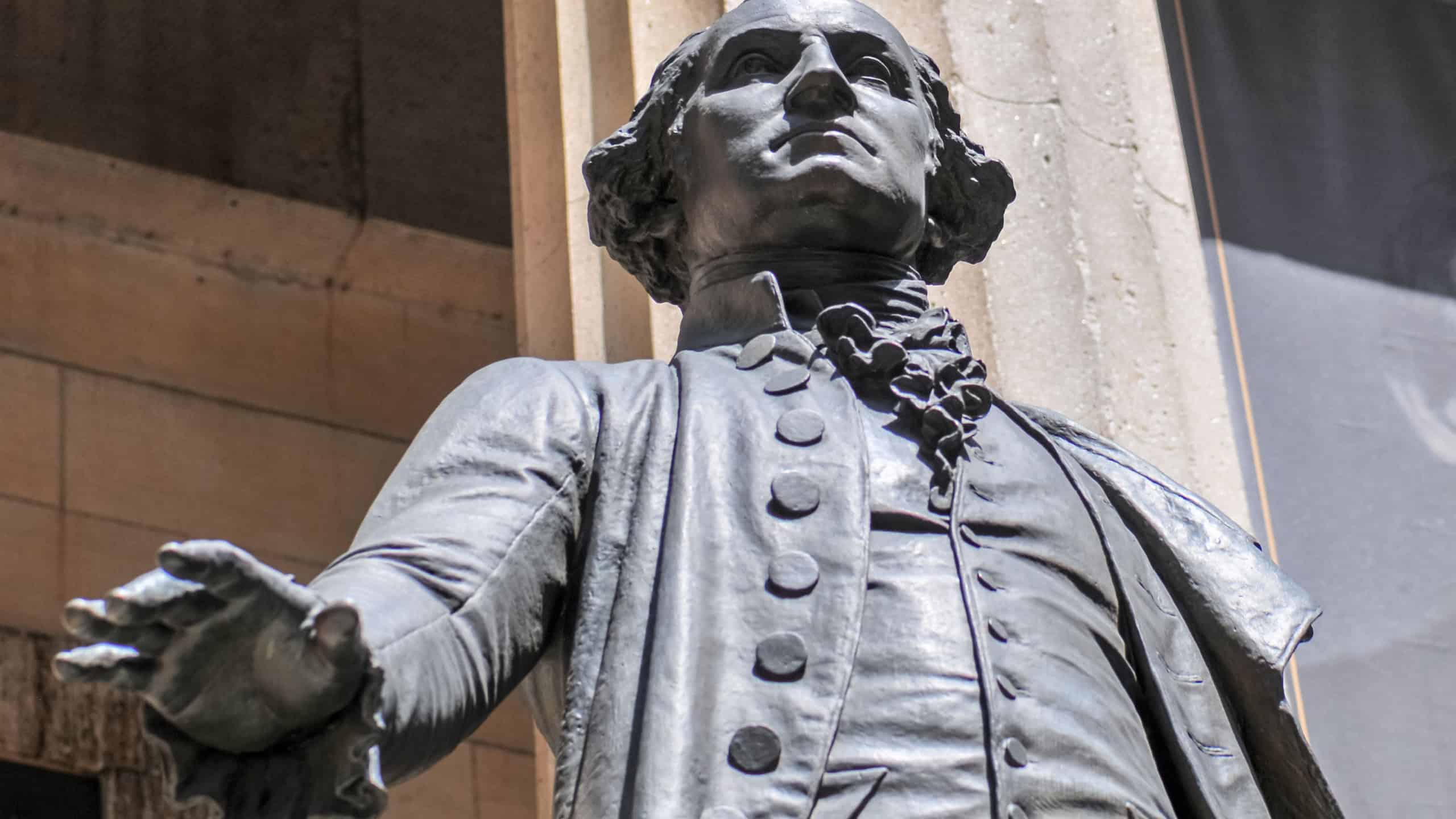
Washington tried for years to step away. And every time he hesitated, it was for the same reason. He believed the country had not yet mastered the ability to govern itself.
He worried about decay. Factional squabbles. Ambition unchecked. Men who sought the position more than they sought the responsibility. Washington worried that the habits that held the country together would fade when he did.
That’s what explains Washington’s insistence, in the twilight of his life, on rules and limits and distance from power. The Constitution was more to him than a framework. It was an insurance policy against human frailty, including the frailty he knew would arise once his authority was no longer there to keep things in line.
Most Americans couldn’t vote at first

At the founding of the United States, most Americans were not allowed to vote. White males who did not own property were denied the right to vote in almost all states. Census figures and state laws from the era suggest that less than 10 percent of all people in the country participated in elections. The phrase “will of the people” represented the choices of a narrow segment of voters rather than the wishes of every person living in the nation.
The expansion of suffrage to include more citizens, through protests, court challenges, and constitutional amendments, has been a long process, extending to those without property, African Americans, and women.
Citizens were encouraged to report their neighbors

At home, the government exhorted people to keep a close eye on their neighbors during World War I. Posters, pamphlets, and local programs urged Americans to police themselves for unpatriotic or suspicious behavior in order to “win the war”.
Records from the era confirm that individuals were encouraged to report disloyal speech or activities and often fear was taken as evidence of loyalty. Innocent people were often accused, investigated, or punished based on the reports of neighbors, friends, or coworkers. The pressures of national security were sometimes used to press the common citizen into spying on their neighbor.
People Didn’t Love The Star-Spangled Banner Initially

The Star-Spangled Banner was not immediately embraced by the American public when it was first published in 1814. Newspaper reactions from the time indicate that the public was somewhat uncertain of the song. Some viewed the song as difficult to sing, or not being melodic enough.
It was over time that it began to be used at military occasions, parades, and other public functions. It was only with use that the public became familiar with the anthem, and by the time it became official in 1931, it had already become a traditional part of American life.
King George III was held responsible for slavery
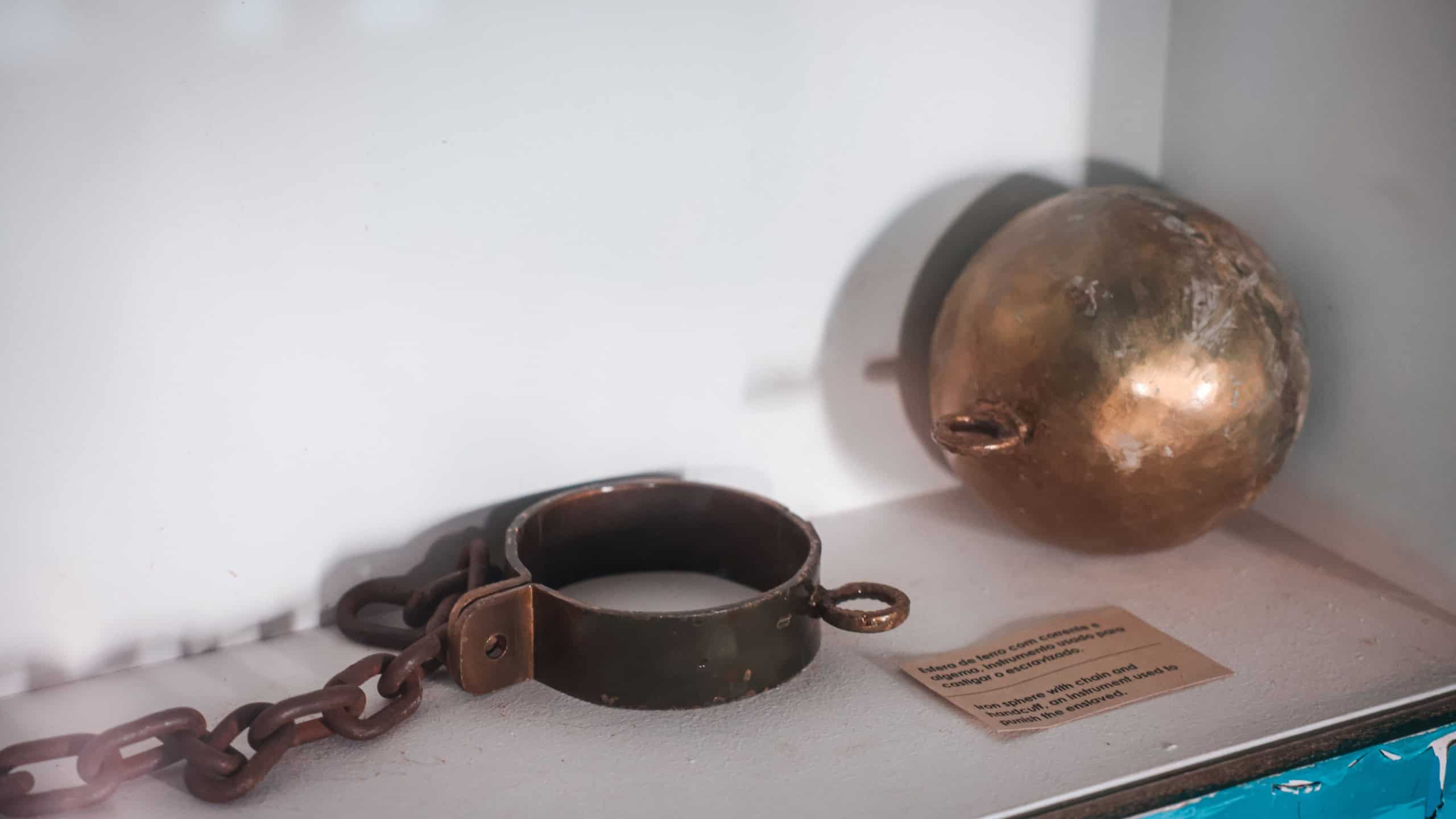
In his original draft of the Declaration of Independence, Thomas Jefferson did in fact include a scathing indictment of slavery and the transatlantic slave trade. In that document, he accused King George III of perpetuating the slave trade and interfering with the rights of enslaved people.
During the July 1776 Congressional debate over the Declaration delegates from certain colonies objected to one section leading to its exclusion from the finalized text. This is why the final Declaration extols freedom and equality but doesn’t mention slavery.
Women openly ran businesses during the Revolution

When the American Revolution began, many men left their homes to fight in the war. Women were left at home to plant and harvest crops, manage household funds, and take on other economic activities which supported their families and their communities. The women who had the additional responsibility of running a business while their husbands or fathers were away might have managed a tavern, or a small retail shop or store.
This work was not hidden or unusual. Account books, legal records, and contemporary writings indicate that women had, out of necessity, stepped into these positions in the absence of men and they provided economic support to their families and communities. After the war, when many men returned home, women were expected to relinquish these positions and responsibilities.
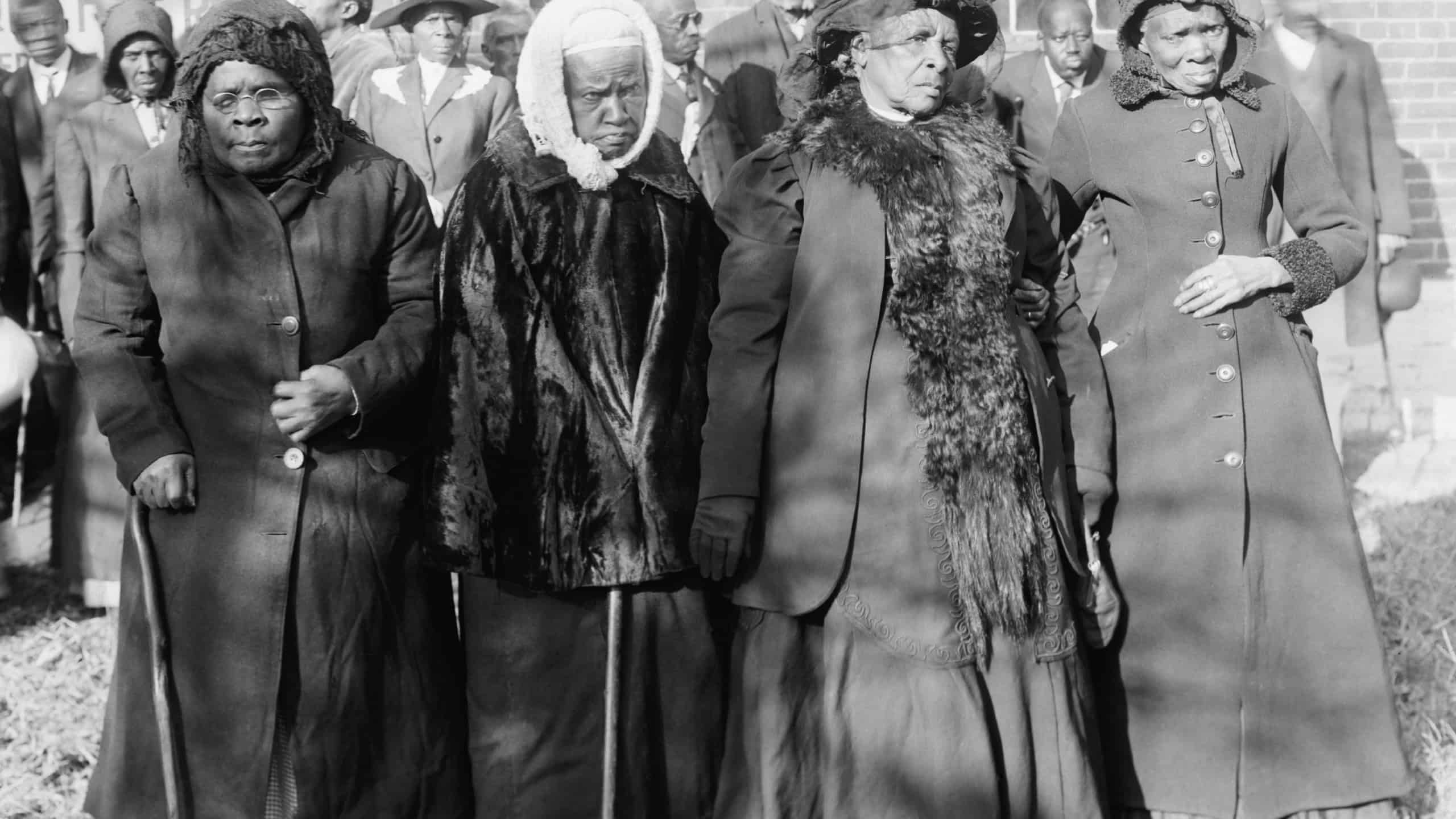
Ending slavery was not the war’s original goal
At the beginning of the Civil War in 1861, the majority did not view the abolishment of slavery as their main aim. The Union was breaking apart and Lincoln’s first objective was to reunite the country. There were many who wanted to see slavery come to an end, including Lincoln personally. However, at the start, the war was about preserving the Union above everything else. It was only later on in the Civil War that ending slavery became a priority.
As the war dragged on much longer than anyone had anticipated, Lincoln and his advisors decided it would be advantageous to the war effort and to cutting off foreign aid to the Confederacy to make the war an attack on slavery. In September 1862, he issued the Preliminary Emancipation Proclamation, and on January 1, 1863, in the Emancipation Proclamation, he made the destruction of slavery in the rebelling states a second official war aim along with the preservation of the Union.
Native tribes were once treated like foreign nations

In the early years of the United States, Native American tribes were regarded as foreign nations. The U.S. government negotiated and signed formal treaties with the tribes, just as it would with other countries, and these treaties are still held in the National Archives. In many cases, the treaties recognized tribal lands and promised tribal protection in return for peace or the cession of tribal land.
However, over time, new laws, court decisions, and policies gradually weakened these treaties. This change from regarding tribes as foreign nations to controlling them under U.S. law didn’t happen all at once. It took decades, and it happened in small legal steps.
Child labor was defended as “good for the country”

In the 19th and early 20th century, many of the owners of factories and other businesses claimed that child labor was beneficial for the country. They said that it instilled values of discipline and responsibility in children, taught them skills, and allowed the economy to grow.
However, from the documents that remain from that time period, one gets a different image. Photographs, payroll rosters, and congressional testimonies all speak of children toiling in factories and mills for long hours in dangerous conditions. It took publicity by newspaper reporters and agitation by reformers to force the government to act on behalf of child workers.
Sources: Please see here for a complete listing of all sources that were consulted in the preparation of this article.
Like our content? Be sure to follow us.


