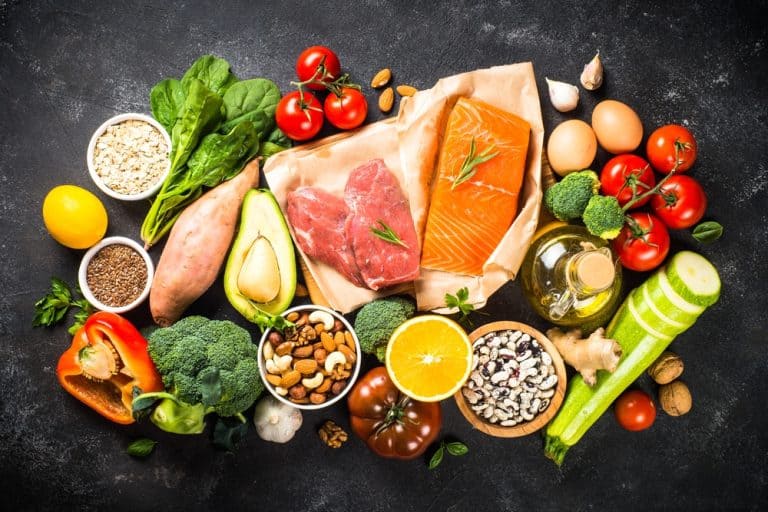

What you eat can play an important role in protecting your arteries and supporting better heart health over time.
Cold-pressed extra virgin olive oil
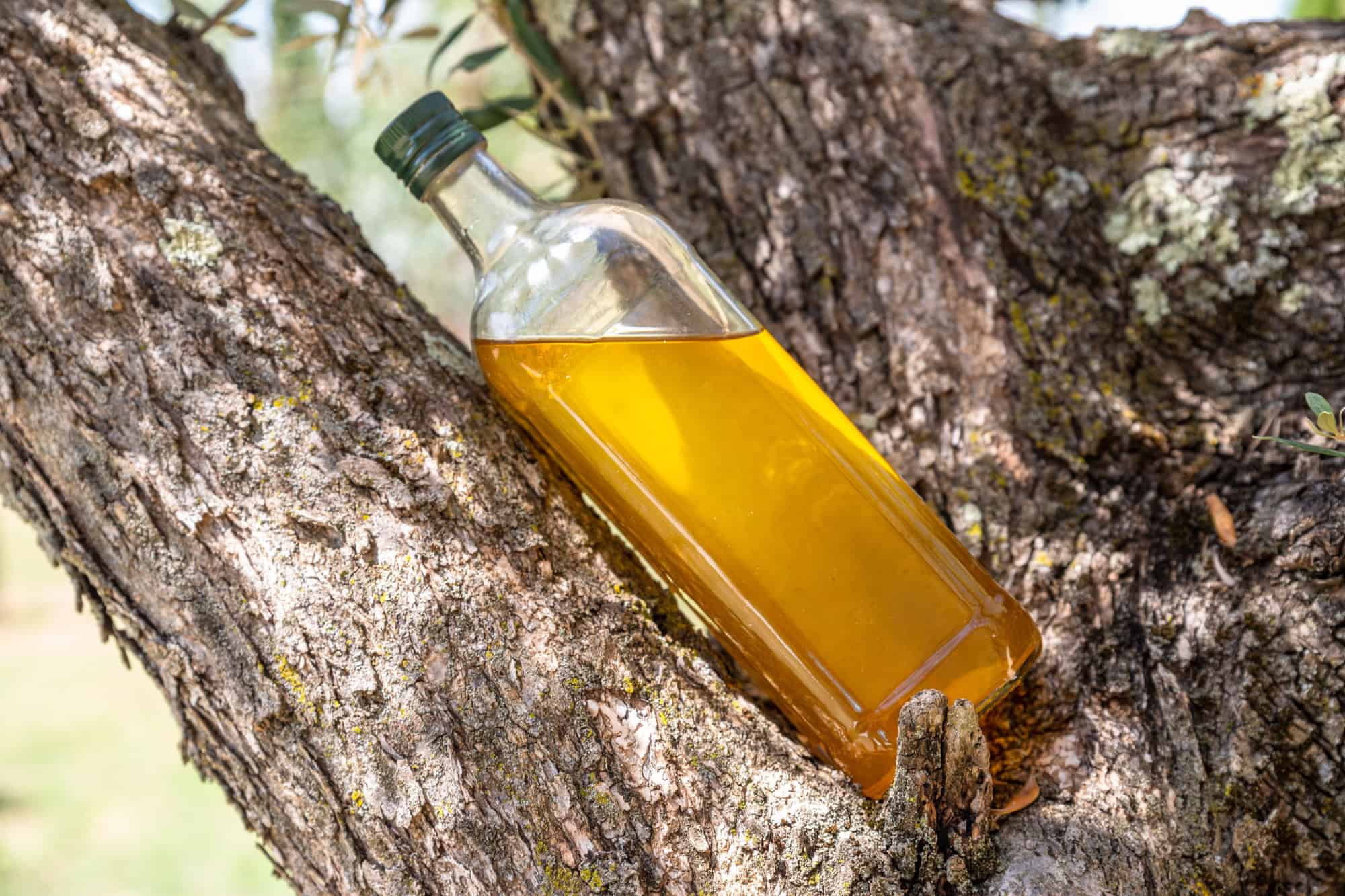
Raw extra virgin olive oil is the main dietary fat source used in the Mediterranean diet. It is rich in monounsaturated fats and beneficial polyphenol antioxidants. Using cold-pressed olive oil in cooking each day can protect LDL particles from oxidative damage, lower inflammation throughout the body’s vascular system and prevent arteries from hardening over time.
Wild-caught fatty fish
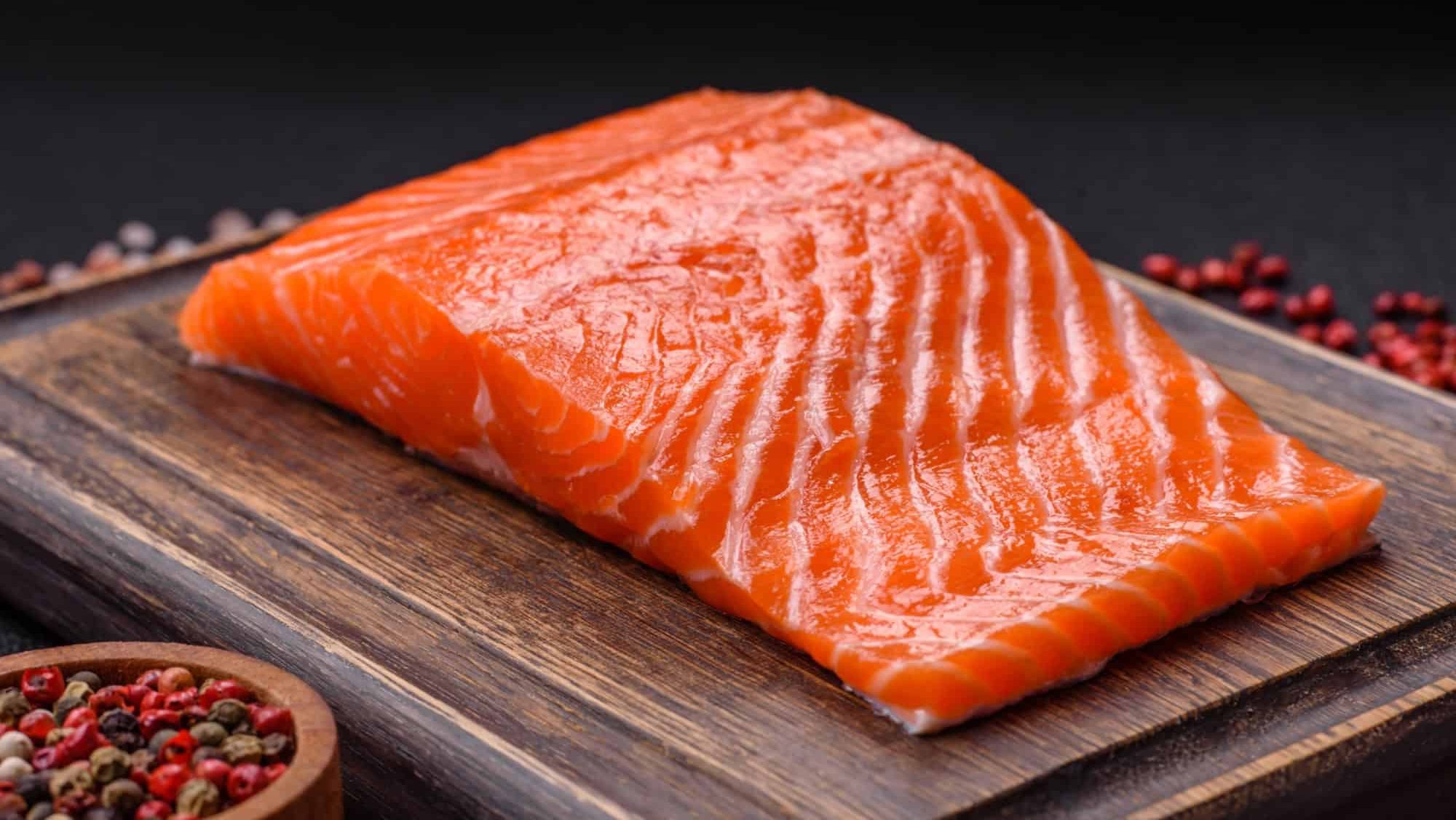
Cold-water fatty fish such as wild salmon, sardines, mackerel and anchovies are particularly rich in long-chain omega-3 fats EPA and DHA. Consuming fatty fish lowers high blood triglycerides, reduces blood platelet aggregation (clumping that can lead to vascular blockages) and maintains the health of the lining of blood vessels to promote unimpeded circulation throughout major arteries.
Soluble fiber-rich oats
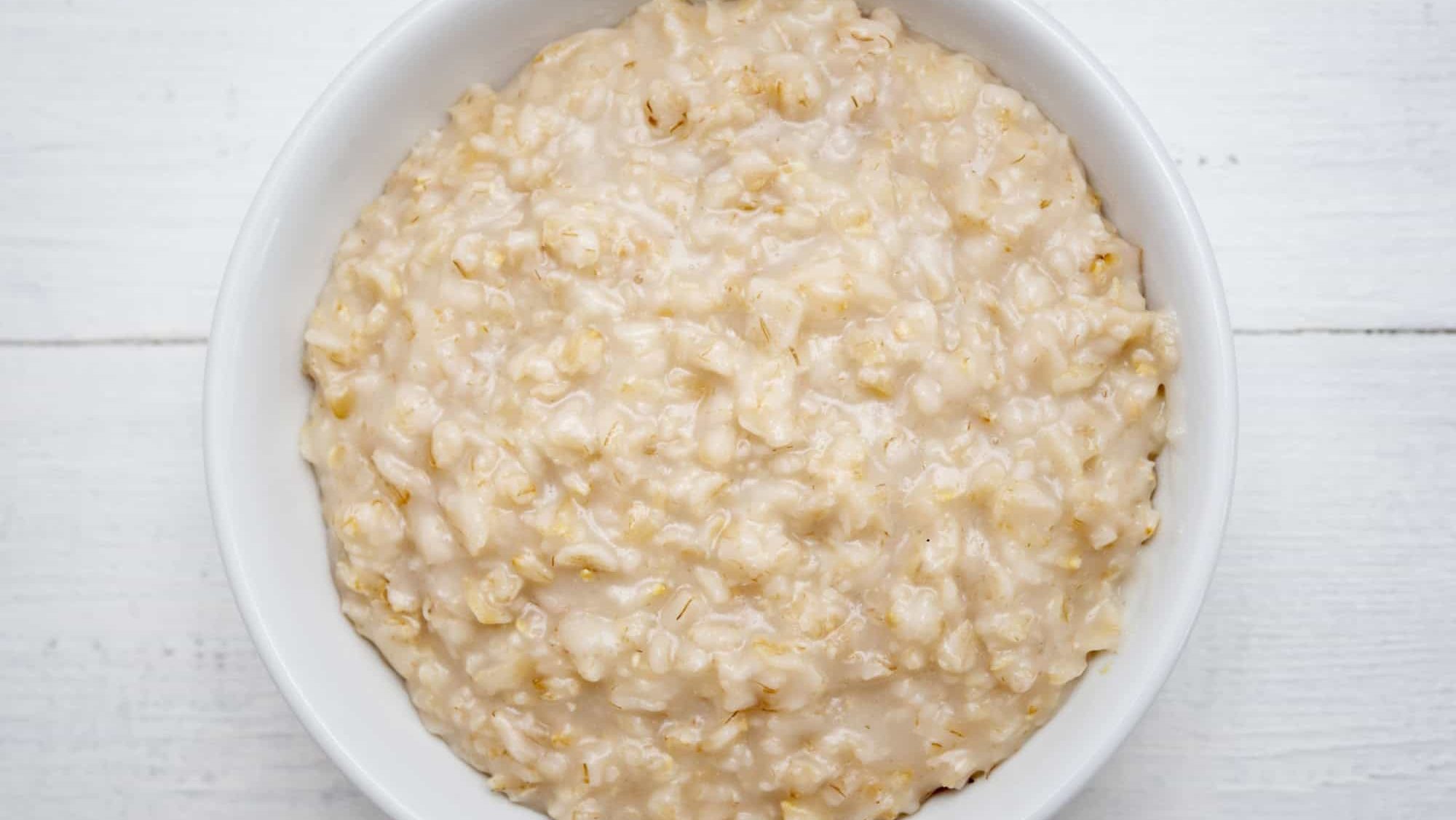
Steel-cut and rolled oats are particularly high in beta-glucan, which is a unique form of soluble fiber that transforms into a gel within your digestive tract. This gel attaches directly to bile that is high in cholesterol and expels it from your body during regular digestion. Your liver must then pull additional LDL cholesterol from your blood to create more bile, thereby reducing blood lipid levels naturally.
Fresh leafy greens
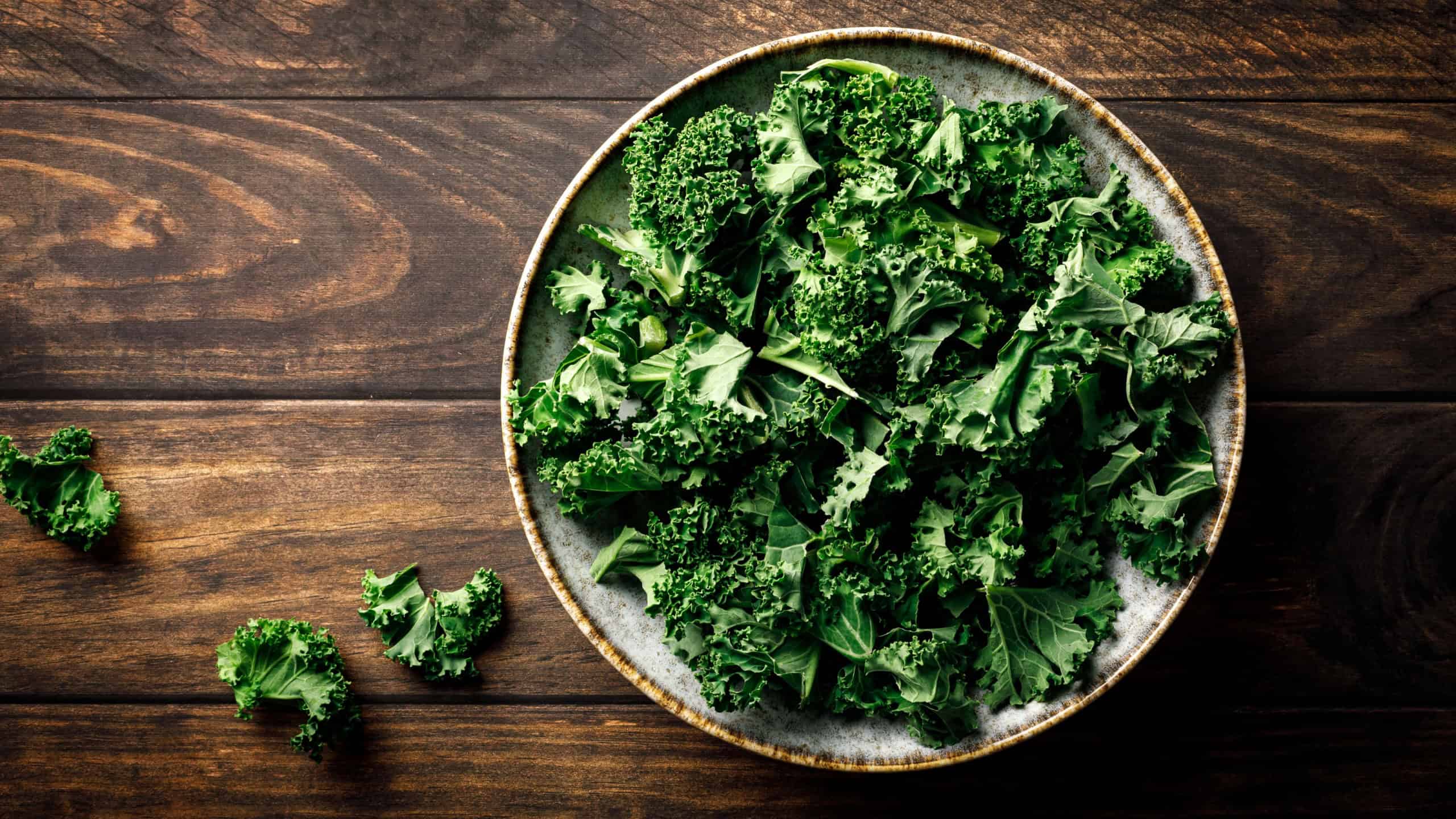
Dark green vegetables like spinach, kale, Swiss chard, and arugula provide plentiful sources of dietary nitrates. Your cardiovascular system transforms nitrate into nitric oxide.
Nitric oxide naturally dilates your blood vessels by relaxing arterial walls, increasing blood flow throughout your entire vascular system and staving off arterial rigidity associated with chronic plaque buildup and hypertension.
Unsalted raw walnuts
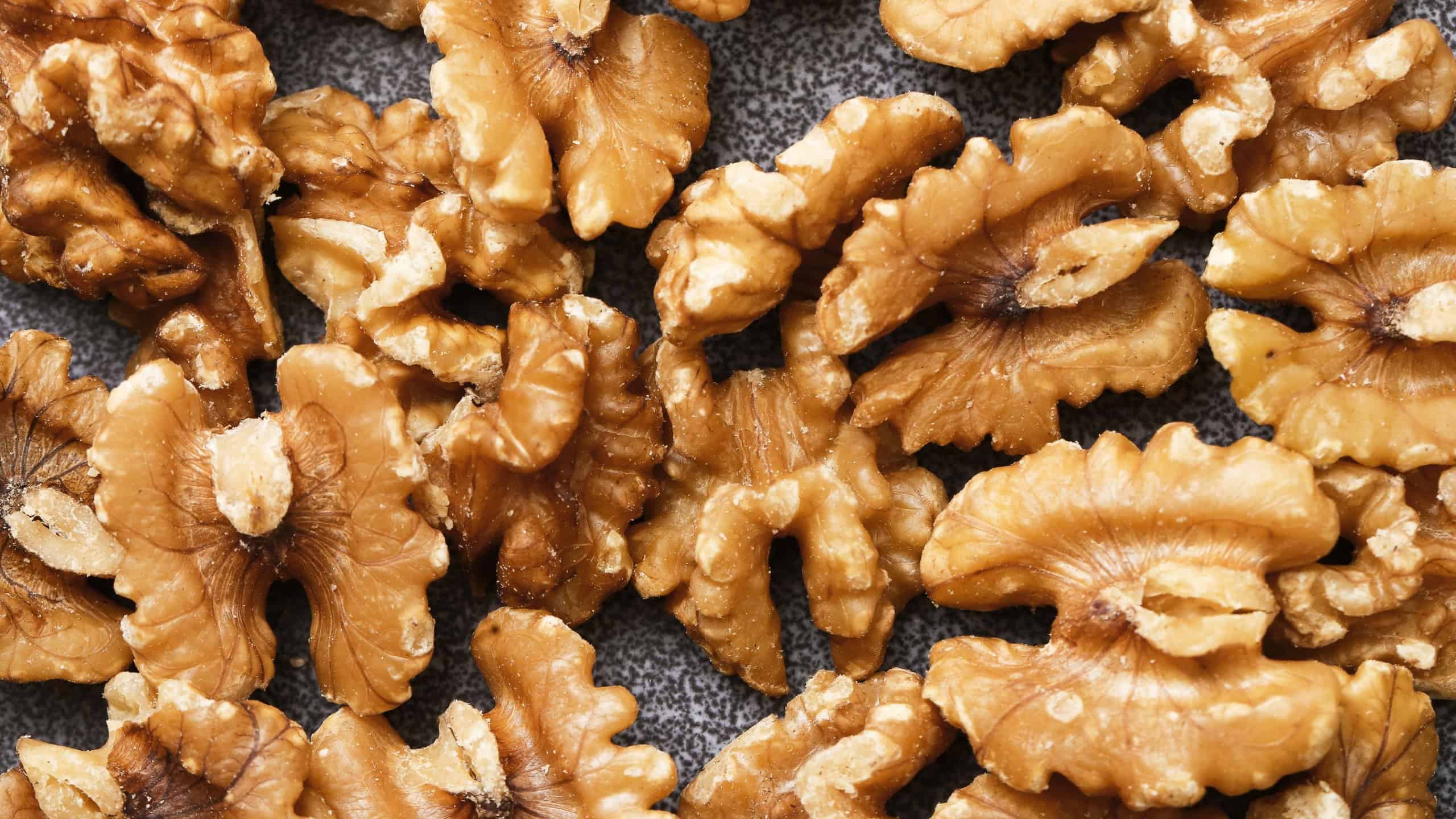
Walnuts are different from other tree nuts because they have significant amounts of the plant-based omega-3 fatty acid alpha-linolenic acid (ALA), as well as heart-healthy plant sterols and magnesium.
Eating a handful of raw, unsalted walnuts daily can lower total circulating LDL cholesterol, improve blood vessel function, and help prevent oxidative cell damage to the sensitive inner lining of your coronary arteries.
Antioxidant-dense berries
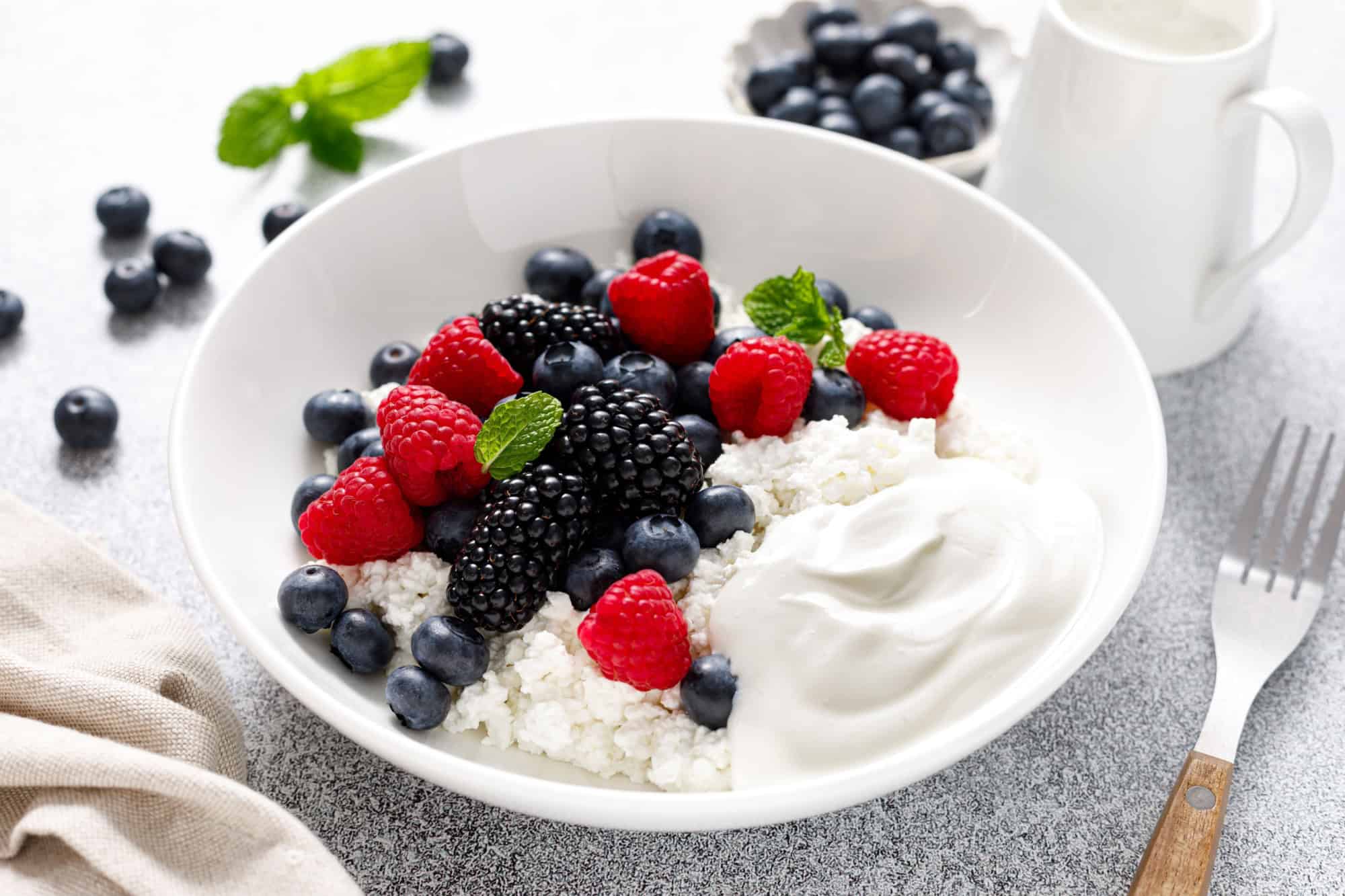
Blueberries, blackberries, raspberries, and strawberries are rich sources of flavonoid antioxidants called anthocyanins. Anthocyanins are responsible for the red and dark purple colors of many fruits.
They protect the vascular endothelial cells from oxidative stress, inhibit oxidation of cholesterol in the blood vessels and help lower blood pressure by keeping arteries dilated to accommodate changes in physical demands.
Bioactive raw garlic

When garlic is crushed or chopped, a reaction causes enzymatic production of allicin, which is a member of the bioactive sulfur-containing compound family. Allicin has been shown to have significant cardiovascular advantages. Garlic helps prevent hardening of the arteries, reduces blood pressure, and keeps platelets from sticking to damaged arteries, thus reducing the speed of plaque build-up.
Whole raw avocado
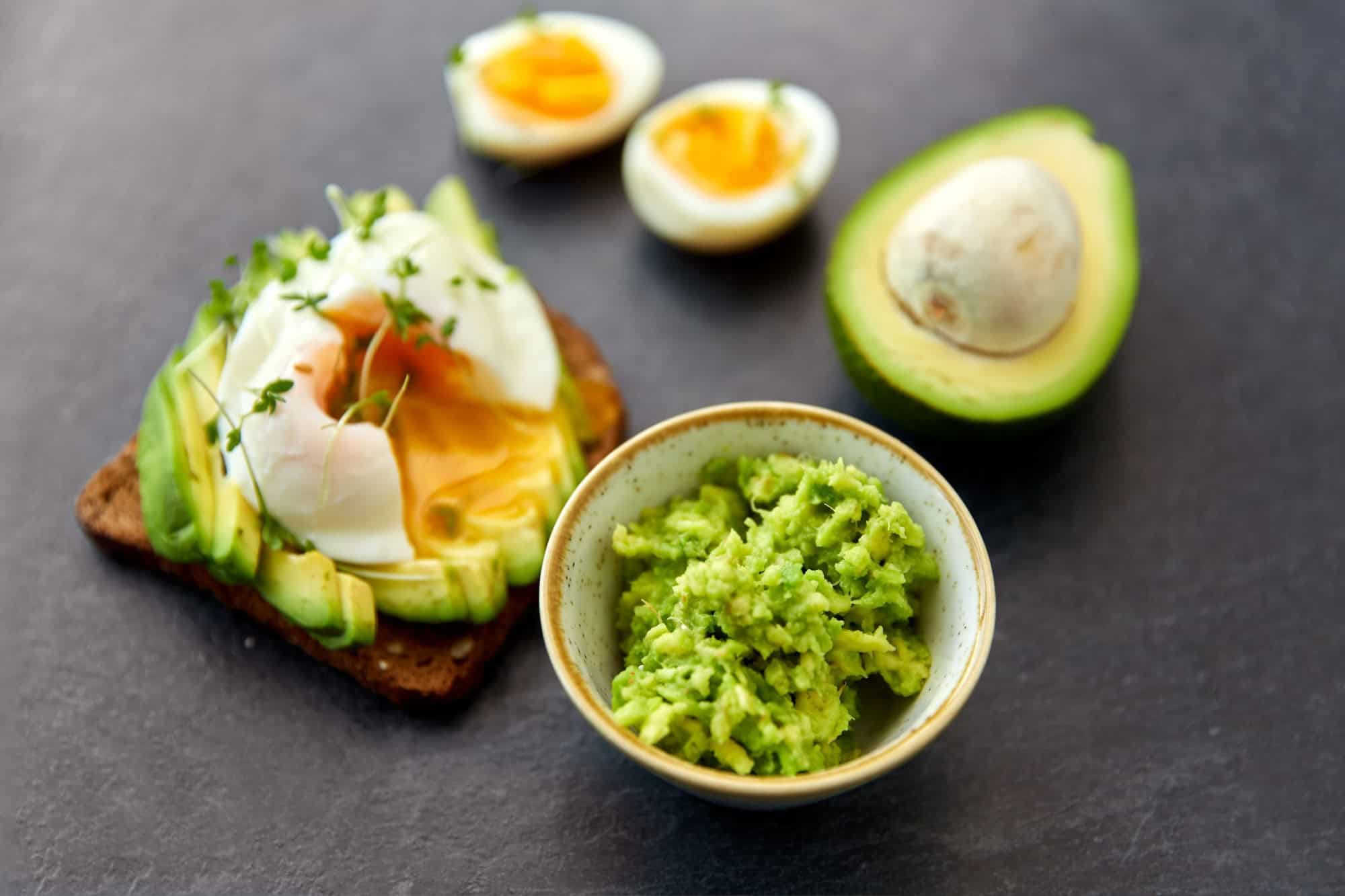
Avocados provide a good source of heart healthy monounsaturated fats, potassium and are high in plant sterols. Monounsaturated fats lower LDL cholesterol and blood triglycerides without affecting HDL cholesterol, and potassium helps offset sodium consumption to reduce physical stress on artery walls throughout your body.
Polyphenol-rich pomegranates
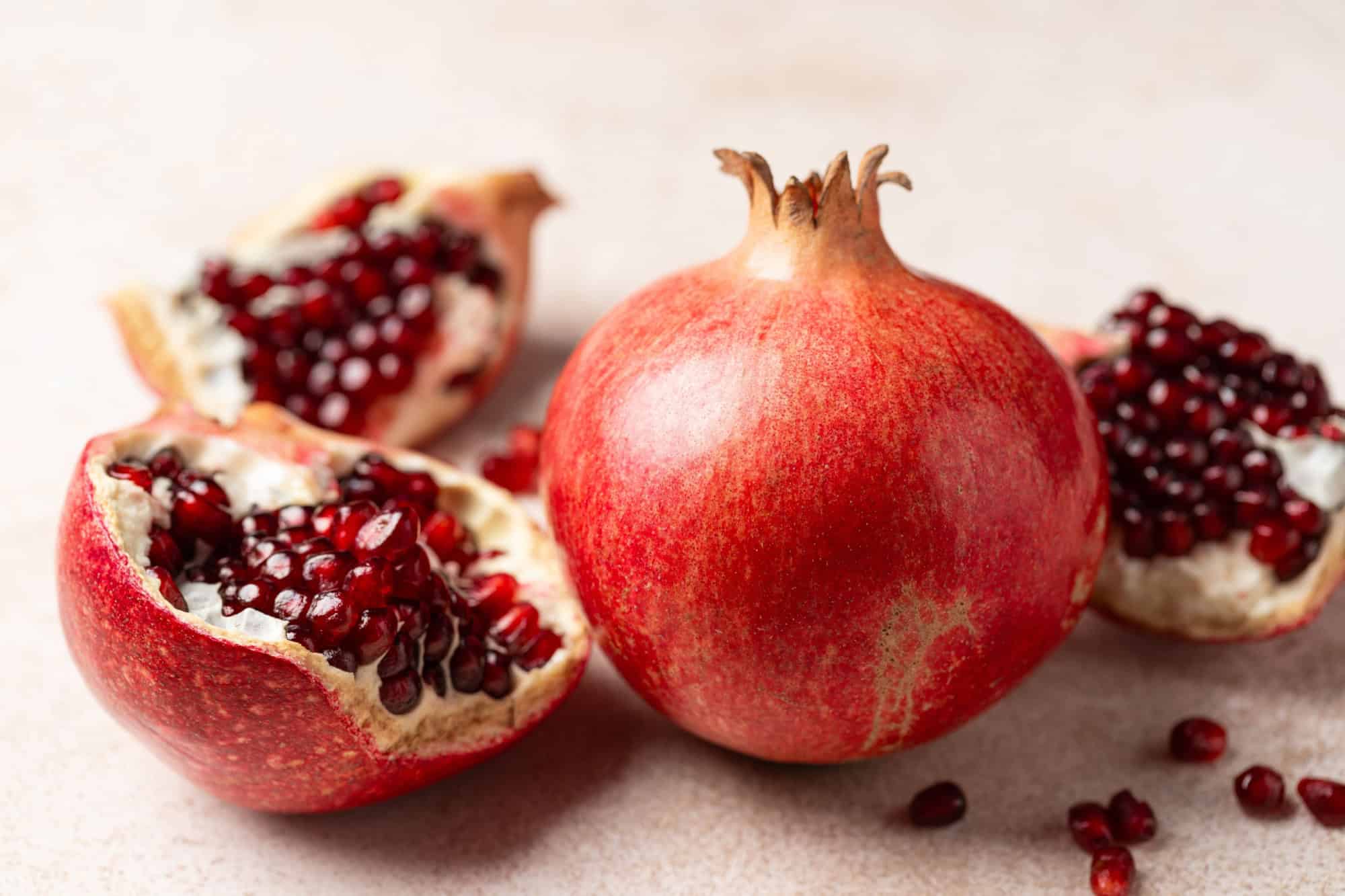
Antioxidants found in pomegranate seeds and pure pomegranate juice called punicalagins and tannins have been shown to benefit vascular health. Eating them regularly protects the inner lining of arteries from oxidative damage, boosts nitric oxide production within artery walls, and has even been proven to reduce arterial thickening within the body’s major carotid arteries.
Whole citrus fruits
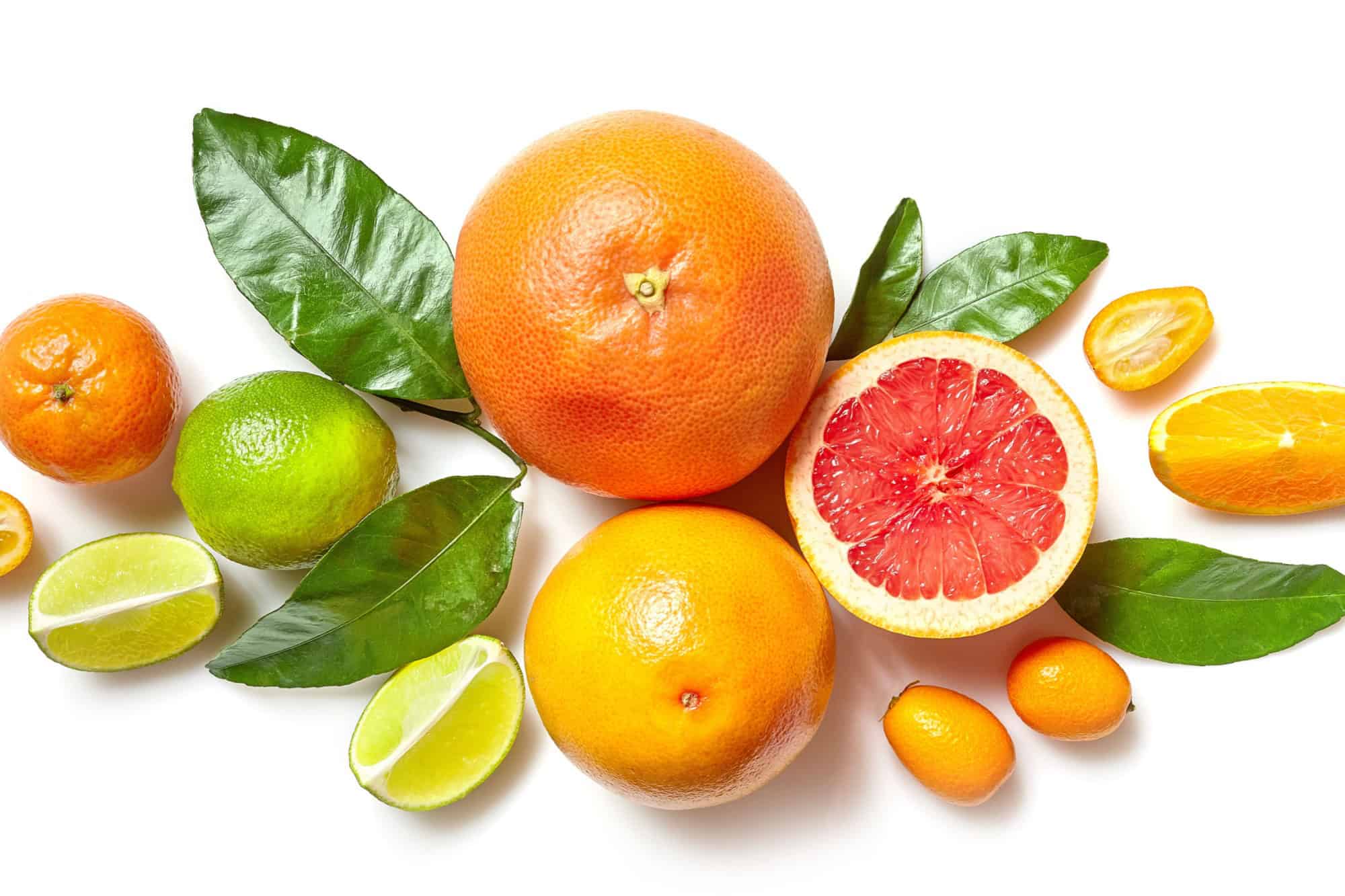
Oranges, grapefruits, lemons and limes are especially high in pectin, which is a soluble fiber that binds to cholesterol in the diet. They are also rich in citrus flavonoids such as hesperidin. Studies have shown that these plant compounds lower cholesterol levels in the bloodstream. They enhance circulation in the microvasculature and prevent white blood cells from sticking to arterial walls at early stages of plaque build-up.
Whole flaxseeds and chia seeds
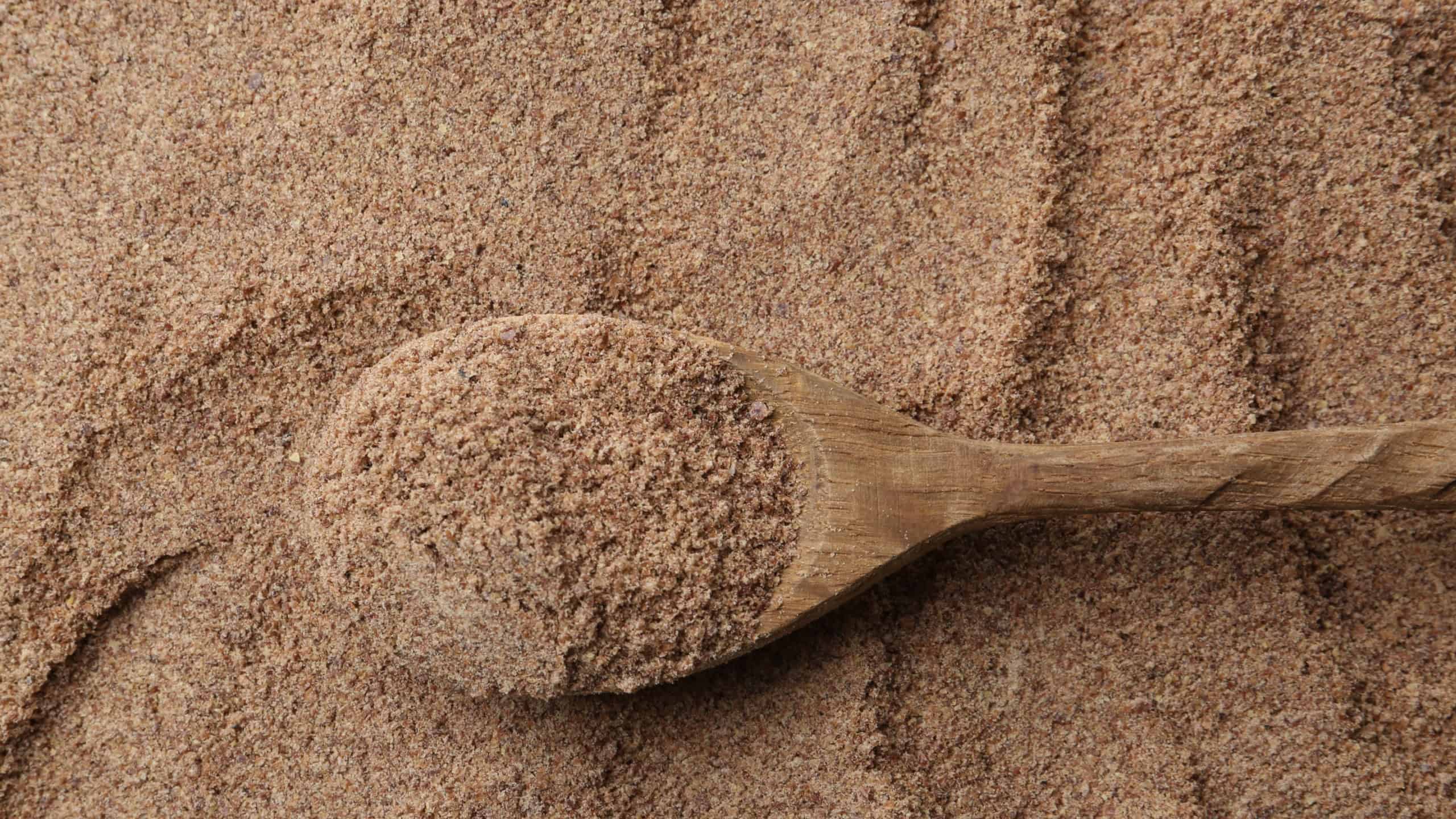
Ground flaxseed and chia seeds are great sources of soluble fiber and mucilage as well as alpha linolenic acid (ALA), a plant-based omega-3 fatty acid. Consumed regularly, these tiny powerhouses become a gel-like substance in the gut that attaches to extra cholesterol in the body, drawing circulating LDL out of the blood while also promoting overall vascular elasticity and decreasing inflammation.
Sources: Please see here for a complete listing of all sources that were consulted in the preparation of this article.
Like our content? Be sure to follow us.
11 everyday habits that could be hurting your health, according to doctors
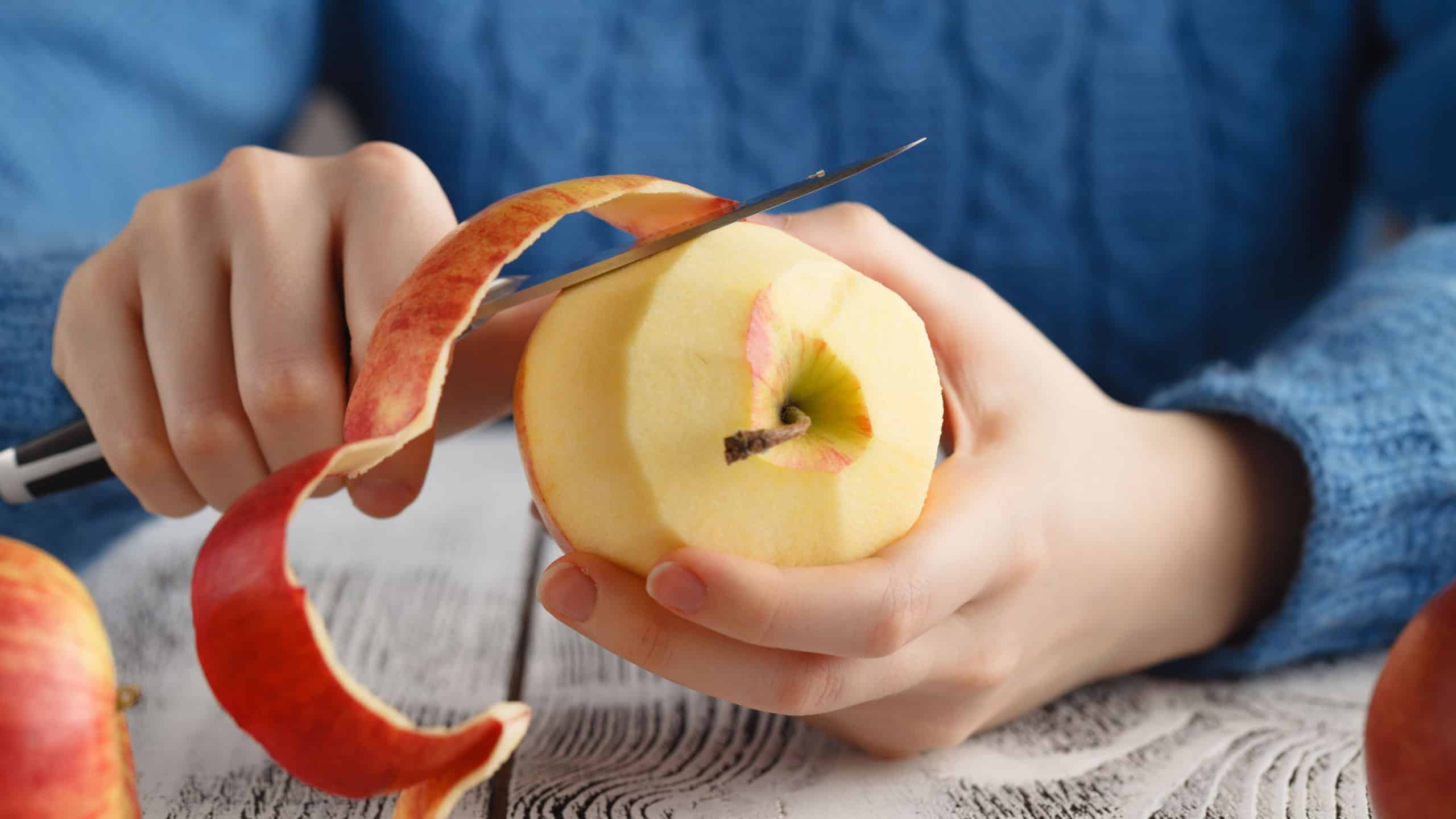
Researchers and physicians have discovered multiple daily habits many of us do without thinking (and some we believe are healthy) that are slowly breaking our bodies down.
11 everyday habits that could be hurting your health, according to doctors

