
Sometimes history remembers the biggest story while the other story becomes nearly forgotten footnotes.
The Peshtigo Fire (October 8, 1871)
Overshadowed by: The Great Chicago Fire
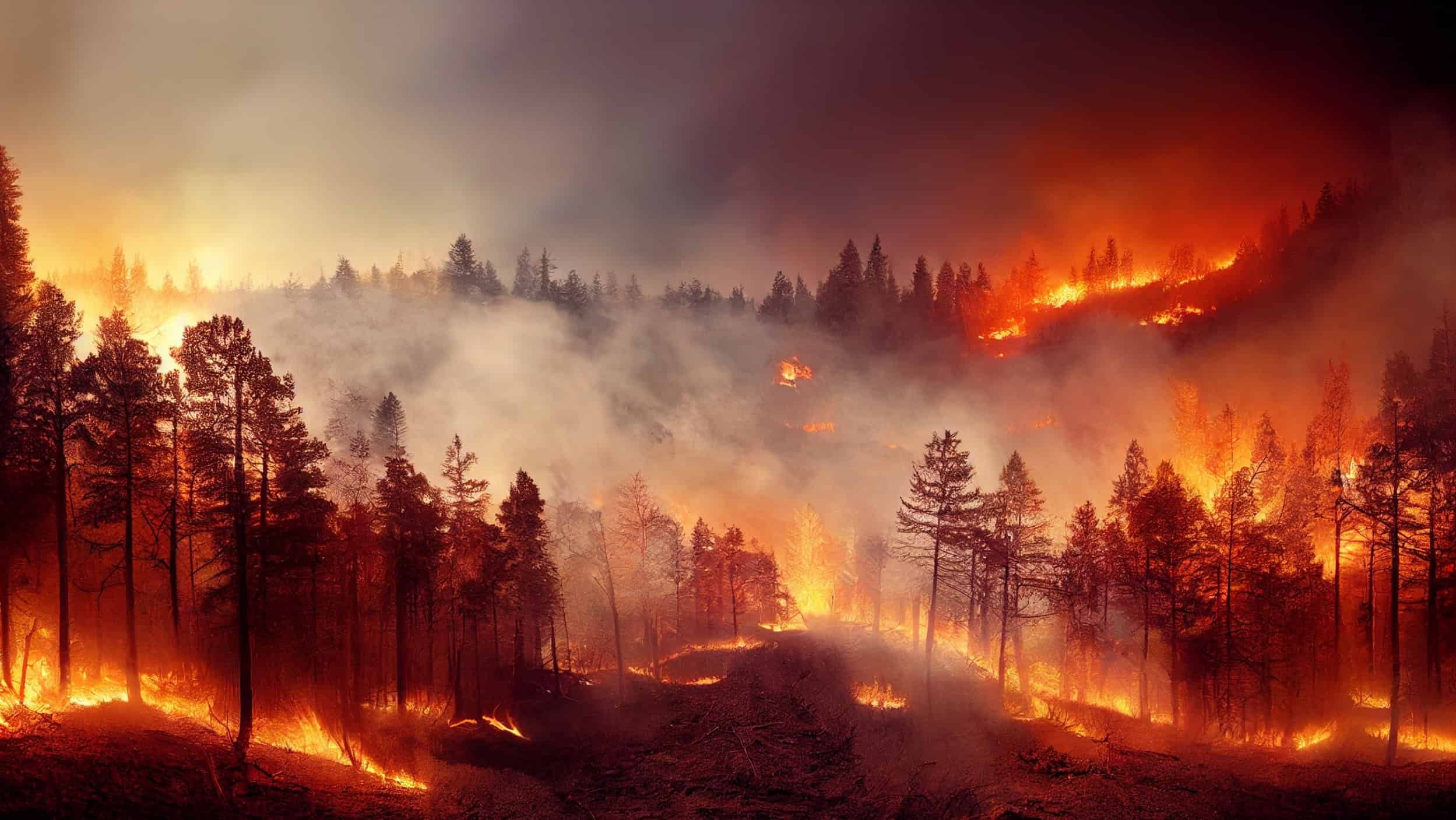
On the night of October 8th, 1871, the Peshtigo Fire killed between 1,500 and 2,500 people when it burned down more than 1.2 million acres in Wisconsin. It remains the deadliest wildfire in American history.
But that night there was another fire in Chicago, Illinois. Since Chicago was a major media and telegraph center at the time, the “Great Chicago Fire” (reportedly around 300 deaths) monopolized the news, while thousands dying in Peshtigo were barely noticed.
The sinking of the SS Sultana (April 27, 1865)
Overshadowed by: The Assassination of Abraham Lincoln & Hunt for John Wilkes Booth
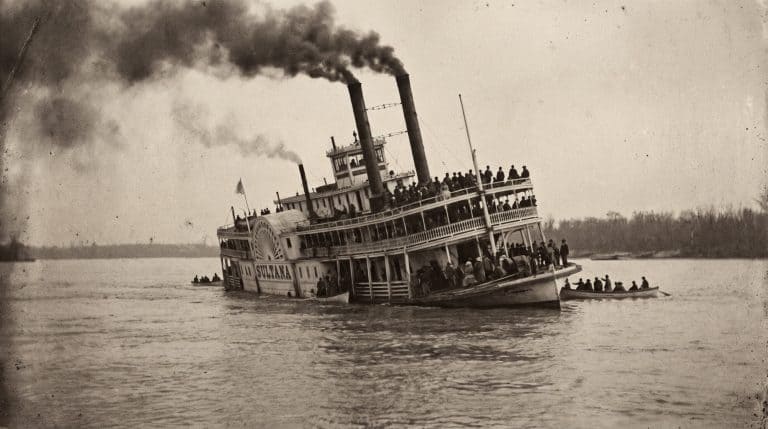
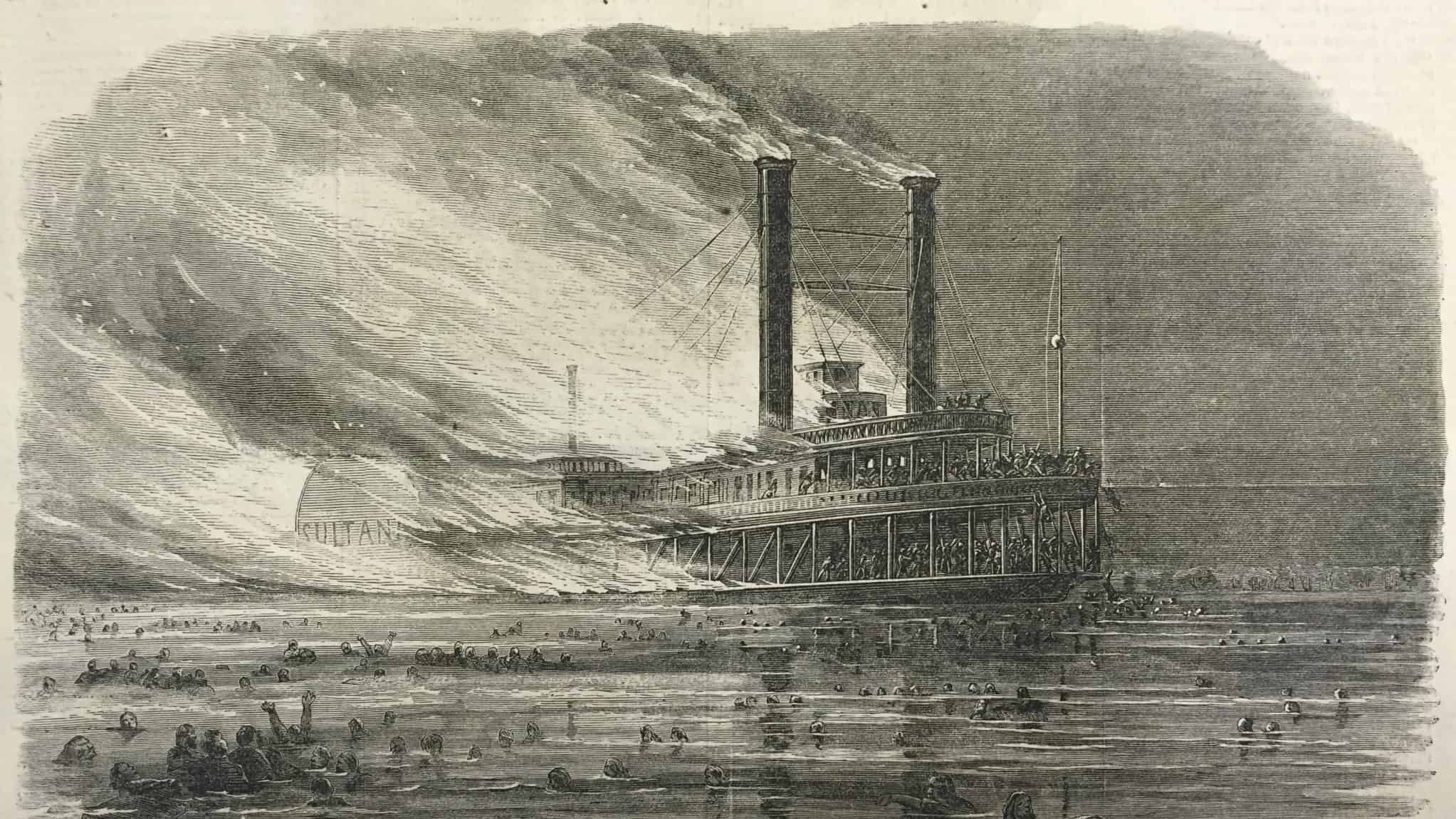
The SS Sultana, a commercial sidewheel steamboat, blew up while navigating the Mississippi River near Memphis, Tennessee, killing about 1,168 to 1,800 passengers. Most victims were recently freed Union prisoners of war returning home after the American Civil War ended. The explosion was the deadliest maritime disaster in American history.
However, Abraham Lincoln had been assassinated less than two weeks earlier, and his assassin, John Wilkes Booth, was hunted down and killed just one day before the explosion. Newspapers therefore devoted nearly their entire editions to covering the domestic political tragedy rather than the steamboat tragedy.
The liberation of Rome (June 4, 1944)
Overshadowed by: The D-Day Normandy Landings
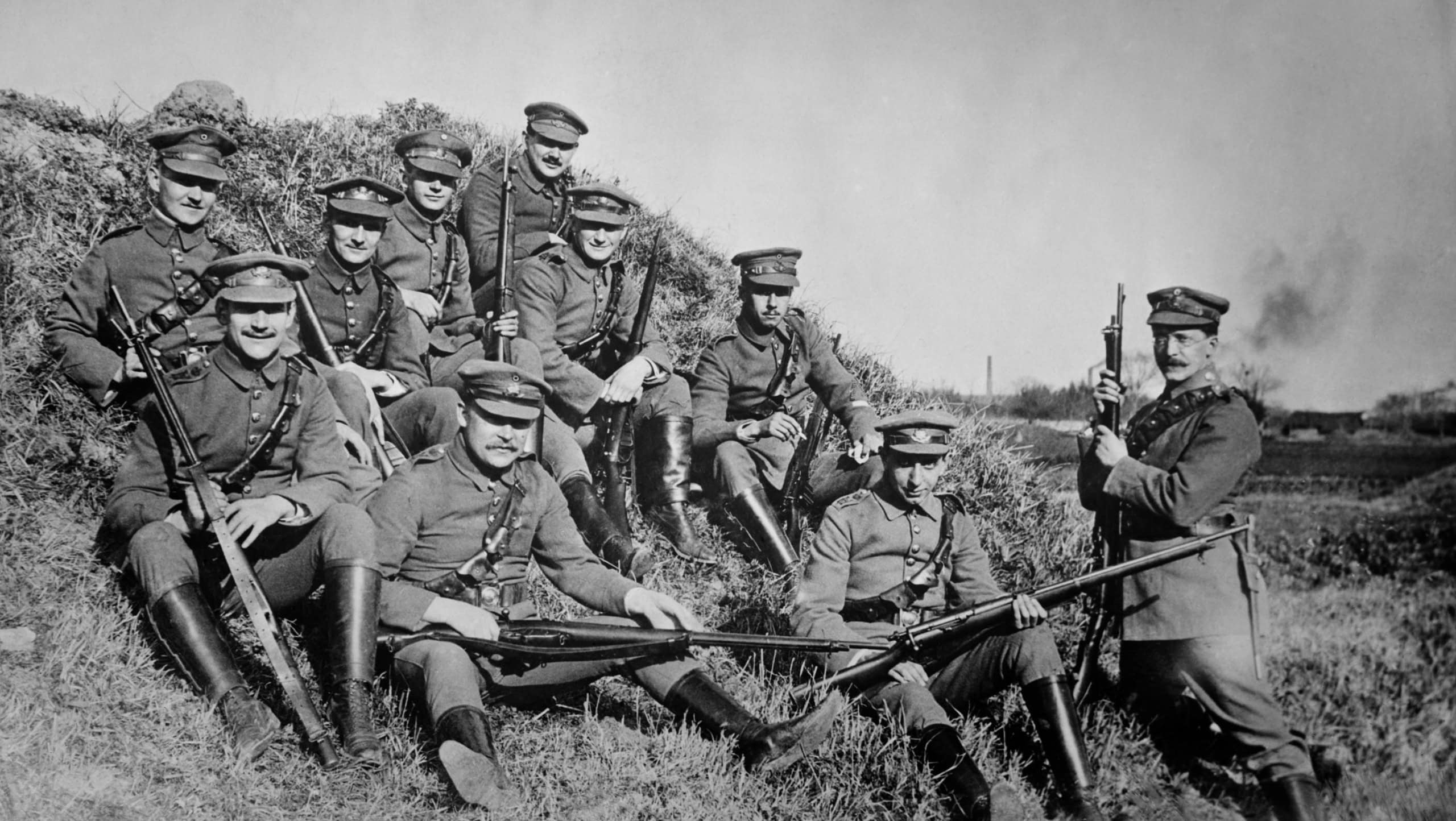
June 4, 1944 saw the Allies achieve one of their greatest psychological and strategic victories of World War II with the liberation of Rome. It was the first Axis capital to fall to Allied hands. Generals and politicians alike expected worldwide acclaim to rain down upon them.
But only 36 hours later, June 6 brought Operation Overlord, otherwise known as the D-Day landings, in Normandy, France. Newspaper headlines across the world quickly shifted from Rome as the invasion of Western Europe was colossal in comparison.
The deaths of C.S. Lewis and Aldous Huxley

Overshadowed by: The Assassination of John F. Kennedy
C.S. Lewis, writer of The Chronicles of Narnia, and Aldous Huxley, author of Brave New World, both died November 22, 1963. Normally, either death would have merited national news coverage in the U.S. obituaries.
Both men died within hours of U.S. President John F. Kennedy being shot and killed in Dallas, Texas. World media went into a frenzy covering the JFK assassination, and for days Lewis’ and Huxley’s deaths went unnoticed.
Operation Bagration (June 22, 1944)
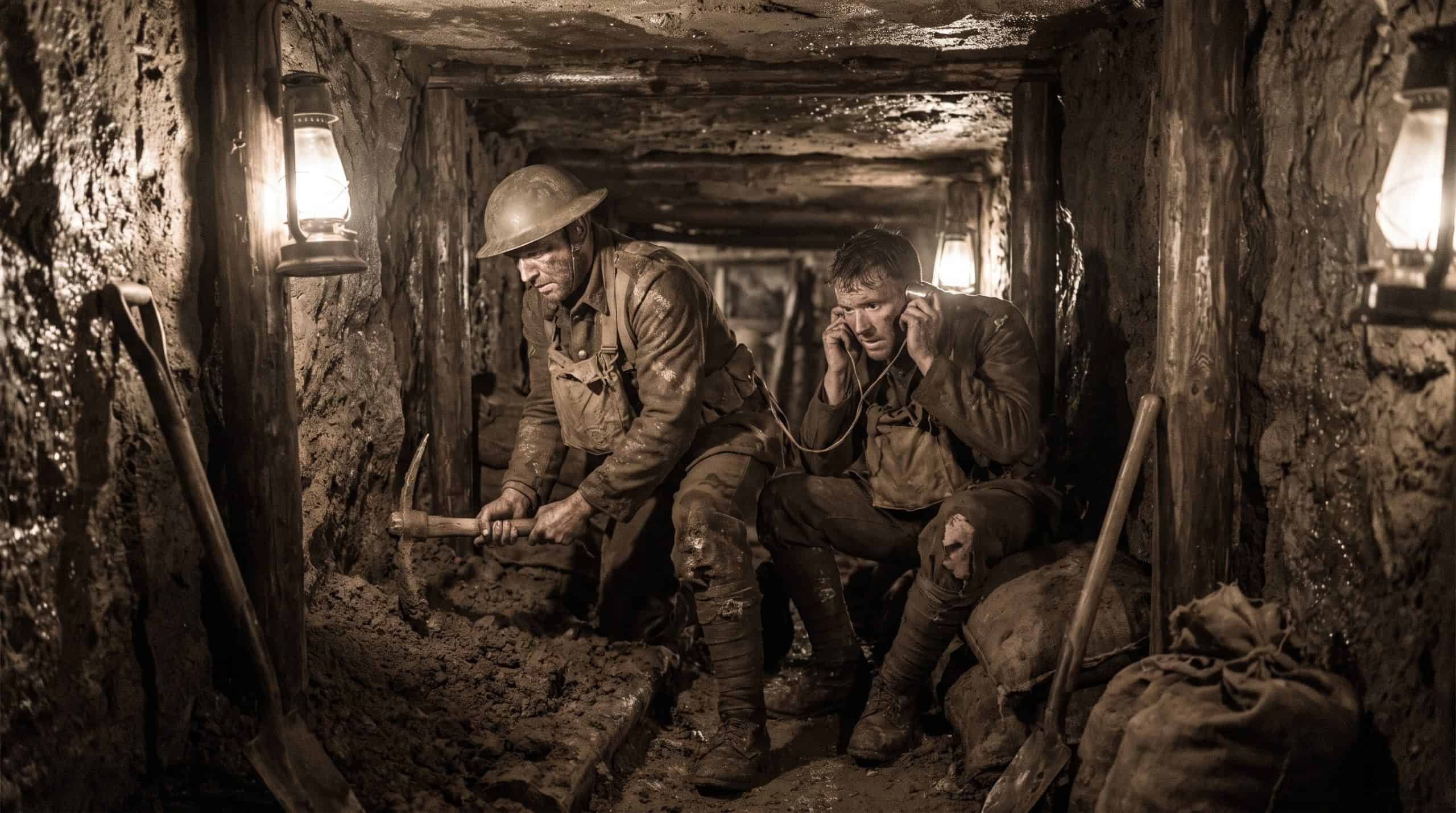
Overshadowed by: The Western Allied Battle for Normandy
While the Western world was focused on Normandy during the summer of 1944, the Soviet Union had just begun one of the largest military operations in history on the Eastern Front.
Codenamed Operation Bagration, it would involve over 2.3 million Soviet troops who would decisively defeat the German Army Group Centre, ruining the Wehrmacht and leaving it with about 400,000 casualties.
Although it was considered by many to be the deciding land victory of World War II in Europe, newsreels in the West focused nearly all of their coverage on Allied advancements through France.
The Death of Mother Teresa (September 5, 1997)
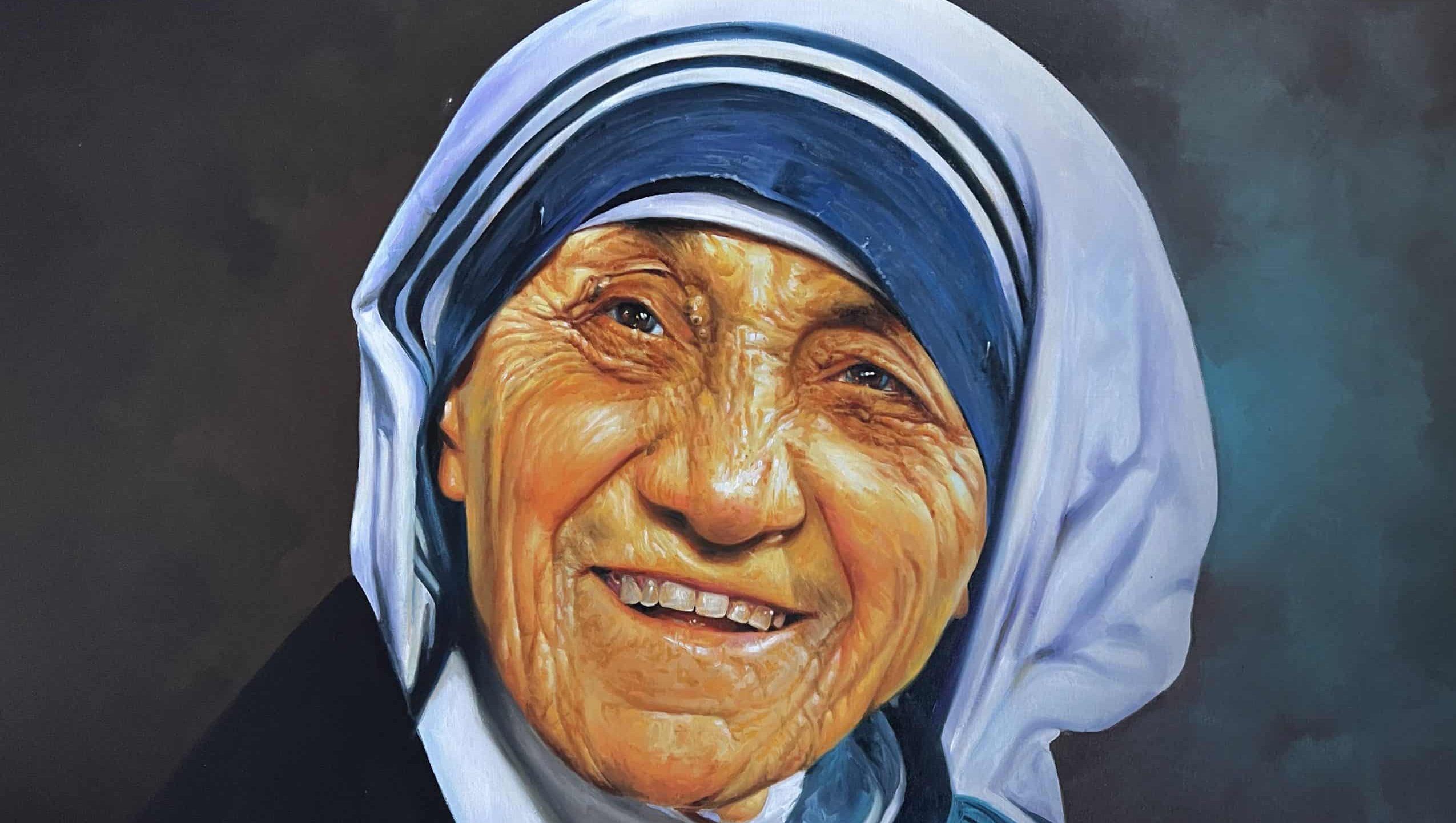
Overshadowed by: The Death and Funeral of Princess Diana
World-famous Kolkata-based humanitarian Mother Teresa, Nobel Peace Prize winner, died at age 87 on September 5, 1997, but she died in the midst of worldwide mourning for Diana, Princess of Wales, who had died in a Paris car crash just days before Mother Teresa (August 31).
Mother Teresa’s funeral took place almost simultaneously with the extraordinary outpouring of public emotion and global media frenzy over Diana, and as a result received considerably less attention than otherwise might have been the case.
The Great Comet of 1910
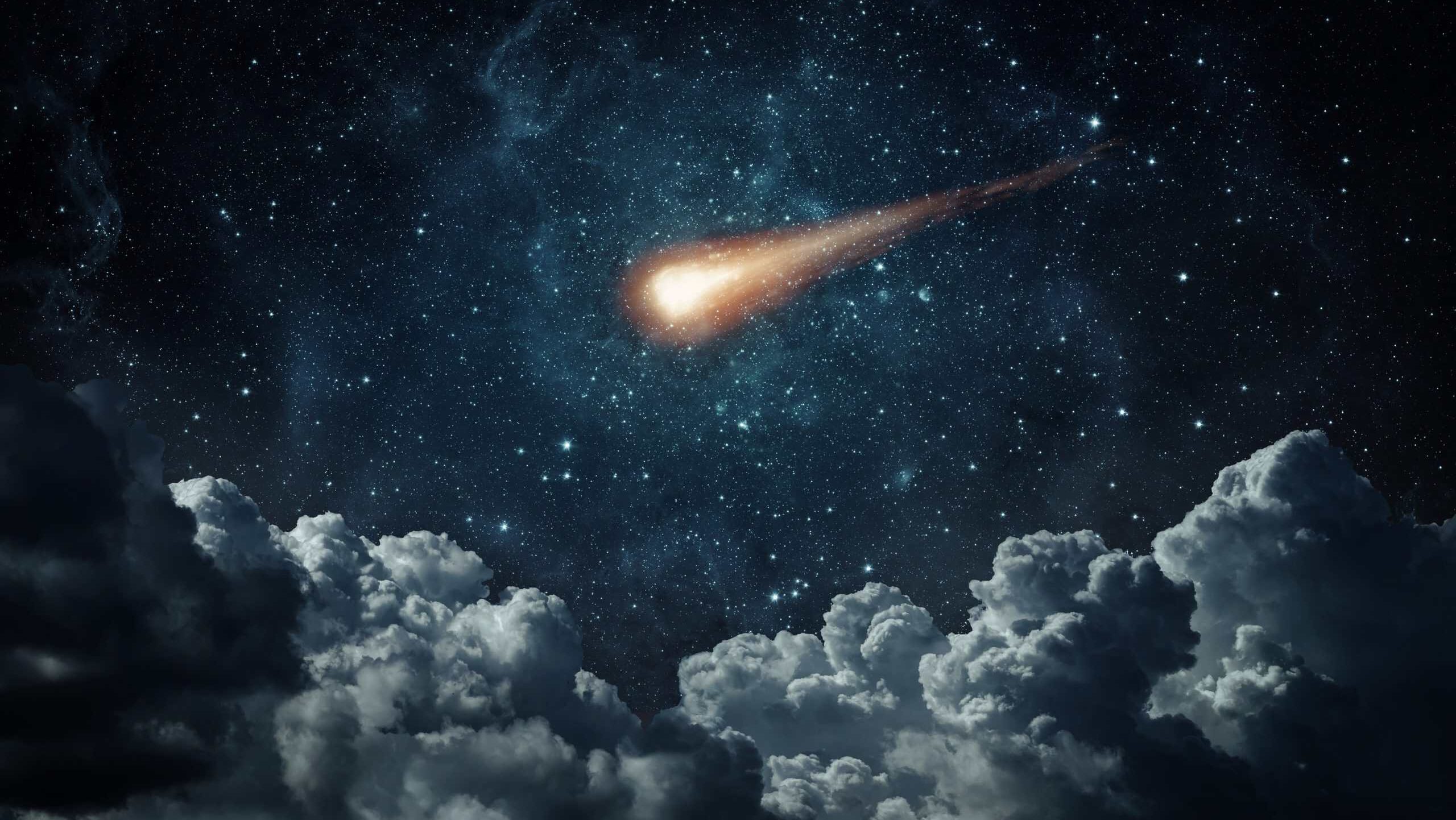
Overshadowed by: Halley’s Comet
On January 19, 1910, “The Great January Comet” (C/1910 A1) abruptly appeared in the daytime sky. Bright enough to safely view next to the sun with the naked eye, it outshone Venus in the sky.
Halley’s Comet was due for its predictable 76-year reappearance just a few months later in May of 1910. Due to the enormous media buildup for Halley’s appearance, many people mistook or forgot the brighter January comet, leading to the merging of the two events in popular culture.
Farrah Fawcett’s Passing (June 25, 2009)

Overshadowed by: The Death of Michael Jackson
On June 25, 2009, actress and 1970s television star Farrah Fawcett died from cancer at the age of 62. News outlets devoted to entertainment journalism planned tributes that would last the whole day to cover her death.
Hours later, it was announced that pop icon Michael Jackson had died of cardiac arrest in Los Angeles. The outpouring of worldwide mourning traffic towards “The King of Pop” essentially erased her death from prominent media outlets for weeks.
Death of Farooq of Egypt (March 18, 1965)
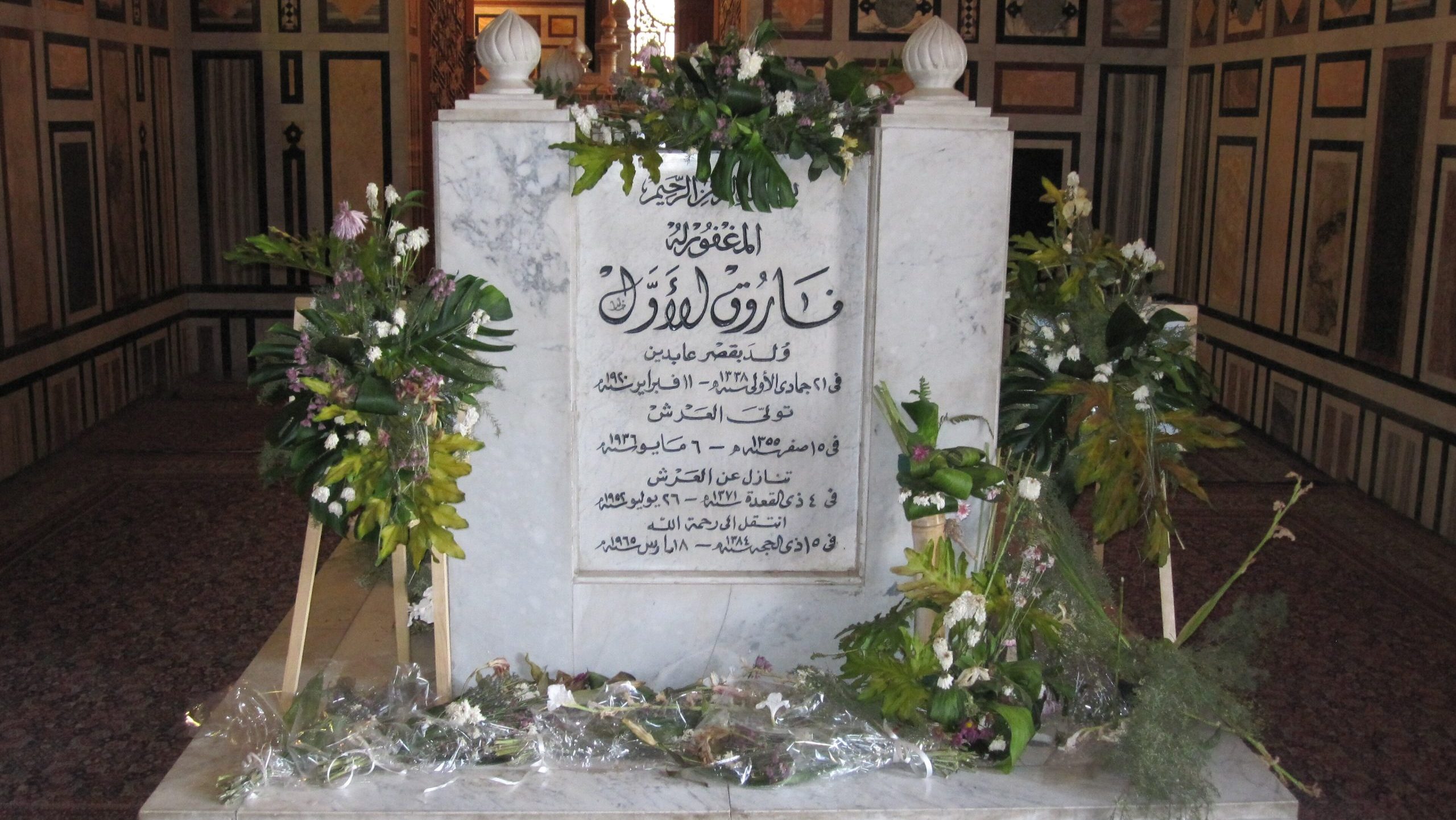
Overshadowed by: The First Spacewalk in Human History
The death of King Farooq, the last reigning King of Egypt, effectively ended one of the most influential royal bloodlines to rule the Middle East.
On the same day, however, Soviet astronaut Alexei Leonov became the first man to walk in space. Leonov stepped out of the spacecraft Voskhod 2 for more than 12 minutes. The milestone reached in the space race between the Soviet Union and the United States was front page news.
The Death of Groucho Marx (August 19, 1977)
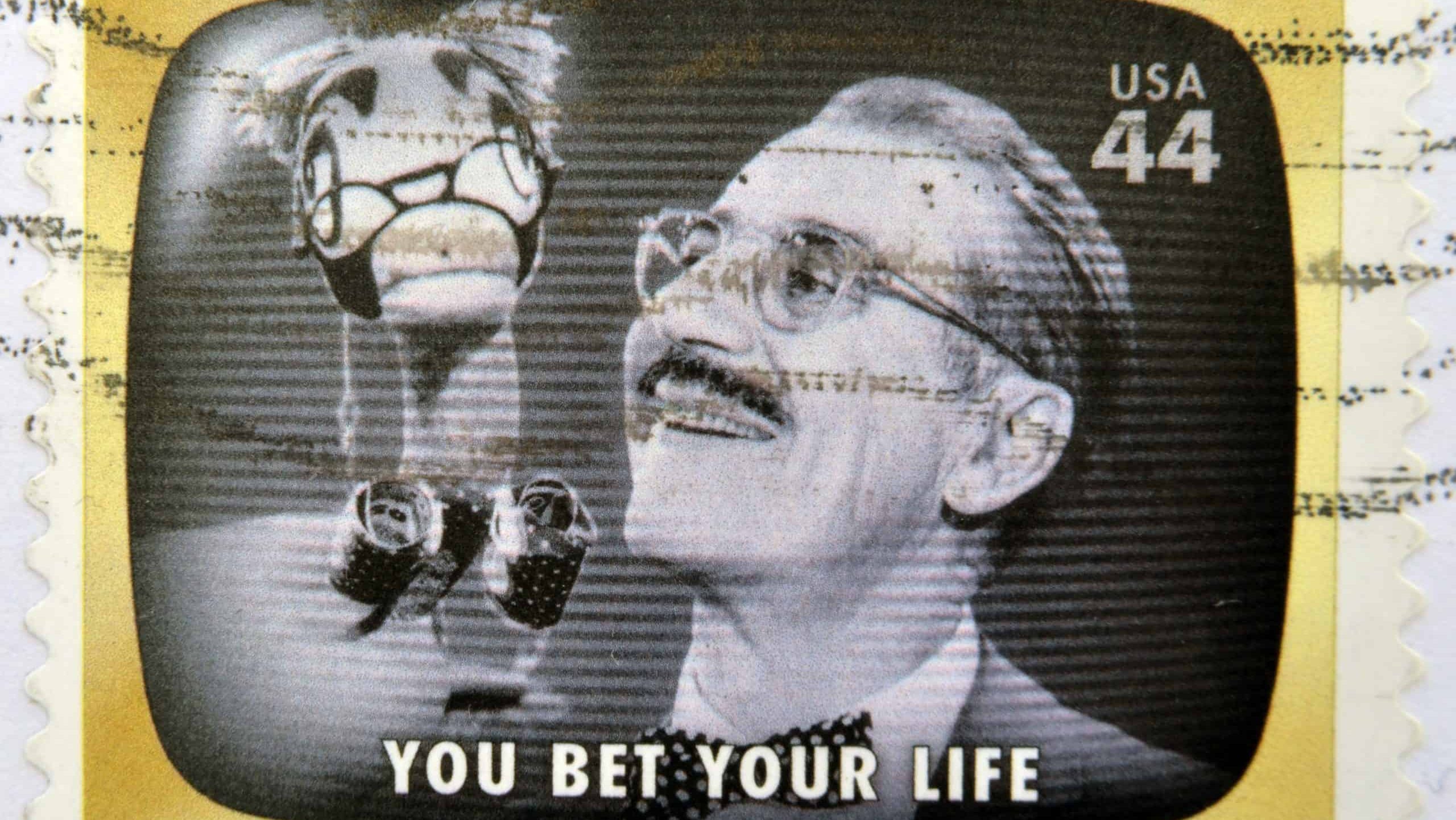
Overshadowed by: The Death of Elvis Presley Three Days Prior
On August 19, 1977, Groucho Marx, leader of the legendary Marx Brothers ensemble, master of rapid-fire slapstick comedy, and host of the TV game show You Bet Your Life, died at age 86. Ordinarily, such an iconic figure in comedy, a founding father, would have commanded the national entertainment news and endless TV specials.
But three days earlier, on August 16th, Elvis Presley had suddenly died at his Graceland estate. The massive, unimaginable worldwide shock and ensuing round-the-clock media coverage that Presley’s death had ignited left little room for Groucho. His obituary notices were brief in newspapers and on TV.
The eruption of Mount St. Helens (May 18, 1980)

Overshadowed by: The 1980 Carter vs. Reagan Presidential Campaign
On May 18, 1980, Mount St. Helens erupted in Washington state. The eruption was the deadliest and most expensive volcanic disaster in United States history. It blew the top off the mountain, devastated hundreds of square miles with falling ash and timber, and created massive plumes of ash that drifted for miles.
While the country was captivated by initial reports following the eruption, continued coverage of environmental and economic recovery soon fizzled.
With the presidential election ramping up, the heated campaign between President Jimmy Carter and Republican challenger Ronald Reagan quickly became the story dominating headlines, relegating natural disaster updates to the back pages and off the evening news.
Sources: Please see here for a complete listing of all sources that were consulted in the preparation of this article.
Like our content? Be sure to follow us.
15 strange events that really happened in history
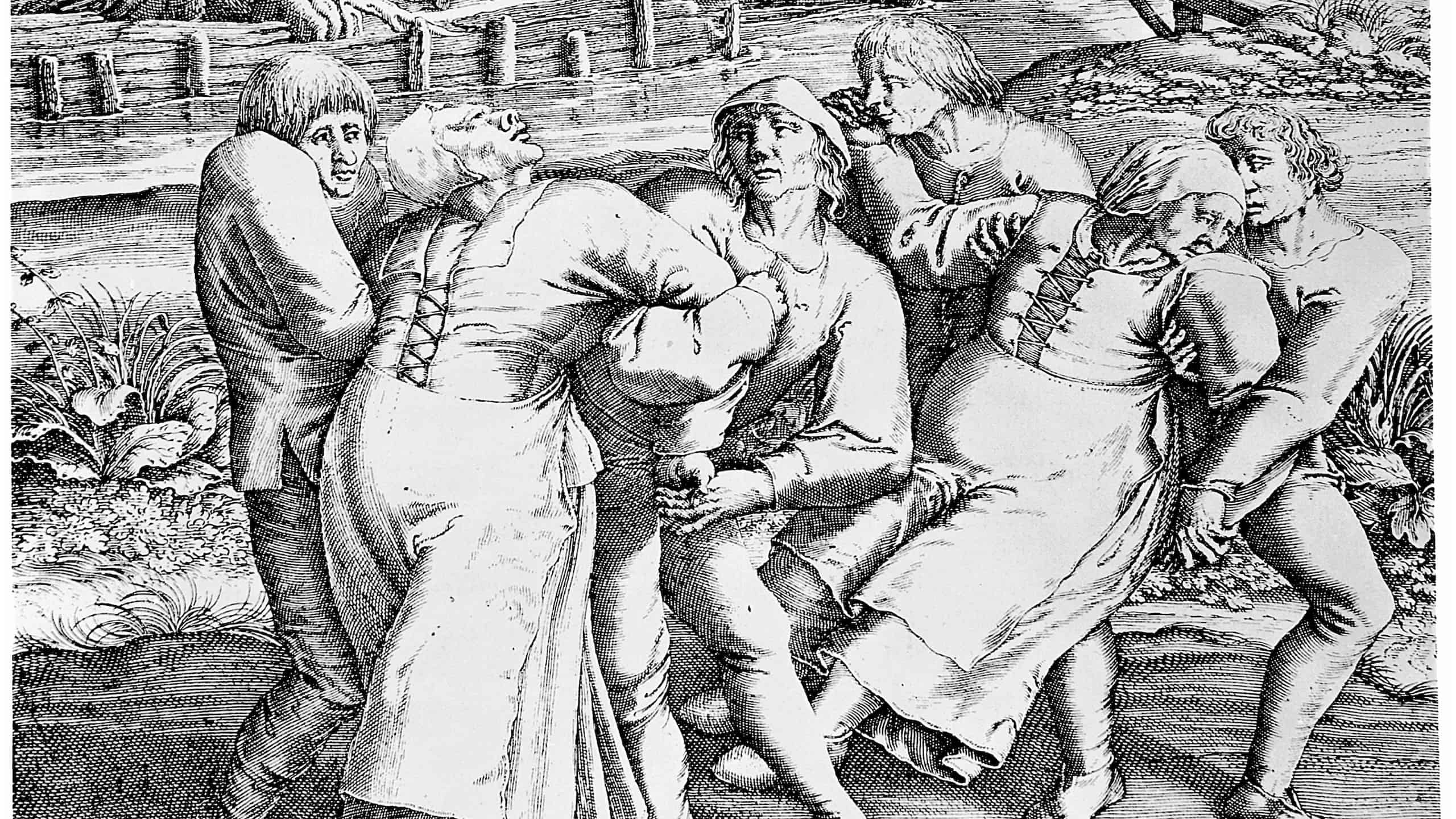
History gets a lot weirder when you look at some of the stories which, although they sound fake, are 100% real.


