

You’d be surprised at how strange some last requests could really get, including demands for hearts to be carried across borders and ashes being packed into bullets.
Jeremy Bentham
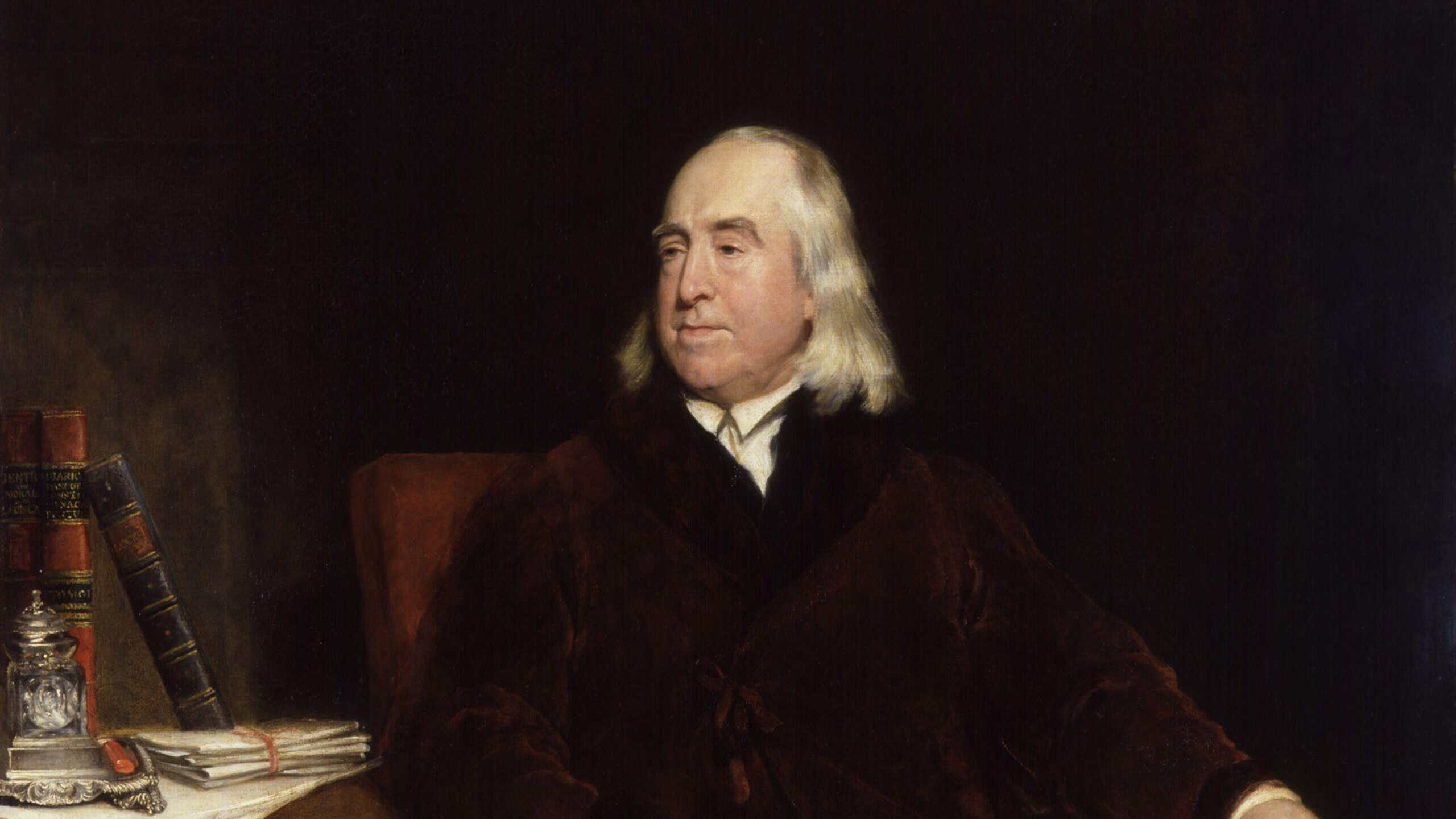
There was no such thing as a normal grave for philosopher Jeremy Bentham. Because, really, how could there be? He planned his burial in his will and asked for his body to be dissected and preserved. He wanted it then dressed in his clothes, and seated inside a wooden cabinet.
Bentham called the whole thing the ‘Auto-Icon’ and asked for his real head to be preserved too. As you might expect, the result was so unsettling that a wax version replaced it. You can actually still see Bentham’s clothed skeleton at University College London.
Frédéric Chopin
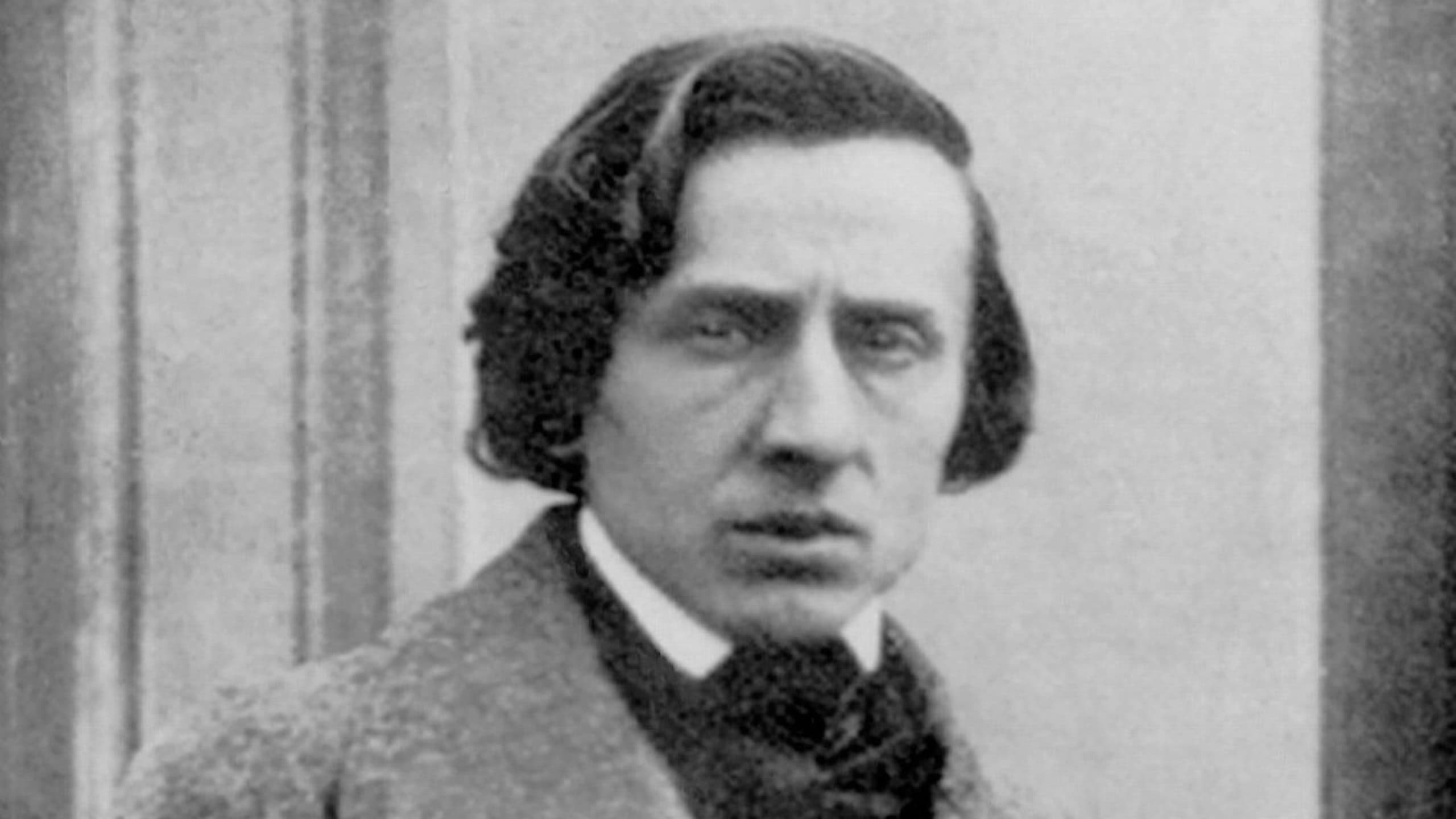
Composer Frédéric Chopin had his body put in a few places, as Paris got his body, while Poland got his heart. He lay dying in October 1849 and asked for his chest to be opened after death. That was mostly because he was afraid of being buried alive.
He then asked for people to take his heart back to Warsaw, Poland, and that’s exactly what his sister Ludwika did. She carried it from France in a sealed crystal jar that was hidden beneath her clothing during the trip. Chopin’s actual body was buried at Père Lachaise Cemetery.
George Washington
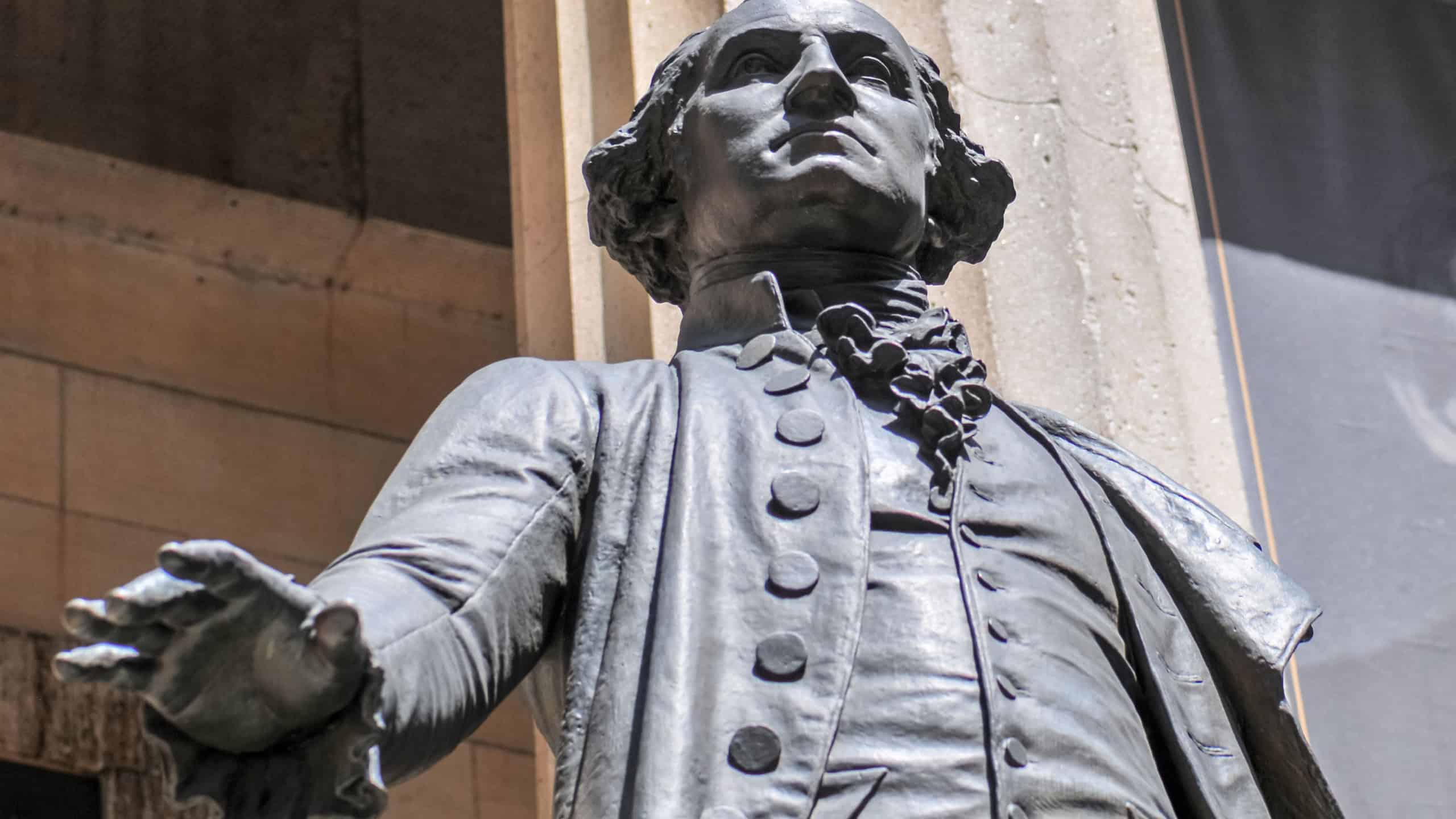
George Washington had some pretty clear final instructions. Nobody was allowed to bury him until at least three days had passed after his death. He was so firm about his request, in fact, that he asked his secretary, Tobias Lear, to confirm he’d understood Washington’s request.
Washington died later the same evening that he asked Lear, in a weird twist. It turns out that Washington’s loved ones respected his wishes as they did indeed wait before burying him. They waited four days.
Hunter S. Thompson
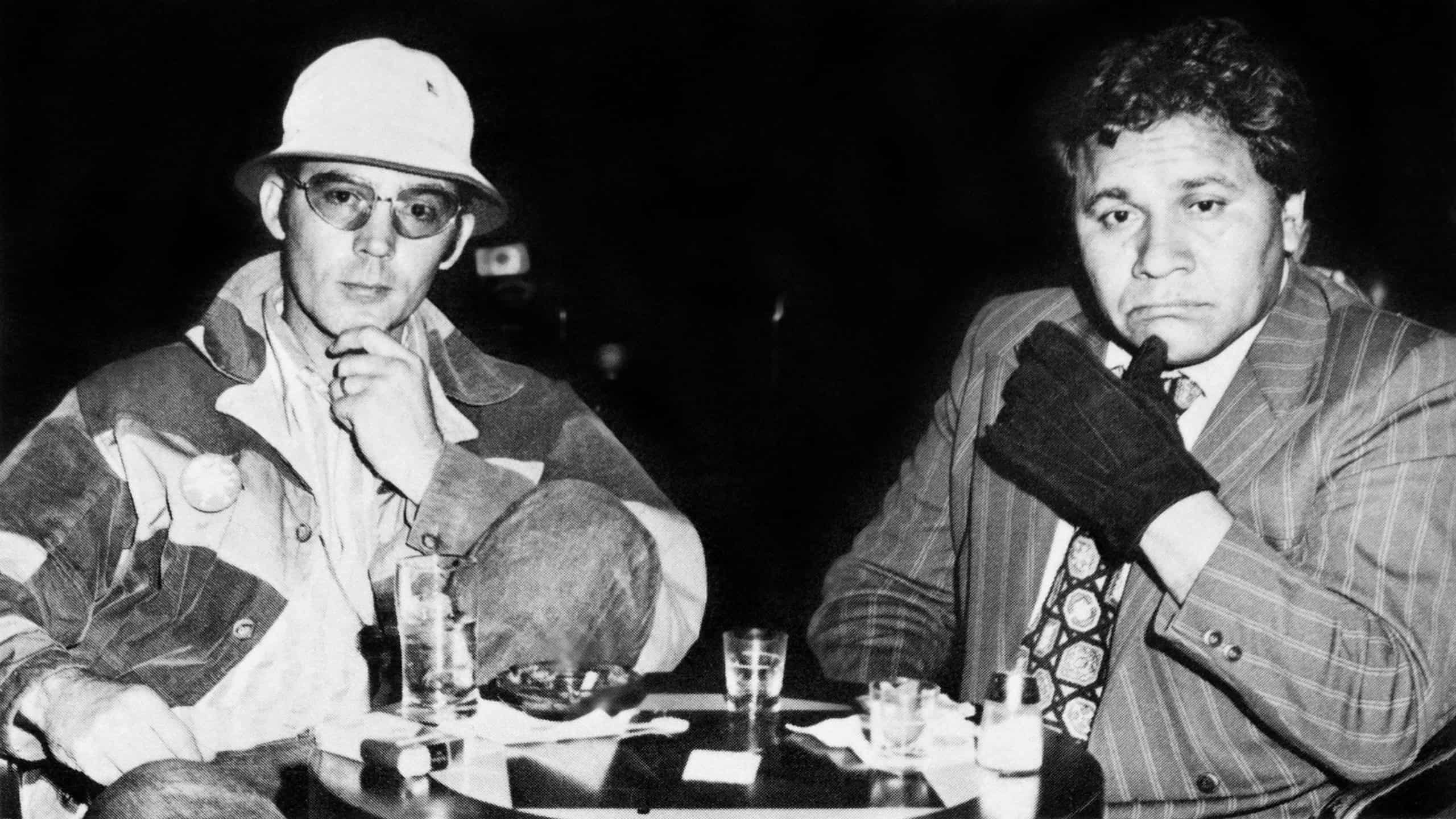
A writer like Hunter S. Thompson wasn’t going to ask for a quiet urn on a shelf when he died. Definitely not. He left instructions saying that he wanted his ashes to be blasted from a cannon after he died. That’s exactly what happened, six months after his 2005 suicide.
A cannon sat inside a tower about 150 feet tall at Owl Farm in Colorado. It was shaped like Thompson’s double-thumbed gonzo symbol, and his ashes were packed into fireworks. These were fired into the night as music played. It definitely wasn’t subtle.
Fred Baur
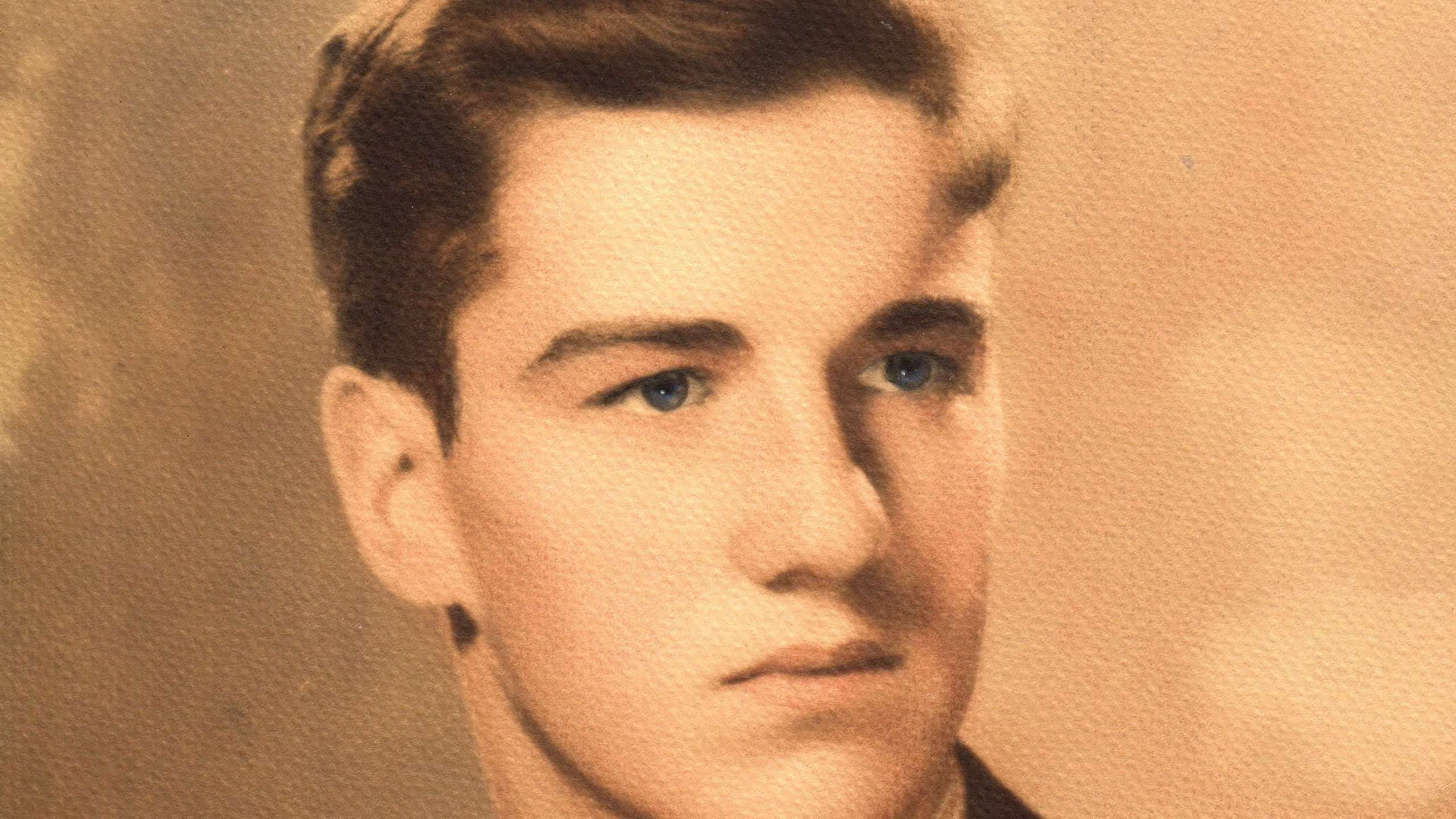
Fredric Baur’s final requests might sound weird at first, but there were some reasons behind it. He helped create the famous Pringles container, so he asked for his ashes to be placed inside one of the cans. Yes, really.
Baur died in Cincinnati in 2008, and his family stopped at Walgreens on the way to the funeral home. They bought a can of Original Pringles and used the empty one as requested. They buried Baur, can and all, at Arlington Memorial Gardens in Ohio.
Elizabeth Taylor

As a movie star, Elizabeth Taylor had a reputation for being fashionably late, and that didn’t stop when she died. She actually asked for her funeral to start 15 minutes after the announced time. That’s what happened during her private service at Forest Lawn Memorial Park.
Taylor went so far as to ask someone to announce that she was going to be late to her own funeral. It’s only something that someone as glamorous as Elizabeth Taylor could get away with, honestly.
Edward ‘Steady Ed’ Headrick
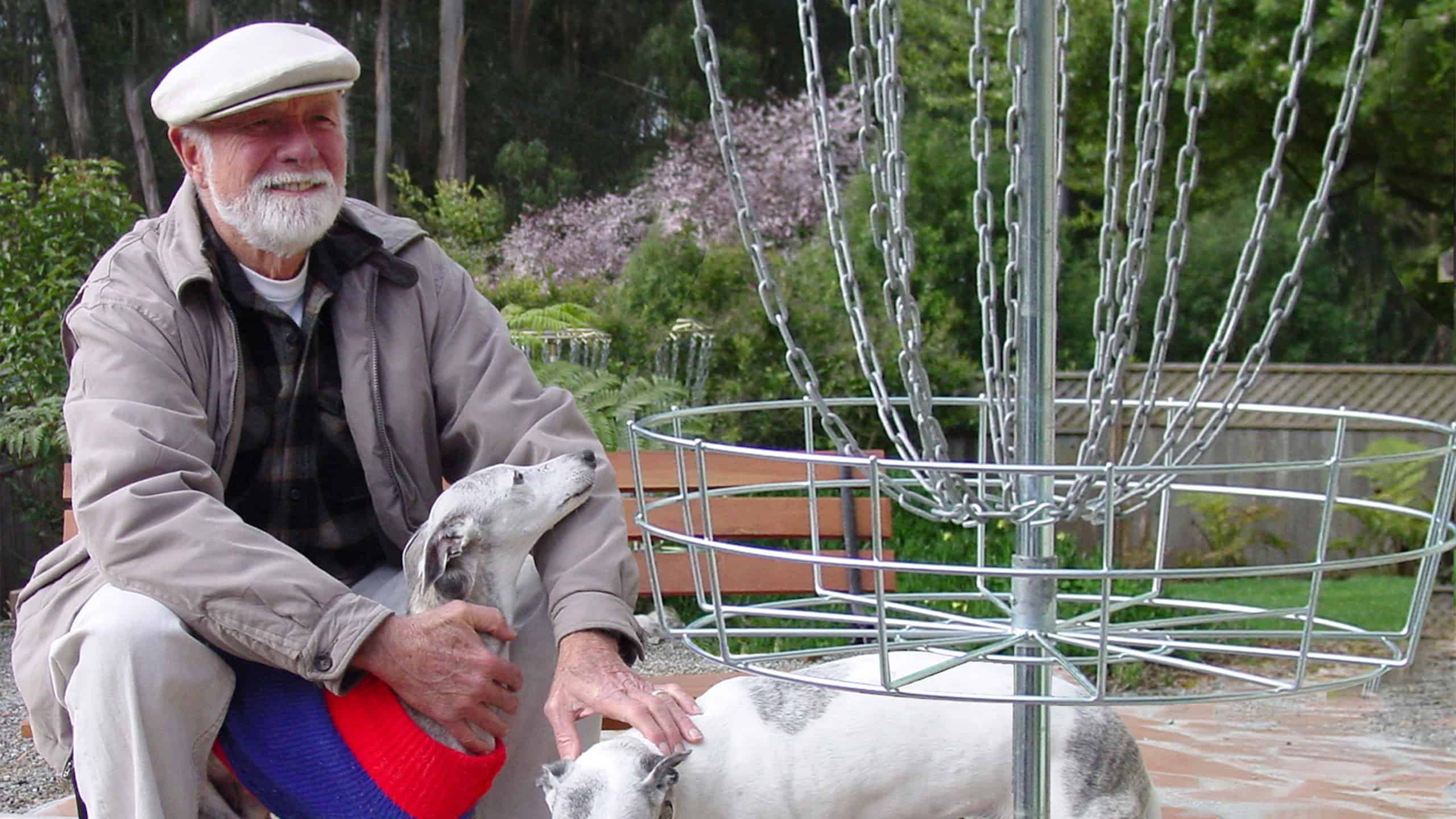
Flying discs weren’t a simple hobby for Edward ‘Steady Ed’ Headrick, as he helped to develop the modern Frisbee. He also helped create disc golf. So it was only natural for his final request to stay on theme.
Headrick asked for some of his cremated remains to be mixed into plastic and molded into memorial discs. A few of them were given to loved ones, and a few were sold to raise money for the Ed Headrick Memorial Museum in Georgia. Yes, people could throw them.
Leona Helmsley
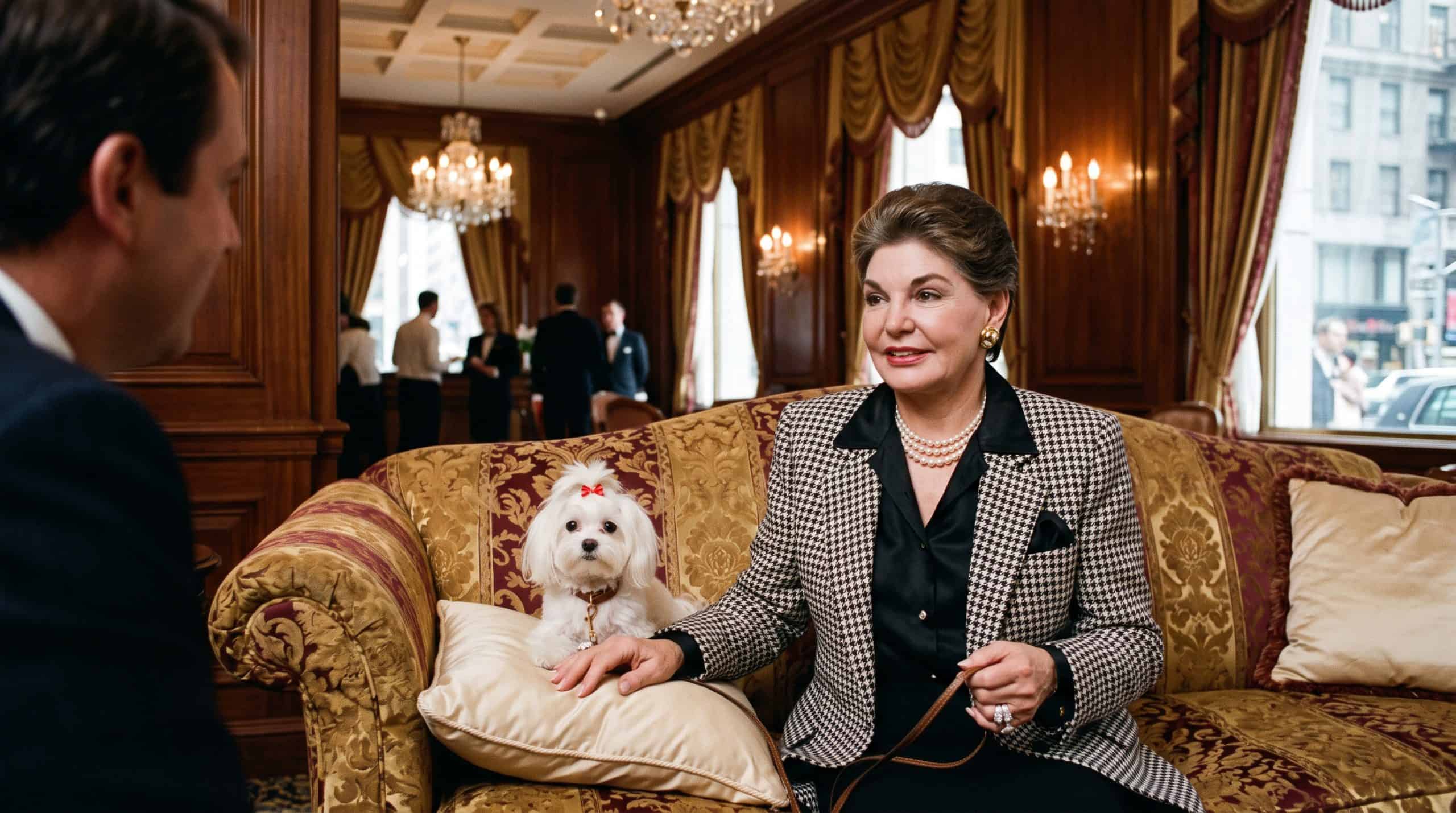
Hotel owner Leona Helmsley died in 2007 and did something rather strange with her money. She set aside $12 million in her will for her tiny white Maltese, Trouble. You read that right, $12 million. It wasn’t for her to spend or anything because the money was meant for the dog’s care.
She named her brother as caretaker. A New York judge later cut the trust to $2 million after Helmsley died because they decided that the original amount was way more than what Trouble needed. Still, $2 million for a dog’s food, grooming, security, and more. Not a bad lifestyle.
William Shakespeare
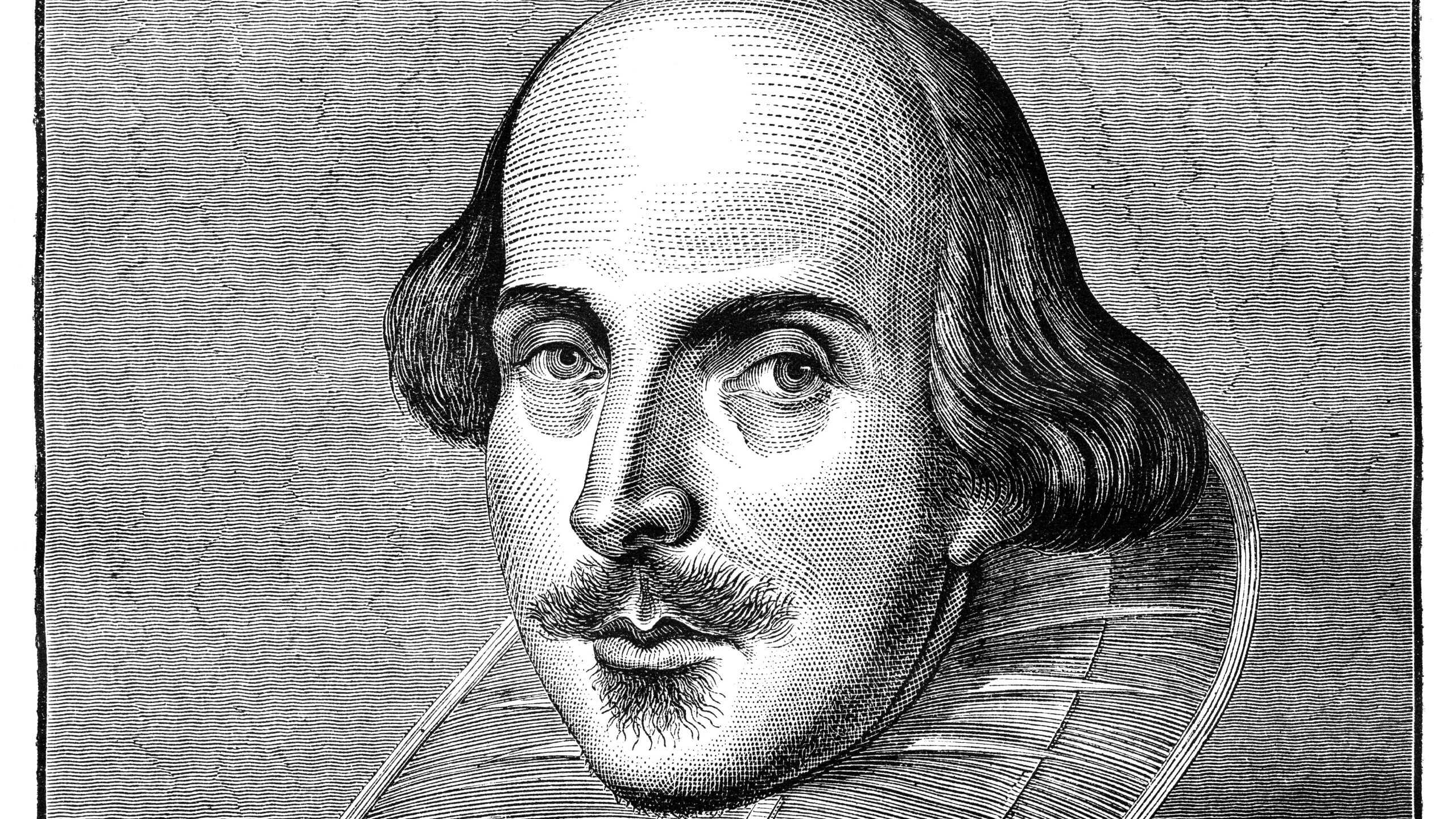
There’s quite an odd detail hidden among the property details in William Shakespeare’s will. He said that his wife, Anne Hathaway, should receive his ‘second-best bed with the furniture.’ Ouch. ‘Furniture’ here means the curtains and linens, not a bedside table.
It sounds kind of harsh today, leaving your wife only the ‘second-best’ bed. But it wasn’t so harsh back then because the finest bed in a wealthy home was usually saved for guests. That meant that the bed Shakespeare and Hathaway shared might’ve been the second-best one.
Diogenes
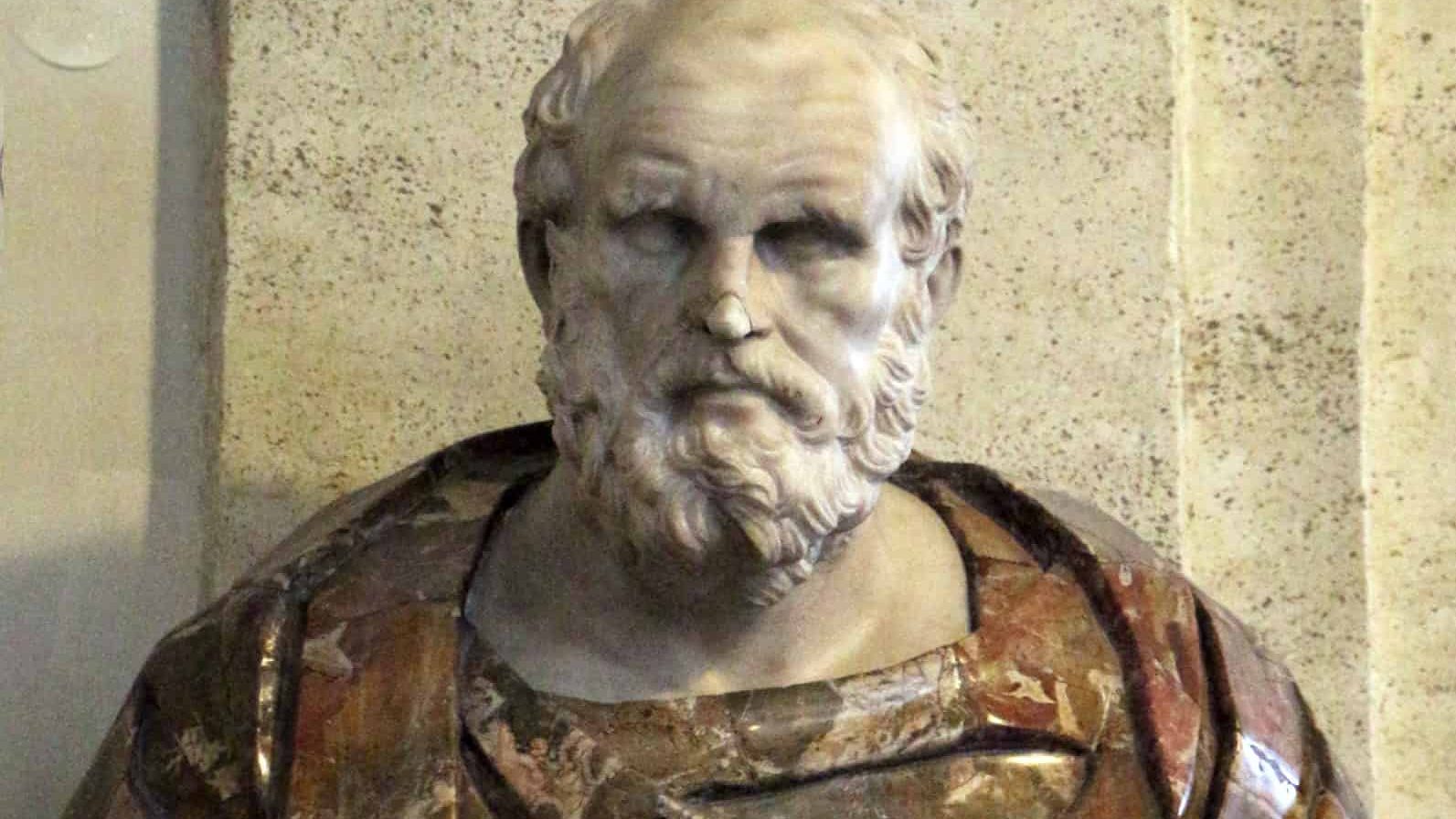
There are so many different stories about ancient Greek philosopher Diogenes that it’s hard to know where to begin. Still, what we do know, at least from one account, is that he wanted his body thrown outside the city of Corinth. He wanted wild animals to eat it, apparently.
Another version says that he requested to be placed in a ditch with only a little dust over him. There’s even a third one that says he wanted to be buried in the Ilisos River. Historians aren’t entirely sure which one is true, but either way, he had some weird requests.
Nikolai Gogol
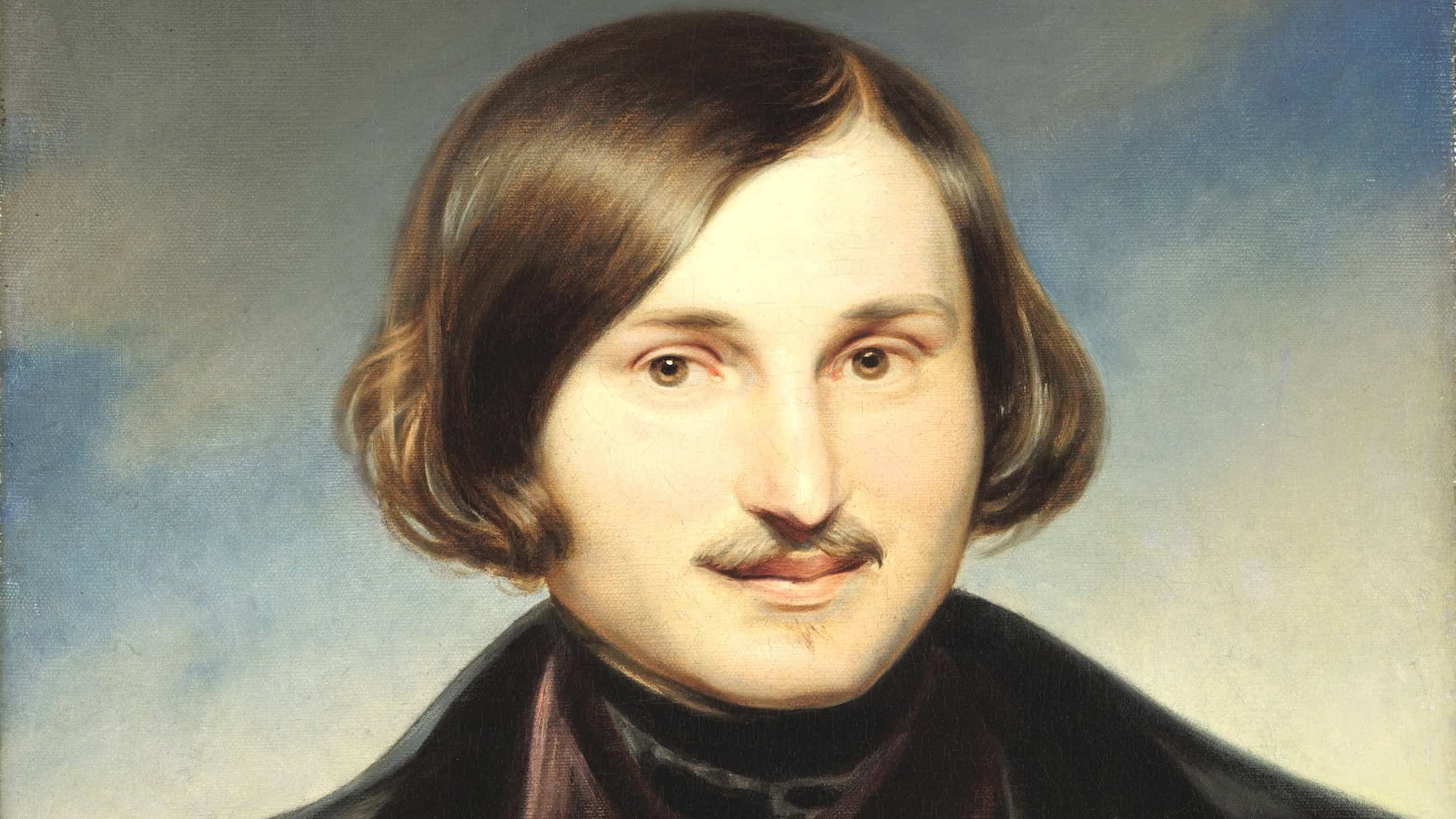
Russian author Nikolai Gogol was alive during a time when people were genuinely afraid of waking up inside a coffin. That’s why he left instructions to avoid that. He asked that burial be delayed until his body showed clear signs of decomposition.
It wasn’t without reason, however, as illnesses sometimes left him almost unable to move, while also making his heartbeat and pulse become difficult to detect. Rumor has it that his body did actually move inside the coffin. There’s no historical evidence of that, though.
Hans Christian Andersen
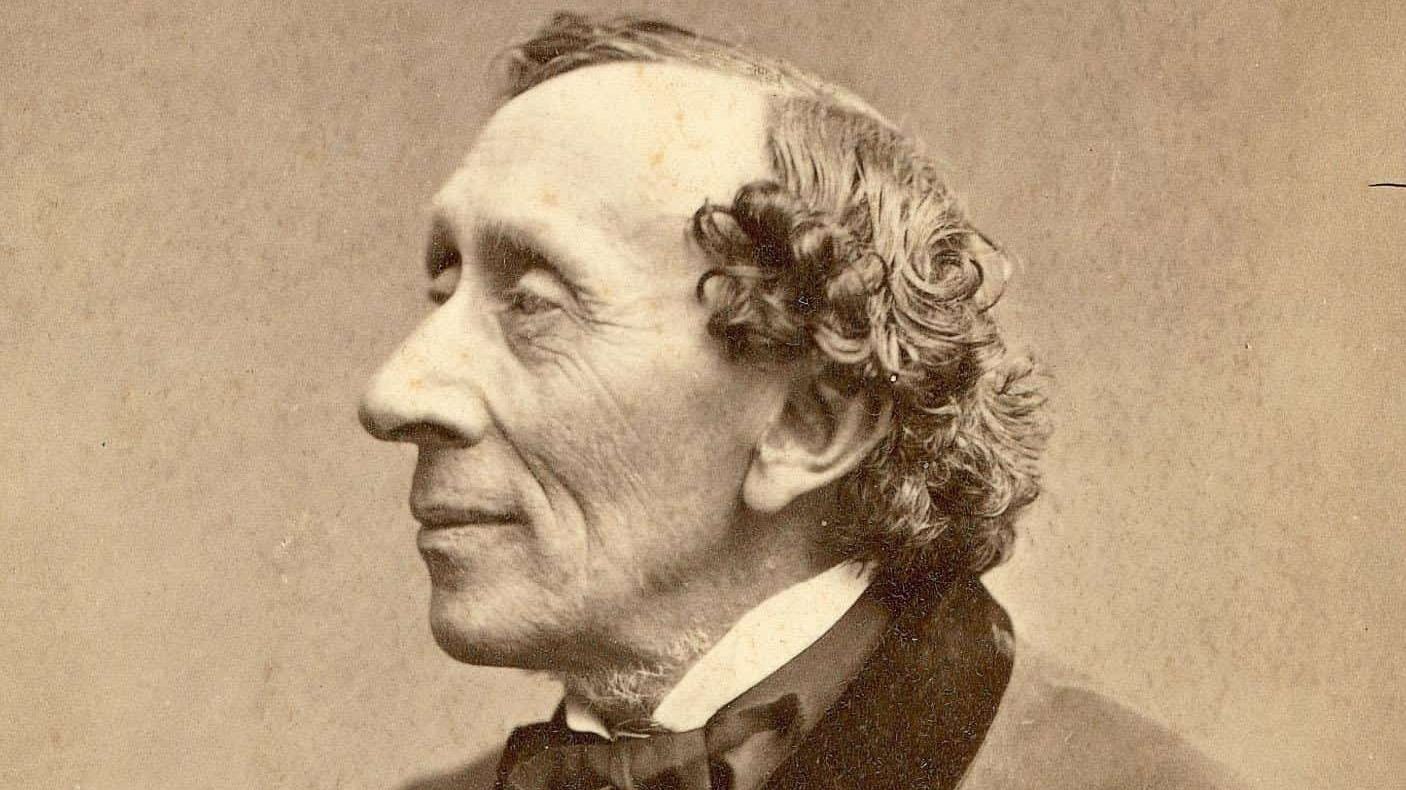
Writer Hans Christian Andersen had a similar fear to Gogol. He was also worried that someone would mistake deep sleep or illness for death, so he kept a note near his bed to avoid that. The note read, ‘I only appear to be dead.’
The fear of being buried alive was way too common back then, although most people didn’t prepare a bedside sign for that. Andersen died near Copenhagen on August 4, 1875. The note was no longer needed then.
Leonardo da Vinci
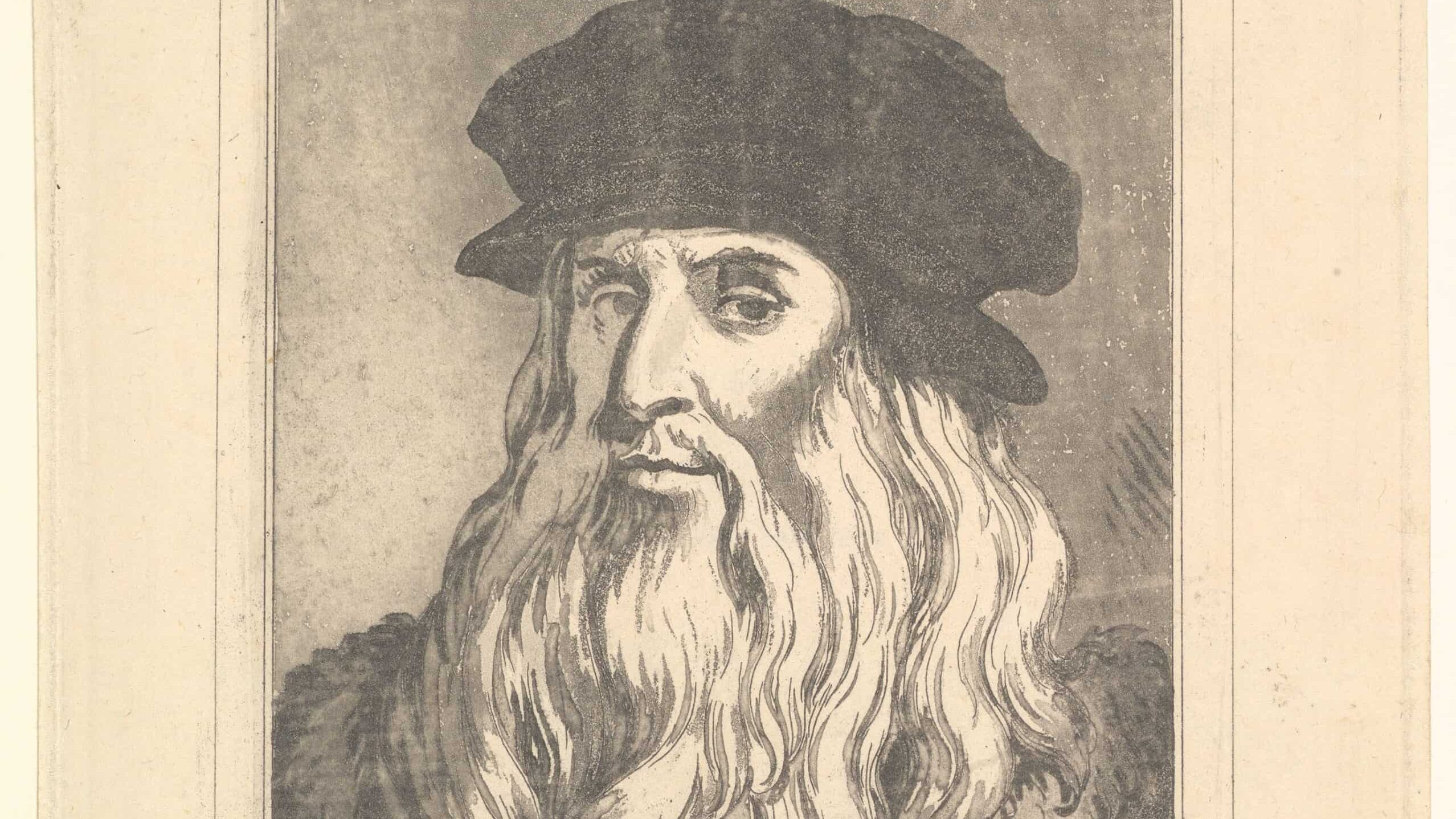
Artist Leonardo da Vinci wasn’t the kind of guy to leave his funeral procession to chance. No, he wrote in his will that 60 poor men should follow his coffin, and each of them should carry a large wax candle. He said that his executor and pupil, Francesco Melzi, should pay them.
That’s not all, as he then specified that the candles had to be divided among four churches connected with the funeral services. Da Vinci’s wishes came true after he died in France on May 2, 1519. His funeral involved a lot of wax.
Lemmy

Lemmy Kilmister, lead singer of the band Motörhead, sure had an odd request for after his death. He asked for small amounts of his ashes to be sealed inside polished bullet casings engraved with his name and dates. These would then be given to his loved ones.
Not all of his ashes went into bullets, but a good amount of them did. It made for a very Lemmy farewell, and it’s also kind of touching, really. His loved ones got to keep a piece of him once he’d passed away.
Sources: Please see here for a complete listing of all sources that were consulted in the preparation of this article.
15 strange events that really happened in history
History gets a lot weirder when you look at some of the stories which, although they sound fake, are 100% real.

