

Brains become stronger through thinking, but they also enjoy hands-on activities. Mental skills like planning and the sense of touch increase dexterity, as well as memory and concentration.
Creative problem-solving and fine motor movements also strengthen neural connections. Hands-on hobbies combine many, if not all, of these elements in order to challenge the brain in a unique way.
These 11 hands-on hobbies are fun and help keep the mind active and stimulated.
Gardening
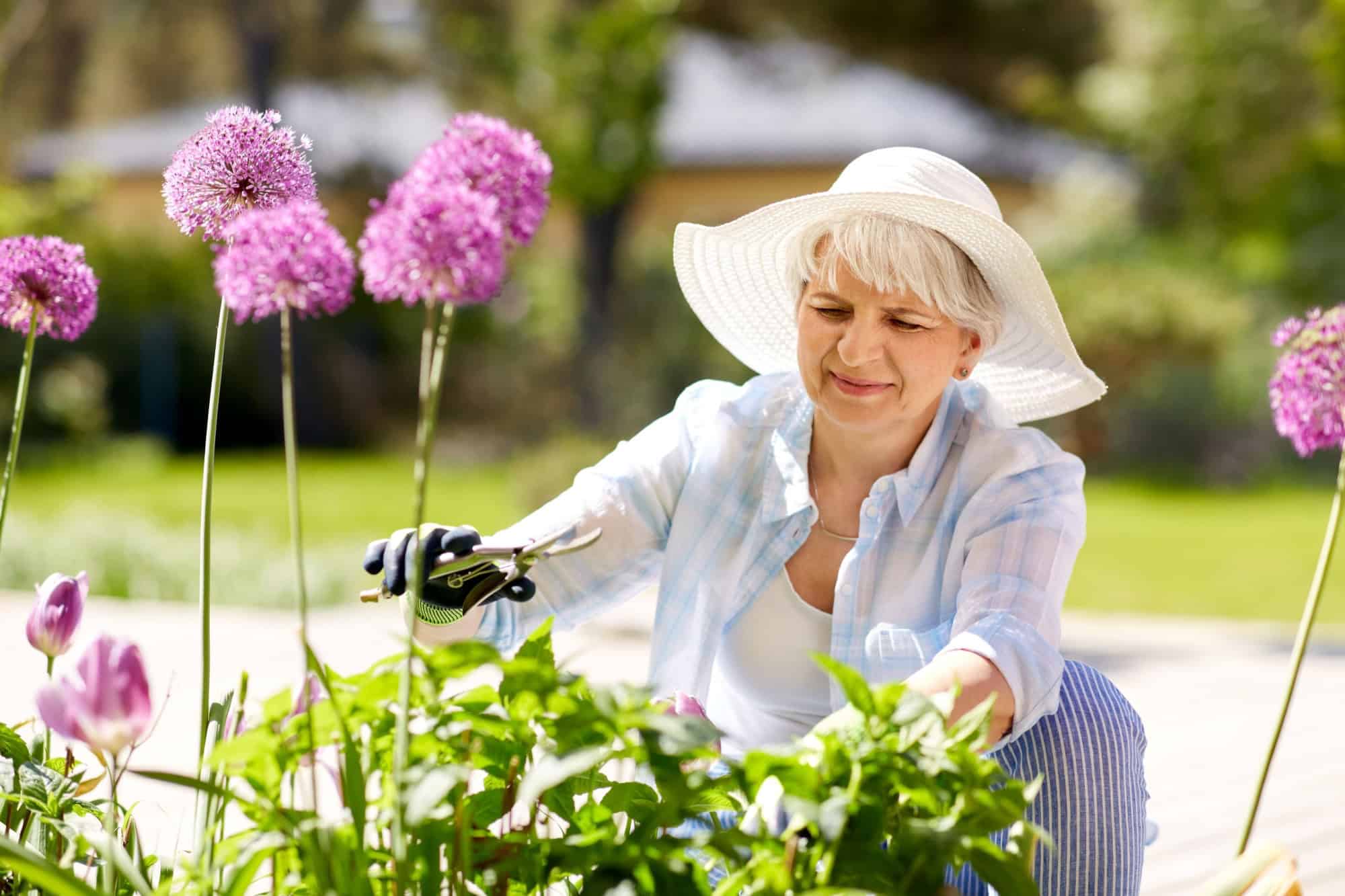
Gardening is a type of physical exercise that mentally stimulates you in easy-to-understand ways. Knowing when to water/fertilize, planning where plants go, and making small adjustments keep you mentally engaged.
Research suggests that older adults who engage in regular gardening activities experience fewer memory problems (Wang et al., 2024).
Woodwork or carpentry projects

Carpentry is also good for keeping your mind engaged. There’s always planning, measuring and problem-solving to do alongside manual tasks.
Woodwork has even been described as “brain-food” as it uses mental skills like art or reading (Begnal, 2009). Woodworking also helps you improve hand-eye coordination and spatial intelligence.
Finishing your work also gives you a sense of pride and achievement which is great for mental health.
Pottery

Clay work is an excellent example of kinesthetic intelligence. You sense the material in your hand and shift your fingers and thumbs to mold it as you choose.
Researchers have found that the creation of pottery objects actually engages parts of the brain linked to memory and spatial‑skills networks. The activity is both tactile and kinetic so it offers the brain more stimulation than the sedentary act of watching television.
Model‑building (miniatures, scale models, puzzles)

Model-building is an excellent way to keep your hands and mind occupied. Figuring out how to plan steps, where to place small pieces, and whether they fit as they should exercises one’s mental acuity and motor skills (Cheng et al., 2024).
In fact, scientific research has found that activities similar to model-building support brain health in older adults.
Needle-craft

Knitting and crochet keep your brain active in small ways. You alternate hands, memorize sequences, and decipher small errors, which are cognitively stimulating. The repetitive motions are soothing, and since the pastime is portable, you can engage with it almost anywhere (National Geographic, 2025).
Flower arrangements or horticultural crafts

Arranging flowers forces you to concentrate. You have to determine what colors and shapes to work with, which involves serial processing and making decisions about what looks good (Moorings Park, 2024).
Every bouquet is different, providing your mind with novel stimuli, and the scent and texture of the flowers further stimulate the senses.
Calligraphy

Practicing this art your every stroke needs to be thought out, including the space in between each word or character, as well as body form and placement of the brush.
Studies on calligraphy have confirmed that this art can strengthen fine-motor coordination and develop self-discipline with regular practice. Calligraphy is also a gratifying and challenging hobby for those who love quiet, concentrated work.
Sewing, quilting or textile crafts

From sewing a straight stitch to quilting elaborate patterns, working with textiles requires the use of your hands and your brain. You have to recall techniques, visualize your layout, and maneuver small motor skills.
Studies indicate that elderly people who engage in textile arts may lower their risk of mental impairment (CBS News, 2015).
Carving or sculpting wood/stone

While sculpting and carving, you have to plan each move carefully and solve problems that come towards you while creating. You need to imagine the finished project in your head, decide how to tackle it and be flexible when the material doesn’t always behave how you expect.
There is also evidence that carving can help develop patience and increase mental concentration. You have the sensory experience of feeling the material between your fingers and hearing the chisel hitting it, and the reward of completing a project gives a sense of accomplishment.
Rock balancing

Rock balancing is a meditative practice that is good for your brain. You must pay attention to the balance of the rock, carefully place the rocks with your hands, and have mental calculations of where each piece will be located.
Green exercise studies have found that nature-based activities like this have the power to enhance your attention span and cognitive function.
Caring for a fish tank

And if you are a fish tank owner you are going to be doing a lot more than simply feeding the fish. Troubleshooting and problem solving are going to keep your mind engaged when you have to make adjustments for algae, or sick fish. Plus, watching fish can calm people and increase their focus, research says.
Sources: Please see here for a complete listing of all sources that were consulted in the preparation of this article.
Related Articles:
11 hobbies many men admit losing interest in after retirement
10 Surprising Hobbies I Picked Up in My 60s That Transformed My Life
