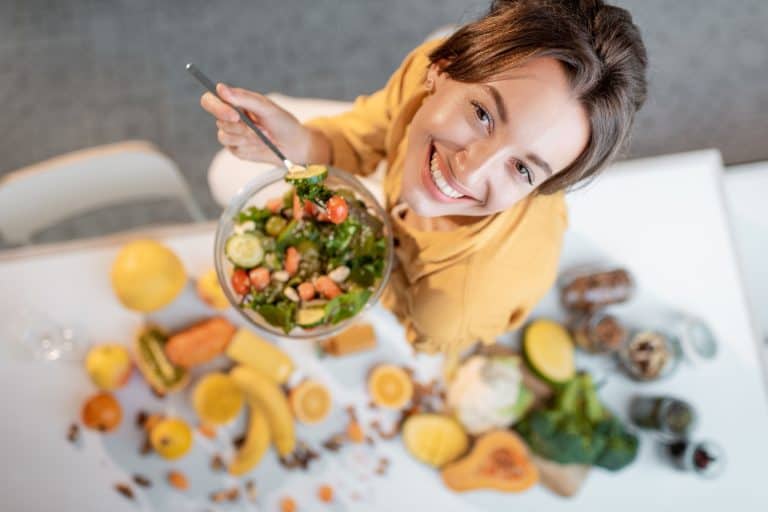

Here’s the thing: not all habits age well. In fact, as time passes by, many of our “healthy habits” can actually start to cause more harm than good and become a burden. They might be causing strain on our bodies, unbalancing our systems, or just simply becoming obsolete and pointless. So here are 11 such habits that we all wish we did differently.
Consuming excessive amounts of “healthy” foods
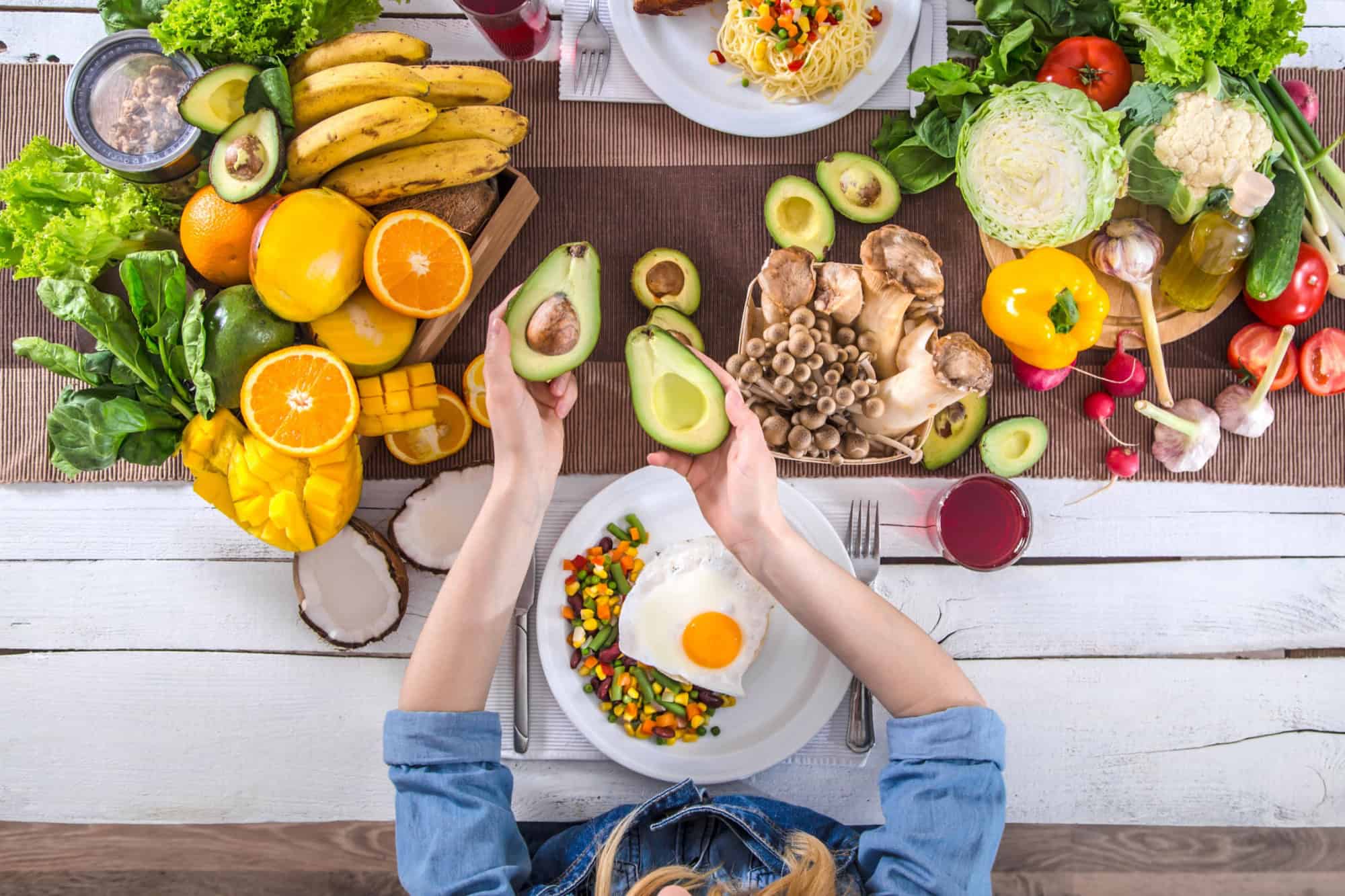
Just because something is healthy doesn’t mean you can eat unlimited amounts of it. Nuts, quinoa, or avocado are all wonderful in moderation but if you eat them by the handful every day you are packing on extra calories. “Good” foods can make you gain weight if you don’t pay attention to portions.
Escaping difficult conversations

Sometimes it’s tempting to step away from hard conversations. This can seem like the easy solution to avoid stress in the short term, but usually causes much larger problems in the long run. If things are left unsaid, resentment, misunderstandings and distance increase.
Extreme diets
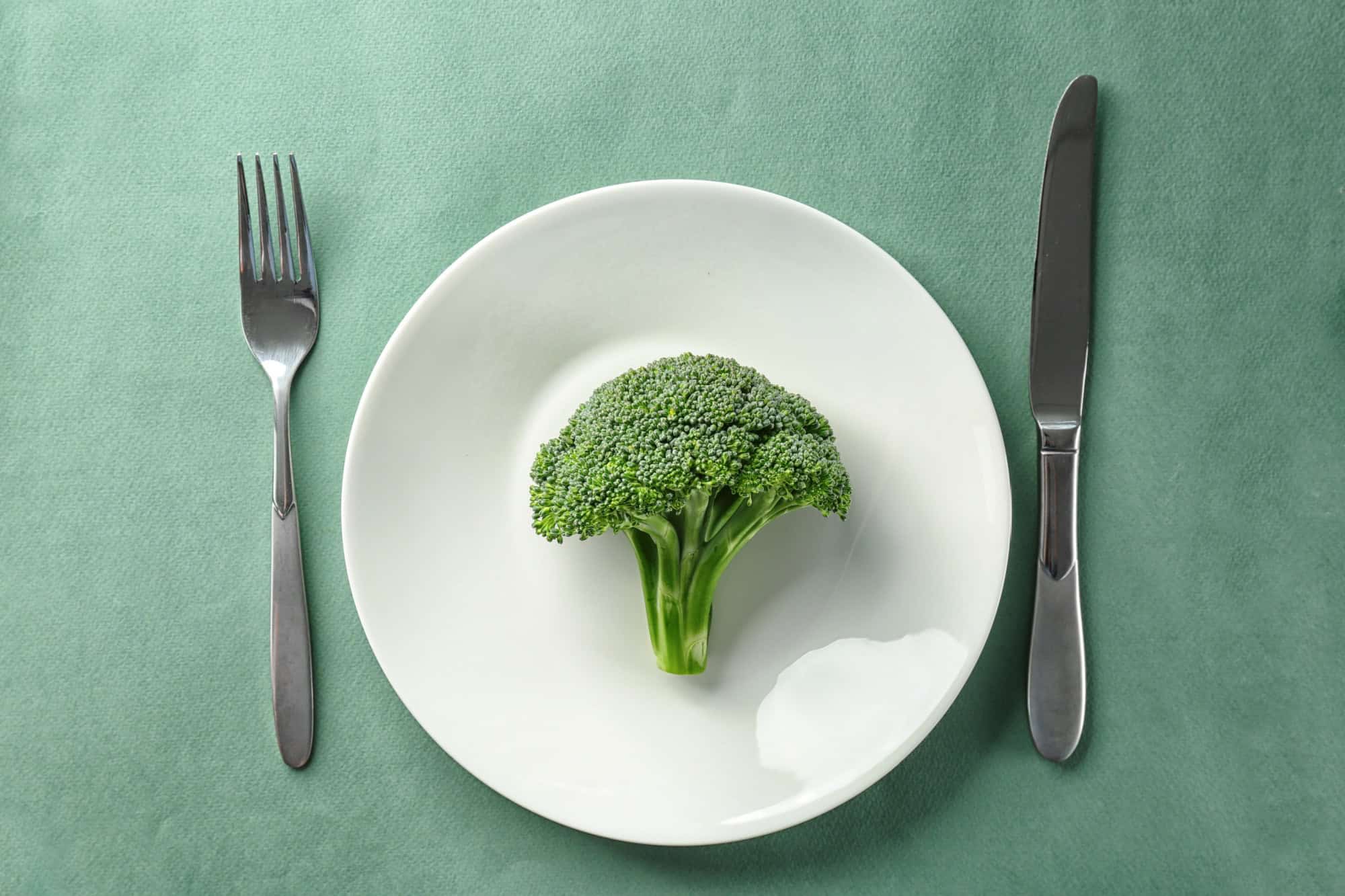
I’ve watched friends follow fad diets like no-carb, no-dairy, or no-fat. The plans can be effective short-term but often lead to muscle loss, nutrient deficiencies, and hormonal issues. Extreme diets are never a sustainable solution. A well-rounded diet may not be glamorous, but it’s a better choice for long-term health.
Drinking excessive green tea or herbal infusions
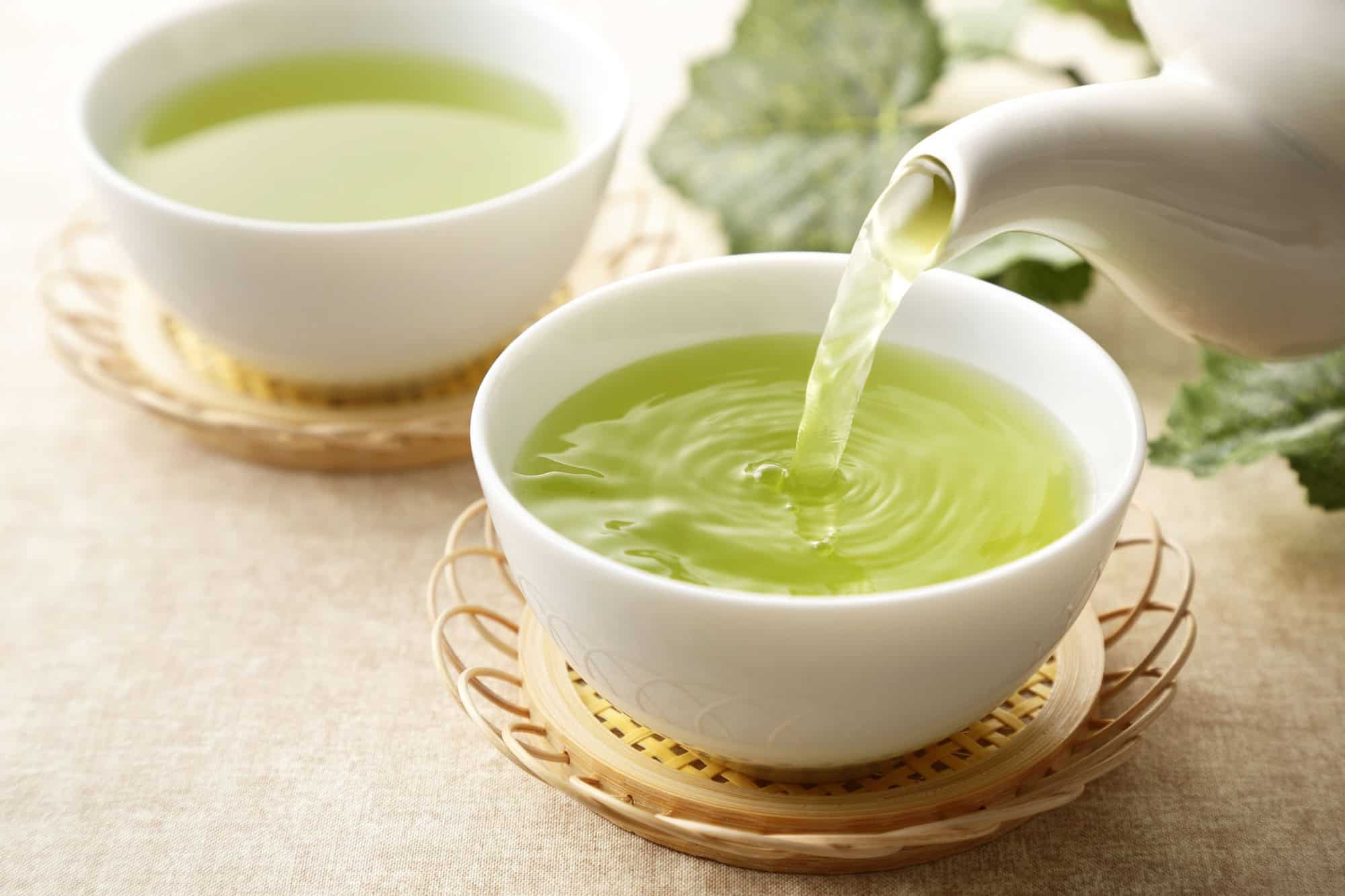
Green tea and herbal infusions are healthy, but overdoing it can cause problems. Consuming too many tannins can interfere with iron absorption. Taking concentrated extracts can overburden the liver. The cumulative effects of this daily routine can throw nutrient levels out of balance.
Over-reliance on supplements instead of whole foods
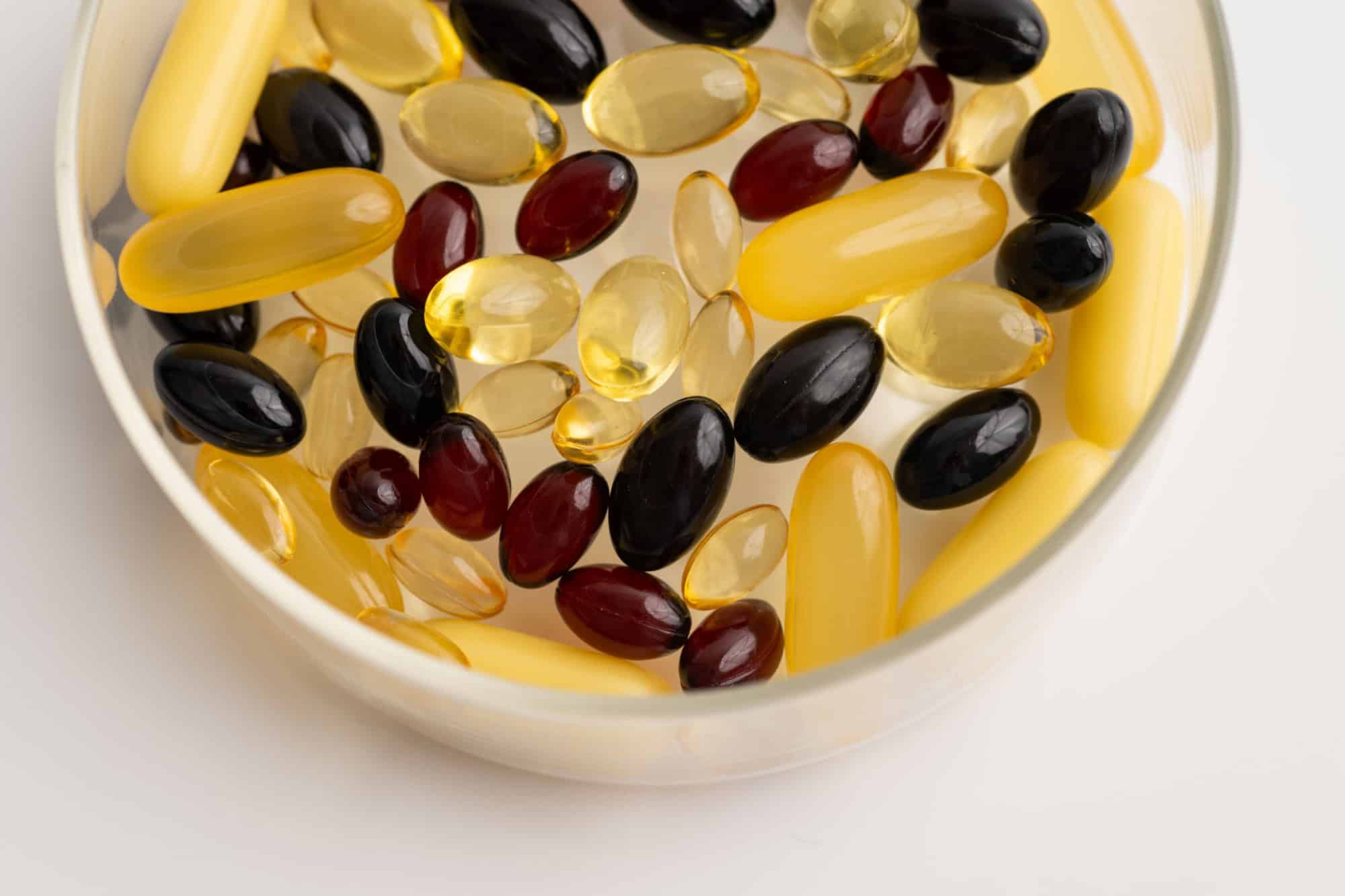
It’s so convenient to pop a pill and think you’ve got it covered. But the real deal is better. Whole fruits, vegetables, and grains give you nutrients that work together. Pills just can’t do that. Supplements are helpful in some cases, but don’t rely on them instead of real food.
Avoiding sun exposure entirely

It’s important to protect yourself with sunscreen and stay in the shade, but staying out of the sun all the time isn’t ideal. Sunlight helps our bodies make vitamin D, which keeps bones strong and supports the immune system. Avoiding the sun completely can cause deficiencies and make you more prone to illness.
Self-medicating with antibiotics
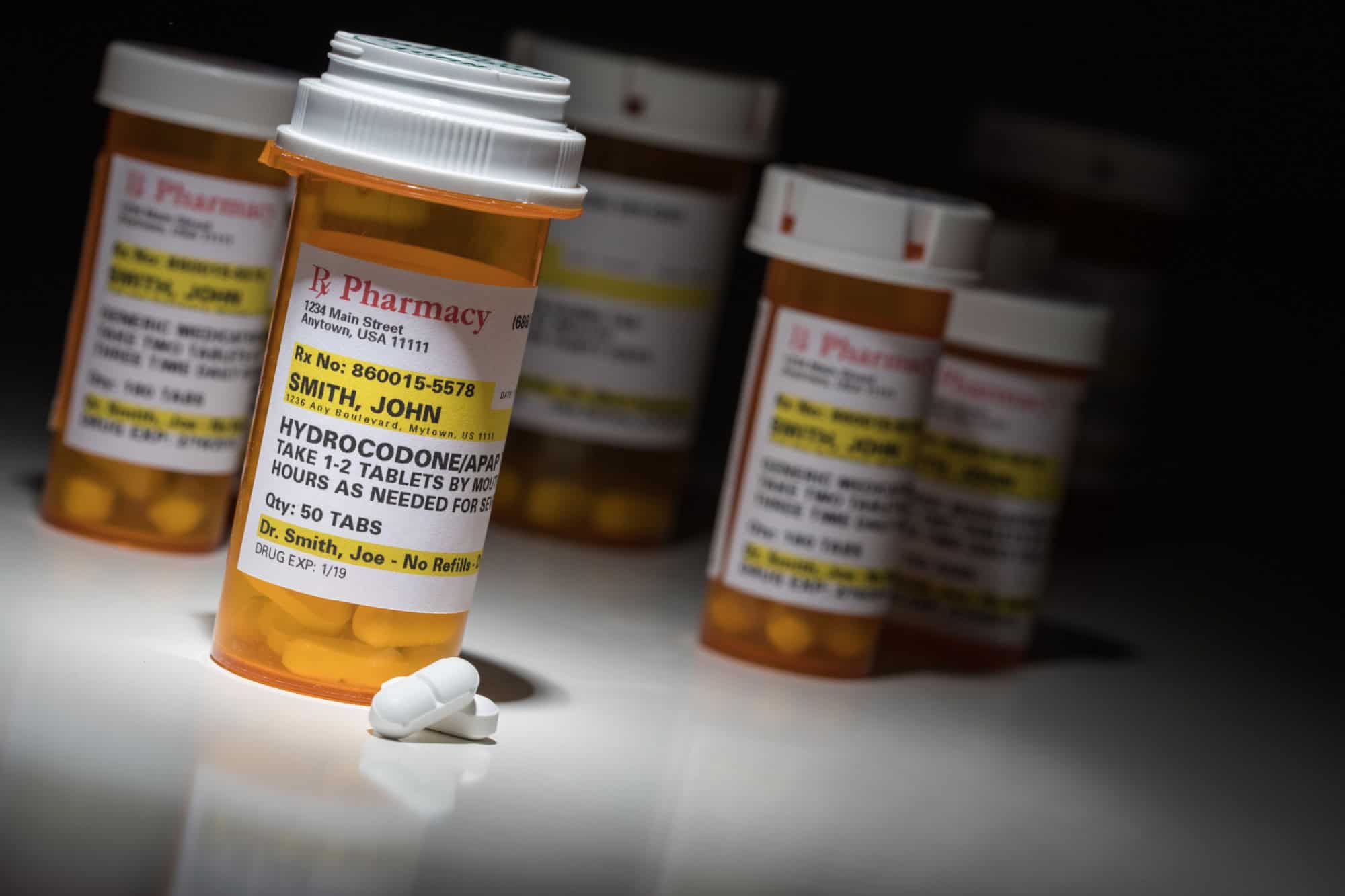
Don’t ever use antibiotics unless your doctor has prescribed them. Doing so can make bacteria stronger and future infections harder to fight. You could experience side effects or unknowingly cover serious illnesses. Misuse spreads resistant germs in the community, creating broader health threats.
Over-consuming “health” drinks
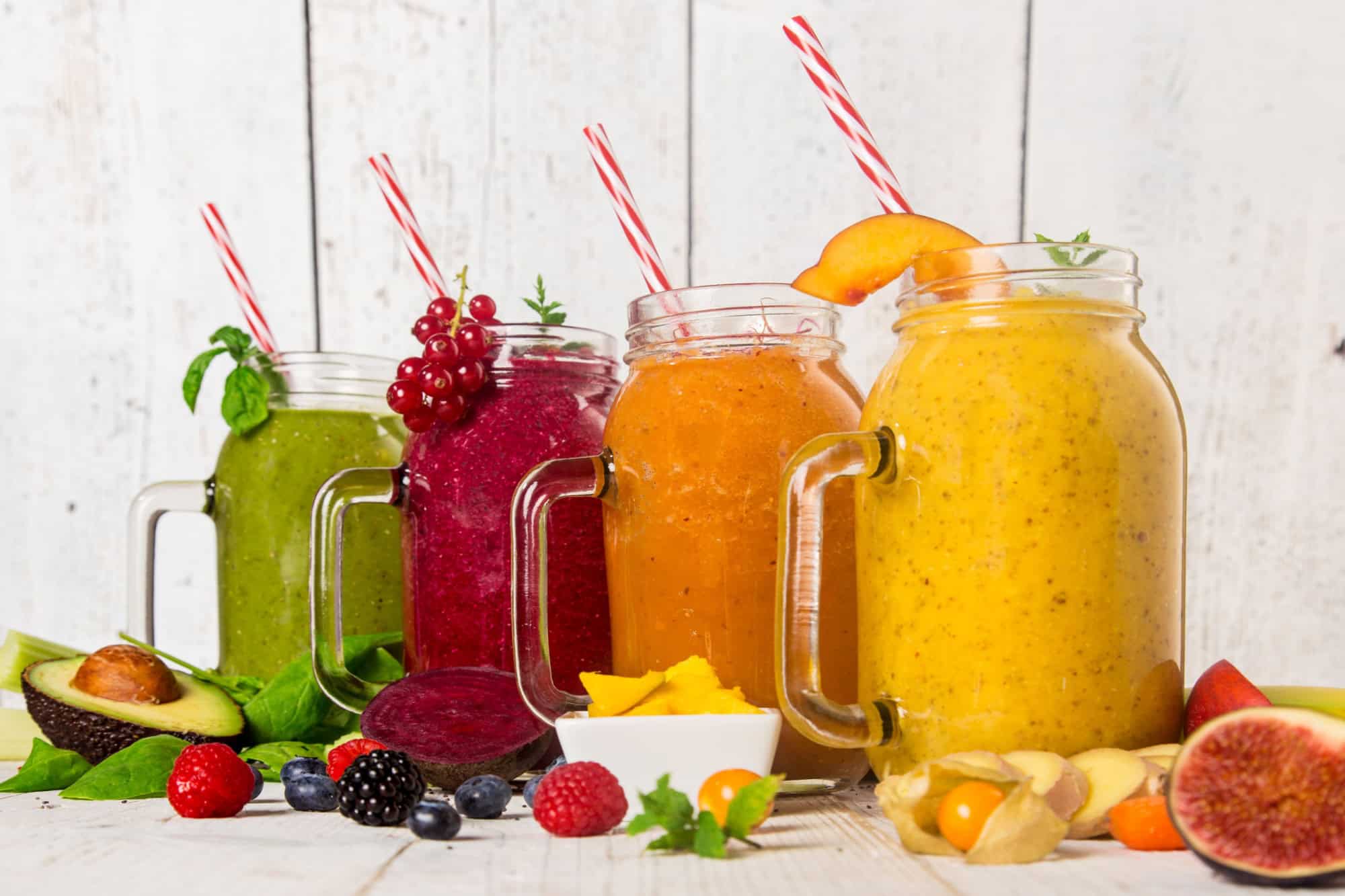
Even drinks that seem healthy can cause us to take in more calories than we plan. Fruit juices and smoothies seem healthy but drinking them too often can cause us to take in too much sugar and add pounds. We just have to enjoy them in moderation if we want to benefit without harming our health.
Over-reliance on technology for health tracking

Ever see folks glance at their watches or phones every hour? They think it’s doing wonders for their health. But all that number-crunching can miss what your body’s trying to say. The real magic’s in noticing symptoms and chatting with your doc when things don’t feel right.
Over-training

Exercise is good for the body; however, overdoing it without allowing the body time to recover, may have a negative effect. Recovery is essential for repairing muscles and keeping hormone levels balanced. Without time to rest and recover, the potential for injury increases.
Obsessing about your weight
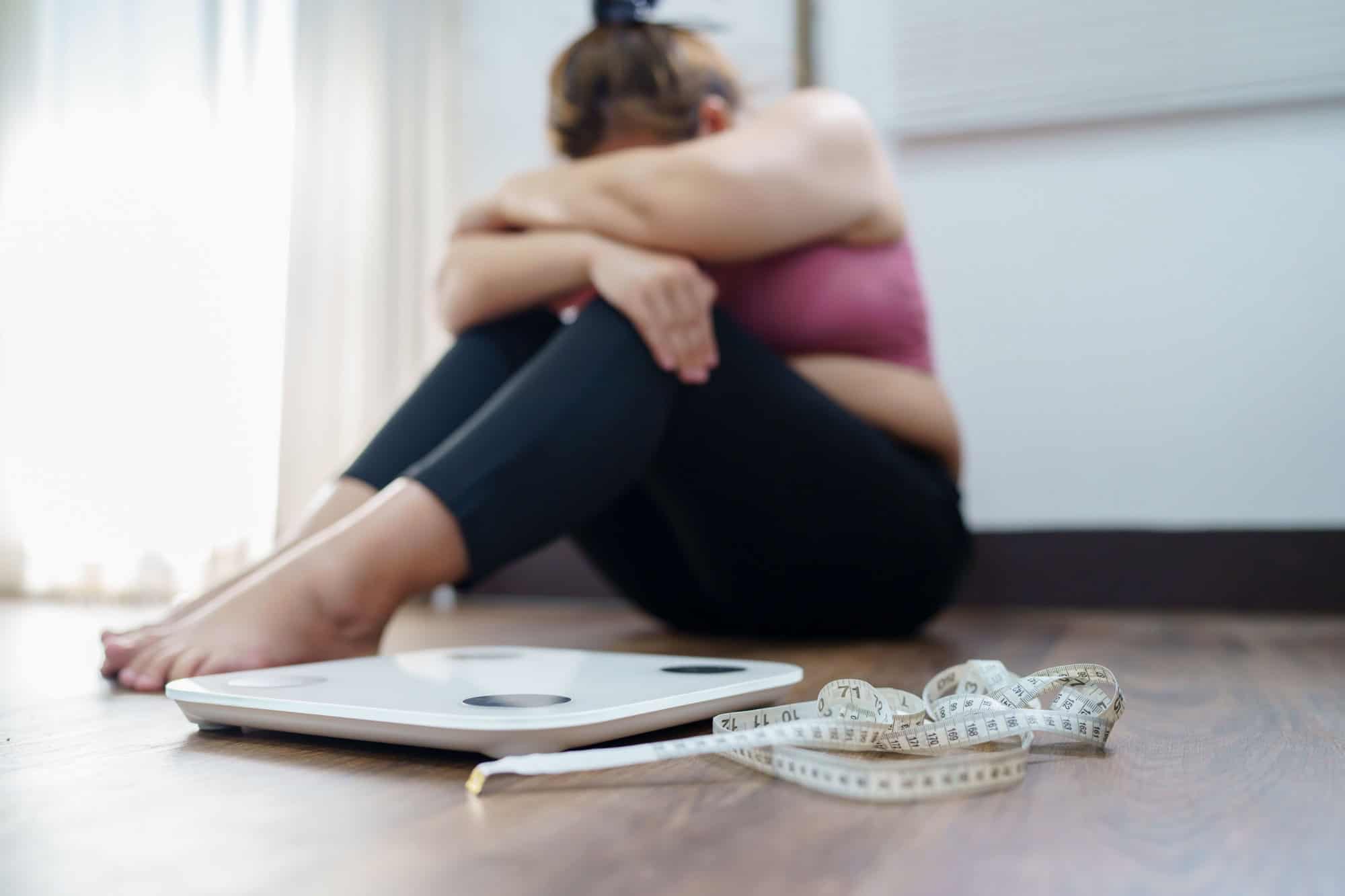
Worrying about your appearance is human nature, but it’s important not to overdo it. When you push your concerns too far you may face stress together with low self-esteem and missed experiences. To prevent future regrets it is vital to strike an appropriate balance between self-care and maintaining mental and emotional health.
Sources: Please see here for a complete listing of all sources that were consulted in the preparation of this article.
Like our content? Be sure to follow us.