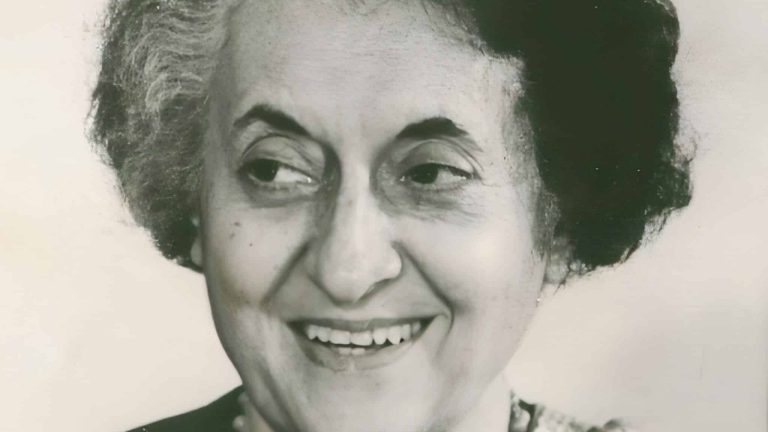

The idea of fifteen million people at one funeral sounds like something impossible, yet there have been quite a few farewells in modern history that have reached that figure, or close enough.
A record that still stands
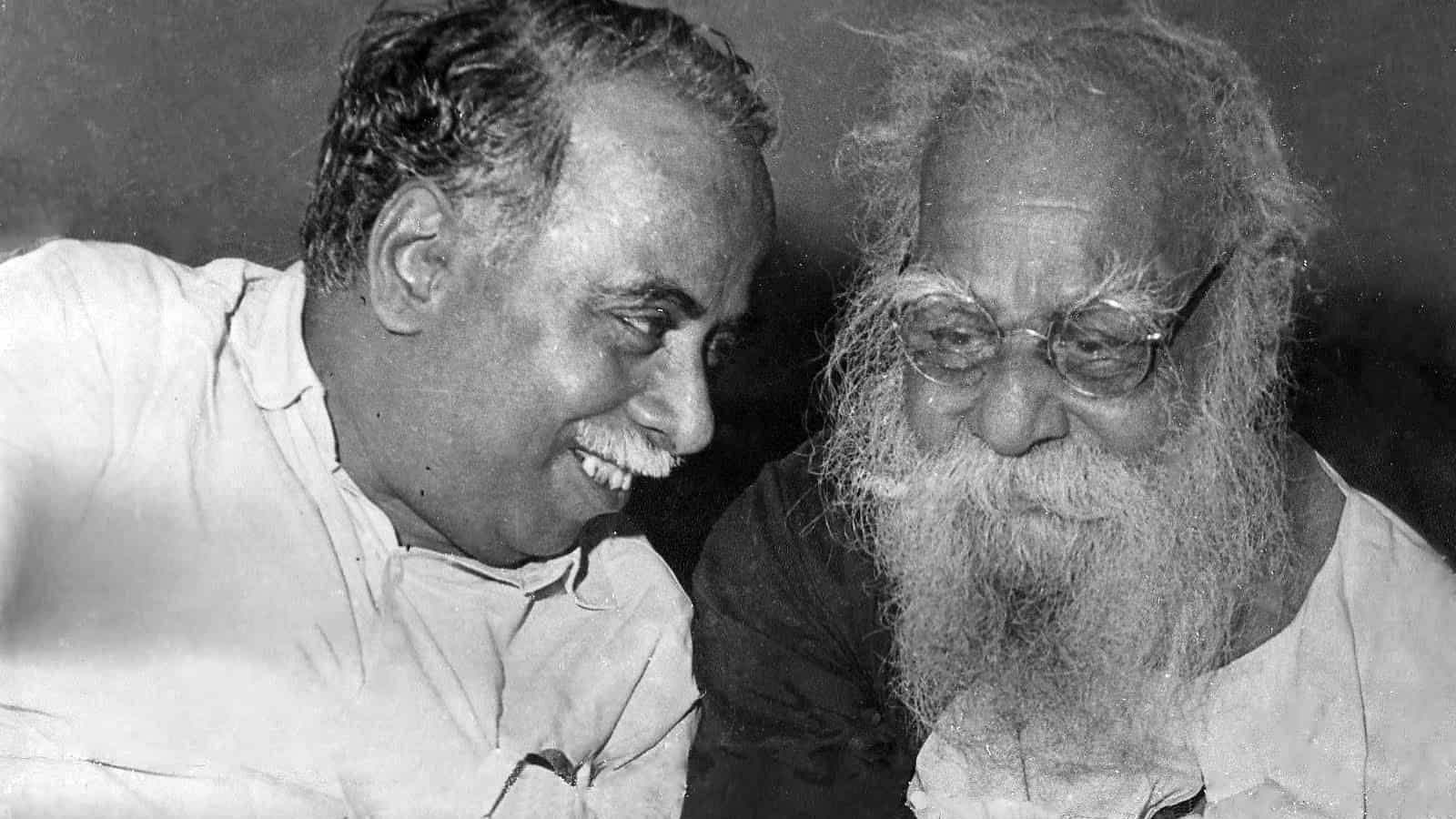
The world record for the most funeral attendees goes to C. N. Annadurai, former chief minister of the Indian state of Tamil Nadu. He died from cancer on February 3, 1969, and his body was taken through Madras, aka modern-day Chennai. Fifteen million people attended.
Yes, you read that right, fifteen million people. They came in from across the state and created a crowd unlike anything that’s been seen before or since. Even Guinness World Records verified the number of people there.
Millions along a 20-mile route
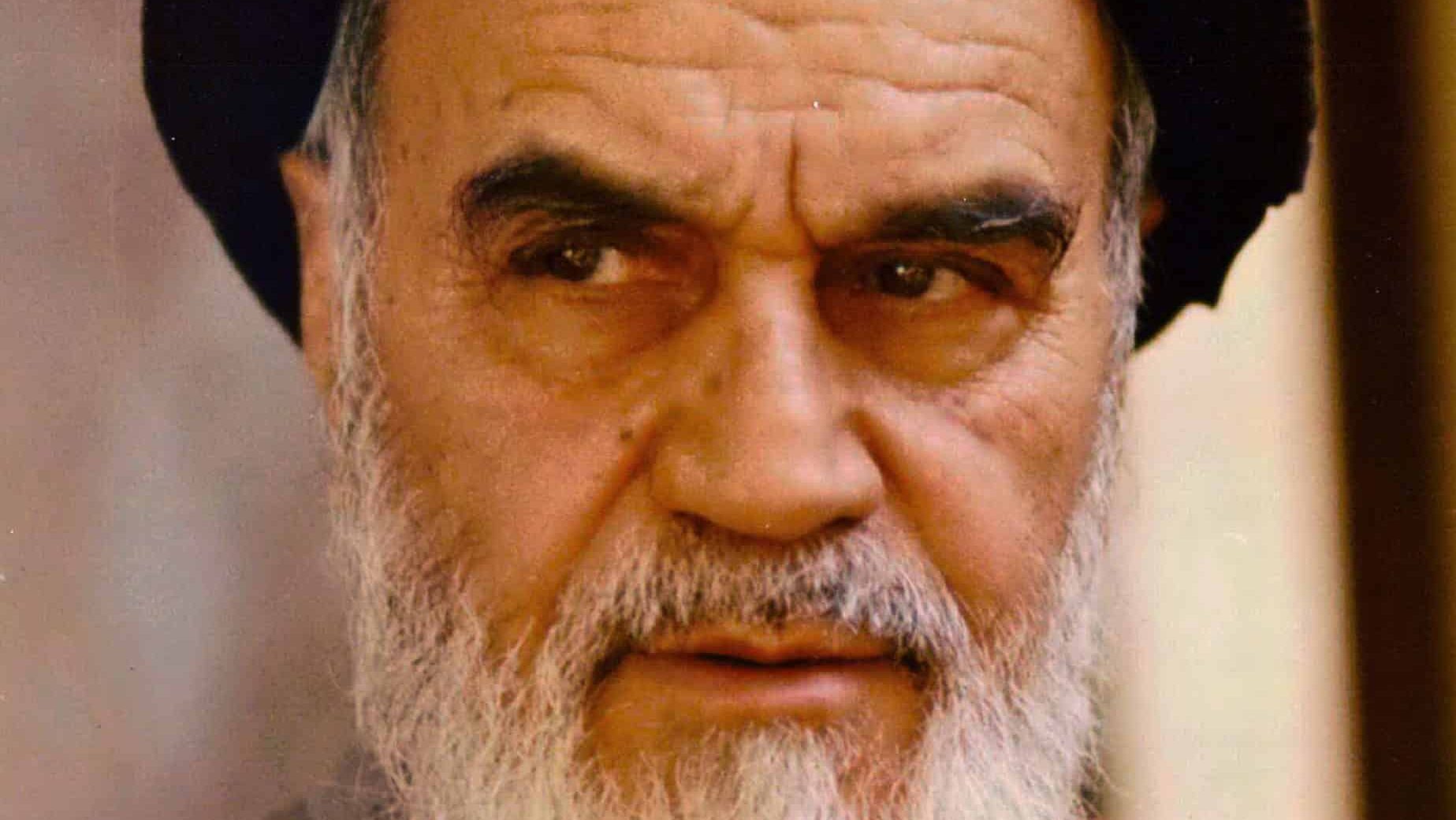
The burial of Iranian leader Ruhollah Khomeini didn’t go according to plan. He died on June 3, 1989, following surgery and worsening health, leading to enormous crowds gathering around Tehran. Estimates put the total number at around 10.2 million people.
This huge crowd lined the roughly 20-mile route to the cemetery, and things became so packed that mourners disrupted the first burial attempt. Officials actually had to take his body away and try to bury him again later.
Cairo fills for a president
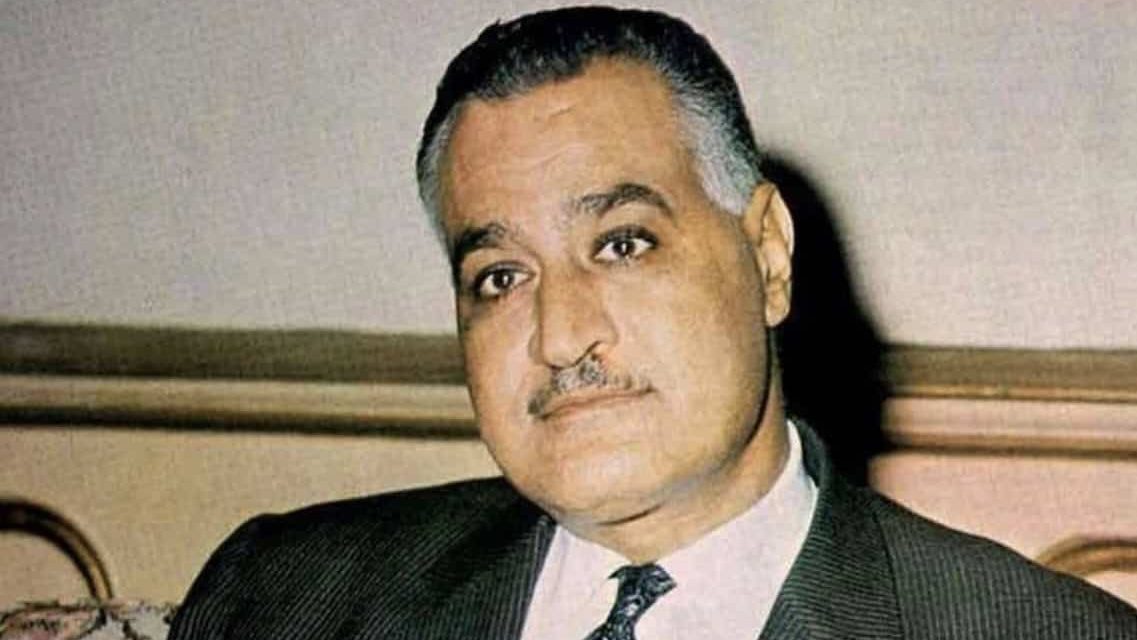
On September 28, 1970, Egypt’s president Gamal Abdel Nasser had just finished dealing with an Arab League summit. Then he suffered a heart attack. He died at his home in Cairo, and only a few days later, the city became packed with mourners.
Around five million people crowded into the streets for his funeral procession. There were so many people there, in fact, that the barriers didn’t always hold and some people fainted in the crush. The whole city practically became one enormous funeral route, and it caused all manner of problems.
The singer who packed Cairo
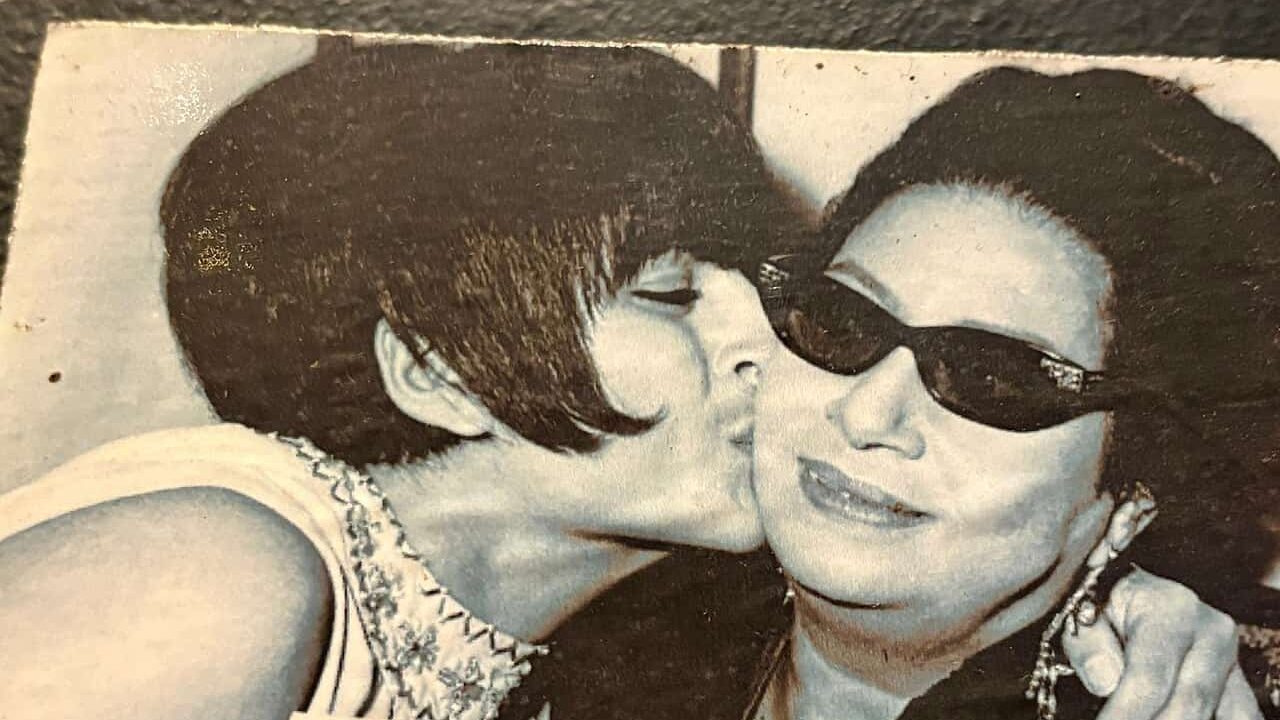
Turns out, singers can be just as popular as politicians, if not more so. Egyptian star Umm Kulthum died on February 3, 1975. Health problems had forced her to stop performing a couple of years earlier, but it seems people were still huge fans of hers.
About four million people lined Cairo’s streets for her funeral. There was even a moment when mourners took control of the coffin from the official bearers and carried it themselves. They were that dedicated. The whole procession lasted for hours before she finally went to her burial place.
Rome runs out of room
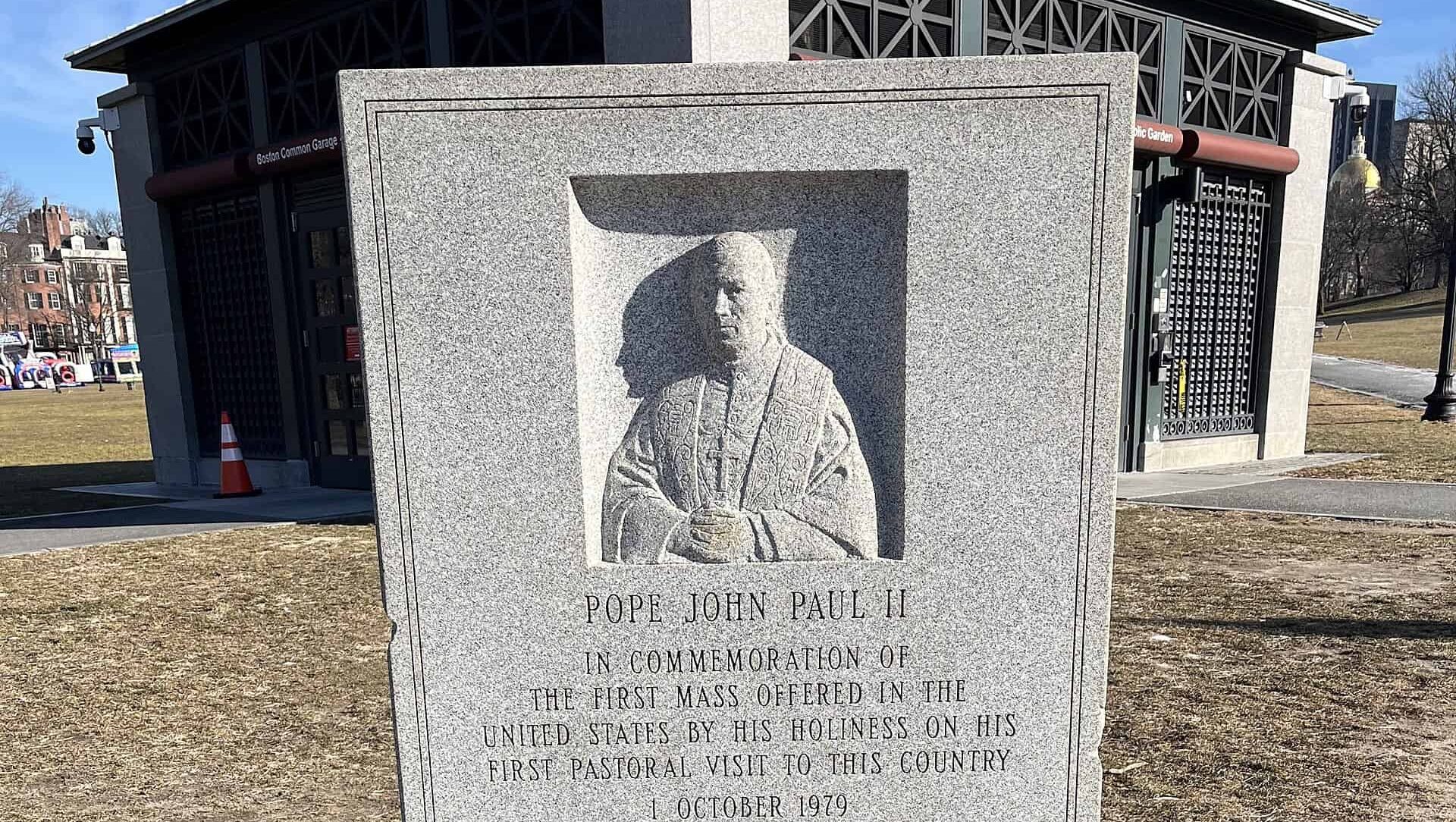
There was no point trying to do anything in Rome on April 8, 2005. The whole city was practically at a standstill, and it was due to the funeral of Pope John Paul II. He’d passed away on April 2 following health problems.
The Pope’s funeral Mass was at St. Peter’s Square, but the crowd went far beyond the Vatican, with around four million people coming to Rome for the funeral period. 300,000 of them were packed into St. Peter’s Square and the nearby avenue alone. The rest of the crowd watched the Mass on huge screens around the city because they had no other option.
A funeral under tight security
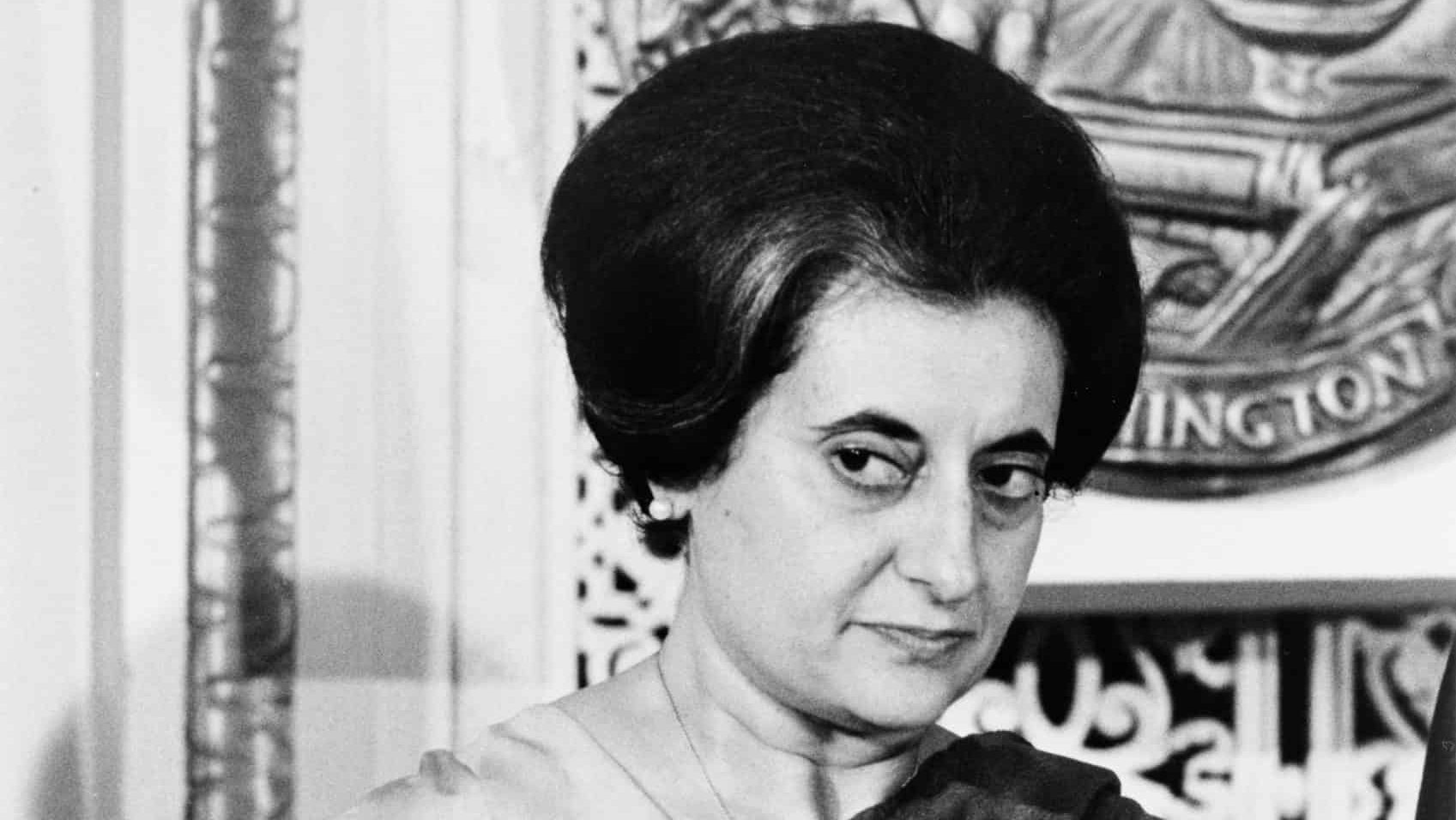
Unlike some of the other people on this list, Indira Gandhi’s death wasn’t a natural one. The former Indian Prime Minister was assassinated by two of her bodyguards on October 31, 1984. She was then cremated three days later beside the Yamuna River in New Delhi.
Her coffin traveled about six miles on a gun carriage and had a huge security detail around the route to prevent any potential terror attacks. It’s unclear how many people attended the funeral, but estimates put it somewhere between 300,000 and nearly one million. It was a lot.
Two careers, one enormous farewell
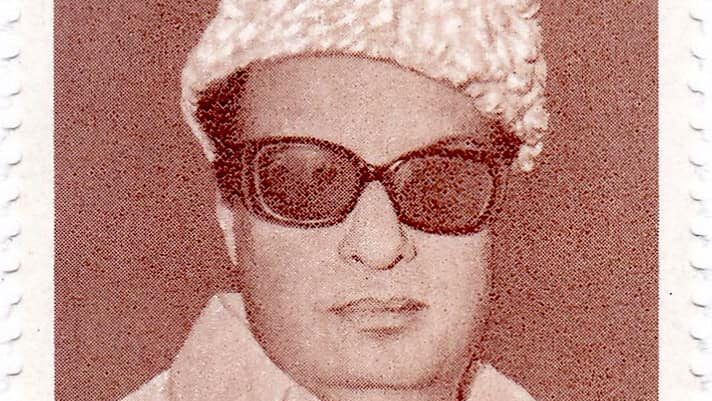
M. G. Ramachandran had previously been a huge Tamil movie star, but then he became chief minister of Tamil Nadu. That’s probably why so many people attended his funeral on Christmas Day 1987. Two enormous audiences were grieving his loss.
One million mourners packed Madras for his funeral and crowded a route of several miles. There were some reports that put the total even higher, although those figures haven’t been confirmed. It was a big funeral for a big star, either way.
São Paulo stops for Senna
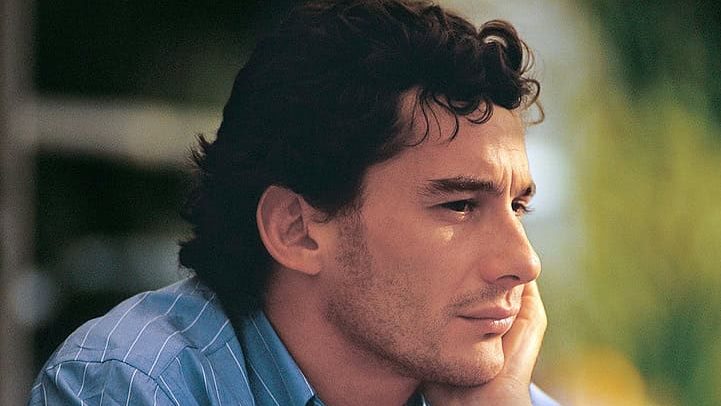
Most Formula One fans will know the date May 1, 1994, pretty well. That was the day that Brazilian driver Ayrton Senna crashed at the Tamburello corner while leading the San Marino Grand Prix at Imola. He died from his injuries, and Brazil then brought him home.
He had a state funeral in São Paulo that had around three million people lining the streets to watch his coffin pass through the city. It makes sense, really. The country had declared three days of national mourning for his death, and several of his fellow racing drivers were the pallbearers.
Buenos Aires waits for Evita

Sticking to South America, Eva Perón was only 33 when she died due to cervical cancer on July 26, 1952. The Argentine First Lady was a beloved figure across the country, and her funeral was clear proof of that. Her embalmed body lay in state for more than two weeks. People queued for hours in Buenos Aires to see her.
There were roughly two million attendees at the ceremonies and procession. That wasn’t the end of things, though. A coup in 1955 meant that her body disappeared from Argentina and she was secretly buried in Italy. It took nearly 20 years for her body to return home again.
A procession through New Delhi
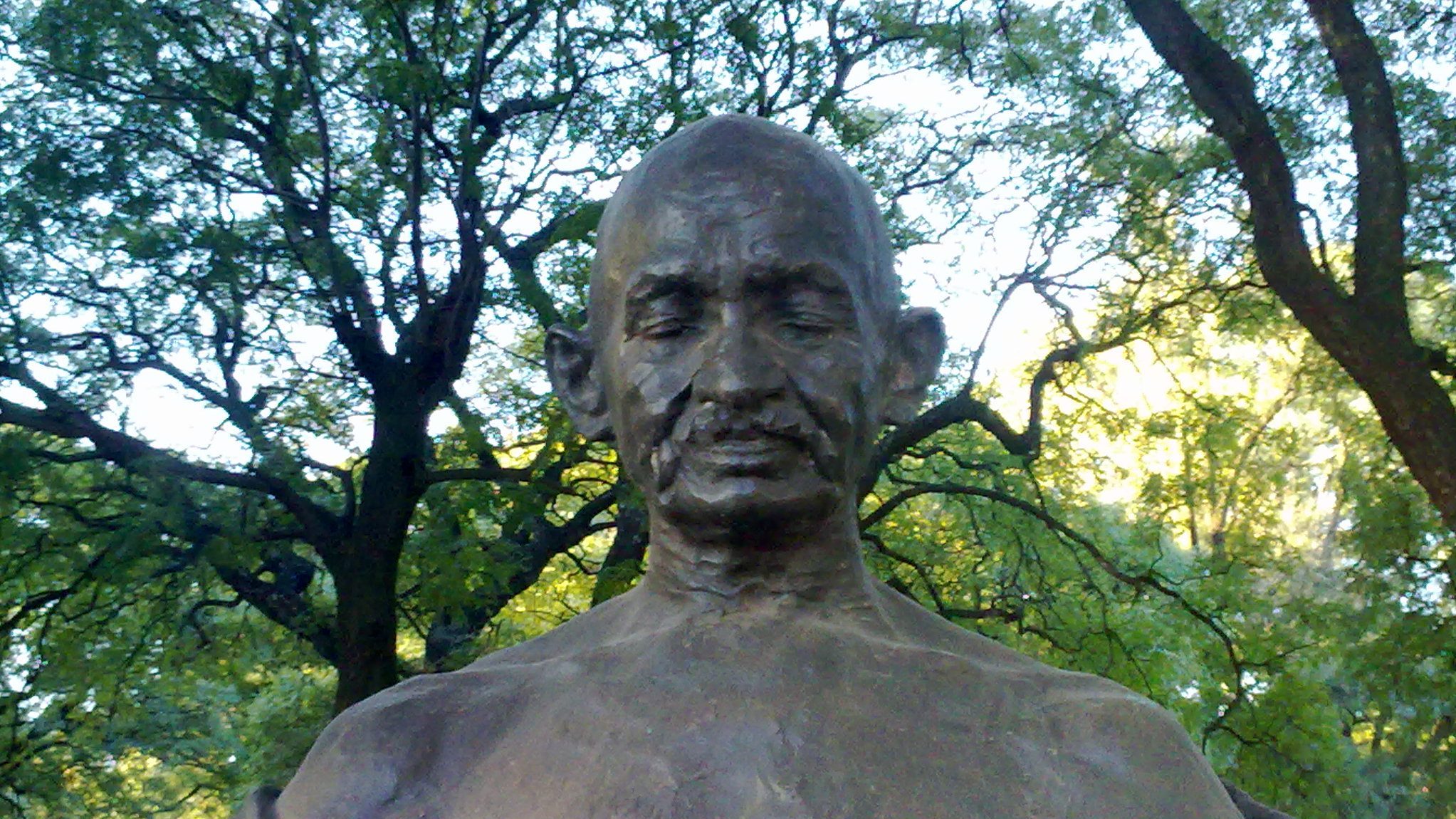
It should be no surprise that freedom fighter Mahatma Gandhi had a big funeral. He was assassinated on January 30, 1948, during his regular evening prayer by a man named Nathuram Godse. The funeral took place the next day.
Authorities had very little time to prepare for what followed. Gandhi’s flower-covered body traveled through Delhi toward the cremation ground, and around two million people came to pay their respects to him.
Pyongyang brings out two million
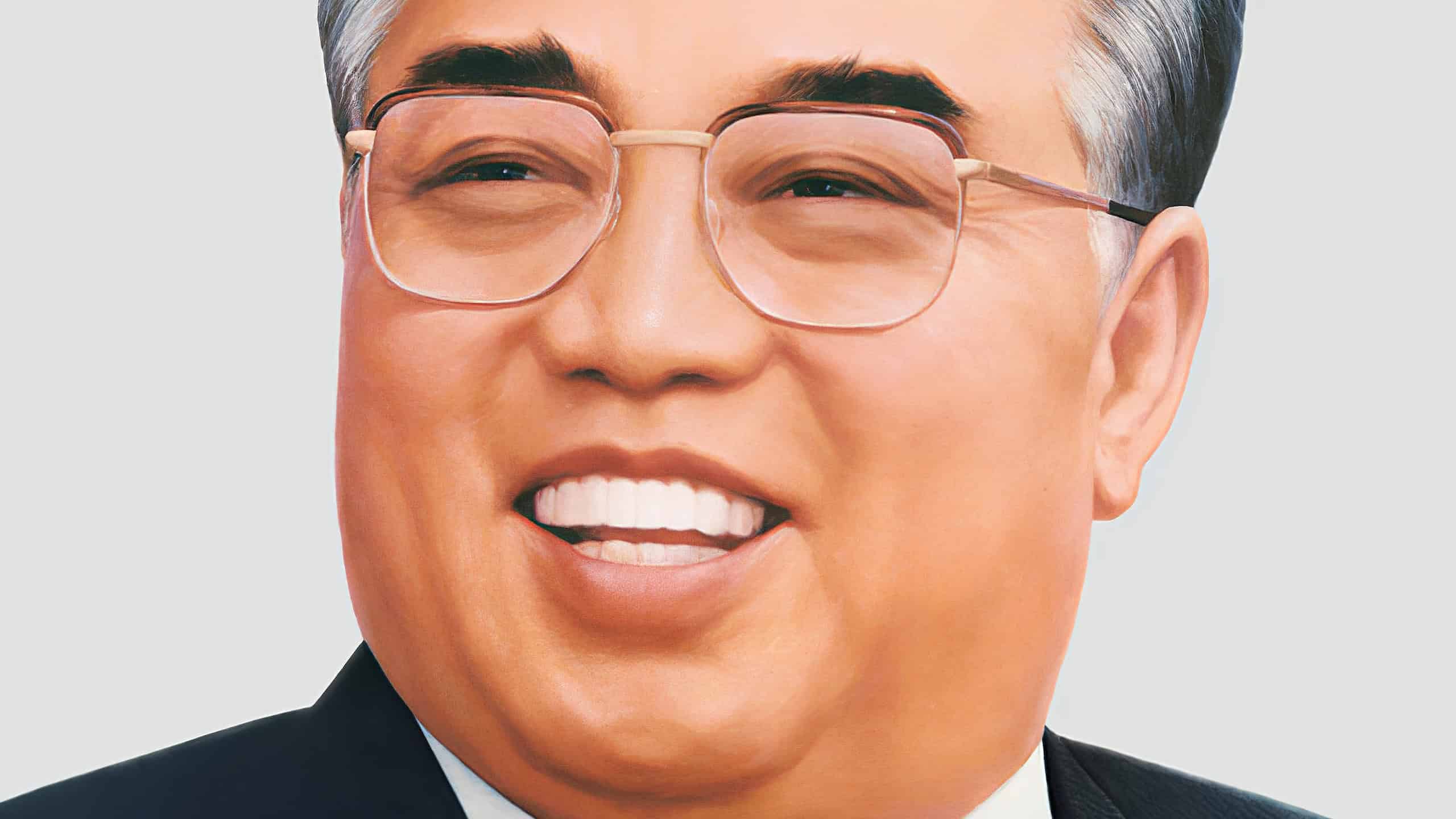
North Korea’s first leader, Kim Il Sung, ruled the country for decades. But then, on July 8, 1994, he suffered a heart attack that killed him, and his funeral procession took place eleven days later. It lasted around three and a half hours.
The hearse moved through Pyongyang, and many people publicly grieved his death. The problem is, however, that we don’t know exactly how many people were there. North Korean state television said there were two million people, close to 10% of the country’s population. It might be an exaggeration, it might not. We don’t know.
Moscow becomes dangerously crowded
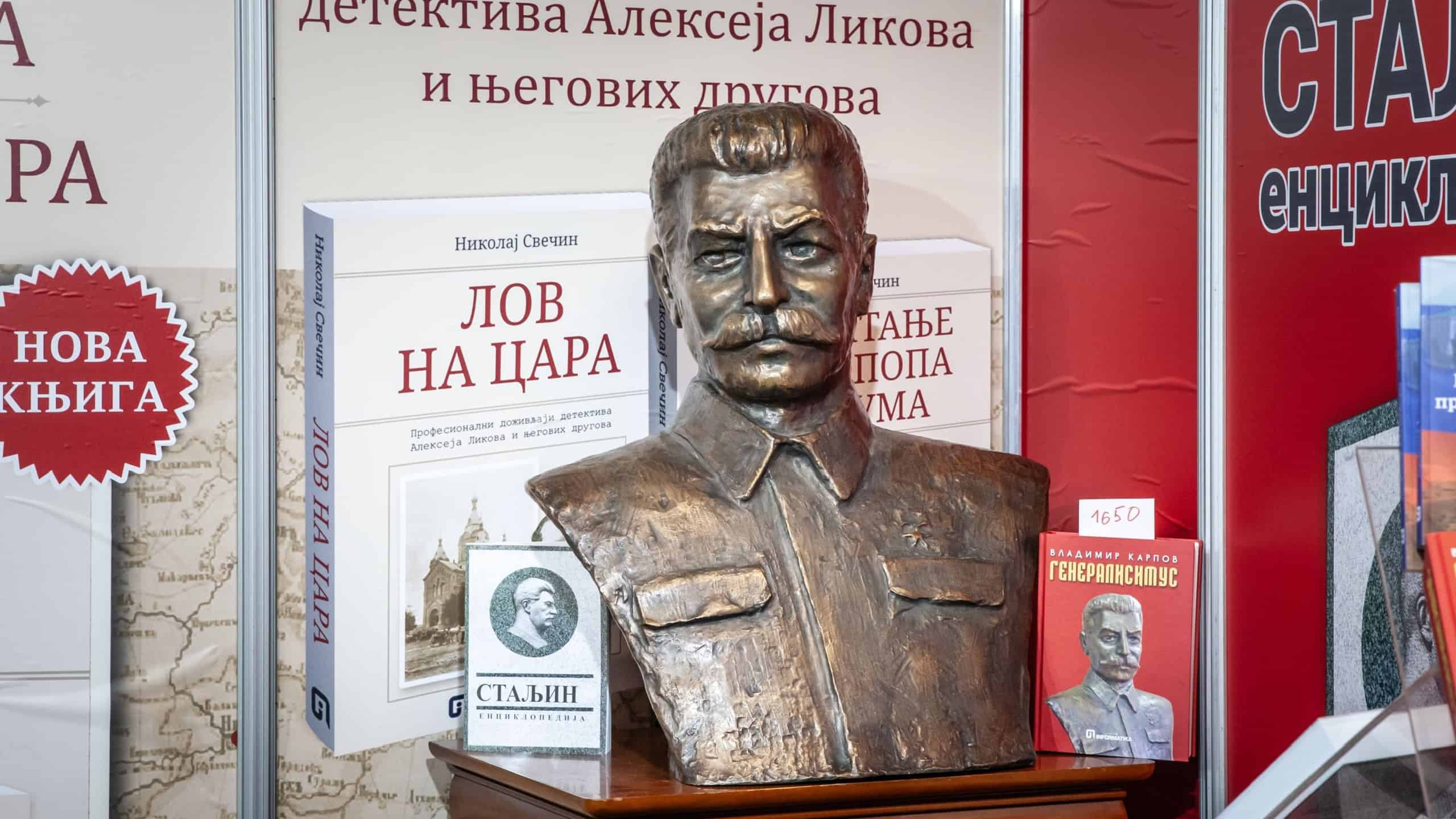
Anyone who wanted to get near Joseph Stalin’s coffin was in for an ordeal. The Soviet leader died from a major stroke on March 5, 1953, and his body was later put on public display in Moscow. His funeral took place on March 9 and had around two million people paying their respects.
They blocked streets with trucks and barriers. The saddest part is that people were crushed to death in the chaos, although it’s unclear how many people died. Still, the fact that his funeral actually killed people is almost unbelievable.
London watches the procession
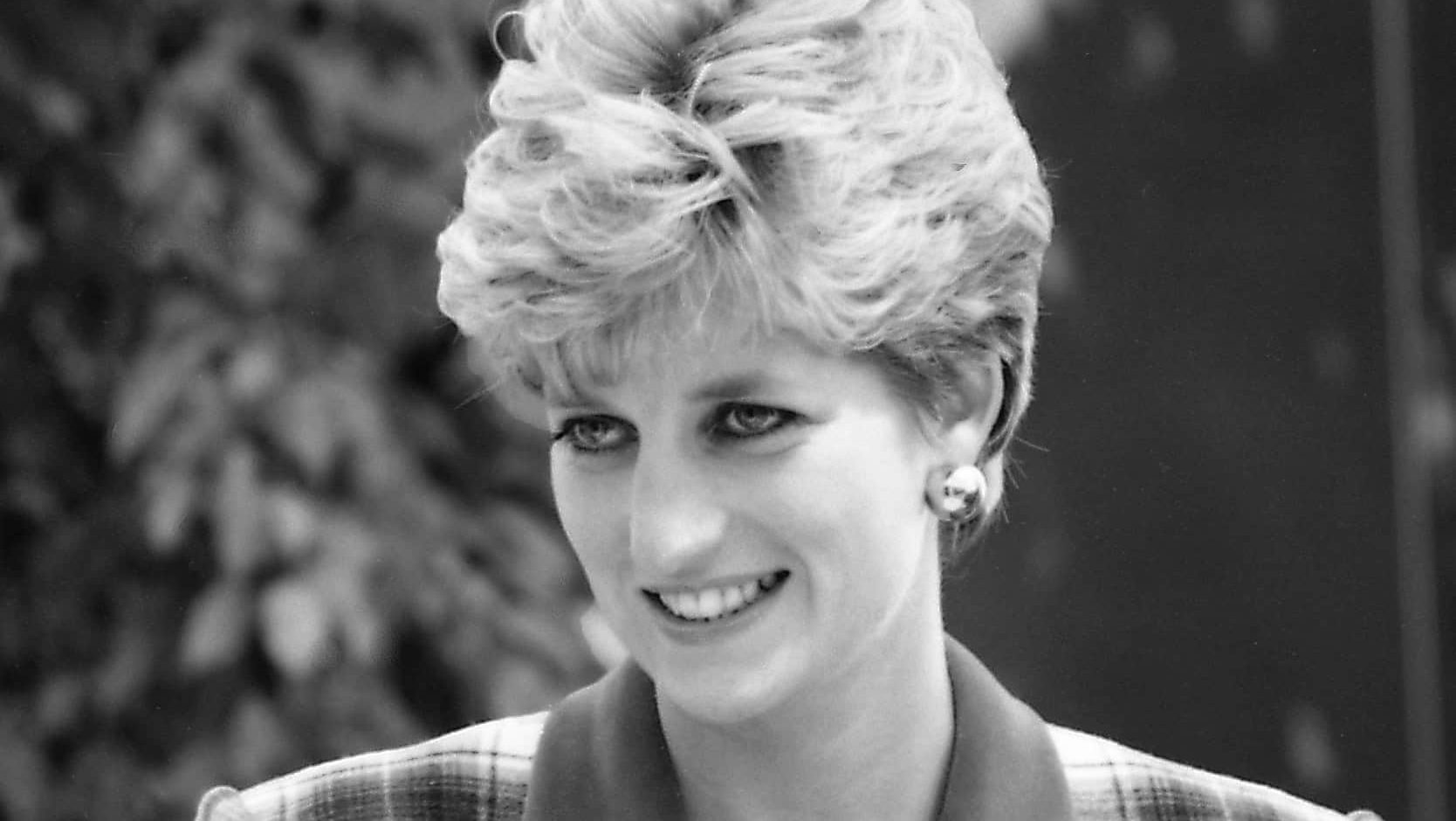
Over a million people were in central London for Princess Diana’s funeral. The day itself, however, was very quiet. She died from injuries following a car crash in Paris on August 31, 1997, and her funeral followed on September 6.
Diana’s coffin moved through the city before reaching Westminster Abbey. It had crowds packed along the route. Her coffin was taken out of London after the funeral and went to Althorp, her family’s estate, where she was buried privately.
Washington says goodbye to Kennedy
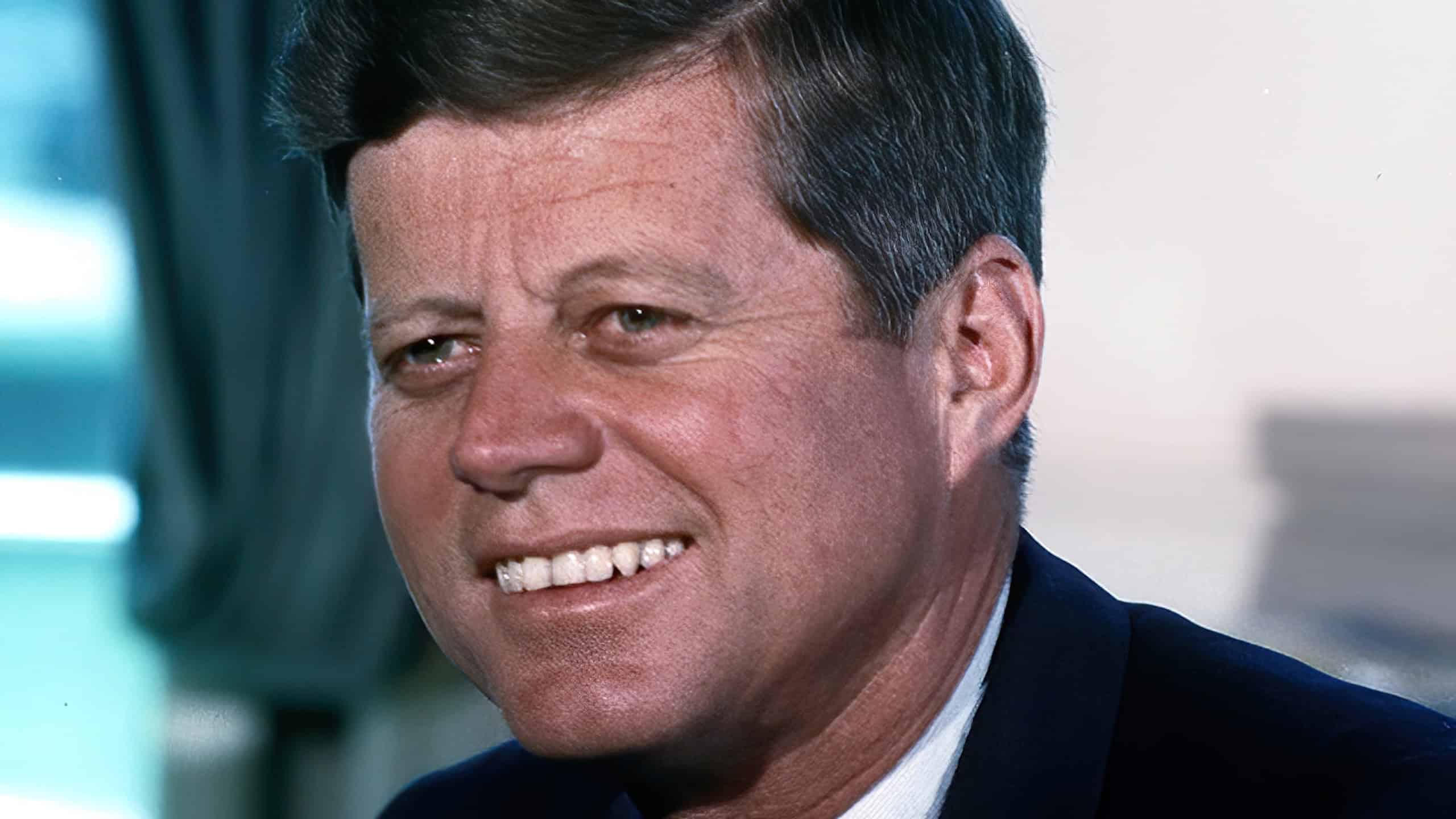
Practically everyone in America knows the date November 22, 1963. That was the day that President John F. Kennedy was shot in Dallas, and three days later, he had his funeral. Around one million people lined the streets of the capital.
His coffin went from the Capitol to St. Matthew’s Cathedral, then on to Arlington National Cemetery. It wasn’t only the public attending, however, as representatives from 92 countries came to attend. His wife, Jacqueline Kennedy, lit an eternal flame beside his grave, and it’s still burning there today.
Sources: Please see here for a complete listing of all sources that were consulted in the preparation of this article.
13 notable figures who lost their lives due to medical errors
A wrong dose or bad medical decision was all it took for these hospital visits to become a lot deadlier for some famous faces.
13 notable figures who lost their lives due to medical errors

