

The 60s through to the 80s were prime years for outrageous claims and shameless flattery. If it sounded scientific, futuristic, or “doctor-approved,” consumers bought it. So here are 11 forgotten marketing gimmicks from the ’60s to ’80s that completely fooled consumers.
The “Pet Rock” craze

In 1975, a man named Gary Dahl figured out he could make a ton of money selling the most common thing in existence: a rock as a pet. Gary packaged plain rocks in a cardboard box with air holes and sold them with an extremely entertaining “Instruction Manual” on how to housebreak and train your new stone companion. People knew it was a rock, but that didn’t stop over five million people from paying actual money for something they could’ve found in their driveway.
“Scientifically proven” cigarette filters

In the 60s, health concerns started surfacing about smoking cigarettes. Tobacco companies fought back with every angle they could think of, including filters. “Micronite” filters and “Low Tar” were marketed like magic potions.
Filters were even advertised as being made from the same materials used in hospital air filtration systems. The truth was that some of these filters were actually made with asbestos. So not only did the filters not make cigarettes healthier, but the “healthier” gimmick was worse for you than smoking regular cigarettes.
The “Polaroid” magic

When Polaroid marketed its instant cameras, it started focusing on the magical chemical reaction taking place inside that film pouch. They marketed “shake it like a Polaroid picture” (which was actually bad for your photo) as part of the consumer’s role in the development process.
People fell for it. They thought they were helping the picture develop by busting those silly dance moves, when all they were really doing was jostling a blurry photo.
Sea-monkeys

This one might’ve fooled you when you were a kid. Sea-Monkeys were advertised in comic books as sentient, human-like creatures that lived in a castle under the sea.
In reality, they were brine shrimp. Millions of kids spent their allowances on something that looked like microscopic boogers floating in salt water.
The “no-stick” Teflon

Back in the late 60s and 70s, Teflon was introduced to the world as the magical, “No-Stick” coating that would revolutionize every housewife’s life. They marketed it as clean, futuristic, and 100% safe.
Teflon coated everything and was advertised as a futuristic miracle that was completely clean and safe. What they conveniently left out of their shiny commercials was that overheating the pan could cause toxic fumes to be emitted from the coating. And if you used a metal spoon, that “non-stick” coating would flake off into your eggs.
The “New Coke” switch

In one of the most legendary marketing stunts of all time, Coca-Cola switched its formula in 1985. Supposedly, blind taste tests “proved” customers preferred the taste of New Coke.
Public backlash was so huge that people started hoarding vintage cans off grocery store shelves. The company panicked, brought back Coca-Cola Classic a few months later, and sales skyrocketed. Conspiracy theorists believe this entire fiasco was a marketing ploy to get people hooked on Coke Classic again.
X-Ray specs

These were the ultimate 70s comic book gimmick. Ads showed kids looking through their hands and seeing their bones or looking through walls. It was marketed as military-grade spy tech for children.
When the “X-Ray Specs” came in the mail, they were of horrible quality. Two pieces of paper with bird feathers sandwiched in between, held together by a cheap pair of cardboard frames. The feathers created a double vision effect that made things look “blurry.”
Tab “Diet” soda for women

Tab was marketed in the 60s and 70s as a woman’s soda. Beautiful models danced around in their commercials singing about how Tab would help you “stay in shape.”
What they didn’t tell you was that Tab tasted horrible because of the main sweetener: saccharin. People drank it because they thought they should.
The “Mood Ring”
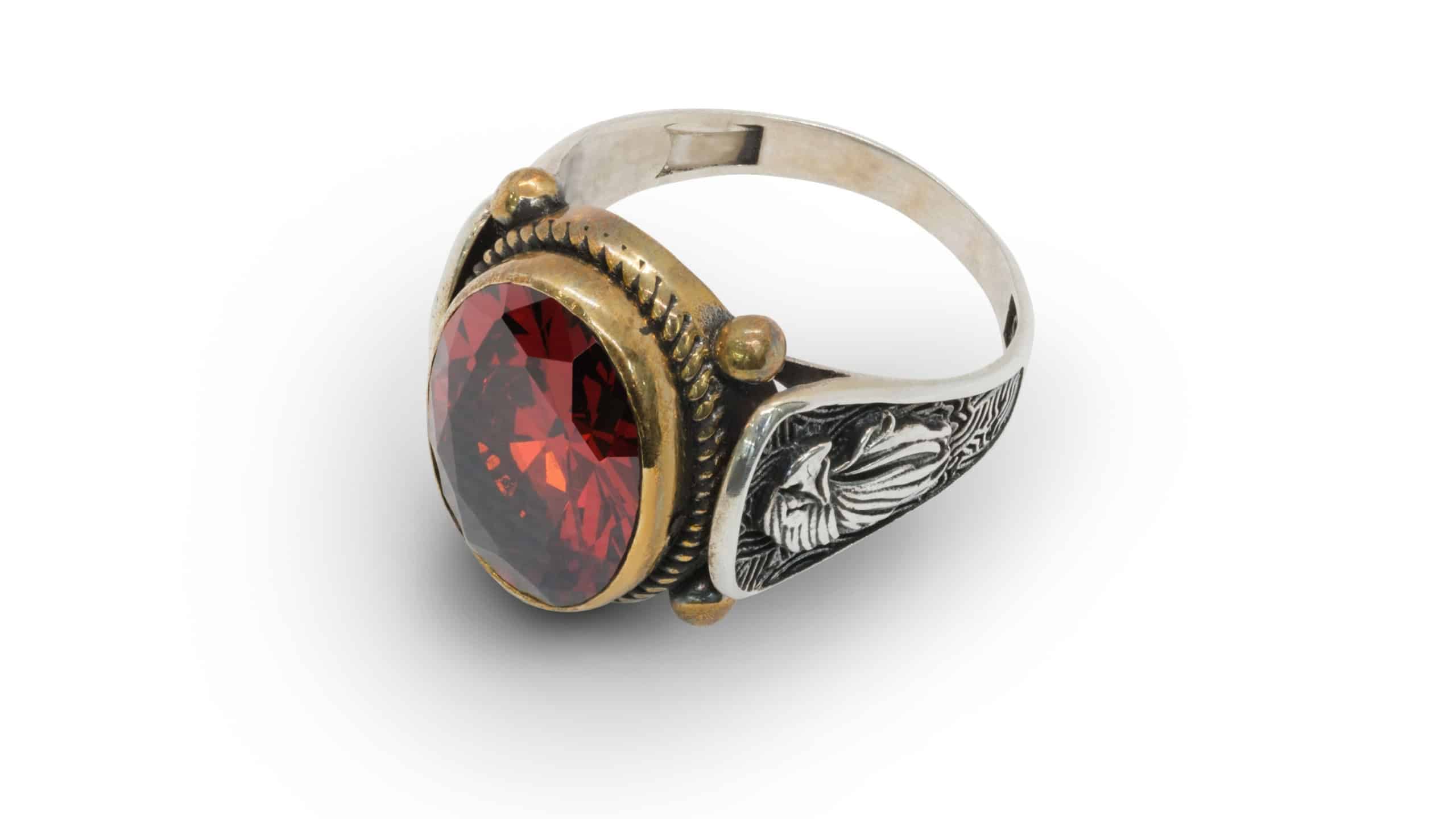
In 1975, a company convinced America that a ring on your finger could analyze your “emotions” and “body chemistry.” Not only would it analyze you, but it would also change colors to reflect your mood.
Blue means you’re relaxed. Black? You’re stressed out. Of course, it wasn’t a mood ring at all. It was filled with liquid crystals that reacted to heat. If you were out in the cold, your happy mood would look like you were extremely stressed on the ring.
“Margarine is Better Than Butter”

Remember when everyone switched to margarine because they were told it was better for you than butter? That started in the 60s and went on for decades.
Margarine commercials hired scientists and doctors to persuade you that vegetable oils were a miraculous health food. Years later, we discovered that the trans fats in margarine were much worse for you than butter.
The “gas-saving” gadgets

When fuel prices skyrocketed in the 1970s, there were dozens of gadgets advertised that could save you gas. “Fuel savers” and “power magnets” could be found in gas stations across the country.
Drivers were so afraid of rolling down the street with an empty tank that they would buy anything that looked remotely science-based. None of these gadgets, like magnetic fuel ionizers or special valves you could plug into your engine, worked. But that didn’t stop people from buying them.
Sources: Please see here for a complete listing of all sources that were consulted in the preparation of this article.
Like our content? Be sure to follow us.

